Locksmith services are always 10% off for seniors.
Open Mon–Thu 8:30 AM–9 PM, Fri 8:30 AM–4 PM, Sun 9:30 AM–9 PM
Locksmith services are always 10% off for seniors.
Open Mon–Thu 8:30 AM–9 PM, Fri 8:30 AM–4 PM, Sun 9:30 AM–9 PM
GTA Lockman Mobile Locksmith Services · Toronto & GTA
Choose compatible front-door hardware with the right fit, operation and finish for the existing opening.
Related services
Replace worn or unsuitable hardware with a lock that fits the door, its function and your access needs.
Learn moreDiagnose resistance, incomplete bolt travel and failed connections without assuming every deadbolt needs replacing.
Learn morePlan keyless entry around door compatibility, code management and a practical backup entry method.
Learn moreCompare key-control features and compatible hardware upgrades while keeping the surrounding door in the assessment.
Learn moreNew floors, paint, thresholds and weatherstripping move doors. Find the cause and restore reliable locking.
Learn moreWhat Grade 1, 2 and 3 measure, what they leave out, and why the strike and frame often matter more.
Learn more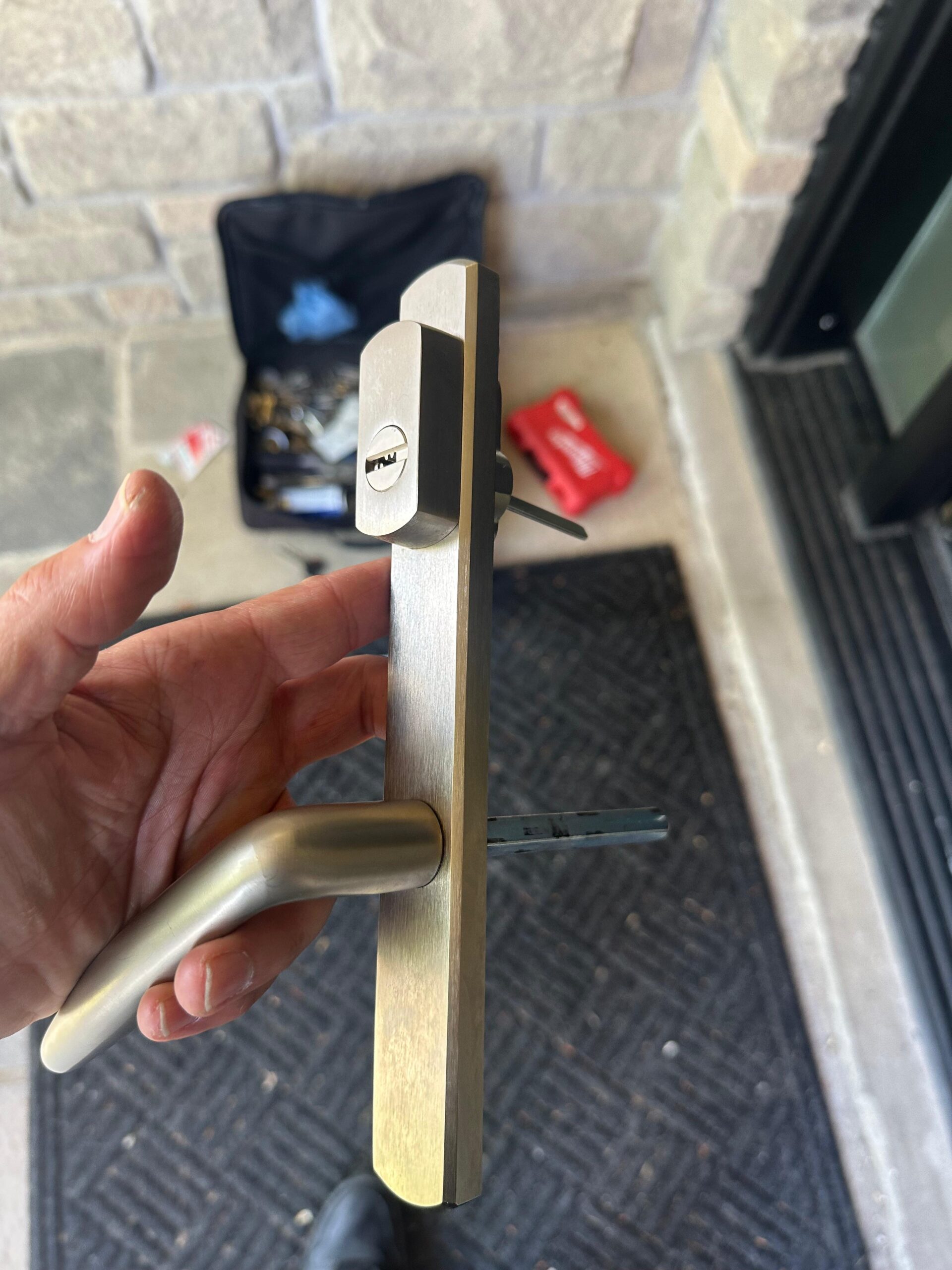
Front door lock replacement needs to account for the door, its existing preparation and the way the household enters. A handleset chosen for its finish can still have the wrong mounting arrangement or operating format. Start with photographs of both faces of the door, the edge and the frame. Include the overall entrance so nearby glazing, trim and other clearance constraints are visible.
Describe the reason for replacement. A worn latch, failed deadbolt, lost-key concern and cosmetic renovation are different starting points. If the hardware remains sound and only the key arrangement needs to change, rekeying may be an alternative. That distinction is settled during a lock change assessment, before a complete replacement is assumed.
An assessment also identifies existing door problems. A sagging door can cause resistance in a new lock just as it did in the old one. Damaged timber or mounting holes may require attention outside the visible lockset. The proposed work should explain how those conditions affect fitting rather than treating a new product as a universal repair.
A residential entrance may have a separate deadbolt and handleset, a keyed knob, a lever or an integrated mechanism. Some arrangements allow a cylinder-level change while other components remain. A quote for a new lock should specify whether it includes the keyed cylinder, bolt, latch, inside trim, outside trim and any associated strike hardware.
If the handle is loose but the deadbolt is sound, the two faults should not be merged into one assumption. Equally, a cylinder that accepts a key does not prove the latch connection is intact. Explain which action fails and whether the symptom occurs from the outside, inside or both.
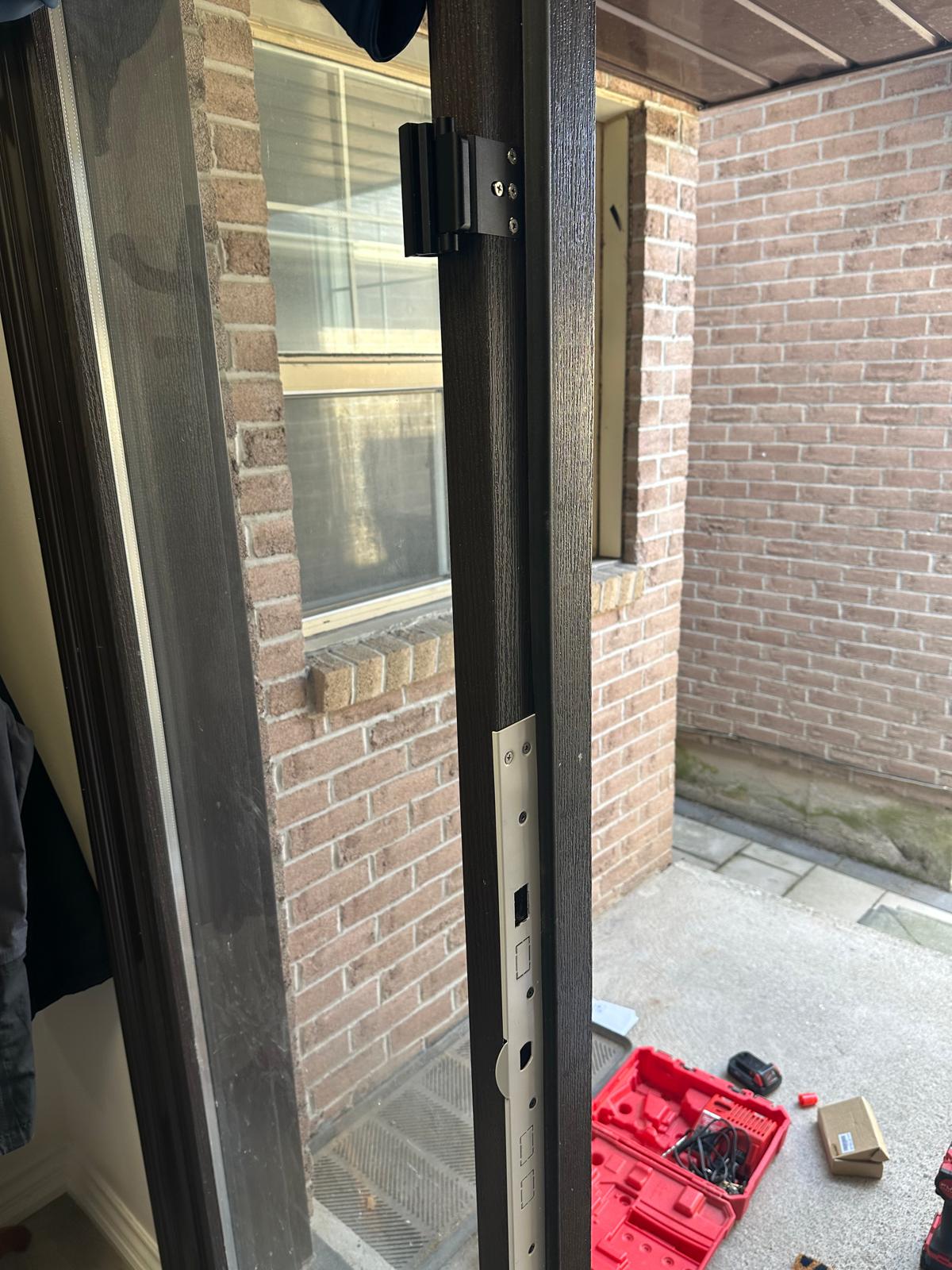
For a front entrance with multipoint hardware, identify the system before selecting a conventional deadbolt or handleset. The long locking strip and central mechanism have their own compatibility requirements. A surface resemblance to standard trim does not make the products interchangeable. Preserve the intended function of the whole assembly.
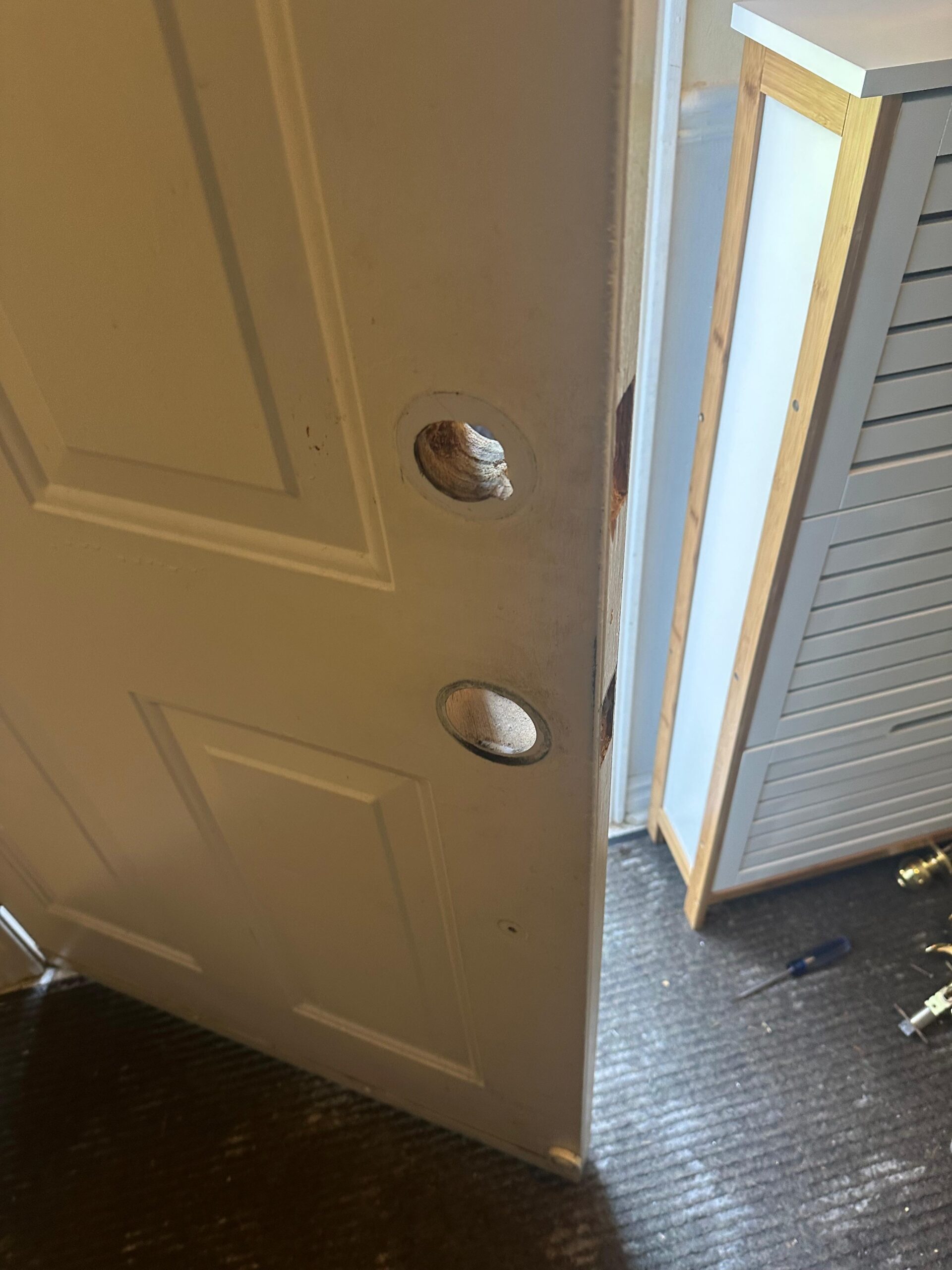
Existing holes, door thickness and hardware spacing affect replacement choices. A handleset may also use a lower fixing point separate from the keyed assembly. New trim may not cover old marks or openings. If the door's finish needs to remain untouched, mention that requirement before selecting a product.
Photographs can establish the likely format, but final measurements and condition checks may still be needed on site. Do not enlarge holes or remove material in advance to fit a product bought online. Altering the opening can limit other options and may be unsuitable for certain door assemblies.
Nearby glazing, decorative panels and storm doors can introduce clearance concerns. The inside housing of an electronic unit may occupy more space than the old thumbturn. A lever may need room to move without contacting another surface. These are practical fitting questions to resolve before the product becomes the assumed solution.
The finished latch should engage during normal closing, and the deadbolt should complete its intended travel without forcing the door into position. Test with the door open first and then closed. The difference between those tests helps reveal pressure from the frame or strike that is not apparent on an open door.
If the current deadbolt catches or stops partway, the bolt path and alignment deserve attention first, which is the starting point for deadbolt repair. Replacement may still be appropriate, but a new cylinder alone does not move a misaligned strike. The installation and the opening need to work together.
Inside controls should remain usable for the intended occupants and appropriate for the opening. Discuss ordinary use, grip and access needs before changing the format. Do not select an interior key requirement merely as a cosmetic preference. Questions about building requirements should be resolved with the appropriate professional or manager.
A conventional keyed lock provides a different maintenance routine from a keypad or connected product. Consider whether you want to issue physical keys, individual codes or supported remote access. Those decisions affect household administration as well as the initial installation. A feature has value only if the responsible person can manage it consistently.
Code ownership, compatible fitting and a backup way in are the three decisions behind any keypad lock installation. A product's app features, connectivity and batteries vary by model. Confirm those requirements rather than assuming every electronic lock connects directly to the same home network or continues to operate in the same way during a service outage.
If retaining an existing smart lock, identify its supported mechanical components before replacing the cylinder or trim. If changing the complete product, plan how the old account and users will be handled. The new physical lock should not leave uncertainty about who administers its access or where recovery information is kept.
Photos
Photographs from GTA Lockman Mobile Locksmith Services work across Toronto and the GTA. Send a picture of your own door and we can tell you what the visit would involve.
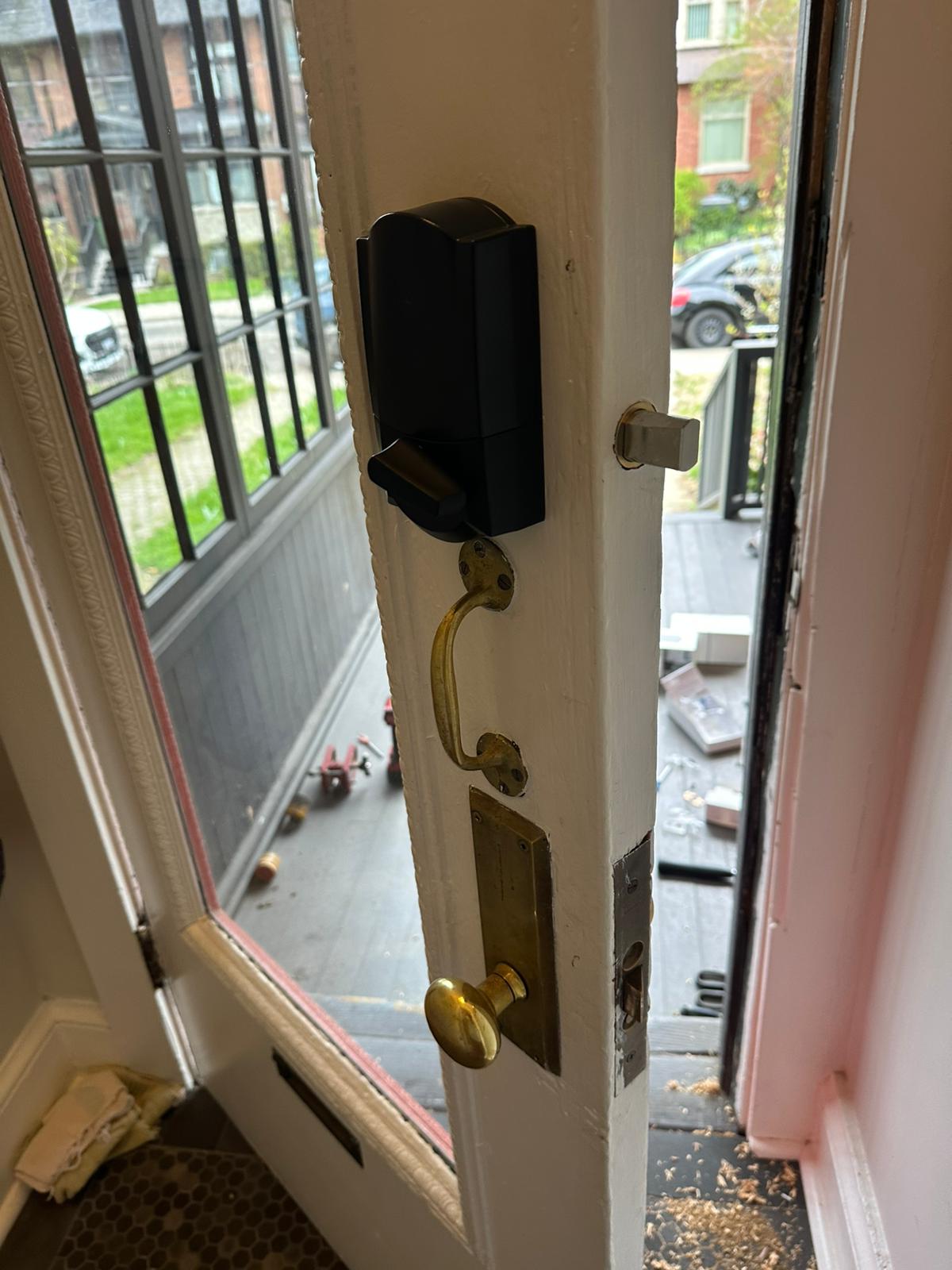
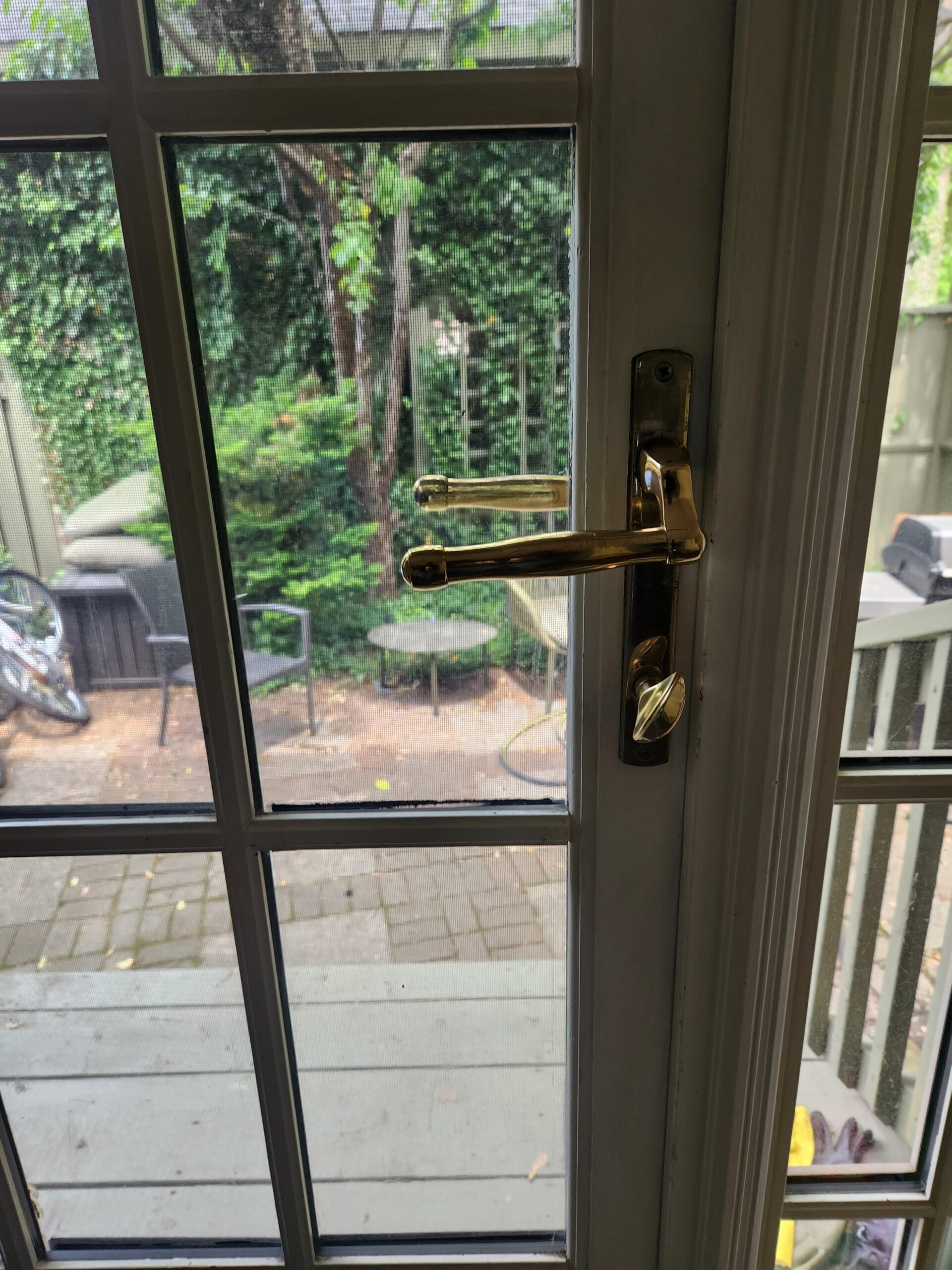
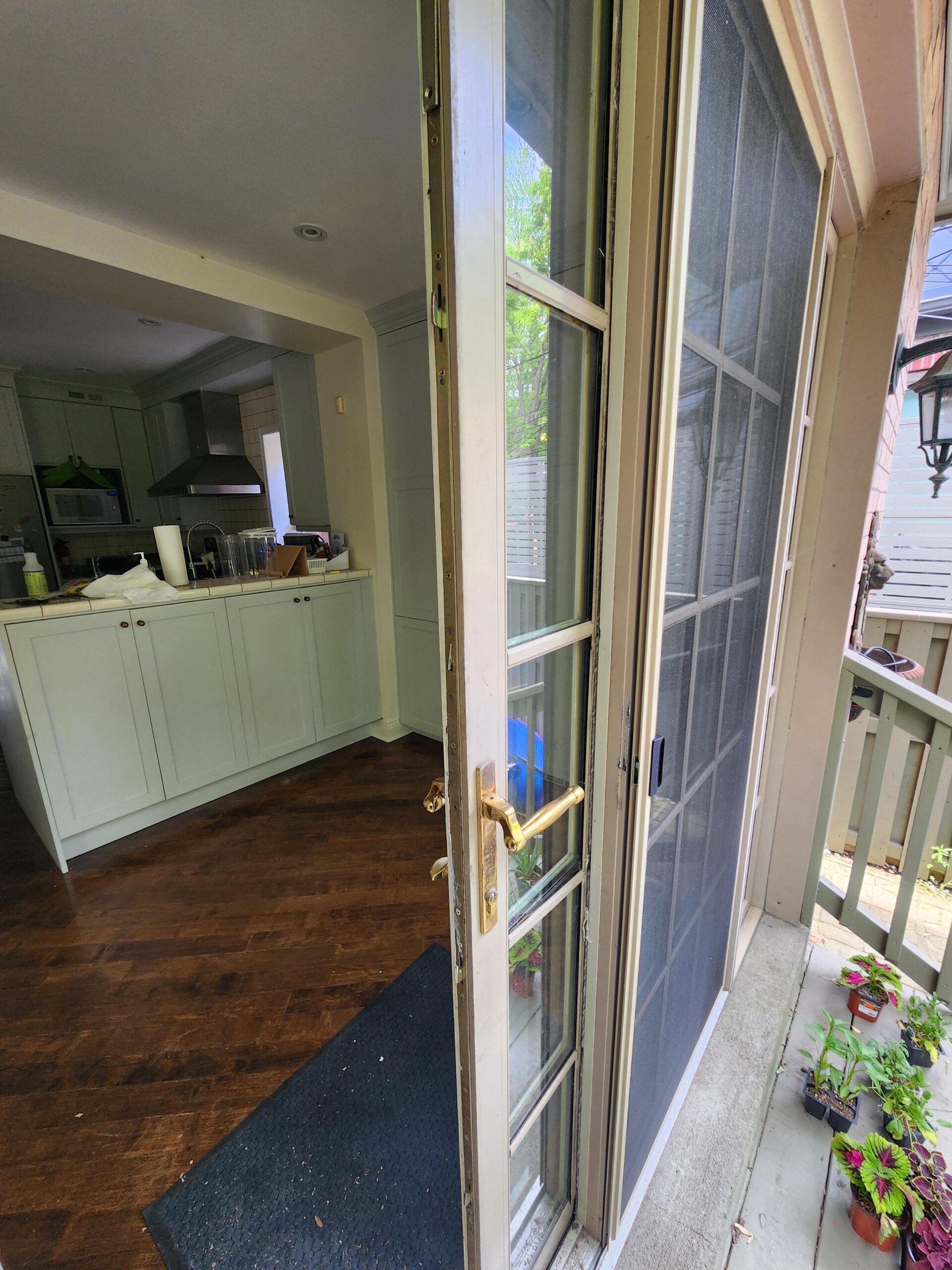
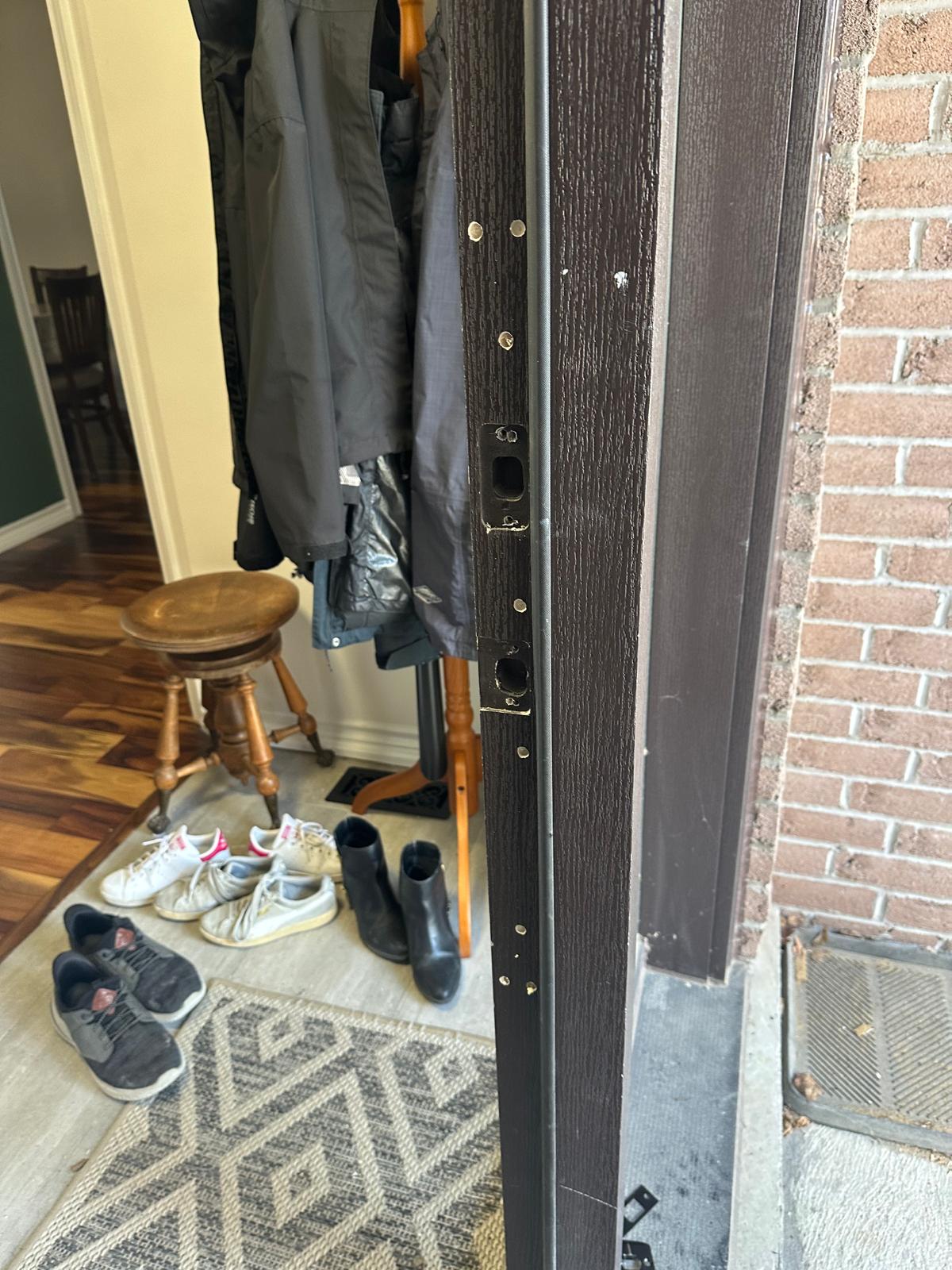
For an upgrade, state the concern you want addressed. Controlled key duplication, a different cylinder format and stronger compatible hardware are distinct features. They should be evaluated alongside the door, frame, strike and installation. No lock should be described as making the entrance impossible to open without authorization.
Product claims should be compared with an actual specification before choosing residential high-security upgrades. A general label does not establish which tested characteristics or key-control arrangements a particular model provides. Ask for the product information and retain it with the service record.
Avoid replacing the front lock while overlooking another entrance that uses an affected old key. If key control is part of the job, list the relevant doors. Replacement at one opening changes that opening's hardware; it does not automatically alter the rest of the household's mechanical or electronic access.
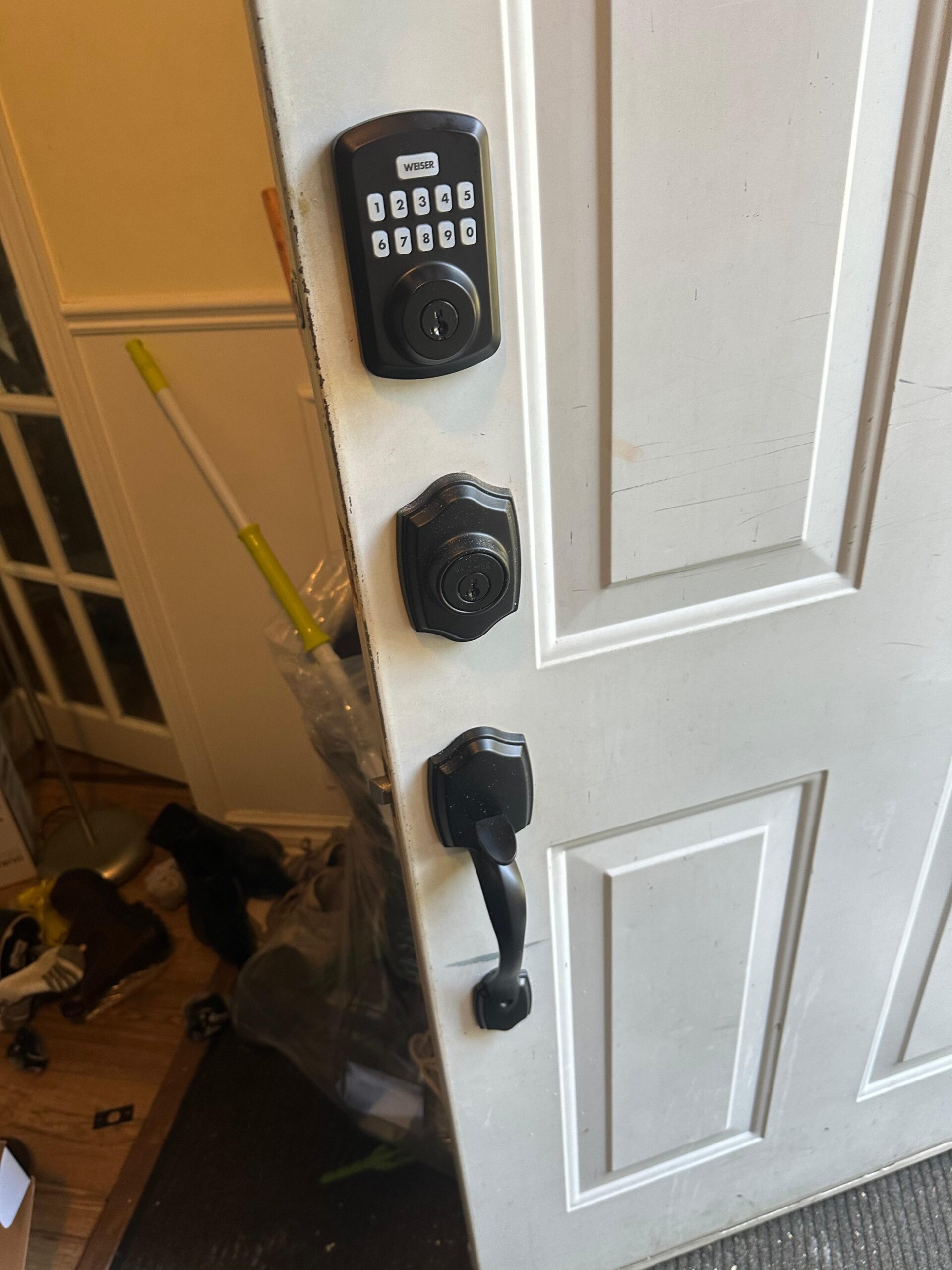
At a condominium, management may control the exterior appearance, key system or permitted modifications to the suite door. Obtain those requirements before purchasing a replacement. The door may form part of a specified assembly, and an apparently similar lock is not automatically a suitable substitute.
For rented premises, identify who can authorize the change and what access arrangements must be retained. If a contractor or property manager is arranging the appointment, confirm the approved product and scope in advance. A locksmith should not have to infer ownership rights from the person holding an existing key.
Keep approval records connected to the correct opening. If the proposed product cannot meet the requirements, document the compatible alternative rather than changing the plan silently. A clear service boundary is particularly useful when appearance, function and key access are controlled by different people.
Test each supplied key and the inside release with the person responsible for the home. Operate the door through ordinary closing and locking cycles without a special technique. If the installation includes codes, demonstrate the supported user-management process without recording private credentials in a public document.
Keep the model, finish, invoice and any duplication authorization. Note which old components were retained and whether any door or frame work remains outstanding. Follow the manufacturer's maintenance guidance instead of assuming a new lock needs no attention. Early resistance, loose trim or repeated battery warnings should be assessed before they become a larger access problem.
Two front-door products can share a colour while serving different mechanical roles. One may be a standalone deadbolt; another may combine a handle and latch; a third may form part of a specialized multipoint system. Their installation requirements and replacement options are not interchangeable.
Start with the existing opening and the problem you want solved. If the key arrangement is the only concern and the hardware is sound, rekeying may deserve comparison. If a component has failed, identify which one. If the goal is keyless entry or a new appearance, assess the additional fitting and administration requirements. This sequence keeps the selection tied to the door instead of allowing a finish choice to determine incompatible hardware. Once the product is selected, confirm the included components and any expected surface changes before authorizing the installation.
Keep reading
That depends on the existing preparation and the replacement product. Bore size, backset, door thickness and the spacing between components can all affect compatibility. A decorative handleset may also leave an additional mounting hole or finish outline. Send photographs of the entire assembly and door edge, and keep any model information available. The assessment should identify required changes before installation is approved. A similar appearance in a product photograph does not establish that the new hardware will fit cleanly or work with the existing latch and strike arrangement.
That depends on the existing preparation and the replacement product. Bore size, backset, door thickness and the spacing between components can all affect compatibility. A decorative handleset may also leave an additional mounting hole or finish outline. Send photographs of the entire assembly and door edge, and keep any model information available. The assessment should identify required changes before installation is approved. A similar appearance in a product photograph does not establish that the new hardware will fit cleanly or work with the existing latch and strike arrangement.
Not automatically. Separate components may allow a failed deadbolt to be changed while retaining a sound handle, or the reverse. Integrated assemblies can limit that flexibility. Consider the condition, finish, operating function and compatibility of the components you intend to keep. If both are being changed for appearance, identify that as a preference rather than a necessary repair. Ask for the proposed scope to distinguish the locking mechanism from the latching handle. The final door should be tested as a complete opening even when only one of those components is replaced.
The locksmith may need the door thickness, backset, bore dimensions, component spacing and relevant strike details, depending on the product. The door's material and any existing pocket or edge preparation also matter. You do not need to dismantle unfamiliar hardware to prepare an enquiry; clear photographs and accessible labels can be a useful starting point. If measurements are uncertain, say so. Ordering parts from an estimated dimension can create avoidable compatibility problems. Final selection should follow identification of the actual opening rather than treating every front door as a standard installation.
A compatible keypad product may be an option, but the assessment includes more than its exterior size. Check the door preparation, clearance for interior components, bolt movement, power requirements and intended backup method. Consider who will administer users and how an authorized person will enter if a supported electronic function becomes unavailable. A condo or managed entrance may have additional product requirements. Tell the locksmith whether you want keypad-only convenience, connected features or simply a different mechanical lock. Those choices lead to different fitting and handover tasks.
Not always. Differences in trim size and mounting positions can reveal finish outlines, old holes or areas protected from weathering by the original hardware. Discuss appearance before choosing the replacement, especially on a painted, stained or decorative entrance. A compatible cover component may be possible in some situations, while surface refinishing or door work may require another trade. Ask what will remain visible after installation. A working replacement should not be presented as restoring the original finish unless that additional work is actually included and suitable for the door.
It may address a failed latch or binding component, but closing resistance can also come from alignment, hinges, seals or frame movement. Explain whether the door needs lifting or extra pressure before locking. The technician should assess the cause rather than assuming a new lock will compensate for the surrounding condition. If the replacement is appropriate, test its operation with the door in normal use. Any remaining door work should be recorded separately. A demonstration that works only while the door is open is not enough to establish satisfactory installed operation.
Explain who uses the door and how it is intended to function, including any building requirements that apply. The inside release should be suitable for the opening and practical for its occupants. Do not select hardware solely for its exterior appearance or because a product is advertised as more secure. A locksmith can assess compatible mechanical options, while specialized building or accessibility questions may require the relevant professional. Before handover, operate the inside control as well as the outside key or keypad. Both sides form part of the intended door function.
Keep the product model, service record and any manufacturer instructions with your household maintenance information. Record the new key group and the people receiving keys, without attaching a full address to the keys themselves. For an electronic product, identify the authorized administrator and keep account recovery information private. Note any finish work or door repair that remains outside the completed scope. These details help with later maintenance and compatible part selection. The handover should also demonstrate normal closing, locking and release rather than ending when the replacement hardware has simply been fastened to the door.
GTA Lockman Mobile Locksmith Services is a mobile locksmith working on homes, businesses and vehicles across Toronto and the GTA, with more than 14 years in the trade. Every review is written by a customer on Google, where you can read them in full.
Areas served: Toronto, North York, Scarborough, Etobicoke, Vaughan, Richmond Hill, Markham, Stouffville, Newmarket, Mississauga, Brampton, Oakville, Milton, Halton Hills, Pickering, Ajax, Whitby, Oshawa, Uxbridge.
Describe the door, hardware and service address. Contact GTA Lockman Mobile Locksmith Services to confirm the scope and scheduling for your location.