Locksmith services are always 10% off for seniors.
Open Mon–Thu 8:30 AM–9 PM, Fri 8:30 AM–4 PM, Sun 9:30 AM–9 PM
Locksmith services are always 10% off for seniors.
Open Mon–Thu 8:30 AM–9 PM, Fri 8:30 AM–4 PM, Sun 9:30 AM–9 PM
GTA Lockman Mobile Locksmith Services · Toronto & GTA
Remove a snapped key without damaging the cylinder, then find out why the key failed so the next one does not.
Related services
Authorized entry to your home, followed by a look at why the lockout happened and whether the lock needs attention.
Learn moreRegain entry to a suite while respecting building rules, fire-rated doors and the access arrangements of the property.
Learn moreRelease a deadbolt that will not retract, then correct the alignment or lock fault that caused it to bind.
Learn moreTrace the broken connection between the cylinder and the bolt or latch, then repair or replace the failed part.
Learn moreFind the reason a key sticks, a bolt binds or a latch fails before deciding what needs replacement.
Learn moreLock and door service for offices, shops and managed properties. Plan access around the way your business operates.
Learn more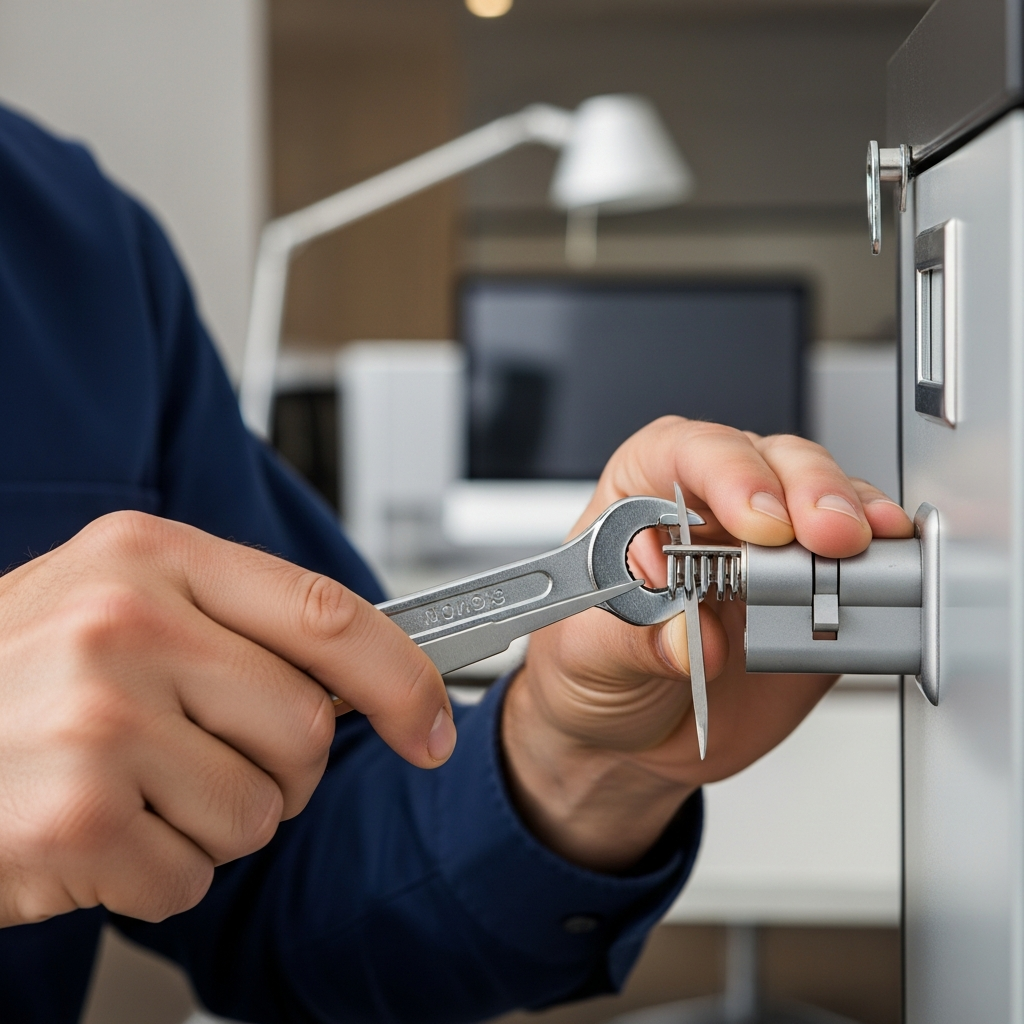
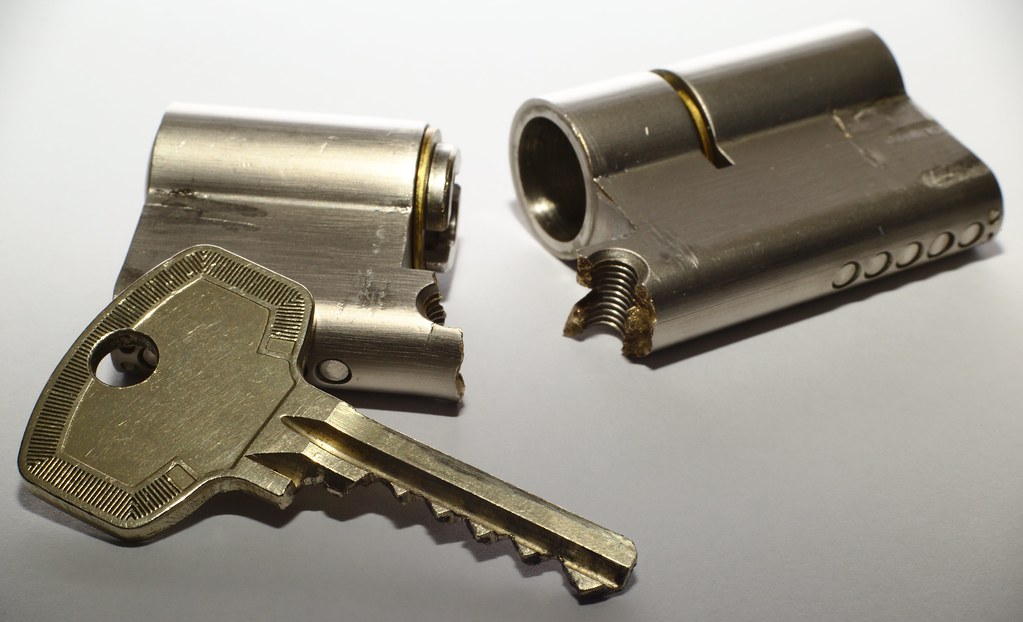
When a key breaks in a lock, the first instinct is to try again with the remaining piece or to pull the stub out with whatever is at hand. Both usually make extraction harder. Pushing the stub deeper, bending it, or scratching the keyway with a pin or knife can wedge the fragment against the cylinder pins and damage the plug.
Leave the fragment where it is and note its position. Is the broken end flush with the face of the cylinder, slightly protruding, or pushed inside? Did the key break while turning, or when it was being inserted or removed? Was the lock in the locked or unlocked position at the time? These details help the technician choose a method.
Keep the other half of the key. It shows the key profile and the point where it failed, and it can help identify the lock.
Keys usually break because of accumulated stress. A worn key, a cylinder that has become stiff, a door that must be pushed or lifted before the lock will turn, and the habit of using the key as a handle to pull the door all add strain. Duplicate keys cut from worn originals, or on thin blanks, are more likely to fail.
A key that breaks while turning often points to a problem the key was compensating for. The cylinder may need service, or the bolt may be binding against the strike because the door has shifted. A bolt binding against a shifted strike is the same fault behind a stuck deadbolt, and it is corrected through door latch and strike plate repair rather than a new lock.
If extraction restores entry but the lock was already hard to operate, a follow-up repair avoids breaking the next key.
With the plug in its neutral position and the fragment accessible, the technician can usually remove it with specialized extraction tools that engage the key cuts without pushing it further in. Lubrication may help where the cylinder is dry or dirty. The goal is to remove the stub without damaging the pins or keyway.
If the key broke while turned, the plug may need to be returned to the neutral position before the fragment can come out. Sometimes the cylinder must be removed from the door and disassembled to reach the piece. Where the fragment has damaged the cylinder, or the cylinder was already worn, replacement may be the sensible outcome.
The technician should explain which approach applies and what it will cost before starting.
A key that breaks in an exterior lock while the door is locked also creates a lockout. Entry may be possible by extracting the fragment and operating the lock, or through another approach if extraction is not practical. Before any work on the lock, the technician checks that you are entitled to enter the property.
If you still have access through another door, mention it. It may allow the cylinder to be removed from the inside, which can make the job simpler. If the broken key has left you outside, entry is arranged first, in the same way as any house lockout or apartment and condo lockout.
Once the stub is removed, test the lock with a working key, with the door both open and closed. If the key turns smoothly, no further work may be needed. If it still feels stiff, the cylinder may need cleaning, lubrication, or replacement, or the door may need adjustment so the bolt does not bind.
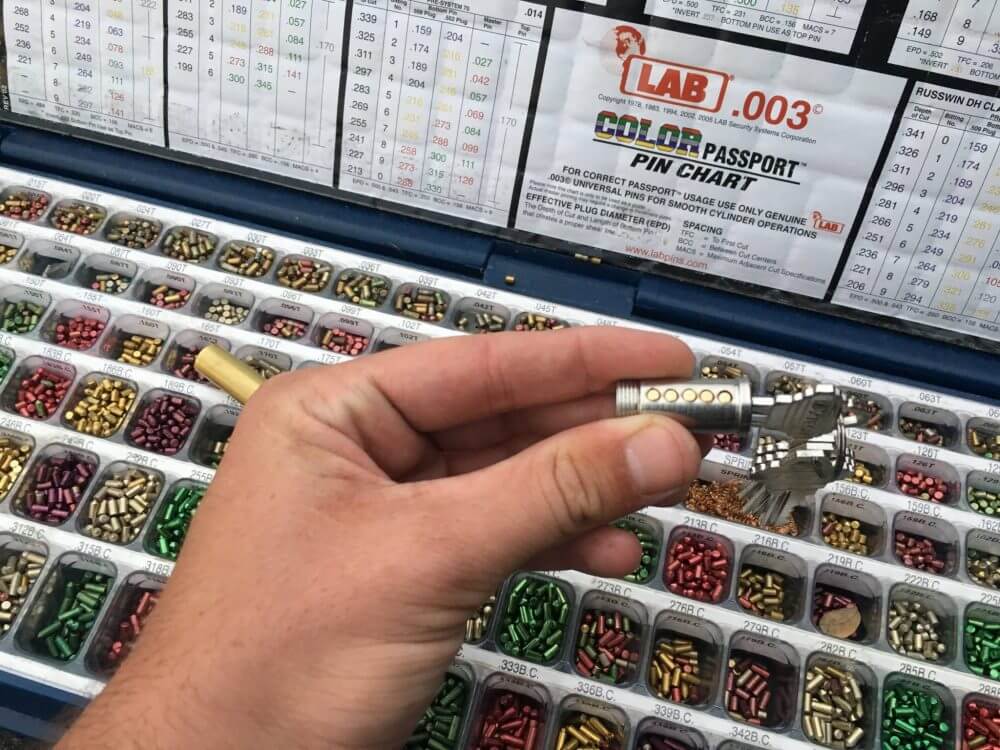
Replace the broken key with a new one cut from a good original or by code where possible, rather than from a worn copy. If every key for the lock is worn, it may be worth rekeying the cylinder so new keys are cut to the correct depths.
Almost any pin-tumbler cylinder can hold a broken key. Mailbox cam locks, padlocks and older knob locks are frequent offenders because of wear and exposure. Some high-security cylinders use designs that make extraction more involved, and the manufacturer's service arrangement may apply.
Electronic locks with a key override can also trap a broken key. The override is often used rarely, so the key and cylinder may be stiff when they are finally needed. An electronic lock with a broken override key is handled much like other smart locks that stop working with the door locked, with the mechanical and electronic parts checked separately.
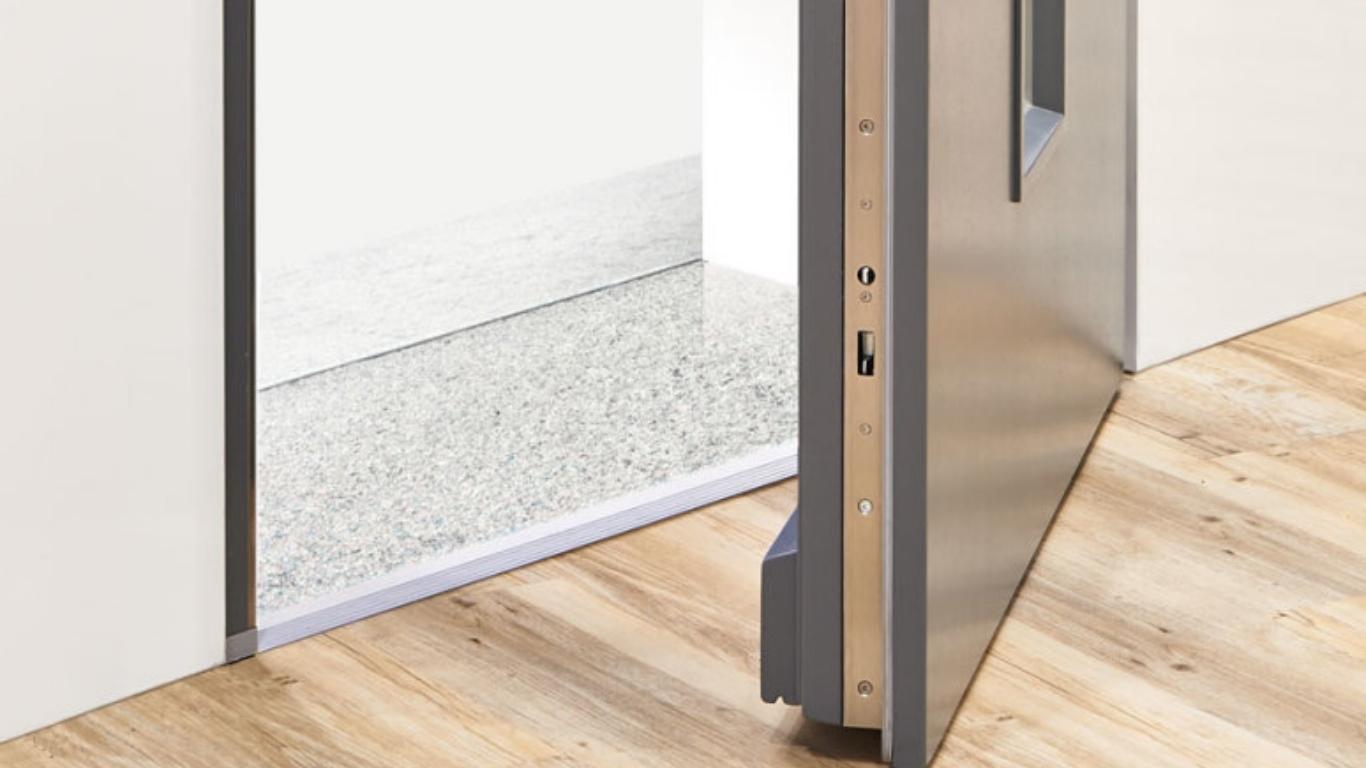
At a business, a key broken in the storefront or rear door can leave the premises unsecured at closing or inaccessible in the morning. Tell us whether the door is currently locked, which lock is affected, and whether the building uses a master-key system. A restricted or master-keyed cylinder may need to be replaced with a compatible part from the system's supplier. Business doors with restricted or master-keyed cylinders are handled through our commercial locksmith services.
Most broken keys can be traced to a lock or key that had been getting worse for some time. A few habits reduce the chance of a key failing. Use the handle, not the key, to pull the door. If the lock needs force to turn, arrange a repair rather than pushing harder. Replace keys when their edges become rounded or the cuts look shallow, ideally from an original key or by code rather than from a worn copy.
Avoid large key rings hanging from the key in the lock. The weight bears on the key and cylinder every time the door moves. Keep keys away from damp pockets and salt in winter, which accelerate wear on both the key and the cylinder.
If several people in the household use copies of copies, the keys may all be slightly different. Having a fresh set cut to the lock's specification can make every key operate the lock more smoothly and reduce strain.
Broken key extraction here means the door locks on homes and businesses. Keys broken in vehicle ignitions and doors, safes, or specialized equipment involve different hardware and procedures. If your broken key is in one of those, describe the item when you call so we can explain whether it is work we handle or where it should be directed.
Some households keep an old, rarely used key for a back door or basement entrance. Those keys are often the most worn, because they were copied from copies years ago and have never been replaced. When a key finally breaks in a lock that is used only occasionally, it is worth checking the rest of the keys on the ring at the same time. A fresh key cut to the lock's specification costs little compared with another extraction, and it reduces the strain on a cylinder that may already be stiff from lack of use.
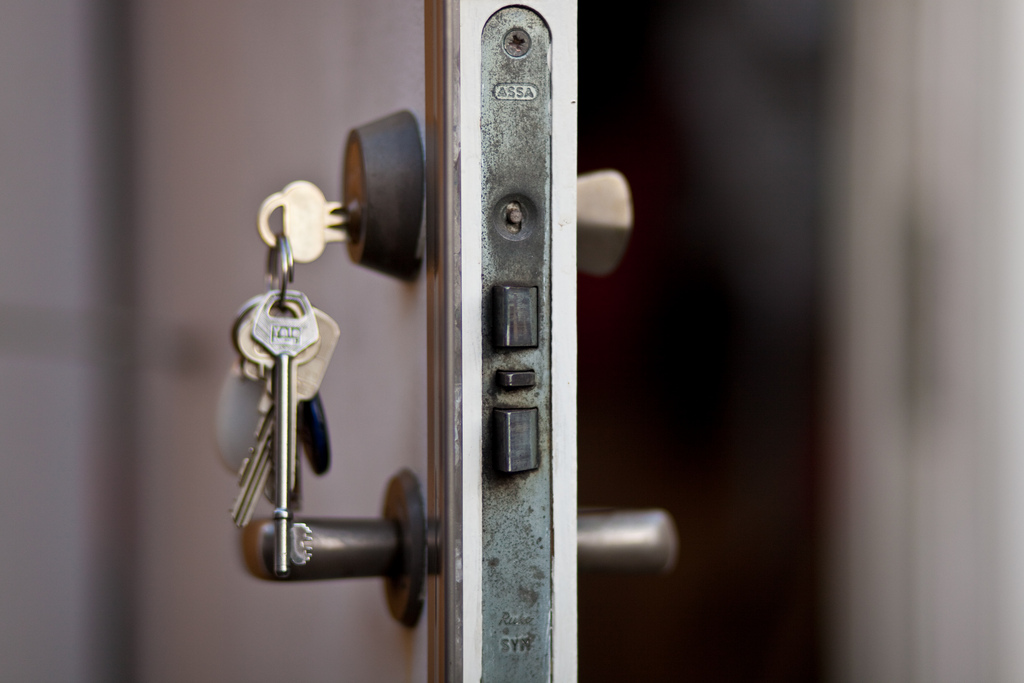
When you call, describe the lock, where the fragment sits, and whether you can get in by another route. A photograph of the cylinder face helps, but do not share images of the key cuts publicly. Service hours are posted with our phone number. We do not promise a fixed arrival time, and if the cylinder itself needs attention afterwards, that follow-up is handled as lock repair.
Keep reading
If a clear portion of the key is sticking out and it slides out with gentle, straight pulling, it may come free. Stop if it does not move easily. Gripping the stub with pliers can crush it, and tweezers tend to slip and push it deeper. Avoid super glue, pins and knives; glue can bond the key to the pins, and sharp tools can damage the keyway. A fragment that stays near the face of the cylinder is much easier for a technician to remove than one that has been pushed further inside.
If a clear portion of the key is sticking out and it slides out with gentle, straight pulling, it may come free. Stop if it does not move easily. Gripping the stub with pliers can crush it, and tweezers tend to slip and push it deeper. Avoid super glue, pins and knives; glue can bond the key to the pins, and sharp tools can damage the keyway. A fragment that stays near the face of the cylinder is much easier for a technician to remove than one that has been pushed further inside.
Not always. If the fragment comes out cleanly and the cylinder is not damaged, the lock can often return to service with a new key. Replacement becomes likely if the cylinder was already worn, if the fragment has damaged the plug or pins, or if extraction requires cutting the cylinder. The technician should explain what they find once the key is out. Ask to test the lock with a working key before deciding. A cylinder that turns smoothly after extraction does not need to be changed.
It can be. When the plug is turned away from its neutral position, the fragment is held more firmly, and it may need to be rotated back before it will release. In some cases the cylinder must be removed and disassembled to reach the piece. Tell us whether the lock was locked or unlocked at the time and what position the key was in. That information helps the technician plan the work and give a clearer idea of the likely approach and cost before arriving.
Keys usually fail after gradual stress rather than a single event. A worn key, a stiff cylinder, a bolt dragging against the strike and using the key to pull the door all contribute. Copies cut from worn keys or made on thin blanks break more easily. If the lock had become harder to turn before the key failed, the underlying problem is still there. Addressing the cylinder or the door alignment after extraction prevents the next key from breaking in the same way.
Often, yes. If both halves are available and the cuts are intact, a key can usually be decoded and duplicated. Where the key is badly worn, cutting to the lock's original specification may produce a better key than copying the worn one. Restricted and high-security keys may be available only through the system supplier with proper authorization. Bring every piece of the broken key and any spare you have. The technician can explain which option produces a key that operates the lock reliably.
The technician will first confirm that you are authorized to enter the property. They will then try to remove the fragment and operate the lock. If that is not practical, another entry approach may be needed. If you can reach the inside through another door, mention it, because removing the cylinder from inside can simplify the work. Entry usually starts with the least damaging method, and the cylinder is only drilled when nothing else works. Any repair or replacement after entry should be priced and agreed separately.
Usually, though the approach depends on the lock. Padlocks and mailbox cam locks are small and often weathered, so the cylinder may be worn or corroded. For a mailbox, confirm who is responsible for the lock; Canada Post community mailboxes and building mailboxes have their own arrangements. In most buildings, management or Canada Post looks after the mailbox lock, so check with them before booking private work. For a padlock, replacement is sometimes more practical than extraction if the lock is inexpensive or damaged.
A dry lubricant made for locks, such as graphite or a PTFE product, is generally appropriate for pin-tumbler cylinders. Avoid heavy oils and general-purpose sprays, which attract dirt and can gum up the pins over time. Do not spray anything into an electronic lock housing. Lubricant alone rarely removes a broken key, and too much can make extraction tools slip. If the lock was stiff before the key broke, mention it to the technician, who can service the cylinder after the fragment is out.
GTA Lockman Mobile Locksmith Services is a mobile locksmith working on homes, businesses and vehicles across Toronto and the GTA, with more than 14 years in the trade. Every review is written by a customer on Google, where you can read them in full.
Areas served: Toronto, North York, Scarborough, Etobicoke, Vaughan, Richmond Hill, Markham, Stouffville, Newmarket, Mississauga, Brampton, Oakville, Milton, Halton Hills, Pickering, Ajax, Whitby, Oshawa, Uxbridge.
Describe the door, hardware and service address. Contact GTA Lockman Mobile Locksmith Services to confirm the scope and scheduling for your location.