Locksmith services are always 10% off for seniors.
Open Mon–Thu 8:30 AM–9 PM, Fri 8:30 AM–4 PM, Sun 9:30 AM–9 PM
Locksmith services are always 10% off for seniors.
Open Mon–Thu 8:30 AM–9 PM, Fri 8:30 AM–4 PM, Sun 9:30 AM–9 PM
GTA Lockman Mobile Locksmith Services · Toronto & GTA
Trace the broken connection between the cylinder and the bolt or latch, then repair or replace the failed part.
Related services
Release a deadbolt that will not retract, then correct the alignment or lock fault that caused it to bind.
Learn moreRemove a snapped key without damaging the cylinder, then find out why the key failed so the next one does not.
Learn moreFind out whether the strike, the door or the lock is stopping the bolt, and correct the cause rather than the symptom.
Learn moreDiagnose resistance, incomplete bolt travel and failed connections without assuming every deadbolt needs replacing.
Learn moreSeparate a locked-door access problem from battery, alignment and account issues before resetting or replacing the device.
Learn moreAssess the lock strip, gearbox and door alignment as one system before choosing compatible repair parts.
Learn more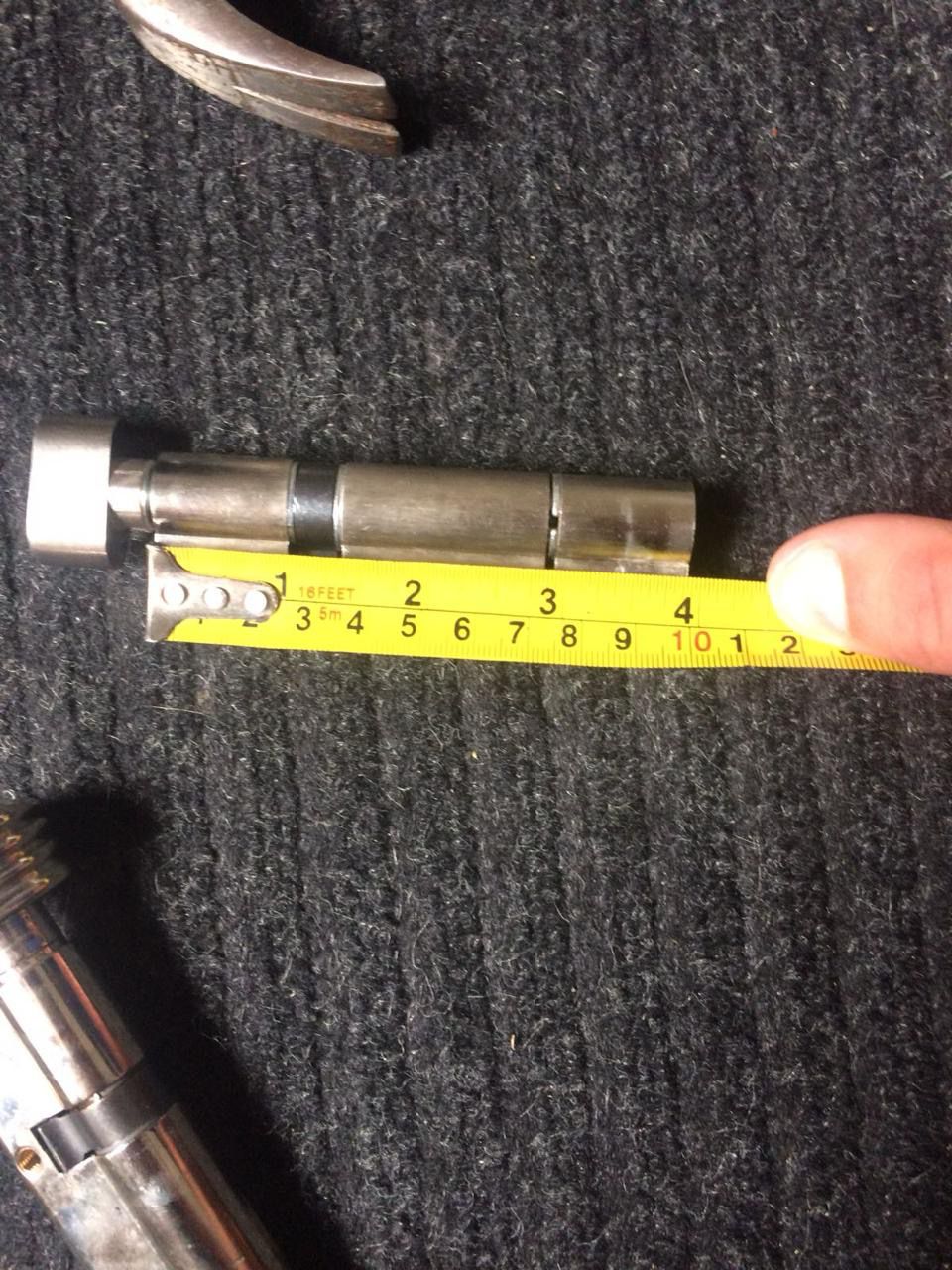
A key that rotates normally while the door stays locked tells you something specific: the cylinder is probably working, but its movement is not reaching the bolt or latch. Somewhere between the key and the part that holds the door, a connection has broken, slipped or worn out.
In a deadbolt, the cylinder drives a flat tailpiece that passes through the bolt mechanism. If the tailpiece has snapped, or has slipped out of its slot, the key turns freely without moving the bolt. In a knob or lever lock, the cylinder operates a cam or spindle that retracts the latch; a broken cam or a stripped spindle produces the same symptom. In a mortise lock, the cylinder cam engages the lock body, and a loose cylinder can rotate out of position.
The technician needs to open the lock to confirm which part failed, but the symptom narrows the search considerably.
Before calling, try the key once or twice with gentle pressure and notice what happens. Does the key turn a full rotation or only part of one? Does it feel loose, or does it stop at a point? Does the bolt or latch move slightly, or not at all? Does the inside thumbturn or lever work?
If the inside hardware opens the door, the fault is probably on the outside cylinder or its connection. If nothing works from either side, the bolt or latch mechanism itself may have failed. These details help the technician bring the right parts.
Do not keep turning the key repeatedly. Excess rotation can damage the remaining parts or push a broken piece further into the mechanism.
A key that turns without unlocking the door creates a lockout. Proof that you live there or have the owner's permission is checked before the lock is opened. Because the cylinder is still working, the approach may be to reach the bolt or latch through the lock mechanism rather than through the cylinder. In some cases a component has to be removed or sacrificed.
If there is another way in, tell us. Access from the inside often allows the lock to be removed and the fault identified without damage. Entry is arranged first, as with any house lockout or apartment and condo lockout, and the lock is assessed once you are inside.
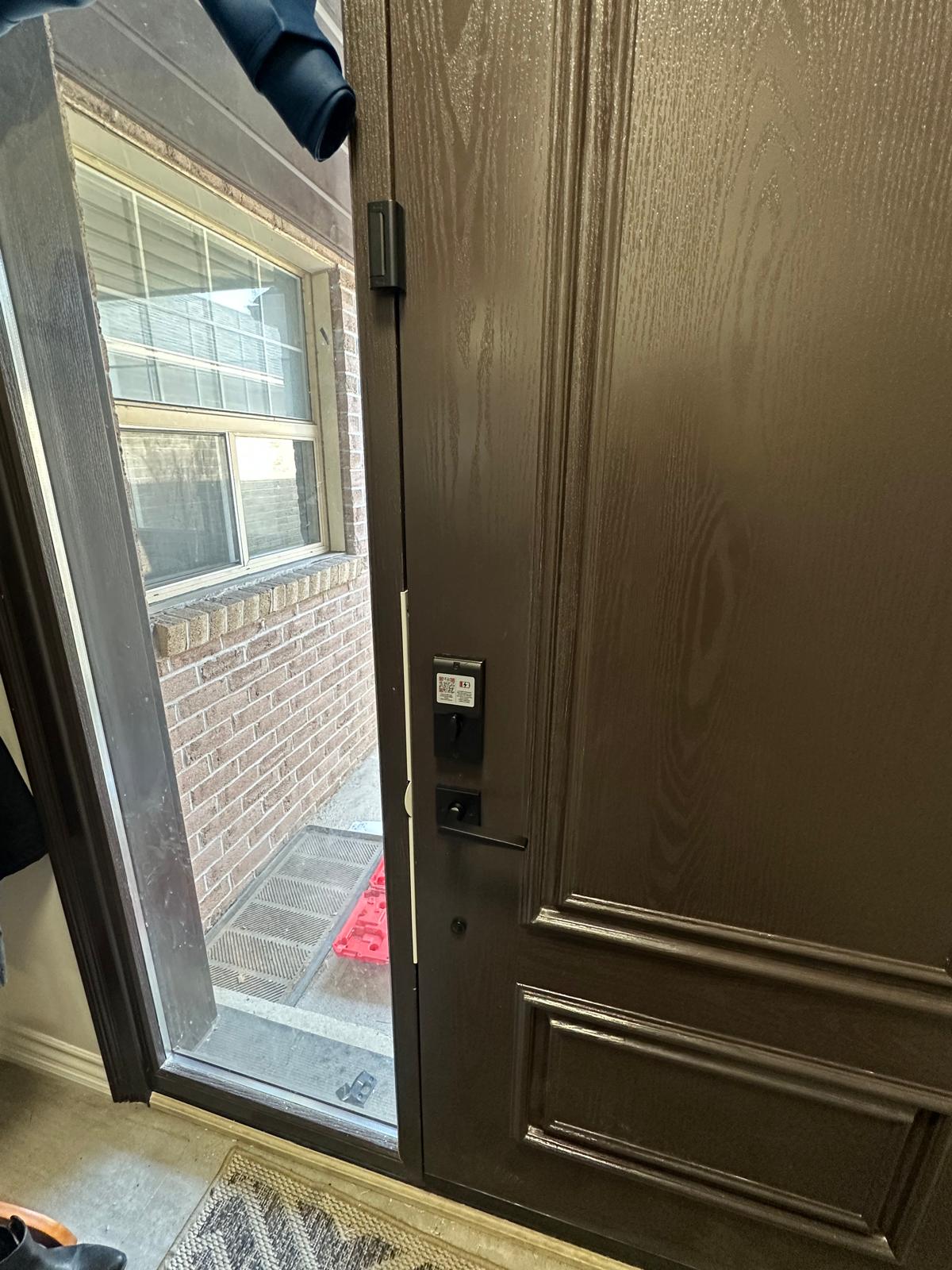
Not every case is a broken part. A deadbolt bolt pressed hard against the strike can resist the tailpiece so strongly that the tailpiece twists or the cam slips. In that case the underlying problem is alignment, covered on the stuck deadbolt page.
A smart lock can show the same symptom when its motor runs but the clutch does not engage, or when the key override is used on a lock whose electronics have failed. Those electronic faults are typical of smart locks that stop working with the door locked.
A multipoint lock can appear to turn without unlocking if its gearbox has failed. These systems use a long locking strip with several bolts and need compatible parts, which is why multipoint lock repair starts by identifying the gearbox.
When the failure is a single part, such as a tailpiece, cam or spindle, a compatible replacement part may restore the lock. The technician should check why the part failed. A tailpiece that snapped because the bolt was binding will break again unless the alignment is corrected.
Where the lock body has failed, the lock is old or unsupported, or parts are unavailable, replacing the lock is often more practical. The technician should explain the reason for the recommendation and the price before replacing hardware. Most of these faults are resolved through lock repair or deadbolt repair rather than a whole new lock.
Commercial doors often use mortise locks and exit devices with more components between the cylinder and the latch. A key that turns without retracting the latch on a storefront or rear door can leave a business unable to open or unable to secure the premises. Tell us the type of door and hardware, and whether the building uses a master-key system. Business doors like these are handled through our commercial locksmith services.
Test the lock with the door closed. The key should turn smoothly and move the bolt or latch its full distance, and the inside hardware should work as well. If the door had to be pushed or lifted before the failure, check that the door now sits correctly so the new part is not under the same strain.
Cylindrical knob and lever locks can fail in the same way. When the outside key or lever turns without retracting the latch, the retractor inside the lock body, the spindle, or the cam driven by the cylinder may have broken. Heavy-use levers, especially on doors used by several people, wear these parts reliable than knobs.
A lever that droops or feels loose is often an early warning. The spring that returns the lever to horizontal may have failed, putting extra load on the spindle and latch mechanism. A drooping lever and a slipping spindle are among the most common reasons for loose door handle and lock repair.
If the latch will not retract and the door is closed, pressure on the door can sometimes relieve the latch enough to release it. Do not force the lever further than its normal travel.
After a repair, pay attention to how the key and bolt feel. A tailpiece or cam fails far more often when the bolt is binding, so a lock that needs extra force to turn is a warning. Keep the door aligned by tightening hinge screws when they loosen, and avoid pulling the door closed by the key.
If you notice the key turning further than normal before the bolt moves, or the bolt moving only partway, arrange an inspection before the connection fails completely. An early repair is usually simpler than dealing with a door that will not open.
When you describe the problem, say how old the lock is and whether it has been repaired before. A lock that has had several parts replaced may be approaching the point where a new lock is the more reliable option. Equally, a relatively new lock from a well-supported manufacturer may have replacement parts readily available, which makes a repair straightforward. Either way, the technician should explain the choice and let you decide. Ask which parts were replaced and keep the invoice with your other household records, so the history of the lock is available if it gives trouble again.
When you call, describe what the key does, which side works and whether you can get in by another route. A photograph of the lock trim on each side helps identify the hardware.
Keep reading
A cylinder normally turns only as far as needed to move the bolt or latch, then stops. If the key turns a full rotation freely, the part connecting the cylinder to the mechanism is probably broken or disengaged. In a deadbolt that is usually the tailpiece; in a knob or lever lock it may be the cam or spindle. The cylinder itself may be fine. The lock needs to be opened to confirm which part failed, and a replacement part or a new lock can then be discussed.
A cylinder normally turns only as far as needed to move the bolt or latch, then stops. If the key turns a full rotation freely, the part connecting the cylinder to the mechanism is probably broken or disengaged. In a deadbolt that is usually the tailpiece; in a knob or lever lock it may be the cam or spindle. The cylinder itself may be fine. The lock needs to be opened to confirm which part failed, and a replacement part or a new lock can then be discussed.
That pattern suggests the fault is on the outside: the cylinder's tailpiece or cam has broken or slipped, while the inside thumbturn still reaches the bolt. Use the inside hardware to open and lock the door while you arrange a repair, and avoid relying on the key. If you leave through that door, you may not be able to unlock it from outside. The repair is usually limited to the cylinder or its connecting part, provided the bolt mechanism itself is in good condition.
When nothing works from either side, the fault is likely in the bolt or latch mechanism itself rather than the cylinder. The bolt may have jammed, a spring or lever inside the lock body may have broken, or the latch may be held against the strike by pressure on the door. Try moving the door gently while operating the inside hardware. If it still will not release, the lock needs to be opened, which may require removing or sacrificing a component.
Rarely, when the key turns. A worn key usually fails to turn at all or catches partway. If the key rotates freely, the pins are aligning and the cylinder is turning, so the key is doing its job. The problem lies further along. That said, if the key is badly worn, it is sensible to have a new one cut to the correct specification when the lock is repaired, so the cylinder is not stressed by a poor key.
Often, if a compatible part is available. Tailpieces, cams and some spindles can be replaced individually. The technician should also check why the part failed. A tailpiece that twisted because the bolt was binding against the strike will fail again unless the alignment is corrected. If the lock is old, unsupported or damaged internally, or parts cannot be sourced, replacement may be the practical choice. Ask the technician to explain which situation applies.
It is similar. The motor may be turning without engaging the bolt because of a failed clutch or gear, or because the bolt is binding and the motor cannot overcome it. On a smart lock, the mechanical bolt and the electronics are checked separately, because a fault in one often looks like a fault in the other. If the key override also turns without unlocking, the mechanical connection has probably failed. Keep the model details and any app messages, because manufacturer support may be needed for electronic faults.
Before opening anything, the technician asks for proof that you live there or have the owner's permission. Because the cylinder still turns, entry may be possible by reaching the bolt or latch through the lock mechanism, or a component may need to be removed. If there is another way in, mention it; working from inside can simplify the job. Entry and any repair or replacement should be priced separately so you can decide what to do after the door is open.
Yes. Mortise locks and exit devices have more parts between the cylinder and the latch, including cams, hubs and connecting rods. A loose mortise cylinder can also rotate out of position so its cam no longer engages the lock body. On a storefront or rear service door, the result may be a door that cannot be opened in the morning or secured at closing. Describe the hardware when you call so the technician can plan for compatible parts.
GTA Lockman Mobile Locksmith Services is a mobile locksmith working on homes, businesses and vehicles across Toronto and the GTA, with more than 14 years in the trade. Every review is written by a customer on Google, where you can read them in full.
Areas served: Toronto, North York, Scarborough, Etobicoke, Vaughan, Richmond Hill, Markham, Stouffville, Newmarket, Mississauga, Brampton, Oakville, Milton, Halton Hills, Pickering, Ajax, Whitby, Oshawa, Uxbridge.
Describe the door, hardware and service address. Contact GTA Lockman Mobile Locksmith Services to confirm the scope and scheduling for your location.