Locksmith services are always 10% off for seniors.
Open Mon–Thu 8:30 AM–9 PM, Fri 8:30 AM–4 PM, Sun 9:30 AM–9 PM
Locksmith services are always 10% off for seniors.
Open Mon–Thu 8:30 AM–9 PM, Fri 8:30 AM–4 PM, Sun 9:30 AM–9 PM
GTA Lockman Mobile Locksmith Services · Toronto & GTA
Regain entry to a suite while respecting building rules, fire-rated doors and the access arrangements of the property.
Related services
Authorized entry to your home, followed by a look at why the lockout happened and whether the lock needs attention.
Learn moreRemove a snapped key without damaging the cylinder, then find out why the key failed so the next one does not.
Learn moreRelease a deadbolt that will not retract, then correct the alignment or lock fault that caused it to bind.
Learn moreAssess household lock problems in the context of the door, building requirements and the people using it.
Learn moreReview every door the missing keys operated, then rekey or replace the locks that no longer control access.
Learn moreSeparate mechanical repairs from key-control changes and document the condition of each affected opening.
Learn more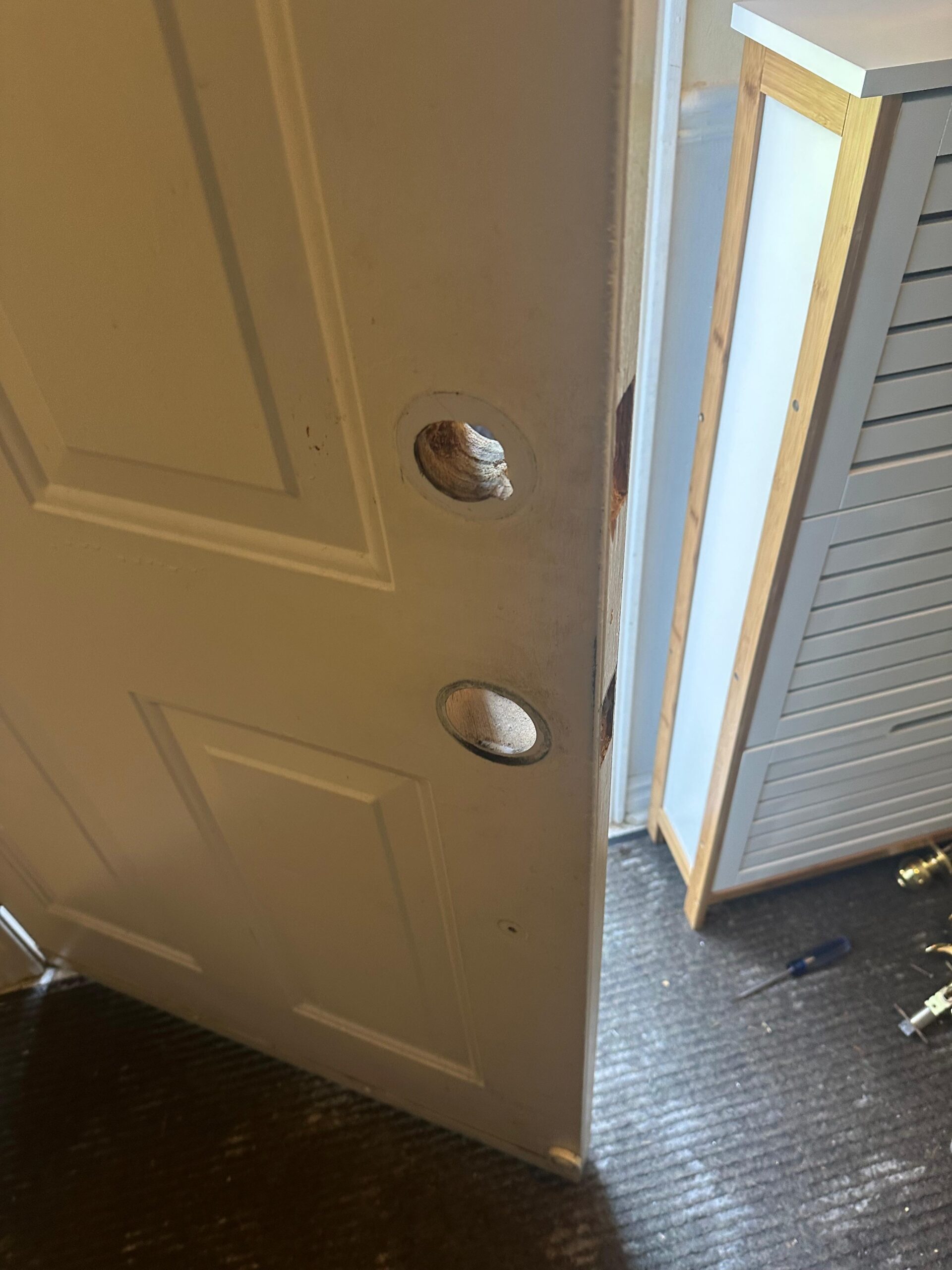
A suite entrance in an apartment or condominium is rarely just a private door. It may be a fire-rated assembly with a closer, a latch that must engage every time the door shuts, and hardware chosen or approved by the building. Condominium declarations, rules and property management policies often say who may alter a suite door and what hardware is permitted. Those requirements continue to apply during a lockout.
Before arranging a visit, consider whether the concierge, superintendent or management office holds a suite key. Many buildings keep one for maintenance and fire-safety purposes, and their process may be the most direct way back inside. If the building cannot help, or its office is closed, a locksmith visit can be arranged once authorization is established.
Tell us the building name, the floor, how the technician will reach the suite, and whether security staff need advance notice. Access to the lobby, elevators and parking is controlled by the building, not by the locksmith.
In a building with many suites, confirming the right person is at the right door matters. The person requesting entry should be able to show identification with the suite address, a lease or other documentation connecting them to the unit. Building staff may also confirm occupancy under their own procedures.
A tenant does not need the landlord's consent to regain entry to a home they lawfully occupy, but changing the lock is a different matter. Leases and residential tenancy rules can require the landlord to be informed or given a key. In a condominium, a suite owner may still need to follow the corporation's hardware rules. In a condo or rental, the building's own rules shape what can be repaired or replaced, which is part of every condo and rental lock repair.
If there is a dispute over who may occupy the unit, entry is not the way to resolve it. The technician may decline the work until the matter is settled through the appropriate channel.
Many suite doors use a lever or knob latch that locks automatically when the door closes, sometimes combined with a deadbolt. Stepping into the corridor without keys is enough. Other causes are mechanical: a key that has worn until it no longer turns reliably, a latch that sticks, or a deadbolt that will not retract because the door has shifted.
Door closers pull suite doors firmly against the frame. Over time, a closer can drag the latch against the strike and make the lock harder to operate from the corridor. If the key had become stiff before the lockout, mention it; that detail points to a repair rather than simple entry.
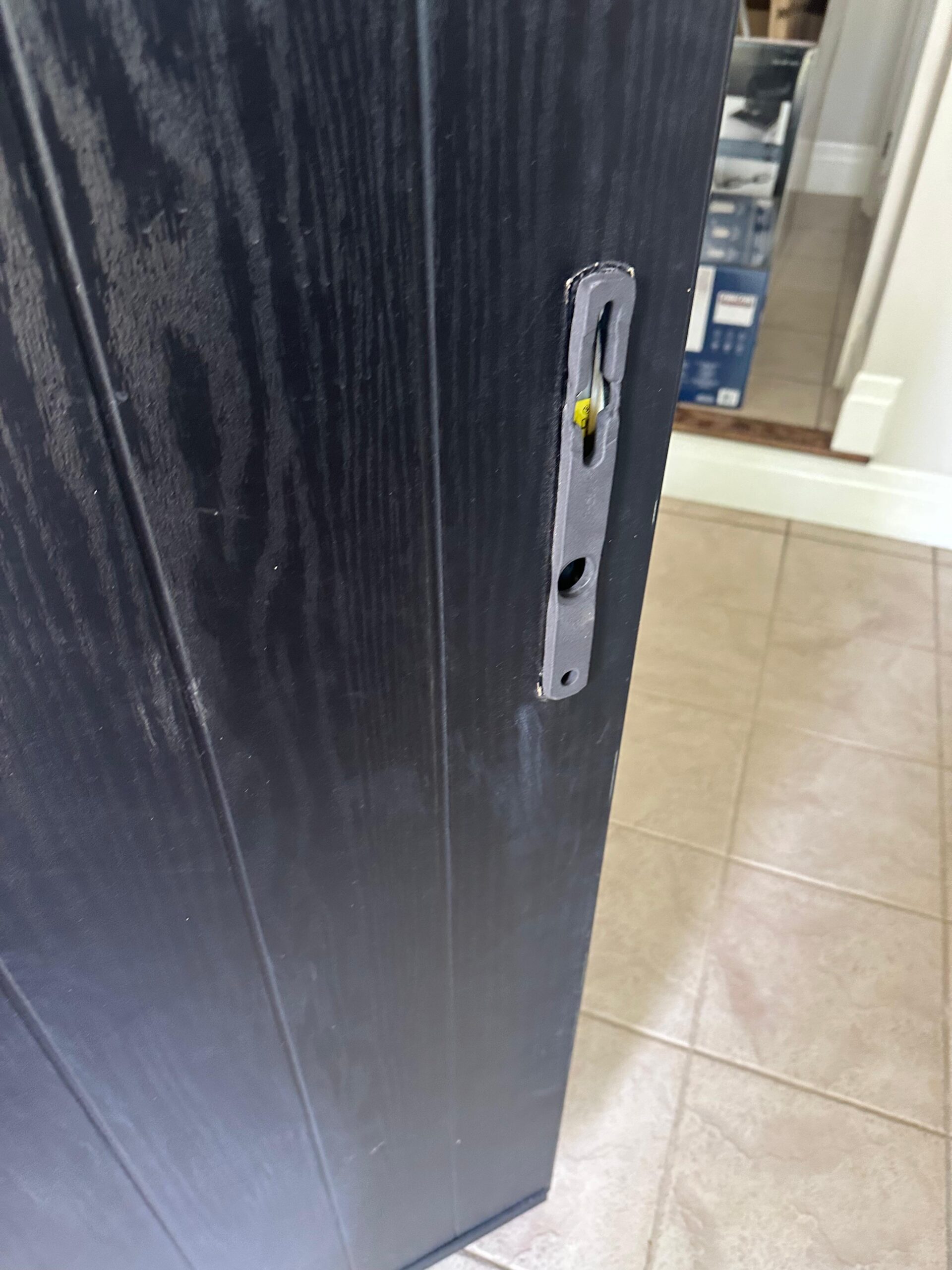
A key snapped inside the cylinder is a separate situation covered under broken key extraction. A deadbolt that is stuck with the door closed is covered under a stuck deadbolt.
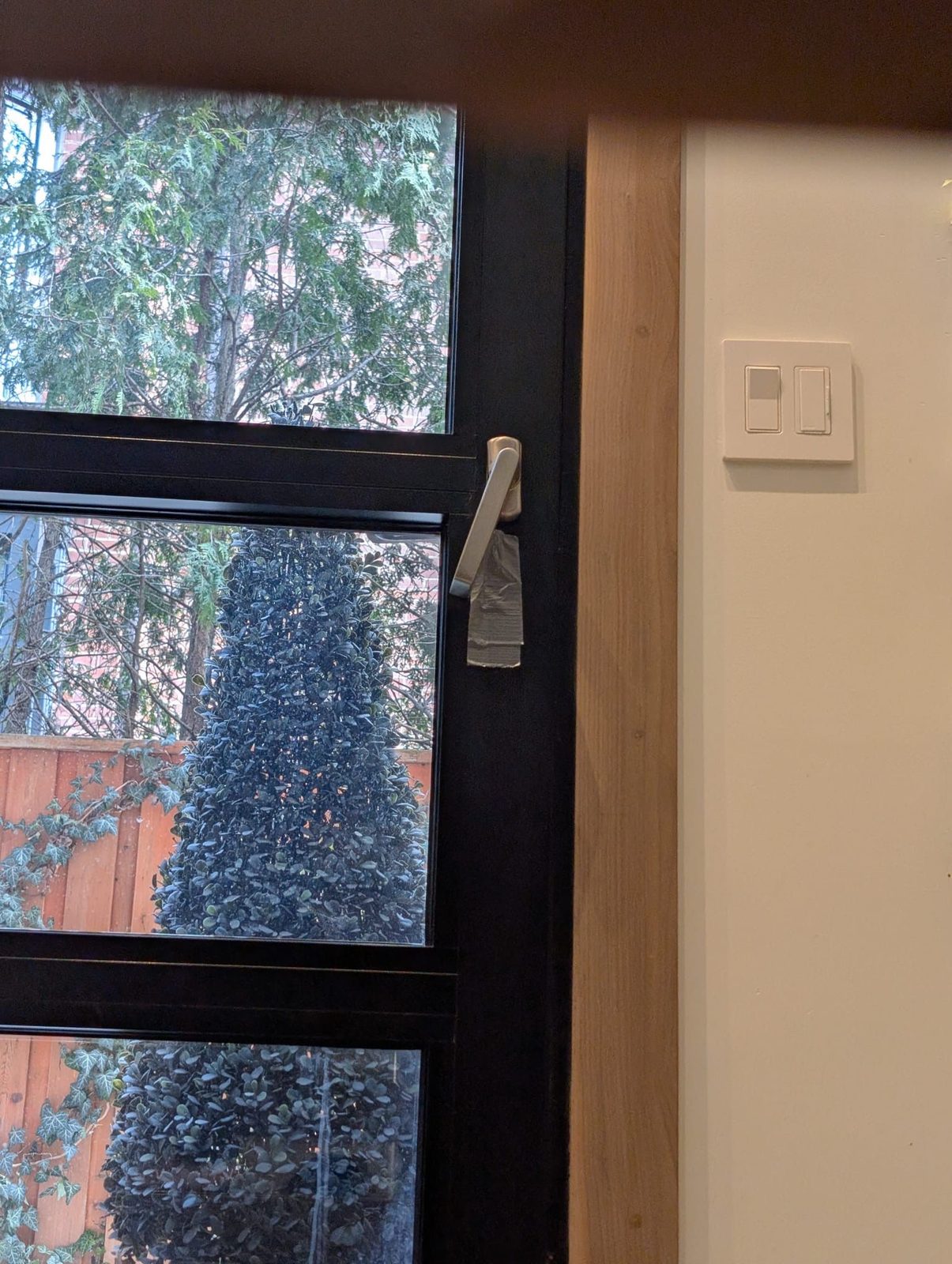
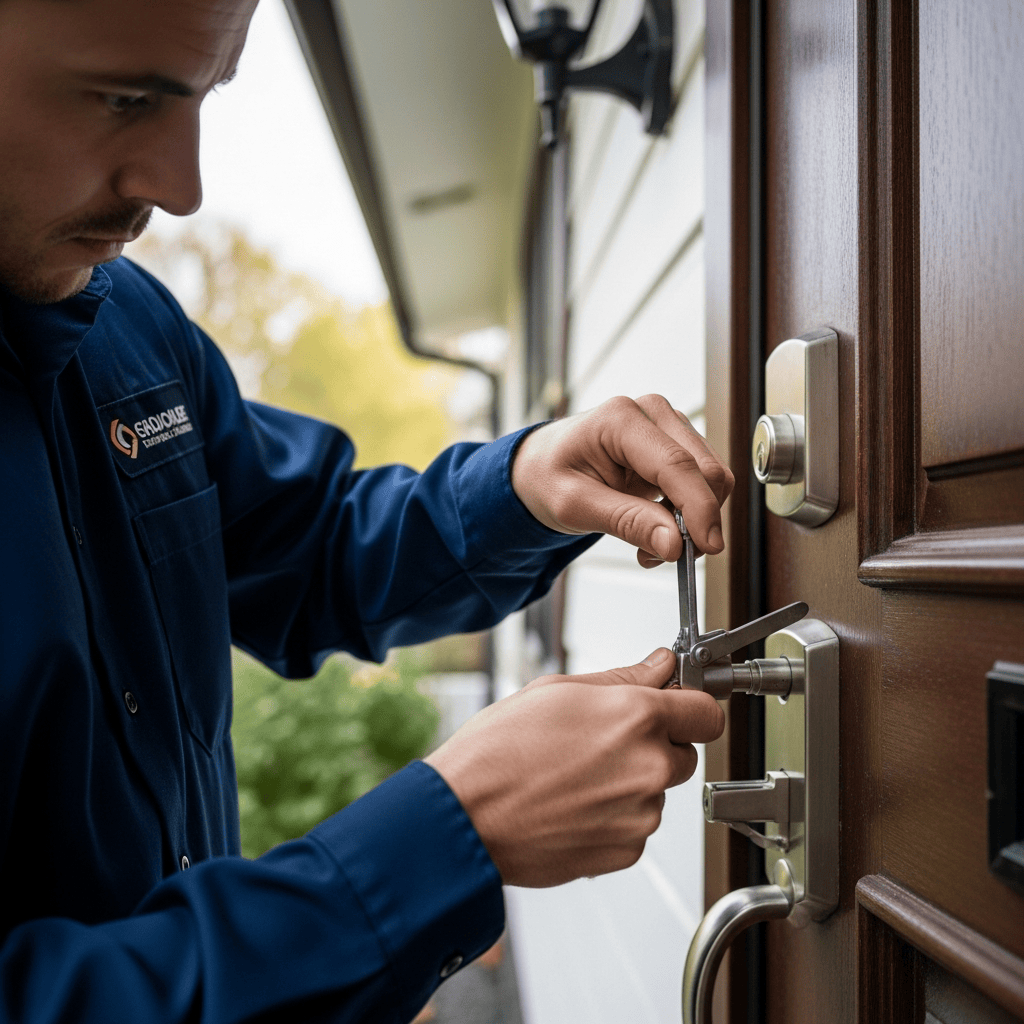
The technician assesses the suite hardware and the door construction before choosing a method. Where the lock can be opened and left in service, that is usually the preferred approach. Fire-rated doors must not be drilled, cut or altered in ways that compromise their rating, which can narrow the options and makes the building's own key more valuable.
If a component must be replaced to gain entry, the replacement should match the building's requirements and the door's function. The price of the entry work and any hardware should be explained separately before work begins.
Do not attempt to open a suite door from a balcony, adjacent unit or corridor ceiling. Those attempts create safety risks and may breach building rules.
Once the door is open, check that it closes and latches without assistance. A suite door that must be pushed or lifted to lock may leave the corridor side unsecured, and in a fire-rated assembly a latch that fails to engage is a safety concern as well as a security one.
If the lockout followed lost or stolen keys, consider whether the lock should be rekeyed. Where the building uses a master-key system, the suite cylinder may need to stay within that system, and management may need to arrange or approve the change. Lost keys raise their own access questions, starting with who else may now be able to get in, and lock changes after lost keys are planned around them.
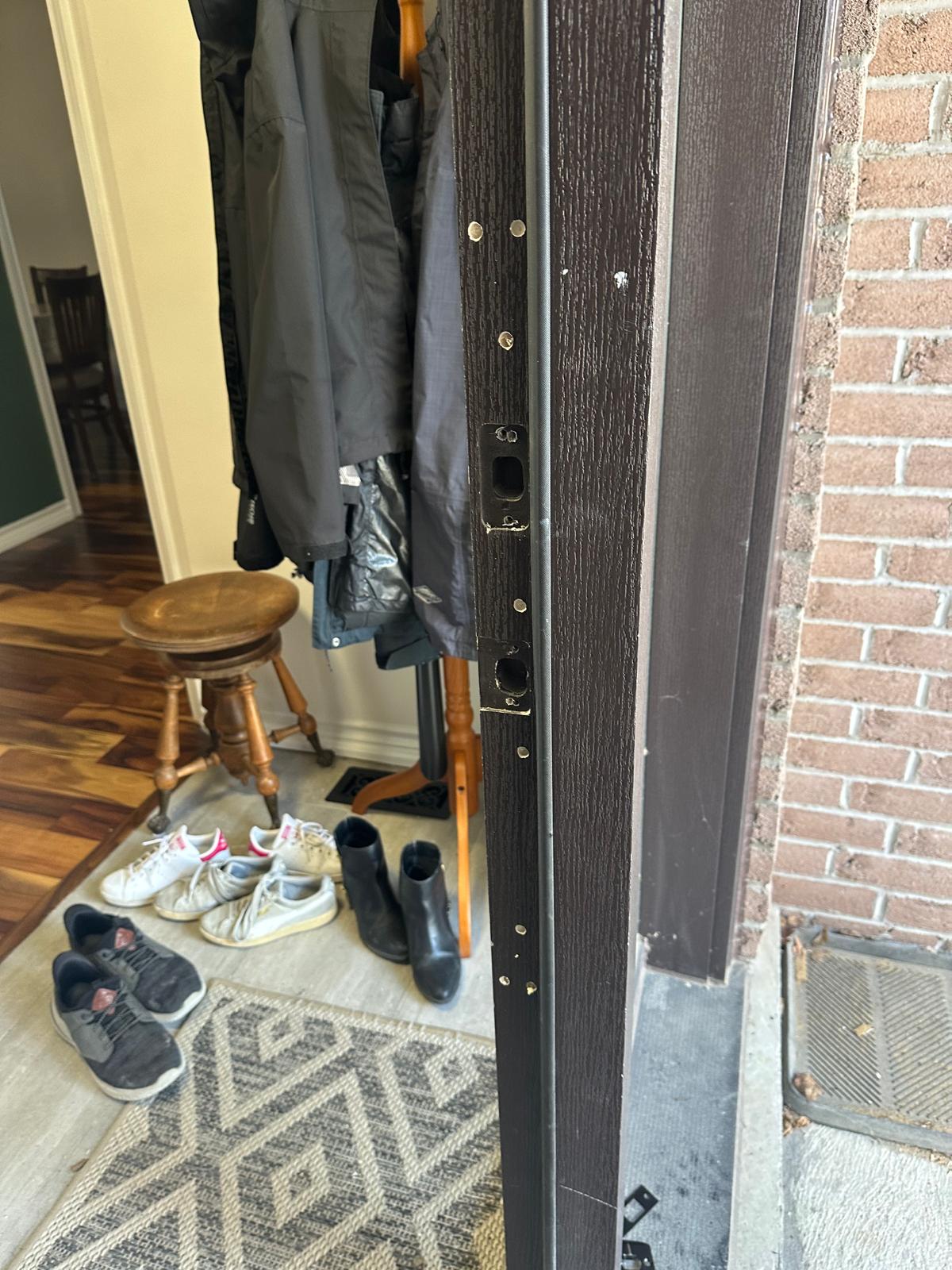
Photos
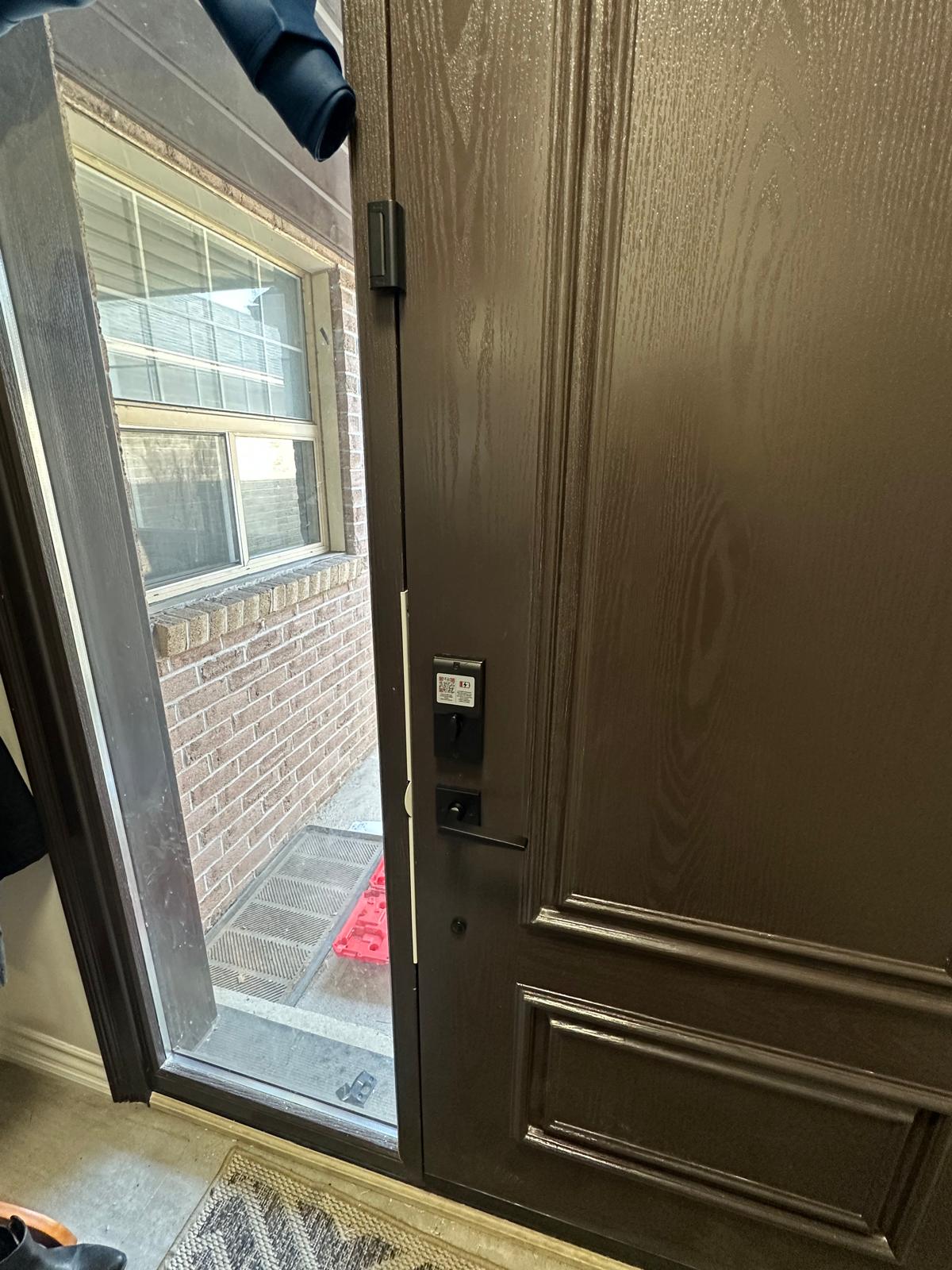
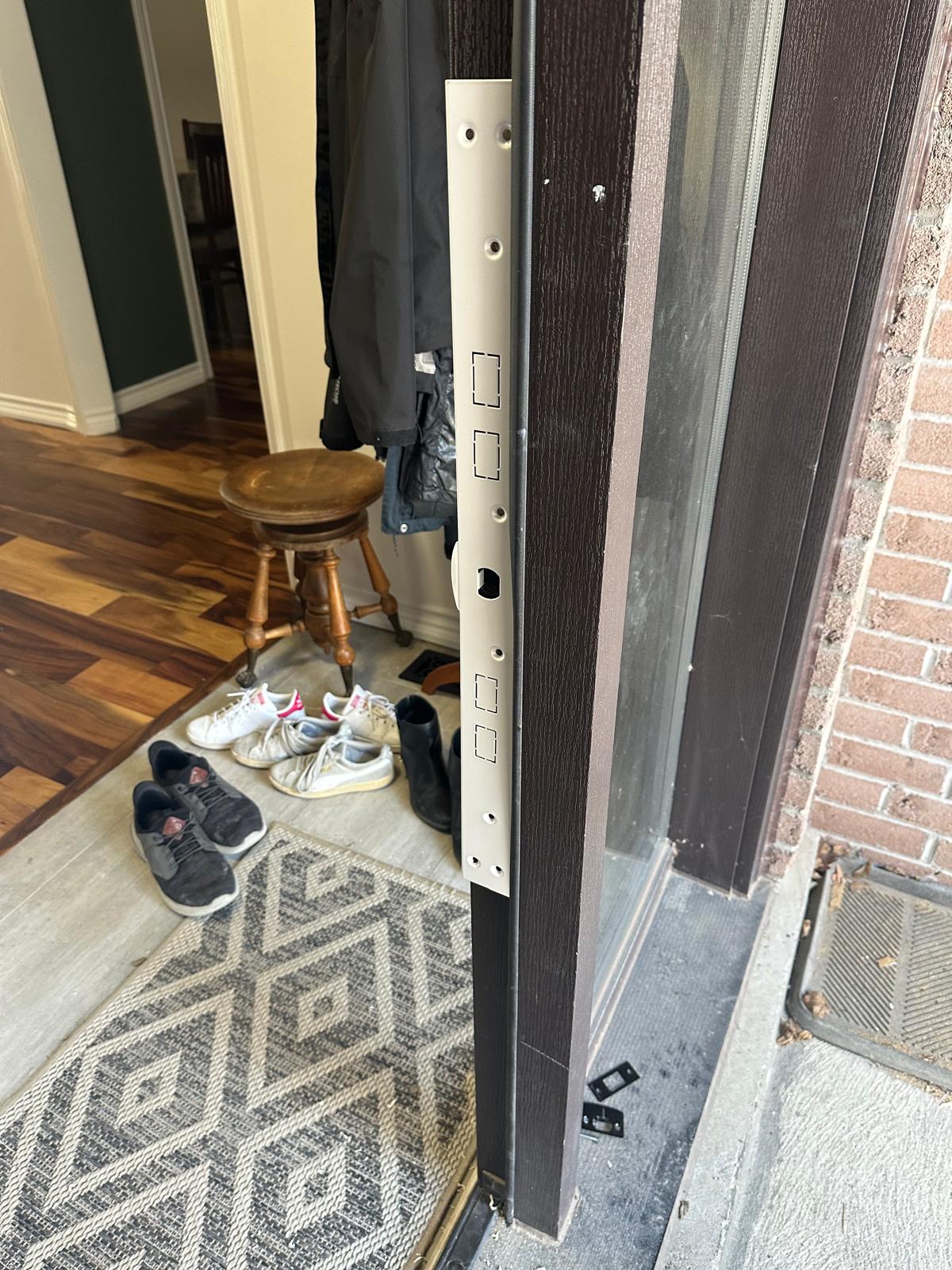
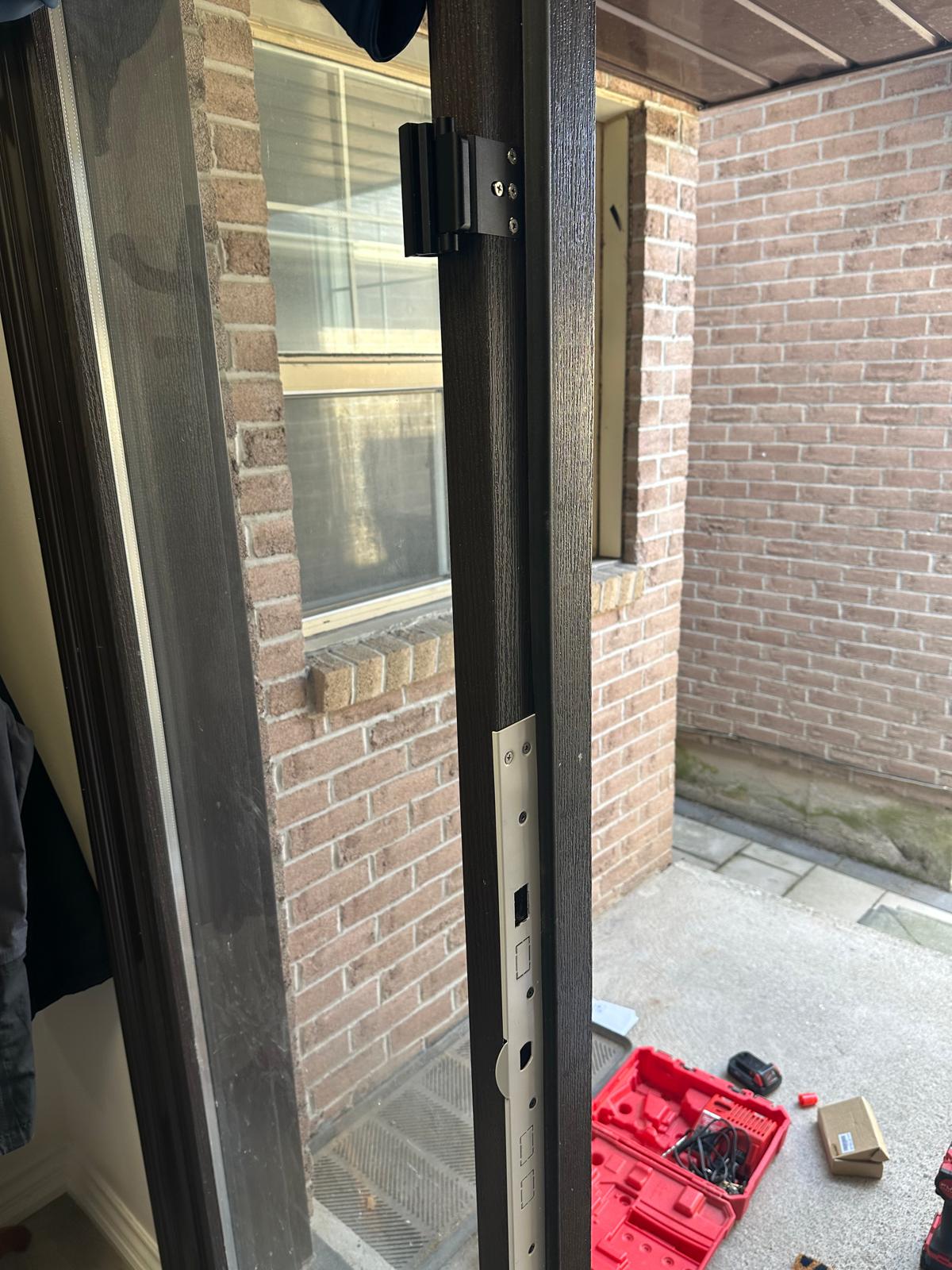
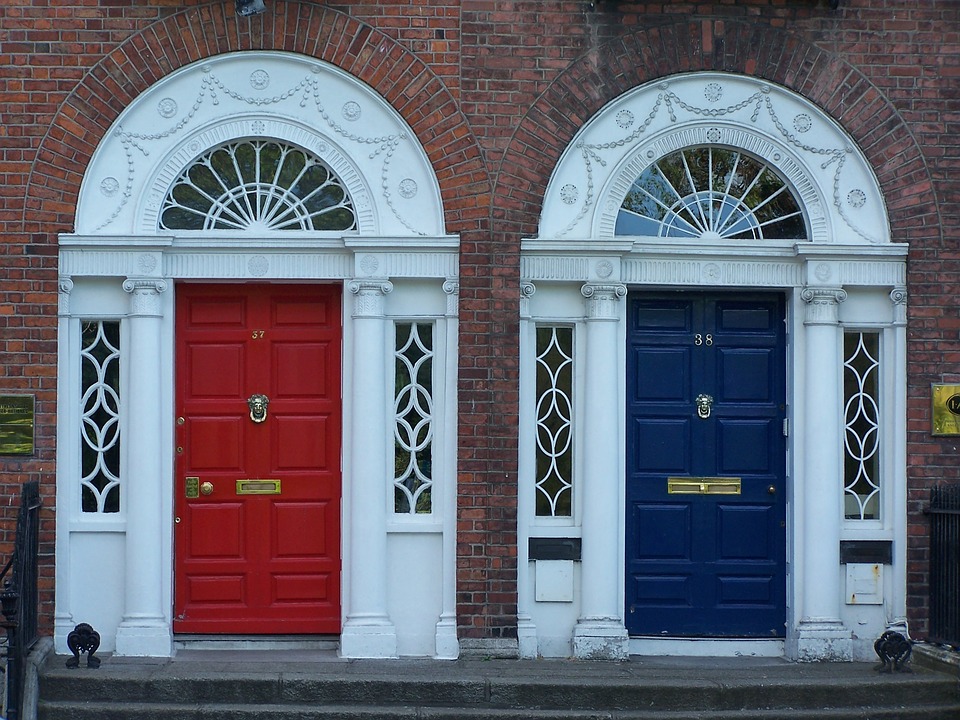
Photographs from GTA Lockman Mobile Locksmith Services work across Toronto and the GTA. Send a picture of your own door and we can tell you what the visit would involve.
Many buildings combine a mechanical suite key with electronic fobs for the lobby, elevator or parking. A locksmith can address the suite lock; fobs and access cards are managed by the building. If the lockout involves a lost fob, contact management separately so it can be deactivated.
Some condominium owners install keypad or smart locks on suite doors. These may be permitted in some buildings and not in others. If an electronic suite lock caused the lockout, its mechanical and electronic parts are assessed separately, as with any of the smart locks that stop working with the door locked.
Landlords and property managers who arrange lockout service for tenants should confirm the tenant's identity and the unit number before the visit, and tell us who will authorize any work beyond entry. For managed buildings with repeat needs, a standing arrangement for how requests are verified saves time on each call.
Record which suites use which keys. Tenant turnover, lost keys and lockouts are easier to manage when the key record is current, and lock repair after a tenant moves out is simpler when the previous arrangement is documented.
Toronto's rental stock includes low-rise walk-ups, converted houses and older towers alongside newer condominiums. In older buildings, suite doors may carry a mix of hardware added by different owners over the years: an original mortise lock, a later deadbolt, and sometimes a surface-mounted rim lock. Each lock may use a different key, and not every occupant knows which of them was engaged when the door closed.
When you call, describe every lock on the door, not just the one you normally use. A photograph from the corridor side helps the technician see how many cylinders are present and what type they are. If some locks are no longer used, say so; an unused lock that was accidentally engaged can be the reason a working key seems to fail.
After entry, it may be worth reducing the number of locks in use or bringing them onto one key where the building permits it. That decision belongs with the owner or landlord and should respect the building's requirements for suite doors, especially where the door is fire-rated.
A lockout is not always at the suite door. Residents can also be locked out of a shared entrance, a storage locker room, a bicycle room or a laundry room. Those doors are controlled by the building, and a locksmith should work on them only with the authorization of management or the owner.
If a common-area lock has failed rather than simply been locked, report it to management so it can be repaired for everyone. A resident arranging their own work on a shared door can create problems with the building's key system and its insurance.
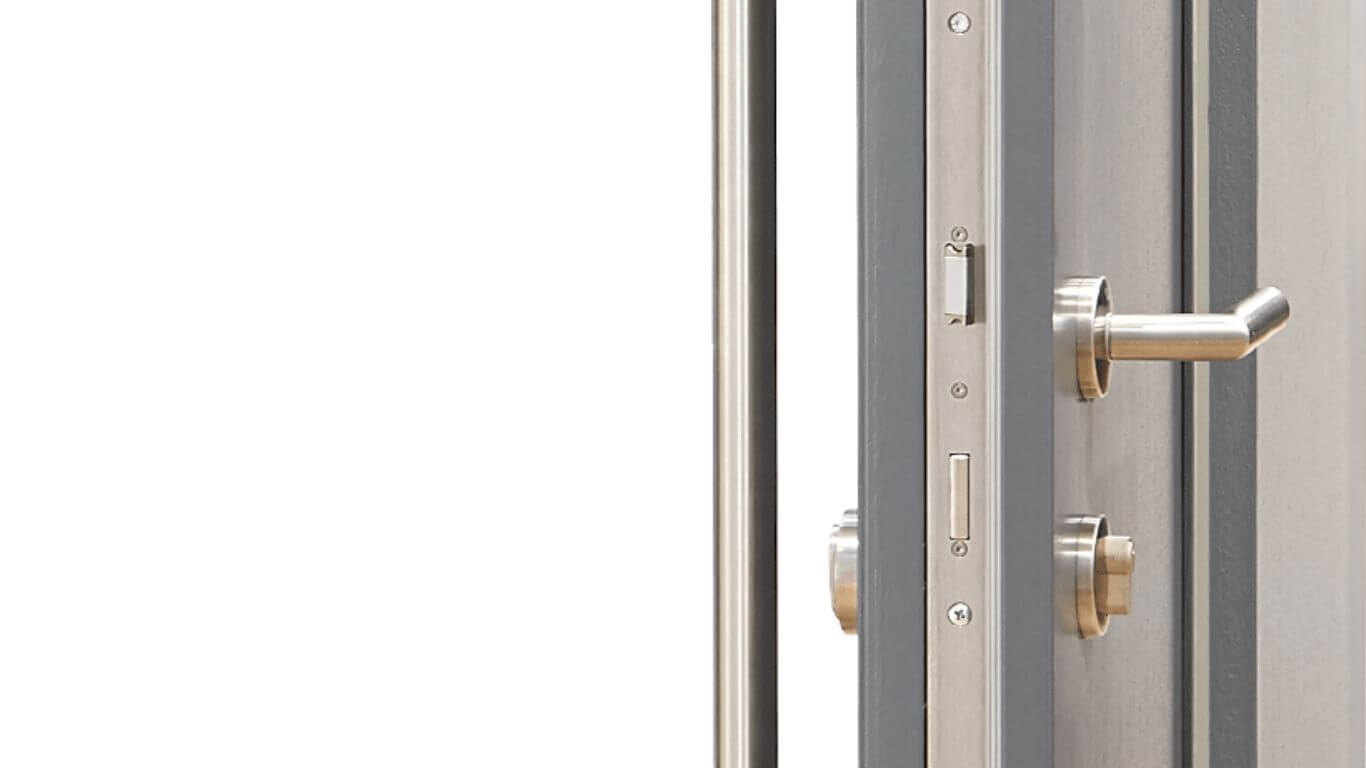
When you call, describe the building, the suite door hardware, whether any key is available and what happened. Our posted hours are listed with our contact details and apply to every call. We do not promise a fixed arrival time, and building access procedures can add time on arrival, so allow for that when arranging to meet the technician. Condos and apartments also need repairs, rekeying and hardware upgrades from time to time, all of which fall within our residential locksmith services.
Keep reading
It is often worth trying. Many condominiums and rental buildings keep a suite key for maintenance and fire-safety access, and the concierge or superintendent may be able to let you in under the building's own procedure. That can avoid any lock work at all. If the office is closed, the building does not hold a key, or its policy does not allow staff to open suites, a locksmith visit can be arranged. Tell us what the building has already said, because it may affect how the technician reaches the suite and what hardware changes are permitted afterward.
It is often worth trying. Many condominiums and rental buildings keep a suite key for maintenance and fire-safety access, and the concierge or superintendent may be able to let you in under the building's own procedure. That can avoid any lock work at all. If the office is closed, the building does not hold a key, or its policy does not allow staff to open suites, a locksmith visit can be arranged. Tell us what the building has already said, because it may affect how the technician reaches the suite and what hardware changes are permitted afterward.
Expect to show identification with the suite address, a lease, or another document connecting you to the unit. If those documents are inside, the technician can explain how verification will be completed once the door is open. Building staff may also confirm occupancy through their own records. The purpose is to make sure entry is given only to someone entitled to it. In a building with many similar doors, that check protects every resident. Where occupancy is disputed, the technician may decline until the matter is resolved.
Fire-rated door assemblies should not be altered in ways that compromise their rating, and building rules may restrict any modification. That can limit the entry methods available and is one reason the building's own key is valuable. Where a component must be replaced to gain entry, the replacement should be compatible with the door's rating and the building's hardware requirements. The technician will explain the options before starting. Do not attempt to modify the door, frame or closer yourself to get in.
Possibly, but check the condominium's declaration, rules and management policies first. Some buildings require specific hardware, a master-keyed cylinder, or a copy of the suite key for building access. A new lock that does not meet those requirements may have to be removed. If you rent the suite, your lease and tenancy rules may also require the landlord to be informed. Rekeying the existing cylinder within the building's system is sometimes the practical option. Ask management what is allowed before booking the work.
Keys and cylinders wear gradually, so the change can seem sudden even when it has been developing. A door closer pulling the door against the frame can also load the latch or bolt and make the key hard to turn from the corridor. Dirt, a bent key or a loose cylinder are other possibilities. Try the key with gentle pressure on the door toward the hinges; if it turns more easily, alignment is likely involved. Do not force it, because a key broken inside the cylinder makes the situation more involved.
Fobs and access cards are managed by the building, not the locksmith. If your fob was lost with your keys, contact management so it can be deactivated and replaced. The locksmith can address the mechanical suite lock, including rekeying if the building permits it. Treat the two as separate tasks, and make sure both are complete. A rekeyed suite door does not prevent someone from using a lost fob to reach the lobby, elevator or parking, so the building's action matters just as much as the lock work.
Not for entry into a home you lawfully occupy, provided you can show that connection. For changes to the lock itself, your lease and applicable tenancy rules decide what notice or consent is needed. Where a landlord or property manager arranges the service, they should confirm the tenant's identity and the unit number and say who will authorize any work beyond entry. Clear instructions from the person paying for the work avoid disagreement at the door about what was requested.
That depends on the building. Parking, security sign-in, elevator access and walking distance can all add time on arrival, separate from the entry work itself. Let us know the building's procedure when you call, and meet the technician at the lobby if that helps. We do not promise a fixed arrival time, because travel and existing appointments vary across the GTA. We will tell you what scheduling is available for your location when you describe the situation.
GTA Lockman Mobile Locksmith Services is a mobile locksmith working on homes, businesses and vehicles across Toronto and the GTA, with more than 14 years in the trade. Every review is written by a customer on Google, where you can read them in full.
Areas served: Toronto, North York, Scarborough, Etobicoke, Vaughan, Richmond Hill, Markham, Stouffville, Newmarket, Mississauga, Brampton, Oakville, Milton, Halton Hills, Pickering, Ajax, Whitby, Oshawa, Uxbridge.
Describe the door, hardware and service address. Contact GTA Lockman Mobile Locksmith Services to confirm the scope and scheduling for your location.