Locksmith services are always 10% off for seniors.
Open Mon–Thu 8:30 AM–9 PM, Fri 8:30 AM–4 PM, Sun 9:30 AM–9 PM
Locksmith services are always 10% off for seniors.
Open Mon–Thu 8:30 AM–9 PM, Fri 8:30 AM–4 PM, Sun 9:30 AM–9 PM
GTA Lockman Mobile Locksmith Services · Toronto & GTA
Report the fob to the building, then decide whether the suite cylinder and other keys need attention.
Related services
Regain entry to a suite while respecting building rules, fire-rated doors and the access arrangements of the property.
Learn moreWhat to collect at closing, what the corporation controls, and when a suite cylinder may be rekeyed.
Learn moreReview every door the missing keys operated, then rekey or replace the locks that no longer control access.
Learn moreAssess the mailbox type, ownership and failed key or cylinder before arranging authorized opening or replacement.
Learn moreAssess household lock problems in the context of the door, building requirements and the people using it.
Learn moreSet up suite, shared and interior door locks that respect both households, safe exit and the tenancy rules.
Learn more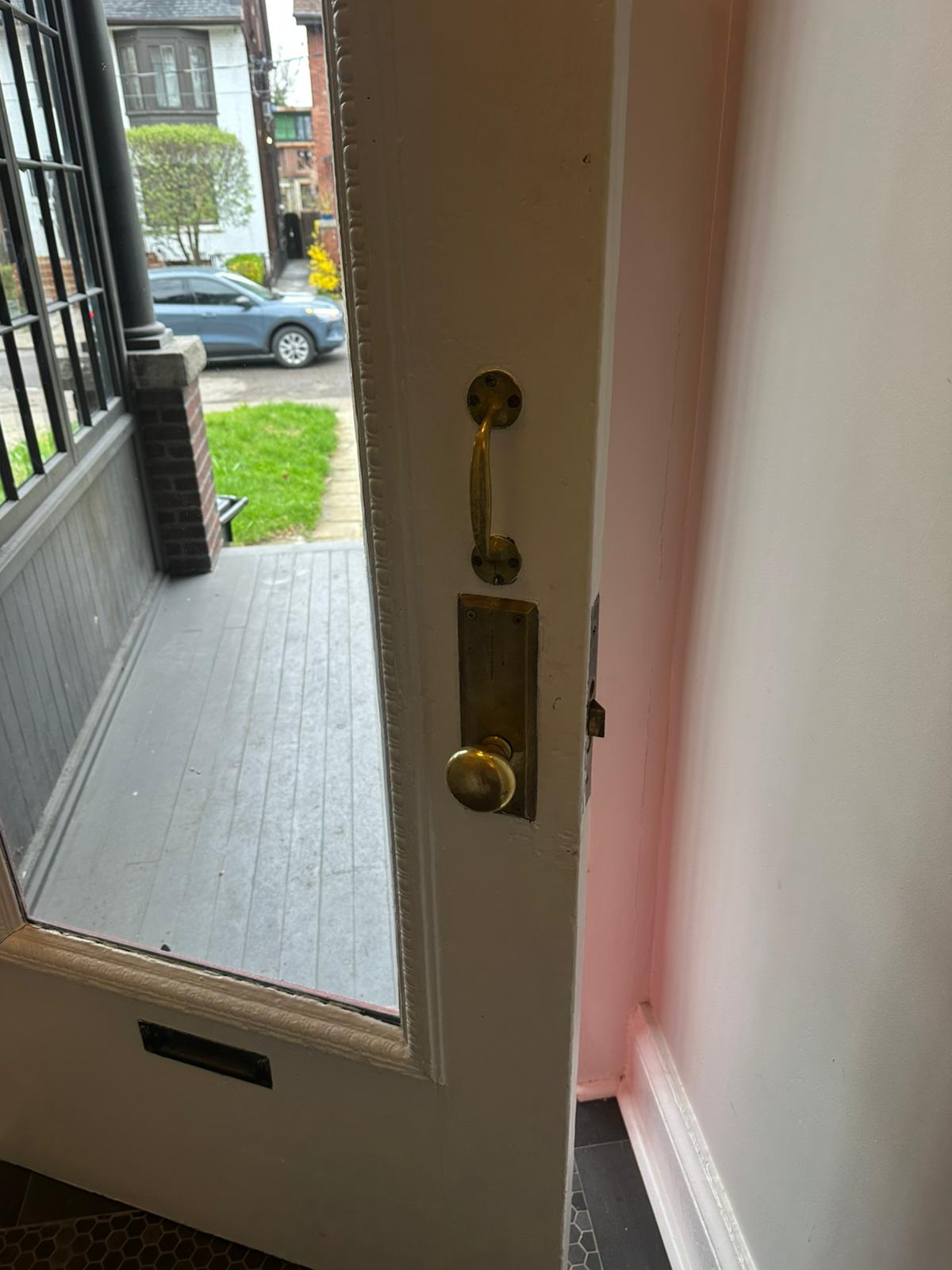
Losing a condo fob feels like losing a key, but it works differently. A mechanical key is cut to match a cylinder in your door. A fob or access card is a credential registered in the building's access control system, and it opens the lobby, elevator, parking and amenity doors that the corporation has programmed it for.
That difference decides who can help. A locksmith works on the mechanical locks. Only the corporation or its property manager can deactivate a lost fob and issue a replacement, because only they control the system. No locksmith can cancel a fob, and you should be cautious of anyone who says otherwise.
Contact the property manager or concierge as soon as you notice the fob is missing. Ask them to deactivate it and to note the date. A deactivated fob stops working at the lobby, garage and amenity doors, which removes most of the risk.
Ask what else the fob operated: parking gate, bicycle room, storage locker, gym, party room. Some buildings issue separate credentials for parking, so a lost fob may not cover everything.
Expect a form, identification and a fee for a replacement, and expect the request to come from the registered owner. Tenants usually need the landlord or the building's tenant process.
The bigger question is what else was on the keyring. If the suite key was attached, someone may be able to reach your door, and the fob tells them which building to try. If a car key, a house key for another property, a mailbox key or a locker key was attached, each needs its own action.
Anything identifying the address makes the situation more serious. A parcel label, a lease, a business card or a vehicle registration in a lost bag turns an anonymous set of keys into a specific address. Every door those keys operated should then be reviewed, which is the starting point for lock changes after lost keys.
If the suite key was lost with the fob, rekeying the suite cylinder removes the uncertainty. Whether you may do it depends on the building: many corporations require suite cylinders to stay within a master-key system, and some ask for a key to be deposited with management.
Ask management whether the cylinder may be rekeyed or replaced, whether it must remain master-keyed, and whether the building can arrange the work within its system. Get the answer before booking. The same constraints apply to entry work during apartment and condo lockouts, and suite door hardware is repaired through condo lock repair.
If only the fob was lost and the suite key is still with you, mechanical work may not be needed at all.
Tenants should tell the landlord as well as the building, since the landlord is usually the registered owner and the building may only accept the request from them. The lease may also say who pays for a replacement fob.
Landlords managing several units benefit from keeping a record of which fob number is issued to which tenant, so a loss can be reported precisely and the right credential deactivated. Fobs are one part of the wider handover, alongside lock repair after a tenant moves out.
Photos
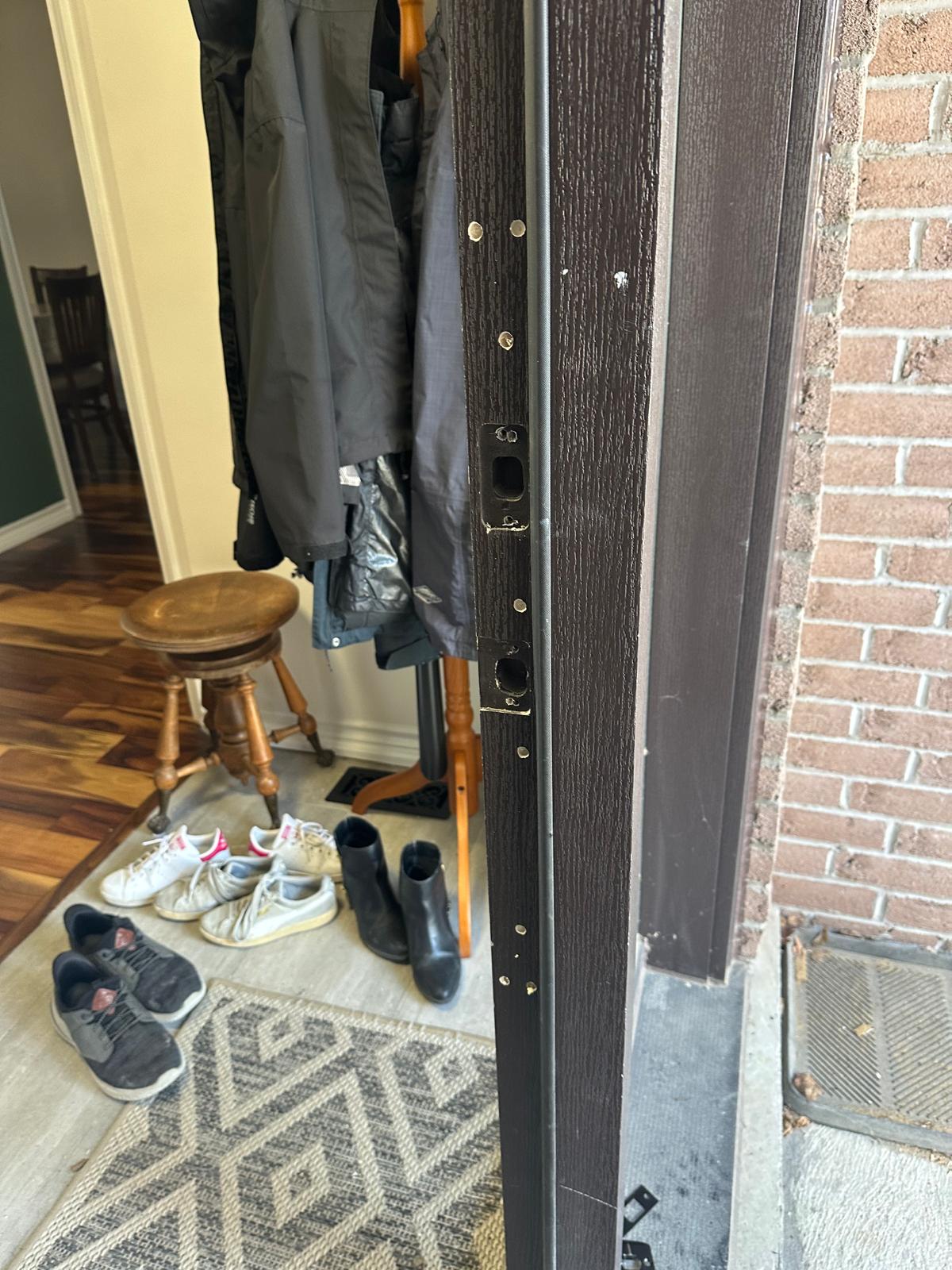
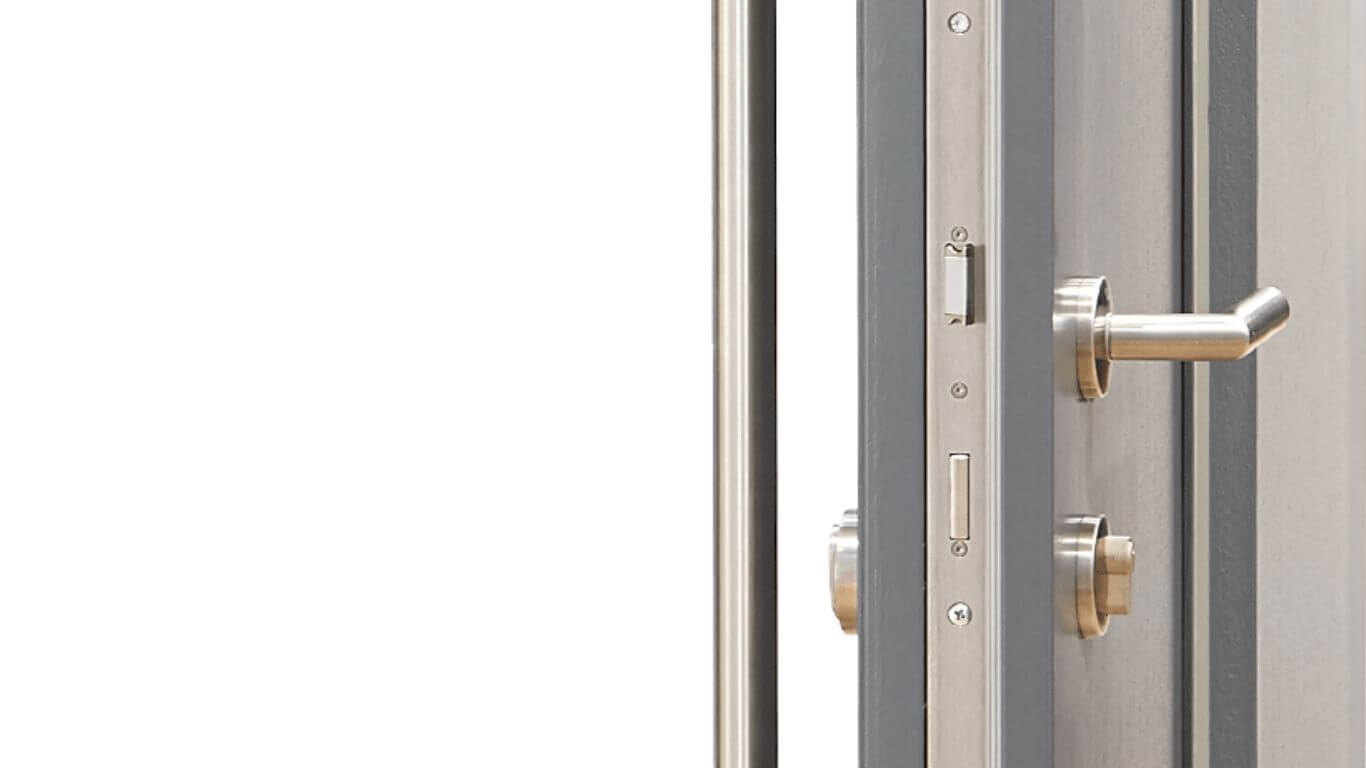
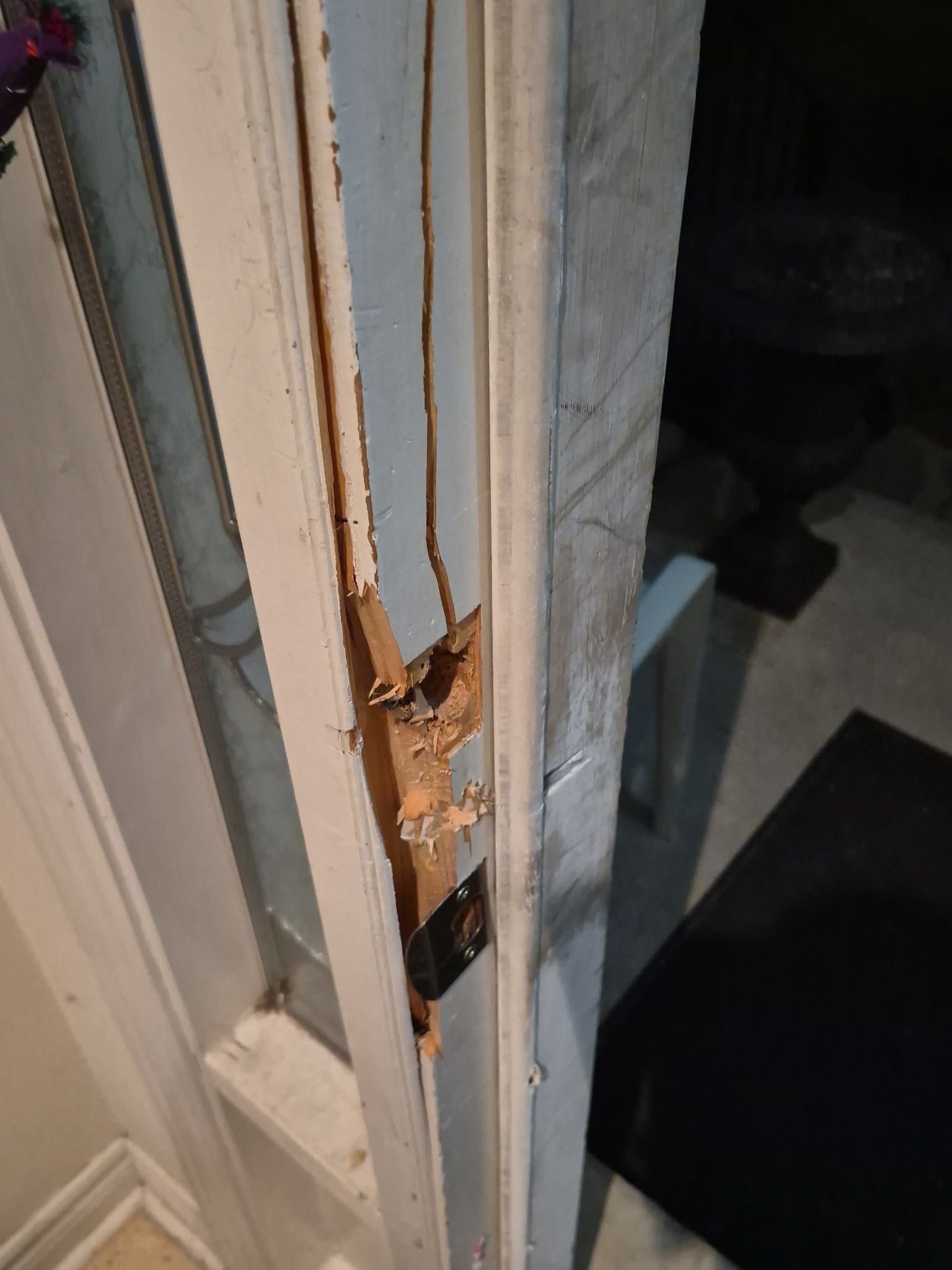
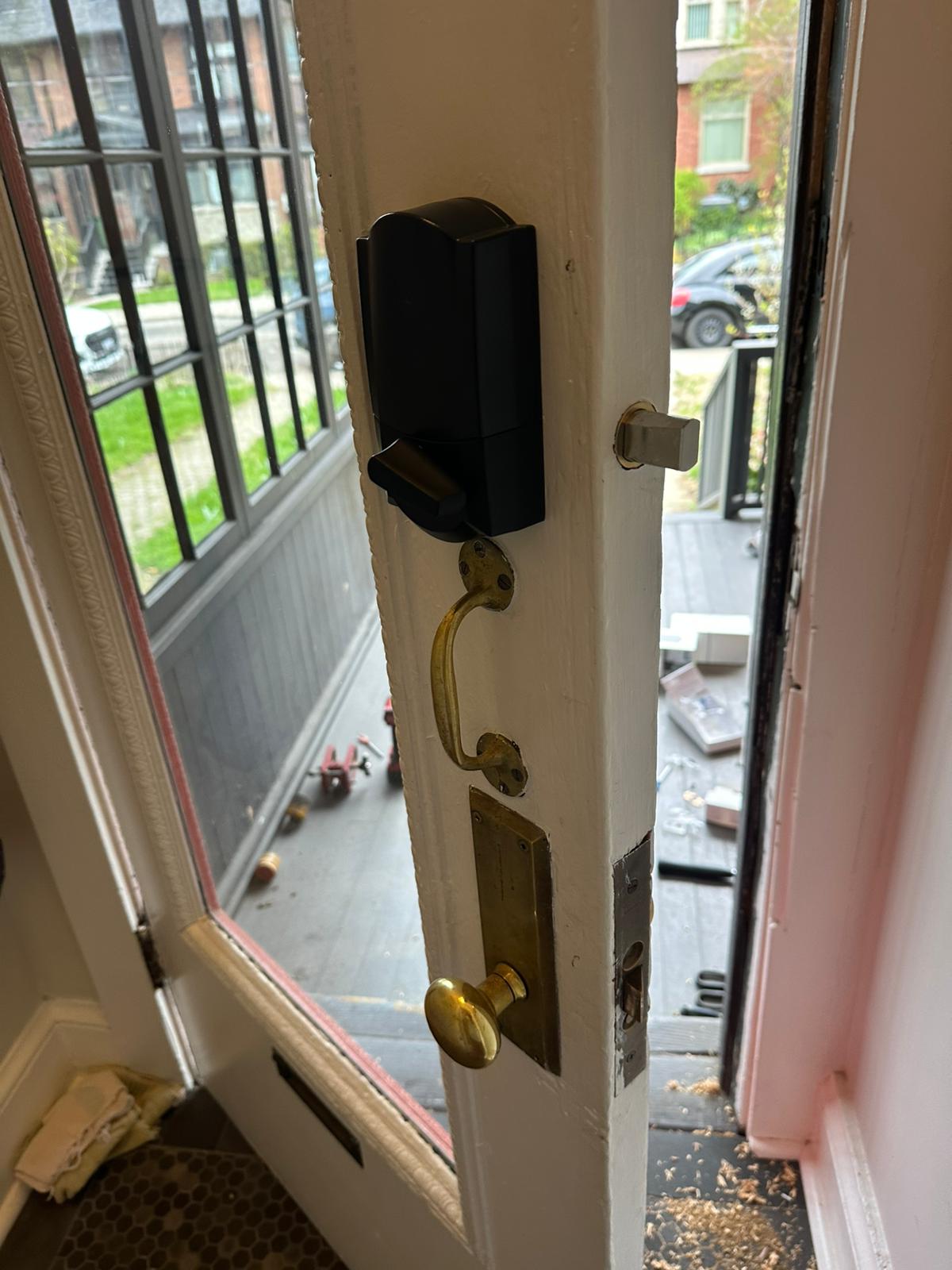
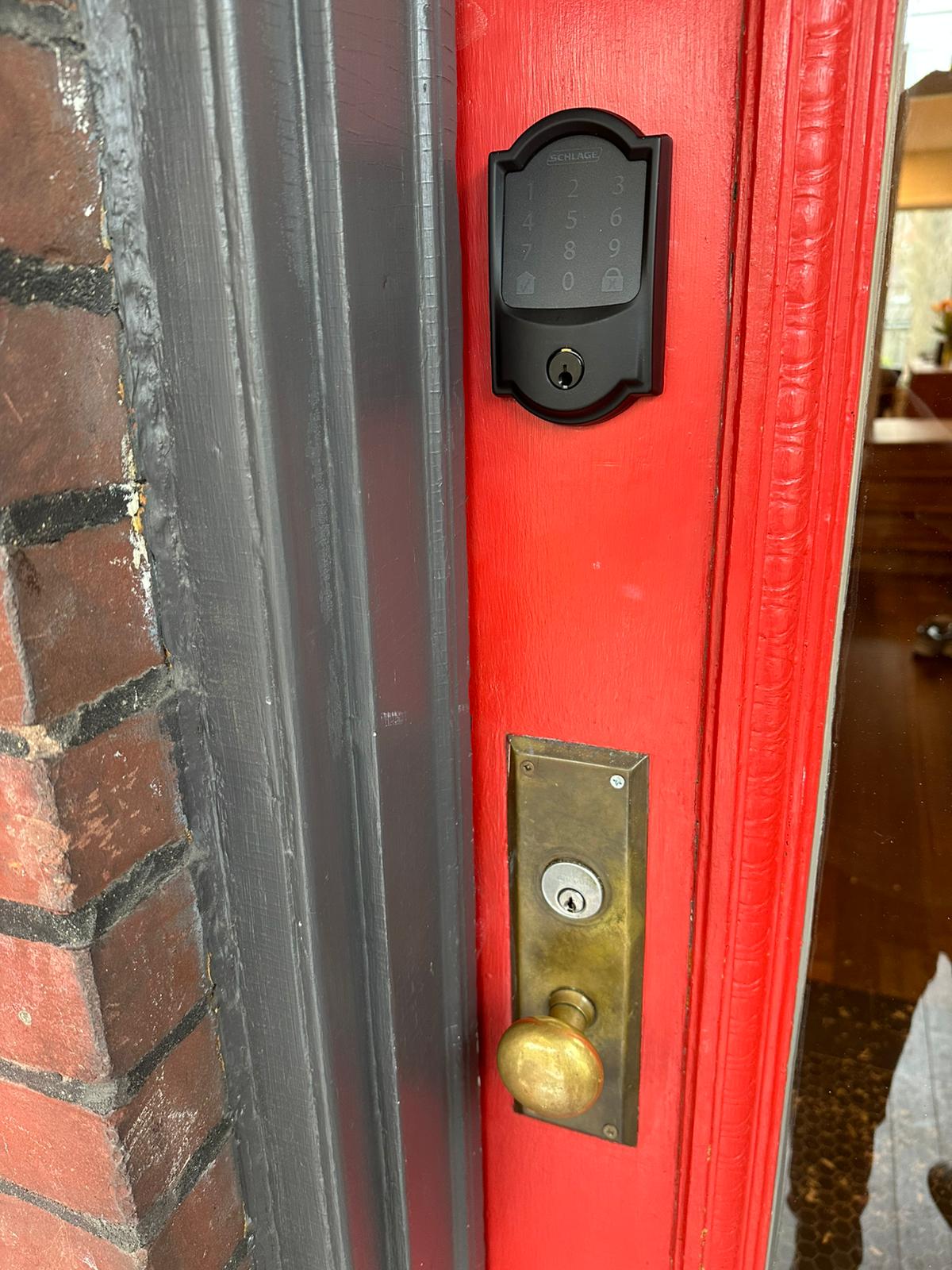
Photographs from GTA Lockman Mobile Locksmith Services work across Toronto and the GTA. Send a picture of your own door and we can tell you what the visit would involve.
Building mailbox arrangements differ. Some corporations manage the mailboxes and hold spare keys or can arrange a lock change. Others use Canada Post community mailboxes, which have their own process and their own locks.
Ask management which applies before assuming a locksmith can change the lock. Where the lock is ours to change, the work is handled like other mailbox lockouts and broken keys.
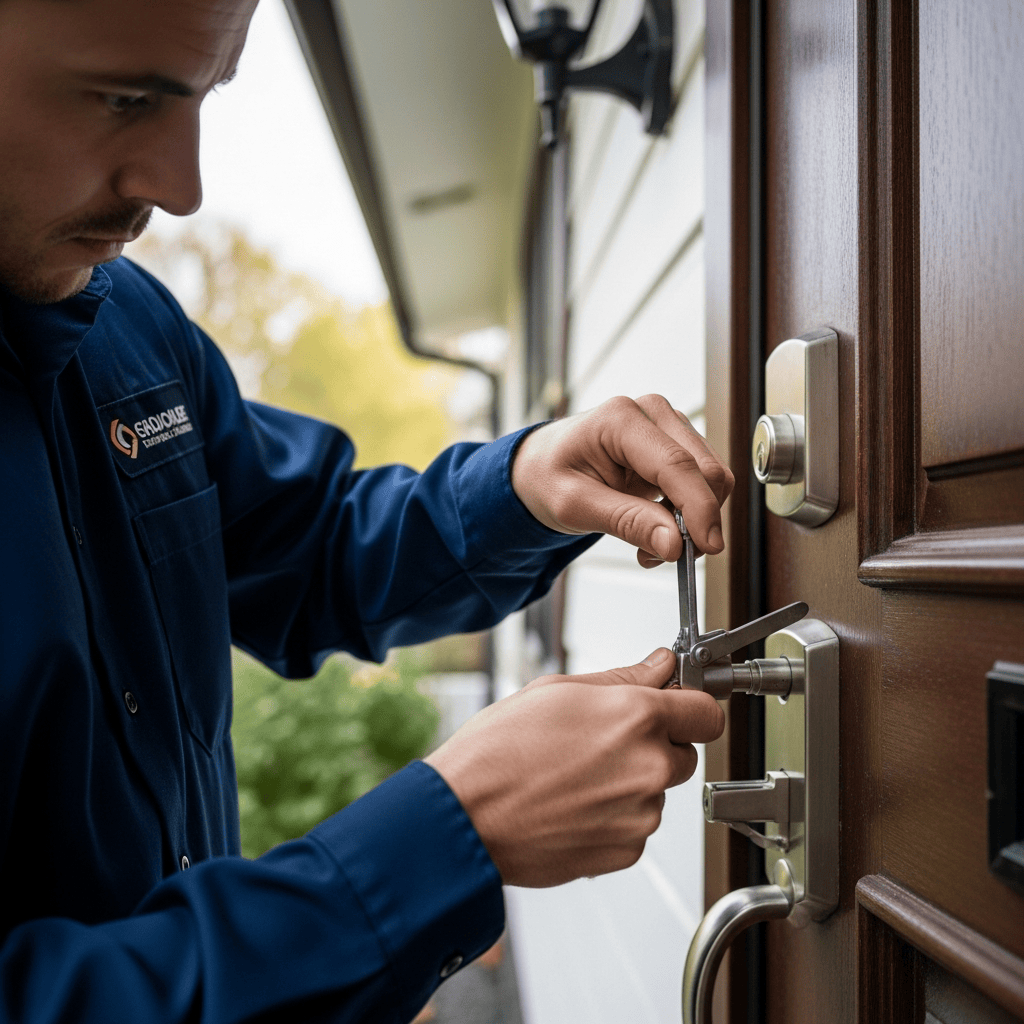
Without a fob, you may be able to reach the lobby through the concierge or by intercom, but you may not be able to use the elevator or parking. Buildings usually have a temporary arrangement, such as signing in at the desk or a loaner fob.
If the suite key is also gone, you are locked out of your unit, and entry follows the normal process: a technician confirms your authorization, then works on the suite lock in line with building rules. Fire-rated suite doors limit the methods available, which is another reason the building's own key can be the simpler route.
Keep the fob and the suite key separate where practical, so losing one does not lose both. Note the fob number from the building's records, which makes reporting quicker. Keep the property manager's contact details in your phone.
Avoid attaching anything that identifies the address to your keys. If you use a smart lock or keypad on the suite door where permitted, a lost mechanical key matters less; see the keypad lock page.
We can assess and rekey or replace suite door cylinders where the building permits it, provide authorized entry to your unit, cut replacement keys for locker and mailbox locks where responsibility allows, and advise on hardware suited to a fire-rated suite door.
We cannot deactivate or program fobs, cards or parking transponders, and we will not attempt work on common area doors without the corporation's authorization.
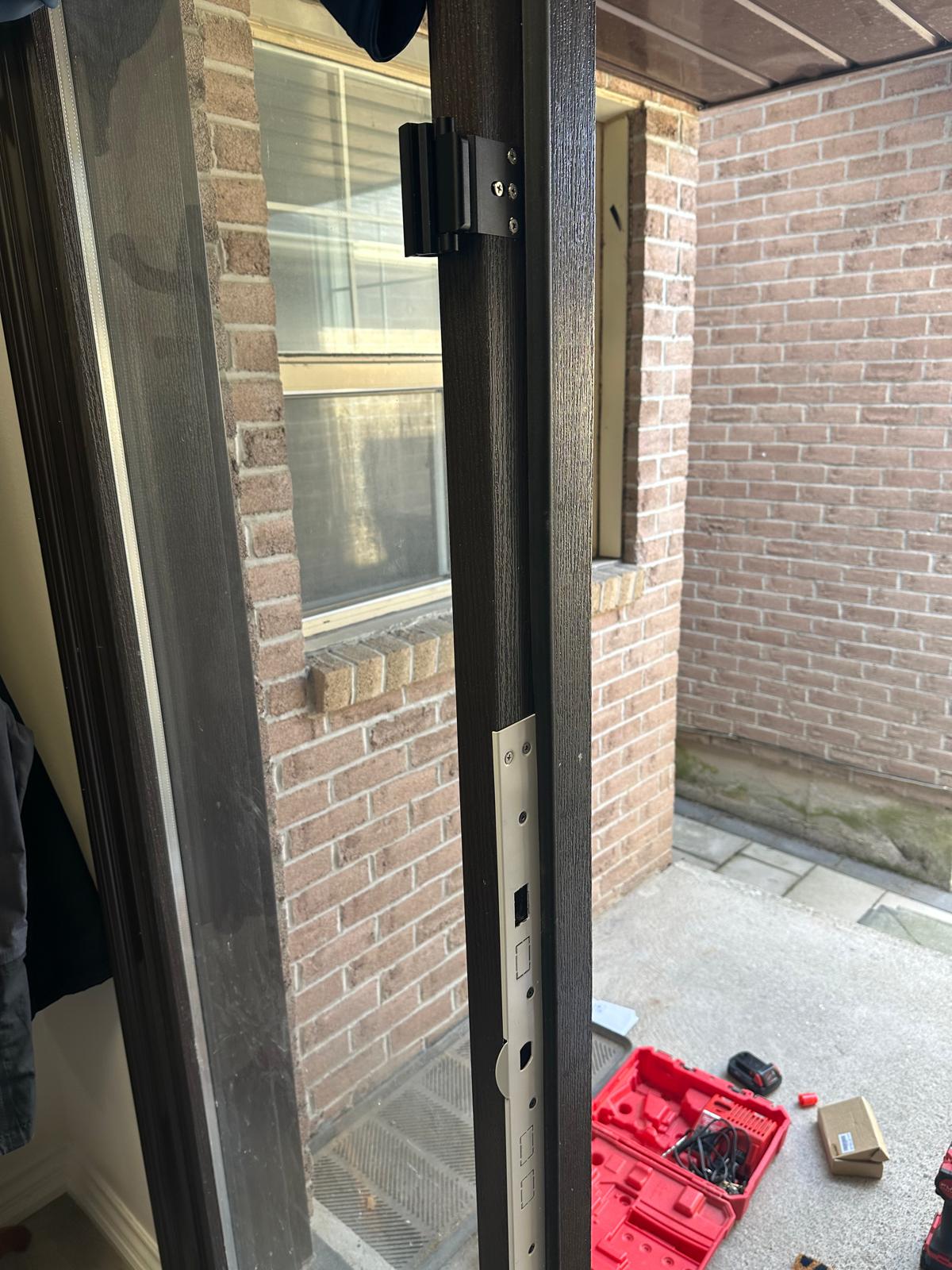
Buildings spend a great deal on access control that is undone at the front door. Holding the lobby door open for someone carrying groceries is normal courtesy, and it is also how most unauthorized entries happen. Residents are not responsible for policing the lobby, but it is worth knowing that a deactivated fob does not stop someone who walks in behind a neighbour.
That is why the suite door still matters. A sound deadbolt that throws fully, a door that closes and latches on its own, and keys you can account for do more for your unit than the lobby system does.
A lost keyring and a stolen one call for different responses. If a bag or a set of keys was taken, report it to the police and tell the building, and treat every credential on the ring as compromised. Ask the corporation to deactivate the fob straight away, and arrange for the suite cylinder to be rekeyed as soon as the building's rules allow.
Keep a note of what was on the ring and when each item was cancelled or changed. That record is useful for insurance and for the building's own records, and it makes it clear what remains outstanding.
Finally, keep the building's own process in perspective. Corporations are required to control access for every resident, so the forms, fees and owner-only requests that feel like obstacles are what stops someone else replacing your fob on request. Work with the process rather than around it, keep a note of what you reported and when, and ask for confirmation in writing that the old credential has been deactivated. That record matters if the fob is later used or if a dispute arises about access to the unit. If the building issues a temporary credential while you wait, note its number as well, and return it when the replacement arrives so the records stay accurate. Ask the concierge to note the return in the building log as well, since loaner credentials are easy to forget once the permanent fob is working.
When you call, tell us the building, what was lost, what management has already said and whether the suite key is involved.
Keep reading
No. Fobs and access cards are credentials registered in the building's access control system, and only the corporation or its property manager can deactivate a lost one or issue a replacement. A locksmith works on mechanical locks. Be cautious of anyone who claims to be able to clone or replace a building fob without the corporation's involvement, since that would bypass the building's control over who can enter.
No. Fobs and access cards are credentials registered in the building's access control system, and only the corporation or its property manager can deactivate a lost one or issue a replacement. A locksmith works on mechanical locks. Be cautious of anyone who claims to be able to clone or replace a building fob without the corporation's involvement, since that would bypass the building's control over who can enter.
Contact the property manager or concierge and ask them to deactivate the fob, and note the date you reported it. Then work out what else was lost with it. If your suite key was on the same ring, that is the more serious issue, because the fob identifies the building. Ask the building what the fob operated, since parking, lockers and amenity doors are sometimes separate credentials.
If the key is unaccounted for, rekeying removes the uncertainty. Whether you may do it depends on the building's rules: many corporations require suite cylinders to remain within a master-key system, and some ask for a key to be deposited with management. Ask them first, then book the work. Rekeying within the existing system usually satisfies both your security and the building's access requirements.
The corporation sets that, and it varies by building. Expect a form, identification and a fee, and expect the request to come from the registered owner. Some buildings limit how many fobs a unit may hold. Tenants usually go through the landlord or a specific tenant process. Ask the property manager for the current cost and the processing time when you report the loss.
Both, and usually the landlord first. The landlord is normally the registered owner, and many buildings will only accept a replacement request from them. Your lease may also say who pays for a replacement. Report it professionally, because the deactivation is what limits the risk. If your suite key was also lost, discuss rekeying with the landlord, since they arrange work on the unit in most tenancies.
Usually you can reach the lobby through the concierge or intercom, though elevator and parking access may be limited until the replacement is issued. Buildings often have a temporary arrangement such as signing in at the desk. If the suite key was lost too, that is a lockout, and entry follows the normal process: your authorization is confirmed, then the suite lock is worked on within the building's rules.
It depends on the building. Some corporations manage the mailboxes and can arrange a key or lock change. Others use Canada Post community mailboxes, which have their own process and locks. Ask management which applies before booking a locksmith. If the mailbox key was on the lost ring, treat it as a separate item to resolve rather than assuming the fob replacement covers it.
Keep the fob and the suite key separate where practical, so one loss does not become two. Note your fob number from the building's records, which speeds up reporting. Save the property manager's contact details in your phone rather than only on a noticeboard in the lobby. Avoid attaching anything to your keys that identifies your address, such as a parcel label or a business card.
GTA Lockman Mobile Locksmith Services is a mobile locksmith working on homes, businesses and vehicles across Toronto and the GTA, with more than 14 years in the trade. Every review is written by a customer on Google, where you can read them in full.
Areas served: Toronto, North York, Scarborough, Etobicoke, Vaughan, Richmond Hill, Markham, Stouffville, Newmarket, Mississauga, Brampton, Oakville, Milton, Halton Hills, Pickering, Ajax, Whitby, Oshawa, Uxbridge.
Describe the door, hardware and service address. Contact GTA Lockman Mobile Locksmith Services to confirm the scope and scheduling for your location.