
GTA Lockman Mobile Locksmith Services · Toronto & GTA
Residential Locksmith Toronto & GTA
Repairs, rekeying and replacement hardware for homes, condos and apartments, with attention to the whole door.
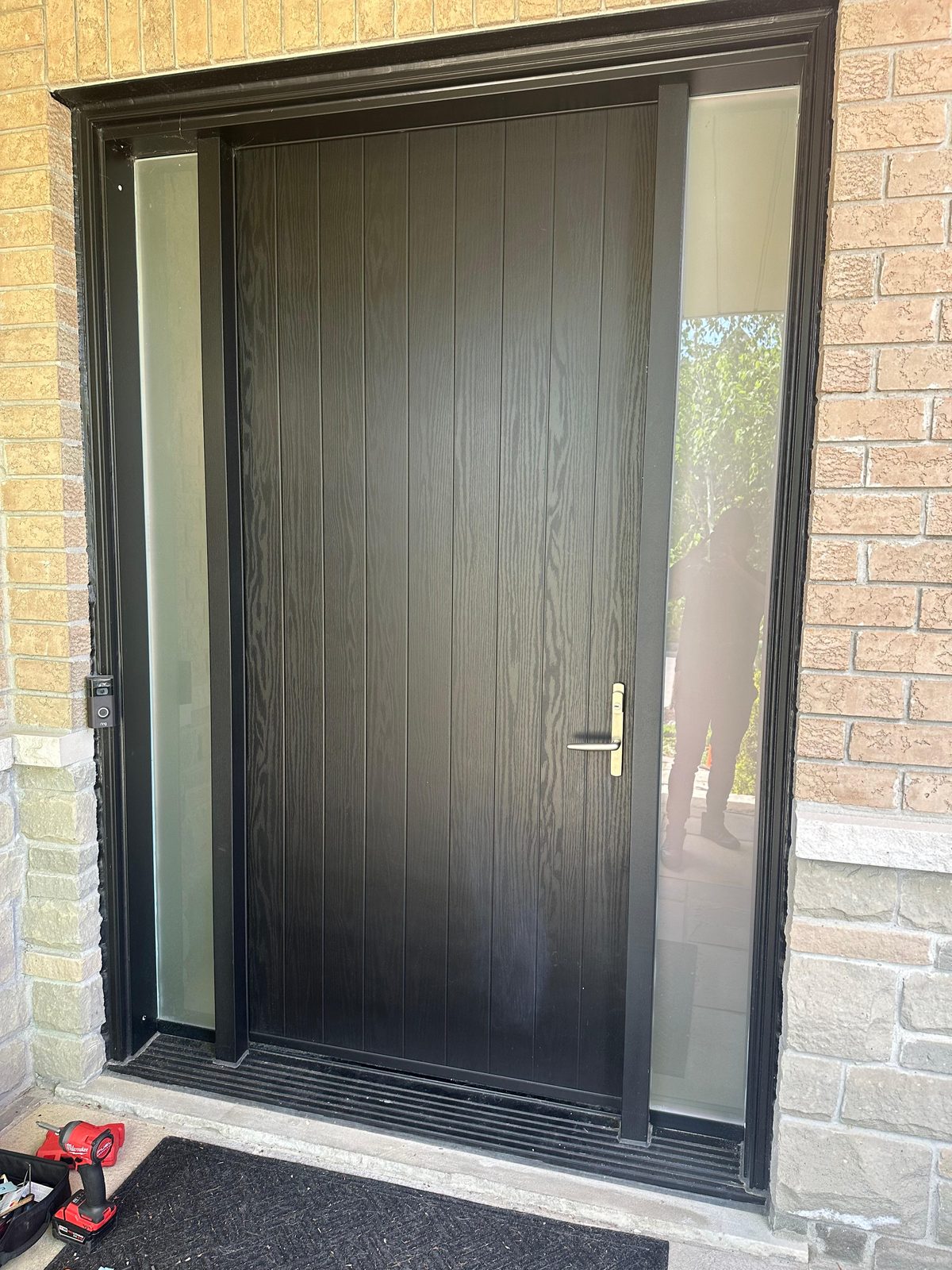
Service overview
GTA Lockman Mobile Locksmith Services provides residential lock and door service at houses, condominiums, apartments, rental properties, and managed buildings across Toronto and the Greater Toronto Area. Call (647) 955-3277 for a house lockout, lock change, rekey, broken-key extraction, deadbolt repair, smart-lock installation, or another residential access problem during our posted hours.
Home lock problems are often connected to the door itself. A deadbolt may feel defective when a shifted strike plate is preventing it from extending. A key may become difficult to turn because the cylinder is worn, the key is damaged, or pressure from the door is binding the bolt. We inspect the hardware and door alignment before recommending work, then explain the repair and replacement options that fit the condition of the opening.
Residential locksmith services
Our residential work includes house and apartment lockouts, lock changes, lock rekeying, deadbolt installation, lock repair, key extraction, mailbox lock replacement, keypad and smart-lock setup, patio-door lock service, and door-alignment correction. We work with common residential brands and can identify compatibility from clear photographs before the appointment when possible.
The right service depends on the goal. A lockout requires authorized entry. Missing keys may call for rekeying or replacement. A worn mechanism may be repairable. A new door may need fresh preparation and correct installation. We do not recommend replacing usable hardware without first considering the condition, security level, and cost of repair.
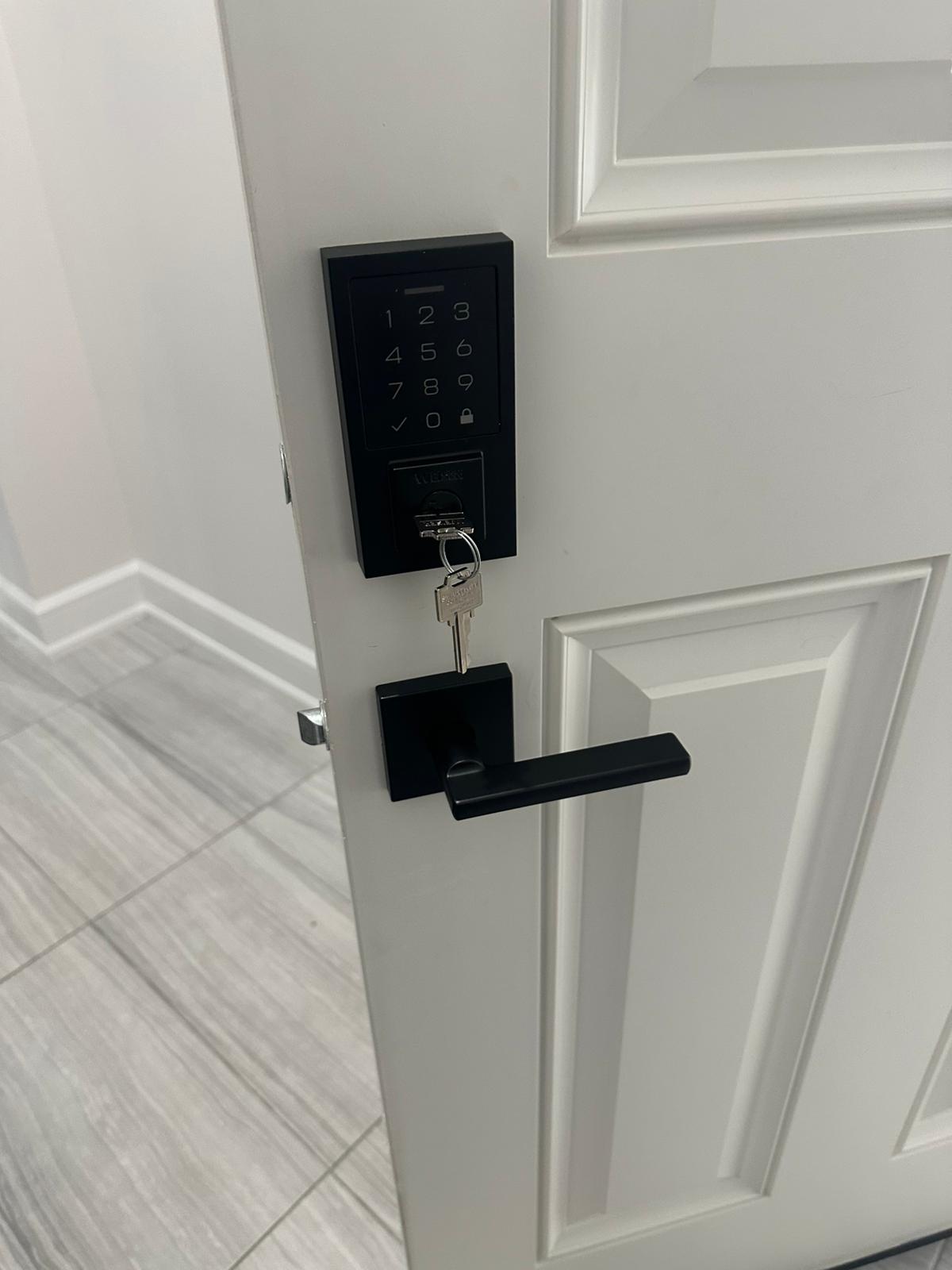
Lock changes for houses, condos, and apartments
Changing a lock replaces some or all of the physical hardware. It is appropriate when the lock is badly worn, damaged during an attempted break-in, incompatible with the desired key system, or too weak for the exterior door. It is also useful when a homeowner wants to upgrade an older deadbolt, add a keypad, or match finishes during a renovation.
For condominium units, the exterior appearance, key system, and fire-rated door requirements may be controlled by the building. Ask management about restrictions before purchasing hardware. We can review the existing lock and help determine which compatible options should be considered.
Rekeying after a move or lost key
Rekeying changes the cylinder so the old key no longer operates it while retaining compatible hardware. It can be a practical choice after moving into a resale home, ending a tenancy, losing a key, or changing access for household members. Multiple compatible locks can sometimes be keyed alike so one key works across several entry doors.
Rekeying is not a repair for damaged or low-quality hardware. If the lock body, deadbolt, trim, or door preparation has failed, replacing or repairing those components may still be required. The technician will compare the options before work begins.
Repairing locks and correcting alignment
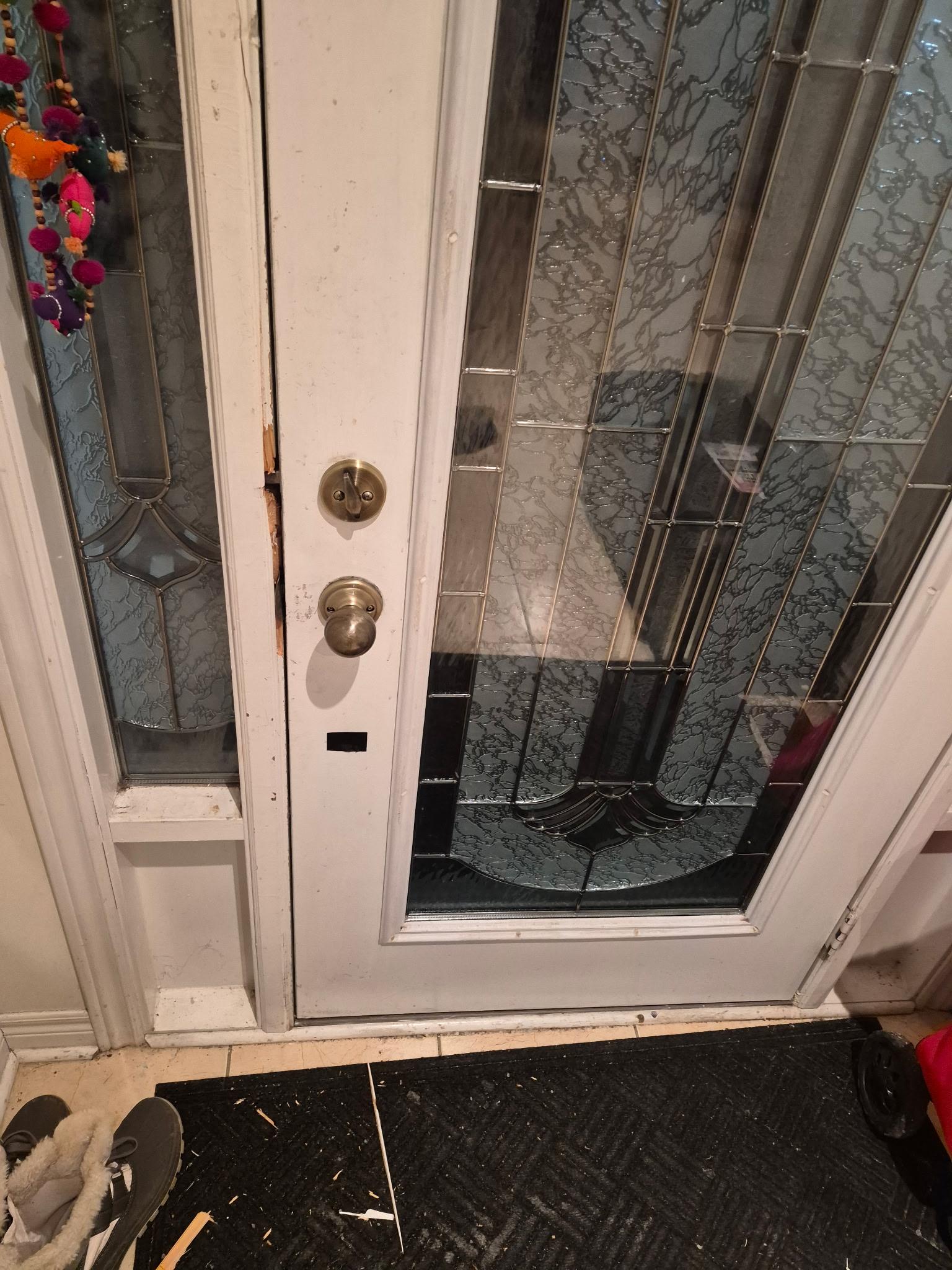
Common symptoms include a key that sticks, a deadbolt that scrapes the strike plate, a latch that fails unless the door is pushed, a loose handle, and a cylinder that spins. Tightening loose components, servicing the cylinder, correcting the strike position, or addressing hinge movement can often restore proper operation.
Do not force a key that is bending or a deadbolt that stops partway. Added pressure can snap the key or damage internal components. Photograph the lock and door edge, then call for an assessment.
Start with the way your household uses each entrance
A residential lock plan works better when it begins with the household routine. Consider who enters through the front door, which family members use the garage, how a cleaner receives access, and whether a tenant shares an entrance. These details affect the type of lock and the way keys or codes should be issued. A product chosen only for its appearance may leave an everyday access problem unresolved.
Make a short entrance list before the appointment. Include the front, side, rear, basement and garage-to-house doors that apply to your property. Note which keys operate each opening and which locks are stiff, loose or difficult to use. This gives the technician a way to compare the condition and compatibility of the hardware without assuming that every door needs the same change.
Households also change over time. A lock that suited one occupant may be inconvenient for someone with limited grip or for a family managing separate arrival times. Discuss normal use from both sides of the door, the height of the controls and the preferred access method. Any proposed hardware still needs to suit the door and its required operation; convenience should not be evaluated in isolation from fit.
Moving into a home with an unknown key history
Receiving keys at closing does not provide a complete history of copies. Earlier occupants may have supplied keys to relatives, workers or other authorized visitors. The useful objective is to establish a known access arrangement. If the existing cylinders are serviceable, rekeying may meet that objective. If the locks are damaged or unsuitable, replacement may be the more appropriate discussion.
Compare lock changes after moving with rekeying house locks after moving before buying hardware. The first addresses the physical condition and selection of replacement locks. The second focuses on retaining suitable hardware while changing which keys work. Separate those decisions from cosmetic renovations so an attractive new finish does not distract from an old key that still operates a side entrance.
Smart-home access needs its own handover. Check who controls the lock's app account, whether guest codes remain active and where the mechanical override key is kept. Do not assume a new Wi-Fi password removes existing lock credentials. Follow the device manufacturer's ownership-transfer process and involve its support service where account access cannot be established.
Front doors, handlesets and separate deadbolts
The exterior handle, latch and deadbolt may look like one unit but perform different jobs. A handle can feel loose while the deadbolt remains functional. A latch can hold the door closed without providing the same locking function as a separate deadbolt. Explain which component fails, and show both the inside trim and the door edge when sending photographs.
For front door lock replacement, compatibility includes the existing preparation, door thickness, hardware spacing and trim coverage. A different handleset can expose an old fixing hole or leave a mark in the finish. Mention whether you intend to repaint the door or keep its existing appearance. The technician can then explain installation implications alongside the mechanical options.
Where a deadbolt catches only after the door is pulled tightly, replacing the cylinder may not solve the problem. The relationship between the bolt, strike and hinges needs attention. A worn key and resistance at the frame can feel identical from the outside, so deadbolt repair starts by telling the two apart before any part is replaced. A smooth test with the door open should be followed by tests under normal closed-door conditions.
Choosing between keypad access and a connected smart lock
A keypad does not necessarily need an internet connection. Some products operate locally with codes, while connected models add app features through their supported communication system. Decide which function you will actually use: entering without a key, providing separate visitor codes, checking access records or changing access remotely. Features and compatibility vary by model, so confirm them before purchase.
Our home keypad installation service considers the physical fitting as well as code administration. Leave space around the inside unit for its housing, battery cover and thumbturn. Check whether nearby glazing, a storm door or a narrow stile affects the installation. The finished system should also have a documented plan for depleted batteries and an appropriate backup entry method.
Choose a household administrator and keep recovery information private. Assign separate codes where the product supports them, remove access when it is no longer needed and test the manual controls. A device described as connected should not be treated as maintenance-free. Mechanical alignment and the manufacturer's battery guidance remain part of owning the lock.
Condo and rental-property boundaries
A condominium entrance can form part of a building-wide hardware system. Management may specify its appearance, function, key arrangement or permitted modifications. Obtain those requirements before selecting a smart lock or replacing the inside trim. A product that fits the holes is not automatically suitable for the building's opening.
Tenants and landlords should establish who can authorize a change and what access arrangements must be maintained. The locksmith's role is to carry out authorized hardware work, not decide a dispute about occupancy. Keep the request, approval and invoice connected to the correct property. For an occupancy transition, lock repair after a tenant moves out separates mechanical maintenance from the decision to change keys.
Keep related openings working together
Patio doors often need a different assessment from hinged entrances. A sliding panel that sits incorrectly can prevent the hook or latch from engaging even when the handle appears intact. Use our patio door lock repair information to prepare photographs of the handle, door edge and keeper. Multipoint entrances also require system identification before parts are selected.
If carrying several keys is the main inconvenience, ask about one key for compatible house locks. Matching finishes or brand names alone does not establish key compatibility. The technician needs to identify the cylinders and keyways. Keeping a separate key for a particular area can also be intentional, especially where a visitor should not receive access to the whole home.
Finish any residential appointment with a practical handover. Each occupant who manages the locks should understand their ordinary operation, any new code arrangement and where to keep product information. Test the doors without forcing them and record remaining concerns. Maintaining a small set of accurate hardware and key records makes future repairs, replacements and occupancy changes easier to organize. ## Include secondary household openings
A residential enquiry can involve more than the main entrance. Include an attached-garage access door, side entrance, patio door and privately controlled mailbox when they form part of the requested work. Each may use a different mechanism or belong to a different responsible party. A building-managed mailbox, for example, should not be assumed to accept the same service or key arrangement as a house deadbolt.
Identify the symptom at each opening and the authorized result you want. This helps separate an entry problem from a maintenance item and avoids replacing unrelated hardware simply because several doors are being reviewed during one appointment.
Questions about residential locksmith Toronto & GTA
Should I rekey or replace my locks after moving?
Rekeying may be sufficient when the existing locks are compatible, secure, and in good condition. Replacement is more appropriate when the hardware is damaged, worn, or below the security level you want.
Can all my house locks use one key?
Compatible cylinders can often be keyed alike. Different keyways or brands may require cylinder or hardware changes.
Can you install a smart lock I already purchased?
Yes, if the model is compatible with the door and existing preparation. Send photographs and the model number before the visit.
Why does my deadbolt only work when I push the door?
The bolt and strike are probably misaligned. Hinge movement, seasonal expansion, or frame movement can place pressure on the bolt.
Do you work in condominiums?
Yes. Building rules may affect the hardware that can be installed on a unit entrance, so confirm any restrictions with management.
Do you provide a quote before starting?
The technician inspects the opening and explains the price before authorized work begins.
Reviews from GTA Lockman Mobile Locksmith Services customers
GTA Lockman Mobile Locksmith Services is a mobile locksmith working on homes, businesses and vehicles across Toronto and the GTA, in the trade since 2010. Every review is written by a customer on Google, where you can read them in full.
Areas served: Toronto, North York, Scarborough, Etobicoke, Vaughan, Richmond Hill, Markham, Stouffville, Newmarket, Mississauga, Brampton, Oakville, Milton, Halton Hills, Pickering, Ajax, Whitby, Oshawa, Uxbridge.
Plan your locksmith visit
Describe the door, hardware and service address. Contact GTA Lockman Mobile Locksmith Services to confirm the scope and scheduling for your location.
Friday: 8:30 AM–4:00 PM
Sunday: 9:30 AM–9:00 PM
Saturday: closed