Locksmith services are always 10% off for seniors.
Open Mon–Thu 8:30 AM–9 PM, Fri 8:30 AM–4 PM, Sun 9:30 AM–9 PM
Locksmith services are always 10% off for seniors.
Open Mon–Thu 8:30 AM–9 PM, Fri 8:30 AM–4 PM, Sun 9:30 AM–9 PM
GTA Lockman Mobile Locksmith Services · Toronto & GTA
Find why the handle moves, droops or fails to retract the latch, then address the responsible component.
Related services
Find the reason a key sticks, a bolt binds or a latch fails before deciding what needs replacement.
Learn moreAssess household lock problems in the context of the door, building requirements and the people using it.
Learn moreInvestigate why the door will not catch or release cleanly, including latch wear and frame alignment.
Learn moreWhen hardware you already own can move to another door, and when the fit makes that a false economy.
Learn moreWhy a door that worked in March binds in July, and which adjustments actually hold.
Learn moreNarrow-stile deadlocks, hook bolts and euro cylinders on condo, townhouse and terrace doors.
Learn more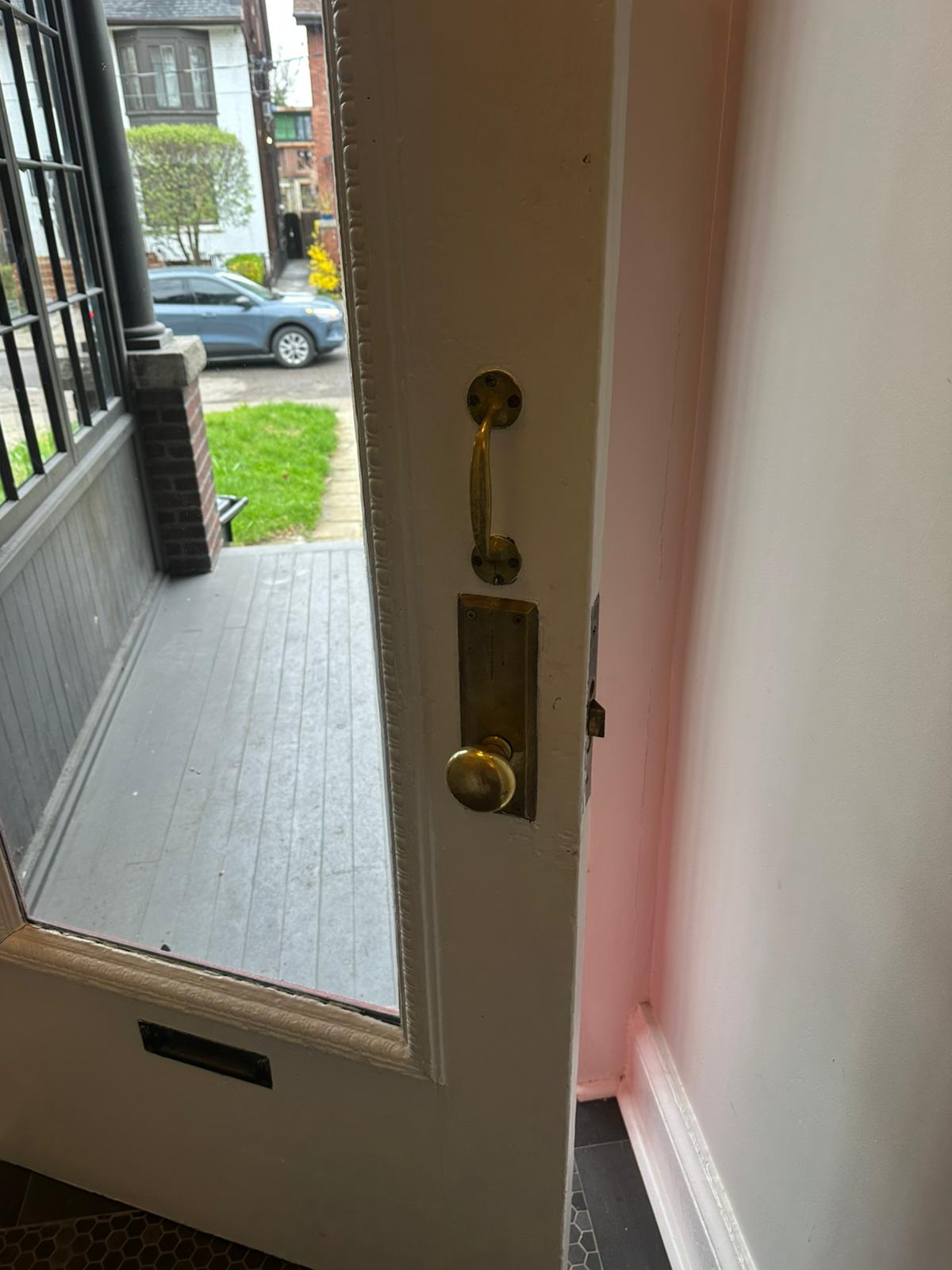
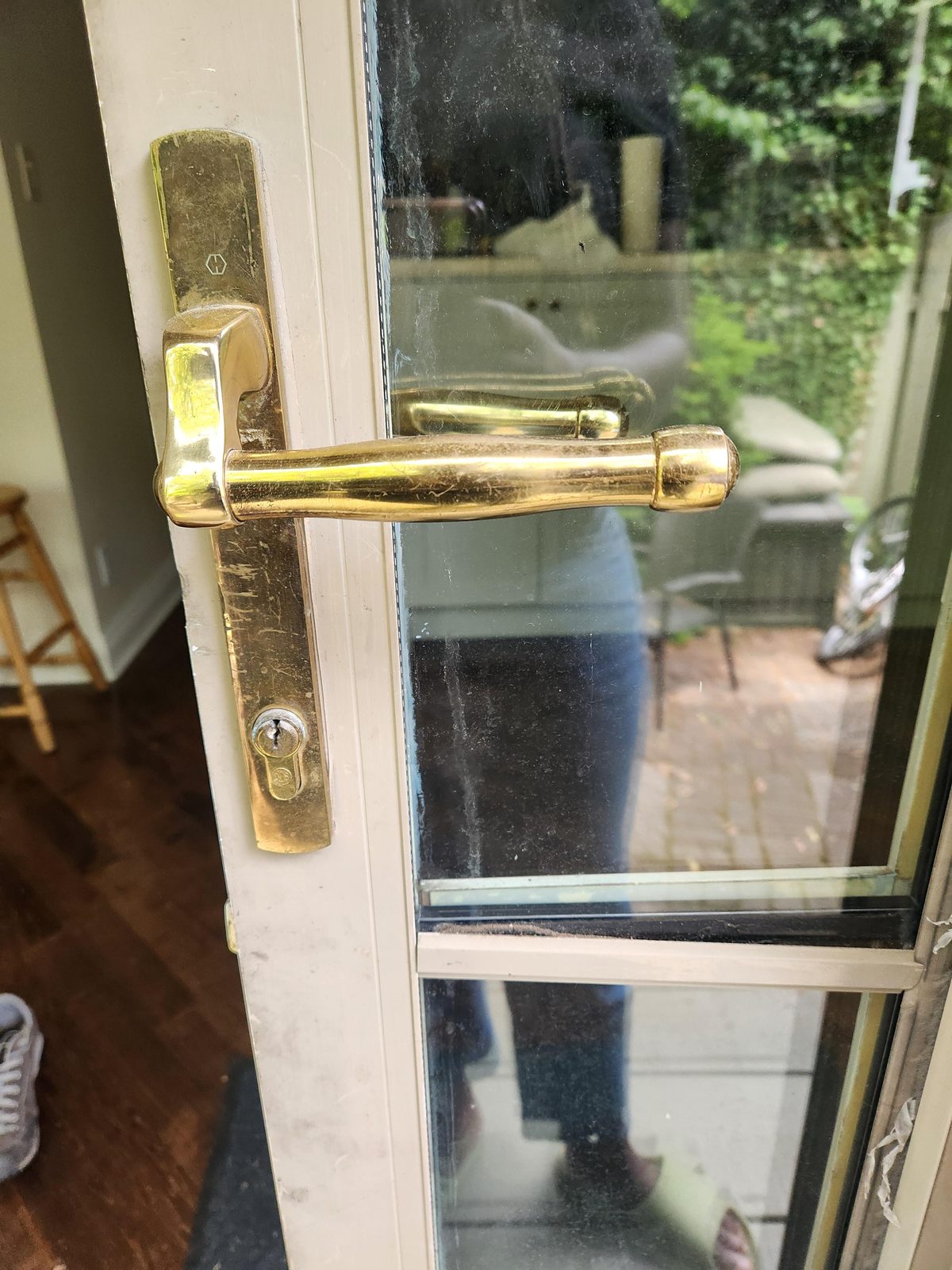
A loose door handle can mean movement at the trim, rotation in a fixing, a drooping lever or motion that no longer retracts the latch. Those symptoms do not all point to the same repair. Explain exactly which part moves and whether the door still opens normally from both sides.
Observe the handle under ordinary use without pulling harder to test its limit. If it is separating from the door or failing to release the latch, avoid relying on it until the opening has been assessed. A handle that still works intermittently may have a connection that needs attention before complete failure.
GTA Lockman Mobile Locksmith Services assesses the handle and the connected mechanism together. Related cylinder and bolt issues are handled through general lock repair in the same visit. A knob or lever usually feels loose or ineffective because of visible movement at the trim or a worn operating connection behind it.
The trim may move against the door because its mounting is loose or the supporting material is damaged. A handle may also move within otherwise secure trim because a spindle, spring or internal connection is worn. Tightening the outer assembly cannot be assumed to correct both conditions.
Describe whether the movement appeared gradually or followed removal, painting or other work. A recently refitted handle may have a different problem from one that has worn through repeated use. Photographs of both sides and the door edge help identify the assembly and any visible fitting concerns.
Avoid tightening every screw to its limit. Excess pressure can bind components, and concealed fixing arrangements vary by product. The appropriate repair should follow the actual construction rather than a general rule that more clamping always removes a fault.
A lever normally operates with a mechanism that returns it to its intended position. Drooping can involve the handle assembly, connected latch or other internal components. The assessment should identify where the return action is being lost before a replacement part is selected.
If the lever returns when the door is open but behaves differently when closed, load from the latch or strike may be involved. Record that difference. If it fails in either position, the technician may focus more closely on the assembly itself, while still checking the surrounding opening.
Do not assume a new keyed cylinder repairs the return mechanism. The cylinder controls a different function in many lock formats. Ask the technician to explain which component is responsible and whether a compatible repair part can retain the remaining sound hardware.
A moving handle without corresponding latch movement may indicate that motion is not being transferred correctly. The connection can vary between cylindrical, mortise and specialized hardware. A photograph of the outside knob alone may not establish which system is present.
Say whether the inside and outside controls behave the same way. Also mention whether the key still operates and whether another entrance is available. Those details help define the access situation if the latch cannot be retracted normally.
If the door becomes locked with no usable authorized entry method, the opening task needs to be addressed before ordinary repair. Do not force the handle, pry the door or dismantle a controlled assembly to test a theory. The technician should assess the mechanism and explain the appropriate scope.
A handle can feel difficult because the latch is pressed against the frame rather than because the handle itself is worn. Door sag, strike position and other fitting conditions can affect that pressure. A replacement handle may encounter the same resistance if the opening is left unchanged.
That relationship between latch and strike is the focus of latch and strike repair. The door should close and release through ordinary operation without the occupant learning to lift, pull or push it in a special way. Those compensating movements are useful symptoms to report, not a completed repair method.
Where visible door or frame damage affects mounting, record the additional work needed. A screw or new trim cannot restore unsound material by itself. The handover should distinguish the completed handle repair from any surrounding door work that remains.
Photos
Photographs from GTA Lockman Mobile Locksmith Services work across Toronto and the GTA. Send a picture of your own door and we can tell you what the visit would involve.
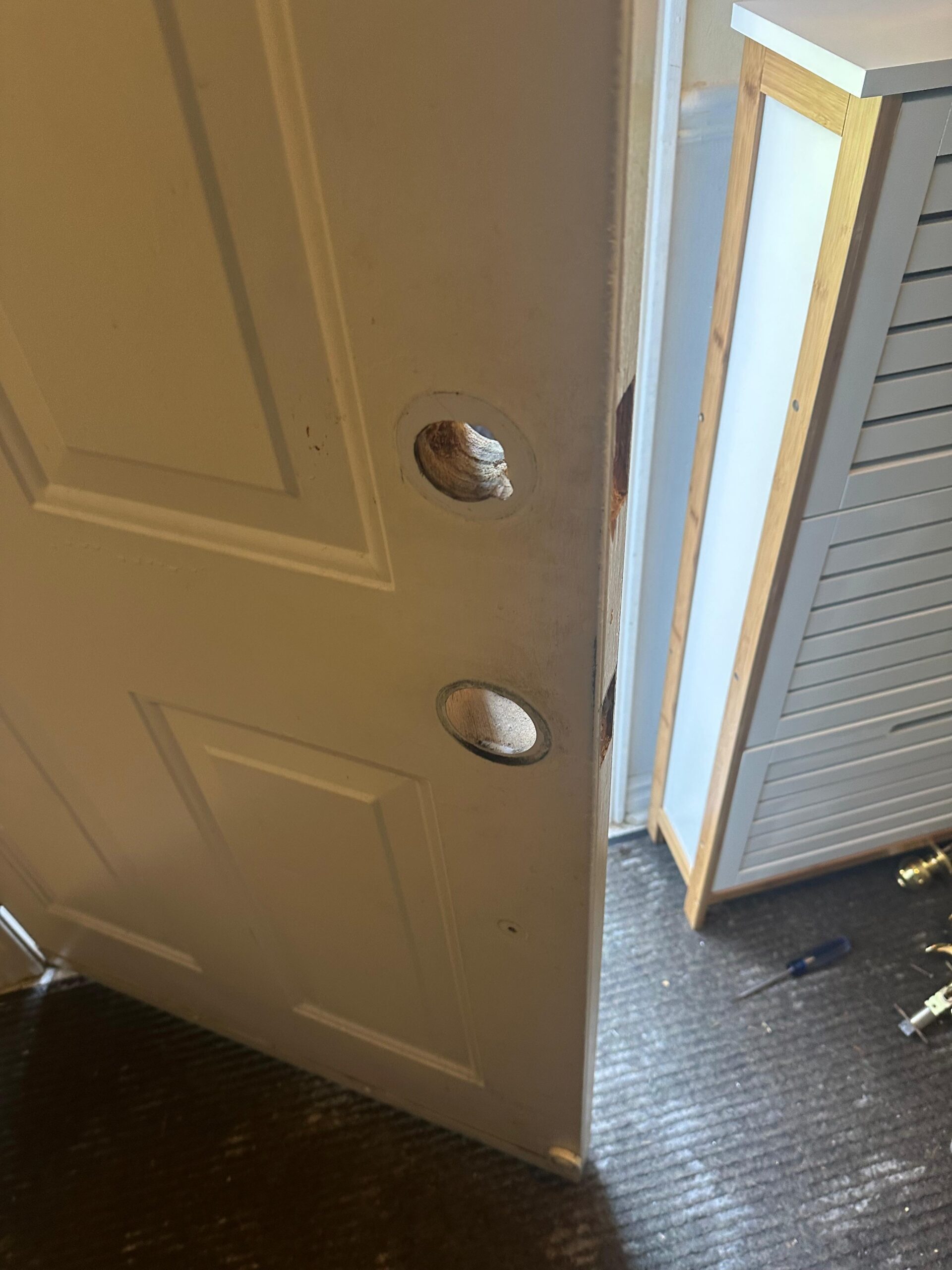
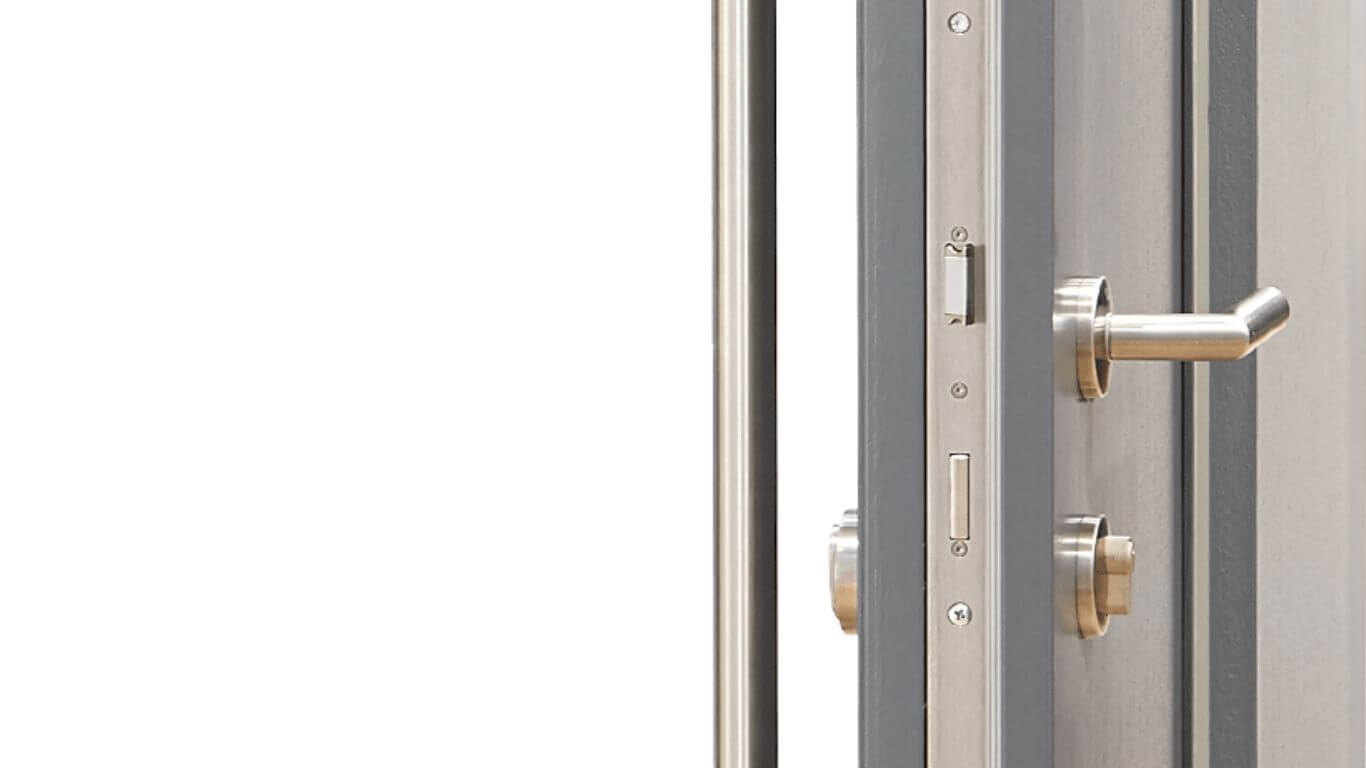
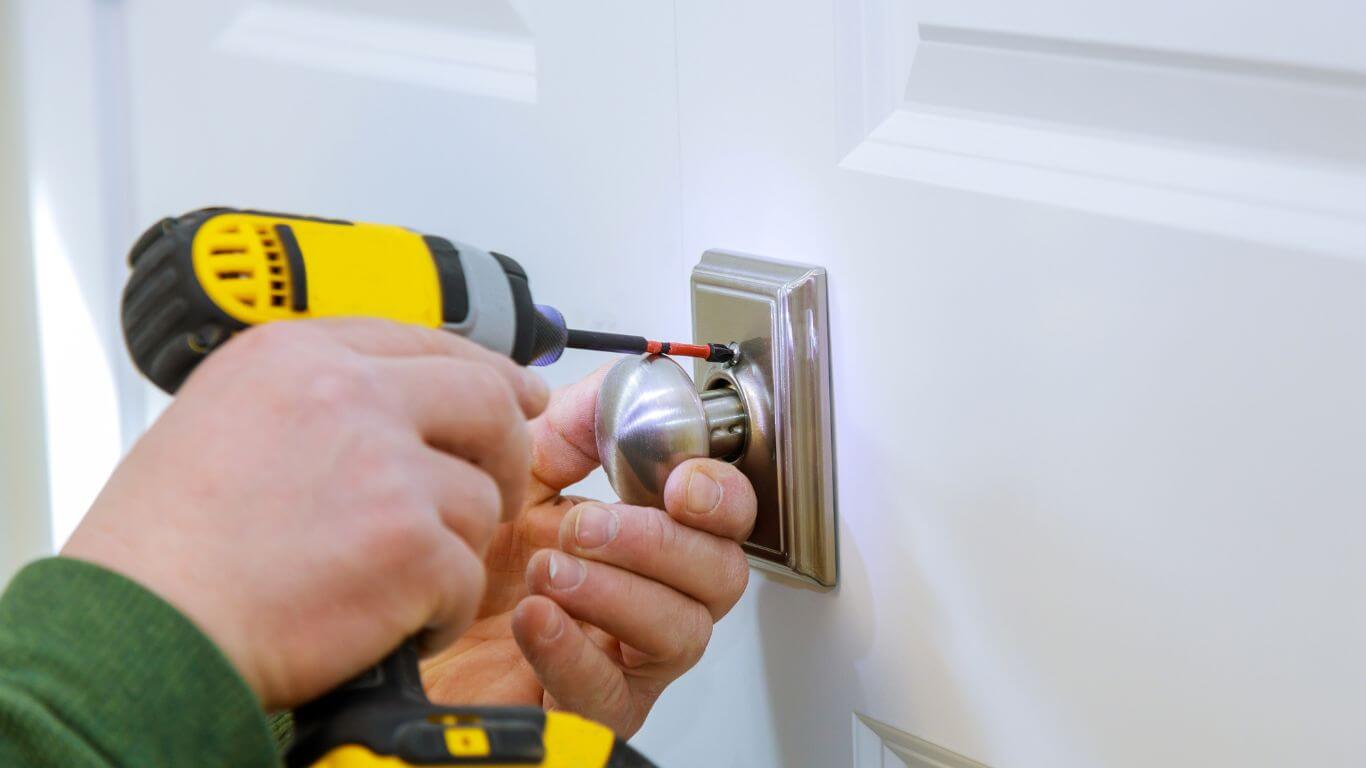
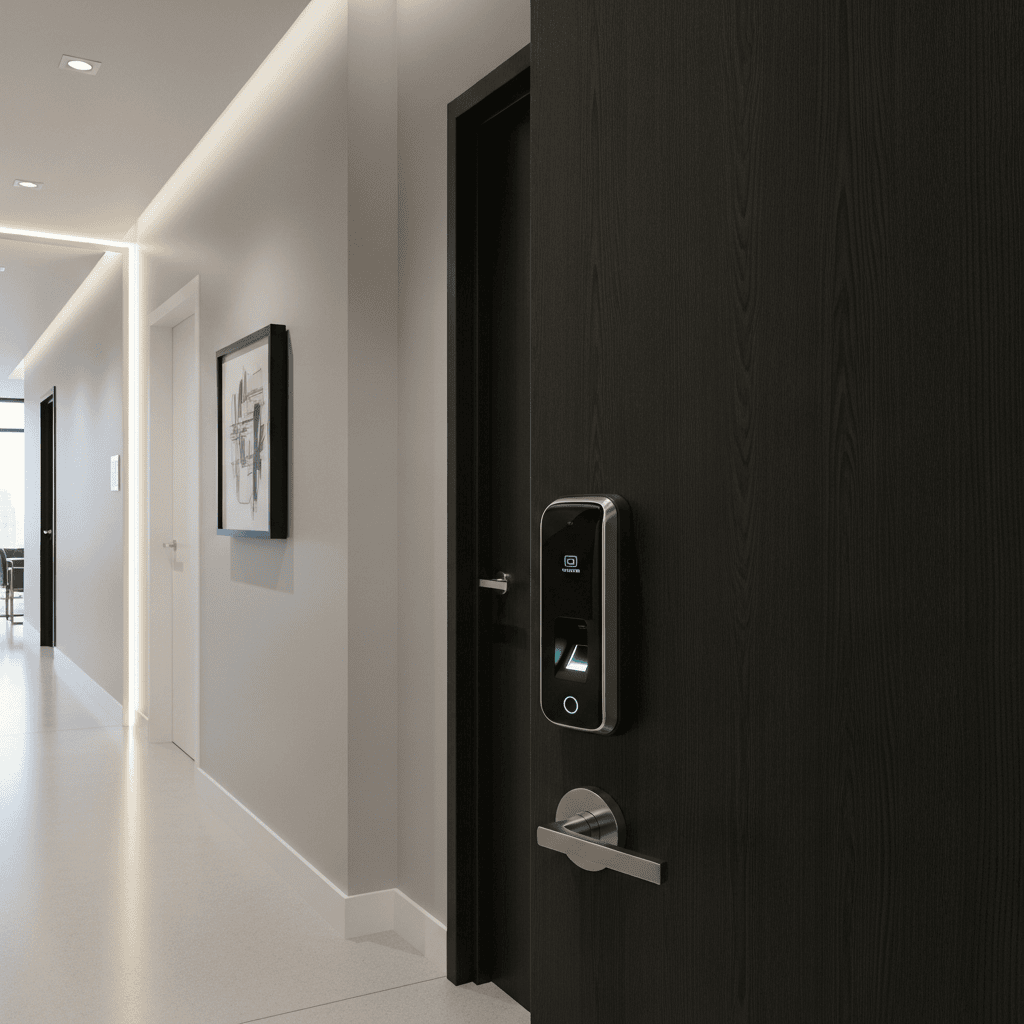
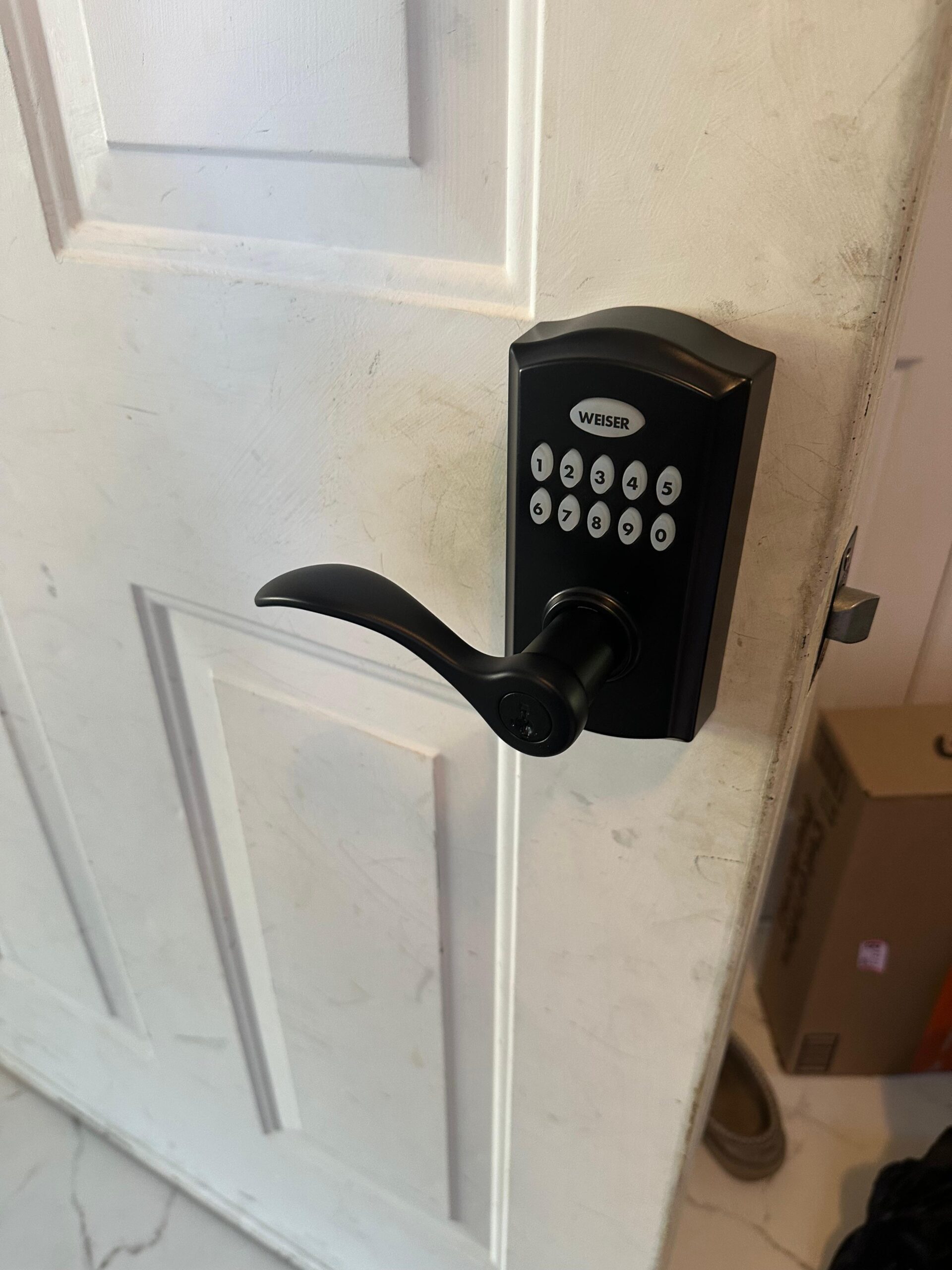
Matching the shape or finish is not enough to establish compatibility. Spindle format, mounting arrangement, door thickness, handing and intended function can matter. A replacement that fits over old marks may still fail to operate the existing mechanism correctly.
Ask whether the proposed work replaces the lever, trim, latch or complete lockset. Where sound components can remain, the technician can explain that option. Where wear, damage or unavailable parts prevent a limited repair, the reason for a broader change should be clear.
Keep appearance requirements separate from the mechanical assessment. New trim may expose old fixing holes or finish marks. If the door must retain its current appearance, mention that before a product is ordered rather than discovering the mismatch during installation.
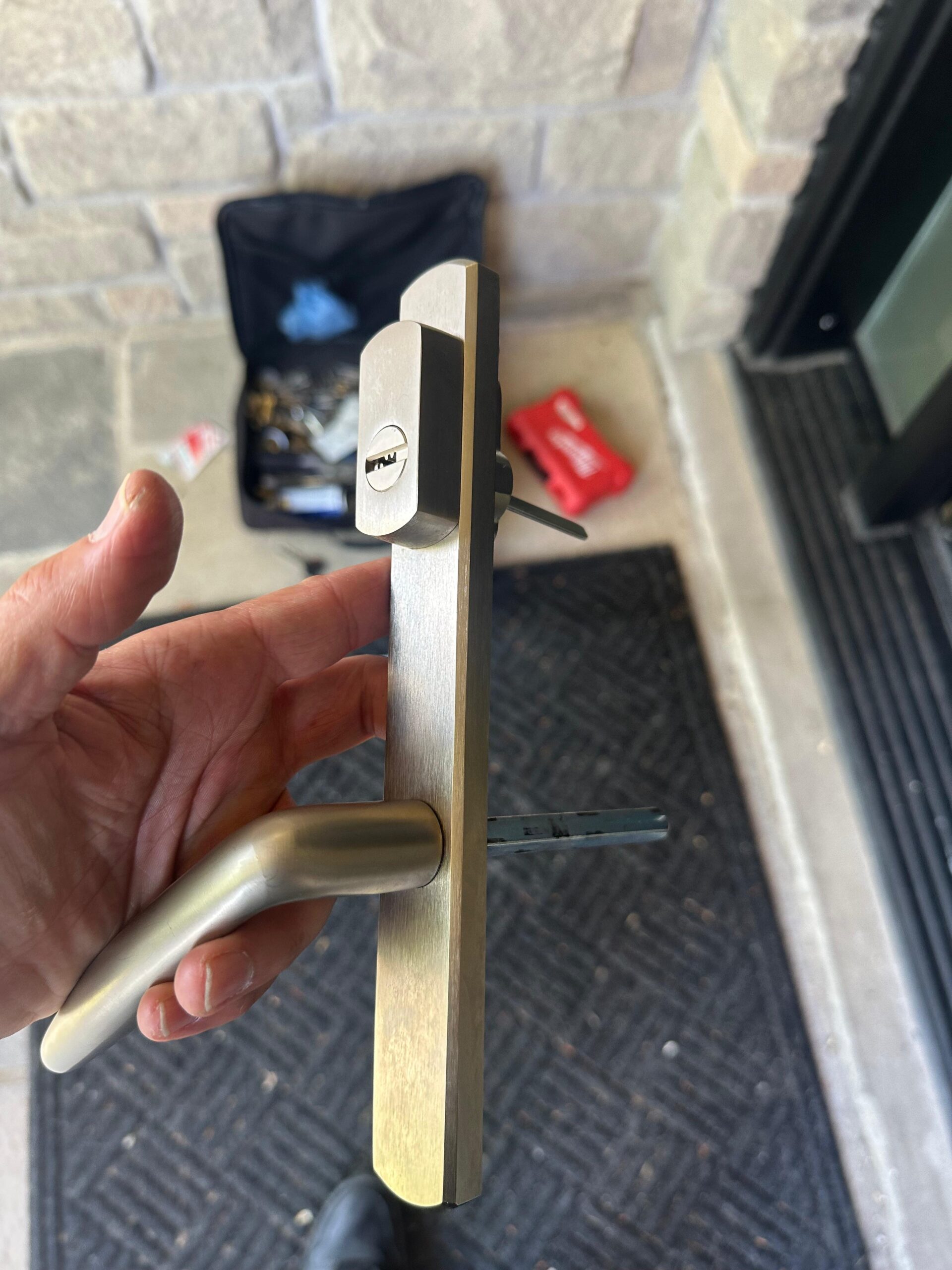
Our house and condo repair service considers the requirements of those properties. A condominium entrance may have specified hardware or restrictions on modifications, so obtain management guidance before changing the assembly. Physical fit alone does not determine suitability.
For rentals, identify who can authorize repair and any separate key change. A loose handle may need maintenance without changing access, while a turnover may require both tasks. They should remain distinct in the work order and invoice.
If the opening serves a shared area or has a controlled function, preserve that function during the repair. Do not substitute a different locking arrangement simply because a compatible-looking handle is available. Building-specific questions belong with the responsible manager or professional.
Provide photographs of the inside and outside trim, the door edge and any visible label. Describe movement, return action and latch behaviour in plain terms. Keep key patterns, access codes and private property information out of public images.
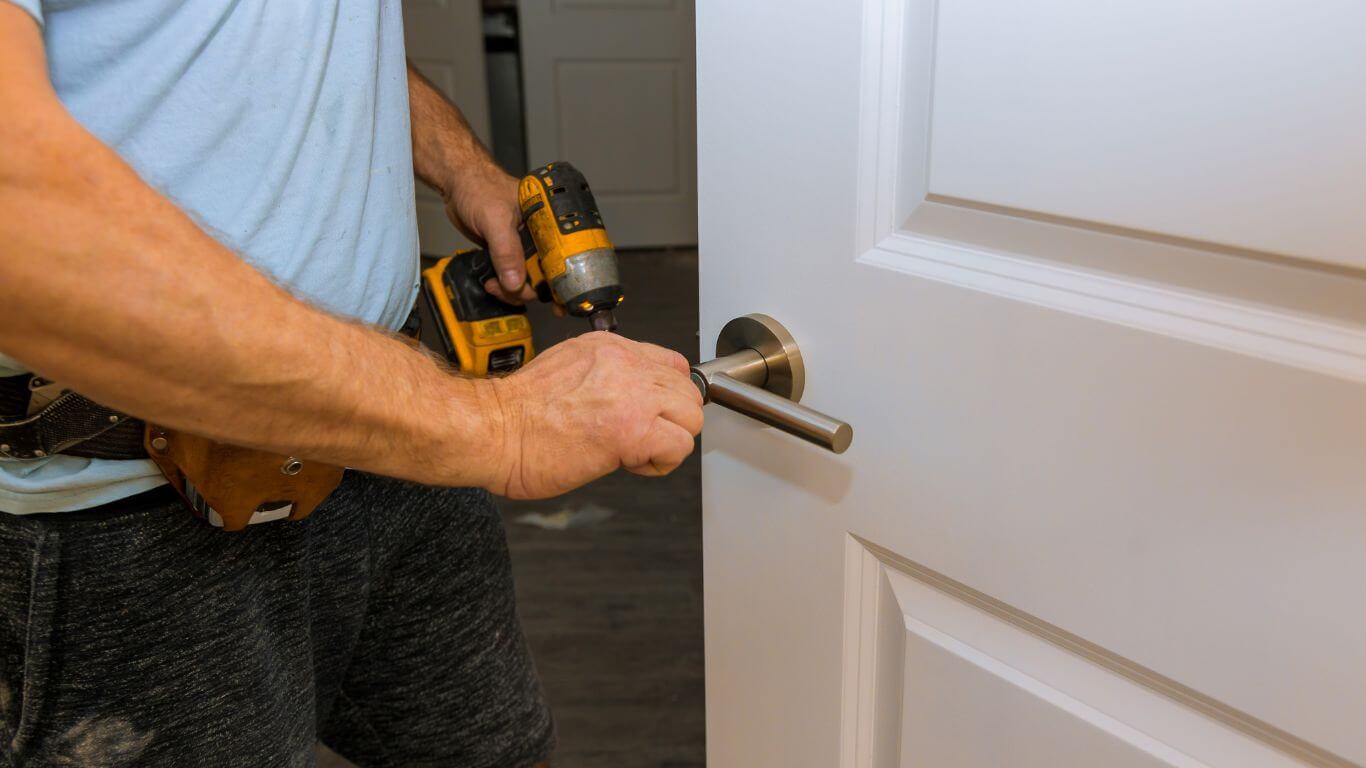
At handover, operate both controls and test the latch through several ordinary cycles. Check open-door and closed-door behaviour. The handle should remain properly mounted and transfer motion without the previous looseness or resistance. Each included keyed function should also be checked.
Retain the model, completed repair and any remaining limitations with the invoice. Follow manufacturer guidance for maintenance and arrange assessment if movement returns. A durable result depends on correcting the responsible component and its fitting, not merely making the outside trim look straight.
When requesting service, distinguish movement of the handle itself, movement of the visible mounting plate and movement of the latch at the door edge. A loose lever with a stable plate suggests a different starting point from a complete assembly shifting in the door. A handle that moves normally while the latch stays still provides another useful observation.
You do not need to dismantle the hardware to describe these differences. Use ordinary operation without extra force, and state when the door cannot be opened safely. Photographs can show the product and mounting area, while the technician confirms the cause on site. After repair, repeat the same observations during the handover. That creates a direct comparison between the reported fault and the completed work and helps identify any separate strike or door-alignment issue that still affects closed-door operation.
Keep reading
The issue may involve a return component, spindle connection or internal mechanism rather than the visible mounting screws. Product construction varies, so the symptom needs to be assessed on the actual assembly. Describe whether the handle returns when the door is open and whether it retracts the latch through its normal travel. Tightening trim further can introduce binding without restoring a failed return function. The technician should identify which connection or component is responsible and whether compatible repair parts are available before recommending a complete replacement of otherwise usable hardware.
The issue may involve a return component, spindle connection or internal mechanism rather than the visible mounting screws. Product construction varies, so the symptom needs to be assessed on the actual assembly. Describe whether the handle returns when the door is open and whether it retracts the latch through its normal travel. Tightening trim further can introduce binding without restoring a failed return function. The technician should identify which connection or component is responsible and whether compatible repair parts are available before recommending a complete replacement of otherwise usable hardware.
If the connection no longer transfers movement to the latch, the handle can move without releasing the door. Other faults can produce a similar result, so report what the inside and outside controls do separately. If the door is closed, do not assume instructions for removing an accessible handle are appropriate to that situation. Tell the locksmith whether another authorized entrance is available. Once access permits inspection, the assessment can identify the handle connection and any internal damage. Restoring access and repairing the cause should be recorded as related but distinct outcomes.
No. The rose or backplate is part of the visible trim and mounting arrangement, while a spindle commonly transfers handle movement into the mechanism. Either can move or wear, and some assemblies use different connection formats. A description of which part shifts helps the enquiry. Photograph the full handle and door edge rather than naming a component you are unsure about. The repair should address the identified connection and be checked through normal latch movement. A stable trim plate does not prove that the internal connection is sound, just as a moving plate does not automatically prove a failed lock body.
Keeping the existing finish may be possible if the assembly is serviceable and compatible parts are available. The assessment should consider mounting wear, internal connections and the condition of the door preparation. A decorative match is a preference, not evidence that a damaged component should remain. If replacement is necessary, discuss finish and footprint before selecting the product. Different trim can reveal marks or holes from the old assembly. Ask which parts can be retained and whether a compatible repair will preserve both the appearance and the intended operating function.
The latch may be meeting the strike under pressure when the door is closed, making the handle feel stiff or ineffective. The handle assembly can still have its own fault, so the difference is a useful observation rather than a diagnosis. Mention any scraping, changed gaps or need to push the door. The technician can compare the mechanism and frame relationship. Replacing a handle without correcting significant latch pressure can leave operation difficult. The final check should include normal closing and release in the position where the original problem occurred.
Only if its format, dimensions, function and components are suitable for the target opening. Similar-looking levers may differ in handing, spindle connection, latch requirements or mounting. A privacy handle intended for an internal room is not interchangeable with every entrance product. Explain the door's use and any building requirements before choosing a replacement. Keep all supplied components together, and avoid combining unrelated parts because the visible screws happen to align. The installed assembly should be assessed as a complete mechanism with appropriate operation on both sides.
The mounting condition needs to be part of the repair, not hidden by repeatedly tightening the same fastener. The appropriate approach depends on the door material, product design and extent of damage. Some situations may require compatible hardware or separate door work rather than a simple handle adjustment. Send photographs of accessible damage and explain any previous repairs. The proposal should state how the assembly will be supported and what remains outside the scope. A handle that feels temporarily firm is not sufficient evidence that the mounting problem has been properly addressed.
Operate the handle from both sides, confirm the intended return and observe full latch retraction and projection where applicable. Then close and release the door normally without lifting or pulling it into a special position. Check any keyed or privacy function included in the assembly. The trim should remain secure without restricting movement. Record the replaced components and any unresolved door or strike condition. These checks tie the repair to everyday use, rather than ending with a demonstration that the handle no longer rattles while the latch function remains uncertain.
GTA Lockman Mobile Locksmith Services is a mobile locksmith working on homes, businesses and vehicles across Toronto and the GTA, with more than 14 years in the trade. Every review is written by a customer on Google, where you can read them in full.
Areas served: Toronto, North York, Scarborough, Etobicoke, Vaughan, Richmond Hill, Markham, Stouffville, Newmarket, Mississauga, Brampton, Oakville, Milton, Halton Hills, Pickering, Ajax, Whitby, Oshawa, Uxbridge.
Describe the door, hardware and service address. Contact GTA Lockman Mobile Locksmith Services to confirm the scope and scheduling for your location.