Locksmith services are always 10% off for seniors.
Open Mon–Thu 8:30 AM–9 PM, Fri 8:30 AM–4 PM, Sun 9:30 AM–9 PM
Locksmith services are always 10% off for seniors.
Open Mon–Thu 8:30 AM–9 PM, Fri 8:30 AM–4 PM, Sun 9:30 AM–9 PM
GTA Lockman Mobile Locksmith Services · Toronto & GTA
Why a door that worked in March binds in July, and which adjustments actually hold.
Related services
Free a frozen lock without damaging it, and find out whether ice, alignment or batteries caused the problem.
Learn moreInvestigate why the door will not catch or release cleanly, including latch wear and frame alignment.
Learn moreFind why the handle moves, droops or fails to retract the latch, then address the responsible component.
Learn moreNew floors, paint, thresholds and weatherstripping move doors. Find the cause and restore reliable locking.
Learn moreAssess household lock problems in the context of the door, building requirements and the people using it.
Learn moreFind the reason a key sticks, a bolt binds or a latch fails before deciding what needs replacement.
Learn more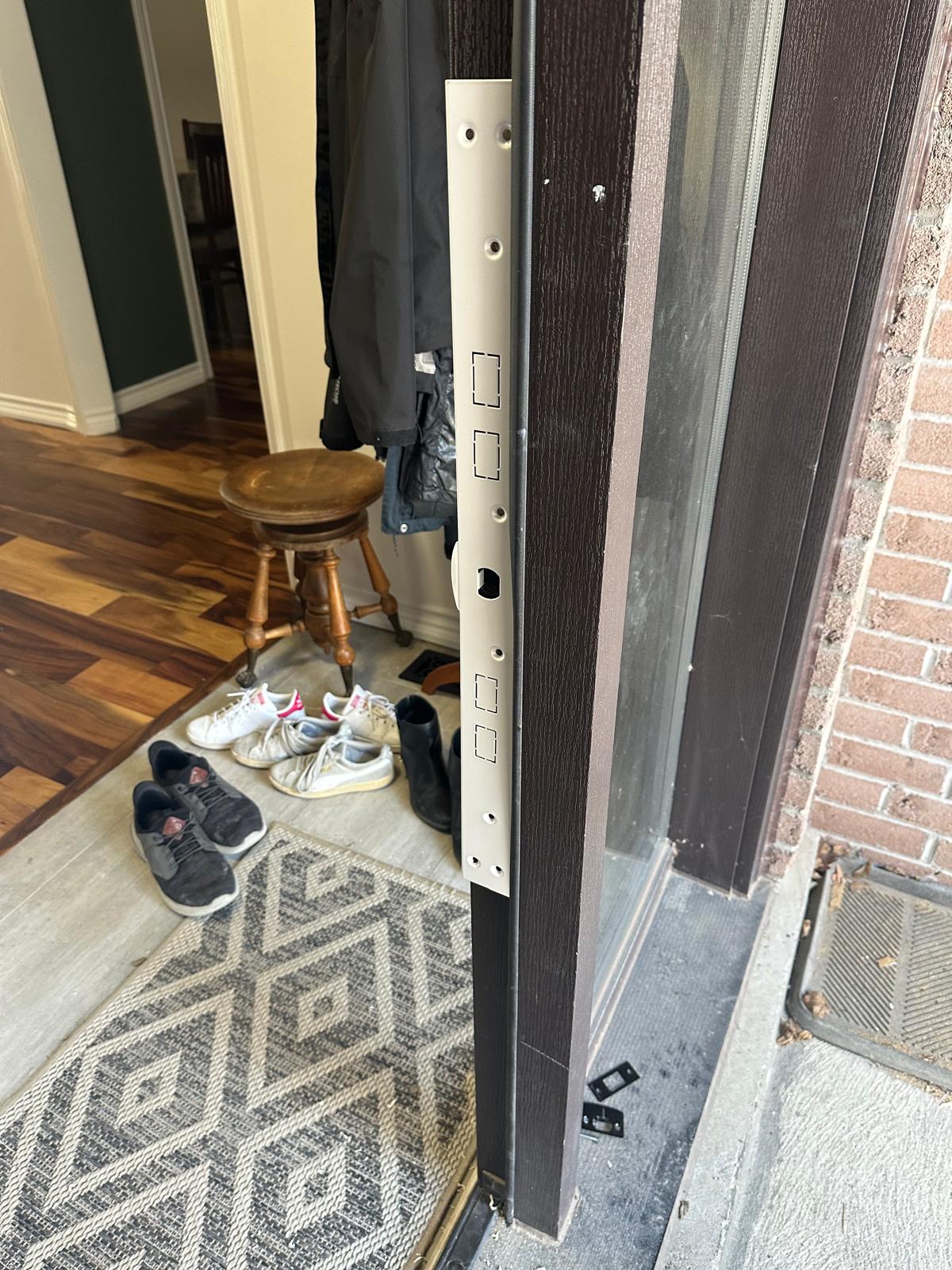
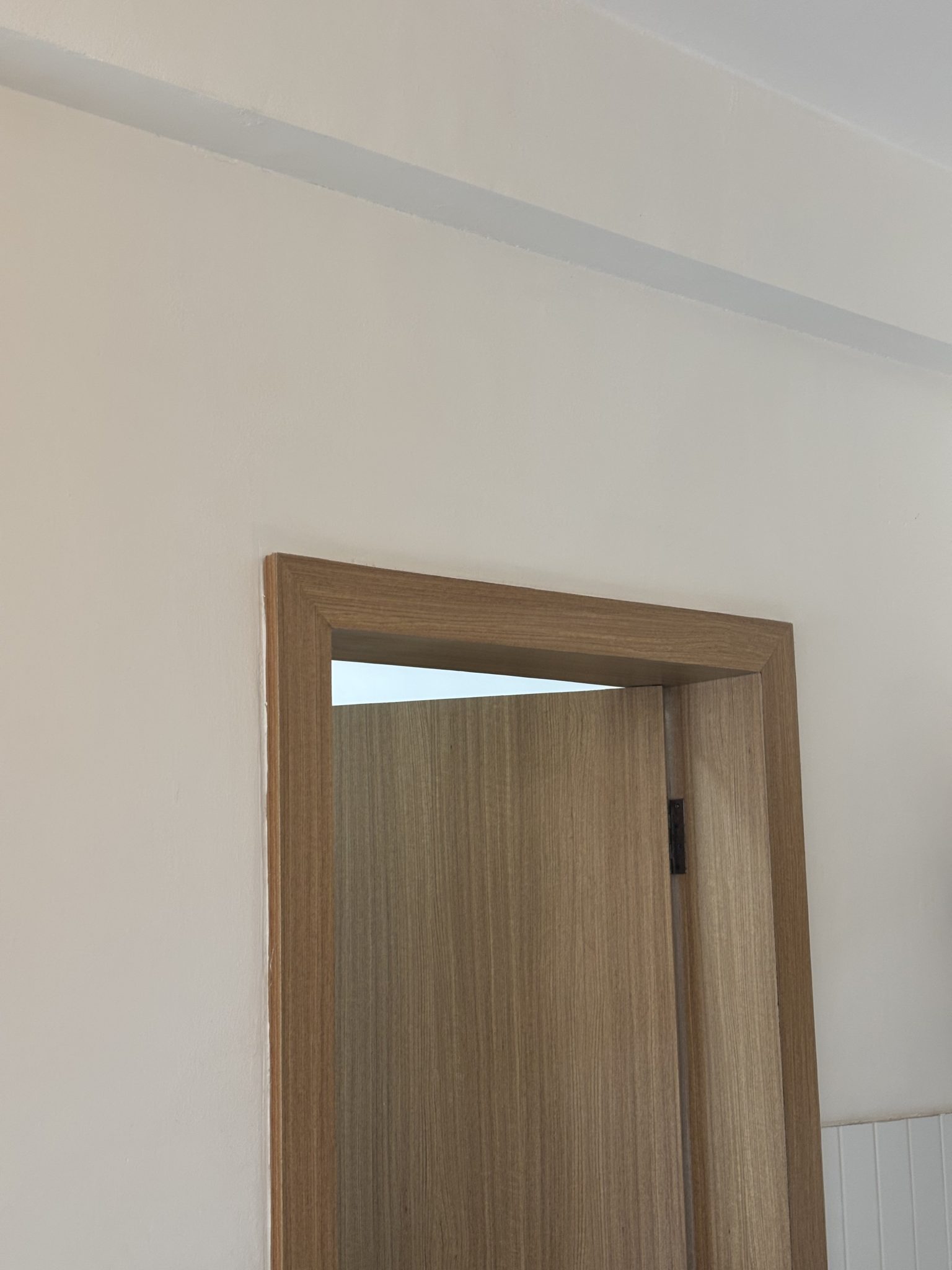
Every summer, doors that closed perfectly all winter start to stick. The deadbolt needs a push before it will throw, the latch catches on the strike, the door rubs at the top corner, or it will not close at all without a shoulder behind it.
Usually nothing is broken. Wood and wood-based doors take on moisture from humid summer air and swell slightly, frames move a little as the house responds to heat and humidity, and a door that had just enough clearance in dry winter air no longer has it. By autumn, many of these doors free up again on their own, which is why the problem often gets ignored until the next summer.
Wood absorbs moisture from the air and expands across its grain. A solid wood door, a wood-veneered door or a door with a wood-composite core can grow by a small but noticeable amount in humid weather. Painted surfaces slow this down but do not stop it, especially where the paint is thin on the edges.
The frame moves too. Houses in Toronto and across the GTA go through large swings in humidity and temperature between seasons, and the framing around a door responds. Hinges carrying a heavy door can also sag slightly over time, so a door that once hung square drops at the latch side.
The result is a door that is fractionally too big for its opening, or sitting fractionally out of line with its strike.
Seasonal sticking shows up in a few recognizable ways:
That last one is the giveaway: if a lock works perfectly with the door open and struggles with it closed, the lock is fine and the door is the problem. The same pattern is behind a stuck deadbolt and a door that will not open.
The instinct is to plane the door. That fixes this summer and creates a gap in winter when the door shrinks back, which lets in draughts and can leave the latch barely engaging the strike.
Forcing the lock is the other common mistake. Turning a key hard against a bolt that is binding in the strike puts strain on the cylinder and the key, and a snapped key in the lock is a much bigger problem than a sticking door.
Most seasonal sticking is fixed with adjustments rather than cutting.
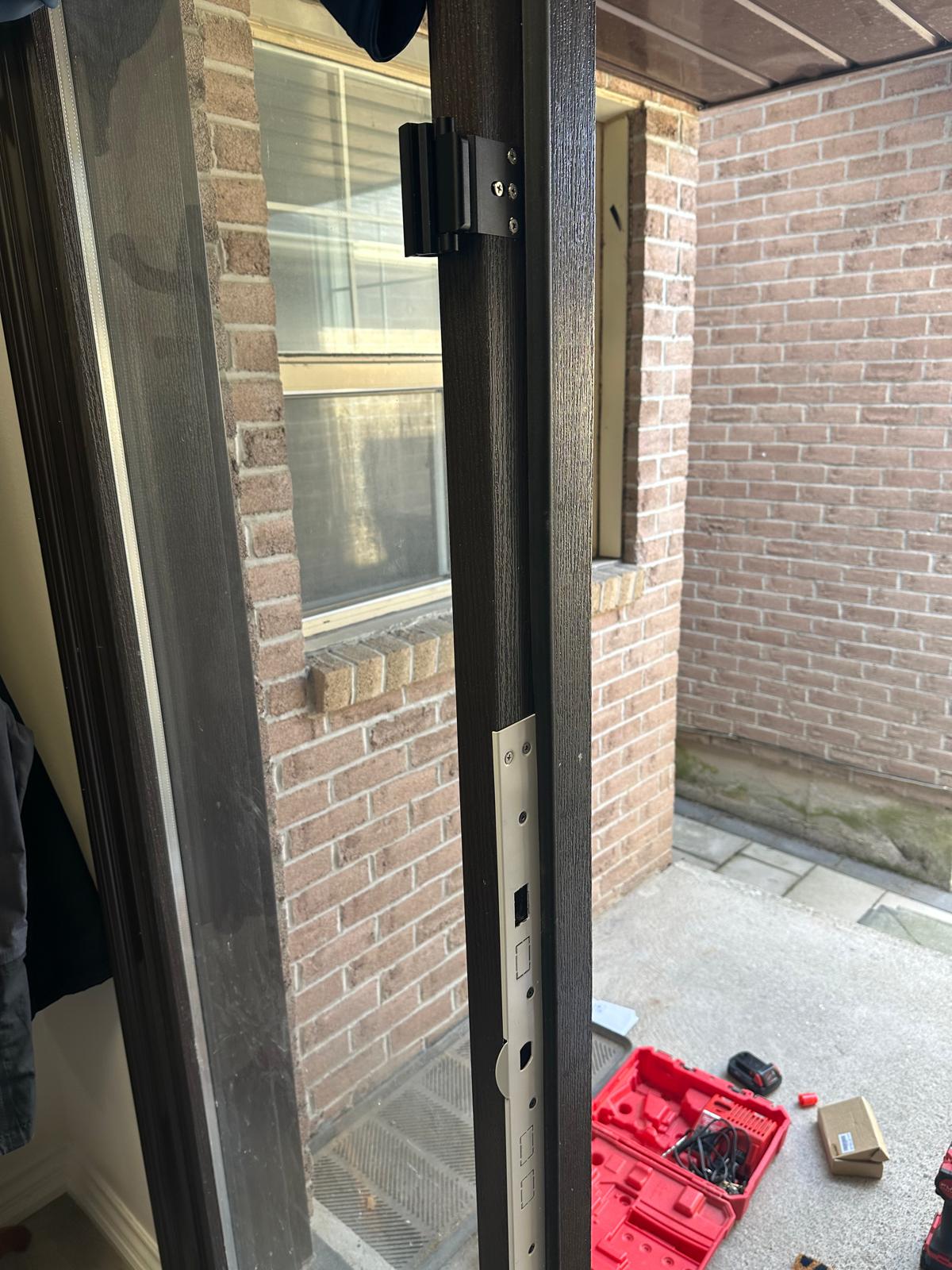
Hinges are the first place to look. A loose top hinge lets the door drop at the latch side; tightening the screws, or replacing short screws with long ones that reach the framing behind the jamb, often lifts the door back into line.
The strike is next. Moving the strike plate slightly, or enlarging the bolt hole behind it, lets the latch and bolt engage cleanly without relying on the door being perfectly still. This is the everyday work of door latch and strike plate repair.
Where the door rubs, a small adjustment at the hinges often moves it enough to clear. Planing is a last resort, and only a little at a time, with the edge sealed afterwards so it does not absorb more moisture.
A door that has been forced shut all summer puts extra load on the latch and handle. By autumn, the handle may feel loose or the latch may not spring back fully. Those are separate problems from the sticking itself, and they are fixed through loose door handle and lock repair.
Doors often start sticking the first summer after a renovation, when new flooring has raised the threshold, drywall has shifted the frame slightly, or new doors were hung in dry winter conditions with minimal clearance. That pattern fits the checks made for lock problems after a renovation.
The same doors that stick in summer often have the opposite problem in winter: they shrink, the latch barely reaches the strike, and ice can form in the lock. Adjusting a door so it works in both seasons means thinking about both extremes, and the winter side is covered by frozen or stiff door locks in winter.
Condo suite doors are usually steel or fire-rated composite and move less with humidity, but they can still bind when the building settles or the closer is out of adjustment. Suite doors often have building rules about what can be changed, which is part of door lock repair for houses and condos.
If the door locks with a little effort and frees up in autumn, it may be fine to adjust yourself. Call when the deadbolt will not throw without force, the door will not latch on its own, the key has started to bend or stick, or the door is too tight to close. Those are signs the lock is being strained, and a small adjustment now avoids a repair later. Related mechanical work is handled through lock repair.
Exterior doors take the brunt of seasonal movement because one face is exposed to outside air and the other to the house. The two sides can be at very different humidity levels, which makes the door bow slightly as well as swell.
Interior doors move less, but they are not immune. Bathroom doors in particular swell with shower steam, and doors in basements can move more than those upstairs. A bathroom door that will not latch in summer is often the same seasonal problem on a smaller scale.
Exterior doors also carry the deadbolt, which is where sticking causes the most trouble, because a bolt that will not throw fully leaves the door insecure even though it looks locked.
Fibreglass and steel doors do not swell like wood, so seasonal sticking on these doors usually comes from the frame, the hinges or the weather-stripping rather than the door itself.
New weather-stripping can be surprisingly firm at first and push the door away from the strike, so the latch struggles to engage. This often settles within a few weeks. If it does not, the strike can be adjusted to suit.
Steel doors on wood frames are also affected when the frame moves, even though the door itself stays the same size. The fix is still usually hinges and strike rather than the door.
Before calling, try this:
If tightening the hinge screws fixes it, you are done. If not, the strike or the door needs adjusting, and describing what the test showed saves time when someone comes to look at it.
Garage-to-house doors and side doors often stick more than front doors, because they get less attention and sit in areas with bigger temperature swings. A door between an unheated garage and a heated house deals with very different air on each side, which makes it bow and move more than an interior door.
These doors also tend to have lighter hardware and weaker frames. When they stick, the same hinge and strike adjustments usually work, and it is a good opportunity to check that the deadbolt throws fully and the strike is fixed into the framing rather than just the trim.
Once a door has been adjusted, a few habits keep it working through the seasons:
Catching movement early means a efficient adjustment rather than a stuck bolt in the middle of a heatwave.
Occasionally a door moves too much for simple adjustment to hold. A frame that has shifted significantly after foundation movement, a door that has warped rather than swollen, or a door that has been planed so many times it no longer fits the opening may need more than hinge and strike work.
In those cases, the options include resetting the frame, replacing the door slab, or refitting the hardware to suit the door as it now sits. Worth discussing before the next summer arrives.
Tell us which door is sticking, what it is made of if you know, when it started, and whether the lock works with the door open. Photographs of the door edge, the strike and the hinges help.
We will adjust the hinges, strike and door so it closes and locks cleanly, and explain what to expect when the weather turns.
Keep reading
Humid summer air makes wood and wood-composite doors swell slightly, and the frame around them moves as the house responds to heat and moisture. A door with just enough clearance in dry winter air no longer has it, so it rubs or binds.
Humid summer air makes wood and wood-composite doors swell slightly, and the frame around them moves as the house responds to heat and moisture. A door with just enough clearance in dry winter air no longer has it, so it rubs or binds.
Usually not as a first step. Planing fixes summer and leaves a gap in winter when the door shrinks back, which can let in draughts and leave the latch barely engaging. Hinge and strike adjustments are normally the better fix.
No. That pattern means the lock is fine and the bolt is binding against the strike because the door has moved. Adjusting the strike or the hinges usually frees it.
Yes, over time. Forcing a key against a binding bolt strains the cylinder and the key, and a key can snap inside the lock. A door forced shut every day also wears the latch and loosens the handle.
Often it does, as the air dries and the wood shrinks. That is why seasonal sticking gets ignored, but the strain on the lock each summer adds up, and adjusting the door properly avoids it.
Usually tightening loose hinge screws or replacing short screws with longer ones that reach the framing behind the jamb. That pulls the door back into line and often cures the sticking without touching the lock.
Doors hung in dry winter conditions are often fitted with very little clearance. New flooring, drywall and framing can also move in the first year. A small adjustment usually solves it.
Less so, because steel does not swell with humidity. They can still bind if the building settles or the closer is out of adjustment, and suite doors often have building rules about what can be changed.
GTA Lockman Mobile Locksmith Services is a mobile locksmith working on homes, businesses and vehicles across Toronto and the GTA, in the trade since 2010. Every review is written by a customer on Google, where you can read them in full.
Areas served: Toronto, North York, Scarborough, Etobicoke, Vaughan, Richmond Hill, Markham, Stouffville, Newmarket, Mississauga, Brampton, Oakville, Milton, Halton Hills, Pickering, Ajax, Whitby, Oshawa, Uxbridge.
Describe the door, hardware and service address. Contact GTA Lockman Mobile Locksmith Services to confirm the scope and scheduling for your location.