Locksmith services are always 10% off for seniors.
Open Mon–Thu 8:30 AM–9 PM, Fri 8:30 AM–4 PM, Sun 9:30 AM–9 PM
Locksmith services are always 10% off for seniors.
Open Mon–Thu 8:30 AM–9 PM, Fri 8:30 AM–4 PM, Sun 9:30 AM–9 PM
GTA Lockman Mobile Locksmith Services · Toronto & GTA
New floors, paint, thresholds and weatherstripping move doors. Find the cause and restore reliable locking.
Related services
Choose compatible front-door hardware with the right fit, operation and finish for the existing opening.
Learn moreInvestigate why the door will not catch or release cleanly, including latch wear and frame alignment.
Learn moreFind out whether the strike, the door or the lock is stopping the bolt, and correct the cause rather than the symptom.
Learn moreReview every door the missing keys operated, then rekey or replace the locks that no longer control access.
Learn morePlan keyless entry around door compatibility, code management and a practical backup entry method.
Learn moreFind the reason a key sticks, a bolt binds or a latch fails before deciding what needs replacement.
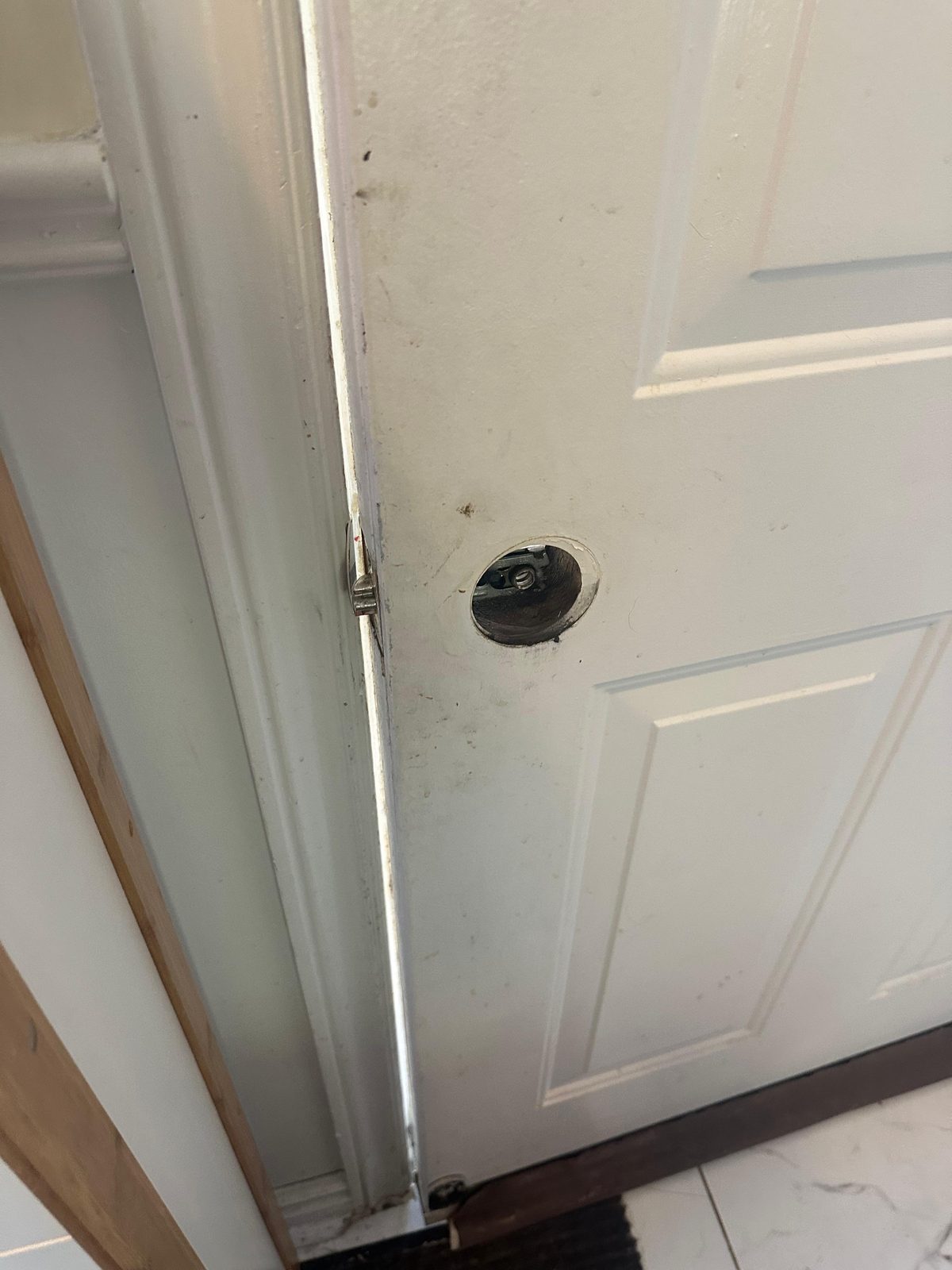
Learn more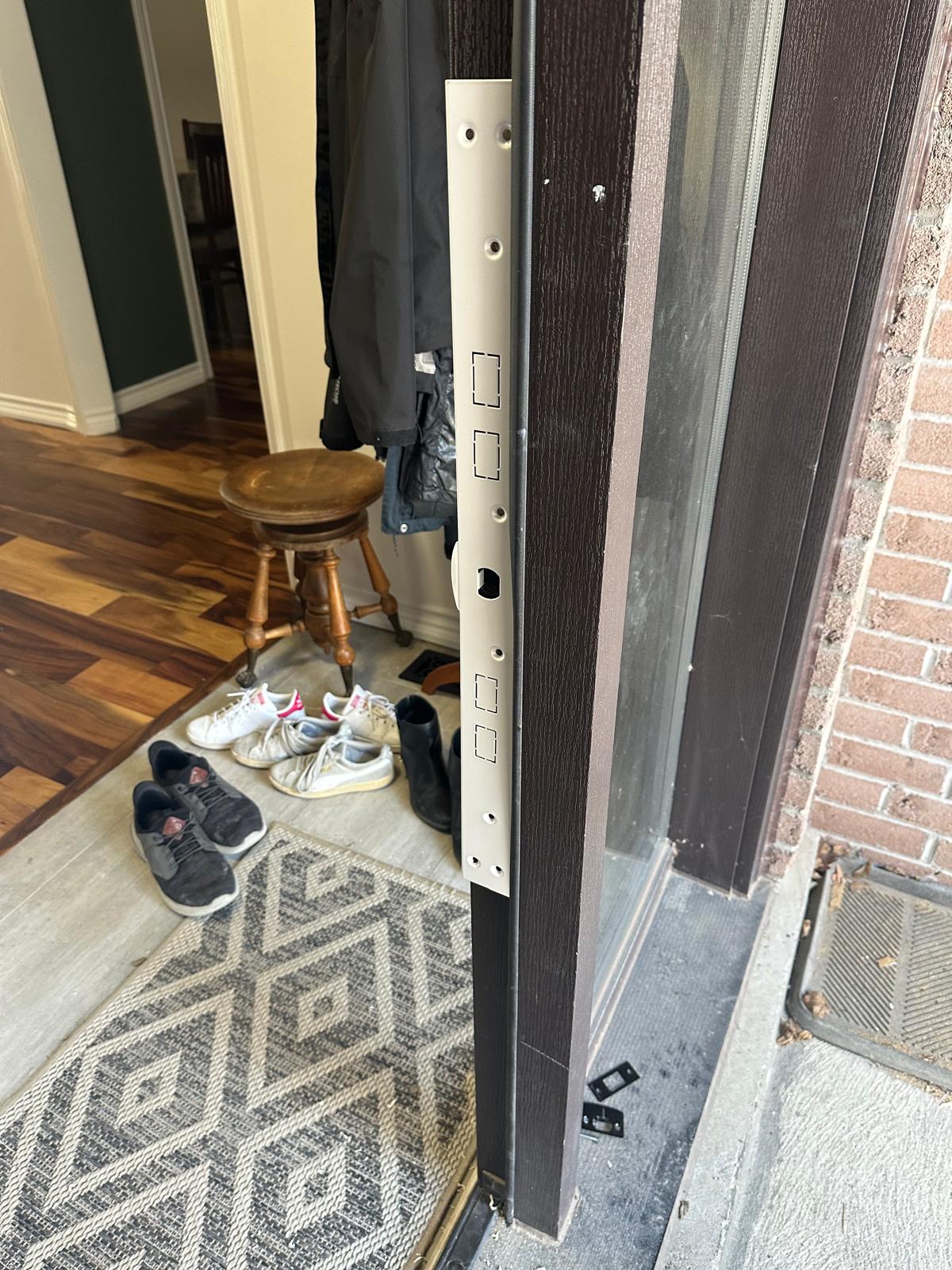
A renovation changes the building around the lock. New flooring lifts the door. Fresh paint thickens the edge and the stop. A replaced threshold changes the height. New weatherstripping pushes the door away from the frame. Drywall work and settling can move the frame itself. Any of these can leave a lock that worked perfectly refusing to latch or turn.
Most post-renovation lock problems are not lock faults at all. The cylinder, bolt and handle are fine; the relationship between the door, the frame and the strike has shifted. That is good news, because alignment work is usually simpler and less expensive than new hardware.
Tell us what work was done and when the problem started. That single detail often points straight to the cause.
New floors are the most common. Adding underlay and thicker flooring raises the door, so the latch and bolt now strike above the openings in the frame. Interior doors may also drag on the new surface.
Paint build-up on the door edge, the frame rebate or the strike plate changes the fit by a millimetre or two, which is enough to stop a deadbolt entering cleanly. Painters also sometimes remove hardware and refit it slightly out of position, or paint over strike plates and hinge screws.
New weatherstripping and door sweeps press the door outward and can stop a latch reaching the strike. Replaced thresholds change the bottom clearance and sometimes lift the whole door.
Window and siding work can disturb the frame around an entrance. Drywall and framing work inside can shift a door casing enough to matter.
If a contractor fitted a new door, the old hardware may not suit it. Door thickness, backset, bore size and the bolt's projection all have to match. A deadbolt fitted into a door of a different thickness may not throw fully, and a lock with the wrong backset will sit too close to the edge or too far from it.
Pre-drilled doors sometimes arrive with standard preparations that do not match older hardware, particularly in century homes with mortise locks. Compatible hardware can usually be found, and choosing it is the first step in front door lock replacement.
Ask the contractor what was reused and what is new. A door that closes and latches on the day of installation can still need adjustment weeks later as the materials settle.
Renovations mean keys leaving your control. Contractors, trades, cleaners and delivery people may all have held a key, and copies are easy to make. When the work finishes, decide whether the household knows where every key is.
Rekeying is the straightforward answer: the existing cylinders keep working with a new key, and the old keys stop. Every door should be reviewed, as with lock changes after lost keys, and compatible locks can share one key for every door.
If you used a lockbox or gave out a keypad code during the work, remove that code and check who still has the lockbox combination. Removing codes that are no longer needed is part of good keypad lock management.
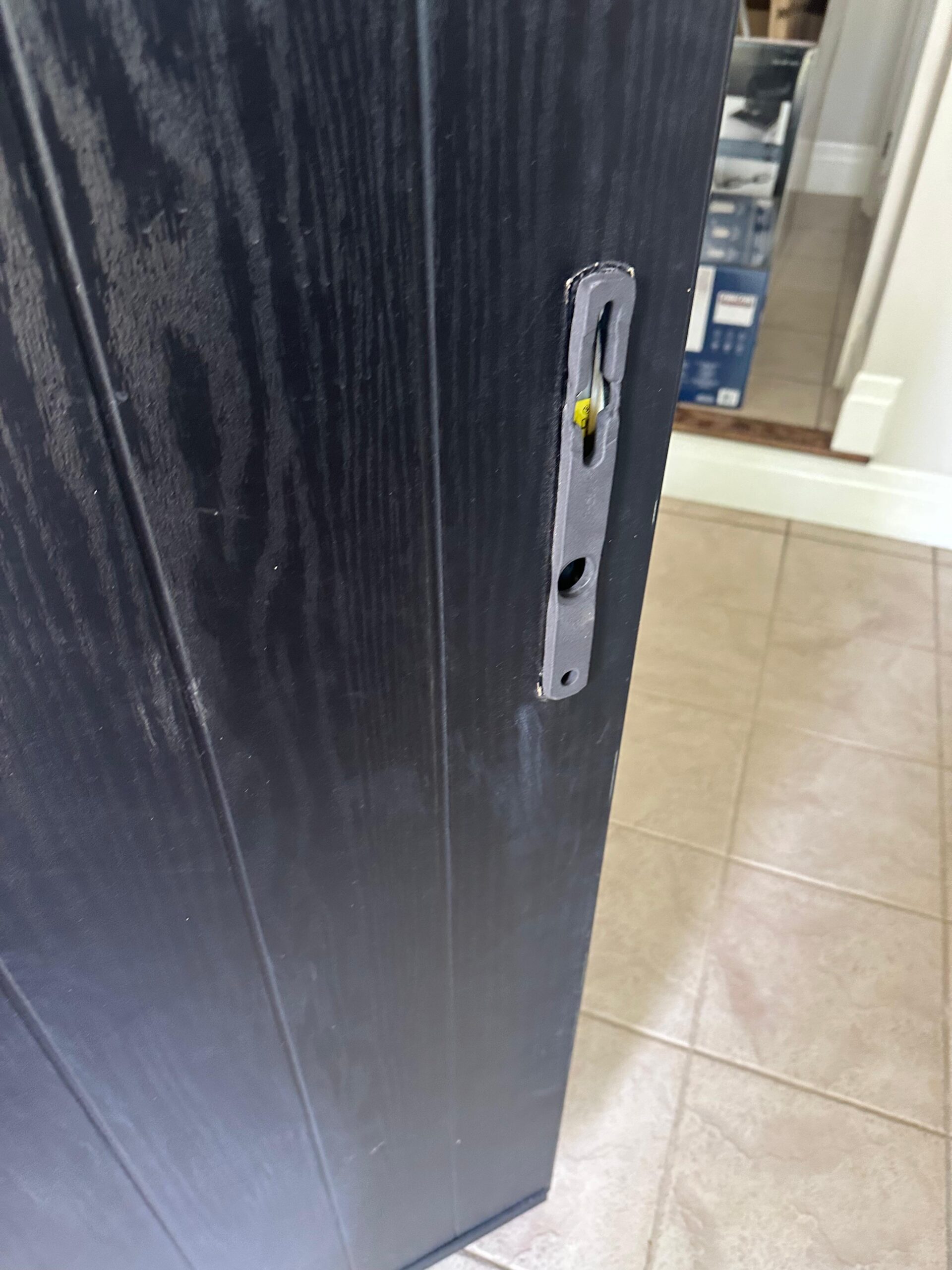
Some post-renovation problems really are the hardware. Dust from drywall and sanding gets into cylinders and makes keys stiff. Paint or filler in the keyway blocks the key, a common reason for a key that will not go into the lock. Hardware removed and refitted with the wrong screws can bind or droop.
If the key turns but the bolt does not move, the tailpiece may have been damaged during removal and refitting; see key turns but the door will not unlock.
Aligning the strike is the most frequent repair: moving it a few millimetres, filing the opening, or fitting a longer strike plate so the bolt enters cleanly. Tightening or replacing hinge screws corrects a door that has dropped. Where a door has swollen or been painted too thickly, easing the edge restores the clearance.
For raised floors, either the door is trimmed at the bottom by a carpenter or the hardware position is adjusted. We can say which applies, and we will tell you when the work belongs to a carpenter rather than a locksmith.
Cleaning and lubricating a dusty cylinder, or rekeying it with fresh pins, usually restores a stiff key. This is straightforward lock repair rather than replacement.
In condominiums, renovations often touch the suite entry door, its closer or its frame. Building rules usually govern that door because it is fire-rated, and management may need to approve changes. If a contractor altered the door or closer, have it checked so the door still latches on its own.
In rentals, tell the landlord if renovation work has affected locks or keys, and agree who arranges the repair and who holds keys afterwards.
Test every exterior door with the door closed: the latch should catch on its own, and the deadbolt should throw fully without pushing or lifting the door. Test interior privacy locks and their outside releases. Check that keys still turn smoothly and that you have every key back.
Write down what hardware was replaced and keep the packaging or model numbers. That makes future repairs and matching finishes much simpler.
Some projects affect the entrance more than owners expect. Replacing a porch floor or steps can change the threshold height. New siding or brick work can shift the frame around the opening. Installing a new storm door adds a second door that closes against the main frame. Any of these can leave the main door out of alignment even though nobody touched it.
Ask the contractor to test each exterior door at the end of the job, with the door closed, rather than only checking that it opens. A door that latches when pushed is not working properly; the latch should catch on its own and the deadbolt should throw without effort.
If you want to keep existing hardware, say so before the work starts and ask for it to be removed carefully, bagged and labelled by door. Locks removed in a hurry get mixed up between doors, which matters when cylinders are keyed alike but the handles are not identical. Screws are the other casualty: hardware refitted with whatever screws are on hand tends to work loose within months. Keeping the original fixings, or replacing them with the correct length, avoids a call a few weeks later about a handle that has started to droop.
Keep the paperwork together once the project is finished: hardware packaging, model numbers, spare keys, and a note of which doors were adjusted. If a lock gives trouble a few months later, that record shows whether it was new, reused or moved, which usually points straight to the cause.
When you call, describe the work that was done, which doors are affected and what exactly fails. Photographs of the door edge, strike and frame help. If several doors were affected by the same job, mention that so the visit can be planned to cover them together.
Keep reading
New underlay and flooring raise the door, so the latch and deadbolt no longer line up with the openings in the frame. The lock itself is usually fine. The fix is to adjust or move the strike, enlarge the opening slightly, or fit a longer strike plate so the bolt enters cleanly. If the door now drags on the floor, it may need trimming by a carpenter. Tell us what flooring was added, because the height change points straight to the cause.
New underlay and flooring raise the door, so the latch and deadbolt no longer line up with the openings in the frame. The lock itself is usually fine. The fix is to adjust or move the strike, enlarge the opening slightly, or fit a longer strike plate so the bolt enters cleanly. If the door now drags on the floor, it may need trimming by a carpenter. Tell us what flooring was added, because the height change points straight to the cause.
Two things are common. Paint on the door edge, frame rebate or strike plate changes the fit enough to bind the bolt, and dust from sanding works into the cylinder and makes the key stiff. Hardware that was removed and refitted can also sit slightly out of position. Cleaning and lubricating the cylinder, easing paint build-up and repositioning the strike usually restores normal operation without replacing the lock.
It is worth considering. During a project, keys are often given to contractors, trades and cleaners, and copies are easy to make. Rekeying keeps your existing hardware and changes which key operates it, so anything still in circulation stops working. If you used a lockbox or a keypad code during the work, remove the code and check who has the lockbox combination. The decision depends on how many people held keys and whether all of them came back.
It can be. Door thickness, backset, bore size and bolt projection all have to match. A deadbolt fitted to a door of a different thickness may not throw fully, and the wrong backset puts the lock too close to or too far from the edge. Test the lock with the door closed: the bolt should extend completely without the door being pushed. If it does not, the hardware may need adjusting or replacing with a set that suits the new door.
Thicker weatherstripping holds the door slightly further from the frame, so the latch may not reach the strike. Usually the strike can be repositioned or a deeper strike plate fitted, and in some cases the weatherstripping needs trimming. This is a straightforward adjustment. Mention the new weatherstripping when you call, since it tells the technician where to look and avoids time spent testing the lock itself.
If the contractor supplied and fitted the hardware, ask them first, since it may be covered by their work. A locksmith is the right call for alignment, cylinder problems, rekeying and hardware that needs to be matched to the door. Carpentry, such as trimming a door or repairing a frame, belongs to a carpenter. We will tell you when the work is outside what we do rather than making a lock adjustment that will not hold.
Yes, more than an interior door. Suite entry doors are usually fire-rated and subject to building rules about hardware, closers and keying. If a contractor altered the door, frame or closer, have it checked so it still closes and latches on its own, and ask management whether the change needs approval. A suite door that no longer latches is a safety issue as well as a security one.
Tell the contractor which hardware you want reused and ask them not to modify strikes or door edges without saying so. Keep model numbers and packaging for anything new. Limit how many keys are handed out, and use a keypad code or lockbox you can cancel afterwards. When the work is finished, test every exterior door closed, check that the deadbolt throws fully, and confirm that every key has been returned.
GTA Lockman Mobile Locksmith Services is a mobile locksmith working on homes, businesses and vehicles across Toronto and the GTA, with more than 14 years in the trade. Every review is written by a customer on Google, where you can read them in full.
Areas served: Toronto, North York, Scarborough, Etobicoke, Vaughan, Richmond Hill, Markham, Stouffville, Newmarket, Mississauga, Brampton, Oakville, Milton, Halton Hills, Pickering, Ajax, Whitby, Oshawa, Uxbridge.
Describe the door, hardware and service address. Contact GTA Lockman Mobile Locksmith Services to confirm the scope and scheduling for your location.