Locksmith services are always 10% off for seniors.
Open Mon–Thu 8:30 AM–9 PM, Fri 8:30 AM–4 PM, Sun 9:30 AM–9 PM
Locksmith services are always 10% off for seniors.
Open Mon–Thu 8:30 AM–9 PM, Fri 8:30 AM–4 PM, Sun 9:30 AM–9 PM
GTA Lockman Mobile Locksmith Services · Toronto & GTA
Check the openings nobody looks at, and improve them without blocking an escape route.
Related services
Restore reliable locking on the doors people use most, and strengthen the frames that are easiest to force.
Learn moreSet up suite, shared and interior door locks that respect both households, safe exit and the tenancy rules.
Learn moreMatch the padlock to the hasp, door and hinges, and keep shed, gate and garage keys under control.
Learn moreA yearly check of doors, locks, keys and closers that catches small faults before they become failures.
Learn moreSecure a forced door, repair damaged locks and frames, and document the work for your police report and insurer.
Learn moreRepairs, rekeying and replacement hardware for homes, condos and apartments, with attention to the whole door.
Learn more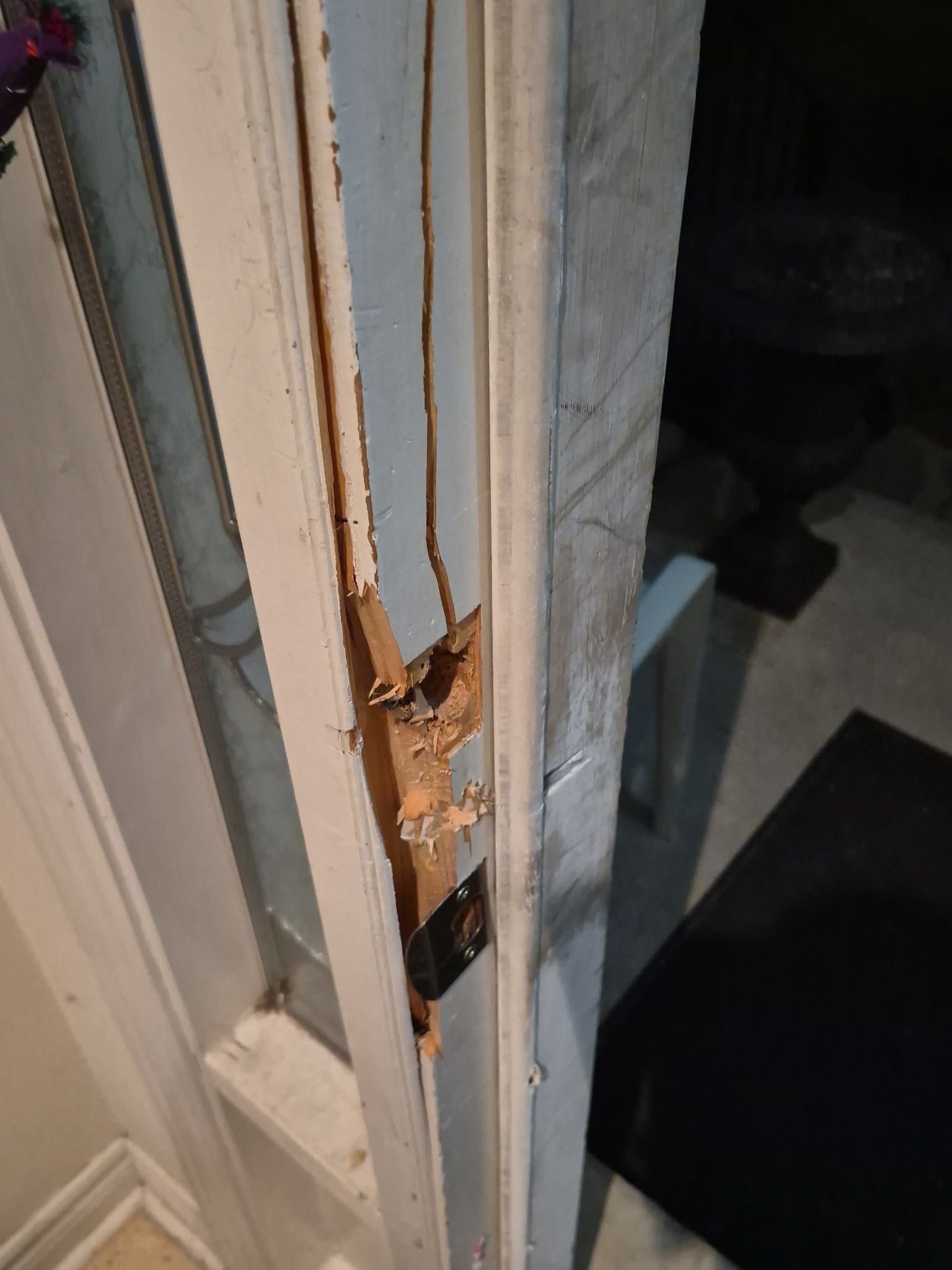
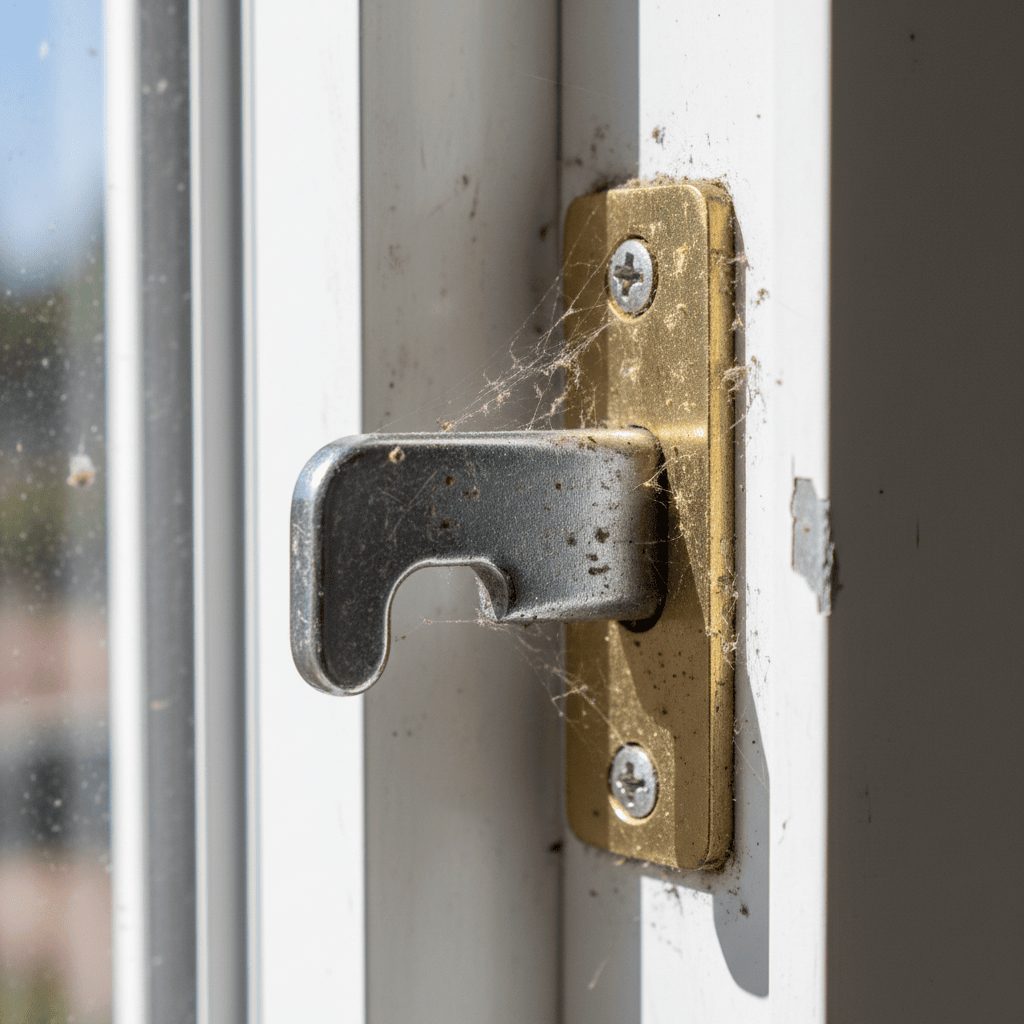
Basement windows sit low, often behind a shrub, below eye level from the street and out of sight of neighbours. Many are original to the house, with latches that have been painted over, hinges that no longer close properly and frames that have softened with moisture.
They are also the openings most likely to be left unlocked, because they are rarely opened and rarely checked. A window that has not been touched in five years is a window nobody has confirmed is secure.
Basement windows and window wells are worth checking carefully, because there is a clear line between sensible improvement and creating a safety problem.
Walk the perimeter and try each basement window. Does the latch engage fully? Does the sash close without being pushed? Is the frame sound, or does it flex and crumble at the edges? Are the hinges or slides intact?
Old crank windows and hopper vents often have simple catches that do not lock at all, or that have been painted solid in the open position. Glass block panels have no opening at all, which is why some households replace windows with them, though that removes any use of the window for light or ventilation.
Write down what you find. A window that cannot be secured is worth dealing with before anything else is added.
Window wells create their own issues. They collect leaves, water and snow, they hide anyone standing in them, and a well full of debris keeps moisture against the frame, which rots wood and corrodes metal.
Clear them out each autumn and spring. Check the drain if there is one. If a well regularly holds water, the frame and sill below it will fail eventually, and a window that has rotted at the sill is no longer secure regardless of the lock.
Clear wells also make a difference to what can be seen: someone crouched in a leaf-filled well is invisible from the street; the same person in an empty well is not.
Well covers, in clear polycarbonate or metal, keep out debris and rain while letting light through. They also remove the convenient hiding place. Choose one that a person cannot simply lift off, and be careful about fixings that make it impossible for an occupant to get out.
That last point matters most. If the window serves as a required exit for a bedroom or a secondary suite, it must remain openable from inside without tools or special knowledge. Bars, grilles and fixed covers that prevent escape are a serious hazard, and the same exit requirements shape basement apartment entrance locks in suites.
Where bars are wanted, choose a type that releases from inside on an exit window, and check local requirements first.
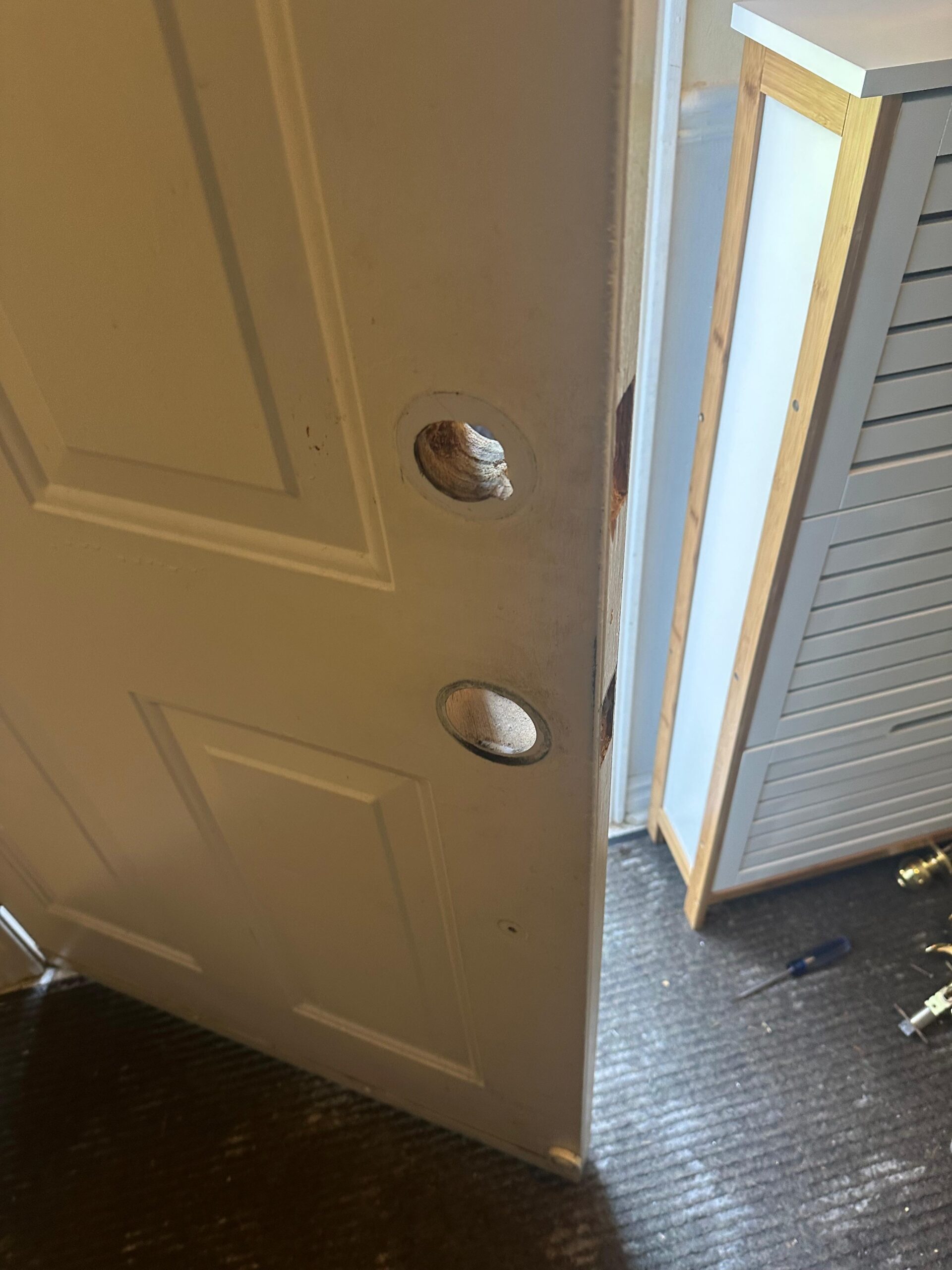
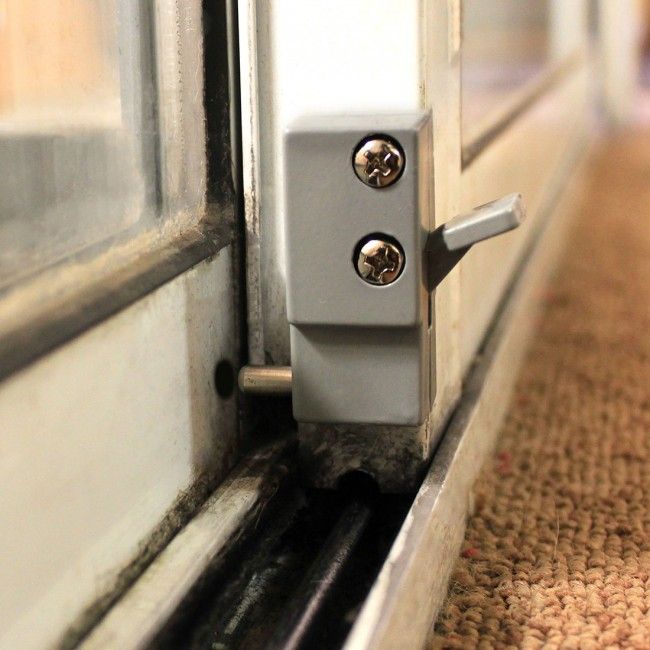
For sliders and hopper windows, a simple pin or track bolt prevents the sash being forced along its track. For casements, a key-operated latch replaces a painted-over catch and gives a positive lock. For older sash windows, sash stops or bolts are effective.
Security film applied to the glass holds a broken pane together and slows entry. It does not stop the glass breaking; it changes how long it takes to get through and how much noise it makes.
Whatever is fitted, it should be usable. A window lock that needs a key nobody can find is left unlocked, which is why the key should have a known location near, but not visible from, the window.
While you are there, check the basement entrance door if there is one, the crawlspace hatch, coal chutes and old delivery doors that many older Toronto houses still have. A hatch with a hasp screwed into soft wood offers very little.
Basement entrance doors benefit from the frame reinforcement used in side and back door lock repair, and on any hatch the hasp and fixings matter more than the padlock, as with shed, garage and outbuilding padlocks.
Basement openings face the worst conditions in the house: ground moisture, splash from downspouts, snow piled against the wall and freeze-thaw cycles. Locks and latches seize, frames swell, and a window that closed in October may not close in February.
Check them in autumn as part of a wider door and lock check; see annual door and lock maintenance check. Window wells that fill with snow and meltwater add to frozen or stiff locks in winter at basement entrances.
Tenants should report basement windows that do not lock in writing, since the landlord is usually responsible for keeping them in working order. Landlords should check them at each turnover, because they are the openings least likely to be mentioned during a viewing.
In a basement suite, windows often serve as the required means of escape from bedrooms. Nothing should be added that prevents an occupant getting out, and that applies to both the landlord's improvements and a tenant's.
Sometimes the honest answer is that the window has reached the end of its life. A rotted wooden frame, a corroded metal frame or a sash that no longer meets the frame cannot be made secure with a better latch.
In that case the work belongs to a window company rather than a locksmith. We will say so rather than fitting hardware to a frame that will not hold it, and we can advise on what the replacement should be able to do.
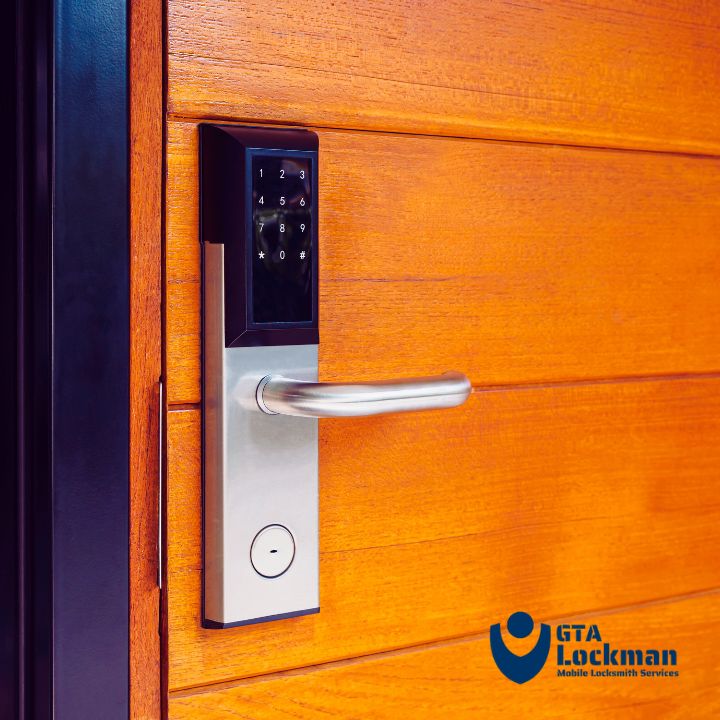
We can assess the openings, fit window locks, pins and track bolts where the frames suit them, reinforce basement entrance doors and hatches, and advise on grilles and covers that do not compromise escape. We can also review the whole perimeter so effort goes where it is actually needed.
There is a sensible order to this work, and it saves money. First, make sure every basement window closes and latches. Second, clear the wells and fix drainage so frames stop rotting. Third, consider film or better latches on the windows that face away from the street. Only then think about grilles or covers, and only where escape is not affected.
Households often start at the fourth step, fitting bars to a window whose frame is already soft, which achieves very little. The order matters more than the budget.
On most older Toronto houses we find two or three basement windows that have never locked, a well full of leaves holding water against a sill, and a basement door with a strike screwed into soft trim. None of those is expensive to correct, and together they usually make more difference than any single product.
We will also tell you which windows are beyond hardware and need a window company, rather than fitting a latch to a frame that cannot carry it.
Keep a short note of what you found and what was done, so next spring's check starts from a known position rather than from scratch.
When you call, describe the windows, their type and condition, and whether any bedroom or suite relies on one as an exit. Photographs from inside and outside help. Basement doors, walkouts and the rest of the lower level are handled through our residential locksmith services.
Keep reading
They are the openings least likely to be checked, which is what matters. Many sit low, behind planting, out of sight of the street and neighbours, with original latches that have been painted over or never locked at all. The first step is not new hardware but a walk around the house trying each one. A window that cannot be latched properly is worth dealing with before anything else is added.
They are the openings least likely to be checked, which is what matters. Many sit low, behind planting, out of sight of the street and neighbours, with original latches that have been painted over or never locked at all. The first step is not new hardware but a walk around the house trying each one. A window that cannot be latched properly is worth dealing with before anything else is added.
Only with care. If a window serves as a required means of escape from a bedroom or a basement suite, it must remain openable from inside without tools or special knowledge, and fixed bars can make that impossible. Where bars are wanted, choose a type that releases from inside on an exit window, and check the requirements that apply to your property. For many homes, better latches, film and a clear window well achieve more with no safety cost.
It keeps leaves, rain and snow out of the well, which protects the frame and sill from constant moisture, and it removes a hiding place where someone could work unseen. Choose one that cannot simply be lifted off. Make sure it does not prevent escape if the window is an exit. Clearing the well each autumn and spring matters just as much as the cover itself.
It holds a broken pane together, so getting through takes longer and makes more noise, which discourages opportunistic entry. It does not stop the glass breaking and it is not a substitute for a working latch. On basement windows it can be a sensible addition, particularly where the glass is old and thin. Fit it in combination with a proper lock rather than instead of one.
Often, yes. Paint can usually be cut back and the catch freed, cleaned and lubricated, or replaced with a key-operated latch that actually locks. If the frame itself has softened with moisture, a new catch will not hold, and the window may need repair or replacement by a window company. We will tell you which situation you have rather than fitting hardware to a frame that cannot carry it.
Yes. Standing water keeps moisture against the frame and sill, rotting wood and corroding metal, and eventually the window stops closing properly. Clear the well and check the drain if there is one. If it fills regularly, the drainage around the house needs attention. A rotted sill is a security problem as much as a maintenance one, because no lock holds in soft material.
In most tenancies the landlord is responsible for keeping windows and locks in working order. Report it in writing and keep a copy. If the window is also your means of escape from a bedroom, say so, because that makes it a safety issue as well. Do not fit bars or fixed covers yourself, since those can affect escape and may breach the lease or the rules that apply to the suite.
The basement entrance door if there is one, the crawlspace hatch, and any old coal chute or delivery door, which many older Toronto houses still have. Hatches are often held by a hasp screwed into soft wood, which offers very little. Check the door frame and the strike as well. Reinforcing the frame and the hasp fixings usually adds more security than a heavier padlock on a weak hasp.
GTA Lockman Mobile Locksmith Services is a mobile locksmith working on homes, businesses and vehicles across Toronto and the GTA, with more than 14 years in the trade. Every review is written by a customer on Google, where you can read them in full.
Areas served: Toronto, North York, Scarborough, Etobicoke, Vaughan, Richmond Hill, Markham, Stouffville, Newmarket, Mississauga, Brampton, Oakville, Milton, Halton Hills, Pickering, Ajax, Whitby, Oshawa, Uxbridge.
Describe the door, hardware and service address. Contact GTA Lockman Mobile Locksmith Services to confirm the scope and scheduling for your location.