Locksmith services are always 10% off for seniors.
Open Mon–Thu 8:30 AM–9 PM, Fri 8:30 AM–4 PM, Sun 9:30 AM–9 PM
Locksmith services are always 10% off for seniors.
Open Mon–Thu 8:30 AM–9 PM, Fri 8:30 AM–4 PM, Sun 9:30 AM–9 PM
GTA Lockman Mobile Locksmith Services · Toronto & GTA
A yearly check of doors, locks, keys and closers that catches small faults before they become failures.
Related services
Free a frozen lock without damaging it, and find out whether ice, alignment or batteries caused the problem.
Learn moreRelease a deadbolt that will not retract, then correct the alignment or lock fault that caused it to bind.
Learn moreFind out whether the strike, the door or the lock is stopping the bolt, and correct the cause rather than the symptom.
Learn moreFind the reason a key sticks, a bolt binds or a latch fails before deciding what needs replacement.
Learn moreWork through mechanical fit, power and supported controls when an electronic lock becomes unreliable.
Learn moreReduce the keys you carry where cylinders and access requirements allow a suitable keyed-alike arrangement.
Learn more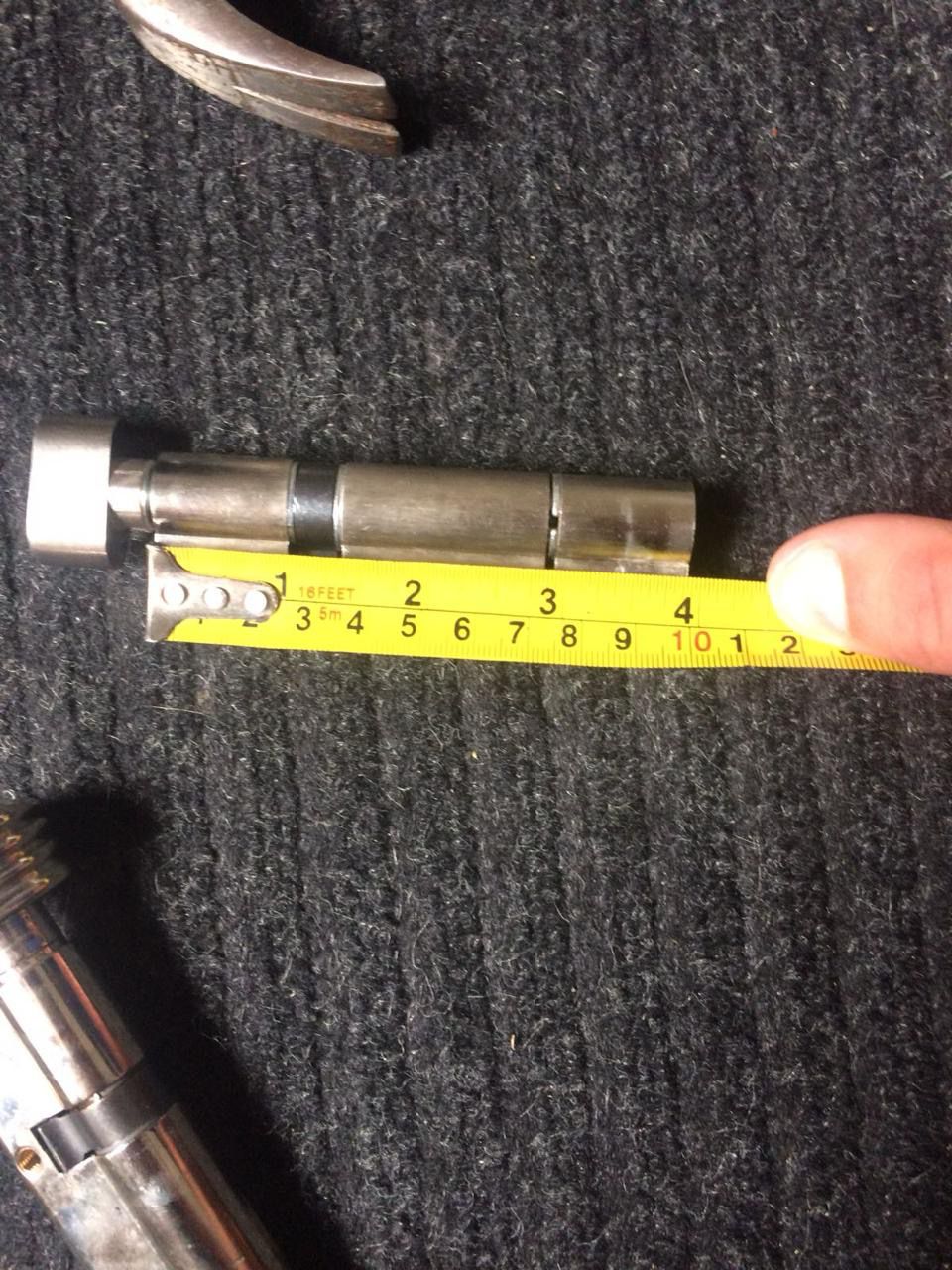
Very few locks fail without notice. A key starts to need a wiggle. A deadbolt needs the door pulled in slightly. A latch catches only when the door is closed firmly. A closer no longer pulls a commercial door shut. Each of these is a small inconvenience that people work around, often for months, until the key snaps or the door cannot be secured.
A yearly check of the doors and locks catches those signs while the fix is still simple. It costs less than dealing with a failure at an awkward moment, and it is the difference between adjusting a strike and replacing a broken lock, a bent key or a damaged frame.
Autumn suits this work in the GTA, because problems that exist in October usually get worse once the cold arrives.
You can do most of a useful check in fifteen minutes with no tools.
Open each exterior door and turn the deadbolt. The bolt should extend and retract smoothly. Close the door and do it again. If the bolt only binds when the door is closed, the strike, hinges or frame need attention rather than the lock; see stuck deadbolt and door will not open.
Let each door close on its own. The latch should catch without a push. If it does not, see front door will not lock.
Try every key in every lock, including the spare keys and the ones you rarely use. Look for keys that need force, keys that are visibly worn and locks that only accept one particular copy.
Push each door gently near the lock. Movement suggests loose hinges or a worn strike.
A technician looks at the whole opening rather than just the lock. That means the cylinder and key operation, the bolt's full travel into the frame, the strike position and its fixings, the hinges and their screws, the door's fit and clearance, weatherstripping, the threshold, and door closers where fitted.
Inside the lock, a cylinder can be cleaned and lubricated with a suitable product, and worn pins can be replaced during rekeying. We look for cylinders that turn roughly, tailpieces that have started to twist and bolts that no longer project fully.
For businesses, we add exit devices, panic hardware, closers on fire doors, and cylinders on doors used by many staff. The rear doors are the ones most often neglected, which is why rear door security for shops and restaurants is part of every business check.
A maintenance check is a good moment to review keys rather than only hardware. Count the keys in circulation and decide whether the number still matches who should have access. Households often find keys they cannot account for, especially after moves, renovations or changes in who visits.
If a key cannot be accounted for, rekeying restores control while keeping the hardware. The scope is the same as lock changes after lost keys, and businesses follow the same review when rekeying after an employee leaves.
Worn keys are worth replacing before they break. A new key cut to the lock's specification, rather than copied from a worn one, puts less strain on the cylinder.
Keypad and smart locks need their own routine. Replace batteries on a schedule rather than waiting for a warning, using the type the manufacturer specifies. Test the mechanical key override, which is often unused for years and may be stiff when it is finally needed.
Review the user codes: remove codes for people who no longer need access, such as former cleaners, contractors or short-term guests. Good code management is part of owning a keypad lock, and a device that has become unreliable needs smart lock repair and troubleshooting.
Before winter, lubricate exterior cylinders with a dry lubricant, check that doors close without being forced, and clear drainage around basement and rear entrances so water does not pool at the threshold. Standing water at the threshold is a common cause of frozen or stiff locks in winter.
In spring, check hinges and strikes after a winter of freezing and thawing, and look at any door that was hard to close in the cold. In summer, watch for wood doors swelling; a bolt that binds in July often signals a strike that is too tight for the whole year.
Keep a short note of each door: the lock brand, when it was fitted, when it was last serviced or rekeyed, and anything that was left for later. For businesses, extend that to a key register listing who holds which key.
The record turns a vague problem into a specific one. It also makes it much easier to order matching hardware, source parts or explain a recurring fault to a technician.
A check is not a substitute for replacing hardware that has reached the end of its life, and it will not turn a light interior door into a secure one. Where a lock is worn beyond service, unsupported by its manufacturer or unsuitable for the door, replacement is the honest recommendation. We will say which category each door falls into rather than adjusting something that needs replacing.
The households and businesses that avoid lock failures tend to attach the check to something they already do. A homeowner might combine it with putting away garden furniture in the autumn. A restaurant might add it to the schedule that covers extractor cleaning and equipment servicing. A property manager might include door hardware in the same inspection cycle as smoke alarms and furnace filters.
What matters is that someone looks at the doors on a known date rather than waiting for a complaint. Doors fail gradually, and the people who use them every day adapt without noticing, which is why a problem is often obvious to a visitor long before it is reported.
Most checks end with small adjustments: a strike moved a few millimetres, hinge screws replaced with longer ones, a cylinder cleaned and lubricated, a closer adjusted. Occasionally a check finds something that needs more work, such as a split frame, a cylinder that has worn past service or a closer that has failed.
We give you the options and the price before doing anything beyond the check itself, so you can decide whether to proceed that day or plan the work. Nothing is replaced without your agreement, and where a fault can wait safely, we say that too rather than pressing for work that is not needed yet.
If you manage several properties, stagger the checks through the autumn rather than booking them all in one week, and keep the results in one place. Patterns become obvious across a portfolio: the same closer failing at several sites, or rear doors consistently worse than front ones. That tells you where to spend next year's maintenance budget, and it gives you something concrete to show an insurer or a landlord when hardware needs replacing rather than adjusting again.
When you call, say how many doors you want checked, whether any are already giving trouble, and whether the property is a house, condo or business. Repairs identified during a check are carried out as lock repair.
Keep reading
Once a year suits most homes, ideally in autumn so that anything found is corrected before winter. Businesses with heavy door traffic, such as shops, restaurants and clinics, benefit from checking more often, because closers, latches and cylinders wear much reliable when a door is used hundreds of times a day. Any door that has started to need force should be looked at straight away rather than waiting for the next scheduled check.
Once a year suits most homes, ideally in autumn so that anything found is corrected before winter. Businesses with heavy door traffic, such as shops, restaurants and clinics, benefit from checking more often, because closers, latches and cylinders wear much reliable when a door is used hundreds of times a day. Any door that has started to need force should be looked at straight away rather than waiting for the next scheduled check.
Quite a lot, with no tools. Turn each deadbolt with the door open and then closed, and note any difference. Let each door close on its own and see whether the latch catches. Try every key, including spares, and look for keys that need force or look worn. Push gently on the door near the lock to feel for movement. Anything that only works when you push, pull or lift the door is worth reporting.
Yes. A rough key usually means a worn cylinder, a worn key, or dirt inside the lock. Left alone, the effort needed increases until the key snaps or the cylinder fails, often at an inconvenient moment. Cleaning and lubricating the cylinder, replacing a worn key with one cut to the lock's specification, or rekeying with fresh pins usually restores smooth operation for a modest cost.
A dry lubricant made for locks, such as graphite or a PTFE product, is the usual choice for pin-tumbler cylinders. Avoid heavy oils and general-purpose sprays, which attract dirt and thicken in the cold. Use a small amount, then work the key several times. Do not spray lubricant into an electronic lock housing. If a lock still feels stiff after cleaning, the problem is likely wear or alignment rather than lubrication.
Yes, and it is easy to overlook. Replace the batteries on a schedule using the type the manufacturer specifies rather than waiting for a low-battery warning. Test the mechanical key override, since it may not have been used in years and can be stiff when you finally need it. Review the user codes and remove any that belong to people who no longer need access, such as past contractors or guests.
Usually. Tell us how many doors are involved and whether any are already giving trouble, so the visit can be planned properly. Adjustments such as strike alignment, hinge screws and cylinder servicing are normally done on site. If a door needs parts that are not carried on the van, or work that belongs to a carpenter, we will explain that and give you the options rather than making a temporary adjustment that will not last.
It is the point of a check. Most locks give warning signs long before they fail: a key that needs a wiggle, a bolt that needs the door pulled, a latch that misses when the door closes gently. Correcting those while they are small is simpler and less disruptive than dealing with a snapped key, a door that cannot be secured, or a lockout. A check also gives you a clear picture of which locks are near the end of their life.
For a house, a short note per door: the lock brand, when it was fitted, when it was last serviced or rekeyed, and anything left for later. For a business, add a key register showing who holds each key and which doors it opens. These records make it much easier to order matching hardware, source parts and explain a recurring problem. They also make staff changes and lost keys far simpler to handle.
GTA Lockman Mobile Locksmith Services is a mobile locksmith working on homes, businesses and vehicles across Toronto and the GTA, with more than 14 years in the trade. Every review is written by a customer on Google, where you can read them in full.
Areas served: Toronto, North York, Scarborough, Etobicoke, Vaughan, Richmond Hill, Markham, Stouffville, Newmarket, Mississauga, Brampton, Oakville, Milton, Halton Hills, Pickering, Ajax, Whitby, Oshawa, Uxbridge.
Describe the door, hardware and service address. Contact GTA Lockman Mobile Locksmith Services to confirm the scope and scheduling for your location.