Locksmith services are always 10% off for seniors.
Open Mon–Thu 8:30 AM–9 PM, Fri 8:30 AM–4 PM, Sun 9:30 AM–9 PM
Locksmith services are always 10% off for seniors.
Open Mon–Thu 8:30 AM–9 PM, Fri 8:30 AM–4 PM, Sun 9:30 AM–9 PM
GTA Lockman Mobile Locksmith Services · Toronto & GTA
Audit who holds keys, structure access by role, and keep doors that welcome people able to secure the building.
Related services
Review what the departing employee could open, then rekey the affected cylinders and issue new keys with a record.
Learn moreKeep fire doors latching and exits releasing, with hardware suited to the assembly and no added bolts.
Learn moreWhat Grade 1, 2 and 3 measure, what they leave out, and why the strike and frame often matter more.
Learn moreRekeying answers who holds a key; replacement answers whether the hardware suits the door. Compare both.
Learn moreA yearly check of doors, locks, keys and closers that catches small faults before they become failures.
Learn moreLock and door service for offices, shops and managed properties. Plan access around the way your business operates.
Learn more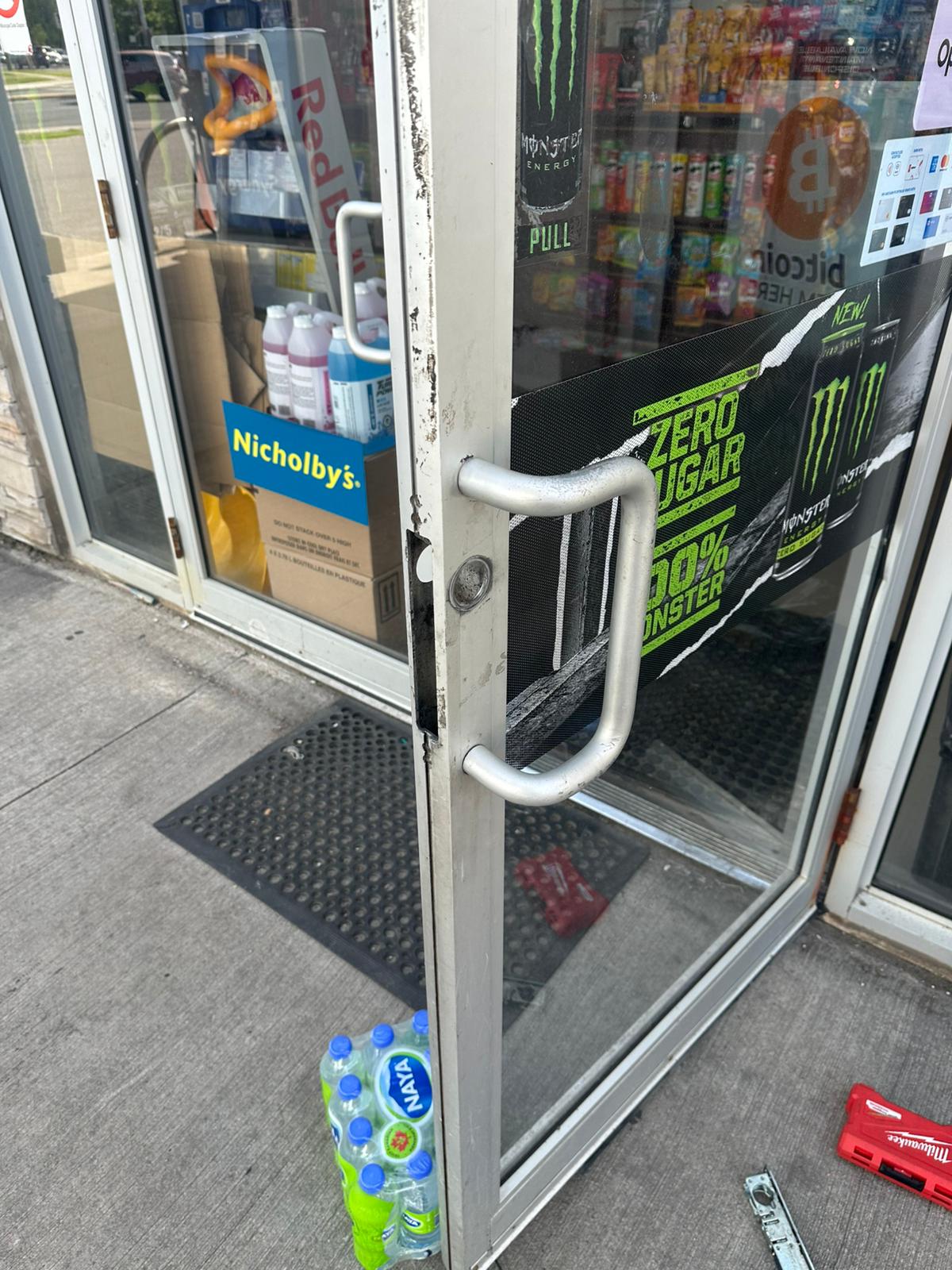
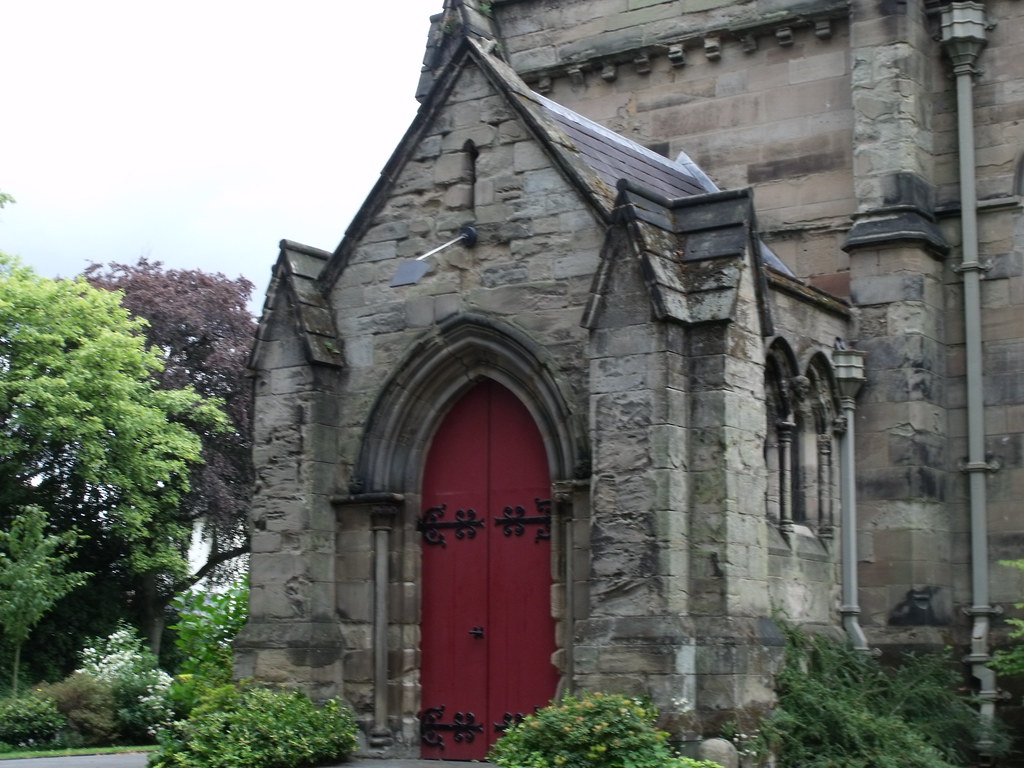
A church, mosque, temple, synagogue or community hall is used in a pattern no commercial building shares. It is open to the public for services and events, busy with volunteers at unpredictable hours, rented to outside groups in the evening, and completely empty for long stretches in between.
Keys reflect that. Over decades, they are issued to clergy, staff, volunteers, choir leaders, caretakers, scout groups, tenants and contractors. Very few congregations can say how many keys exist or who holds them.
Two problems come up most often: controlling access across many keyholders, and keeping doors that must welcome people also able to secure the building.
List the doors: main entrance, side and accessible entrances, hall, kitchen, office, meeting rooms, storage, boiler room, and any tenant or nursery space. Then list who holds a key to each.
Most congregations find the list cannot be completed, which is the useful result. Where keys are unaccounted for, rekeying the affected cylinders changes which key works while keeping the existing hardware; see rekey or replace.
Record the outcome in a key register: key number, doors it opens, holder, date issued, date returned. It takes one afternoon and it is the single most valuable thing a building committee can do about security.
A master-key system lets each role hold only what it needs. A volunteer who runs a weekly group gets the hall and the kitchen; the caretaker gets everything; the treasurer gets the office and the safe room; an outside group renting the hall gets the hall entrance alone.
That structure reduces the impact when a key goes missing, because it affects only the doors that key opened rather than the whole building. The same thinking applies to staff changes, and to rekeying after an employee leaves.
A restricted keyway stops keys being copied without the congregation's authorization, which is worth considering for buildings with a long history of copies; see lock grades explained.
A public building's doors have to be easy to enter during services and secure afterwards. The usual arrangement is entrance doors that are unlocked while the building is open, with hardware that can be locked from outside at the end, and exit devices on the doors people leave through.
Exit hardware must release from inside with a single motion, without a key or special knowledge, whenever anyone is inside. Chaining a hall door because an event is on is exactly the situation fire requirements exist to prevent; see fire door hardware for businesses.
Where a door is used by many people, a closer that latches the door reliably matters more than a heavier lock. A door that does not latch is not secured at the end of the night.
Accessible doors, often with a push-button operator, need particular attention. The operator has to work, the door still has to latch and lock when closed, and the hardware must be usable by someone with limited strength.
Adjusting a closer so the door is not too heavy, while still closing and latching, is routine and often the most useful thing done on a visit. The same considerations about weight, grip and closing force apply to easier-to-use door hardware for seniors.
Renting the hall brings in people who need access without keys to the whole building. Options include a separate entrance keyed differently, a keypad on the hall door with a code per group that is changed between bookings, or a caretaker who opens and closes.
Set expectations in writing: which door to use, whether to lock the deadbolt on leaving, what to do if the alarm sounds, and who to call if something fails. The same discipline works at home with keys for cleaners, nannies and dog walkers.
Where cash offerings, records or equipment are held, the internal doors matter as much as the perimeter. An office or safe room on its own key, within the master system, is the usual approach.
Do not leave the safe key in the office it protects. If a safe has no key or the combination is unknown, that is a job for an authorized person with the congregation's agreement rather than a volunteer with a drill.
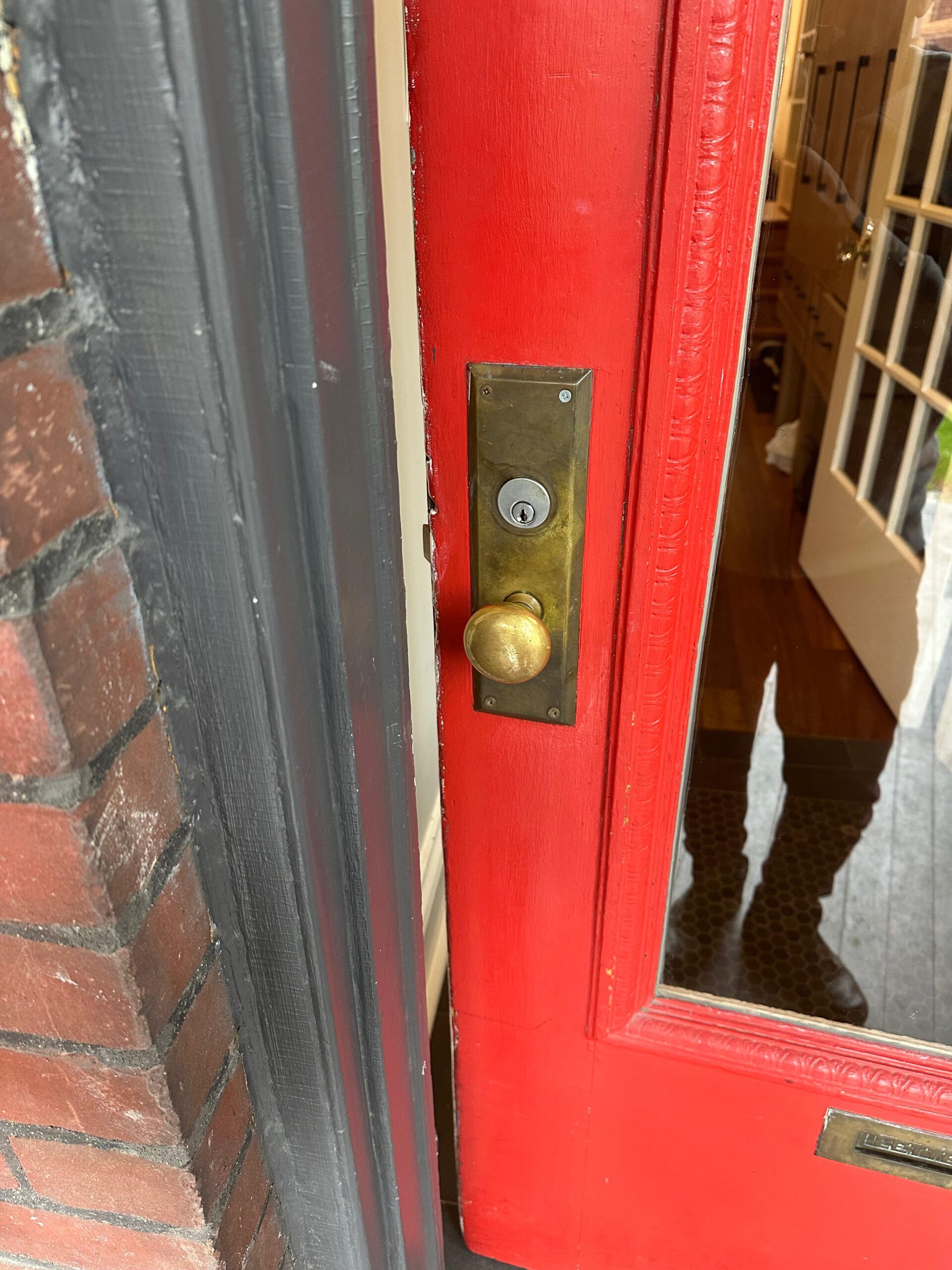
Older buildings often have original mortise locks, heavy timber doors and decorative hardware that a congregation wants to keep. Many can be serviced and rekeyed rather than replaced, and a compatible cylinder can sometimes be fitted without changing the visible hardware.
Where a door is heritage-designated, changes may be restricted. Ask before altering anything, and expect repair to be the preferred route.
We audit the doors and hardware, rekey or replace cylinders, design and implement master-key systems with a key register, service closers and exit devices so doors latch reliably, fit keypads where they suit, and advise which openings are the weak points.
We do not certify fire door assemblies or interpret code; where a question belongs with the fire authority or the insurer, we say so.
Whatever system is chosen, it has to work for volunteers who may attend once a week, may not be comfortable with technology, and will not carry a large bunch of keys. That usually means a small number of keys per role, clear labelling that does not identify the building, and a named person to contact when something will not open.
Systems fail when they ignore this. A keypad with a code nobody can remember gets written on the door frame; a key ring with fifteen keys gets left in the office "for everyone". Design around how people actually use the building, and the arrangement survives.
A last point worth making to any building committee: the aim is not to turn a welcoming building into a secure one, because those pull in opposite directions and the welcome usually matters more. The aim is a building that is easy to enter when it is open, straightforward to secure when it closes, and whose keys are held by people you can name. Most congregations get there with a key audit, a modest master-key plan and a couple of repairs, not with an expensive system. Start with the audit, fix the doors that do not latch, and decide who holds what. Everything else can follow at whatever pace the building committee and the budget allow. If the building is used by more than one congregation or community group, agree the arrangement jointly rather than one group deciding for the others. Shared buildings work well when each group knows which doors it is responsible for, who holds those keys and who to contact when something does not open, and that understanding is Revisit it once a year, because volunteer roles change quietly and a list that was accurate two summers ago rarely still is. An annual review also gives the committee a natural moment to collect keys from people who no longer hold a role, which is far easier as routine than as a request made after something has gone wrong.
When you call, describe the building, how many doors and keyholders are involved, and what prompted the review. If a break-in, a lost master key or an insurance question is behind it, say so. Related work on the building is handled through our commercial locksmith services.
Keep reading
With an audit rather than hardware. List every door, then list who holds a key to each. Most congregations find the list cannot be completed, which is the finding that justifies action. Rekeying the affected cylinders changes which key works while keeping the existing hardware, and a key register started that day records who holds what from then on. One afternoon of work usually achieves more than any purchase.
With an audit rather than hardware. List every door, then list who holds a key to each. Most congregations find the list cannot be completed, which is the finding that justifies action. Rekeying the affected cylinders changes which key works while keeping the existing hardware, and a key register started that day records who holds what from then on. One afternoon of work usually achieves more than any purchase.
For most of these buildings, yes. It lets each role hold only what it needs: a volunteer gets the hall and kitchen, the caretaker gets everything, a renting group gets one entrance. When a key goes missing, only the doors it opened are affected rather than the whole building. It also makes issuing keys to new volunteers straightforward, because the structure already exists.
No. While anyone is inside, doors on exit routes must release with a single motion, without a key or tool. Chaining or blocking them is exactly the hazard fire requirements are written to prevent, whatever the security concern. Control entry on the outside face instead, with hardware that locks from outside while releasing freely from inside, and have someone responsible for the entrance during the event.
Options include a separate entrance keyed differently from the rest of the building, a keypad on the hall door with a code per group that is changed between bookings, or a caretaker who opens and closes. Put the practical points in writing for each group: which door to use, whether to lock the deadbolt on leaving, what to do if the alarm sounds and who to call. That prevents most of the problems that follow a rental.
Often not. Many original mortise locks can be serviced and rekeyed, and a compatible cylinder can sometimes be fitted without changing the visible hardware, which keeps the character of a heritage building. Where a building is heritage-designated, changes may be restricted in any case. Ask before altering anything, and expect repair to be the preferred route where the hardware is sound.
Treat it by level rather than by door. Identify what that key opened and rekey those cylinders. If it was a master key, the review covers everything in that system, which is more involved and may need to be planned in stages, prioritizing the perimeter and any room holding cash, records or equipment. Restricted keyways prevent the same situation recurring through uncontrolled copies.
It should be dealt with professionally, because a door that closes but does not latch is not secured, and volunteers locking up may reasonably believe it is. The usual causes are a closer that has lost adjustment, a misaligned strike or a worn latch, all repairable. Test by letting each door close from fully open without touching it and checking the latch engages every time.
Not in the room the safe protects. Keep it with a named person or in a separate secured location, and record who holds it. If a safe has no key or the combination is unknown, that is work for an authorized specialist with the congregation's agreement, not for a volunteer with a drill. Forcing a safe usually damages the contents and makes recovery harder.
GTA Lockman Mobile Locksmith Services is a mobile locksmith working on homes, businesses and vehicles across Toronto and the GTA, with more than 14 years in the trade. Every review is written by a customer on Google, where you can read them in full.
Areas served: Toronto, North York, Scarborough, Etobicoke, Vaughan, Richmond Hill, Markham, Stouffville, Newmarket, Mississauga, Brampton, Oakville, Milton, Halton Hills, Pickering, Ajax, Whitby, Oshawa, Uxbridge.
Describe the door, hardware and service address. Contact GTA Lockman Mobile Locksmith Services to confirm the scope and scheduling for your location.