Locksmith services are always 10% off for seniors.
Open Mon–Thu 8:30 AM–9 PM, Fri 8:30 AM–4 PM, Sun 9:30 AM–9 PM
Locksmith services are always 10% off for seniors.
Open Mon–Thu 8:30 AM–9 PM, Fri 8:30 AM–4 PM, Sun 9:30 AM–9 PM
GTA Lockman Mobile Locksmith Services · Toronto & GTA
Decide who can enter your home, use codes or keys that can be withdrawn, and keep a record you can check.
Related services
Plan keyless entry around door compatibility, code management and a practical backup entry method.
Learn moreReview every door the missing keys operated, then rekey or replace the locks that no longer control access.
Learn moreReview what the departing employee could open, then rekey the affected cylinders and issue new keys with a record.
Learn moreSeparate mechanical repairs from key-control changes and document the condition of each affected opening.
Learn moreRepairs, rekeying and replacement hardware for homes, condos and apartments, with attention to the whole door.
Learn moreSet up suite, shared and interior door locks that respect both households, safe exit and the tenancy rules.
Learn more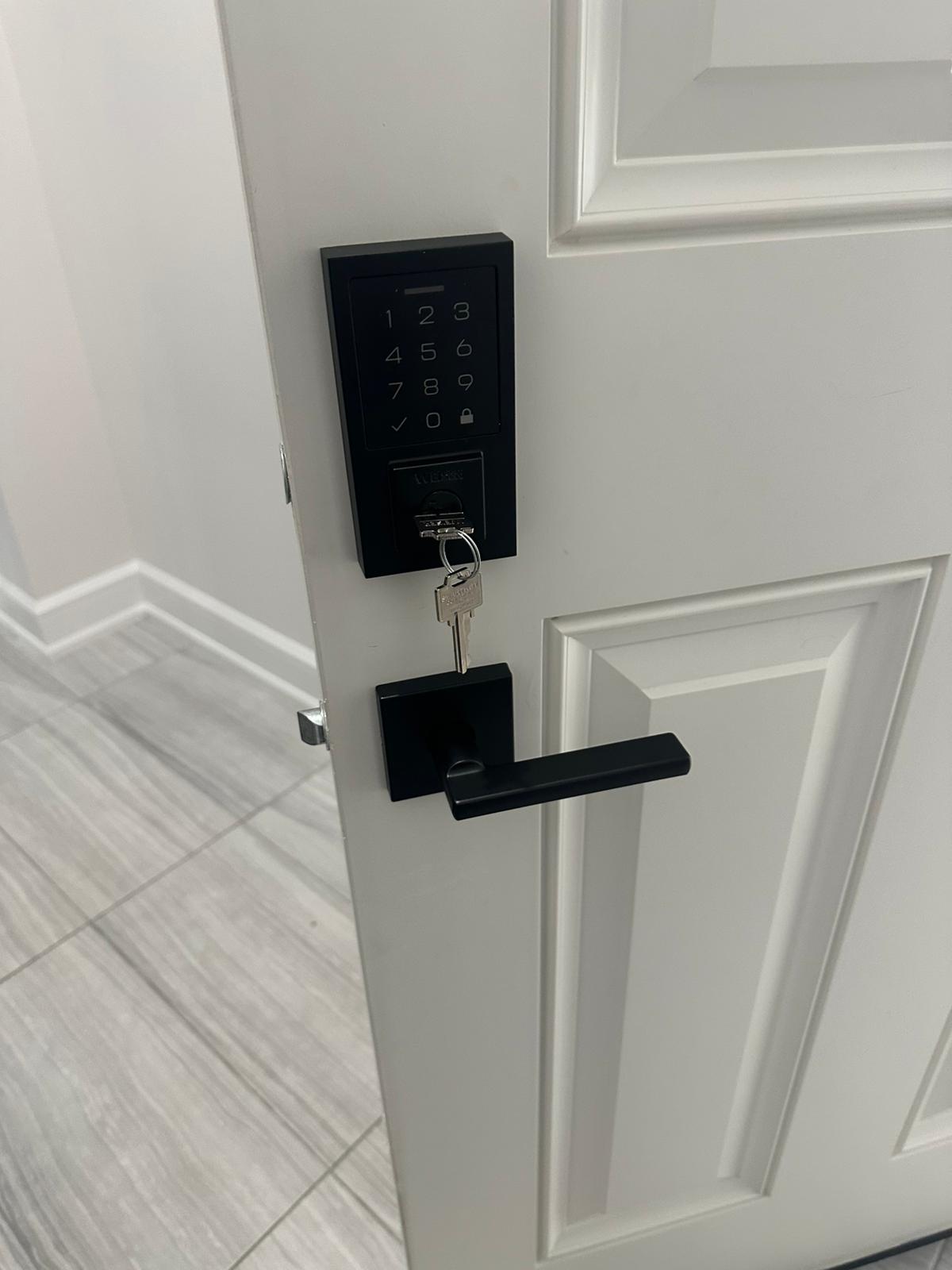
Most homes end up giving keys to people outside the family: a cleaner every second week, a dog walker at lunchtime, a nanny during the day, a neighbour who waters plants, a contractor for a week in summer. Each arrangement is sensible on its own. Together, they often mean nobody can say exactly how many keys exist or who still has one.
Deciding how household access works, and writing it down, prevents that. The aim is simple: the people who need to get in can, the people who no longer need to cannot, and you can tell the difference at any time.
Write down every person who can currently enter the home and how they do it: a key, a keypad code, a garage remote, a lockbox or a smart-lock account. Include people who had access in the past and may still have a key, such as a previous cleaner or a contractor from an old project.
Then decide who still needs access, to which doors, and at what times. A dog walker may only need the side door. A cleaner may need the front door on one day a week. A nanny may need full daily access. A contractor needs access while the work lasts and not afterwards.
Where a keypad or smart lock is fitted, give each person their own code rather than sharing one. Individual codes can be removed when an arrangement ends without affecting anyone else, and some devices record which code was used, which settles questions without accusations.
Change or remove a code as soon as someone no longer needs it. That is much easier than collecting a key, and it removes the awkwardness of asking. Individual codes are set up when fitting a keypad lock, and a device that stops working needs smart lock repair and troubleshooting.
Keep a mechanical backup. Batteries fail, and a keypad is no help if the household cannot get in another way.
Keys are still the most common arrangement, and they work well with a little record-keeping. Number or label each key in a way that means something to you but nothing to a stranger, and note who holds it and when it was issued.
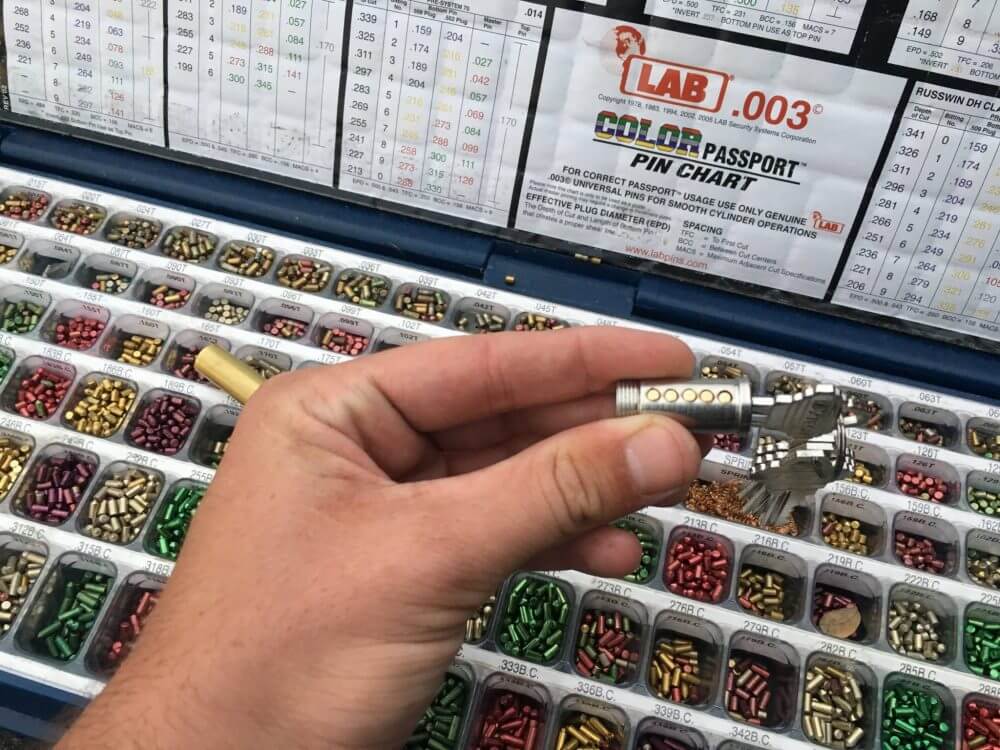
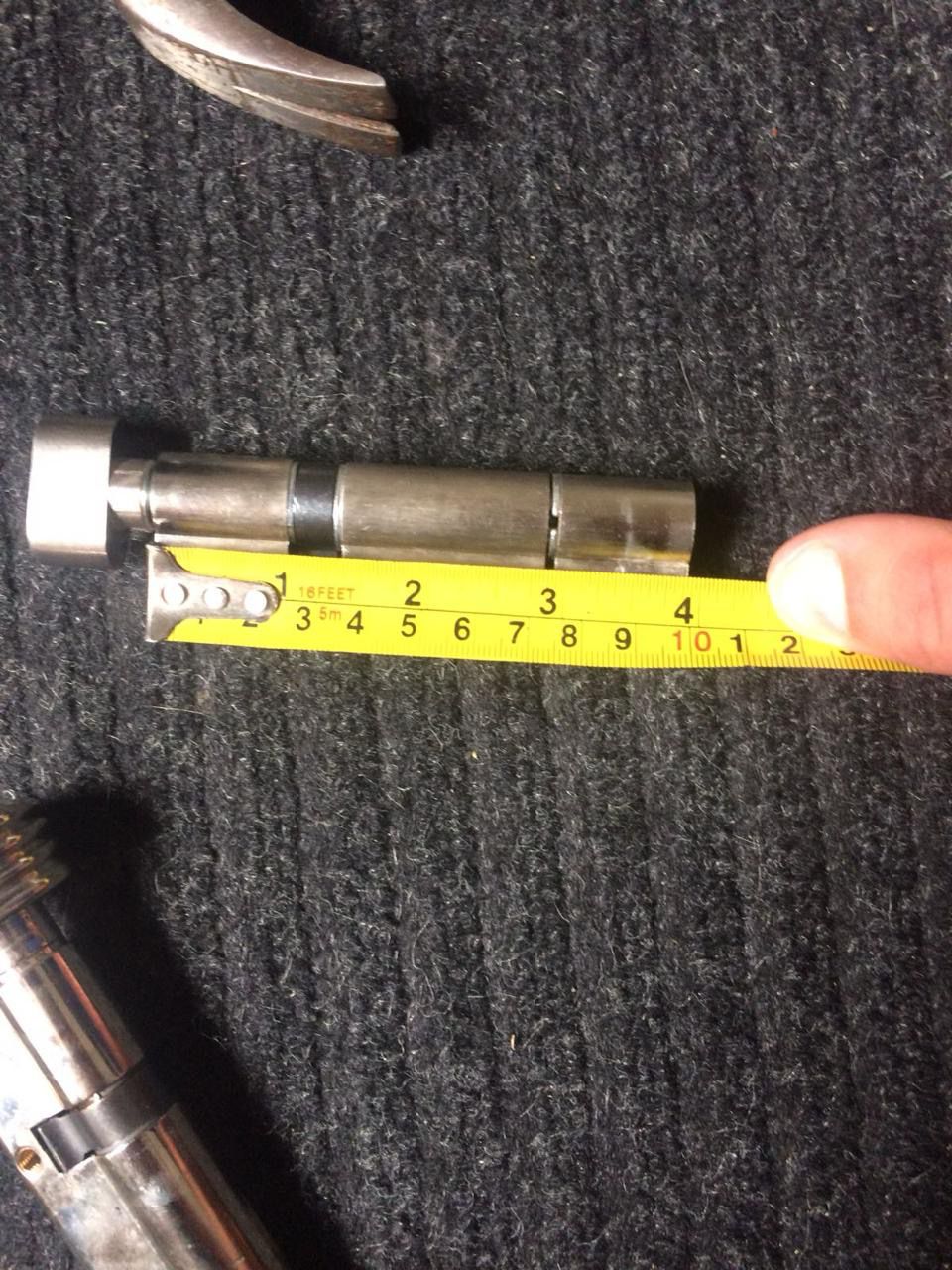
Avoid giving out a key that opens every door if only one door is needed. Compatible cylinders can be rekeyed so a side door key does not open the front, or so one key opens everything for the family while a second key is limited. Keyed-alike arrangements have limits as well as benefits, and both matter when setting up one key for every door.
Ask for keys back when an arrangement ends, and rekey if a key cannot be accounted for; see lock changes after lost keys.
A lockbox mounted in a discreet place is better than a key under a mat or in a planter, because common hiding places are well known. Even so, treat the code as a credential: change it when someone no longer needs access, and do not share it in group messages.
Put the lockbox somewhere out of direct view from the street, and do not label it with the address. If a service uses a lockbox during a job, remove it when the job ends.
Photos
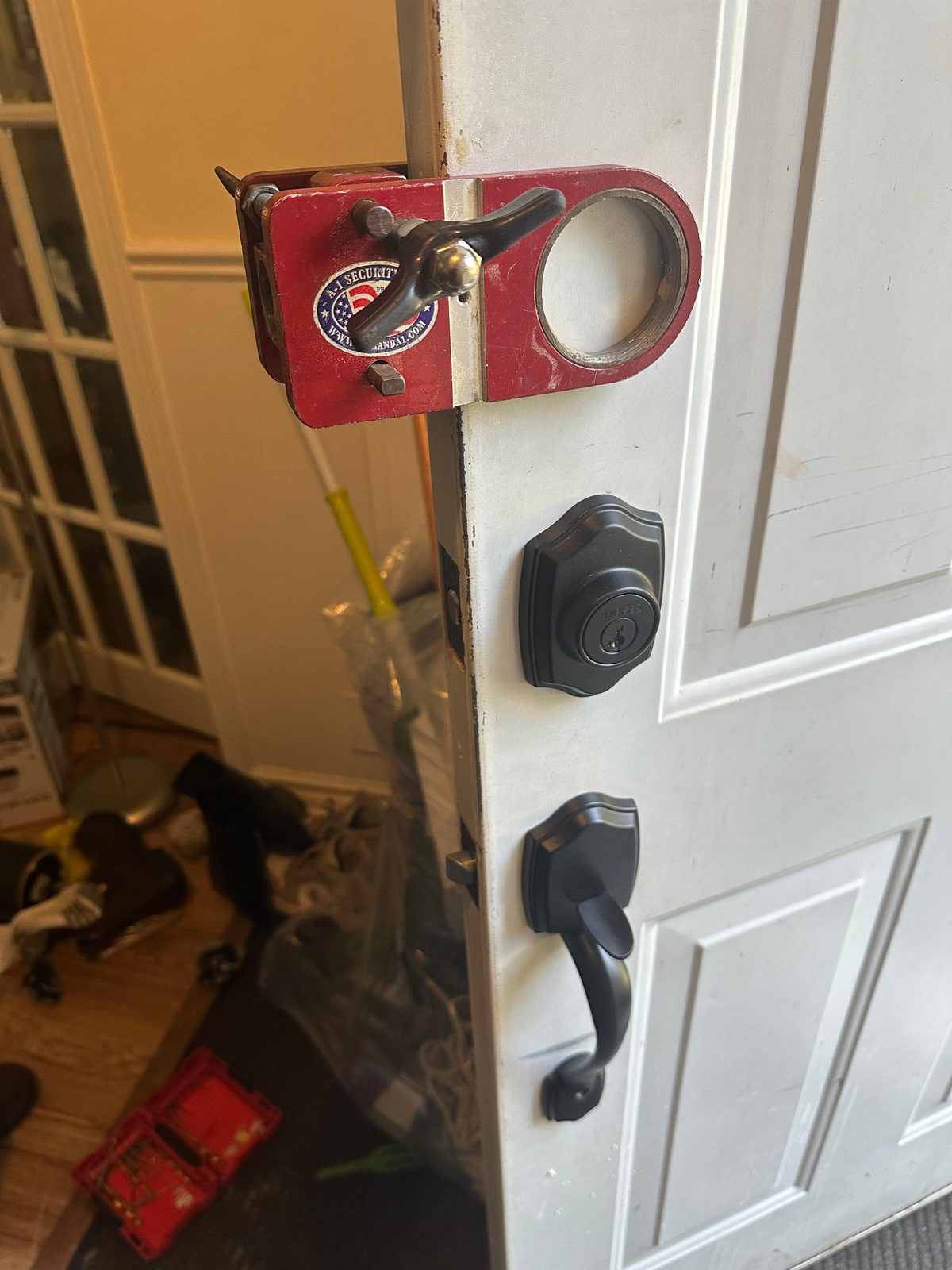
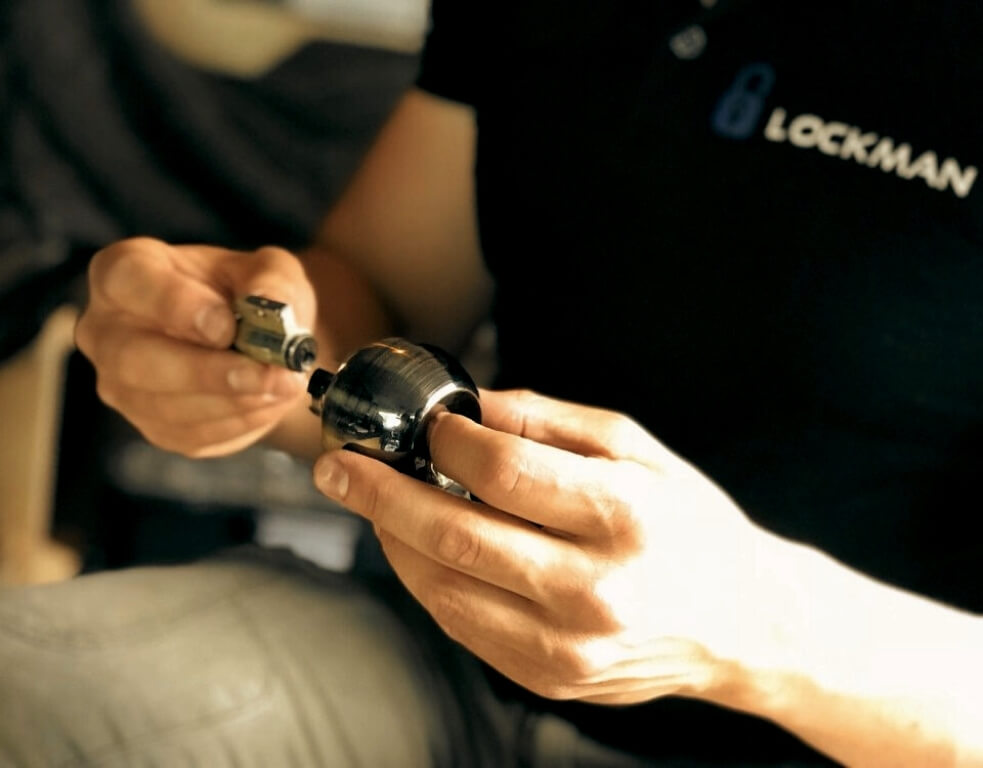
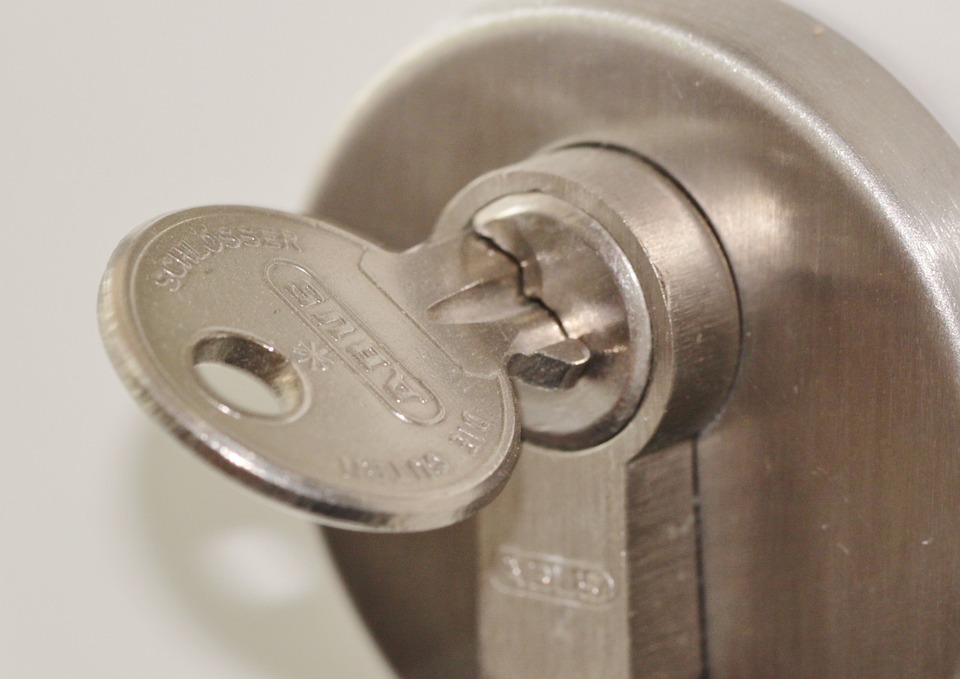
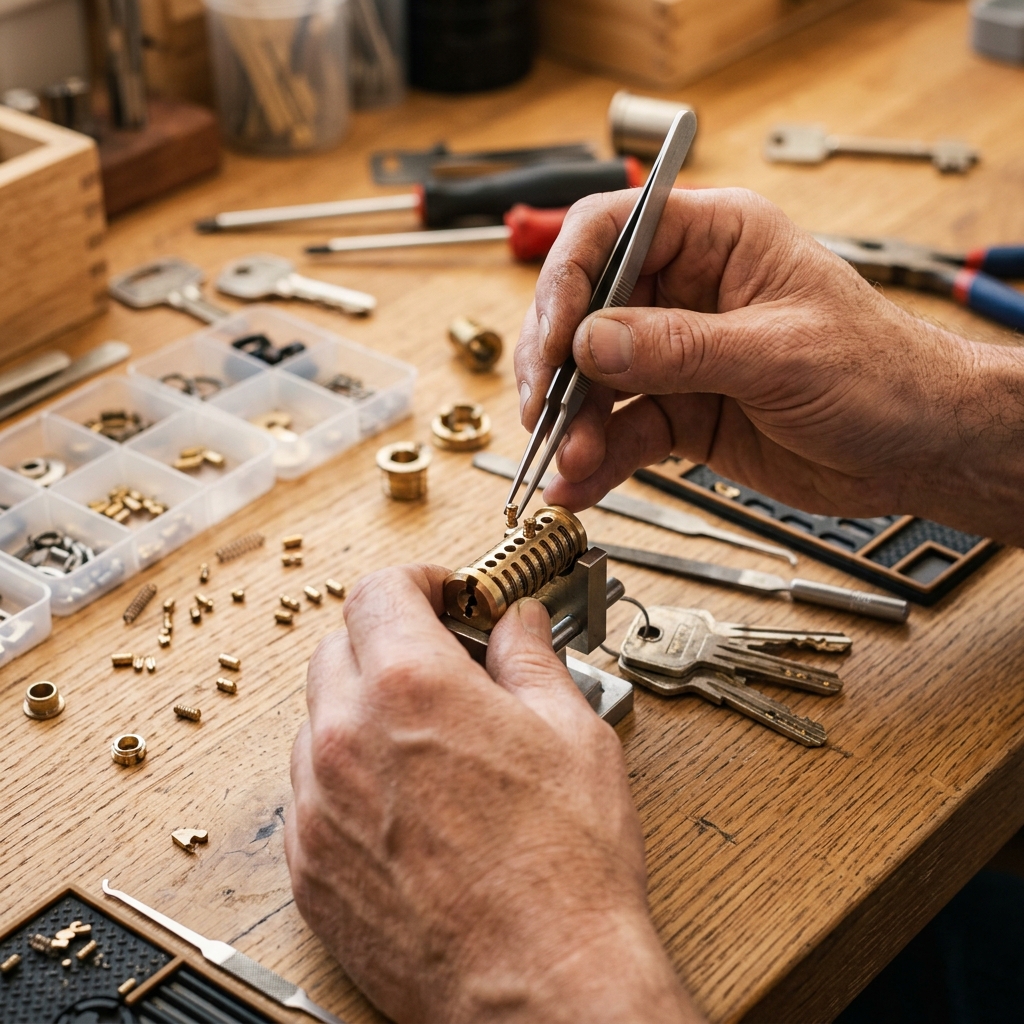
Photographs from GTA Lockman Mobile Locksmith Services work across Toronto and the GTA. Send a picture of your own door and we can tell you what the visit would involve.
If the person comes through an agency, ask how the agency handles keys and codes, whether staff change between visits, and who is responsible if a key is lost. Agencies often send different people, which is a good reason to prefer a code that can be changed over a key that circulates.
Set expectations in writing: which door to use, whether to lock the deadbolt on leaving, what to do if the alarm sounds, and who to call if a lock fails. Give the alarm instructions separately from the key, and never write the alarm code on the key tag.
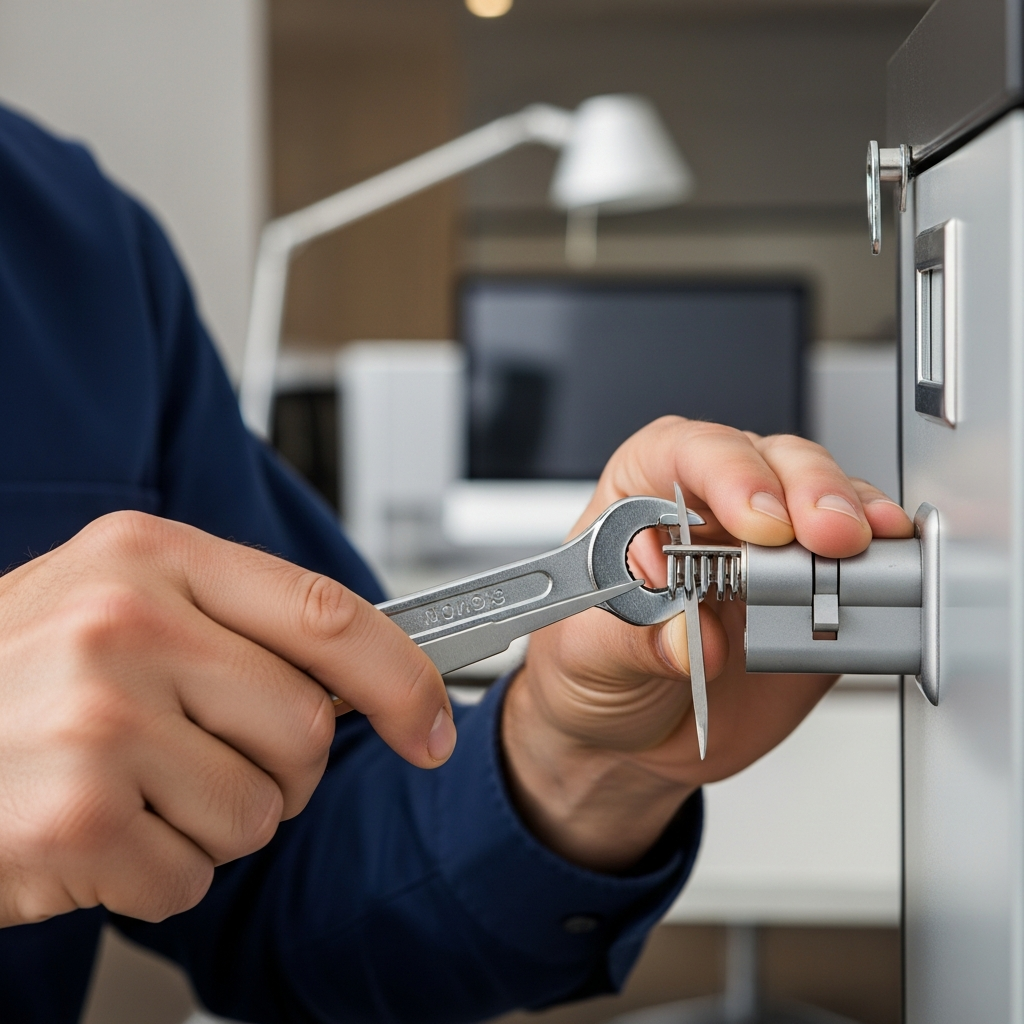
For renovations and repairs, use a temporary code or a lockbox rather than handing over a house key, and remove access the day the work ends. It is also worth checking for lock problems after a renovation once the trades have gone.
If a contractor needs long-term access to one area, such as a garage or a basement entrance, consider rekeying that door to a separate key rather than giving access to the whole house.
Sometimes access needs to be removed at short notice: a dispute with a service, a relationship change, or a key you believe was copied. Rekeying is the direct mechanical answer, and it keeps the existing hardware. Remove codes and revoke app access at the same time, and check garage remotes.
Where the situation involves a household member, the access question and the legal question are separate, as with lock changes after separation, and lock work does not decide who is entitled to live somewhere.
Keep one page somewhere sensible: who holds which key or code, which doors it opens, when it was issued, and when it was removed. Review it twice a year, or whenever an arrangement changes.
That record is what turns household access from a vague worry into something you can check in two minutes. It also tells a locksmith exactly what needs to change if you ever need a rekey.
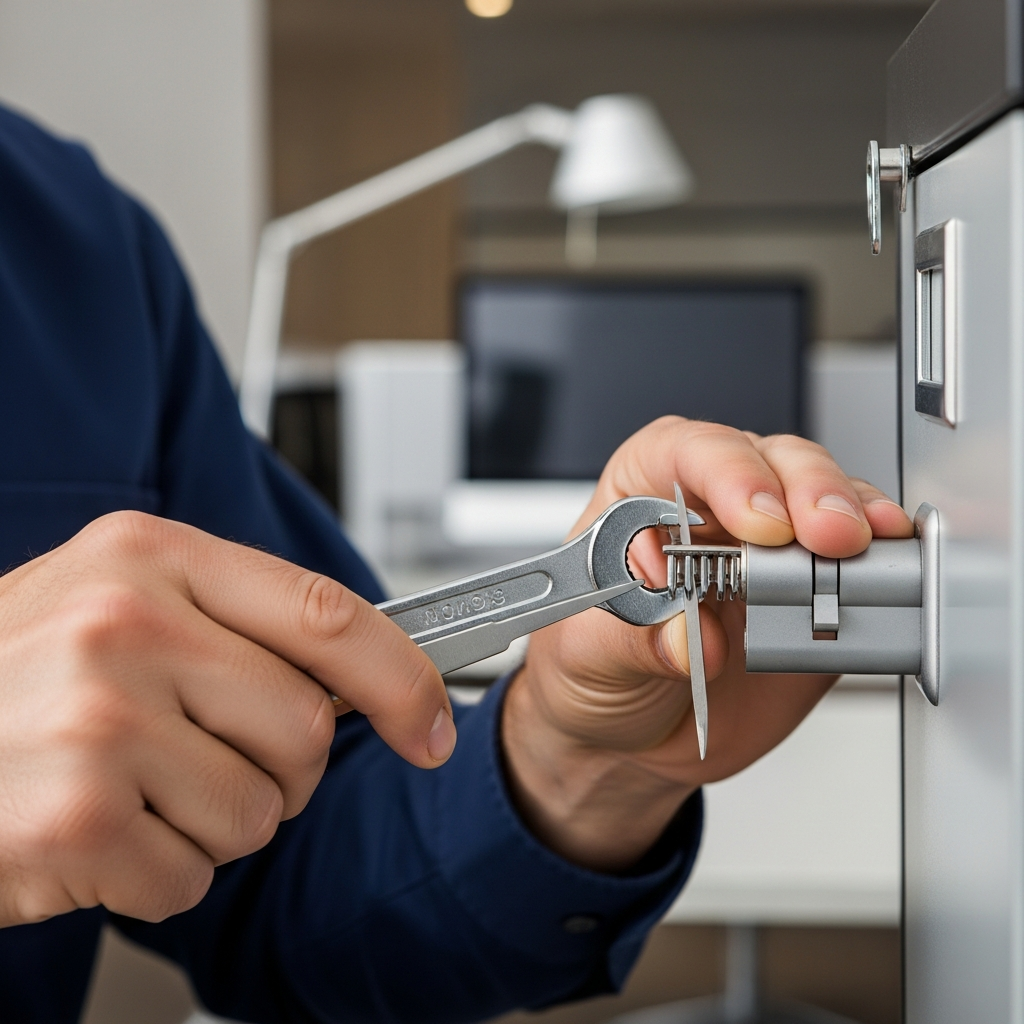
Households that host guests, whether family staying for a week or paying guests in a permitted short-term rental, face the same question in a compressed form. A code that works for the length of the stay and is removed afterwards is far easier to manage than a key that has to be collected. If you host regularly, avoid reusing the same code for every guest, because the pattern becomes obvious and codes get shared.
Check what your building or municipality permits before arranging short-term rentals, and remember that a condominium may have its own rules about suite door hardware and about who may hold a fob.
Households with teenagers often end up with the most keys in circulation, because friends, sports bags and part-time jobs all create copies and losses. Rather than replacing locks each time a key goes missing, decide on a routine: a spare left with a neighbour, a keypad code for the child that can be changed, and a rule about not labelling keys with an address. If a key is lost at school or a sports centre, treat it like any other lost key and decide whether the doors it opens need rekeying.
Finally, review the arrangement whenever life changes rather than only when something goes wrong. A new baby, a house move, a renovation, a change of cleaner or a child starting school all change who needs to come and go. Ten minutes spent updating the list and removing codes that are no longer used keeps household access something you decide deliberately rather than something that accumulates.
When you call, describe the doors, who needs access, and whether you want keys, codes or both. We can rekey locks, set up keyed-alike arrangements, fit keypad hardware where it suits the door, and explain what each option will and will not do.
Keep reading
A code is usually easier to manage. Each person can have their own, and you can remove it the day an arrangement ends without collecting anything or having an awkward conversation. Some devices also record which code was used. Keys still work well for long-standing arrangements, provided you keep a record of who holds them. If you use a keypad, keep a mechanical backup so the household can get in when batteries fail.
A code is usually easier to manage. Each person can have their own, and you can remove it the day an arrangement ends without collecting anything or having an awkward conversation. Some devices also record which code was used. Keys still work well for long-standing arrangements, provided you keep a record of who holds them. If you use a keypad, keep a mechanical backup so the household can get in when batteries fail.
Not usually. Give access only to the doors the person needs. Compatible cylinders can be rekeyed so that one key opens the side door but not the front, or so the family carries one key while a service key is limited. That keeps the arrangement convenient without handing over access to the whole property. The same applies to garage entry doors, which often lead directly into the house.
Ask for the key back and, if the arrangement used a code, remove it that day. If a key cannot be returned or accounted for, rekey the locks it opened. Rekeying keeps your existing hardware and changes which key operates it, so anything still in circulation stops working. Also check garage remotes and any lockbox code that was shared, since those are separate from the door key.
A lockbox is better than hiding a key under a mat or in a planter, because common hiding places are well known. Treat the code as a credential: change it when someone no longer needs access, avoid sharing it in group messages, and mount the box out of direct view from the street. Do not label it with the address. If a service used a lockbox during a one-off job, remove the box when the job ends.
That is a strong argument for a keypad code rather than a key, since a code can be changed between visits if you wish and does not circulate. Ask the company how it handles keys and codes, whether staff change between visits, and who is responsible if a key is lost. Put the practical instructions in writing: which door to use, whether to lock the deadbolt on leaving, and what to do if the alarm sounds.
Some smart and keypad locks keep a record of which code was used, which is useful when several people have access. The detail varies by product, and app features can depend on a connection or an account. Treat any record as a convenience rather than proof, and check what your model actually stores. If this matters to you, mention it when choosing hardware so the model suits the way you want to manage access.
Keep it separate from the key or door code, and never write it on a key tag or the lockbox. Give alarm instructions directly to the person who needs them, and change the code when an arrangement ends. If the alarm is monitored, tell the monitoring company who is expected to be at the property and when, so a routine visit does not become a false alarm response.
As few as practical: the household members who need them, one spare kept securely, and any service key that is genuinely required. Every extra copy is another one to track. Record who holds each key and review the list twice a year or whenever an arrangement changes. If the list no longer matches reality, rekeying is a straightforward way to start again from a known position.
GTA Lockman Mobile Locksmith Services is a mobile locksmith working on homes, businesses and vehicles across Toronto and the GTA, with more than 14 years in the trade. Every review is written by a customer on Google, where you can read them in full.
Areas served: Toronto, North York, Scarborough, Etobicoke, Vaughan, Richmond Hill, Markham, Stouffville, Newmarket, Mississauga, Brampton, Oakville, Milton, Halton Hills, Pickering, Ajax, Whitby, Oshawa, Uxbridge.
Describe the door, hardware and service address. Contact GTA Lockman Mobile Locksmith Services to confirm the scope and scheduling for your location.