Locksmith services are always 10% off for seniors.
Open Mon–Thu 8:30 AM–9 PM, Fri 8:30 AM–4 PM, Sun 9:30 AM–9 PM
Locksmith services are always 10% off for seniors.
Open Mon–Thu 8:30 AM–9 PM, Fri 8:30 AM–4 PM, Sun 9:30 AM–9 PM
GTA Lockman Mobile Locksmith Services · Toronto & GTA
Decide how many keys a household needs, where the spare belongs and when a key should be replaced.
Related services
Decide who can enter your home, use codes or keys that can be withdrawn, and keep a record you can check.
Learn moreReduce the keys you carry where cylinders and access requirements allow a suitable keyed-alike arrangement.
Learn moreReview every door the missing keys operated, then rekey or replace the locks that no longer control access.
Learn moreKeep suitable hardware while changing which keys operate your new home’s locks.
Learn moreRekeying answers who holds a key; replacement answers whether the hardware suits the door. Compare both.
Learn moreRepairs, rekeying and replacement hardware for homes, condos and apartments, with attention to the whole door.
Learn more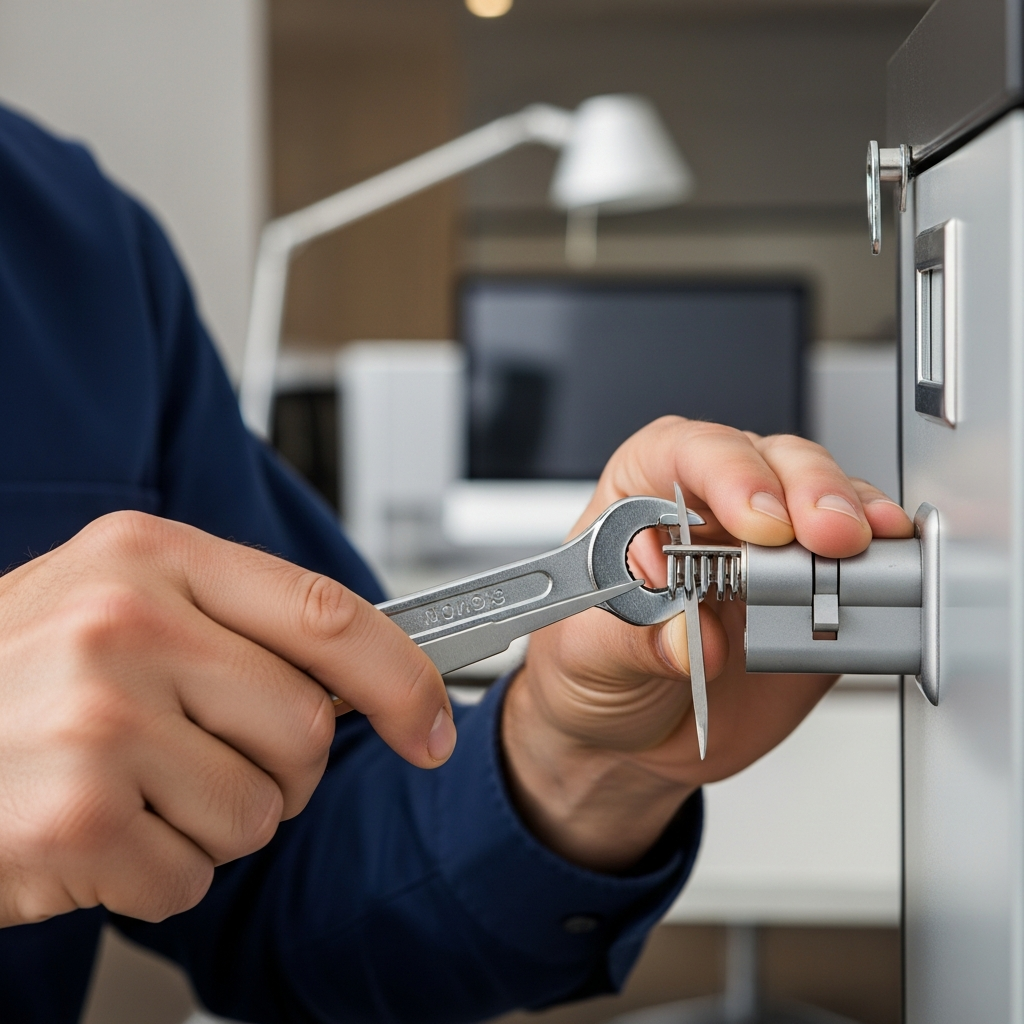
Most homes have more keys than people. Keys accumulate: a set each for the adults, one for a teenager, a spare in a drawer, one from the previous owner, one a neighbour still holds, one from the summer a contractor was working. Very few households could say exactly how many exist.
That matters because every copy is a way into the house, and because the number tends to grow quietly. A sensible arrangement is simple: one working key per person who needs one, one spare you can reach if a key is lost, and nothing else in circulation that you cannot account for.
Spare keys raise four practical questions: how many to keep, where to keep them, what each duplicate costs in wear and security, and when a key should be replaced rather than copied.
Not outside. Hiding places under a mat, in a planter, above the door frame or in a fake rock are well known, and anyone looking for a key checks them first. A key hidden outside is a key available to whoever finds it, at any hour, with no record.
Better options are a neighbour or family member you know well, a key kept at your workplace, or a lockbox mounted out of direct view with a code you change when someone no longer needs it. People who come regularly are better served by codes or a managed key, as with keys for cleaners, nannies and dog walkers.
Whatever you choose, tell the household where the spare is and keep the arrangement current. A spare nobody can find is not a spare.
A key copied from a copy loses accuracy each time. The cuts get shallower, the edges round off, and eventually the key turns stiffly, sticks, or stops working while the lock is still fine. Worse, a worn key puts strain on the cylinder every time it is used, which shortens the lock's life and is a common cause of a key snapping.
Where possible, cut new keys from an original, or have them cut to the lock's specification rather than copied from a used key. If every key you own is worn, it is often better to rekey the cylinder and start with a fresh set; see rekey or replace.
Signs a key should be replaced rather than copied: it needs wiggling, it works in one door but not another that shares the key, or its cuts look visibly rounded next to a newer key.
A key stamped "do not duplicate" is a request, not a barrier. Many cutting services will copy it anyway, and the stamp gives no technical protection.
If controlling copies matters, that is what restricted keyways are for. The blanks are supplied only through an authorized channel, so copies require the owner's authorization. This suits landlords, businesses and households that have lost track of how many keys exist. It normally means new cylinders rather than rekeying; see residential high-security lock upgrades and lock grades explained.
Households that carry a separate key for the front, side, garage and shed usually end up carrying only one of them. Compatible cylinders can be rekeyed to a single key, which makes the spare arrangement simpler and means every door actually gets locked.
The trade-off is that one lost key affects every door. That is a reasonable trade for most homes, and it is why knowing where your spares are matters. Some locks can be brought onto one key and some need a replacement cylinder, which decides whether one key for every door is possible.
Photos
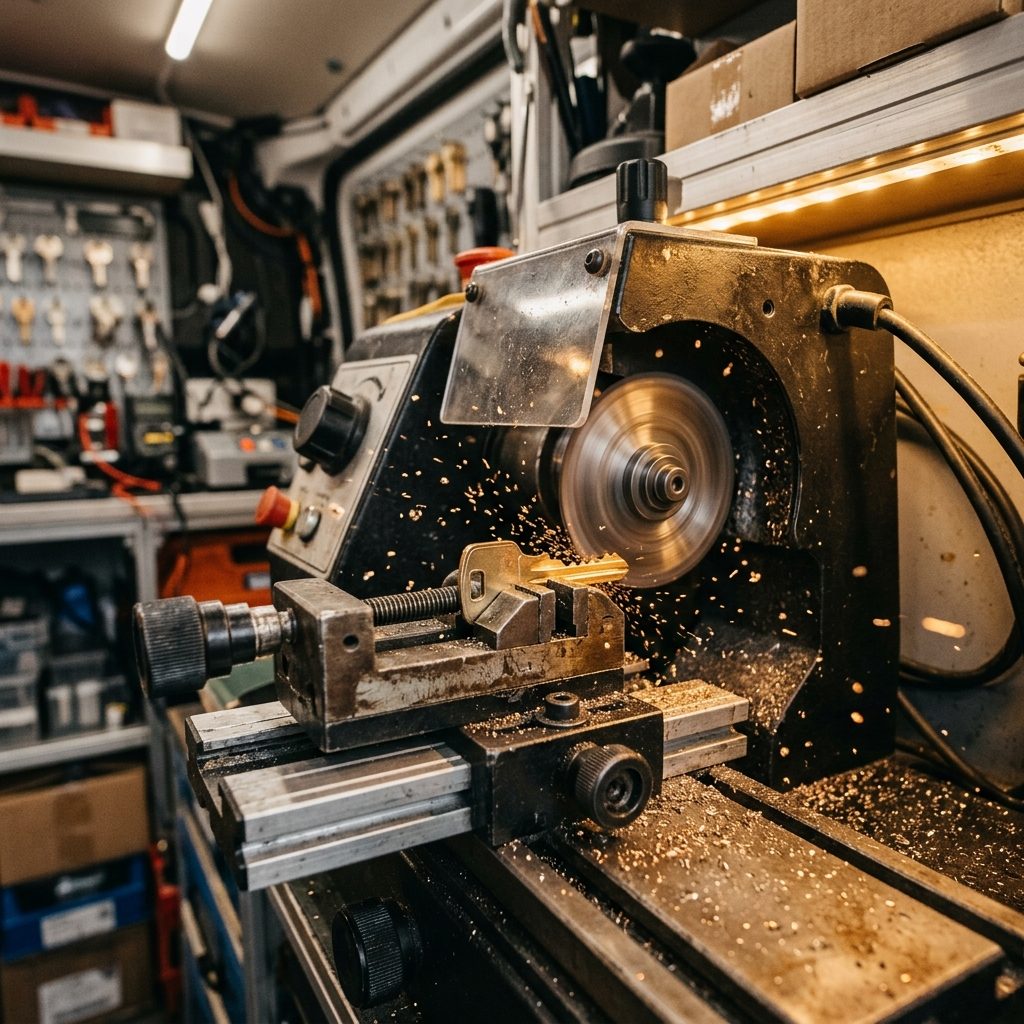
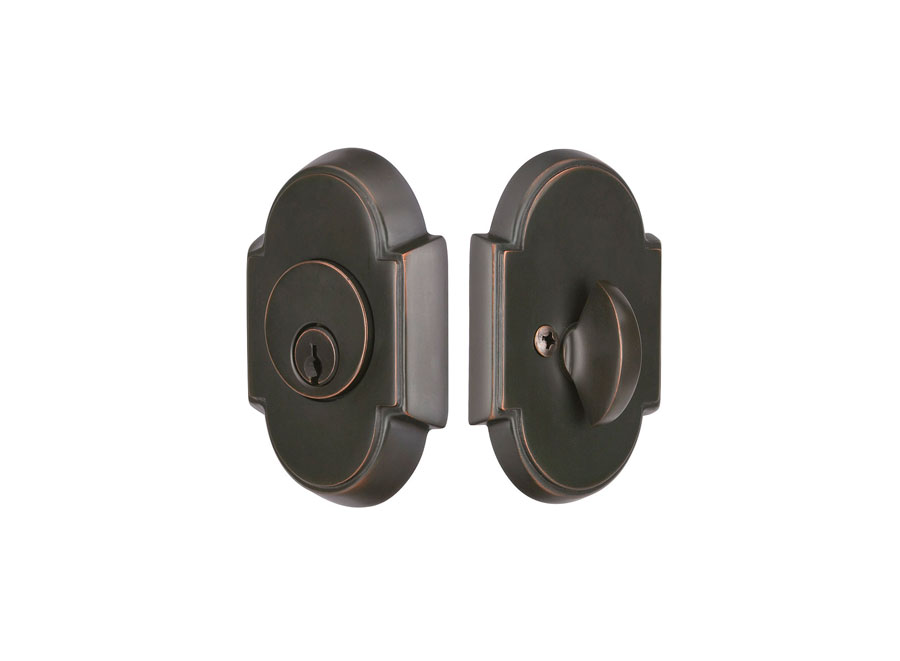
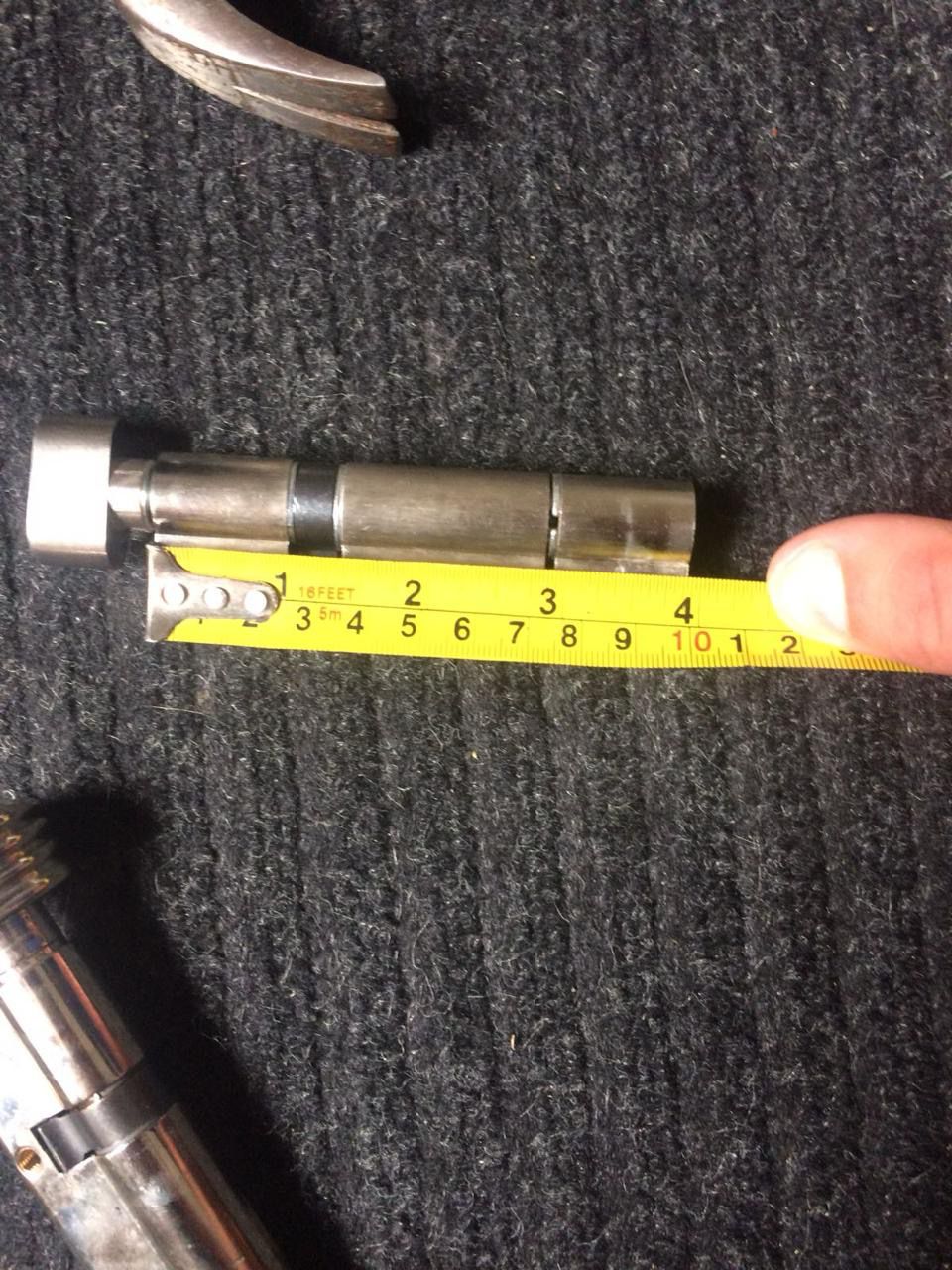
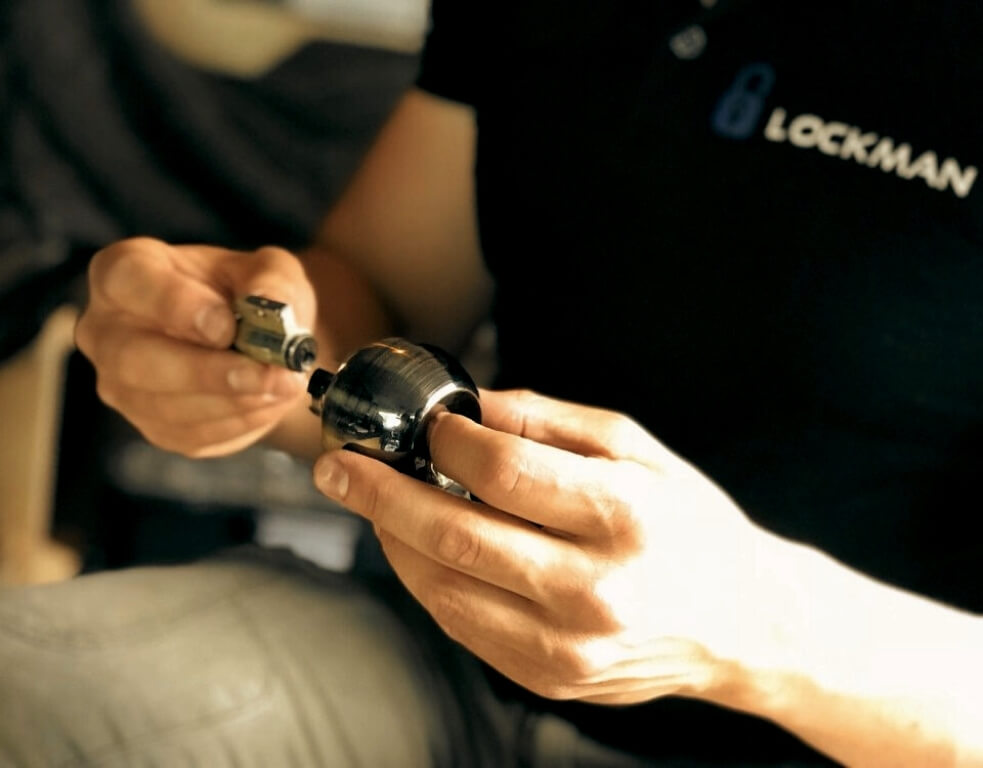
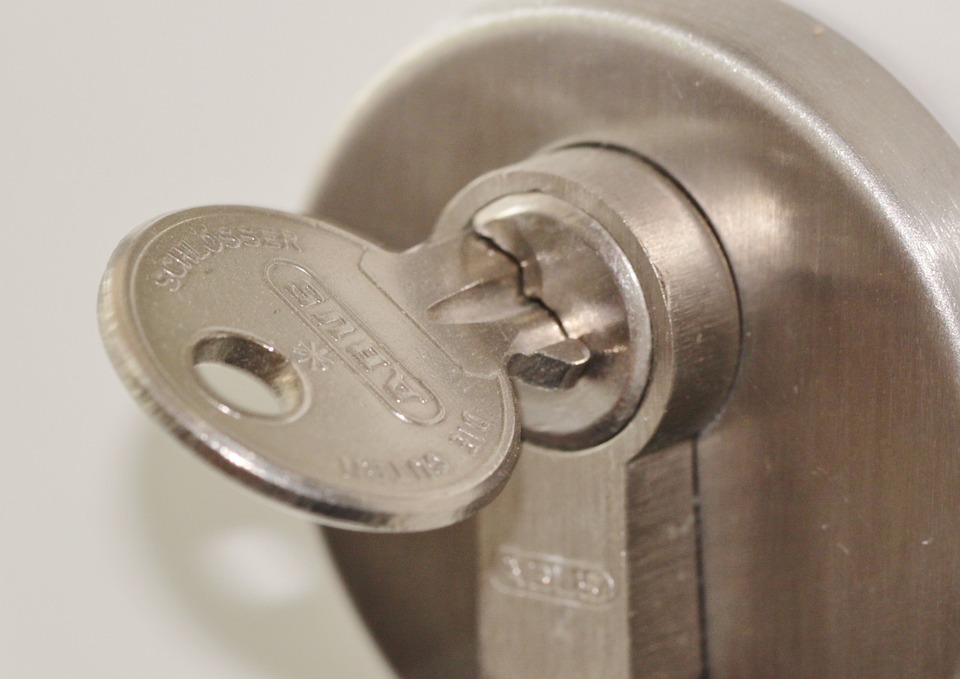
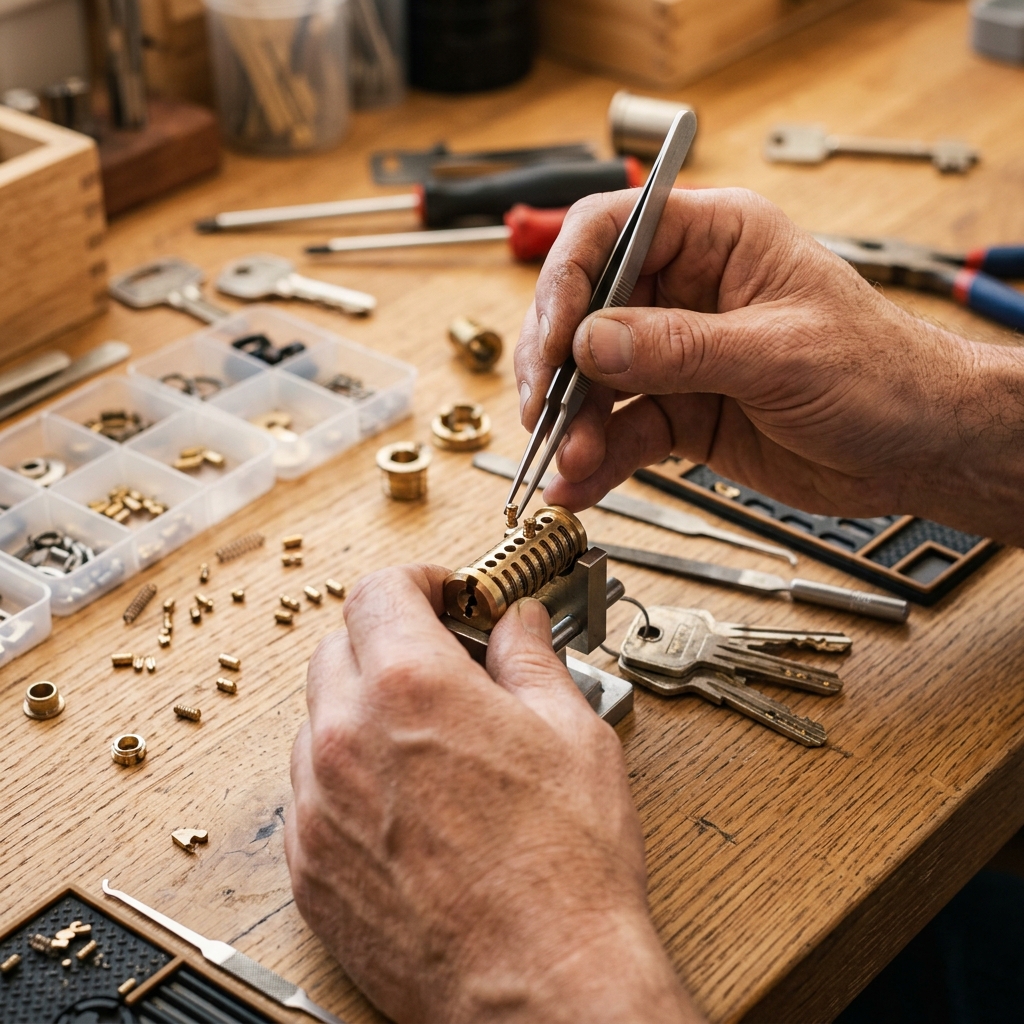
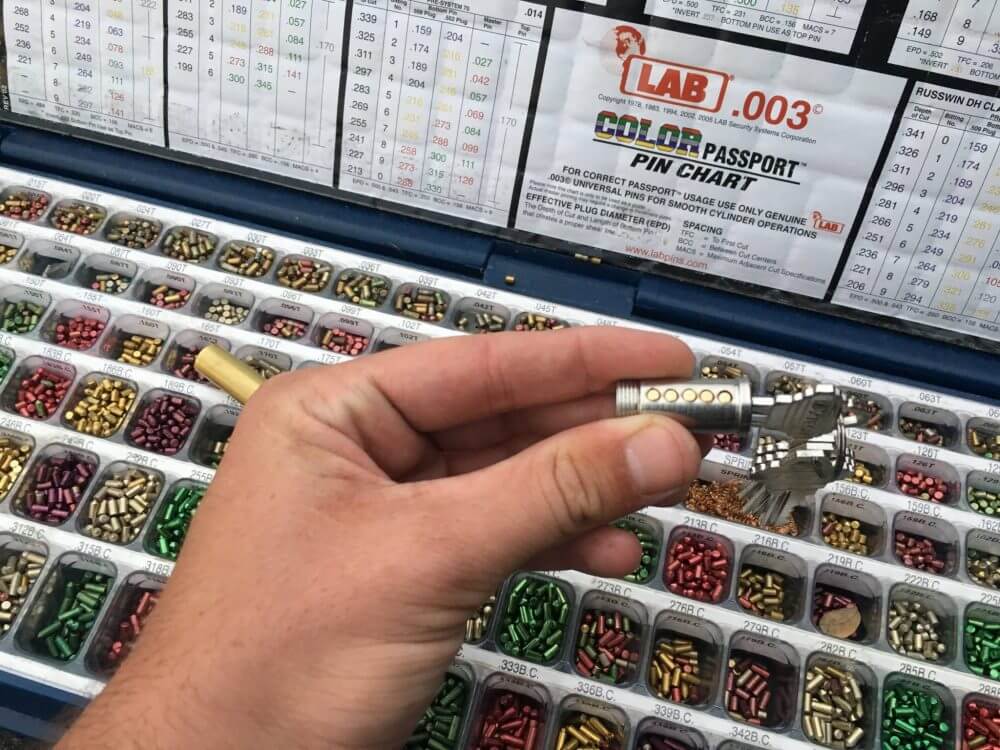
Photographs from GTA Lockman Mobile Locksmith Services work across Toronto and the GTA. Send a picture of your own door and we can tell you what the visit would involve.
Count what is unaccounted for, and where it was lost. A key lost at a park with nothing identifying the address is a different situation from a key lost with a wallet showing where you live. If the key can be connected to the address, rekeying is the sensible response; see lock changes after lost keys.
Do not photograph your keys or post pictures of them. Key cuts can be read from a clear photograph, and a picture with the address visible in the background is worse.
Teenagers and children who let themselves in are a common reason for extra copies. A key on a school bag is easy to lose, and it usually goes missing with something that identifies the household.
A keypad code avoids the problem and can be changed, which is often simpler than replacing a key every term. If a child carries a key, do not label it with the address or the family name, and agree what to do if it goes missing.
In rentals, the number of keys and who holds them should be recorded at the start of the tenancy and checked at the end. Tenants should not be left without a working key, and landlords should not hold more copies than the lease and tenancy rules support.
For shared houses, agree who may cut additional keys and what happens when someone moves out. The handover itself is part of lock repair after a tenant moves out.
Write down, once, how many keys exist for each door, who holds them, and where the spare is. Review it when someone moves in or out, when a key is lost, and after any period when trades had access.
It takes ten minutes and turns a vague worry into something you can check. It also tells a technician exactly what needs to change if you ever ask for a rekey.
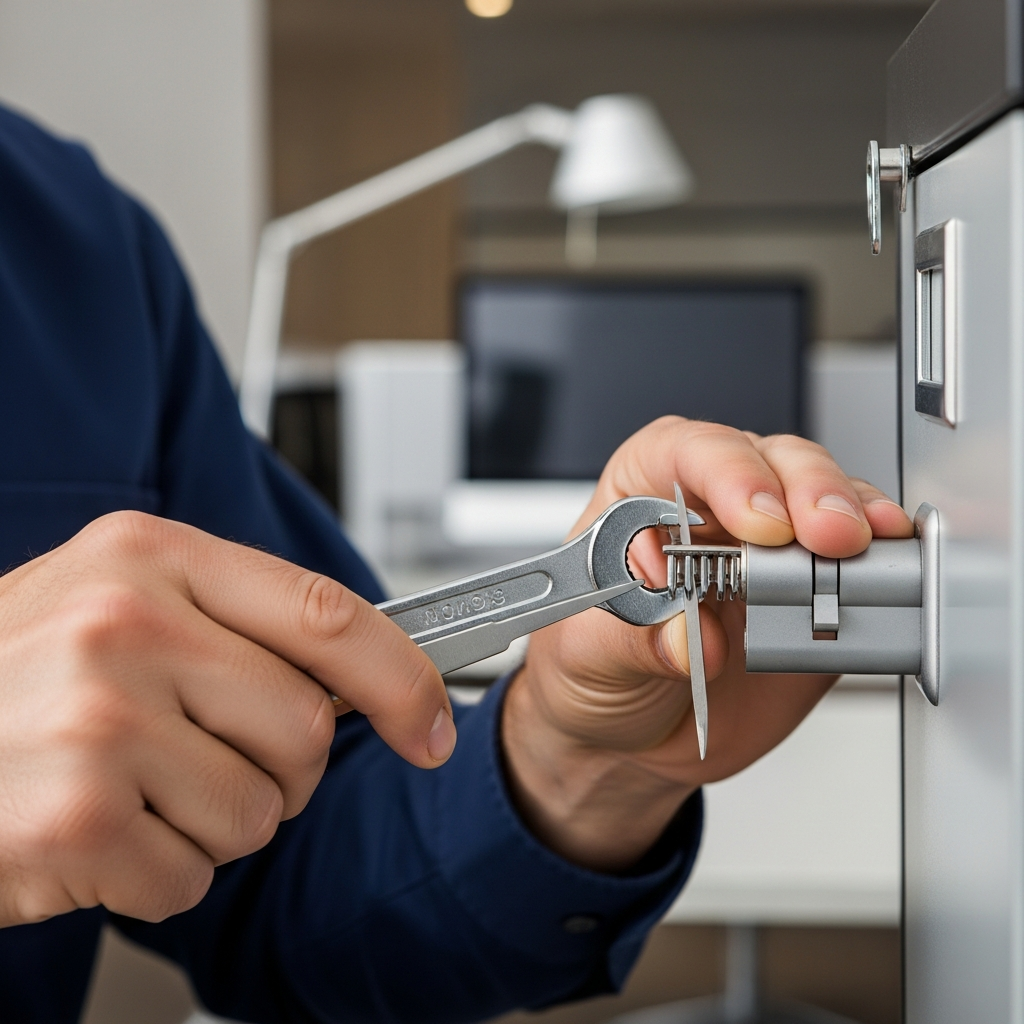
We cut keys for most common residential and commercial locks, cut to specification where the lock allows, rekey compatible cylinders to a new or shared key, supply restricted keyways where copy control is wanted, and advise which of your existing locks can join a single-key arrangement.
We do not copy restricted keys without the authorization the system requires, and we will tell you when a key is too worn to copy usefully.
Self-service key machines and mail-order duplication services are now common, and they vary widely. The convenience is real, and so is the quality problem: a machine that copies the key you feed it will faithfully copy its wear as well, and an online service works from a photograph or a code you supply.
If you use one, keep the original as the master and check the new key in the lock before you need it. Test it from outside, with the door closed, rather than assuming it works because it fits. A key that turns on a bench but binds in a cold exterior lock is a key that will let you down on a January evening. If a service keeps a record of your key code so future copies can be ordered, ask how that record is stored and who can request a key against it, because a code held on file is itself a form of access to your home.
Where copies must stay under control, restricted keys use a registered keyway that ordinary key-cutting counters cannot duplicate.
When you call, say how many doors and keys are involved, whether you want one key for several doors, and whether any key is missing. If a spare cannot be accounted for, a lock change or rekey resets the count, and other household key work comes under our residential locksmith services.
Keep reading
As few as you can manage: one working key for each person who needs one, plus one spare you can actually reach if a key is lost. Every extra copy is another way into the house and another thing to track. If you cannot say how many keys exist for your doors, that is the real problem rather than the number itself, and rekeying is a straightforward way to start again from a known position.
As few as you can manage: one working key for each person who needs one, plus one spare you can actually reach if a key is lost. Every extra copy is another way into the house and another thing to track. If you cannot say how many keys exist for your doors, that is the real problem rather than the number itself, and rekeying is a straightforward way to start again from a known position.
Not outside. Mats, planters, door frames and fake rocks are the first places anyone looks. Better options are a neighbour or family member you know well, a key at your workplace, or a lockbox mounted out of direct view with a code you change when someone no longer needs access. Make sure the household knows where it is, because a spare nobody can find serves no purpose.
It was probably cut from an already worn key. Each copy of a copy loses a little accuracy, and eventually the key sticks or stops working even though the lock is fine. Ask for keys to be cut from an original, or cut to the lock's specification rather than duplicated from a used key. If all your keys are worn, rekeying the cylinder and starting with a fresh set is usually better value than more copies.
No. It is a request, not a technical barrier, and many cutting services will copy the key anyway. If controlling copies genuinely matters, a restricted keyway is the mechanism: the blanks come only through an authorized channel, so copies need the owner's authorization. That normally means changing cylinders rather than rekeying, and it suits landlords, businesses and households that have lost track of keys.
Usually yes, if the cylinders are compatible or can be converted. It means one key for front, side, garage and shed, which makes spares simpler and means every door actually gets locked. The trade-off is that one lost key affects every door. For most households that is a reasonable exchange, provided you know where your spares are and act if a key goes missing.
A keypad code is often simpler than replacing keys each term, and it can be changed if it is shared or forgotten. If a child does carry a key, do not label it with your address or family name, and agree in advance what to do if it disappears. When a key is lost with a school bag or a phone case that identifies where you live, treat it as a key that can be connected to the address.
No. Key cuts can be read from a clear photograph, and pictures shared in messages or posted online are outside your control. If a service asks for a photo of the key, ask how it is stored and deleted. The same caution applies to photographs of your door and hardware if your address is visible. Bring the key in person, or have it cut on site.
When you cannot account for the keys that exist, when a key has been lost in circumstances that connect it to the address, when tenants, staff or contractors have changed, or when every key you hold is worn. Rekeying keeps your existing hardware, changes which key works, and can bring compatible doors onto one key at the same time. Copying is for adding a key to an arrangement you already trust.
GTA Lockman Mobile Locksmith Services is a mobile locksmith working on homes, businesses and vehicles across Toronto and the GTA, with more than 14 years in the trade. Every review is written by a customer on Google, where you can read them in full.
Areas served: Toronto, North York, Scarborough, Etobicoke, Vaughan, Richmond Hill, Markham, Stouffville, Newmarket, Mississauga, Brampton, Oakville, Milton, Halton Hills, Pickering, Ajax, Whitby, Oshawa, Uxbridge.
Describe the door, hardware and service address. Contact GTA Lockman Mobile Locksmith Services to confirm the scope and scheduling for your location.