Locksmith services are always 10% off for seniors.
Open Mon–Thu 8:30 AM–9 PM, Fri 8:30 AM–4 PM, Sun 9:30 AM–9 PM
Locksmith services are always 10% off for seniors.
Open Mon–Thu 8:30 AM–9 PM, Fri 8:30 AM–4 PM, Sun 9:30 AM–9 PM
GTA Lockman Mobile Locksmith Services · Toronto & GTA
What Grade 1, 2 and 3 measure, what they leave out, and why the strike and frame often matter more.
Related services
Compare key-control features and compatible hardware upgrades while keeping the surrounding door in the assessment.
Learn moreChoose compatible front-door hardware with the right fit, operation and finish for the existing opening.
Learn moreRestore reliable locking on the doors people use most, and strengthen the frames that are easiest to force.
Learn moreSecure a forced door, repair damaged locks and frames, and document the work for your police report and insurer.
Learn moreReplace worn or unsuitable hardware with a lock that fits the door, its function and your access needs.
Learn moreDiagnose resistance, incomplete bolt travel and failed connections without assuming every deadbolt needs replacing.
Learn more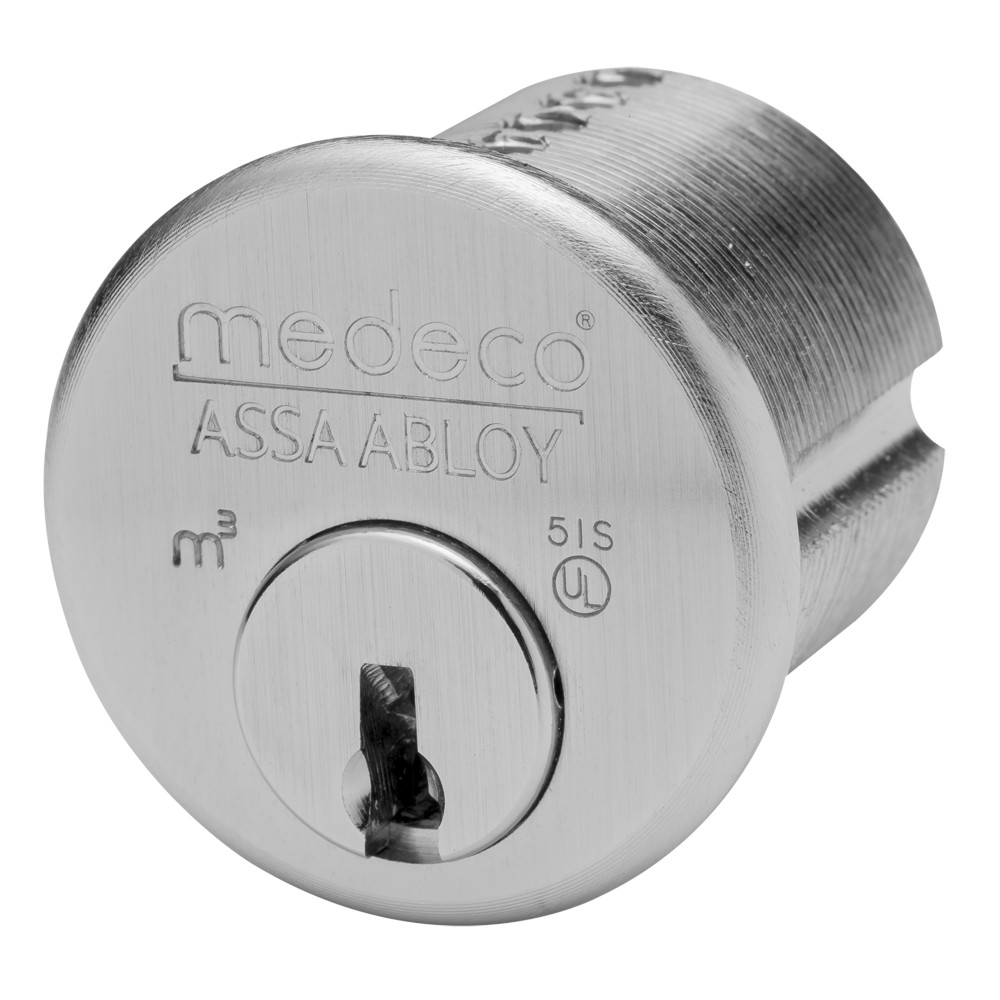
Lock grades in North America come from ANSI/BHMA standards, which test hardware in a laboratory and sort it into Grade 1, Grade 2 and Grade 3. The tests measure things like how many cycles a lock survives, how much force a bolt withstands, and how it stands up to impact and, for some products, finish wear.
Grade 1 is the heaviest duty, typically used in commercial buildings. Grade 2 sits in the middle and covers better residential and light commercial hardware. Grade 3 is basic residential hardware, the kind often supplied with a new house.
A grade describes tested performance of that lock. It does not describe the door, the frame, the strike or the installation, and those decide how the opening actually performs.
Grade 3 hardware is adequate for interior doors and low-risk applications. On an exterior door, it is the minimum rather than a considered choice, and it wears reliable on doors used many times a day.
Grade 2 suits most homes. It holds up to family use over many years, and it is a sensible level for a front, side or garage entry door. Many keypad and smart deadbolts sold for homes sit at this level.
Grade 1 suits commercial entrances, rear service doors, multi-unit buildings and any door used heavily. It costs more and is usually larger, so it needs a door prepared to take it. Grade 1 hardware of this kind is usually fitted through our commercial locksmith services.
A grade does not tell you how a cylinder resists picking, drilling or key copying. That is a separate question, covered by other standards and by the design of the cylinder itself. A Grade 1 deadbolt with an ordinary cylinder can still be opened by someone who can copy your key.
If controlling key copies matters, a restricted keyway is the relevant feature rather than the grade. Restricted keyways are among the residential high-security lock upgrades available for homes.
Grades also say nothing about the door. A Grade 1 deadbolt fitted to a hollow door in a split frame will fail at the frame long before the lock is tested.
Most forced entries in homes defeat the frame, not the lock. The strike plate is often held by short screws into thin trim, which splits under a kick. Replacing it with a reinforced strike fixed by long screws into the wall framing costs little and makes a large difference.
Hinges deserve the same treatment, and on outward-opening doors the hinge pins should not be exposed. Strike and frame reinforcement is a regular part of side and back door lock repair.
If you have a budget for one improvement on a typical GTA home, strike reinforcement usually buys more than moving from Grade 2 to Grade 1.
Manufacturers state the grade on the box or in the specification sheet, usually as "ANSI/BHMA Grade 2" with a certification reference. Terms like "heavy duty" or "maximum security" used on their own are marketing language rather than a tested grade.
Some products list separate grades for different characteristics, such as operational cycles and security. Check which is being quoted. For electronic locks, the mechanical part of the device is graded; battery life, connectivity and app behaviour are not part of that rating.
Heavier hardware needs a door and frame that can carry it. Grade 1 deadbolts have longer bolts and larger boxes, so the door preparation, the frame and sometimes the strike pocket must suit. On a hollow interior door or a light storm door, fitting heavy hardware achieves nothing.
Door thickness and backset also matter. A lock intended for a commercial door may not fit a standard residential door without modification. We check the preparation before recommending hardware, so the lock fits without unnecessary cutting.
Consider Grade 1 or the better Grade 2 hardware where a door is used constantly, where the property has had a break-in or attempt, on rear and side doors that are out of sight, and on rental properties where keys change hands often. Upgrades often follow lock repair after a break-in or rekeying after an employee leaves, when the weaknesses of the old hardware have become obvious.
Where a door is rarely used and well protected, a mid-grade lock in good condition and a solid strike are usually enough.
On a service visit, we look at the door, the frame, the strike, the hinges and how the opening is used, then explain what a hardware change would and would not achieve. Where alignment or a strike is the real issue, we say so rather than selling a higher grade that will not address it.
Where hardware is worn out or unsuitable, we explain the options at different levels so the choice is yours. Compatible residential options are chosen during front door lock replacement, and sometimes a key change is enough, which is the question behind rekey or replace.
Standing in front of a wall of hardware, a few checks separate the useful information from the packaging. Look for the stated ANSI/BHMA grade rather than adjectives. Check the bolt: a deadbolt should have a throw of about 25 mm, and a longer bolt reaching further into the frame is more useful than a heavier-looking body. Look at what the strike plate is made of and how long the supplied screws are, since many boxes include short screws that will not reach the framing.
Check the cylinder if key control matters to you, and check the finish if the hardware has to match existing doors. For electronic locks, look at the battery type, whether there is a mechanical override and how user codes are managed.
On a typical GTA home, a sensible order is: correct the alignment so doors latch properly, reinforce the strike and hinges with long screws into the framing, fit sound mid-grade hardware on every exterior door, and then consider cylinder upgrades if key copying is a concern. Spending the whole budget on one impressive front-door lock while the side door keeps a worn builder-grade knob set leaves the easiest route untouched.
It is also worth remembering that grades describe new hardware in a laboratory, not hardware after ten winters on an exposed door. A Grade 1 lock that has been left unserviced, salted every January and forced when it binds will perform worse than a well-maintained Grade 2 lock on a properly aligned door. Condition and installation shape real-world performance as much as the number on the box, which is why a maintenance check often tells you more about your doors than the specification sheet does. If you are unsure what you have, we can identify the hardware on each door and tell you what is worth upgrading and what is fine as it is.
When you call, describe the door, the current hardware and what prompted the question. Photographs of the lock, the door edge and the strike help.
Keep reading
They come from ANSI/BHMA standards, which test hardware in a laboratory and sort it by durability and strength. Grade 1 is the heaviest duty and is typically used in commercial buildings. Grade 2 is the middle level and suits most homes. Grade 3 is basic residential hardware, often what comes with a new house. The grade describes that lock's tested performance. It says nothing about the door, frame, strike or the quality of the installation.
They come from ANSI/BHMA standards, which test hardware in a laboratory and sort it by durability and strength. Grade 1 is the heaviest duty and is typically used in commercial buildings. Grade 2 is the middle level and suits most homes. Grade 3 is basic residential hardware, often what comes with a new house. The grade describes that lock's tested performance. It says nothing about the door, frame, strike or the quality of the installation.
Usually not. Grade 2 hardware is a sensible level for most house doors and stands up to years of family use. Grade 1 makes more sense on doors used constantly, on rear or side doors that are out of sight, in rental properties where keys change hands often, or where there has been a break-in. Grade 1 hardware is larger and needs a door prepared to take it, so the door has to suit the lock.
No. Grades measure durability and strength rather than resistance to picking, drilling or key copying. A Grade 1 deadbolt with an ordinary cylinder can still be opened by someone with a copy of your key. If controlling key copies or resisting manipulation matters to you, look at the cylinder itself and at restricted keyways, which limit who can cut a key. That is a separate decision from the grade.
For most homes, the frame. Forced entries commonly split the door frame where a short strike screw holds in thin trim, leaving the lock itself undamaged. A reinforced strike plate fixed with long screws into the wall framing, and solid hinge fixings, usually add more resistance than upgrading one grade. If you can only do one thing on a typical GTA home, strengthening the strike and hinges is often the better value.
The grade is normally printed on the packaging or in the manufacturer's specification sheet, and some locks have markings on the latch or bolt face. If neither is available, the brand and model usually identify it. Phrases such as "heavy duty" or "maximum security" on their own are marketing language rather than a tested grade. We can identify most common hardware on site and tell you what you have.
The mechanical part of an electronic lock can carry a grade, covering the bolt and latch performance. Battery life, connectivity, app behaviour and the electronics are not part of that rating. When comparing smart locks, look at the mechanical grade and separately at how the product handles power, backup entry and user management. Before buying, check how the lock is powered, what the backup entry is and how users are added and removed.
Not always. Grade 1 hardware often has a longer bolt and a larger body, so the door preparation, thickness, backset and strike pocket need to suit it. On a hollow interior door or a light storm door, it is the wrong product entirely. We check the door before recommending hardware so the lock fits without unnecessary cutting, and we say when a door needs work before it can carry heavier hardware.
It depends on why you are asking. If the lock is sound and the door is aligned, a grade change alone may add little, and strike reinforcement may serve you better. If the lock is worn, keys are stiff, the bolt no longer throws fully, or keys are unaccounted for, then replacing or rekeying has a clear purpose. We will explain what each option addresses so the spend matches the problem.
GTA Lockman Mobile Locksmith Services is a mobile locksmith working on homes, businesses and vehicles across Toronto and the GTA, with more than 14 years in the trade. Every review is written by a customer on Google, where you can read them in full.
Areas served: Toronto, North York, Scarborough, Etobicoke, Vaughan, Richmond Hill, Markham, Stouffville, Newmarket, Mississauga, Brampton, Oakville, Milton, Halton Hills, Pickering, Ajax, Whitby, Oshawa, Uxbridge.
Describe the door, hardware and service address. Contact GTA Lockman Mobile Locksmith Services to confirm the scope and scheduling for your location.