Locksmith services are always 10% off for seniors.
Open Mon–Thu 8:30 AM–9 PM, Fri 8:30 AM–4 PM, Sun 9:30 AM–9 PM
Locksmith services are always 10% off for seniors.
Open Mon–Thu 8:30 AM–9 PM, Fri 8:30 AM–4 PM, Sun 9:30 AM–9 PM
GTA Lockman Mobile Locksmith Services · Toronto & GTA
Diagnose resistance, incomplete bolt travel and failed connections without assuming every deadbolt needs replacing.
Related services
Find the reason a key sticks, a bolt binds or a latch fails before deciding what needs replacement.
Learn moreChoose compatible front-door hardware with the right fit, operation and finish for the existing opening.
Learn moreInvestigate why the door will not catch or release cleanly, including latch wear and frame alignment.
Learn moreWork through mechanical fit, power and supported controls when an electronic lock becomes unreliable.
Learn moreWhy a full one-inch throw matters, how to check it, and what stops a bolt deadlocking.
Learn moreStandard, accessible, lockable and removable thumbturns, and how each affects safety and security.
Learn more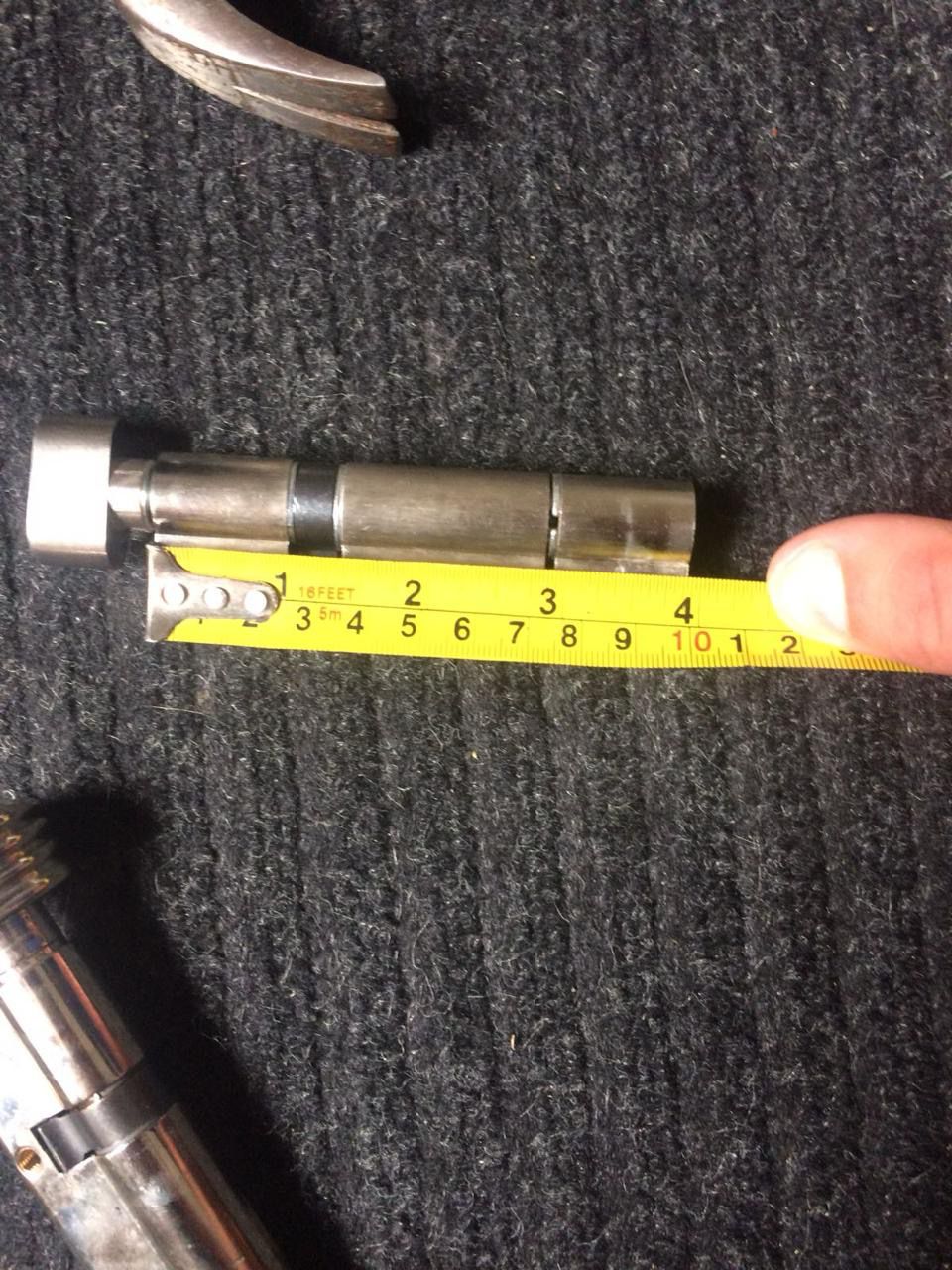
A deadbolt that stops partway or needs pressure on the door may be reacting to the frame rather than failing internally. Its bolt must travel into the strike opening without using the key or motor to move the door into position. When that path changes, a serviceable mechanism can feel stiff or unreliable.
Describe whether the key enters fully, whether the inside thumbturn behaves the same way and whether the problem occurs with the door open. These observations help separate cylinder, connection and alignment issues. Do not force a test that bends the key or risks trapping the bolt. The aim is to provide useful information without worsening the condition.
GTA Lockman Mobile Locksmith Services assesses the deadbolt as part of the complete opening. A recommendation may involve adjustment, servicing, a compatible component or replacement, depending on the condition found. Latch and handle faults often appear alongside a deadbolt complaint, and they are handled through general lock repair in the same visit.
If the bolt travels normally while the door is open but binds when closed, the relationship to the strike needs attention. Hinges, door movement, weather stripping or an incorrectly positioned opening can place pressure on the bolt. Replacing the key cylinder alone does not change that geometry.
If resistance occurs in both positions, the assessment may focus more closely on the cylinder, bolt assembly, tailpiece or fitting. That is not a diagnosis to make from one observation alone. A distorted installation can affect both tests, and several conditions can exist together. Explain the entire pattern rather than choosing a part in advance.
Frame-side hardware contributes as much to reliable operation as the lock does, which is why latch and strike repair so often solves a deadbolt problem. Avoid enlarging the opening simply because the bolt contacts an edge. An adjustment should address the cause of the mismatch and preserve the intended engagement of the locking components.
A worn, bent or damaged key can behave differently from a sound copy, but forcing it is not a useful way to establish the fault. Describe whether another authorized key has the same problem. Keep photographs of key cuts private; hardware identification generally needs the cylinder face and brand information rather than a public image of the key pattern.
The cylinder may require service or replacement depending on wear and damage. Rekeying changes which key operates a compatible cylinder, but it is not a repair for every mechanical defect. If the concern includes missing keys, identify that as a separate access-control goal so it is included in the proposed scope.
If a key turns without moving the bolt, a connecting component may need assessment. The visible cylinder can operate while motion is not being transferred correctly. The technician needs to identify the actual assembly before confirming parts. Similar-looking deadbolts may use different connections and cannot be assumed interchangeable.
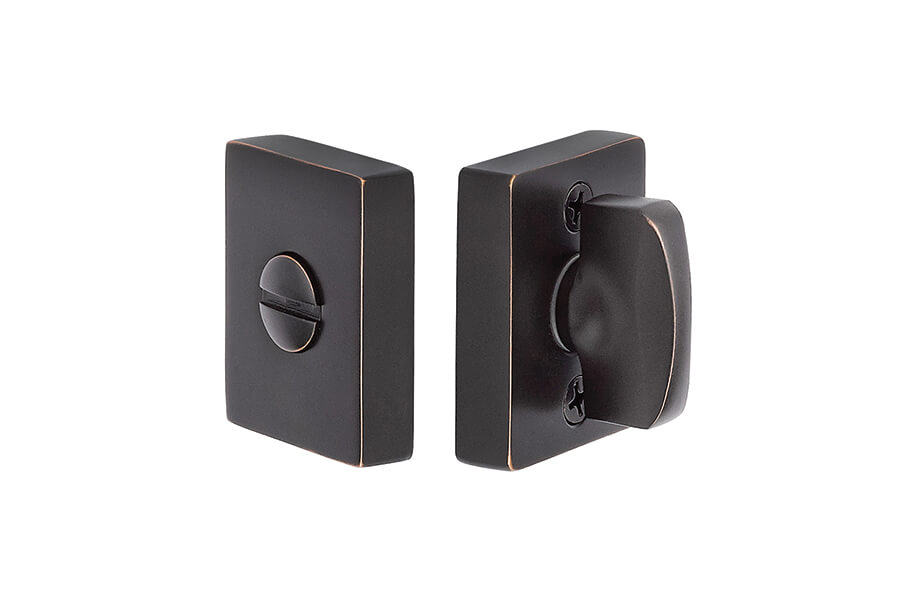
Inside and outside components need to be aligned and secured correctly. Loose mounting can allow movement, while excessive clamping or an incorrect connection can create resistance. Tightening every screw as much as possible is not a substitute for understanding the fitting requirements.
Explain whether the problem began after a door was painted, a lock was removed or trim was changed. Reassembly can alter component position even when the same product is reused. Photographs of the inside housing and door edge help establish what is fitted and whether additional preparation may be relevant.
If the mounting area is damaged, the repair may involve more than the lock. A replacement fastener or cylinder cannot restore unsound door material by itself. The recommendation should identify the condition of the opening and any work that belongs to a door or frame repair, with the limits of the lock service clearly stated.
Electronic deadbolts still rely on a mechanically clear path. A motor that stops, strains or reports a jam may be encountering resistance from alignment or fitting. Battery or control problems can also occur, but a warning message should not be treated as proof that the electronics alone are at fault.
Follow the exact product's battery and setup instructions. Do not repeatedly trigger a stalled motor or assume a reset will remove physical pressure at the strike. Our smart lock troubleshooting page separates mechanical operation, supported power and account-related issues for doors that remain accessible.
If the door is locked and no authorized entry method works, explain that before scheduling. Restoring entry is a different professional task from ordinary maintenance with the door open. The technician can discuss the assessment within the limits of the hardware, while manufacturer account or cloud-service issues may require separate support.
Photos
Photographs from GTA Lockman Mobile Locksmith Services work across Toronto and the GTA. Send a picture of your own door and we can tell you what the visit would involve.
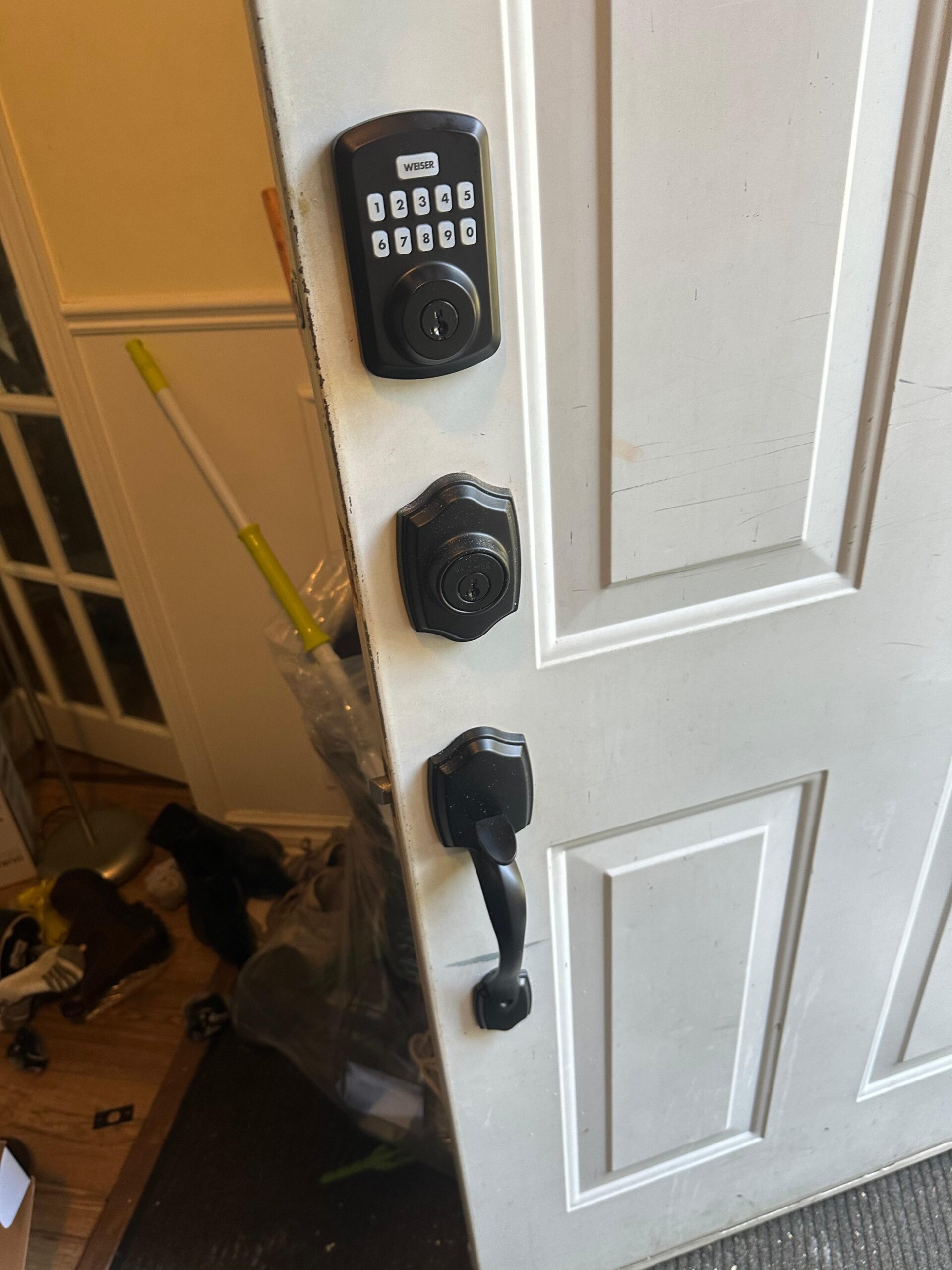
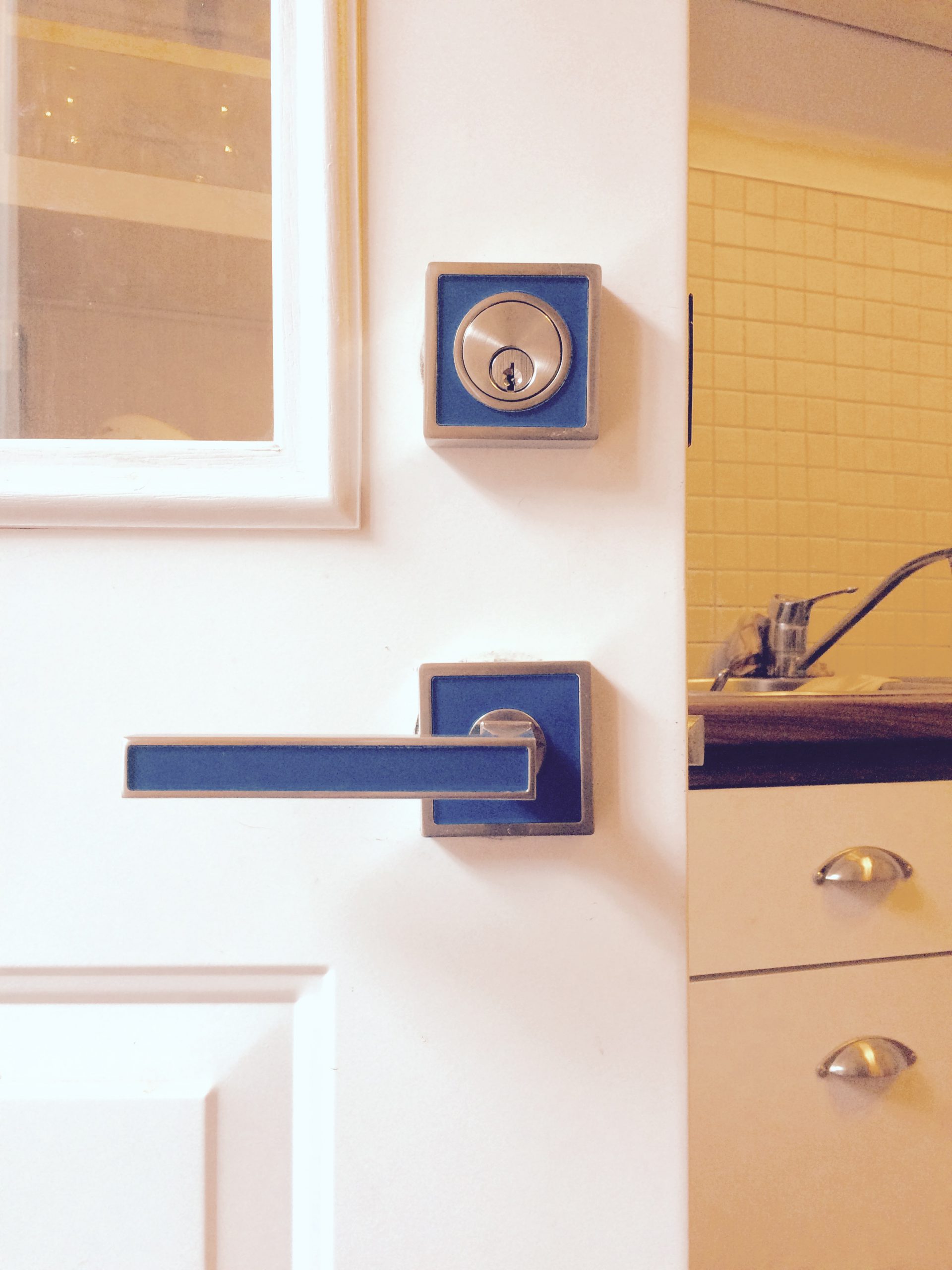
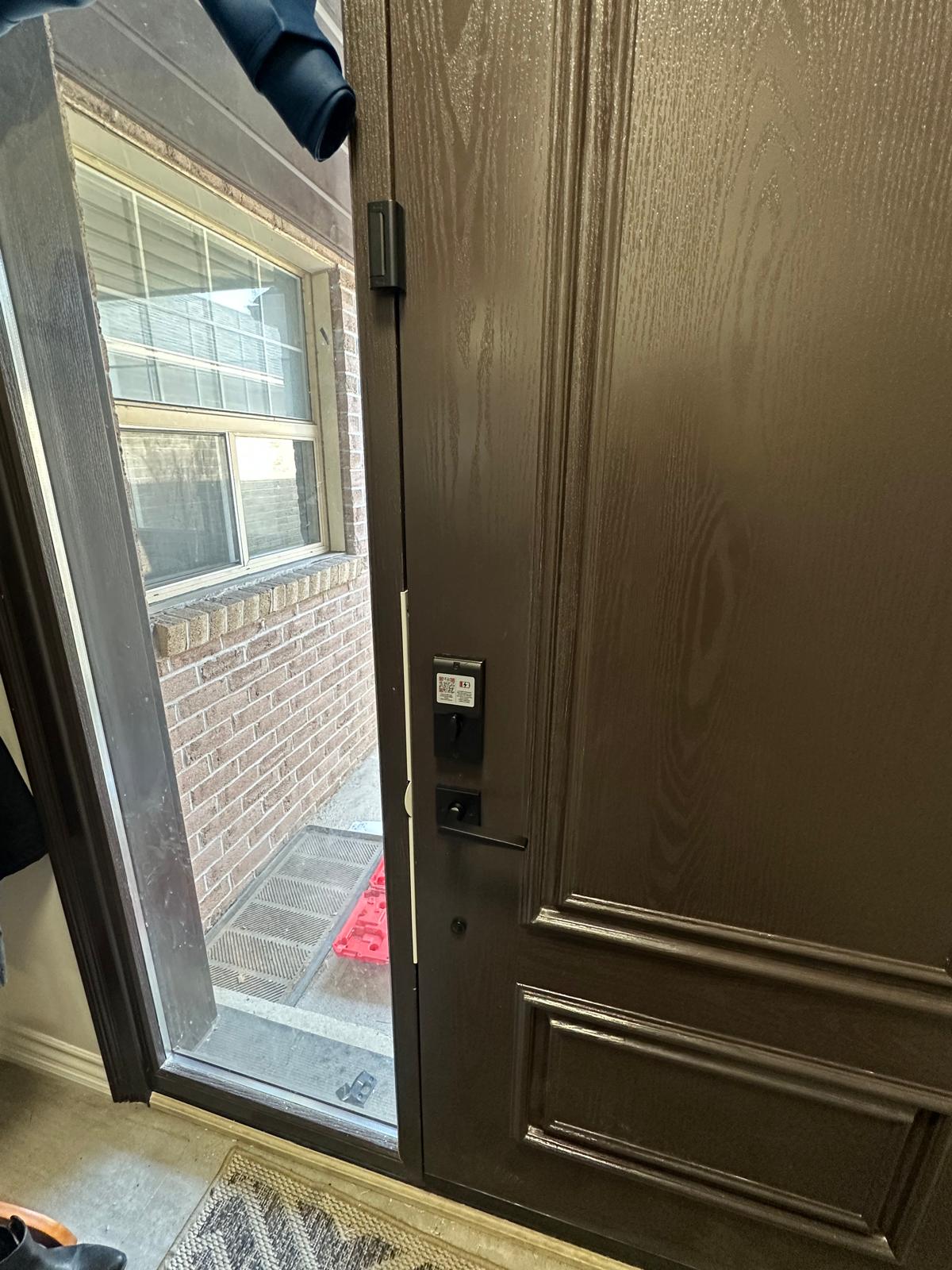
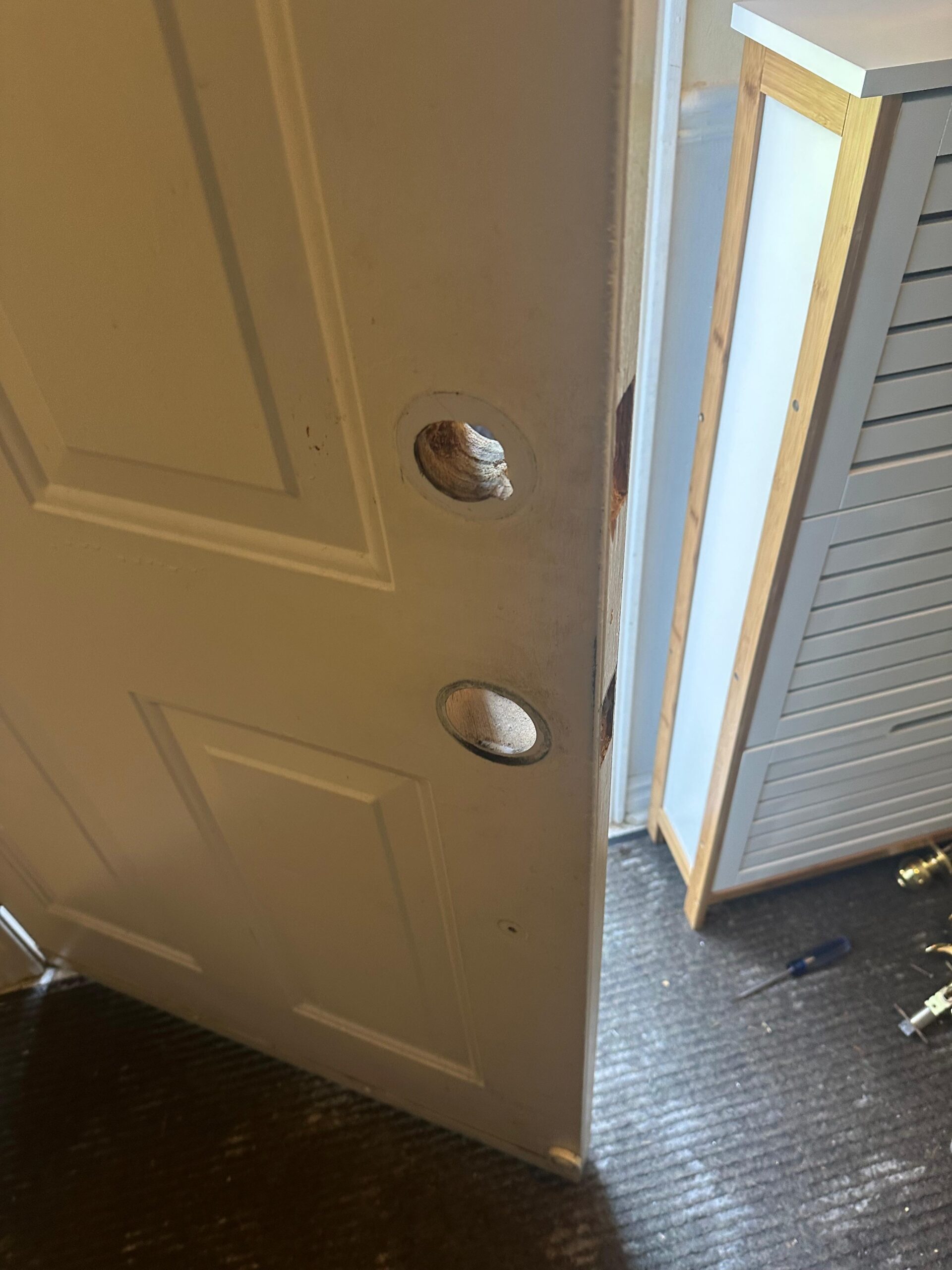
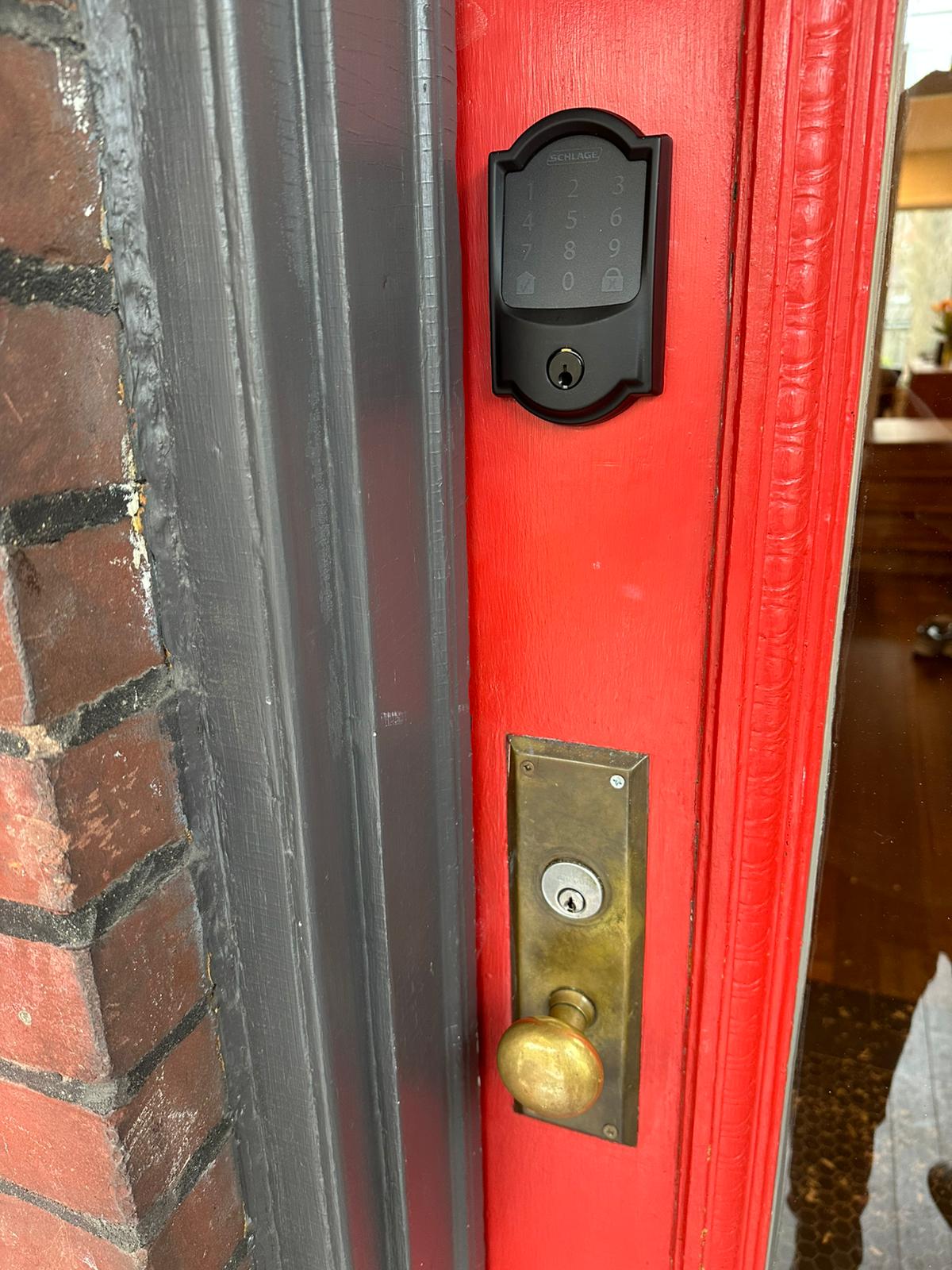
Repair can be appropriate when the components remain sound and the fault can be corrected through fitting, alignment or a compatible service part. Replacement may be more suitable where parts are damaged, severely worn, unsupported or inconsistent with the required function. The explanation should connect the recommendation to the observed condition.
Do not assume that replacing the entire handleset is necessary because the deadbolt has a fault. Many entrances use separate assemblies. Equally, changing only a cylinder may be inadequate when the bolt body or mounting has failed. Ask which components will remain and how they will be tested with the new or repaired parts.
For a planned change in appearance or access method, see front door lock replacement. That discussion includes door preparation and trim coverage, which may not be part of a limited repair. Keep optional upgrades distinct from work needed to restore ordinary operation.
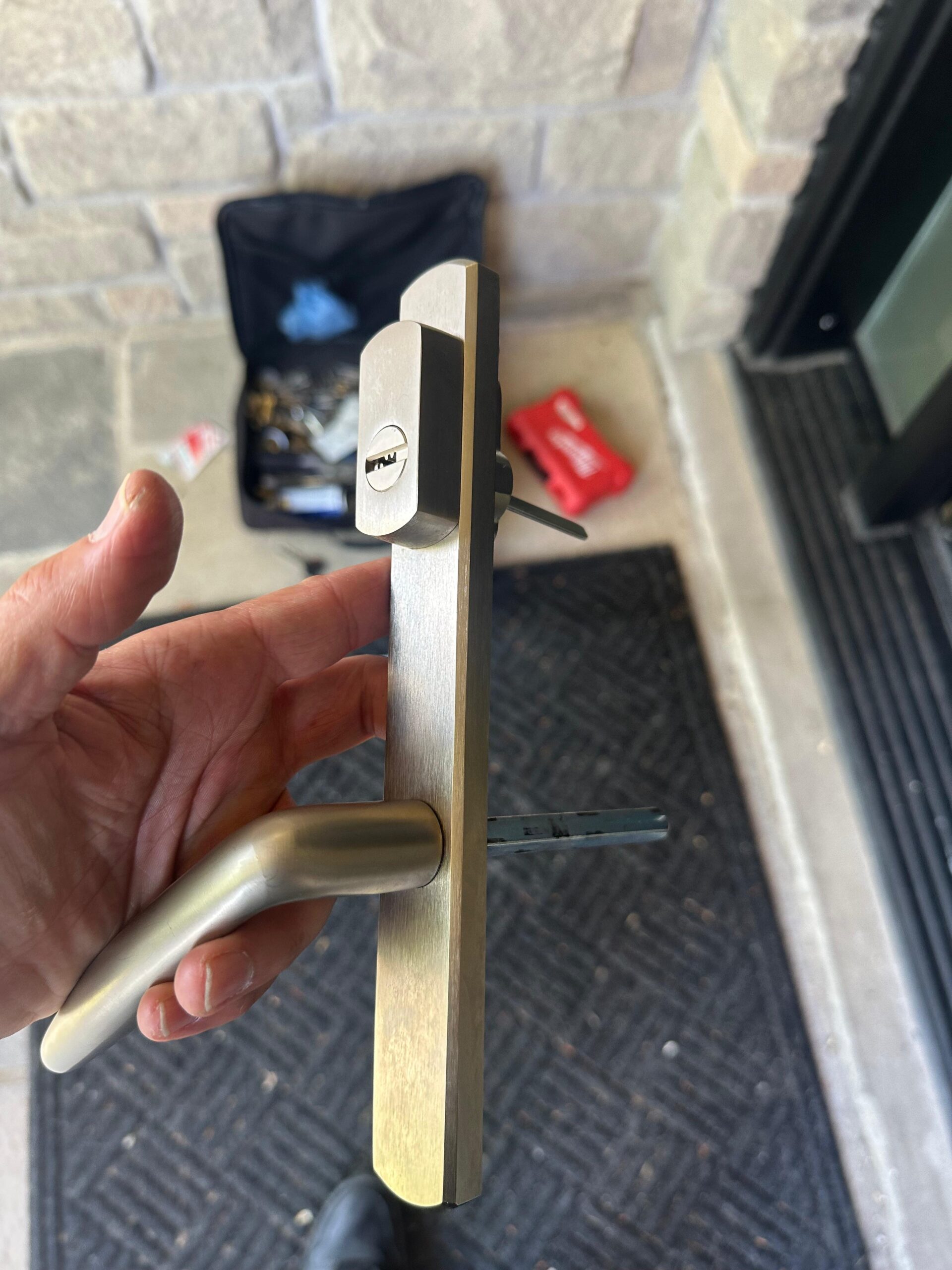
Describe the property type and any building requirements before parts are selected. Condo suite doors and other controlled assemblies may have restrictions on hardware and modifications. Physical fit is one consideration, but it is not the complete basis for deciding that a product is appropriate.
The inside operation must also suit the opening and its occupants. Do not add an interior key requirement simply because a product appears more substantial. Where a change raises questions about the building's required operation, obtain direction from the responsible professional or manager rather than relying on a general product description.
For rental properties, establish authorization for the repair and for any separate key change. The mechanical fault and the access policy should be documented independently. A completed deadbolt repair does not resolve a dispute about who is entitled to hold a key.
At handover, test the deadbolt with the door open and closed, using each supplied key and the inside control. The bolt should complete its intended movement without lifting or forcing the door. If the complaint occurred intermittently, repeat the normal conditions in which it appeared where safe.
Check the latch and ordinary closing as well, even when the repaired component is the deadbolt. Retain the model and work details with the invoice, and record any surrounding door issue outside the completed scope. A useful repair record explains the cause found, the correction made and any remaining limitation, rather than simply noting that a new part was installed.
Suppose the thumbturn moves smoothly when the door is open but stops halfway when the door is closed. That difference directs attention toward the relationship between the bolt and frame, while still leaving room to inspect the mechanism. If the same resistance occurs with the door open, the assembly itself deserves a closer look.
Describe the difference without applying force to complete the movement. Also mention recent painting, seal replacement or hinge work. These details help the technician reproduce the reported condition and explain the proposed action. After the repair, repeat ordinary opening and closing rather than testing only the easiest position. The result should be a clear account of the observed cause, the work completed and any limitation that remains. This comparison is a diagnostic starting point, not a remote determination of what has failed at your door.
Keep reading
That observation can point toward interference between the bolt and the frame when the door is closed, but it is not a complete diagnosis. Door position, strike alignment and the receiving opening should be assessed alongside the lock. Tell the technician whether the problem changes with weather or after work on hinges or seals. Avoid repeatedly forcing the key to overcome resistance. The aim is to identify what changes between open and closed operation, then correct the responsible condition rather than replacing a cylinder that may already be moving normally.
That observation can point toward interference between the bolt and the frame when the door is closed, but it is not a complete diagnosis. Door position, strike alignment and the receiving opening should be assessed alongside the lock. Tell the technician whether the problem changes with weather or after work on hinges or seals. Avoid repeatedly forcing the key to overcome resistance. The aim is to identify what changes between open and closed operation, then correct the responsible condition rather than replacing a cylinder that may already be moving normally.
The fault may involve the connection between the cylinder and bolt mechanism or another internal component. Whether repair is suitable depends on the product, wear and available parts. Describe whether the inside thumbturn behaves the same way and whether the problem began after removal or adjustment. Do not keep turning the key farther than normal. The technician needs to inspect the assembly and explain whether a compatible component, correct reassembly or replacement is appropriate. A spinning key is useful evidence, but it does not identify the failed part on its own.
Loose mounting can contribute to poor operation, but tightening without checking alignment can create binding or conceal a damaged component. The mounting points, cylinder position and connecting parts should be assessed together. Tell the locksmith whether the whole assembly moves or only one control feels loose. If the door material or preparation is damaged, fasteners alone may not provide a suitable repair. The finished assembly should remain correctly positioned and operate through its intended travel. A repair should be checked in use rather than judged only by whether the exterior trim feels firmer.
Use only maintenance guidance suitable for the identified product. A substance intended for one component may be inappropriate for another, and lubrication will not correct a bent key, failed connection or bolt pressing against the frame. Describe where the resistance occurs: inserting the key, turning the cylinder or extending the bolt. Keep a damaged key available for assessment without continuing to force it. If the cause is uncertain, product identification and inspection are more useful than adding an unspecified spray and assuming that a temporary change has resolved the mechanical problem.
Fragment removal and deadbolt repair are separate questions. The piece may be removable, while the reason for the break still needs investigation. A worn key, stiff cylinder or binding bolt can place extra load on the key. Do not push the fragment deeper with another object. Photograph the accessible cylinder and describe earlier symptoms. Once the keyway can be assessed, the technician can explain whether the cylinder remains suitable for service and whether alignment or another component also needs attention. Restored key insertion alone does not confirm that the original resistance has been corrected.
The bolt should be assessed against the product's intended operation and the actual strike arrangement. Do not assume that any visible movement represents full engagement. A receiving opening that is obstructed, shallow or misaligned can prevent normal travel, while an internal fault can create a similar symptom. Tell the technician if the control stops before its usual position. The completed check should confirm the expected movement with the door normally closed and verify release from inside. Avoid accepting a workaround that relies on leaving the bolt at an uncertain intermediate position.
Replacement may be suitable when a critical component is damaged, compatible parts are unavailable or the existing product no longer suits the opening. Repair may remain appropriate for a serviceable assembly affected by fitting or a replaceable component. Ask what inspection finding supports the recommendation and whether the surrounding door condition also needs work. Changing the complete deadbolt should not be presented as a cure for every alignment problem. Compare the proposed scope in terms of the condition it addresses, the components retained and the normal operation that will be demonstrated afterward.
Use each supplied or retained authorized key and operate the inside control. Check the deadbolt with the door open first, then with the door normally closed where safe. Confirm full intended movement without lifting, pulling or excessive pressure on the door. If the work also changed the key arrangement, clarify which other locks remain on a different key. Keep the model and repair details for future reference. Any condition requiring later door or frame work should be recorded, because a successful open-door key test does not settle every part of the installed opening.
GTA Lockman Mobile Locksmith Services is a mobile locksmith working on homes, businesses and vehicles across Toronto and the GTA, with more than 14 years in the trade. Every review is written by a customer on Google, where you can read them in full.
Areas served: Toronto, North York, Scarborough, Etobicoke, Vaughan, Richmond Hill, Markham, Stouffville, Newmarket, Mississauga, Brampton, Oakville, Milton, Halton Hills, Pickering, Ajax, Whitby, Oshawa, Uxbridge.
Describe the door, hardware and service address. Contact GTA Lockman Mobile Locksmith Services to confirm the scope and scheduling for your location.