Locksmith services are always 10% off for seniors.
Open Mon–Thu 8:30 AM–9 PM, Fri 8:30 AM–4 PM, Sun 9:30 AM–9 PM
Locksmith services are always 10% off for seniors.
Open Mon–Thu 8:30 AM–9 PM, Fri 8:30 AM–4 PM, Sun 9:30 AM–9 PM
GTA Lockman Mobile Locksmith Services · Toronto & GTA
Standard, accessible, lockable and removable thumbturns, and how each affects safety and security.
Related services
Choose levers, deadbolts and keys that an older person can operate reliably while keeping the home secure.
Learn moreGlass within reach of the thumbturn, and the choices in glass, thumbturns and secondary locks that deal with it.
Learn moreUnderstand what a double-cylinder deadbolt does, the fire-safety concern, and alternatives for doors with glass.
Learn moreMeasuring, anti-snap protection and replacing the cylinder on uPVC, composite and aluminium doors.
Learn moreKeep young children in, out, and never locked in, without making any door hard for adults to open.
Learn moreWhy a full one-inch throw matters, how to check it, and what stops a bolt deadlocking.
Learn more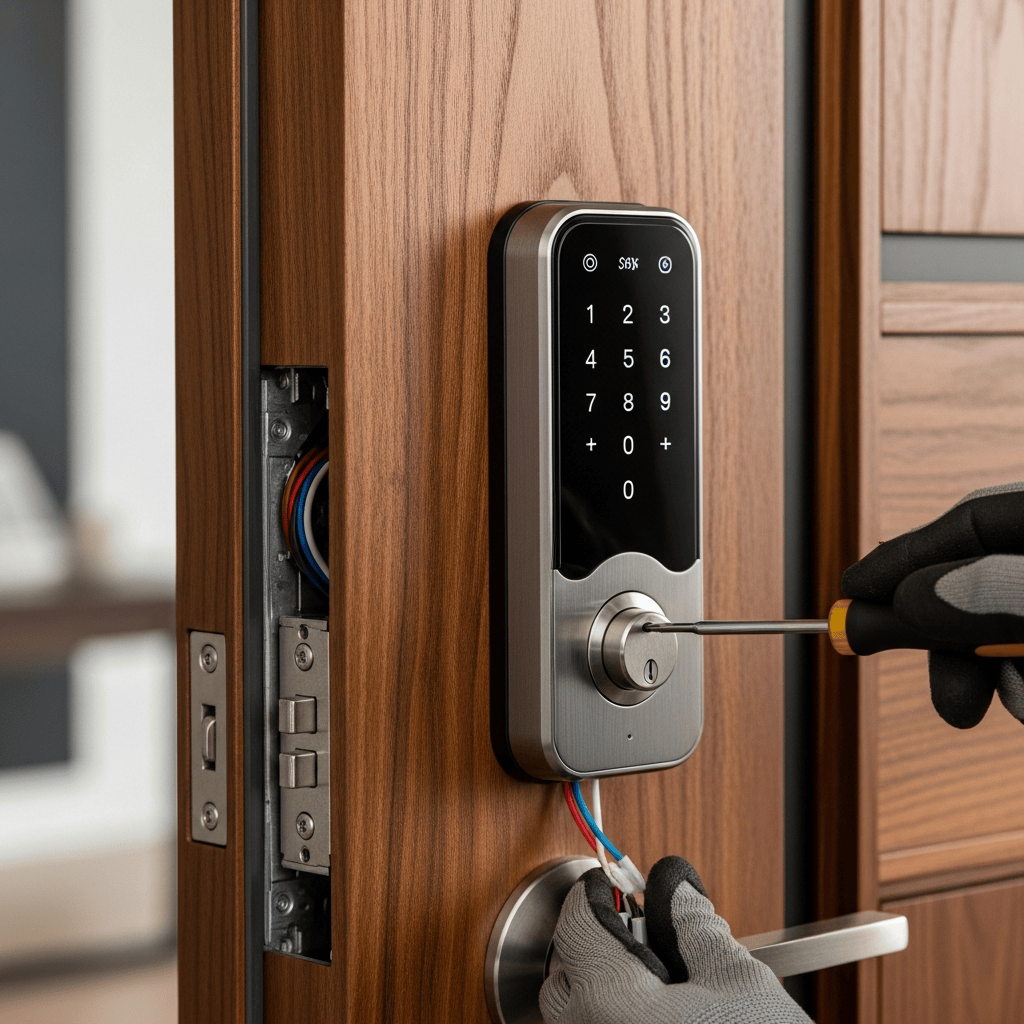
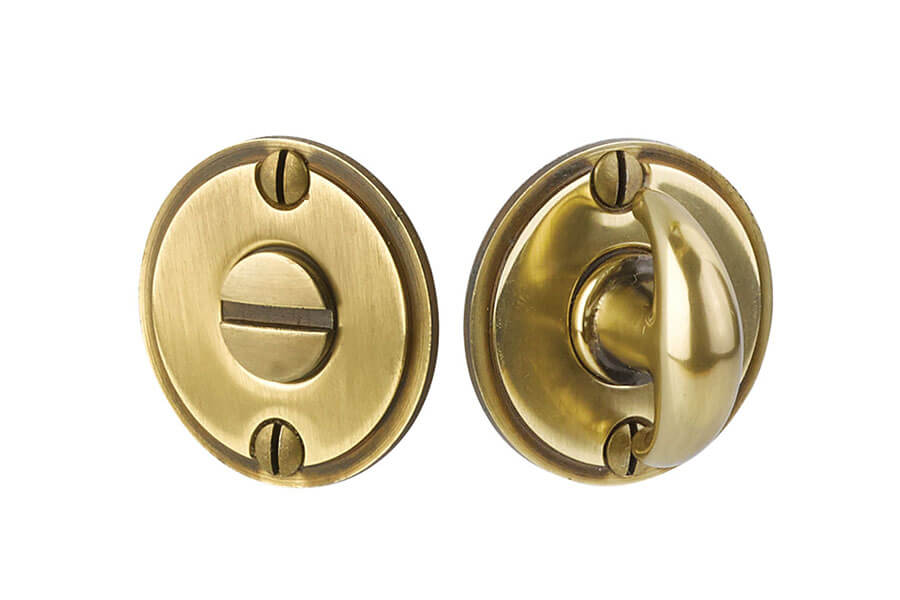
On most deadbolts, the inside of the lock is a thumbturn: a small lever or knob you twist to lock and unlock the door without a key. It is the part of the lock you touch most often, and it plays a quiet but important role in safety. A thumbturn lets everyone inside leave without hunting for a key in a fire, which is why most single-cylinder deadbolts in homes have one.
Thumbturns come in more variety than most people realise, and choosing the right one depends on who lives in the house and what the door is like.
The ordinary thumbturn is a flat, finger-sized lever on a rose or escutcheon. Turned one way, the bolt extends; turned the other, it retracts. It suits most households and most doors.
Small thumbturns can be hard for people with arthritis, reduced grip or limited dexterity. Larger thumbturns, sometimes called accessible or easy-grip thumbturns, have a longer lever or a larger knob that can be turned with less force. Lever-style turns can be operated with a closed hand. These are a simple, inexpensive upgrade for older family members, as with door hardware for seniors.
A lockable thumbturn can be locked in place with a key, so it cannot be turned. When people are home, it is left unlocked for an easy exit. When the house is empty, it can be locked, so someone who breaks a nearby pane of glass cannot reach in and turn it. This combines the safety of a thumbturn with the protection of a key-operated inside lock, and it is one of the options for doors with glass near the lock, as with sidelights and glass beside the lock.
Some deadbolts have a thumbturn that can be removed and kept nearby, leaving only a spindle that cannot be turned by hand. It serves a similar purpose to a lockable thumbturn. The thumbturn must be kept somewhere everyone in the house can find it professionally in the dark.
A double-cylinder deadbolt replaces the thumbturn with a key cylinder on the inside. It stops reach-through entry but means everyone needs a key to leave. Captive-key cylinders keep the key trapped in the inside cylinder while the door is unlocked, a compromise in some designs. The trade-offs are the same as for double-cylinder deadbolts. In many homes, a lockable thumbturn achieves the same goal with less risk.
On uPVC, composite and many aluminium doors, the inside of a euro cylinder is often a thumbturn. Key-and-thumbturn euro cylinders are increasingly common for exactly the fire-safety reason. Anti-snap thumbturn cylinders are available, and the same reach-through considerations apply, as with euro cylinder replacement.
Young children learn to turn thumbturns early, which can let a toddler out of the front door. A high secondary lock that an adult can release without a key keeps toddlers in without removing the thumbturn's safety benefit, as with childproofing doors and locks.
Bathroom and bedroom privacy locks often use a small thumbturn or turn button on the inside, with an outside release on the outside. These are not deadbolts; they are for privacy, and every adult in the house should know how to open them from outside.
The thumbturn is stiff. Usually the bolt is binding in the strike because the door has moved. Test it with the door open: if it turns freely, the strike needs adjusting, as with deadbolt throw checks.
The thumbturn spins without moving the bolt. The connection between the thumbturn and the bolt mechanism, often the tailpiece, is broken or not engaged. The lock needs to be opened and the tailpiece checked or replaced.
The thumbturn is loose. The mounting screws have loosened. Tightening them usually fixes it; if the screws keep loosening, the screw holes or the lock may be worn.
The thumbturn is in the wrong orientation. On some deadbolts, the thumbturn should point vertical when unlocked; if it was installed incorrectly, it can be confusing. Reinstalling it correctly takes a few minutes.
Consider:
Smart and keypad deadbolts also have a thumbturn on the inside, usually on the battery housing. It works the same way, and it is the way out if the batteries die while you are inside. Make sure everyone knows that the thumbturn works even when the keypad does not, and that it should never be forced if the bolt is binding.
Many households find it useful if the thumbturn points the same way on every door when locked, often horizontal for locked and vertical for unlocked, so it is easy to see at a glance whether a door is locked. When locks are replaced or re-fitted, setting the orientation consistently across the house is a small but helpful detail.
In rentals and short-term rentals, guests and tenants must be able to leave without a key. A thumbturn on every exterior door, rather than a double-cylinder deadbolt, is the usual and safest arrangement. Where reach-through is a concern, a lockable thumbturn that the guest does not need to use while inside is a reasonable option.
On commercial doors that are also exits, the inside must open in one motion without a key or special knowledge, which is why exit devices and lever handles are used rather than separate thumbturns on many commercial doors. Small offices with residential-style deadbolts on a suite door should check that the arrangement meets the building's exit requirements.
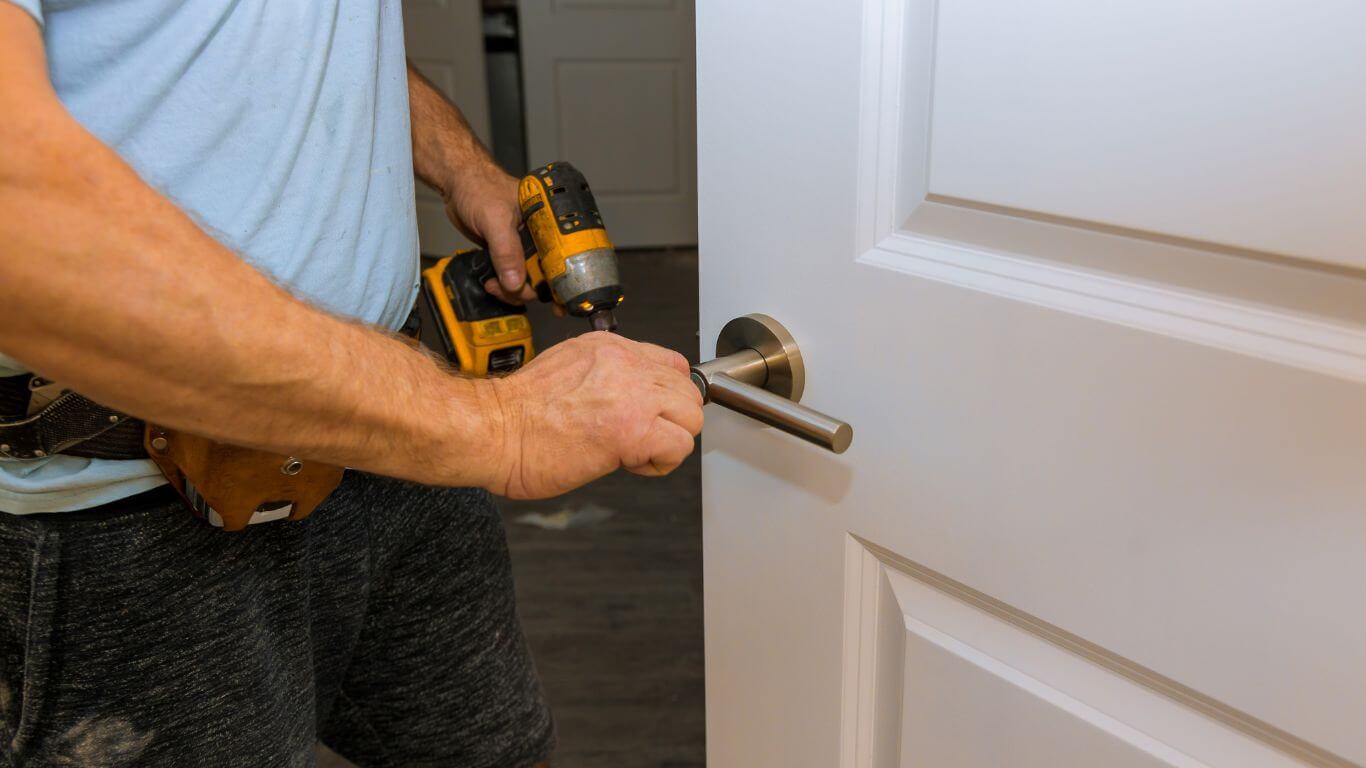
On some deadbolts, the thumbturn can be replaced on its own, for example to fit a larger, easier-grip turn or to replace a broken one. On others, the inside assembly is replaced as a unit. Matching the finish to the outside hardware keeps the door consistent.
Walk around the house and check each exterior door's thumbturn:
A useful test is to stand outside and imagine reaching through the nearest glass panel to the thumbturn. If it is within an arm's length, consider a lockable thumbturn, laminated glass or security film, or moving the deadbolt further from the glass. The measurement takes a minute and tells you whether reach-through is a real risk on that door.
For family members with limited vision, a thumbturn with a distinct shape and a clear stop at each end is easier to use by feel. Large, contrasting thumbturns also help. Consistent orientation across the house means they can tell by touch whether a door is locked.
Some smart deadbolts lock themselves automatically after the door closes. The thumbturn still works from inside, but people may not realise the door has locked behind them when stepping out briefly. Making sure everyone knows about the auto-lock, and always carrying a key or code, avoids being locked out.
A thumbturn that wobbles or turns without moving the bolt may simply have come loose from its spindle or tailpiece. Refitting it and tightening the set screw, where there is one, often fixes it without replacing the lock.
In apartments and condos, suite doors usually have a deadbolt with a thumbturn inside, often on a fire-rated door. Changing the thumbturn or the deadbolt may need building approval, and the replacement must keep the door's fire rating. Checking with management first avoids having to undo the change.
Some large dogs learn to paw at thumbturns and levers. A thumbturn that turns easily may be operated accidentally by a pet jumping at the door. Where that happens, a lockable thumbturn or a different orientation can stop the door being unlocked by accident.
Thumbturns are usually specific to the lock model. When a lock is fitted, noting the make and model makes it much easier to order a replacement thumbturn if one breaks, rather than replacing the whole deadbolt.
The thumbturn and its rose are visible every time you leave the house, so matching their finish and style to the outside hardware keeps the door consistent. Many deadbolt ranges offer the thumbturn in the same finishes as the matching handleset or lever.
Where a storm door sits in front of the main door, the main door's thumbturn is inside and unaffected, but the storm door may have its own small lock or latch. Both should be easy to operate from inside, so nobody is held up leaving through two doors.
Tell us which door, what deadbolt is fitted, and what you want: an easier turn, protection against reach-through, or a fix for a stiff or spinning thumbturn. Photographs of both sides of the lock help.
We can fit accessible, lockable or removable thumbturns where the lock allows, replace deadbolts that do not offer them, adjust doors so thumbturns turn freely, and repair thumbturns that spin or work loose. That work is part of deadbolt repair.
Keep reading
The small lever or knob on the inside of a deadbolt that locks and unlocks it without a key, so everyone inside can leave without looking for a key.
The small lever or knob on the inside of a deadbolt that locks and unlocks it without a key, so everyone inside can leave without looking for a key.
Someone could reach through broken glass and turn it. Lockable or removable thumbturns, laminated glass, or locks placed away from the glass reduce that risk.
A thumbturn that can be locked with a key when the house is empty and left free when people are home, keeping an easy exit while protecting against reach-through.
Yes. Larger, easy-grip or lever-style thumbturns need less force and can often be turned with a closed hand.
Usually the bolt is binding in the strike because the door has moved. If it turns freely with the door open, the strike needs adjusting.
The connection between the thumbturn and the bolt, often the tailpiece, is broken or not engaged. The lock needs to be opened and the part checked or replaced.
Yes, quite early. A high secondary lock that adults can release without a key keeps toddlers in without removing the thumbturn.
Usually not. A key-operated inside lock stops reach-through but slows everyone leaving in a fire. A lockable thumbturn is often a better balance.
GTA Lockman Mobile Locksmith Services is a mobile locksmith working on homes, businesses and vehicles across Toronto and the GTA, in the trade since 2010. Every review is written by a customer on Google, where you can read them in full.
Areas served: Toronto, North York, Scarborough, Etobicoke, Vaughan, Richmond Hill, Markham, Stouffville, Newmarket, Mississauga, Brampton, Oakville, Milton, Halton Hills, Pickering, Ajax, Whitby, Oshawa, Uxbridge.
Describe the door, hardware and service address. Contact GTA Lockman Mobile Locksmith Services to confirm the scope and scheduling for your location.