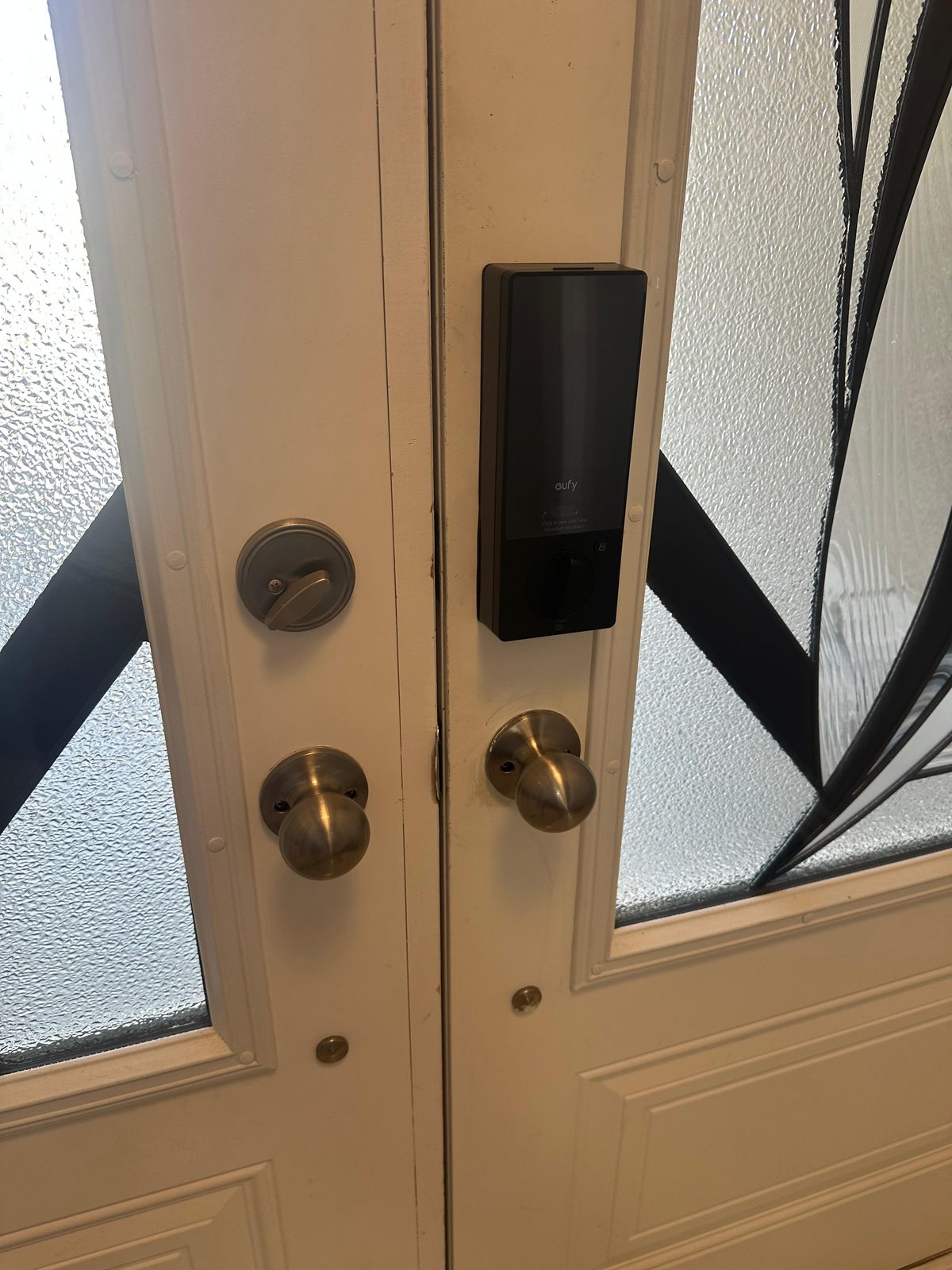
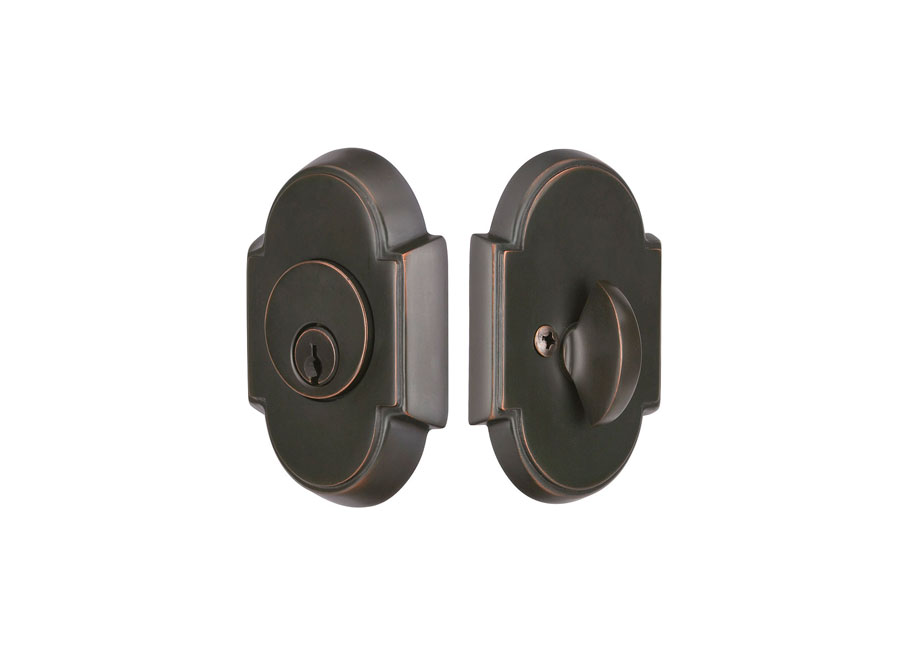
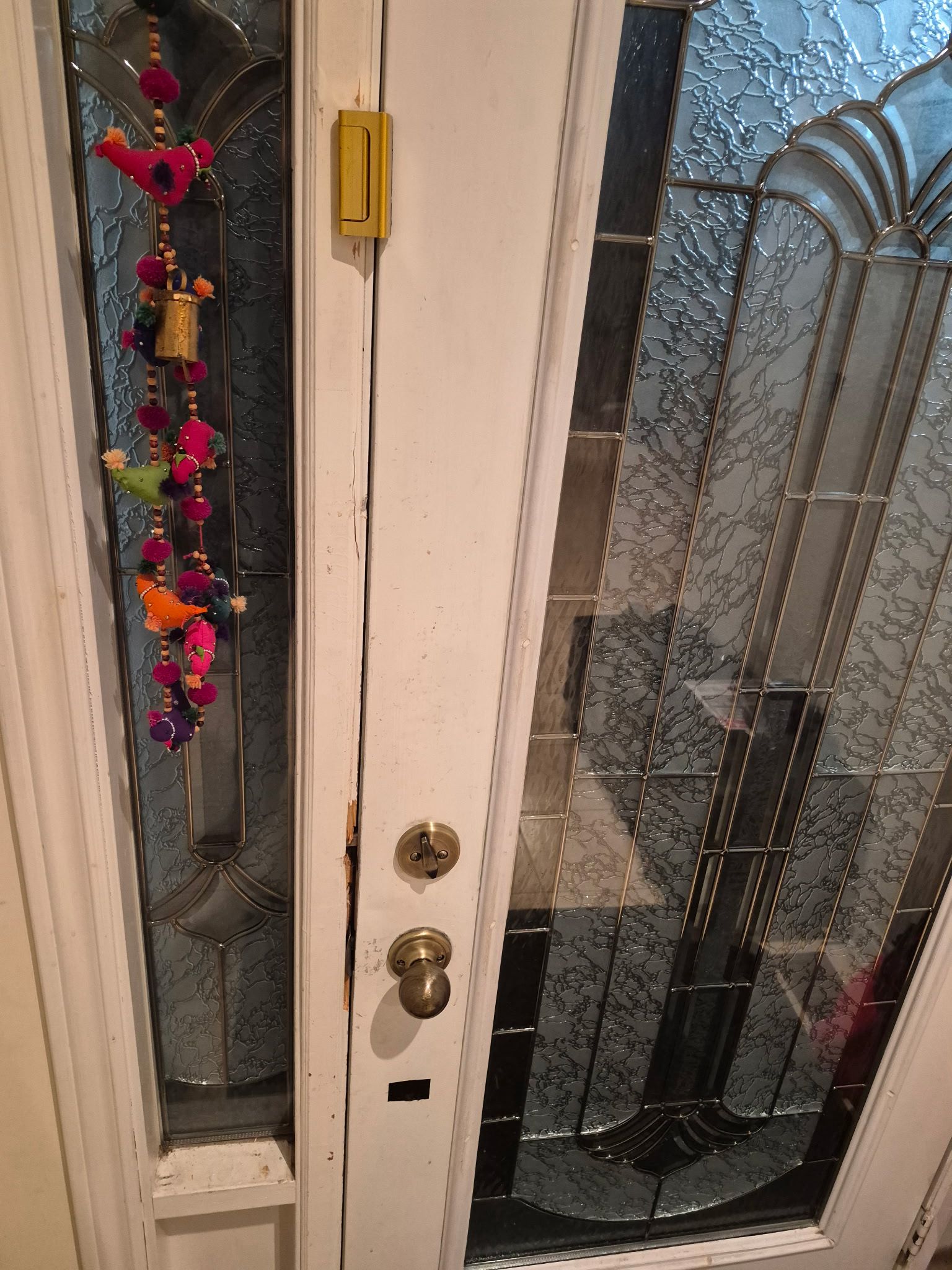
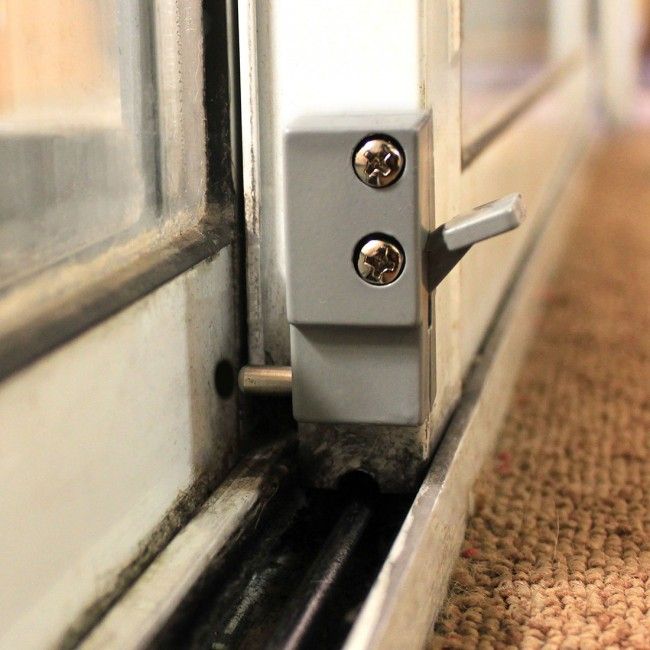
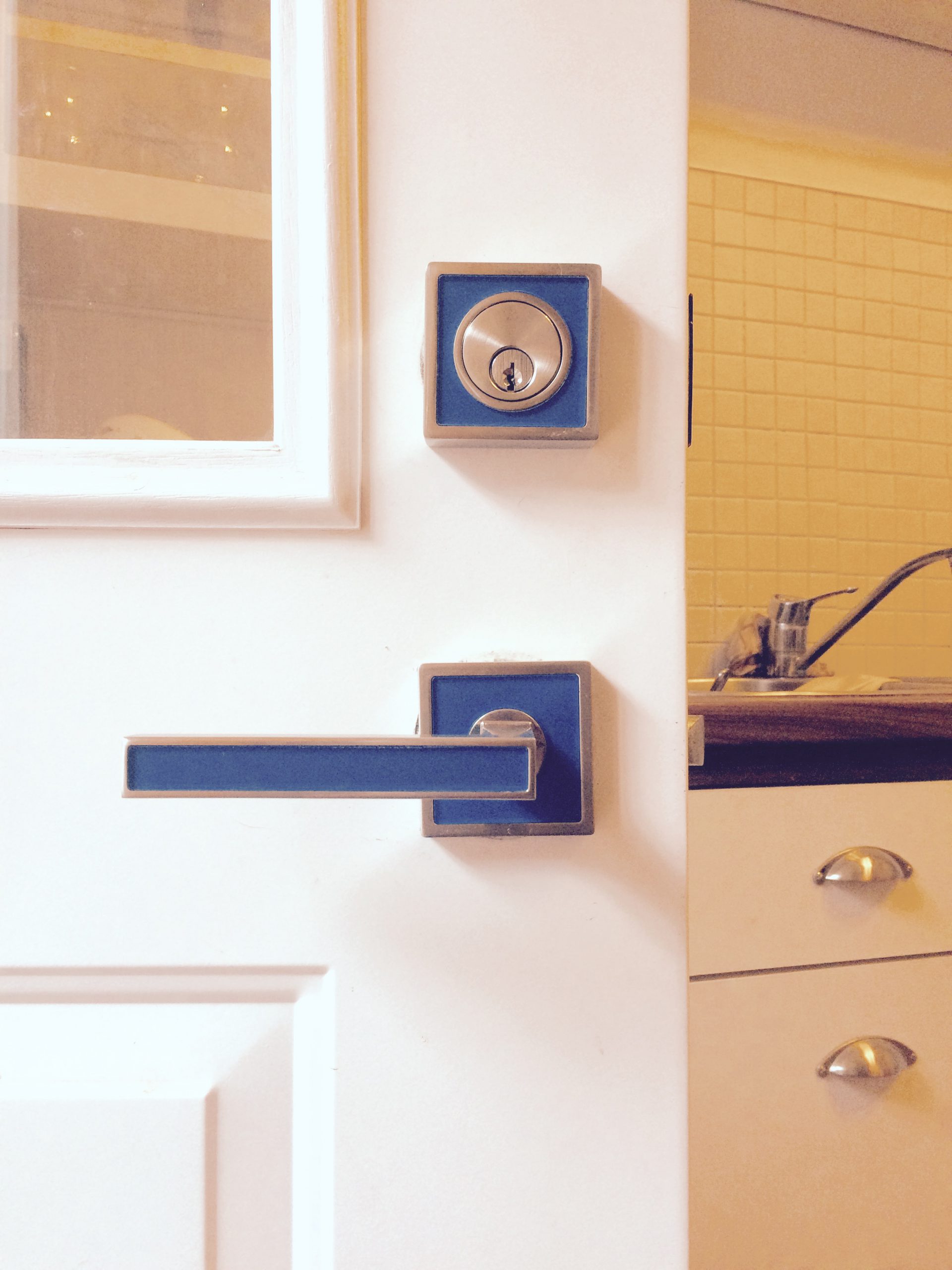
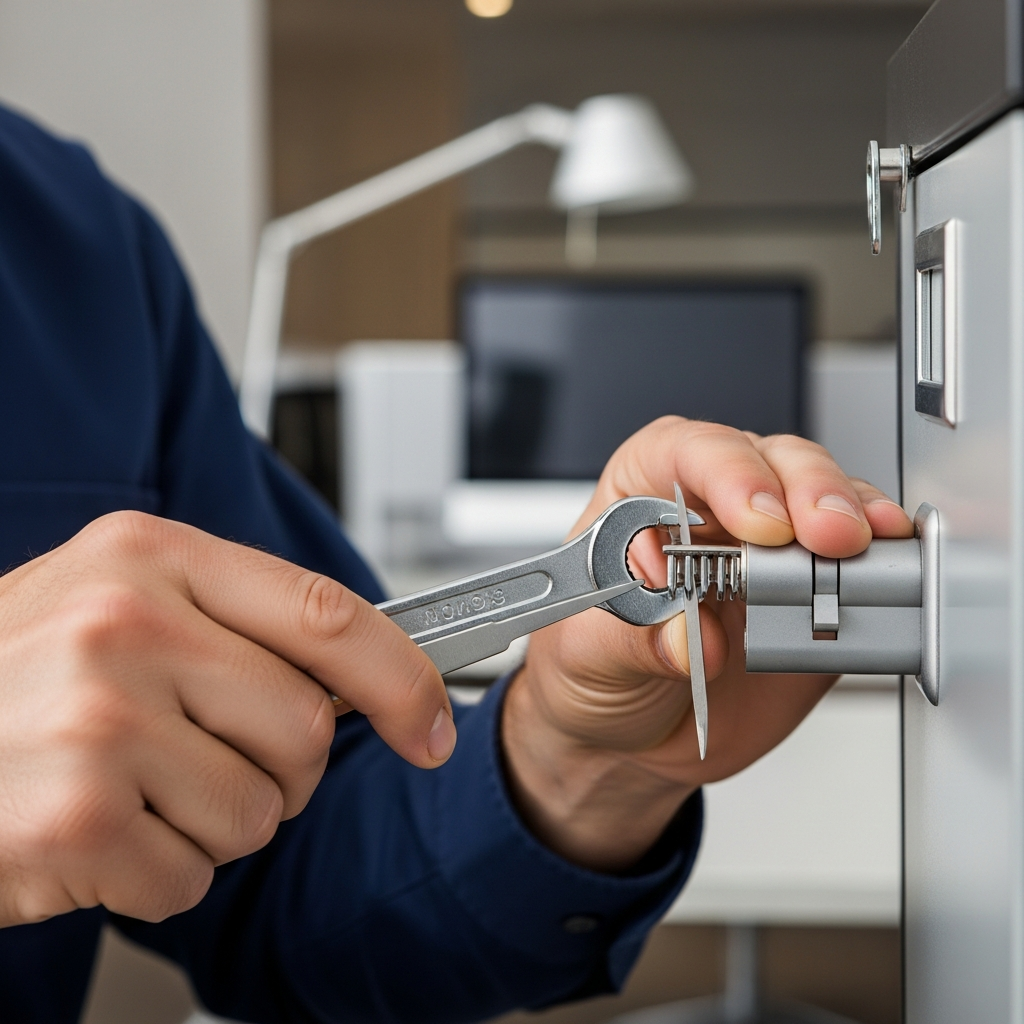
When you ask about a double-cylinder deadbolt, the technician will look at the door, the glass, the frame and how the door is used. They will check whether the existing preparation suits the lock you are considering, whether the strike and frame are sound, and whether the door is likely to be an exit route. They should explain the trade-offs plainly and suggest alternatives where a double cylinder seems unsuitable. The final choice belongs to the household, within the requirements that apply to the door. Whatever is chosen, the deadbolt should throw fully into a solid strike, and every member of the household should know how to open the door from inside.
If you are unsure whether a door counts as an exit, look at how people would leave the home in a fire from each floor. Doors on the main escape route, including the front door and any door from a bedroom level, deserve particular care. A door that is rarely used and has other exits nearby is a different case, but the decision should still account for everyone who might be in the home. Visitors, babysitters and overnight guests should be included, because they are the people least likely to know where a key is kept. If any of them would struggle to find the key in the dark, that is a strong reason to keep a thumbturn on the inside.