Locksmith services are always 10% off for seniors.
Open Mon–Thu 8:30 AM–9 PM, Fri 8:30 AM–4 PM, Sun 9:30 AM–9 PM
Locksmith services are always 10% off for seniors.
Open Mon–Thu 8:30 AM–9 PM, Fri 8:30 AM–4 PM, Sun 9:30 AM–9 PM
GTA Lockman Mobile Locksmith Services · Toronto & GTA
What to check, when to rekey, and the habits that stop keys being left in the lock.
Related services
Review every door the missing keys operated, then rekey or replace the locks that no longer control access.
Learn moreUnderstand what a double-cylinder deadbolt does, the fire-safety concern, and alternatives for doors with glass.
Learn moreWhy a key will not come out, how to free it without snapping it, and what to fix so it does not happen again.
Learn moreSet up entry for a child who arrives home first, without a key that goes missing every term.
Learn morePlan keyless entry around door compatibility, code management and a practical backup entry method.
Learn moreReduce the keys you carry where cylinders and access requirements allow a suitable keyed-alike arrangement.
Learn more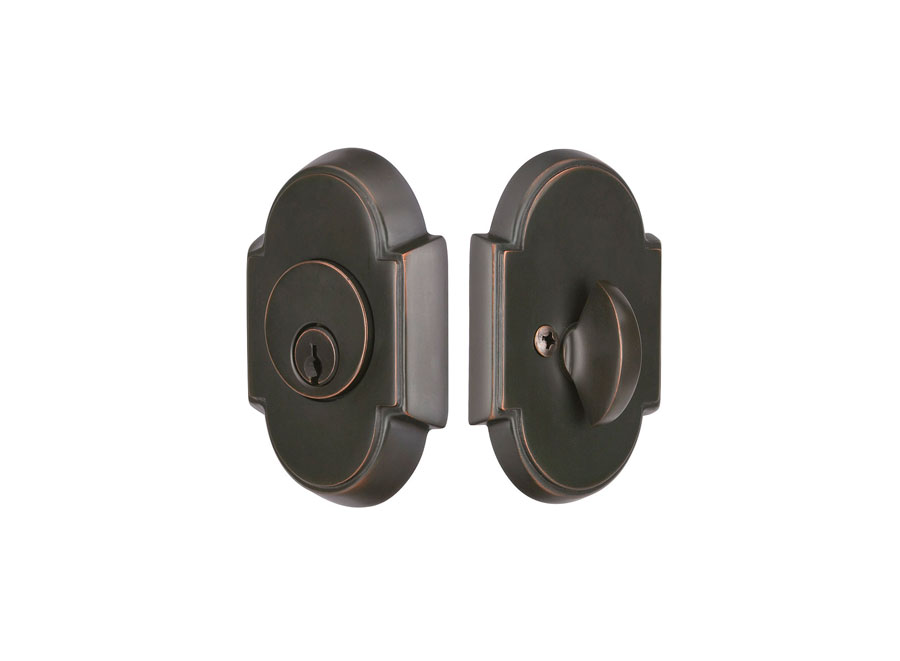
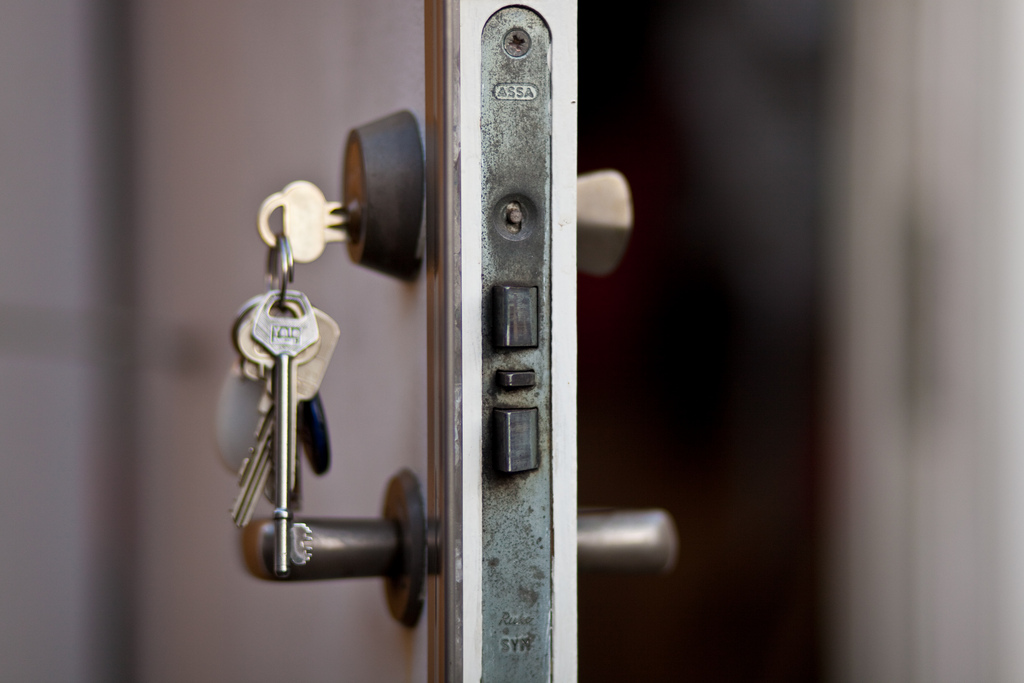
It happens to almost everyone. You come home with shopping bags, a child, a phone call or a dog on a lead, unlock the door, push it open, and the keys stay in the lock. Sometimes they hang there for an hour. Sometimes all night. Sometimes they are found by a neighbour in the morning, or not at all.
Most of the time nothing bad happens. But a set of keys left in the outside of a door is one of the simplest ways for the wrong person to get into a house, a car and sometimes a workplace, all at once, without forcing anything.
The door is effectively unlocked. Anyone walking past can open it. With a deadbolt key in the lock, even a locked door is only a turn away from open.
The whole key ring is exposed. House keys rarely hang alone. The same ring usually carries the car key or fob, a garage key, a mailbox key, sometimes office or building keys. One mistake can expose several locks.
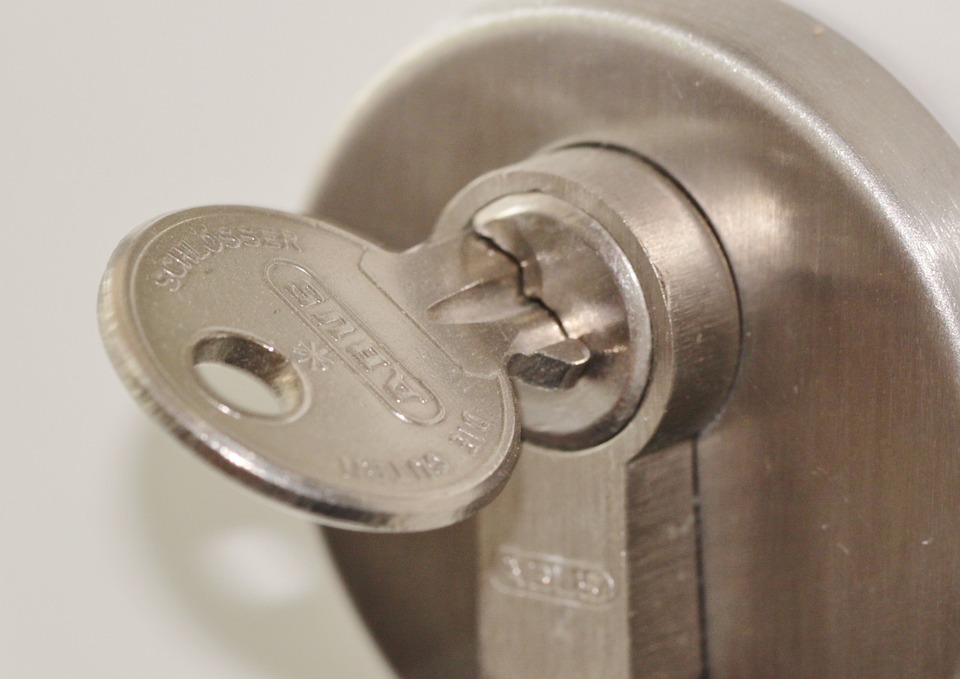
Keys can be copied or photographed. Someone does not have to take the keys to cause a problem. A key can be photographed in seconds, and a clear photo can be enough to cut a copy. The keys go back in the lock, and nobody knows.
The address is attached. Keys in a door are, by definition, keys with an address. A key lost on the street might belong to anyone; a key in a lock belongs to that house.
Check they are all there. Count the keys and fobs on the ring. If anything is missing, treat it as lost.
Think about how long they were there. A few minutes on a quiet evening is very different from overnight on a busy street, or from keys found by someone else and handed back.
Check the house and car. Look for signs anyone has been in: doors unlocked that you locked, items moved, the car not where you left it.
Decide whether to rekey. If the keys were there for a long time, in a visible place, or were found by someone you do not know, rekeying the house locks is the cautious choice. Rekeying changes the cylinders so the old keys no longer work, without replacing the locks, and it is the same step taken after a lock change after lost keys.
Think about the car. If a car key or fob was on the ring, consider the car too. Modern car keys can sometimes be erased from the vehicle and replaced, so an old fob no longer starts the car.
If a neighbour, a delivery driver or a stranger hands back keys they found in your door, thank them, and then think about it calmly. Most people who return keys are simply being kind. But you do not know whether anyone else saw the keys first. If the keys were out overnight or on a busy street, rekeying is a small cost for peace of the household.
Leaving a key in the inside cylinder of a double-cylinder deadbolt is a different habit with different risks. It lets everyone get out without delay in a fire, which is why many households do it, but it also means a hand through a broken sidelight or door panel can reach and turn the key. The trade-off is the central question with double-cylinder deadbolts. Where glass is near the lock, keeping the key nearby but out of reach of the glass is a reasonable middle ground.
Photos
Photographs from GTA Lockman Mobile Locksmith Services work across Toronto and the GTA. Send a picture of your own door and we can tell you what the visit would involve.
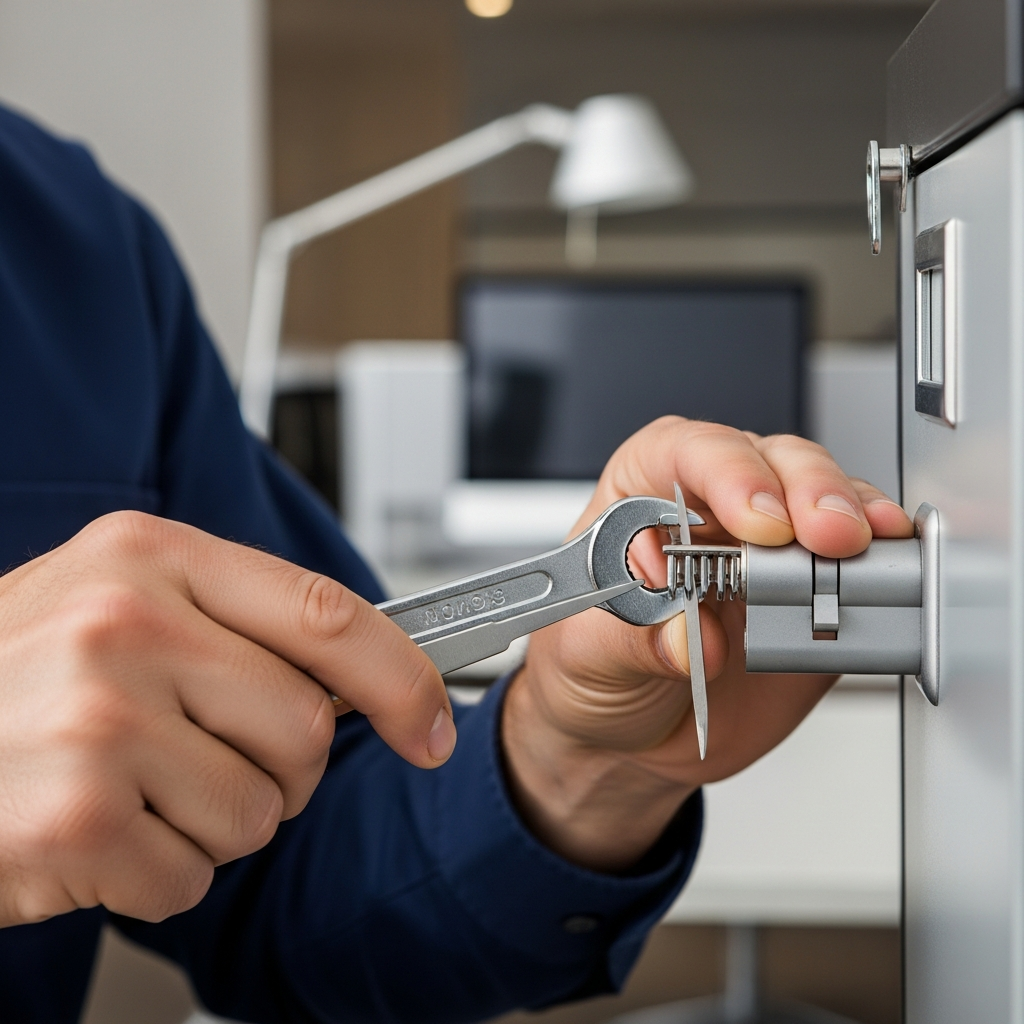
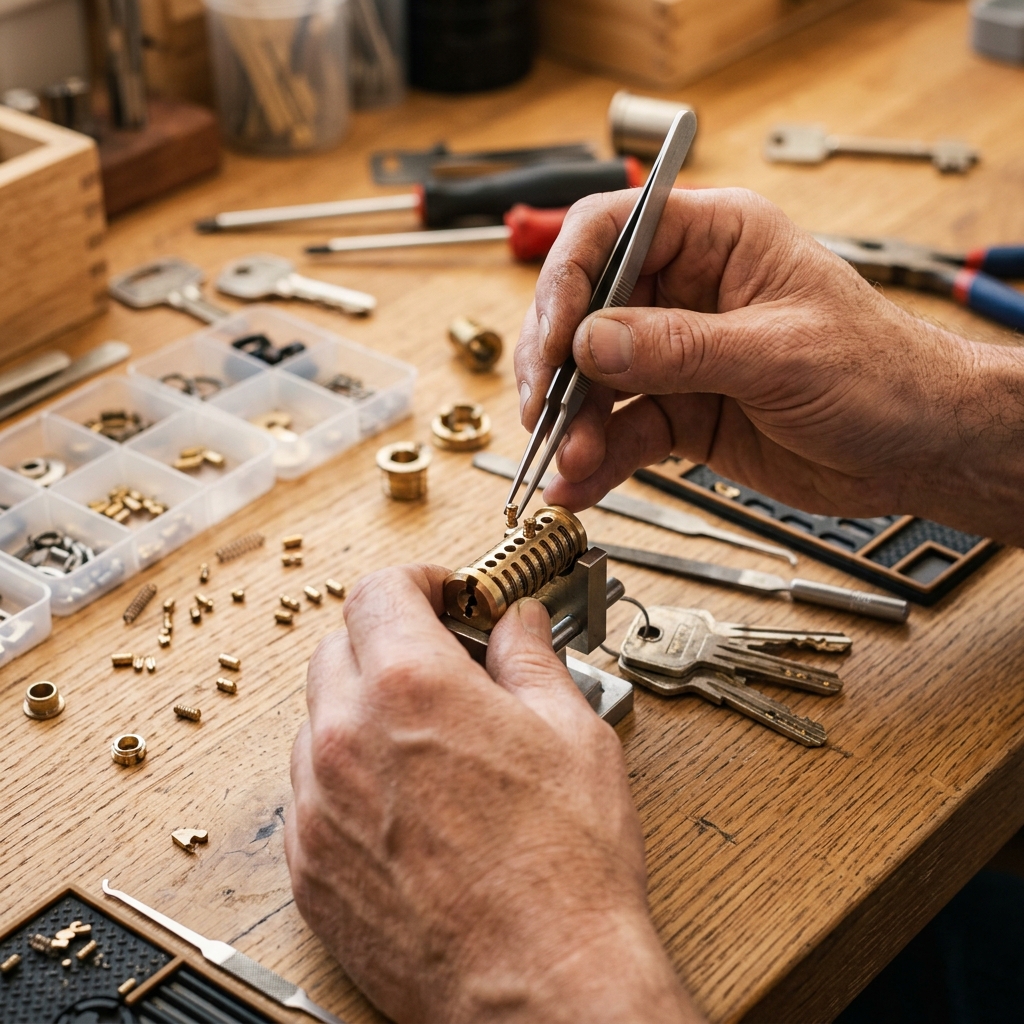
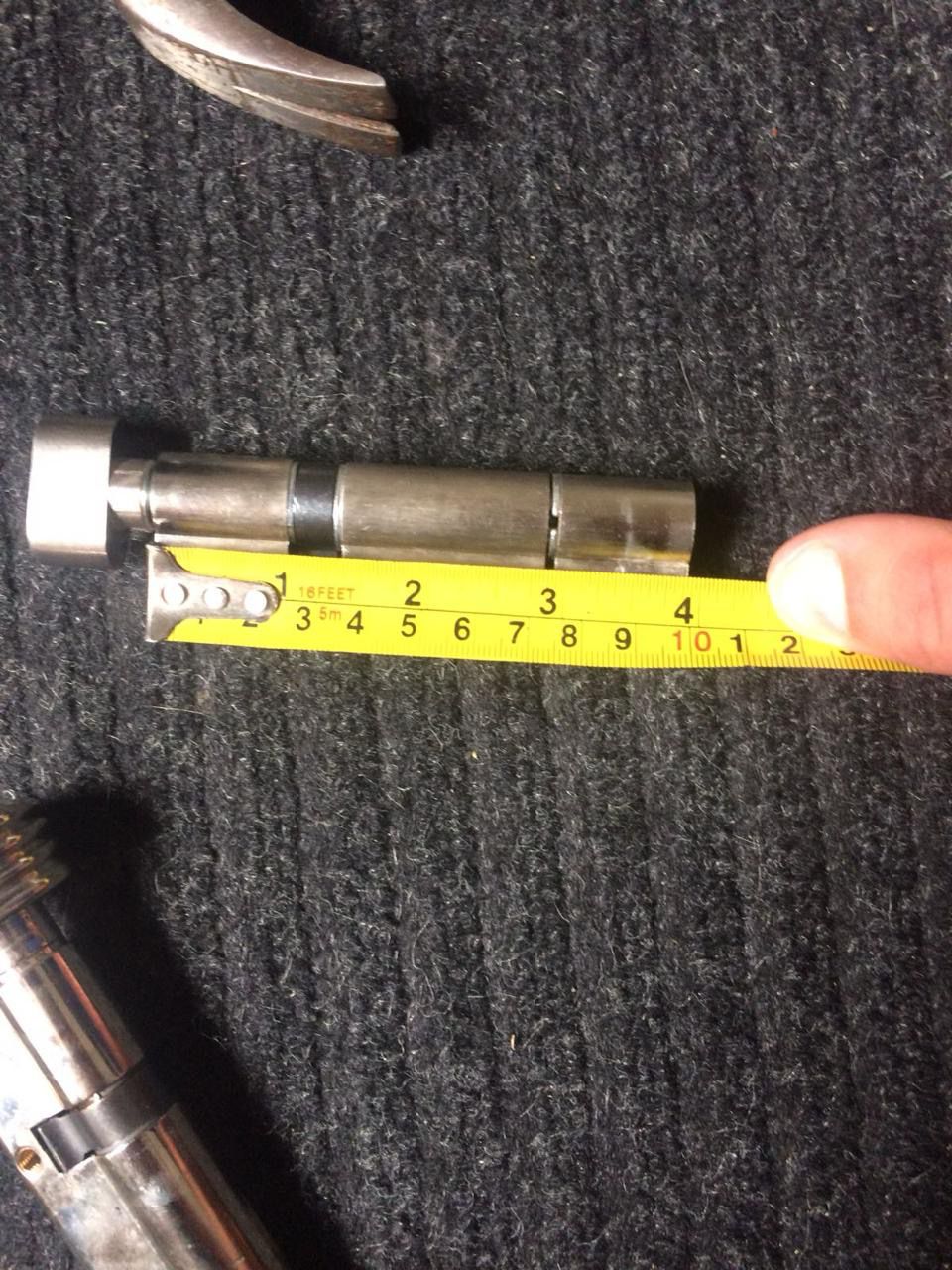
Keys are left in doors at moments of distraction. Common patterns:
The last two are fixable. A lock that grips the key, or a key that is hard to pull out, makes leaving it there more likely. A properly lubricated cylinder and a fresh key cut from the original help, and the causes of keys that stick are the same as those for a key stuck in the lock.
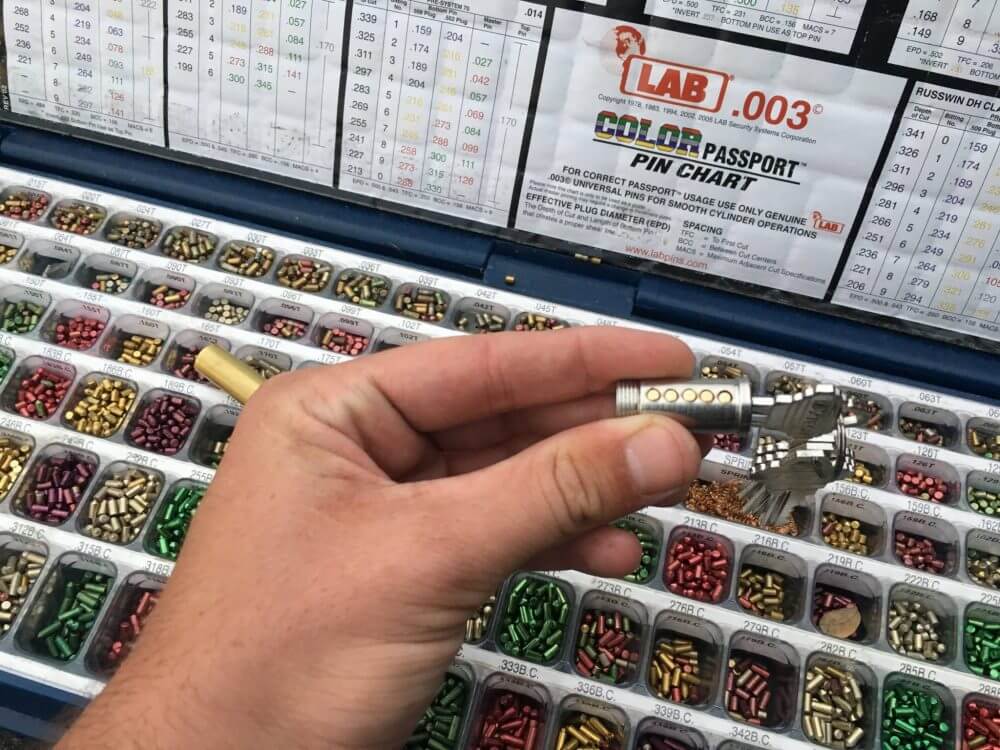
Take the key out before opening the door. Unlock, remove the key, then push the door. It becomes automatic surprisingly reliable.
Put keys in the same place every time. A hook or bowl just inside the door means the first thing you do inside is put the keys down, which makes it obvious when they are missing.
Separate the keys. Keep car keys and house keys on separate rings, joined by a clip. Then a house key left in a door does not expose the car too.
Keep key rings light. A heavy ring hanging from a key in the lock wears the cylinder and is easy to forget once it stops swinging.
Teach children. Show children to take the key out before they go inside. A keypad lock removes the problem for younger children altogether, which suits many families planning for children coming home alone.
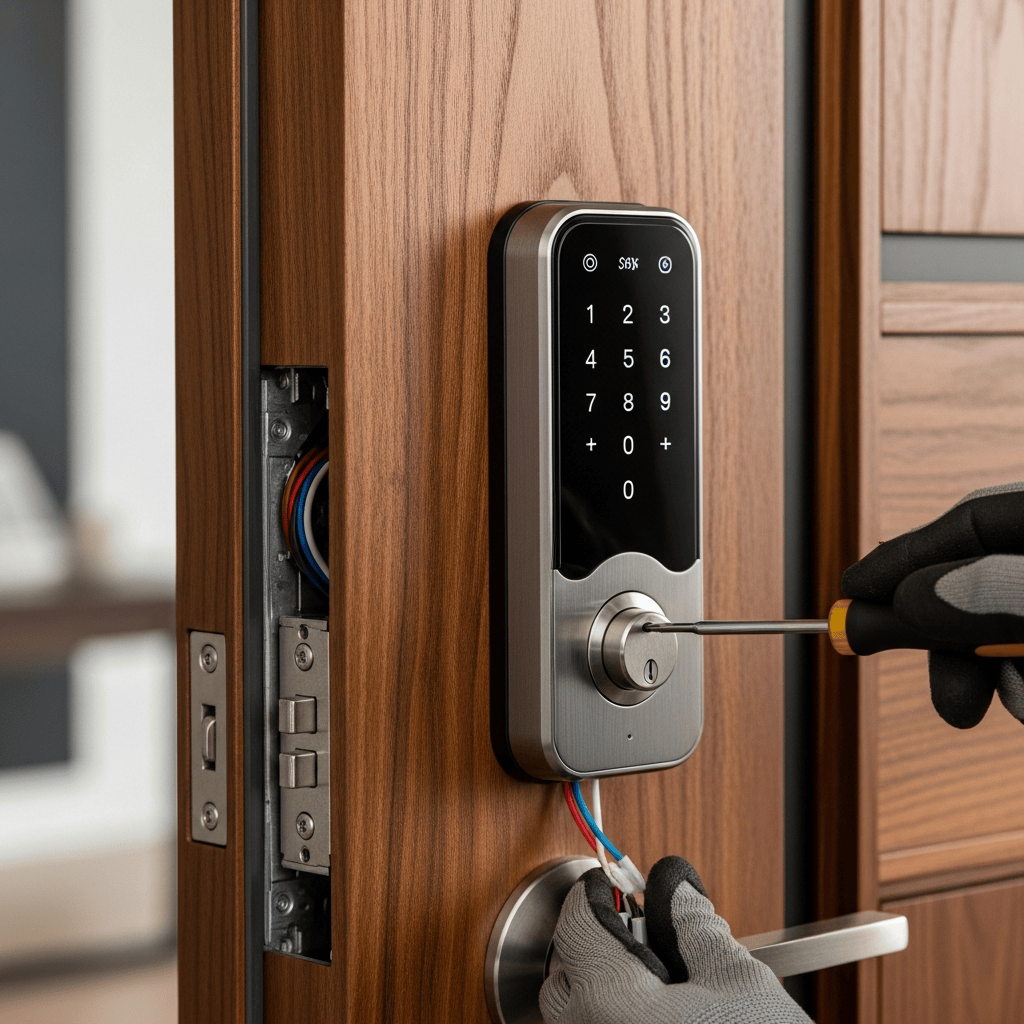
A keypad or smart deadbolt removes the key from daily use, so there is nothing to leave in the door. These locks have their own considerations, including batteries and code management, but for households that keep finding keys in the lock, they solve the problem at the source. Mechanical keypads do the same without batteries. The trade-offs are similar to those for other keypad locks.
In offices, shops and apartment buildings, keys left in doors are a bigger problem because more people pass by and more doors are affected. A key left in a storefront door or a building entrance can open the premises after hours, and a master key left in a lock can open many doors. Businesses can reduce the risk by limiting who carries keys, using restricted keys that cannot be copied freely, and rekeying professionally when a key has been exposed.
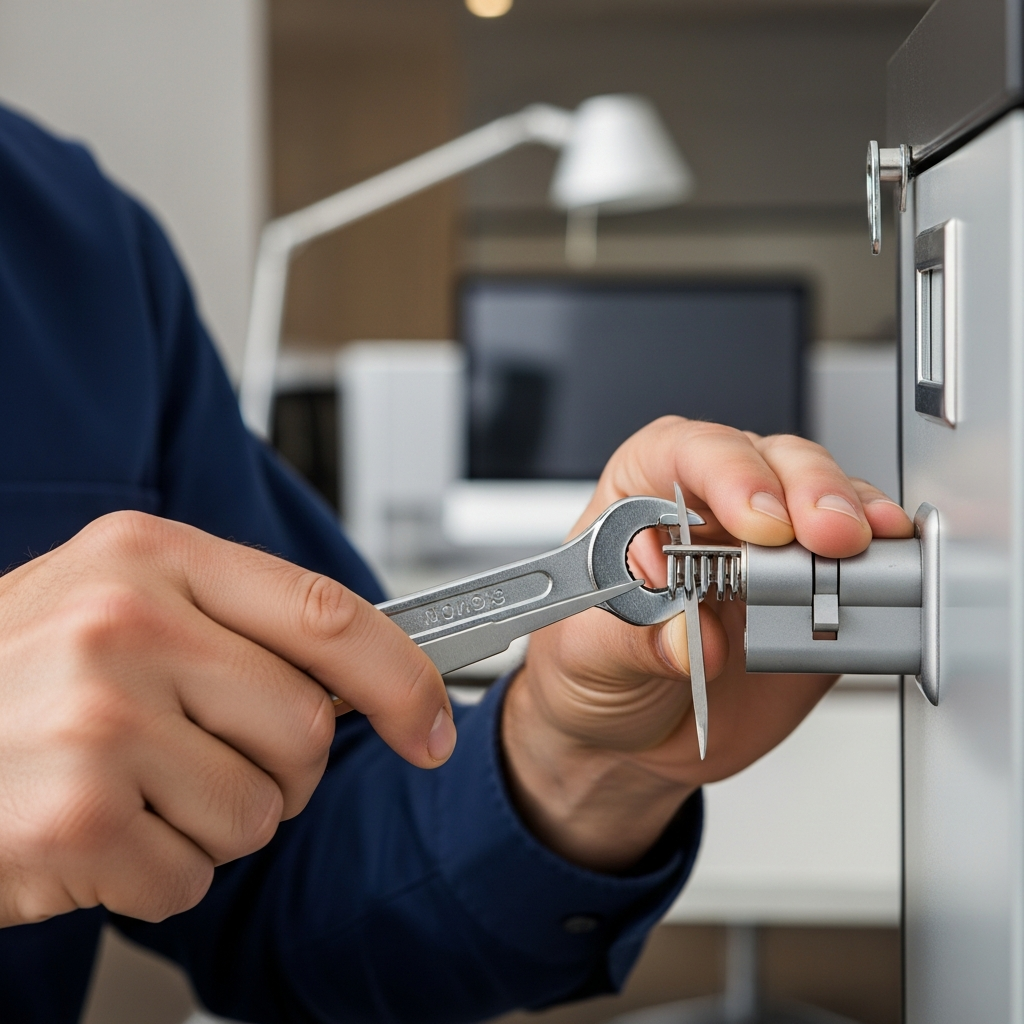
When rekeying is the right step, it is usually straightforward. Each exterior cylinder is rekeyed to a new key, the old keys stop working, and the household starts again with a known number of keys. If several doors use the same key, they can all be rekeyed to one new key together, which keeps one key for every door.
The front door is the most common place, but keys get left in many locks: the garage side door, the mailbox, the back gate padlock, the car door, the shed. Each carries the same risk on a smaller scale. A mailbox key left in the lock lets someone read or take mail, which can lead to identity theft. A padlock key left in a gate lock means the gate is effectively open. Building the habit of removing the key before moving on applies to every lock, not only the front door.
Guests in a short-term rental, visitors staying a few days and new tenants are much more likely to leave keys in a door, because the lock is unfamiliar. Hosts and landlords can reduce the risk by using a keypad for guests, putting a hook just inside the door, and changing codes or rekeying between stays. Where a physical key is handed over, a key tag without the address is safer than one with it.
When a key has been exposed, the practical sequence is:
For a typical house with two or three exterior doors on one key, the work is short and does not change the look of the doors.
Even households that keep a keyed front door sometimes add a keypad to a side or garage door, so there is always a way in that does not depend on a key. That reduces the temptation to hide spare keys outside, which is another common way keys end up exposed.
In apartment and condo buildings, a key left in a suite door is visible to everyone who walks the corridor, and a key left in the main entrance door can let anyone into the building. Residents who find keys in a door should return them to the owner or management rather than leaving them in place.
Tell us how many doors use the exposed key, whether you want them on one new key, and how many keys you need. If a car key was also exposed, mention it so you can arrange that separately.
We can rekey every lock the exposed key opened, cut the new keys, and advise on keyless options if the household keeps leaving keys behind. Household work is part of our residential locksmith services.
Keep reading
If they were out overnight, visible from the street, or found by someone you do not know, rekeying is the cautious choice. Rekeying makes the old keys useless without replacing the locks.
If they were out overnight, visible from the street, or found by someone you do not know, rekeying is the cautious choice. Rekeying makes the old keys useless without replacing the locks.
A clear photograph of a key can be enough to cut a copy. That is one reason keys left in a door for a long time are worth treating as exposed.
Check the car, and consider having the old fob or key removed from the vehicle and a new one programmed, so the exposed key no longer starts the car.
It allows a efficient exit, but if glass is near the lock, someone can reach through and turn the key. Keeping the key nearby but out of reach of the glass is a common compromise.
Take the key out before pushing the door open, keep a hook or bowl just inside the door, and keep house and car keys on separate rings joined by a clip.
Yes. With no key in daily use, there is nothing to leave in the lock. Choose a model with a reliable key or code backup.
If the key is hard to pull out, the cylinder may need cleaning and lubricating, or the key may be worn. A smooth lock is easier to use correctly.
Find out which locks the key opens, and rekey them if the key may have been copied or taken. Restricted keys make unauthorised copies much harder.
GTA Lockman Mobile Locksmith Services is a mobile locksmith working on homes, businesses and vehicles across Toronto and the GTA, in the trade since 2010. Every review is written by a customer on Google, where you can read them in full.
Areas served: Toronto, North York, Scarborough, Etobicoke, Vaughan, Richmond Hill, Markham, Stouffville, Newmarket, Mississauga, Brampton, Oakville, Milton, Halton Hills, Pickering, Ajax, Whitby, Oshawa, Uxbridge.
Describe the door, hardware and service address. Contact GTA Lockman Mobile Locksmith Services to confirm the scope and scheduling for your location.