Locksmith services are always 10% off for seniors.
Open Mon–Thu 8:30 AM–9 PM, Fri 8:30 AM–4 PM, Sun 9:30 AM–9 PM
Locksmith services are always 10% off for seniors.
Open Mon–Thu 8:30 AM–9 PM, Fri 8:30 AM–4 PM, Sun 9:30 AM–9 PM
GTA Lockman Mobile Locksmith Services · Toronto & GTA
Why a key will not come out, how to free it without snapping it, and what to fix so it does not happen again.
Related services
Remove a snapped key without damaging the cylinder, then find out why the key failed so the next one does not.
Learn moreFind out whether the key, the keyway or the cylinder is the problem before forcing a key that will not enter.
Learn moreRelease a deadbolt that will not retract, then correct the alignment or lock fault that caused it to bind.
Learn moreWhy a key that worked for years starts to stick, and when the key rather than the lock is the problem.
Learn moreFree a frozen lock without damaging it, and find out whether ice, alignment or batteries caused the problem.
Learn moreTrace the broken connection between the cylinder and the bolt or latch, then repair or replace the failed part.
Learn more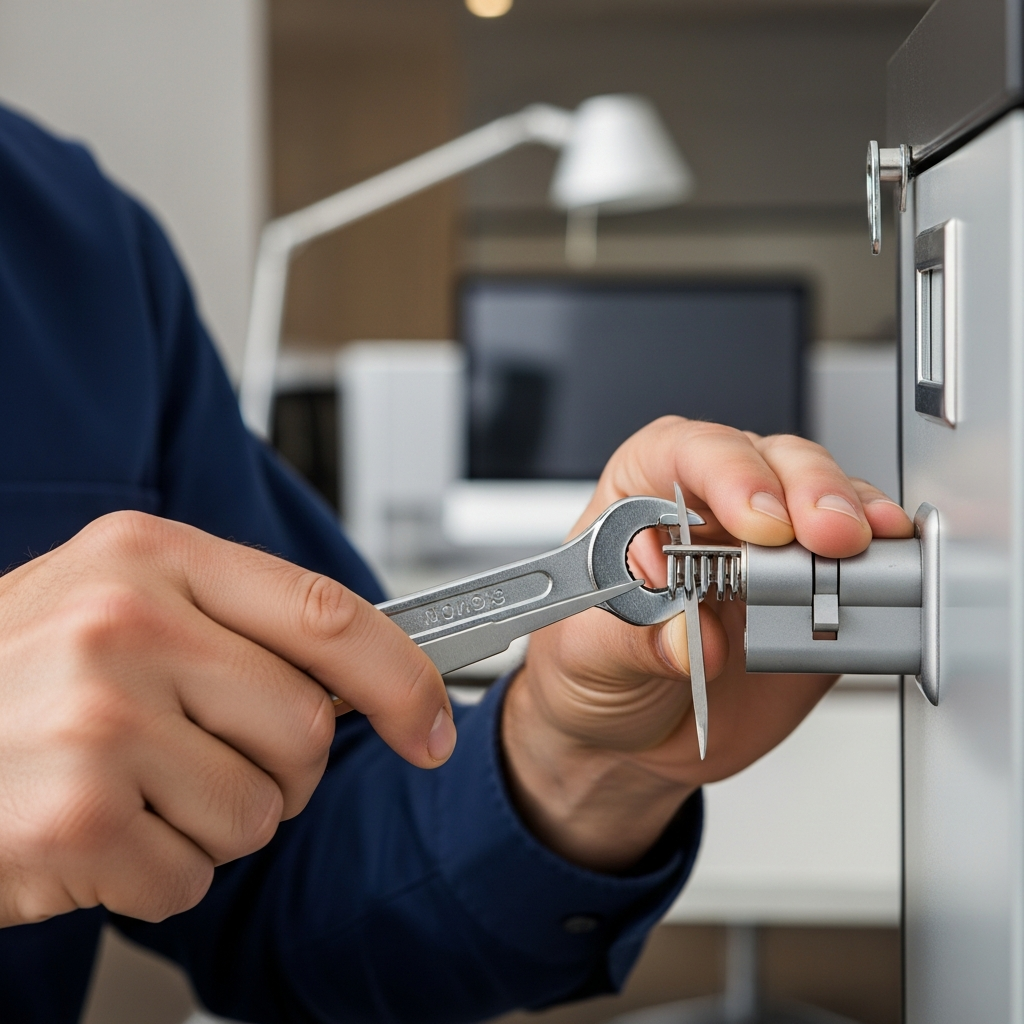
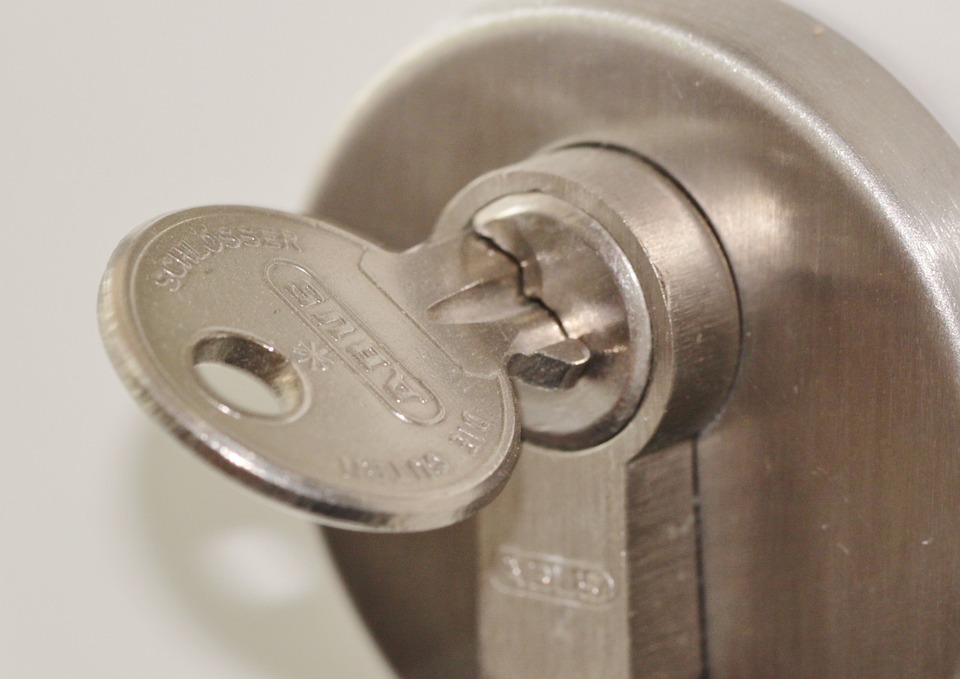
A key stuck in a lock is a particular kind of frustration. The door may be locked or unlocked, the key may turn part of the way or not at all, and pulling harder only makes it feel more jammed. It often happens at the worst moment: on the way out in the morning, with a car running in the driveway, or at the end of a long day with shopping in the other hand.
Most stuck keys come out without damage once you understand why they are stuck. The single most important thing is not to force it. A key that is twisted or yanked hard can snap in the cylinder, and a broken key is a far bigger job than a stuck one.
A pin tumbler lock only releases the key when the cylinder is back in its starting position. In that position, the pins drop into the cuts in the key and let it slide out. If anything stops the cylinder returning to that position, or stops the pins settling, the key stays trapped.
The common causes are:
The cylinder has not turned fully back. On most house locks, the key can only come out when it is vertical, or at whatever angle it went in. If the cylinder is a few degrees off, because the bolt is binding or the key was released too early, the key will not come out.
The bolt is binding. If the deadbolt is under pressure from a misaligned door, the cylinder cannot rotate back freely. The key is held by the tension on the bolt.
A worn or poorly cut key. Copies cut from copies, or keys worn thin over years, can sit slightly wrong in the cylinder. The pins catch on a rough edge or a cut that is too shallow, and the key drags on the way out.
Worn pins or springs. Inside an old cylinder, pins wear and springs weaken. A pin can hang up on the key rather than dropping cleanly.
Dirt, grit or old lubricant. Grit and gummy oil stop pins moving freely. This is common on exterior locks that have been oiled with household oil, which collects dust.
Ice. In winter, moisture inside the cylinder can freeze around the key once it is inserted, especially on a lock that faces the weather.
A bent key. A key that has been used to pry, bent in a pocket or dropped under a car wheel may go in but bind on the way out.
The wrong key. A similar key from another lock may go in far enough to lift some pins but not others, and then catch.
Take a moment before doing anything. Then try these steps, gently.
Stop if the key starts to bend or twist. That is the point at which keys break.
If the key has already broken, the fragment inside the cylinder has to come out before anything else, and that is the job of broken key extraction.
A key that stuck once will probably stick again unless the cause is fixed. Look at why it happened.
If the bolt was binding, the door has moved and the strike needs adjusting. That is the same work as for a deadbolt that is stuck or a door that only locks when pushed.
If the key is worn, get a fresh key cut from the original or from the lock's code, not from the worn copy. Copies made from worn copies get worse each time, which is how most worn keys and poor copies start.
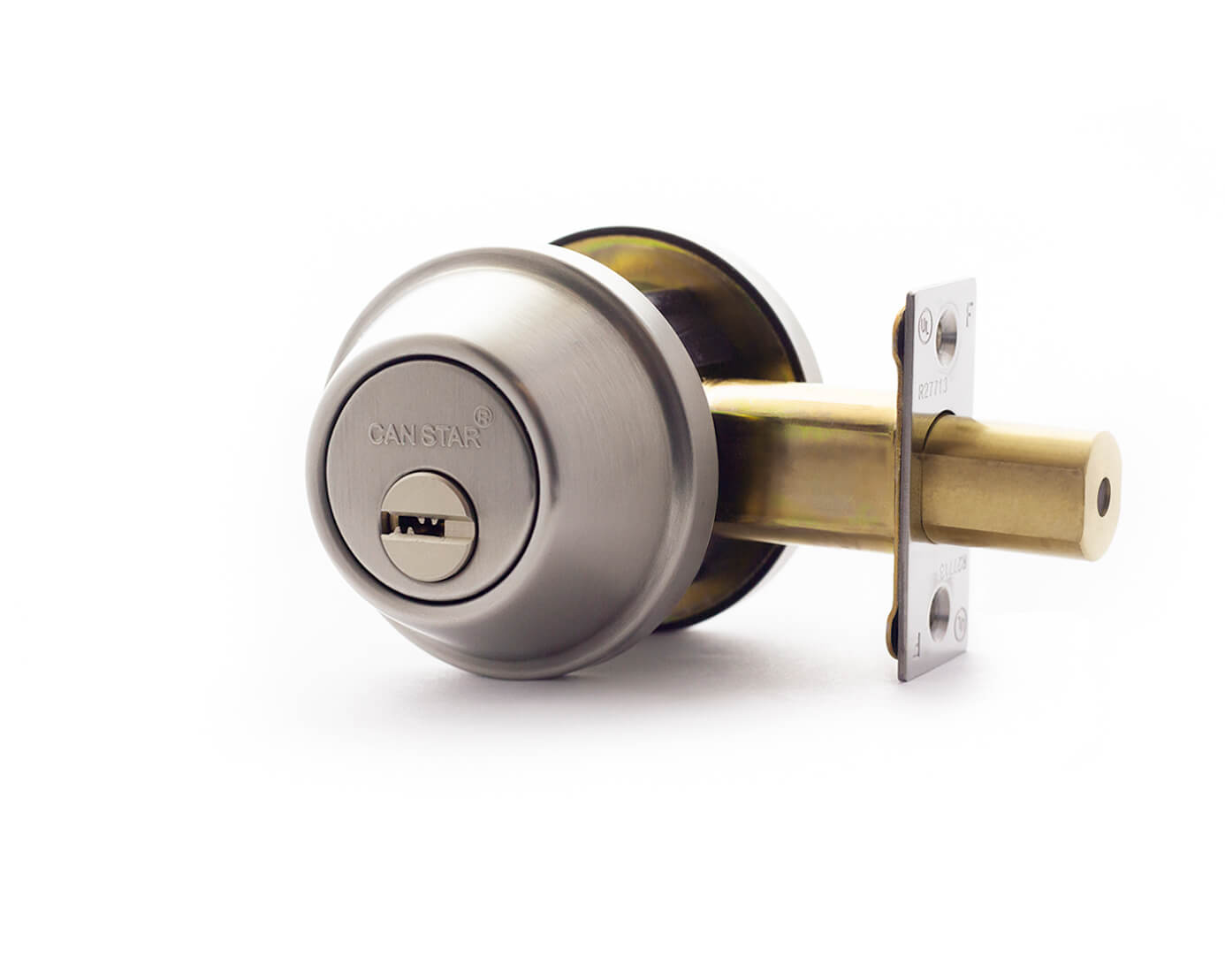
If the cylinder is worn or dirty, cleaning and lubricating it may be enough. Old cylinders with worn pins are often better rekeyed or replaced, which is routine lock repair.
If ice was the cause, a lock that faces the weather may need a cover or a better seal, and the approach is the same as for frozen door locks in winter.
Padlocks. Padlock keys stick when the shackle is under tension or the body is full of grit. Take the weight off the shackle, clean the keyway and lubricate. Padlocks left outdoors year-round wear out and are often cheaper to replace than repair.
Mailboxes. Mailbox cam locks are small and wear out with daily use. A key that sticks in a mailbox lock usually means the lock needs replacing. For community mailboxes, Canada Post looks after the lock.
Car ignitions and doors. Car keys that stick in the ignition are a separate problem, often related to the steering lock or the gear selector, and they are handled differently from house locks.
Cabinets and furniture. Small furniture locks often stick because the wood around them has moved. Easing the key while pressing the drawer or door closed usually frees it.
Sometimes the key is not so much stuck as useless: it turns, but nothing happens, and it will not come out until the cylinder is returned. That usually means a cam or tailpiece inside the lock has broken, the usual cause when a key turns but the door will not unlock, and it needs the lock opened up rather than the key freed.
If the key is stuck with the deadbolt thrown and you are outside, the door is at least secure. If you need to get in, try the steps above with extra care, because a broken key in a locked door means extracting the fragment before anyone can enter. Where the key will not free and you need entry, stop trying and get help; a locked door with a whole key in it is much easier to deal with than one with a broken key.
If the key is stuck with the door unlocked, the house is not secure until the key comes out or the lock is changed. Do not leave the key in the outside of the lock overnight. If it cannot be removed, lock the door from inside with another lock if there is one, and arrange for the key to be freed or the cylinder replaced.
In apartment buildings and shared houses, a key stuck in a common entrance or a suite door affects other people too. Tell the landlord or property manager, who may already know the lock is worn. A worn entrance lock used by many tenants is a common source of stuck keys and usually needs replacing rather than repeated freeing.
Children given their first house key often leave it in the lock, turn it the wrong way or pull it out at an angle. Showing them how to turn the key back to vertical before pulling it out prevents most stuck keys, and a keypad lock removes the problem entirely for younger children.
A spare key kept in a drawer for years is often cut from a different blank or from a copy, and it may stick where the everyday key does not. Test spare keys now and then, and replace any that feel rough before you need them in a hurry.
Tell us where the key is stuck, whether the door is locked or unlocked, whether the key turns at all, and whether it is bent or damaged. A photograph of the key in the lock helps.
We can free the key without damaging the lock, adjust the door and strike if the bolt was binding, cut a fresh key to the lock's code, and clean, rekey or replace a worn cylinder. Household lock work is part of our residential locksmith services.
Keep reading
Usually the cylinder is not fully back in its starting position, or the bolt is binding and holding the cylinder under pressure. Worn keys, worn pins, dirt and ice are the other common causes.
Usually the cylinder is not fully back in its starting position, or the bolt is binding and holding the cylinder under pressure. Worn keys, worn pins, dirt and ice are the other common causes.
Turn the key gently back to its starting position, usually vertical, take the pressure off the bolt by pushing or pulling the door, and ease the key straight out while rocking it very lightly. Stop if the key starts to bend.
Household oils free the key for a while but collect dirt and gum up the pins later. A dry lubricant or graphite is a better choice for locks.
Moisture inside the cylinder freezes around the key. Warming the key or using a lock de-icer frees it. A cover or better seal on the lock helps prevent it.
Find the cause. If the bolt was binding, adjust the door and strike. If the key is worn, get a fresh key cut from the original or the code. If the cylinder is worn, clean, rekey or replace it.
Do not try to push the fragment further in. The broken piece has to be extracted before the lock can be used again, and it usually comes out without damaging the lock.
Copies are sometimes cut slightly off, or cut from a worn key. Cutting a new key from the original, or from the lock's code, usually solves it.
Not necessarily. Many locks only need cleaning, lubrication or a new key. Replacement makes sense when the cylinder is badly worn or the lock is damaged.
GTA Lockman Mobile Locksmith Services is a mobile locksmith working on homes, businesses and vehicles across Toronto and the GTA, in the trade since 2010. Every review is written by a customer on Google, where you can read them in full.
Areas served: Toronto, North York, Scarborough, Etobicoke, Vaughan, Richmond Hill, Markham, Stouffville, Newmarket, Mississauga, Brampton, Oakville, Milton, Halton Hills, Pickering, Ajax, Whitby, Oshawa, Uxbridge.
Describe the door, hardware and service address. Contact GTA Lockman Mobile Locksmith Services to confirm the scope and scheduling for your location.