Locksmith services are always 10% off for seniors.
Open Mon–Thu 8:30 AM–9 PM, Fri 8:30 AM–4 PM, Sun 9:30 AM–9 PM
Locksmith services are always 10% off for seniors.
Open Mon–Thu 8:30 AM–9 PM, Fri 8:30 AM–4 PM, Sun 9:30 AM–9 PM
GTA Lockman Mobile Locksmith Services · Toronto & GTA
Release a deadbolt that will not retract, then correct the alignment or lock fault that caused it to bind.
Related services
Diagnose resistance, incomplete bolt travel and failed connections without assuming every deadbolt needs replacing.
Learn moreTrace the broken connection between the cylinder and the bolt or latch, then repair or replace the failed part.
Learn moreFind out whether the strike, the door or the lock is stopping the bolt, and correct the cause rather than the symptom.
Learn moreRemove a snapped key without damaging the cylinder, then find out why the key failed so the next one does not.
Learn moreAuthorized entry to your home, followed by a look at why the lockout happened and whether the lock needs attention.
Learn moreAssess household lock problems in the context of the door, building requirements and the people using it.
Learn more
When a deadbolt will not retract and the door stays shut, the lock itself is not always the part that failed. Very often the bolt is pressed against the edge of the strike opening because the door has moved, the frame has shifted, or the strike was never quite aligned. The key or thumbturn then has to push the bolt against that friction, and at some point it cannot.
Seasonal change plays a part in the GTA. Wood doors and frames swell with humidity and shrink in dry winter air, and a bolt that moved freely in autumn can drag in summer. Settling houses, loose hinge screws and new weatherstripping can have the same effect.
Other causes sit inside the lock: a worn or dirty cylinder, a broken tailpiece or cam, or a bolt mechanism that has failed. The difference matters, because the fix for a misaligned strike is not the fix for a broken cam.
If the key or thumbturn will not turn, push or pull the door gently toward or away from the frame while turning. Try lifting slightly on the handle, or pressing near the lock. If the bolt suddenly releases, the lock is probably sound and the problem is alignment. Note which direction helped; it tells the technician where the door is binding.
Do not force the key. A key under heavy torque can bend or snap inside the cylinder, which turns a stuck bolt into a broken key extraction. Avoid hammering the bolt or prying at the frame. Those attempts damage the strike, the bolt and the door edge.
If the deadbolt turns freely but the bolt does not move, the connection between the cylinder and the bolt may be broken. That is a different fault, closer to a key that turns while the door stays locked.
If the door is shut and you are outside, a stuck deadbolt is also a lockout. The technician will confirm your authorization to enter the property before working on the lock. Depending on the cause, they may be able to relieve the pressure on the bolt and retract it normally. If the mechanism has failed internally, entry may require removing or sacrificing a component.
If there is another way into the home, mention it. Working from the inside can make it easier to remove the lock and assess the bolt without damaging the door. If you are outside the door, entry is arranged first, in the same way as any house lockout.
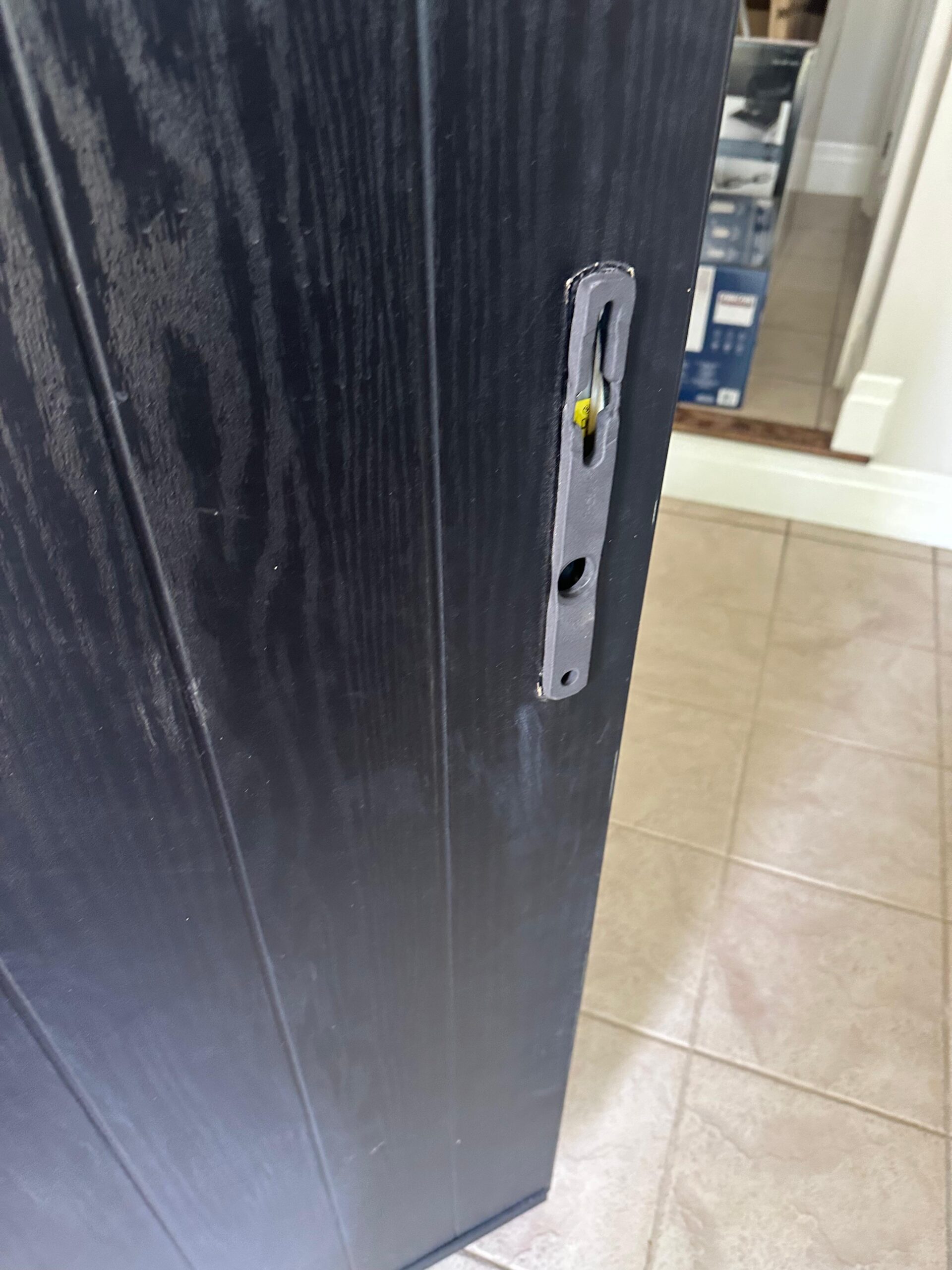
The technician tests the deadbolt with the door open and closed. If the bolt throws and retracts smoothly with the door open but binds when it is closed, the strike, frame or hinges need attention. If the bolt is stiff even with the door open, the problem lies in the lock itself.
They will look at the strike position, the depth and size of the bolt hole in the frame, the hinge screws and the door gap. Inside the lock they will check the cylinder, tailpiece, cam and bolt. Faults in any of those four parts are the everyday work of deadbolt repair.
Alignment problems are often corrected by tightening or replacing hinge screws, adjusting or moving the strike plate, or enlarging the bolt hole in the frame. These repairs keep the existing lock. A worn cylinder can be serviced or replaced, and a broken tailpiece or cam can sometimes be replaced as a part.
Where the bolt mechanism has failed, or the deadbolt is old, damaged or unsupported, replacement with compatible hardware is the practical choice. The technician should explain why a repair is or is not suitable before recommending new hardware.
Photos
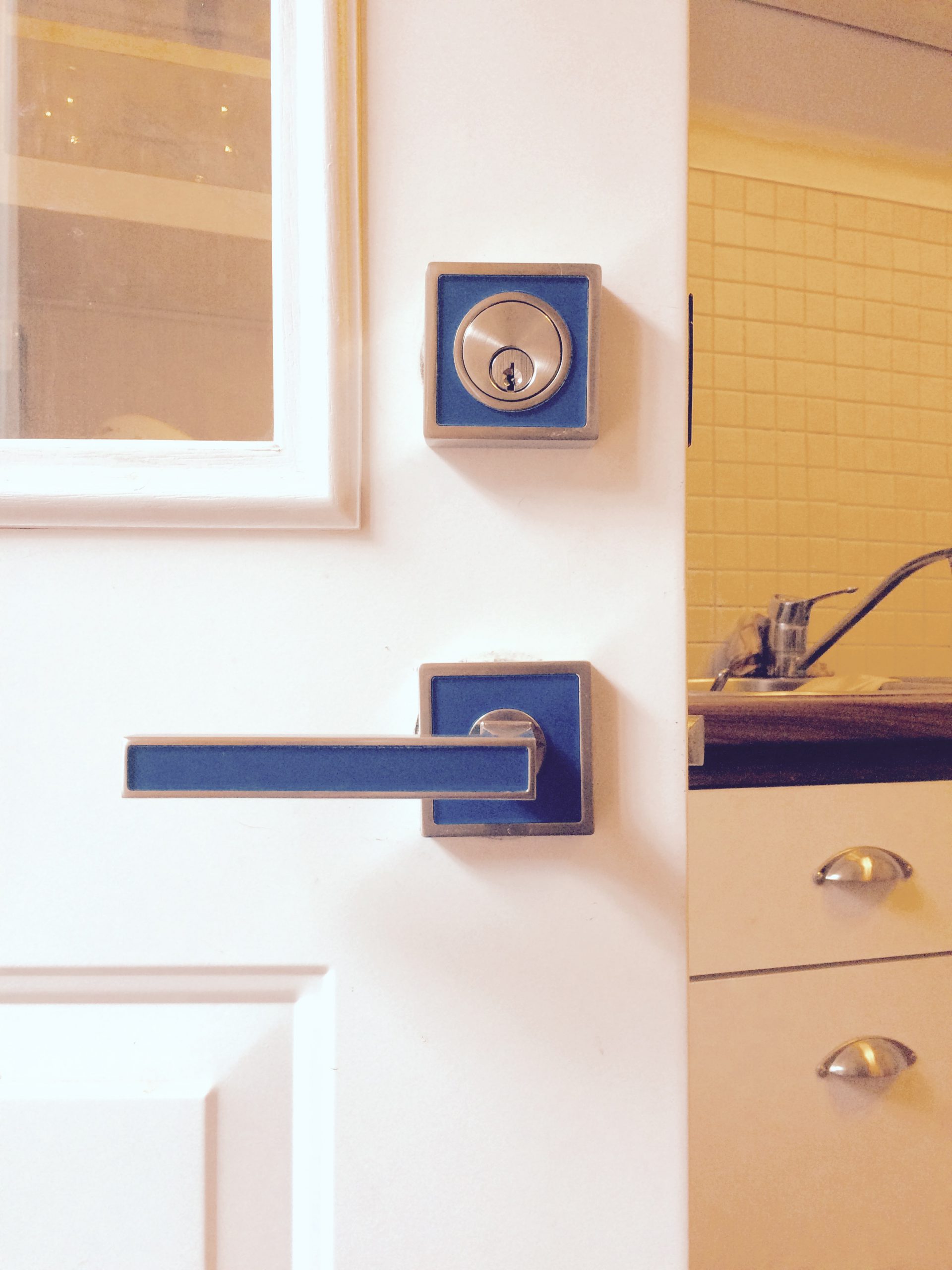
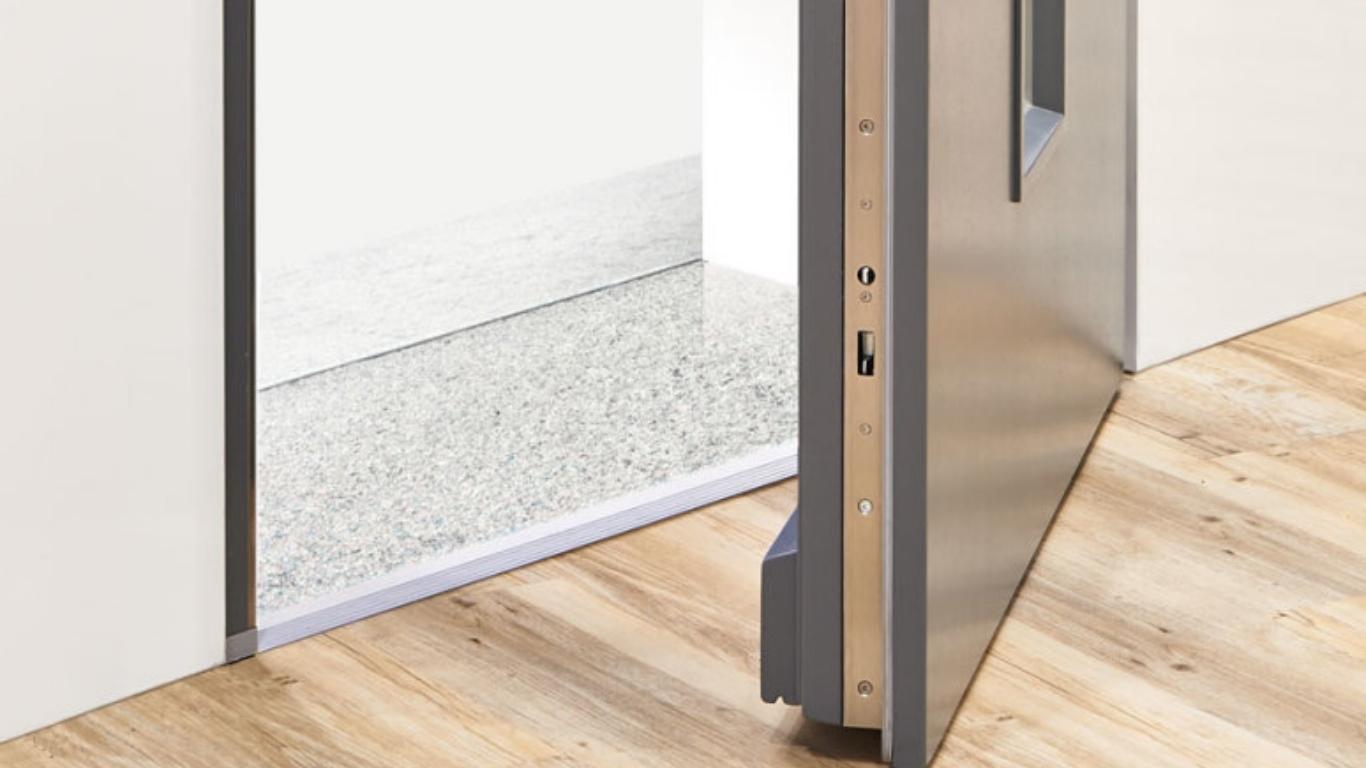
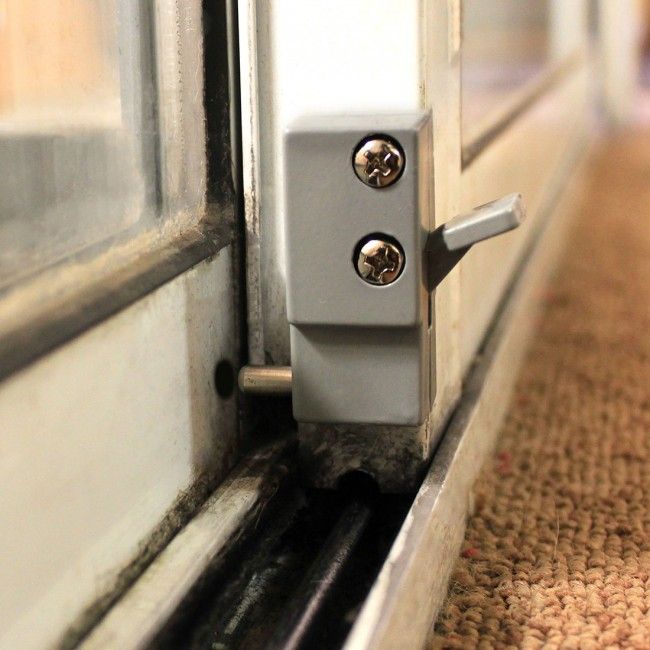
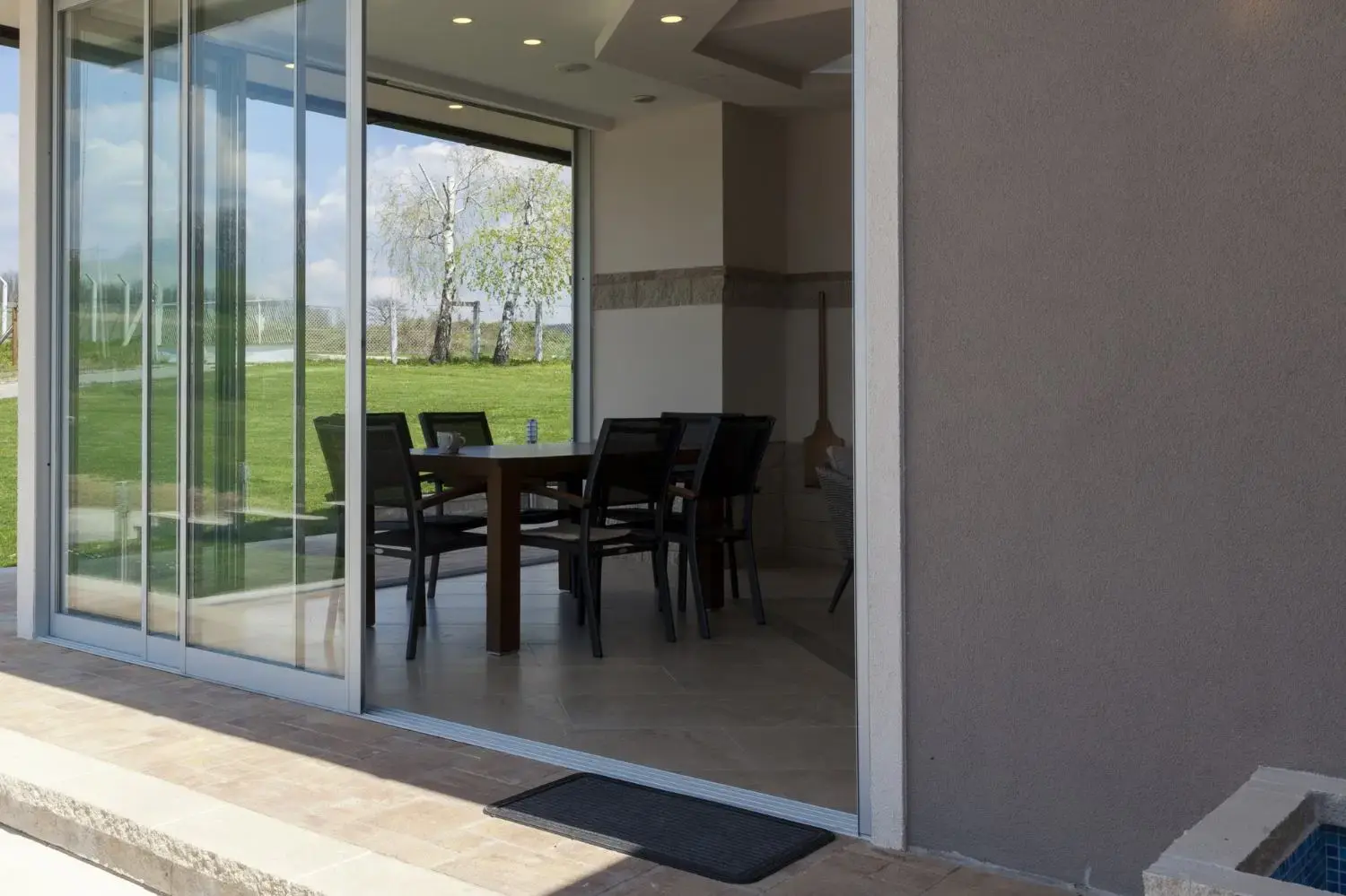
Photographs from GTA Lockman Mobile Locksmith Services work across Toronto and the GTA. Send a picture of your own door and we can tell you what the visit would involve.

Exterior doors face additional stresses. In winter, moisture can freeze in the lock or around the bolt. A frozen lock should not be forced; warming the key gently or using a de-icer made for locks can help. Do not pour hot water on the lock, because it refreezes and can damage the finish and mechanism.
Metal doors with foam cores can expand and contract with sunlight and temperature. If the deadbolt only binds at certain times of day, mention it.

Suite doors in condominiums and rental buildings are often fitted with closers that pull the door hard against the frame. That pressure can hold the bolt against the strike. Building rules may also govern changes to the strike or frame, especially on fire-rated doors. Check with management before work on a suite door, and see door lock repair for houses and condos for more.
Some homes have a deadbolt on a storm or screen door as well as the main entrance door, or a pair of doors where one leaf is held by flush bolts at the top and bottom. On a pair of doors, the deadbolt on the active leaf throws into the inactive leaf rather than into the frame. If the inactive leaf is not fully secured by its flush bolts, or has shifted, the deadbolt can bind against it.
Check whether the inactive leaf moves when you push it. If it does, the flush bolts may not be engaging fully in the head and floor. Adjusting or repairing those bolts often frees the deadbolt without any work on the lock itself.
For storm doors, the hardware is usually lighter and more exposed to weather. A stuck storm-door deadbolt may be corroded or bent. Replacement with compatible storm-door hardware is often the practical option.
After a repair, a few checks help keep the deadbolt working. Notice if the key or thumbturn begins to feel stiffer, particularly with seasonal changes. Keep hinge screws tight. Do not use the key to pull the door closed. Apply a dry lock lubricant occasionally if the manufacturer recommends it.
If the problem was seasonal, the technician may suggest a small additional clearance in the strike opening. That adjustment can allow for normal movement of the door without reducing security, provided the bolt still extends fully into the frame.
Keep a note of when the problem started and anything that changed around that time, such as new weatherstripping, a replaced threshold, painting, or work on the frame. Those details help the technician find the cause without trial and error. If the bolt has been sticking for a while and was freed several times by pushing on the door, mention that too. Repeated forcing can wear the bolt and strike, and the technician may need to replace worn parts as well as correcting the alignment.
After the repair, the deadbolt should extend fully and retract smoothly with the door closed, using the key outside and the thumbturn inside, without pushing or lifting the door. If a seasonal cause was found, ask what adjustment might be needed later. Our posted hours are listed with our contact details, and a bolt that will not extend at all is the related problem of a front door that will not lock.
Keep reading
That pattern points to alignment. When the door is open, the bolt moves freely because nothing presses on it. When the door is closed, the bolt rubs against the edge of the strike opening in the frame. The door may have dropped on its hinges, the frame may have shifted, or seasonal swelling may have changed the fit. Correcting the strike position, tightening hinges or enlarging the bolt hole usually solves it without replacing the lock. Test by pushing or pulling the door gently while turning the key; if that helps, alignment is the likely cause.
That pattern points to alignment. When the door is open, the bolt moves freely because nothing presses on it. When the door is closed, the bolt rubs against the edge of the strike opening in the frame. The door may have dropped on its hinges, the frame may have shifted, or seasonal swelling may have changed the fit. Correcting the strike position, tightening hinges or enlarging the bolt hole usually solves it without replacing the lock. Test by pushing or pulling the door gently while turning the key; if that helps, alignment is the likely cause.
A dry lock lubricant such as graphite or a PTFE product can help a stiff cylinder. It will not solve a bolt that is binding against the strike, because the problem there is pressure rather than friction inside the lock. Avoid heavy oils and general-purpose sprays, which attract dirt and can gum up the pins. Apply a small amount, then operate the lock several times. If the bolt still sticks only when the door is closed, the alignment needs attention rather than more lubricant.
The connection between the thumbturn or cylinder and the bolt has probably failed. The tailpiece may have broken or slipped out of the bolt mechanism, or the bolt's internal cam may be damaged. The lock needs to be opened and inspected. If the door is currently locked and you cannot open it from either side, it is effectively a lockout, and the technician will first confirm authorization before working on the lock. Replacement parts may be available, or the whole deadbolt may need to be changed.
No. A key under heavy torque can bend or snap inside the cylinder. That adds a broken key extraction to the original problem and can damage the cylinder. Instead, try moving the door gently toward or away from the frame while turning the key with normal pressure. If the bolt still will not move, stop and arrange a repair. Forcing the thumbturn from inside can also break the tailpiece. Gentle testing gives useful information; force usually adds damage.
Only if the lock itself has failed or is unsuitable. Many stuck deadbolts are caused by the strike, frame or hinges, and they can be repaired without new hardware. If the cylinder is worn, it may be serviced or replaced separately. A new deadbolt makes sense when the bolt mechanism is broken, parts are unavailable, or the lock is damaged or does not suit the door. The technician should explain the evidence for any replacement they recommend.
Wood doors and frames absorb moisture in humid weather and swell. The change can move the bolt out of line with the strike or tighten the gap so the door presses on the bolt. In drier months the problem often disappears. A lasting correction may involve adjusting the strike, enlarging the bolt hole slightly or addressing the hinges so the door sits correctly in all seasons. Mention the seasonal pattern when you describe the problem; it helps the technician choose the right adjustment.
Moisture can freeze inside the cylinder or around the bolt in winter. Warm the key gently and insert it carefully, or use a de-icer made for locks. Do not pour hot water on the lock; it refreezes and can damage the mechanism and finish. Do not force the key. If the lock regularly freezes, water may be entering from above or through the keyway, and the technician can suggest ways to reduce it. A lock that stays stiff after thawing may need servicing.
Usually, but check the building's rules first. Suite doors are often fire-rated and fitted with closers, and management may control changes to the strike, frame or hardware. The closer pulling the door against the frame is a common cause of a binding bolt. Repairs that keep the door's rating and function intact are generally possible. Tell us about the building when you call, and let management know if work on the frame or closer is needed.
GTA Lockman Mobile Locksmith Services is a mobile locksmith working on homes, businesses and vehicles across Toronto and the GTA, with more than 14 years in the trade. Every review is written by a customer on Google, where you can read them in full.
Areas served: Toronto, North York, Scarborough, Etobicoke, Vaughan, Richmond Hill, Markham, Stouffville, Newmarket, Mississauga, Brampton, Oakville, Milton, Halton Hills, Pickering, Ajax, Whitby, Oshawa, Uxbridge.
Describe the door, hardware and service address. Contact GTA Lockman Mobile Locksmith Services to confirm the scope and scheduling for your location.