Locksmith services are always 10% off for seniors.
Open Mon–Thu 8:30 AM–9 PM, Fri 8:30 AM–4 PM, Sun 9:30 AM–9 PM
Locksmith services are always 10% off for seniors.
Open Mon–Thu 8:30 AM–9 PM, Fri 8:30 AM–4 PM, Sun 9:30 AM–9 PM
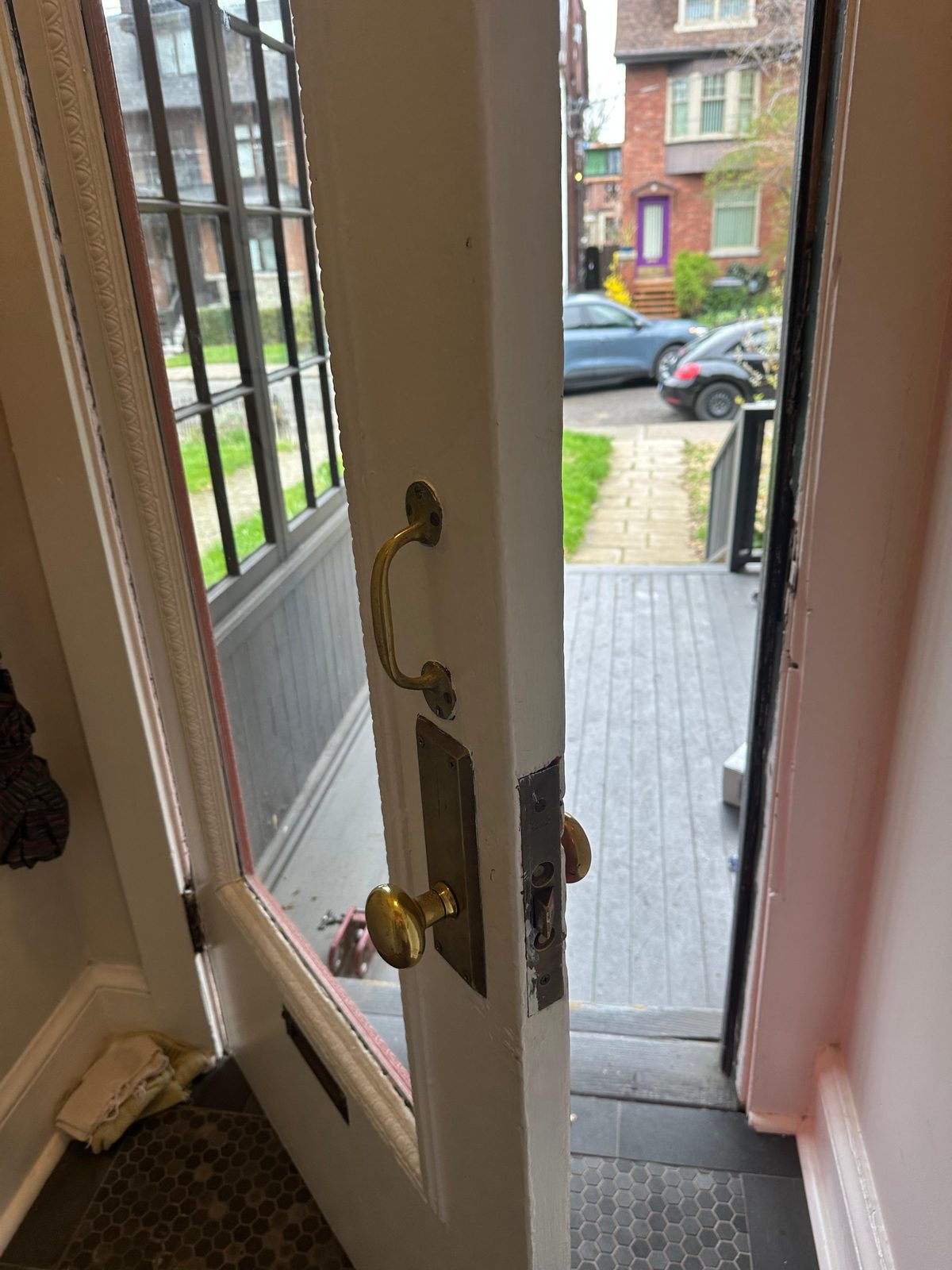
GTA Lockman Mobile Locksmith Services · Toronto & GTA
Authorized entry to your home, followed by a look at why the lockout happened and whether the lock needs attention.
Related services
Regain entry to a suite while respecting building rules, fire-rated doors and the access arrangements of the property.
Learn moreRemove a snapped key without damaging the cylinder, then find out why the key failed so the next one does not.
Learn moreRelease a deadbolt that will not retract, then correct the alignment or lock fault that caused it to bind.
Learn moreTrace the broken connection between the cylinder and the bolt or latch, then repair or replace the failed part.
Learn moreFind out whether the strike, the door or the lock is stopping the bolt, and correct the cause rather than the symptom.
Learn moreKeep suitable hardware while changing which keys operate your new home’s locks.
Learn more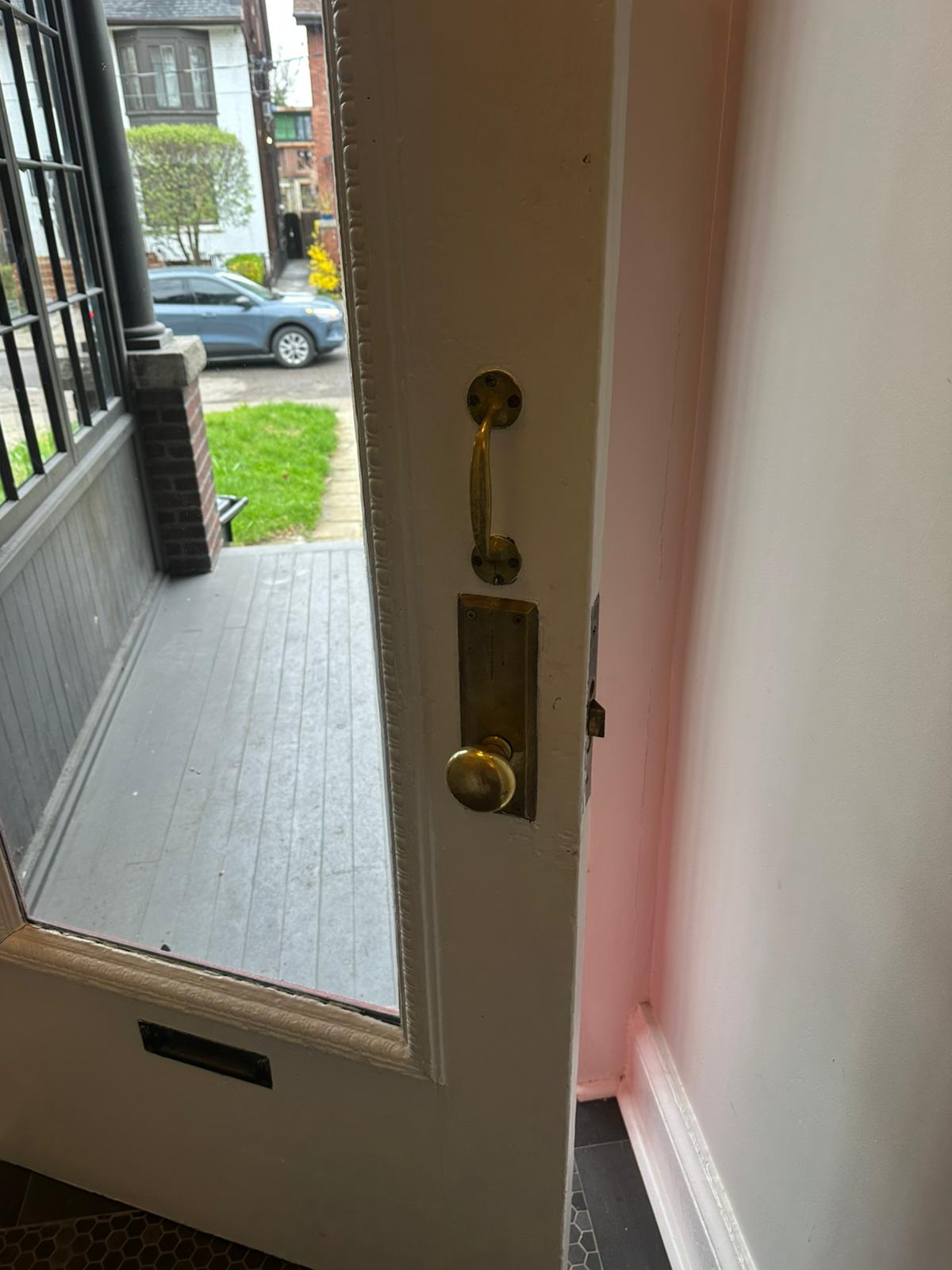
A house lockout starts with a simple question that has to be answered properly: who is entitled to enter this home? The person requesting entry should be able to show a connection to the address, such as identification bearing the address, a lease, or confirmation from the owner. Where the documents are inside the house, the technician can explain what will be accepted once the door is open and before any further work begins.
This step protects the household as much as it protects the locksmith. A service that opens any door on request is a service that could open yours for someone else. Expect questions about the property, the occupants and the circumstances, and answer them plainly. If ownership or the right to occupy is disputed, lock work is not the way to resolve it.
Tell us when you call whether anyone else is inside, whether pets or appliances are involved, and whether an alarm system is armed. These details affect how the visit is handled. If someone inside needs medical help or is in danger, contact 911 first; a locksmith is not a substitute for that response.
Some lockouts happen because the keys are inside. Others happen because the key no longer operates the lock, the deadbolt will not retract, or a knob lock was set before the door closed. Each situation points to a different method. Before the visit, note which locks were engaged, whether you have any key at all, and what happened when you last tried it.
Photographs help. A picture of the exterior trim, the deadbolt and the key, if you have it, lets us identify the hardware family before arrival. Do not send close images of key cuts to anyone you do not know, and avoid posting them online. Key profiles can be copied from clear photographs.
If the key turns but nothing happens, the connection between the cylinder and the bolt has usually failed inside the lock, the classic sign of a key that turns while the door stays locked. If a bolt is jammed in the frame, see a stuck deadbolt that keeps the door closed. A broken key stub in the cylinder is covered under broken key extraction.
For many residential locks the technician will begin with methods that leave the lock in service. Whether that is realistic depends on the cylinder, the door construction and the security features installed. A high-security cylinder, a reinforced strike or a multipoint mechanism may limit the options, and some hardware cannot be opened without replacing a component.
The technician should explain the intended approach before starting and tell you if it changes. If a part must be sacrificed, you should know which part and what will replace it. A lockout visit is not the time for undisclosed upgrades; ask for the price of the entry work and the price of any hardware separately.
Avoid attempts that damage the door. Prying the frame, forcing a window or striking the lock can turn an access problem into a repair to the door, trim or glass, and can leave the home harder to secure that night.
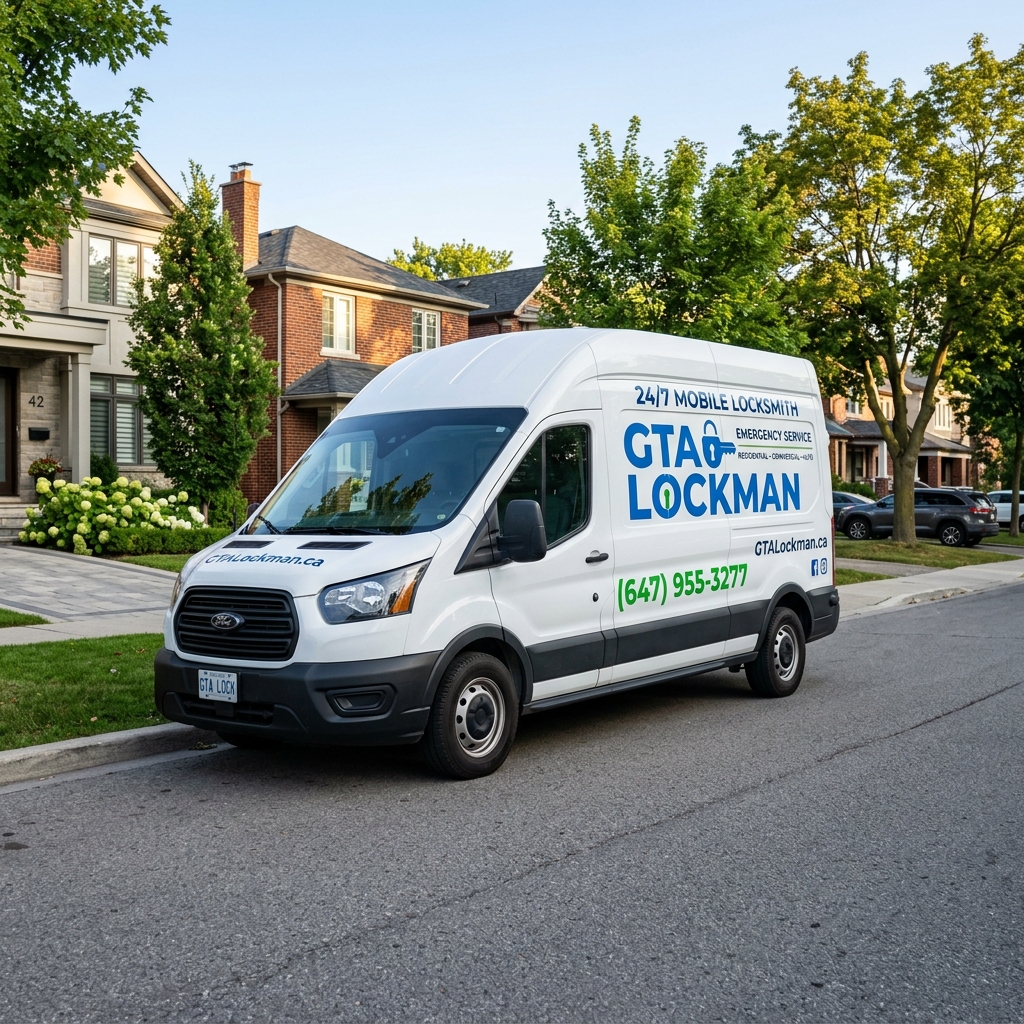
Once you are inside, take a moment to consider the cause. If the keys were simply left inside, the lock may need nothing. If the key had become hard to turn, the bolt dragged against the strike, or the knob lock engaged unexpectedly, the same lockout can repeat.
A worn key, a cylinder that needs service, or a strike that no longer lines up with the bolt can each be corrected at the same visit if you want. Most of those common mechanical causes can be put right through lock repair without replacing the whole lock. If the lockout followed lost or stolen keys, access control becomes the priority, and rekeying after moving or key loss may suit hardware that is otherwise in good condition.
Ask the technician to test the lock with the door closed. A lock that works only when the door is open is not yet reliable.
Many houses in Toronto and the surrounding region still use a spring latch in the knob or lever together with a separate deadbolt. The knob latch can be set to lock behind you; the deadbolt usually cannot. That difference explains a large share of lockouts. Knowing which locks you normally use helps decide whether hardware or habits need to change.
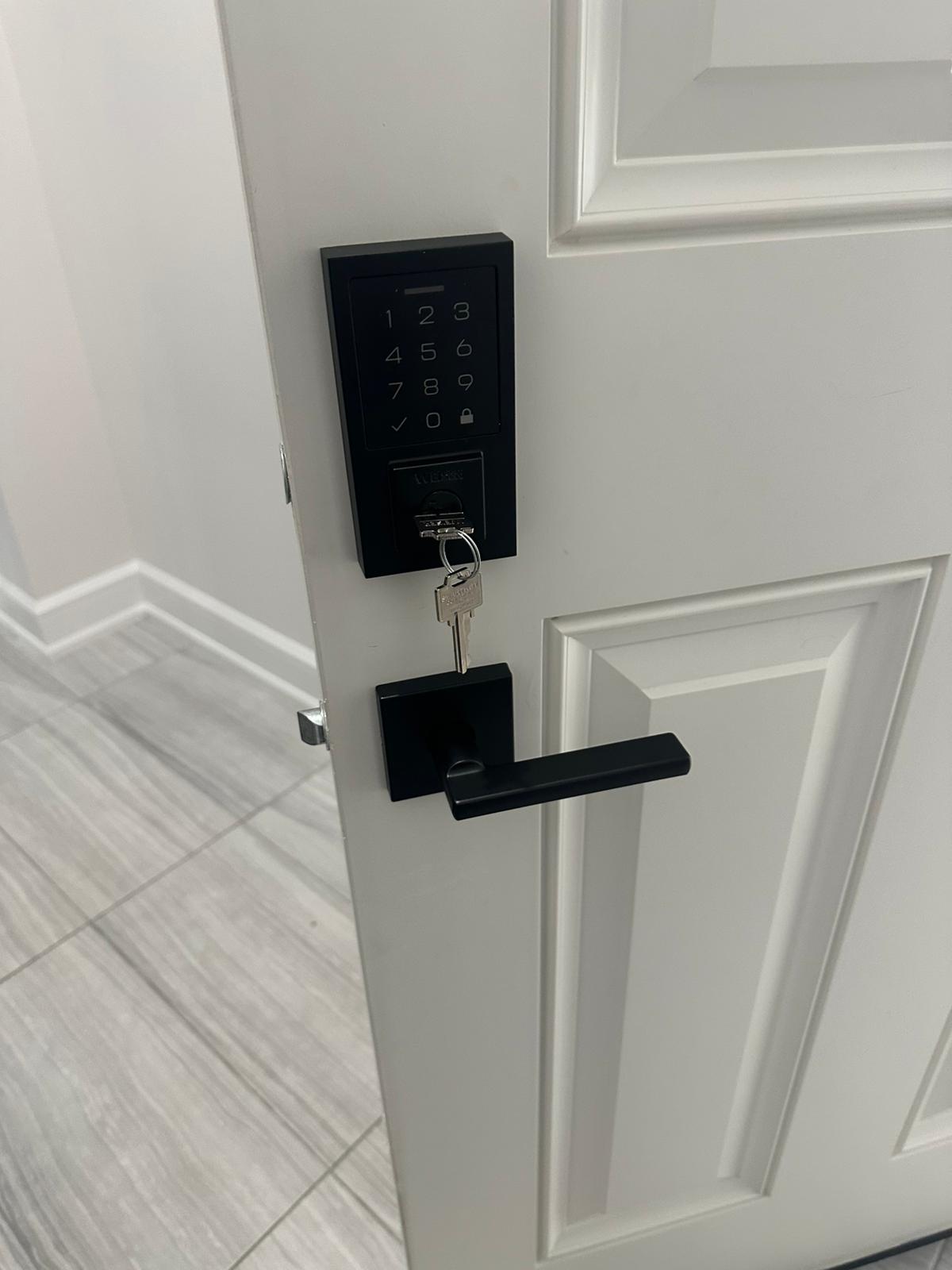
A spare key kept with a neighbour or family member you rely on is a practical safeguard. Hiding a key outside the home is less so, because common hiding places are well known. A keypad deadbolt can reduce key dependence, but it introduces batteries and code management, trade-offs worth weighing before keypad lock installation.
Photos
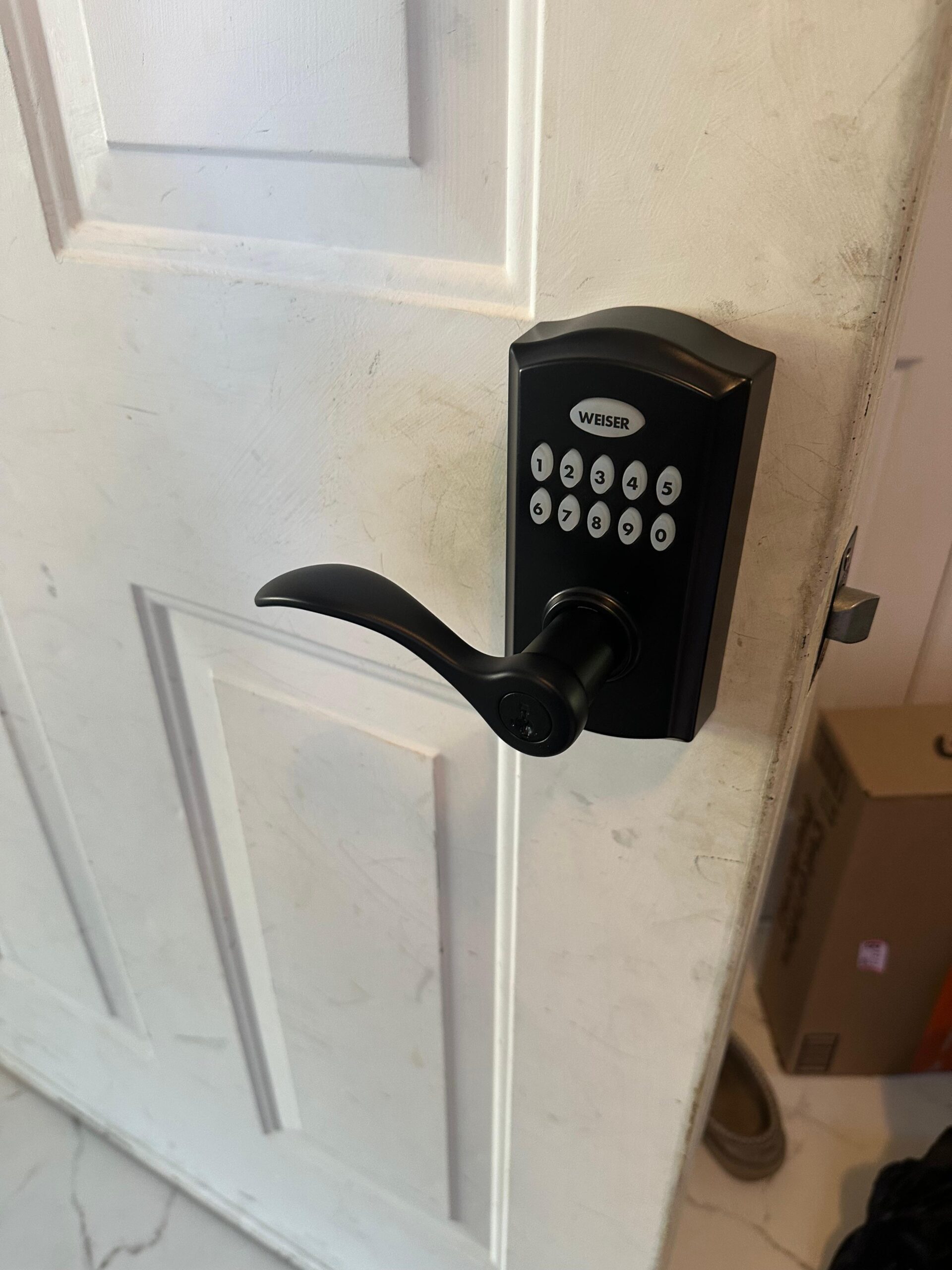
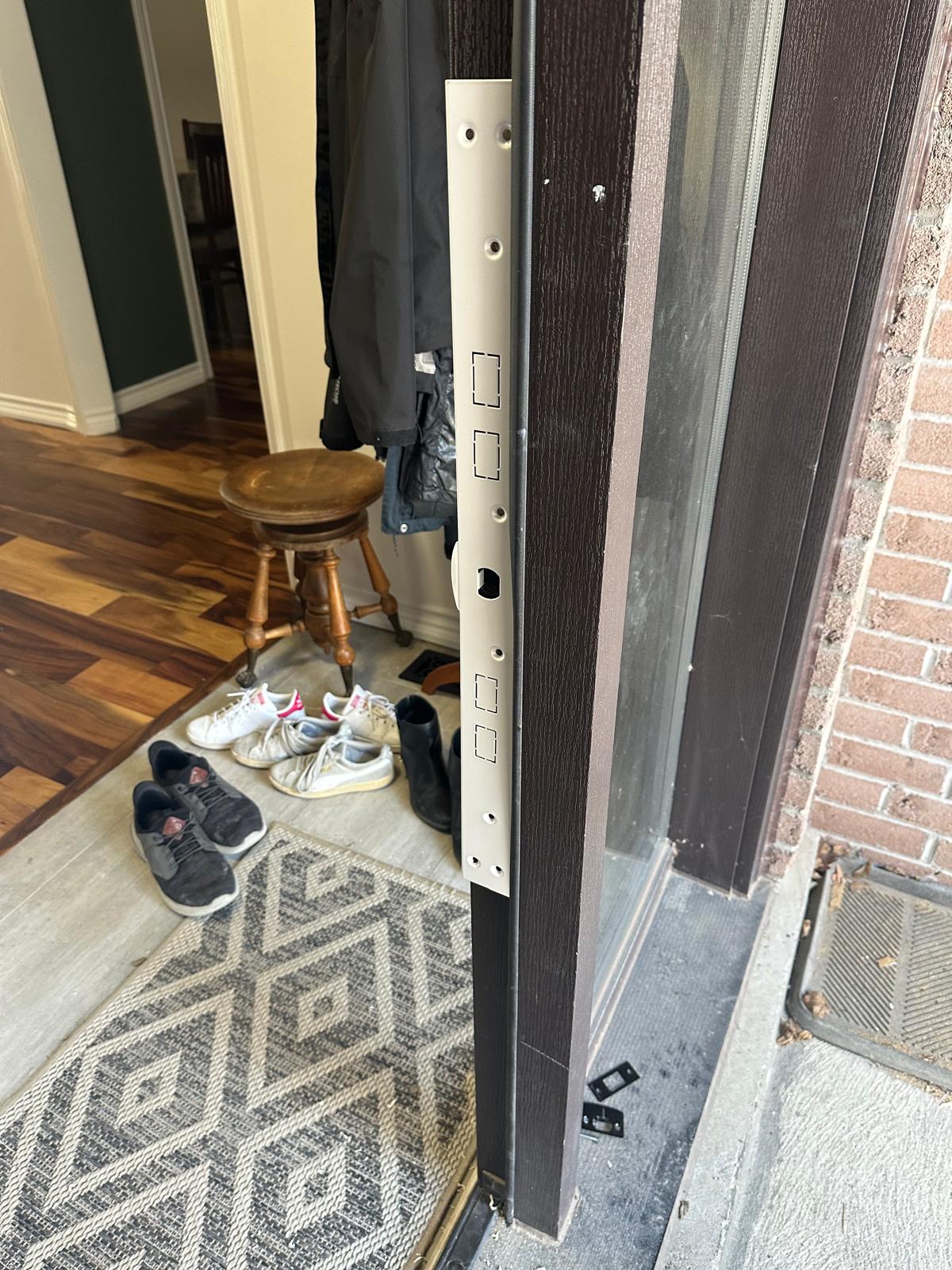
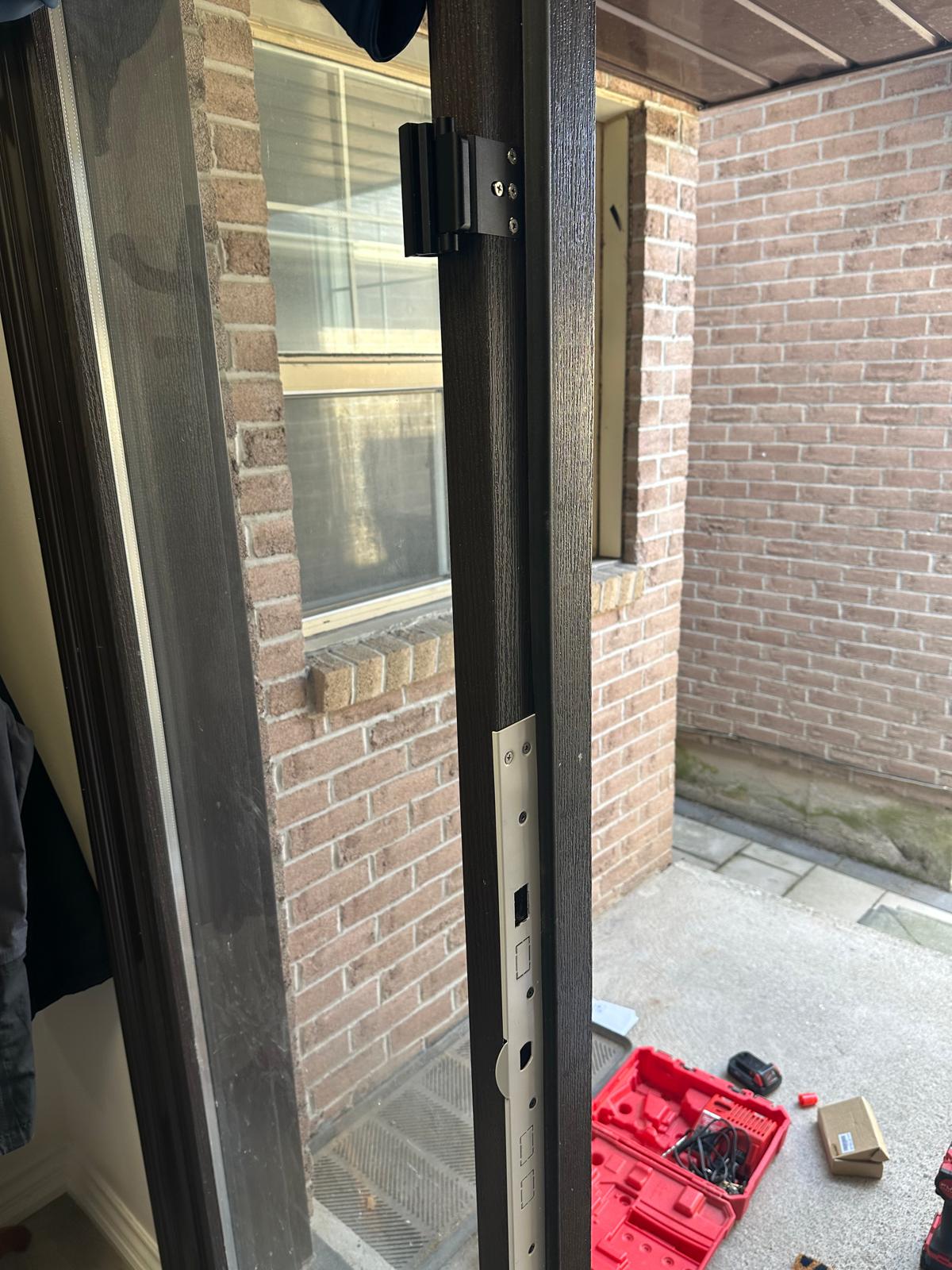
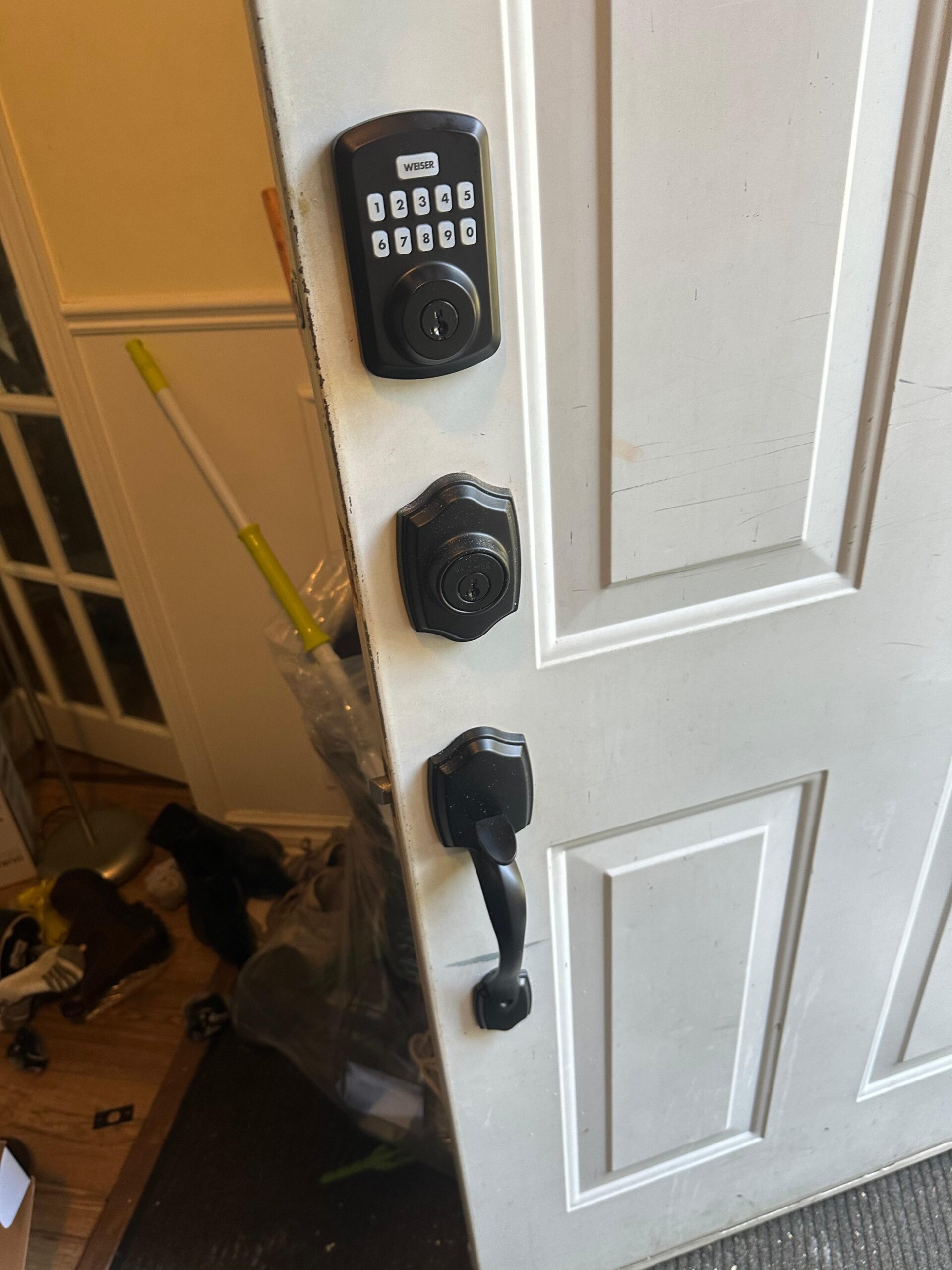
Photographs from GTA Lockman Mobile Locksmith Services work across Toronto and the GTA. Send a picture of your own door and we can tell you what the visit would involve.
Tenants should know what their lease says about lock changes and access. In a rented house, the landlord may need to be informed before locks are changed, and a tenant may be required to provide a key. Entry by a locksmith does not change those obligations.
Where several people share a house, agree beforehand who holds keys and who can authorize work. A lockout at a shared property can involve several occupants with different expectations, and clear instructions avoid confusion on the day.
If you rent, keep the landlord or property manager's contact details somewhere other than inside the home. They may hold a spare key and be a simpler route back in, without any lock work at all.
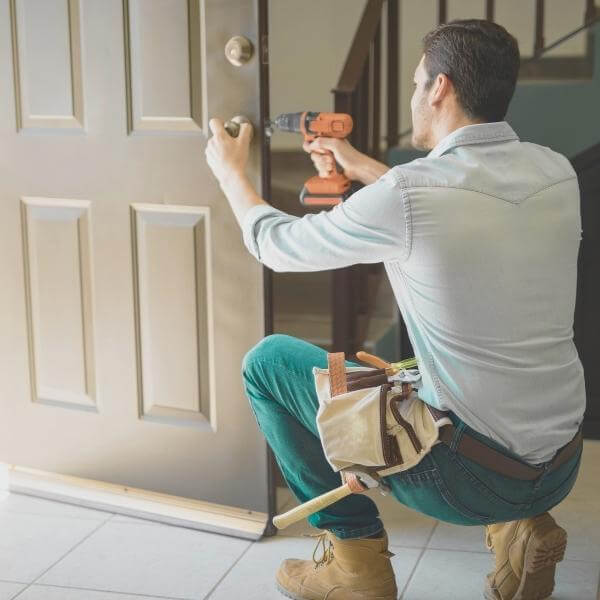
A standard house lockout visit covers arrival at the address, verification of authorization, an assessment of the locked opening, the entry work, and a check that the door can be secured again. Any repair, rekeying or hardware replacement is separate and should be agreed after the price is explained.
Our service hours are posted beside the phone number. Travel across the city and the jobs already booked both affect timing, so we give an estimate on the call rather than a fixed arrival time. When you call, we can tell you what scheduling is available for your location.
After the visit, keep a note of the lock brand, the work done and any recommendation made. If the technician noticed a worn cylinder or misaligned strike and you chose not to address it, the note will make a later repair easier to arrange.
Consider whether the household would benefit from a second key location, a keyed-alike arrangement, or a lock that cannot be set accidentally. None of these is required, but a lockout is a useful professional to review how the home's locks are used day to day. Beyond lockouts, our residential locksmith services include repairs, rekeying and replacement hardware for every door in the house.
Keep reading
Be ready to show identification that connects you to the address, such as a driver's licence, a lease, a utility account or a property tax notice. If the documents are inside, the technician can explain how verification will be completed once the door is open. Where you are not the owner, the owner's confirmation may be requested. These checks exist so that entry is provided only to people entitled to it. If you cannot demonstrate a connection to the address, the technician may decline the work, and that decision protects every household we serve.
Be ready to show identification that connects you to the address, such as a driver's licence, a lease, a utility account or a property tax notice. If the documents are inside, the technician can explain how verification will be completed once the door is open. Where you are not the owner, the owner's confirmation may be requested. These checks exist so that entry is provided only to people entitled to it. If you cannot demonstrate a connection to the address, the technician may decline the work, and that decision protects every household we serve.
It depends on the hardware. Many standard residential locks can be opened while leaving the lock in service, but high-security cylinders, reinforced strikes and some multipoint systems limit the available methods. The technician should explain the approach before starting and tell you if a component has to be sacrificed. Where replacement is needed, you should receive the price of the entry work and the price of the replacement hardware separately, so you can decide before anything additional is installed. Avoid prying or forcing the door yourself, because that often causes damage the locksmith cannot undo later.
A knob or lever latch set to lock behind you is one of the more common lockout situations. The approach still depends on the specific hardware, the door and the gap at the frame, so it cannot be described without seeing the opening. Tell us which locks were engaged and whether the deadbolt was also used. That information changes the likely method and the time involved. After entry, consider whether the household would be better served by hardware that cannot be locked accidentally or by keeping a spare key with someone you trust.
Only if the cause calls for it. If the keys were locked inside and remain in your possession, the lock may need no work at all. If keys were lost, stolen or cannot be accounted for, rekeying or replacement changes who can operate the lock. If the lockout came from a failing cylinder or a bolt that binds, a repair may be the appropriate response. Ask the technician to explain what they observed. The decision should follow the actual reason the lockout happened rather than a general assumption that every lockout requires new hardware.
Entry into a home you lawfully occupy is not the same as changing the locks. For entry, show the technician your lease and identification. For any rekeying or replacement, check your lease and the applicable residential tenancy rules, which may require the landlord to be informed or given a key. Your landlord or property manager may also hold a spare key, which could resolve the lockout without any lock work. Keep their contact details stored somewhere outside the home, such as your phone, so they are available when needed.
The price depends on the location, the hardware and the work required, so we give it after hearing the details rather than quoting a single figure for every home. Describe the locks, whether any key is available and what happened. Photographs of the exterior trim help. The entry work and any hardware or repair should be priced separately so you can make an informed decision. If the lock can be left in service, there is no reason to add a replacement you did not request. Ask for the total before the technician begins.
Mention it when you call. An armed system may trigger during entry, and the monitoring company may contact the account holder or send a response. Having the monitoring provider's contact information available avoids confusion. The technician cannot disarm a system they have no access to, and they will not bypass alarm equipment. Once inside, disarm the system as you normally would. If the code is unavailable, contact the monitoring provider directly. Keep the code private and do not text it to the locksmith as part of a service request.
If a person inside needs medical assistance or is in danger, call 911 before anything else. Police, fire and paramedic services have their own procedures for entry. For other situations, such as a child who cannot reach the lock or a door jammed from the inside, tell us exactly who is inside and what the lock is doing. The approach may differ from a standard lockout, because an occupant can sometimes help with the inside hardware. The technician will explain what the occupant should and should not attempt while the work is carried out.
GTA Lockman Mobile Locksmith Services is a mobile locksmith working on homes, businesses and vehicles across Toronto and the GTA, with more than 14 years in the trade. Every review is written by a customer on Google, where you can read them in full.
Areas served: Toronto, North York, Scarborough, Etobicoke, Vaughan, Richmond Hill, Markham, Stouffville, Newmarket, Mississauga, Brampton, Oakville, Milton, Halton Hills, Pickering, Ajax, Whitby, Oshawa, Uxbridge.
Describe the door, hardware and service address. Contact GTA Lockman Mobile Locksmith Services to confirm the scope and scheduling for your location.