Locksmith services are always 10% off for seniors.
Open Mon–Thu 8:30 AM–9 PM, Fri 8:30 AM–4 PM, Sun 9:30 AM–9 PM
Locksmith services are always 10% off for seniors.
Open Mon–Thu 8:30 AM–9 PM, Fri 8:30 AM–4 PM, Sun 9:30 AM–9 PM
GTA Lockman Mobile Locksmith Services · Toronto & GTA
Check every door before you travel, arrange access you can withdraw, and prepare locks for winter.
Related services
Free a frozen lock without damaging it, and find out whether ice, alignment or batteries caused the problem.
Learn moreFind out whether the strike, the door or the lock is stopping the bolt, and correct the cause rather than the symptom.
Learn moreRestore reliable locking on the doors people use most, and strengthen the frames that are easiest to force.
Learn moreRestore reliable latching by checking the handle, lock, keeper and sliding panel together.
Learn moreSecure a forced door, repair damaged locks and frames, and document the work for your police report and insurer.
Learn morePlan keyless entry around door compatibility, code management and a practical backup entry method.
Learn more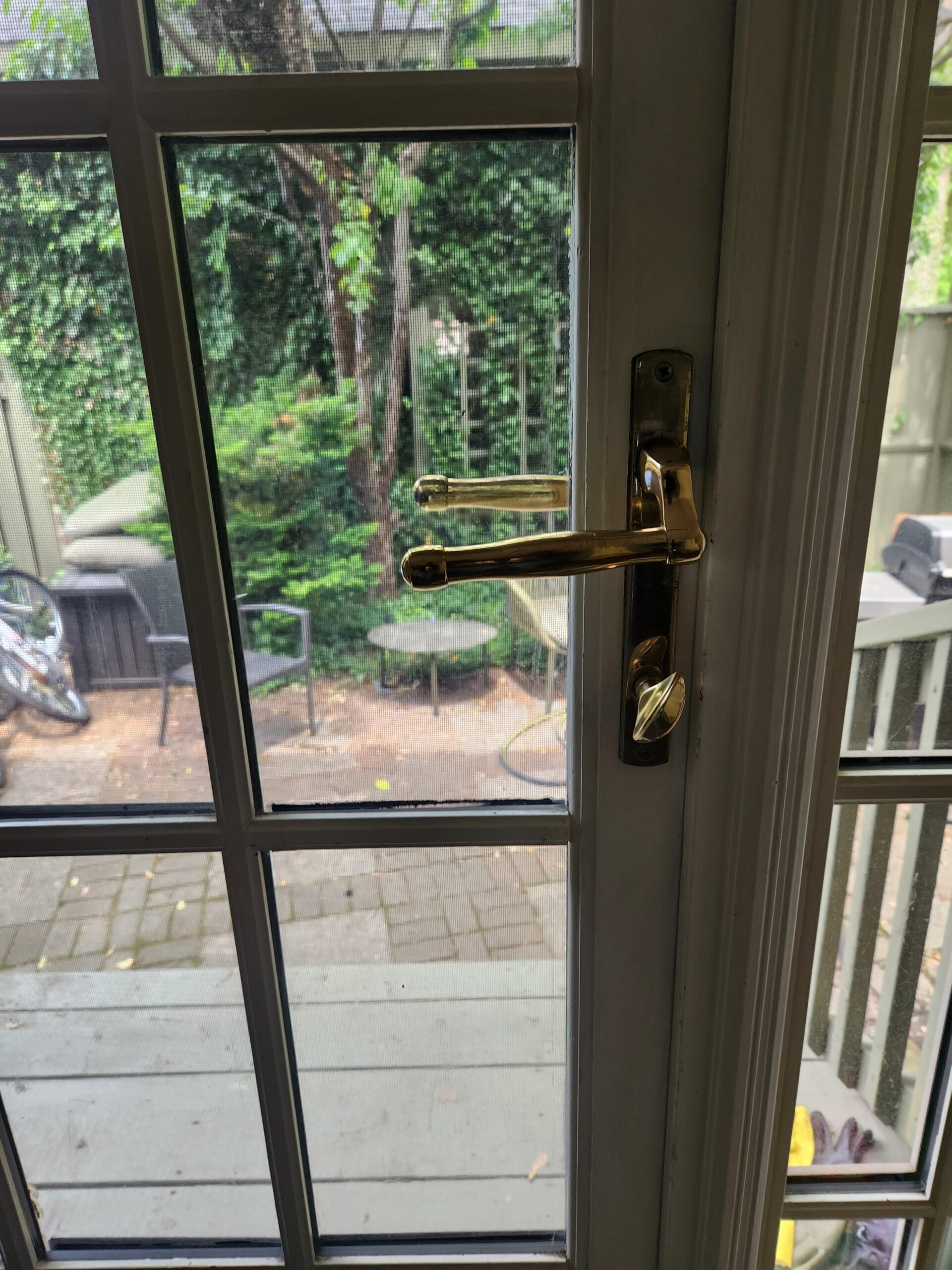
A home that is occupied gets checked constantly without anyone thinking about it. Doors are used, lights change, mail is collected, and a lock that has started to stick gets noticed. An empty house gets none of that. A door that will not latch properly can stay that way for weeks, and a failure that would be a minor annoyance in March becomes a serious problem in January.
Whether you are away for two weeks or for the winter, the work is the same: make sure every opening actually locks, decide who has access while you are gone, and remove the small signals that a house is unattended.
None of this requires new hardware for most homes. It requires checking what you already have and correcting what does not work.
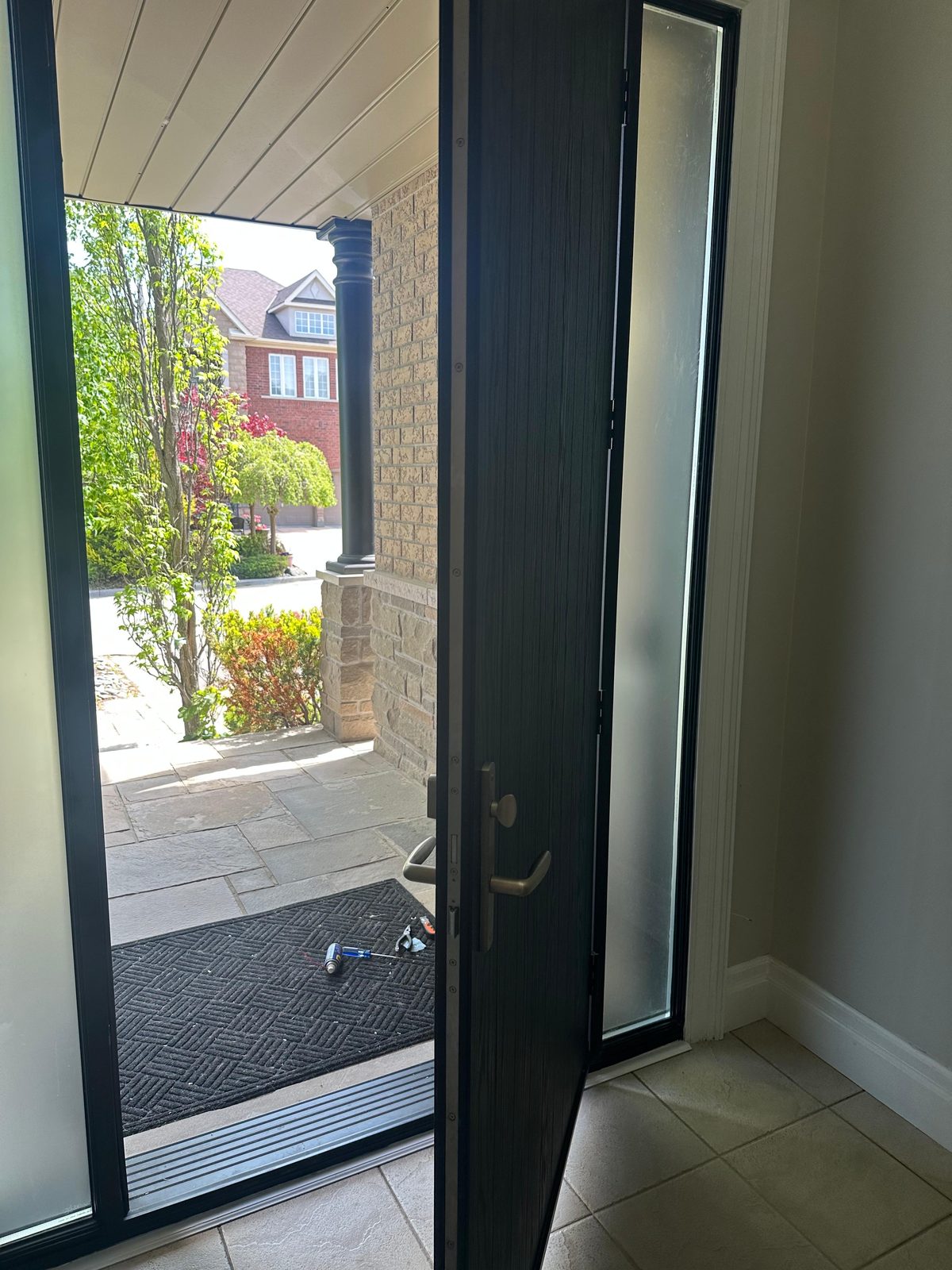
Walk the perimeter and test each exterior door with the door closed. Before leaving, check that every exterior door latches when it swings shut and that each deadbolt extends all the way with the door simply closed. Any door that needs persuasion is the one that will fail while you are away.
Include the side door, the back door, the door from an attached garage and the garage service door. These are used less, checked less and are usually out of sight from the street. Stiff bolts, loose strikes and dropped doors are the common faults, all put right through side and back door lock repair.
If a door only locks with effort, have it adjusted before you leave. Misalignment is the usual cause of a front door that will not lock without effort.
Sliding patio doors should latch into their keeper without lifting the panel. A secondary bar or a pin through the frame adds resistance, and both are inexpensive. A weak latch or handle on the slider itself is fixed through patio door lock and handle repair.
Check basement windows and window wells, which are easy to overlook and often hidden from neighbours. Make sure window locks engage and that any bars or grilles can still be released from inside where they serve as an exit.
Do not leave a window open for ventilation while the house is empty, even a small one on an upper floor.
Decide who will enter, and give them what they need and nothing more. A neighbour checking the house may need only one door. A cleaner or a contractor may need access on specific days.
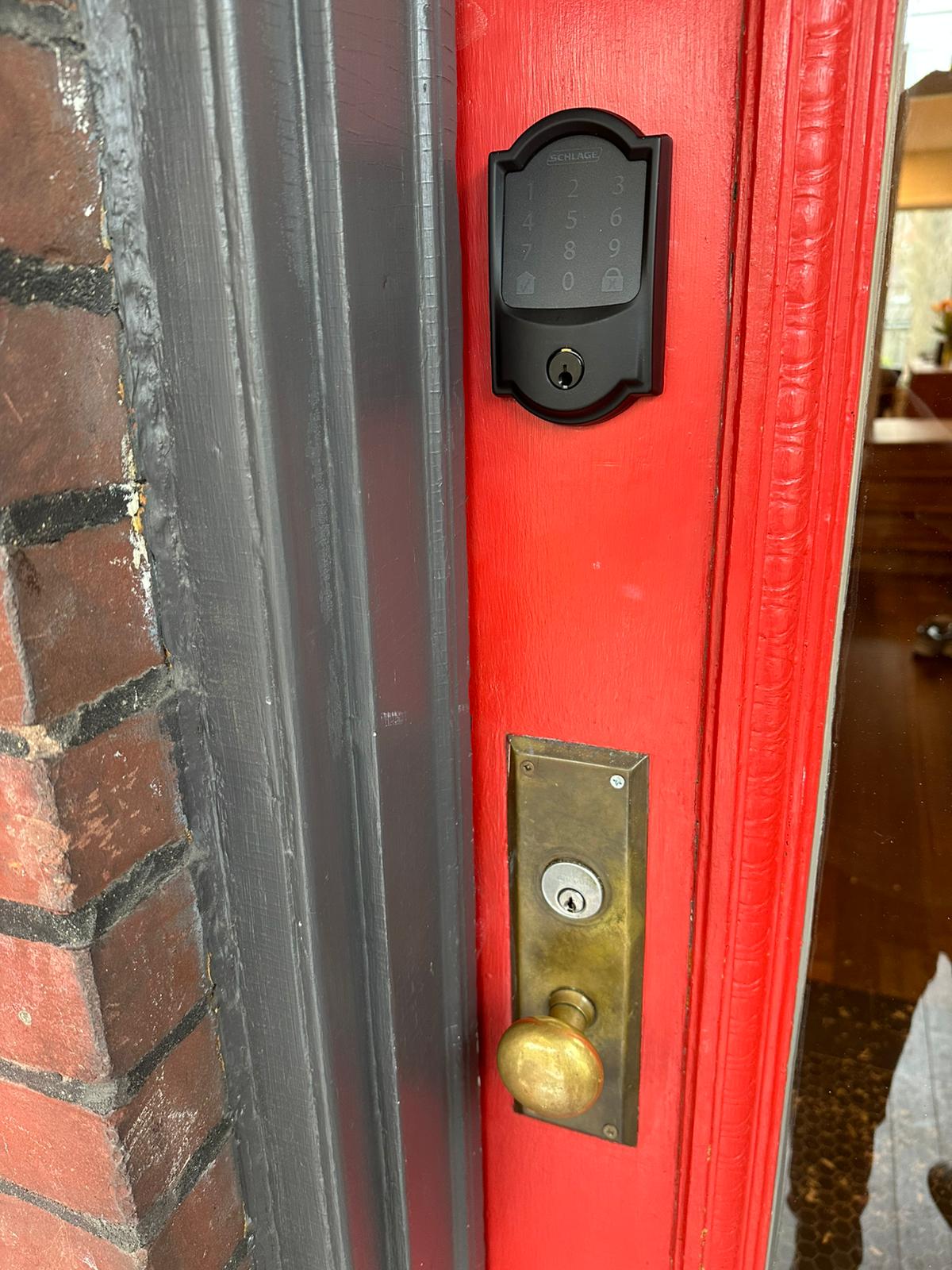
Individual keypad codes make this easy to manage and easy to remove afterwards. Codes are simple to issue and delete on a keypad lock, and the same approach suits keys for cleaners, nannies and dog walkers.
If you use a lockbox, mount it out of direct view, change the code when the trip ends and remove it if it was only for one visit.
Mail and flyers piling up, a driveway that never gets cleared, curtains that never move and bins left out all indicate an empty house. Arrange for mail collection, snow clearing and bin handling.
Timers on interior lights help, and so does asking a neighbour to park in the driveway occasionally. Avoid announcing travel plans publicly on social media until you are back.
Leave a key and contact details with someone you know well rather than hiding a key outside, because common hiding places are well known.
For a longer absence in winter, cold is as much a risk as security. A frozen or seized lock can leave the person checking the house unable to get in. Lubricate exterior cylinders with a dry lubricant before you leave, and make sure the person checking has a working key and knows which door to use.
Clear the drainage around basement and rear entrances so meltwater does not pool and freeze at the threshold. Pooled water that freezes is a common cause of frozen or stiff locks in winter.
Keypad and smart locks lose battery capacity in the cold. Replace the batteries before a long trip, and make sure a mechanical key is available to whoever is checking the house.
If you use a smart lock, review the user list before leaving and remove anyone who no longer needs access. Check that the device is working locally, not just through the app, and confirm the override key turns.
Remote features depend on power and connectivity at the house. A connection lost while you are away does not mean the lock has failed, but it does mean you cannot rely on the app to let someone in. Plan a mechanical fallback. If an electronic lock fails while you are away, the mechanical and electronic parts are assessed separately during smart lock repair and troubleshooting.
Give your contact person a short list: your phone number, the alarm monitoring company, and a locksmith. If a door is damaged or will not secure, it needs to be dealt with rather than left until you return.
If there has been a break-in, the police report comes first, then securing the door. Photographs and the invoice are what the insurer will want, and both are part of lock repair after a break-in.
Test every exterior door closed. Test sliding doors and window locks. Confirm who has access and remove codes that are no longer needed. Replace batteries in electronic locks. Lubricate exterior cylinders for winter. Arrange mail, snow and bins. Leave keys and contact details with a person rather than in a hiding place.
A two-week holiday and a five-month winter away are different problems. For a long absence, arrange for someone to enter the property regularly rather than only look at it from the street, because burst pipes, heating failures and roof leaks announce themselves indoors first. Insurers often set conditions for unoccupied homes, including how often the property must be checked, so read the policy before you travel rather than after a claim.
Make sure the person doing the checks can actually get in. A key that works only if the door is lifted, or an electronic lock with tired batteries, defeats the arrangement. Ask them to test the locks on the first visit and tell you if anything has changed.
When you return, walk the same perimeter you checked before leaving. Test each door closed, look for marks around cylinders, strikes and frames that were not there before, and check that windows and the garage are as you left them. Collect any keys or codes you issued, and remove the temporary keypad codes you set up.
If anything suggests an attempted entry, photograph it and report it before any repair is made, so the evidence is not lost. Small marks around a cylinder or a bent strike are worth taking seriously even when nothing is missing.
Leave the house as you would want to find it. A door that locks without effort, a set of keys you can account for, a person who can get in and knows what to check, and no signals that the place is empty. None of it is complicated, and all of it is easier to arrange before you leave than from another time zone.
If a door needs adjustment before a trip, describe the door, what it does and when you are leaving. Our posted hours are listed with our contact details, and we do not promise a fixed arrival time, so allow a few days before travelling. The same checks make a sensible yearly routine as an annual door and lock maintenance check.
Keep reading
Test every exterior door with the door closed: the latch should catch on its own and the deadbolt should throw fully without the door being pushed or lifted. Include the side, back and garage doors, which are used and checked least. Test sliding doors and window locks. Replace batteries in electronic locks, lubricate exterior cylinders if it is winter, and decide who will have access while you are away.
Test every exterior door with the door closed: the latch should catch on its own and the deadbolt should throw fully without the door being pushed or lifted. Include the side, back and garage doors, which are used and checked least. Test sliding doors and window locks. Replace batteries in electronic locks, lubricate exterior cylinders if it is winter, and decide who will have access while you are away.
No. Common hiding places under mats, in planters and above door frames are well known, and a hidden key is available to anyone who looks. Leave a key with a neighbour or family member you know well, or use a keypad code that can be removed when you return. If you use a lockbox, mount it out of direct view, avoid labelling it, and change the code after the trip.
Set it as you normally would, and let the monitoring company know if anyone is expected at the property, such as a neighbour, cleaner or snow contractor. That avoids a routine visit being treated as an intrusion. Make sure the person checking the house knows the disarm procedure and has the monitoring company's number, and keep the alarm code separate from the key or door code.
Better not. A door that needs persuasion is the one likely to be left unlatched by whoever checks the house, and small alignment problems get worse in cold weather. The repair is usually a strike adjustment or hinge screws, which costs far less than coming home to a door that cannot be secured. Book it a few days before travelling, since we do not promise a fixed arrival time.
Locally, yes, provided the batteries are good. Remote features depend on power and internet at the house, so an outage can leave the app unable to reach the lock even though the lock itself is fine. Do not rely on the app as the only way to let someone in. Replace the batteries before you leave, test the mechanical override key, and make sure your contact person has a physical key.
Arrange for mail and flyers to be collected, snow to be cleared and bins to be brought in. A full mailbox and an uncleared driveway are the clearest signs that a house is empty, and they matter more than most hardware choices for a short trip. Timers on interior lights help, and asking a neighbour to park in the driveway occasionally makes the house look occupied.
Not necessarily, but check that what you have works. A sliding door should latch into its keeper without lifting the panel; a secondary bar or a pin through the frame adds resistance inexpensively. Basement windows and window wells are easy to overlook and often hidden from neighbours. Make sure window locks engage, and never leave a window open for ventilation while the house is empty.
Give them a working key for the door you want them to use, the alarm instructions separately from the key, your contact details, the monitoring company's number and a locksmith's number. Tell them which door to use and to test that it locks behind them. Ask them to report anything that will not lock rather than leaving it until you return, so a small problem can be repaired while you are away.
GTA Lockman Mobile Locksmith Services is a mobile locksmith working on homes, businesses and vehicles across Toronto and the GTA, with more than 14 years in the trade. Every review is written by a customer on Google, where you can read them in full.
Areas served: Toronto, North York, Scarborough, Etobicoke, Vaughan, Richmond Hill, Markham, Stouffville, Newmarket, Mississauga, Brampton, Oakville, Milton, Halton Hills, Pickering, Ajax, Whitby, Oshawa, Uxbridge.
Describe the door, hardware and service address. Contact GTA Lockman Mobile Locksmith Services to confirm the scope and scheduling for your location.