Locksmith services are always 10% off for seniors.
Open Mon–Thu 8:30 AM–9 PM, Fri 8:30 AM–4 PM, Sun 9:30 AM–9 PM
Locksmith services are always 10% off for seniors.
Open Mon–Thu 8:30 AM–9 PM, Fri 8:30 AM–4 PM, Sun 9:30 AM–9 PM
GTA Lockman Mobile Locksmith Services · Toronto & GTA
Work through mechanical fit, power and supported controls when an electronic lock becomes unreliable.
Related services
Separate a locked-door access problem from battery, alignment and account issues before resetting or replacing the device.
Learn morePlan keyless entry around door compatibility, code management and a practical backup entry method.
Learn moreDiagnose resistance, incomplete bolt travel and failed connections without assuming every deadbolt needs replacing.
Learn moreInvestigate why the door will not catch or release cleanly, including latch wear and frame alignment.
Learn moreHow fingerprint locks read, where they struggle, and what to check before fitting one to a GTA front door.
Learn moreRemoving a smart lock, resetting its data and fitting a keyed lock that matches the house.
Learn more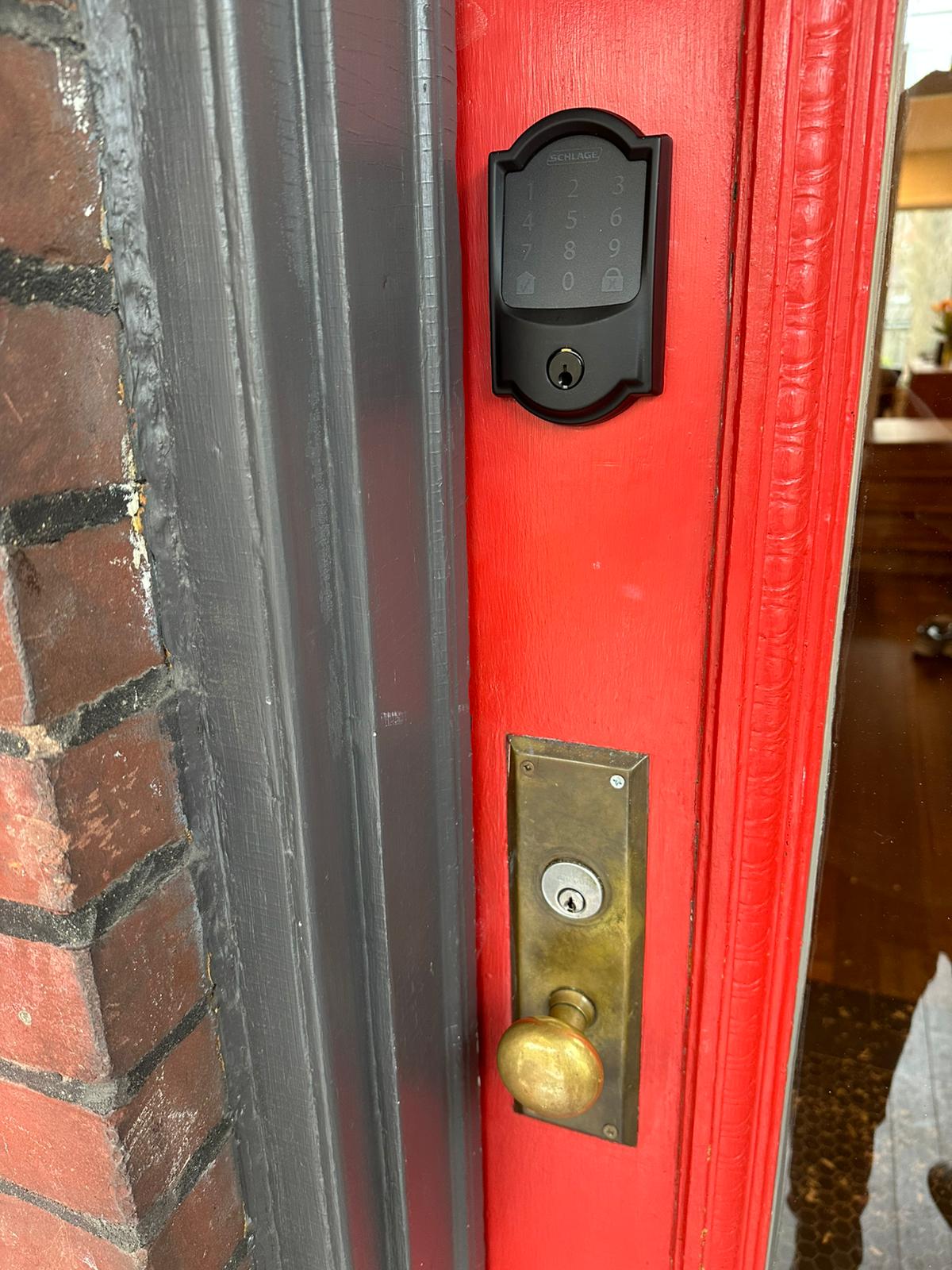
A smart lock combines a mechanical opening, a power supply and electronic controls. Some models also depend on an app, communication bridge or remote service. A fault in one part can appear as a general failure to lock or unlock, so the assessment should begin with the exact symptom. Record what the door does as well as what the keypad or app reports.
Troubleshooting is possible while authorized access to the door remains available. If the door is locked and no supported entry method works, the situation is a smart lock that has stopped working with the door locked, and service is requested on that basis. Opening a locked door and maintaining an accessible device are different starting points, particularly when batteries or reset controls can only be reached from inside.
Provide the manufacturer and model rather than just the product family. Similar-looking devices may use different batteries, setup procedures and backup methods. Photograph accessible labels and hardware without showing user codes or private account information. Instructions for another model should not be treated as interchangeable.
A motorized lock needs its bolt or latch to move through the intended path without excessive resistance. If the device works with the door open but struggles when closed, the strike, hinges and door position deserve attention. A software reset does not correct a bolt pressing against the edge of the frame opening.
Describe any recent painting, weather-strip replacement, hardware removal or door adjustment. These changes can affect fitting even when the electronic unit itself has not been altered. A motor may be reacting to a physical load introduced elsewhere in the opening.
The keyed components and the bolt have to work together, the same relationship checked during deadbolt repair. The frame side is assessed as part of latch and strike repair. Correcting the physical cause is different from suppressing a warning or repeatedly calibrating around an unresolved obstruction.
Follow the exact manufacturer's guidance for battery type, orientation and replacement. Different devices can have different requirements, and a general statement that any battery will work is not a sound basis for maintenance. Note when batteries were changed and whether the behaviour changed afterward.
Repeated motor strain can be relevant to battery performance, but short battery life should not be assigned a single cause without assessment. Mechanical resistance, device settings, use and product faults can require different investigation. Record the observed pattern rather than repeatedly replacing batteries without checking the opening.
If contacts appear damaged or there is evidence of leakage, stop improvising a repair and obtain product-specific advice. Do not introduce a liquid or chemical into an electronic housing based on instructions intended for a mechanical cylinder. The technician can explain the scope of on-site hardware work and when manufacturer support is required.
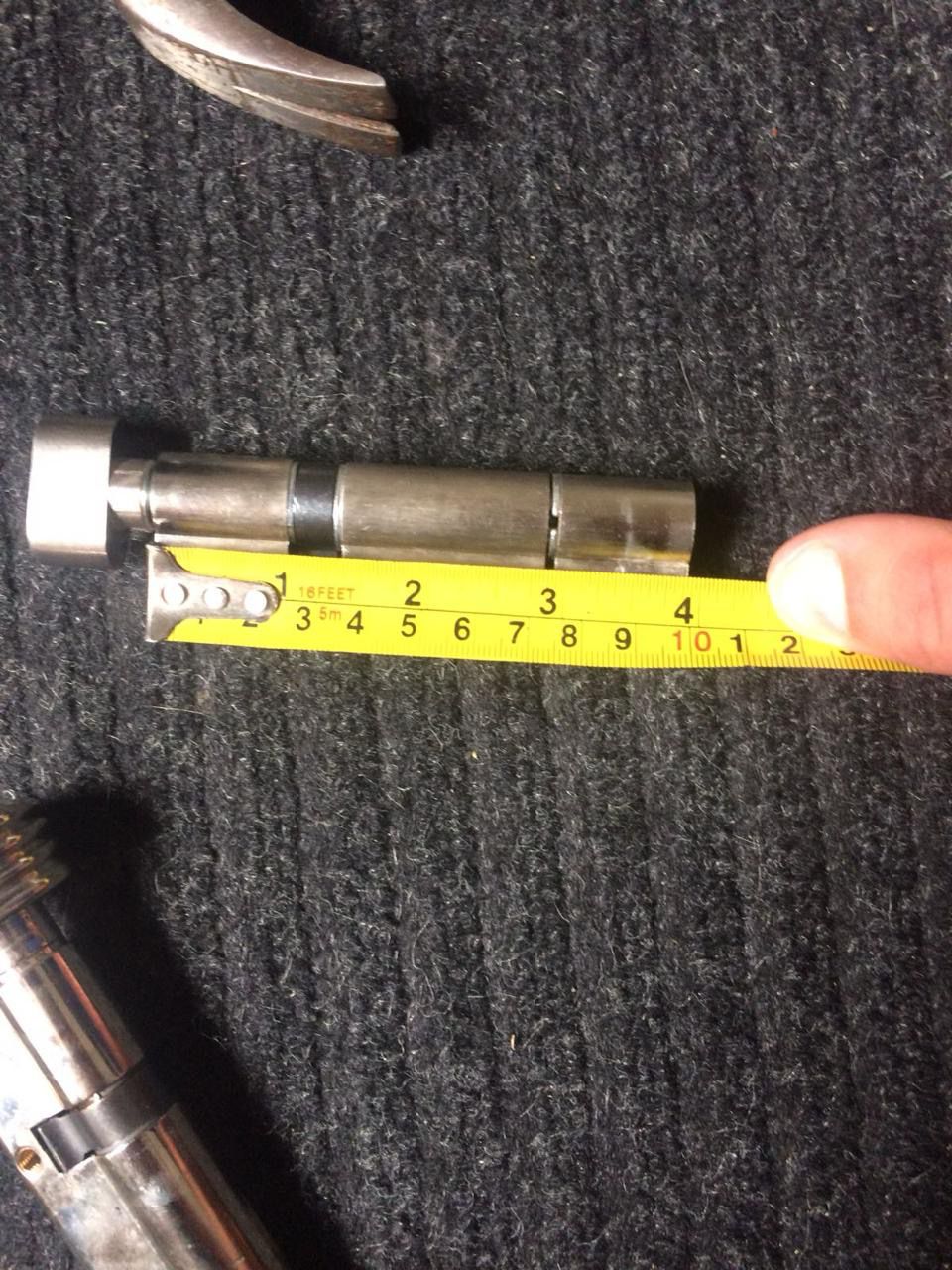
A lock can have functioning local controls while remote features are unavailable, depending on its design. An app showing offline status therefore does not automatically establish a failed latch or motor. Conversely, an online status does not prove a physical bolt reached its intended position.
Identify the authorized account administrator and the supported connection arrangement. A separate bridge, hub or account setting may be involved. Keep passwords, recovery codes and user PINs private. The service request should describe the symptom and model without exposing credentials.
Cloud service, account recovery and ownership issues may require the product provider. A locksmith should not promise to restore an account controlled by another person. Where the physical door operates correctly but app access remains unresolved, document that distinction in the handover.
A factory reset can erase users or require a new setup process. It may also remove useful information about the original problem without changing a mechanical fault. Before considering a reset, identify the model, current administrator and a reliable authorized entry method.
Use the manufacturer's supported sequence and understand which functions will change. Do not copy a sequence intended for a different lock because the outside trim looks similar. If ownership cannot be established, follow the provider's recovery process instead of treating physical possession of the device as access to another person's account.
After an authorized reset or setup change, test the relevant local and remote functions separately. Confirm the physical door operation as well. A new user appearing in an app does not by itself demonstrate that the bolt engages correctly when the door is closed.
Photos
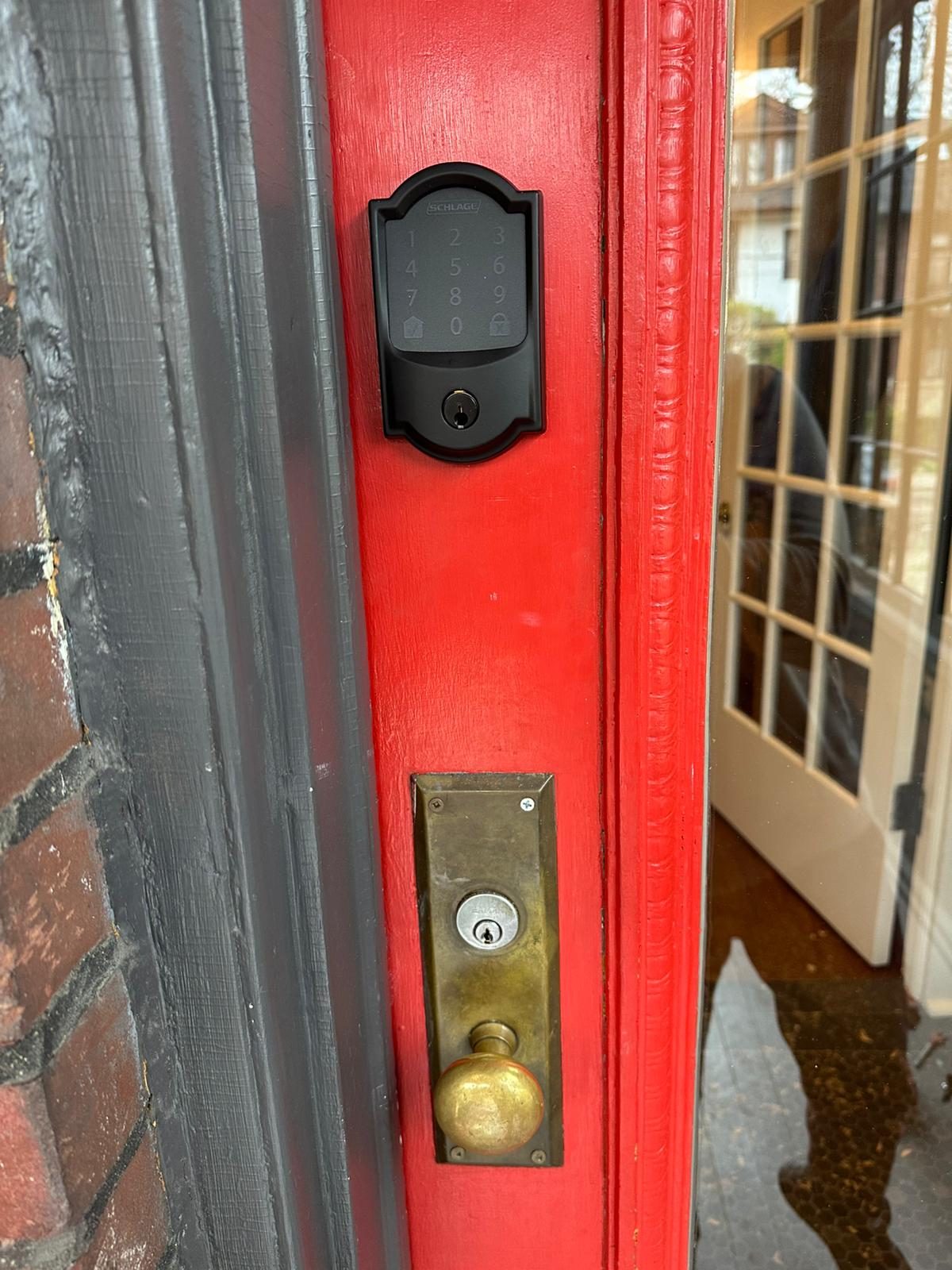
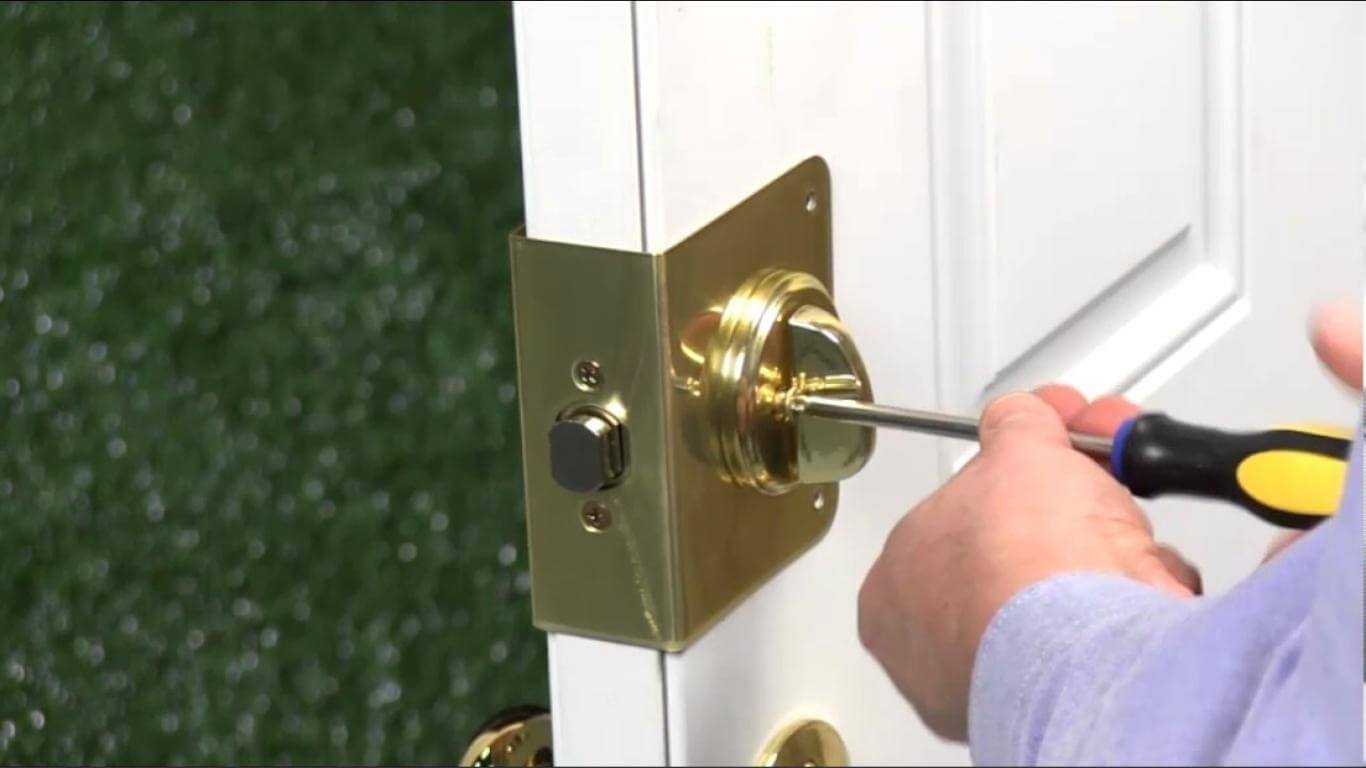
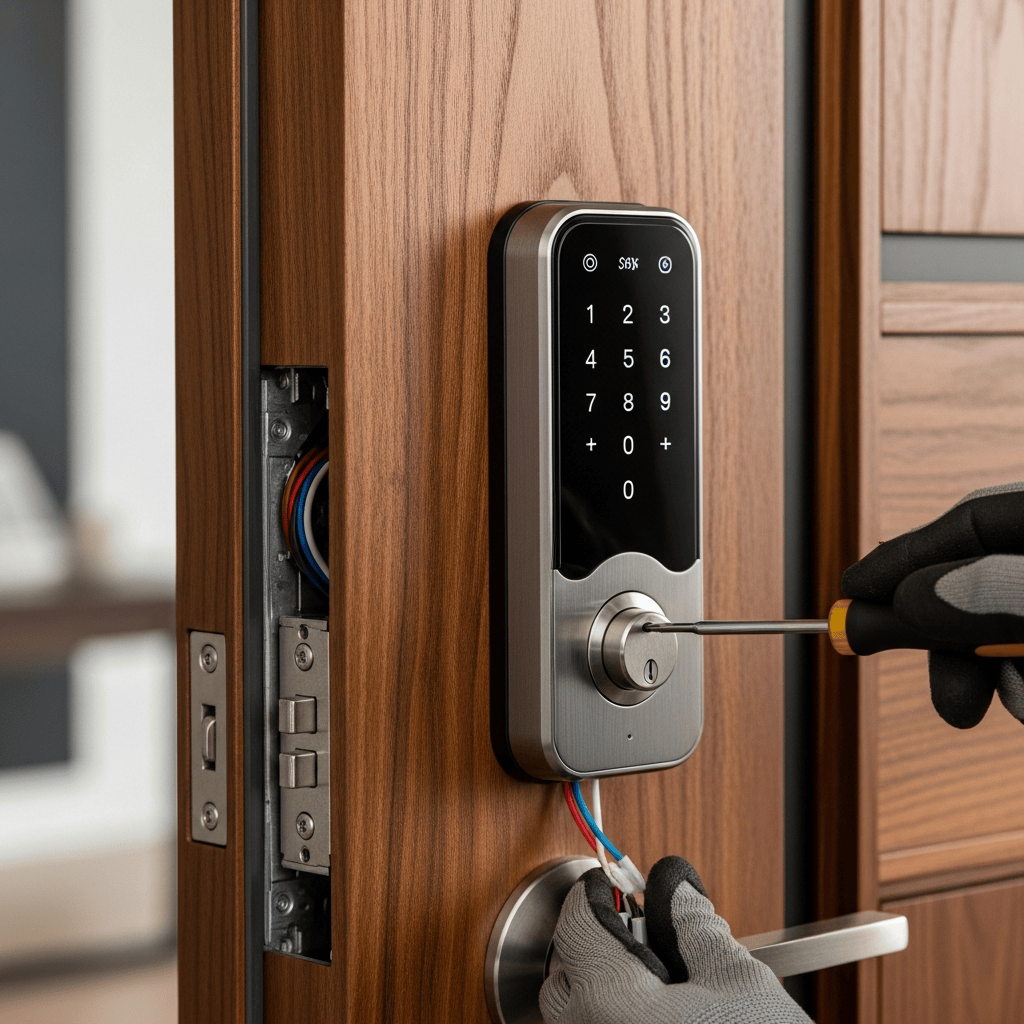
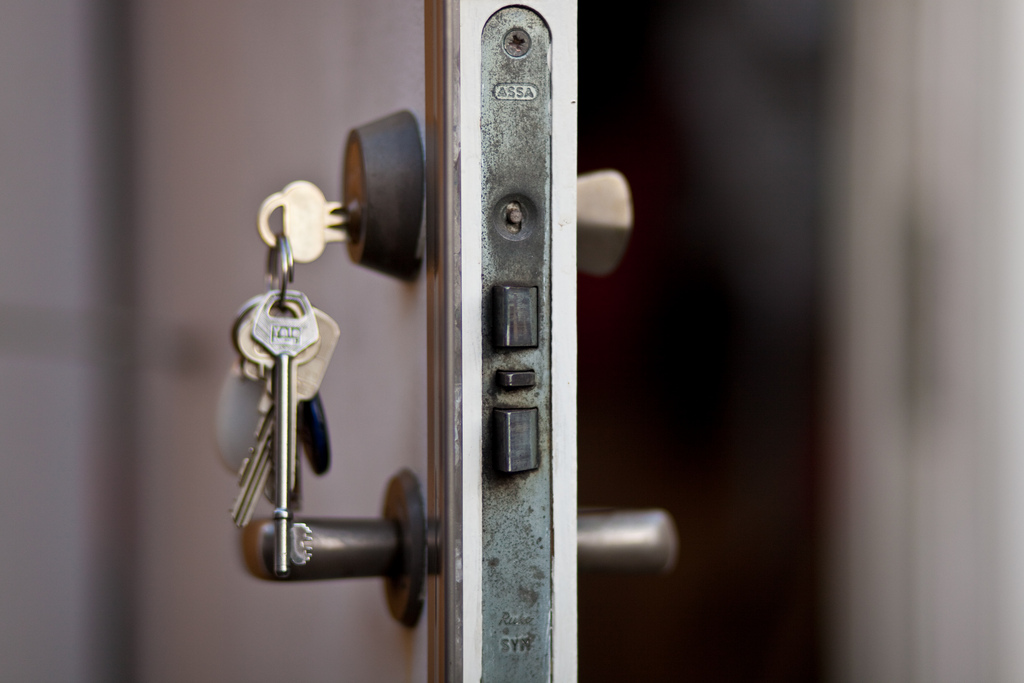
Photographs from GTA Lockman Mobile Locksmith Services work across Toronto and the GTA. Send a picture of your own door and we can tell you what the visit would involve.
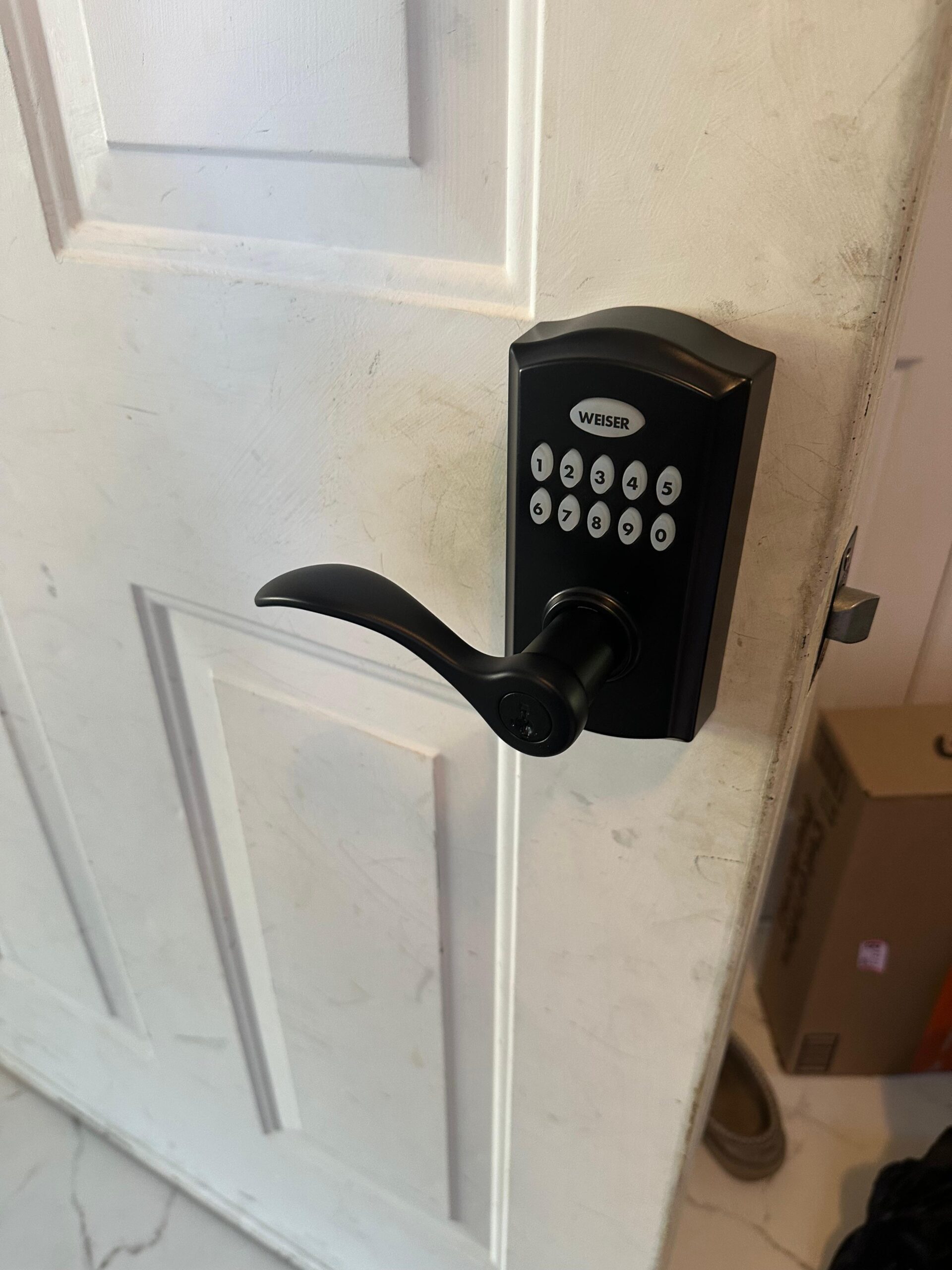
Where supported, individual user codes can make access easier to manage than one shared household code. Decide who can create, remove and review users. Remove obsolete access through the supported controls and keep recovery information with the authorized administrator.
Review the backup entry arrangement. Some products include a mechanical override, while other models use different supported methods. Confirm what applies to the actual device and where any authorized spare is kept. Do not assume a remote app is an adequate fallback for every power or communication problem.
If the current product no longer suits the household, a keypad installation assessment can compare a supported replacement. That is a separate selection decision, not an automatic consequence of every intermittent fault. Sound hardware may only need a fitting correction or product-specific maintenance.
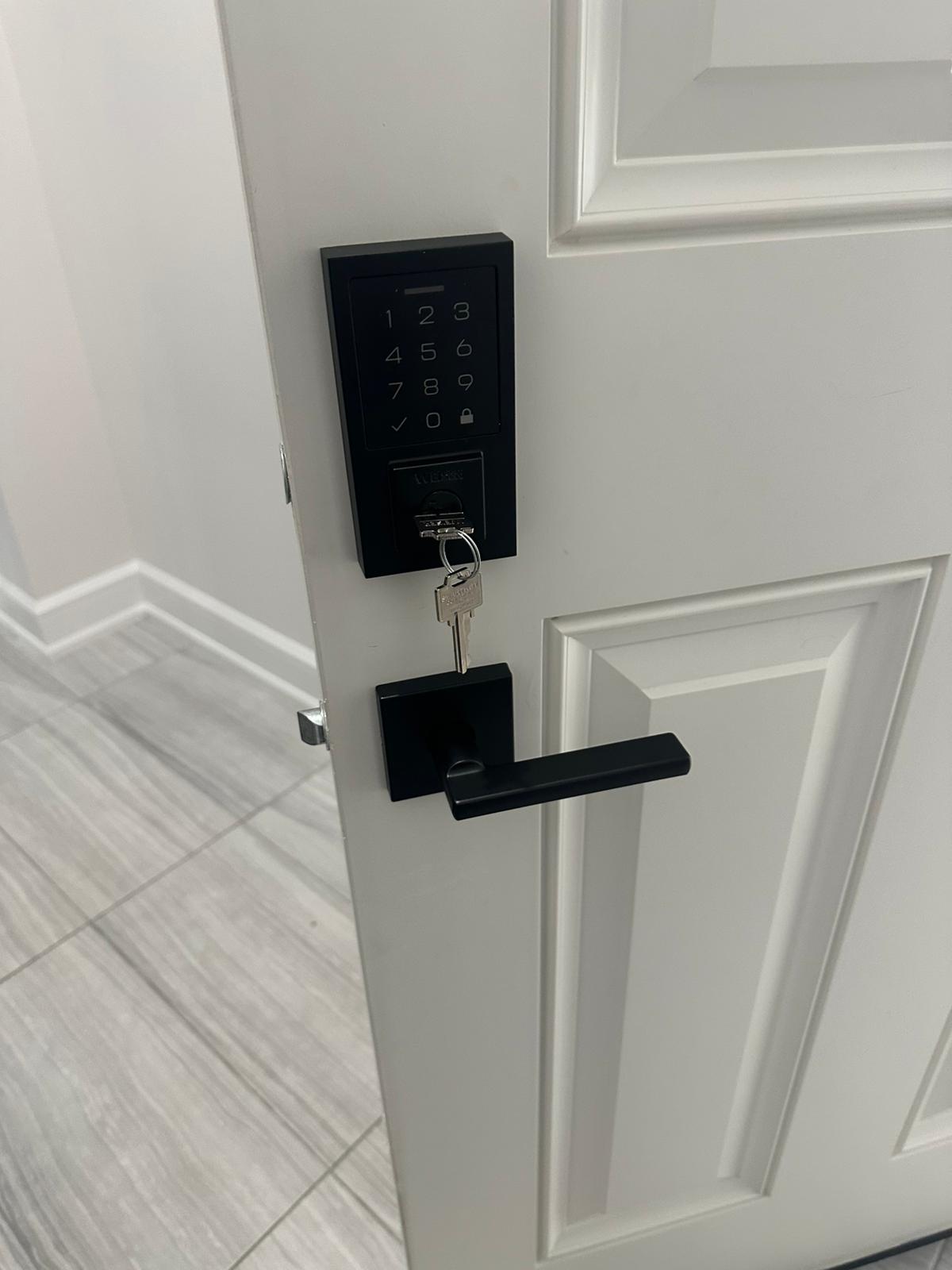
On-site work can address compatible mechanical components, fitting and alignment. A failed electronic module, unsupported product or account issue may require a manufacturer process or replacement. Ask which part of the symptom the proposed work is expected to resolve and how that result will be tested.
For a condo or rental entrance, obtain the relevant hardware and authorization requirements before a product change. Electronic features do not override the opening's intended function or management rules. If replacement is necessary, identify compatibility before ordering another unit.
Keep the model, fault description and completed actions with the invoice. Test normal closing and locking, the inside release, each authorized entry method and any supported remote function included in the work. Record remaining provider or account actions separately so a completed mechanical repair is not mistaken for a complete electronic-system recovery.
Use a short chronological note when a smart lock fails intermittently. Record the date, entry method, warning and whether the door was open or closed. Include battery changes and physical work on the opening. Avoid storing PINs or passwords in the same note; they are not needed to describe a mechanical symptom.
For example, a device that operates smoothly while the door is open but struggles after new weather stripping was fitted deserves a door-fit assessment. A device that operates locally but loses remote connection needs a different investigation. Neither example proves the cause without inspection, but both provide a better starting point than the phrase smart lock broken. After service, record which checks passed and which account or manufacturer actions remain. Keep the instructions for the exact model so future maintenance does not rely on a visually similar product's procedures.
Keep reading
Local entry and remote control may rely on different parts of the product. Depending on the model, an app can require a supported connection, bridge, account or remote service that the local keypad does not use in the same way. Identify the exact device and record which functions still work. Do not replace functioning mechanical hardware solely because an app reports an offline status. The authorized administrator or manufacturer may need to investigate the connection, while a locksmith assesses any physical resistance or fitting problem at the door. Confirm those service boundaries before booking.
Local entry and remote control may rely on different parts of the product. Depending on the model, an app can require a supported connection, bridge, account or remote service that the local keypad does not use in the same way. Identify the exact device and record which functions still work. Do not replace functioning mechanical hardware solely because an app reports an offline status. The authorized administrator or manufacturer may need to investigate the connection, while a locksmith assesses any physical resistance or fitting problem at the door. Confirm those service boundaries before booking.
The bolt may be encountering resistance, but the sound alone does not identify its cause. Compare the reported behaviour with the door's position and note whether seals, hinges or strikes have recently changed. A motorized mechanism should not be expected to compensate for an opening that requires extra hand pressure. The assessment can examine physical fit before configuration is changed. Product-specific electronic faults may still require manufacturer support. Repeated calibration without checking the door can leave the same obstruction in place, so ask what finding supports each proposed adjustment or replacement.
No universal battery recommendation should be applied across unrelated products. Use the type and specification stated by the manufacturer for the exact model, and follow its replacement instructions. Tell the technician what was installed and when the behaviour changed, without assuming that the battery choice is the only possible fault. Short service life can also coincide with mechanical strain or a device issue. Avoid mixing an improvised power arrangement into an unresolved problem. Product guidance and an assessment of the door provide a better basis for maintenance than choosing batteries solely by their physical size.
Keep a record of the symptom, warning and circumstances first. A reset can remove settings or useful history and may require account administration afterward. It does not correct a binding strike or a damaged mechanical connection. Identify the model and make sure an authorized entry method remains available before following a supported reset procedure. If the device belongs to a managed account, involve its administrator. Tell the service provider what changes have already been attempted so the assessment does not confuse a new setup problem with the original intermittent fault.
The new opening needs its own compatibility assessment. Door thickness, preparation, component clearance, handing and frame engagement may differ even within the same house. A product that worked on one door should not be assumed to fit another without adjustment or additional parts. Also consider whether the intended users and backup-entry arrangement remain suitable. Provide photographs of both openings and the model details. The proposal should distinguish removal, fitting, any required door work and supported configuration tasks. Test the complete installed operation at the new location rather than relying on its previous performance.
An authorized administrator can review the product's supported user settings and the reported behaviour of other authorized users. A code may have a schedule or other limitation, depending on the model. Keep codes private; the booking enquiry needs a description rather than the credential itself. If all local entry methods fail or the physical mechanism binds, the problem may extend beyond one user's setting. Do not erase every user as a first experiment. Record the specific pattern and follow the provider's guidance for administration while keeping mechanical diagnosis separate.
A reported command or status should be interpreted according to the device's actual capabilities. It is not a substitute for checking the physical opening during a repair handover. Some products provide additional position information, while others report a more limited state. Identify what the model measures rather than assuming all smart locks behave alike. Confirm that the bolt or latch completes its intended movement with the door normally closed. If the household relies on remote features, test the supported function included in the work and record any remaining provider or connectivity limitation.
Account recovery, firmware behaviour, a failed electronic module or a product-specific warning may require the manufacturer's process. A locksmith can identify physical fitting or compatible mechanical work, but should not promise access to another provider's internal systems. Keep the model, purchase information if available, symptoms and steps already tried. Ask which part of the problem the on-site visit can address. Where replacement is recommended, confirm whether it follows an identified hardware failure or a separate product-support limitation. This makes the decision more useful than replacing the assembly without understanding what remains unresolved.
GTA Lockman Mobile Locksmith Services is a mobile locksmith working on homes, businesses and vehicles across Toronto and the GTA, with more than 14 years in the trade. Every review is written by a customer on Google, where you can read them in full.
Areas served: Toronto, North York, Scarborough, Etobicoke, Vaughan, Richmond Hill, Markham, Stouffville, Newmarket, Mississauga, Brampton, Oakville, Milton, Halton Hills, Pickering, Ajax, Whitby, Oshawa, Uxbridge.
Describe the door, hardware and service address. Contact GTA Lockman Mobile Locksmith Services to confirm the scope and scheduling for your location.