Locksmith services are always 10% off for seniors.
Open Mon–Thu 8:30 AM–9 PM, Fri 8:30 AM–4 PM, Sun 9:30 AM–9 PM
Locksmith services are always 10% off for seniors.
Open Mon–Thu 8:30 AM–9 PM, Fri 8:30 AM–4 PM, Sun 9:30 AM–9 PM
GTA Lockman Mobile Locksmith Services · Toronto & GTA
Close up and open a seasonal property properly, and arrange access for family and trades from a distance.
Related services
Check every door before you travel, arrange access you can withdraw, and prepare locks for winter.
Learn moreFree a frozen lock without damaging it, and find out whether ice, alignment or batteries caused the problem.
Learn moreMatch the padlock to the hasp, door and hinges, and keep shed, gate and garage keys under control.
Learn moreReduce the keys you carry where cylinders and access requirements allow a suitable keyed-alike arrangement.
Learn morePlan keyless entry around door compatibility, code management and a practical backup entry method.
Learn moreRepairs, rekeying and replacement hardware for homes, condos and apartments, with attention to the whole door.
Learn more
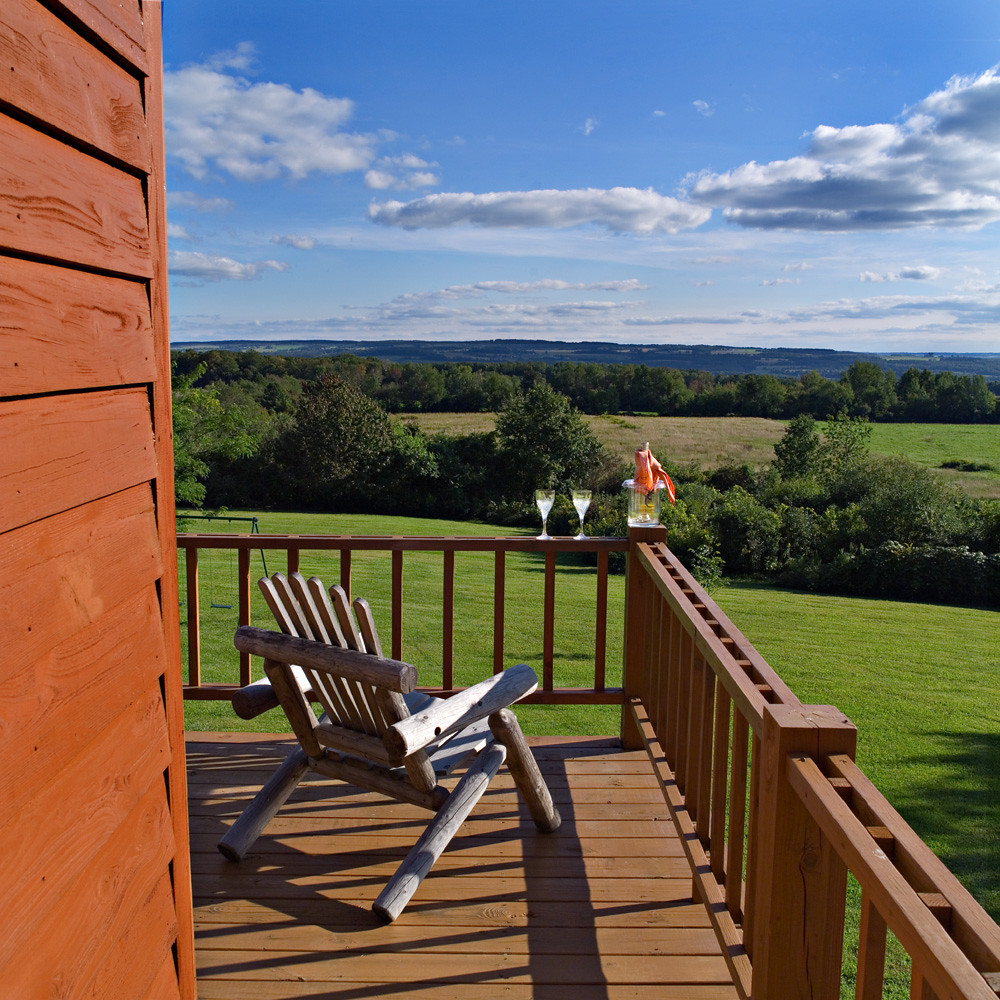
A cottage spends most of its life unoccupied. Nobody notices a door that stops latching in October, a window left on the catch, or a lock that has seized until someone arrives in May with a car full of luggage and a key that will not turn.
Distance changes the calculation too. A lockout at home is an inconvenience; a lockout at a property two hours north, with the nearest locksmith an hour away, is a lost day. So is arriving to find a door that cannot be secured when you leave on Sunday evening.
A seasonal property needs checking at opening and closing, hardware that suits an exposed building, and an access arrangement for family, guests and trades that does not lose track of keys.
Work through the building before you leave. Test every exterior door with the door closed: the latch should catch on its own and the deadbolt should throw fully without the door being pushed or lifted. Check windows, including the ones you never open, and any hatch, bunkie, boathouse or shed.
Lubricate exterior cylinders with a dry lock lubricant before winter. Locks that sit unused through freeze-thaw cycles seize far more often than locks used daily; see frozen or stiff locks in winter.
Note anything that needs attention and deal with it before you go, not next season. A door that is awkward in October will be worse in May.
Expect stiffness. Doors swell and settle over a winter, frames move with frost, and cylinders that were fine in autumn can be gritty or corroded.
Do not force a key that will not turn, since a key broken in a lock at a remote property is a bad start to a weekend; see broken key extraction. Warm the key, use a dry lubricant, and check whether the bolt is binding against the strike rather than the cylinder being at fault.
Walk the perimeter and look for signs of attempted entry over the winter: marks around cylinders, a bent strike, a window forced in its frame. If you find any, photograph them before touching anything and arrange lock repair after a break-in.
Cottage doors face weather that town doors do not: driving rain, snow load, sun on an unshaded face, and long unheated periods. Hardware corrodes, and cheap finishes fail efficiently near water.
Choose exterior-grade finishes, keep the number of keyed locks manageable, and bring compatible cylinders onto one key so the whole family is not carrying a ring of unmarked keys; see one key for every door.
Padlocks on sheds, boathouses and gates should be weather-resistant and ideally keyed alike; see shed, garage and outbuilding padlocks. A shackle left out through a winter beside the water will seize.
Cottages are shared. Siblings, adult children, friends borrowing the place for a weekend and a neighbour who checks on it may all hold keys, often cut years ago.
A keypad deadbolt suits this well: a code for each person or group, removed when the arrangement ends, without cutting keys or driving up to collect them. Keep a mechanical override key and remember that batteries deplete reliable in the cold; see keypad locks and smart lock repair and troubleshooting.
Where mechanical keys are used, keep a list of who holds one and rekey when it can no longer be completed; see spare keys: how many and where to keep them.
Septic servicing, roof repairs, dock work, plowing and caretaking all need access, often while nobody is there. Give a code that can be removed rather than a key that stays in circulation, and confirm afterwards that the door was locked.
A caretaker or neighbour who checks the building periodically is worth more than any hardware. Ask them to test the doors on each visit, not just look from the driveway.
Seasonal properties often have specific policy conditions: how often the building must be checked, whether water is shut off, and what security is required. Ask your insurer what applies, in writing, before the season ends; see home insurance and lock requirements.
Keep records of any lock work, with the invoice describing which doors were done.
Do not hide a key outside. At a cottage the usual hiding places are even more predictable than in town, and a property that is empty for weeks gives anyone plenty of time to look.
Do not board a door shut from the inside on an exit route if anyone will be inside; see fire door hardware for businesses for the principle, which applies to any occupied building.
Do not leave ladders, tools and fuel accessible outside. They help someone get into the building and are commonly taken themselves.
Travel matters for a cottage call, so plan work in advance rather than arranging it in a hurry. Batch jobs together: rekeying, a new deadbolt, a keypad on the main door and repairs to the boathouse padlocks in one visit.
Tell us where the property is when you call. We serve Toronto and the GTA, and we will be straightforward with you about whether a location is within the area we cover rather than accepting a job we cannot reach properly.
At most seasonal properties, the practical security is a neighbour who notices. Someone who knows which vehicles belong, who has your number and who will look inside after a storm is worth more than any hardware upgrade.
Make that arrangement explicit rather than assumed: exchange numbers, agree how often they will check, and make sure they can actually get in. Tell them which door works most reliably in winter, and let them know when trades are expected so an unfamiliar truck in the driveway is not a false alarm.
Finally, think about the order in which work gets done at a seasonal property. Rekeying is straightforward and can be done on any visit. Hardware replacement is better handled in the shoulder seasons, when the building is accessible but not in use and a door can be out of action for an hour without disrupting anyone. Repairs that involve the frame or the door itself usually need dry weather and, in some cases, a carpenter as well. Planning across a season rather than reacting each visit is what keeps a remote property from accumulating the long list of small faults that eventually becomes a large one. Keep a running note through the season of anything that felt awkward, even briefly: a key that needed a wiggle in July, a door that stuck after heavy rain, a padlock that took two attempts. Those notes are what turn a vague sense that the place needs attention into a specific list you can hand to someone A list written in August is far more useful than a memory in October, when the priority is getting the water drained and the boat out. Keep the note with the property file so it is still there next spring, when the same list tells you what to check first.
Describe the buildings, the doors, what is failing and when the property is accessible. Photographs of each door and lock help, and so does the road access in winter. Related work at your main home is part of our residential locksmith services.
Keep reading
Walk round and lock every outside door with it shut; a bolt that needs the door pushed or lifted will not hold when the cottage sits empty. Check every window, including ones you never open, plus sheds, bunkies and boathouses. Lubricate exterior cylinders with a dry lock lubricant, since locks that sit unused through freeze-thaw cycles seize far more often than locks used daily. Fix anything awkward before you leave rather than next season.
Walk round and lock every outside door with it shut; a bolt that needs the door pushed or lifted will not hold when the cottage sits empty. Check every window, including ones you never open, plus sheds, bunkies and boathouses. Lubricate exterior cylinders with a dry lock lubricant, since locks that sit unused through freeze-thaw cycles seize far more often than locks used daily. Fix anything awkward before you leave rather than next season.
Do not force it. A key broken in a lock at a remote property is a difficult start to a weekend. Warm the key, apply a dry lubricant and try again gently. Check whether the bolt is binding against the strike, which is common after a winter of frost movement, rather than the cylinder being at fault. If the lock has corroded internally, it may need servicing or replacement.
For shared properties, often yes. Each family member or guest group can have a code that is removed when the stay ends, without cutting keys or driving up to collect them. Keep a mechanical override key, choose a model rated for the conditions, and replace batteries before the cold season since capacity drops in low temperatures. Do not rely on remote app features at a property with unreliable connectivity.
With a person rather than a hiding place. Cottage hiding spots are even more predictable than town ones, and an empty property gives anyone unlimited time to look. A neighbour, a caretaker or a nearby family member is a far better arrangement. If you use a lockbox, mount it out of sight, change the code when someone no longer needs it, and do not label it.
Give a code that can be removed afterwards rather than a key that stays in circulation, and ask them to confirm the door was locked when they left. For septic servicing, plowing, dock work or repairs, the same approach works. If mechanical keys must be used, keep a list of who holds one and rekey when that list can no longer be completed.
Seasonal and unoccupied properties often have specific conditions, which can include how often the building is checked, whether water is shut off and what security is required. Ask your insurer in writing before the season ends so there are no surprises at claim time. Keep invoices for any lock work, describing which doors were done, since that is what an insurer usually wants to see.
Exterior-grade finishes, since cheap finishes fail efficiently near water and in sun. Weather-resistant padlocks for sheds, boathouses and gates, ideally keyed alike so the family is not carrying a ring of unmarked keys. Bringing compatible cylinders onto one key makes the whole property easier to manage. A shackle left out through a winter beside water will seize, so covers and dry lubricant help.
We serve Toronto and the GTA. Tell us where the property is when you call and we will be straightforward about whether it is within the area we cover, rather than accepting a job we cannot reach properly. If it is, plan the work in advance and batch it into one visit: rekeying, a new deadbolt, a keypad on the main door and repairs to outbuilding padlocks together.
GTA Lockman Mobile Locksmith Services is a mobile locksmith working on homes, businesses and vehicles across Toronto and the GTA, with more than 14 years in the trade. Every review is written by a customer on Google, where you can read them in full.
Areas served: Toronto, North York, Scarborough, Etobicoke, Vaughan, Richmond Hill, Markham, Stouffville, Newmarket, Mississauga, Brampton, Oakville, Milton, Halton Hills, Pickering, Ajax, Whitby, Oshawa, Uxbridge.
Describe the door, hardware and service address. Contact GTA Lockman Mobile Locksmith Services to confirm the scope and scheduling for your location.