Locksmith services are always 10% off for seniors.
Open Mon–Thu 8:30 AM–9 PM, Fri 8:30 AM–4 PM, Sun 9:30 AM–9 PM
Locksmith services are always 10% off for seniors.
Open Mon–Thu 8:30 AM–9 PM, Fri 8:30 AM–4 PM, Sun 9:30 AM–9 PM
GTA Lockman Mobile Locksmith Services · Toronto & GTA
Keep fire doors latching and exits releasing, with hardware suited to the assembly and no added bolts.
Related services
Make the back door close, latch and lock every time while keeping it a safe exit for staff and customers.
Learn moreSecure the premises at closing while keeping exit routes working, and fix the closer, alignment or lock fault behind it.
Learn moreLock and door service for offices, shops and managed properties. Plan access around the way your business operates.
Learn moreArrange authorized access to offices and business premises, then address the key or hardware problem behind the lockout.
Learn moreReview what the departing employee could open, then rekey the affected cylinders and issue new keys with a record.
Learn moreAuthorized entry to shops, restaurants, clinics and offices, with attention to storefront hardware and key control.
Learn more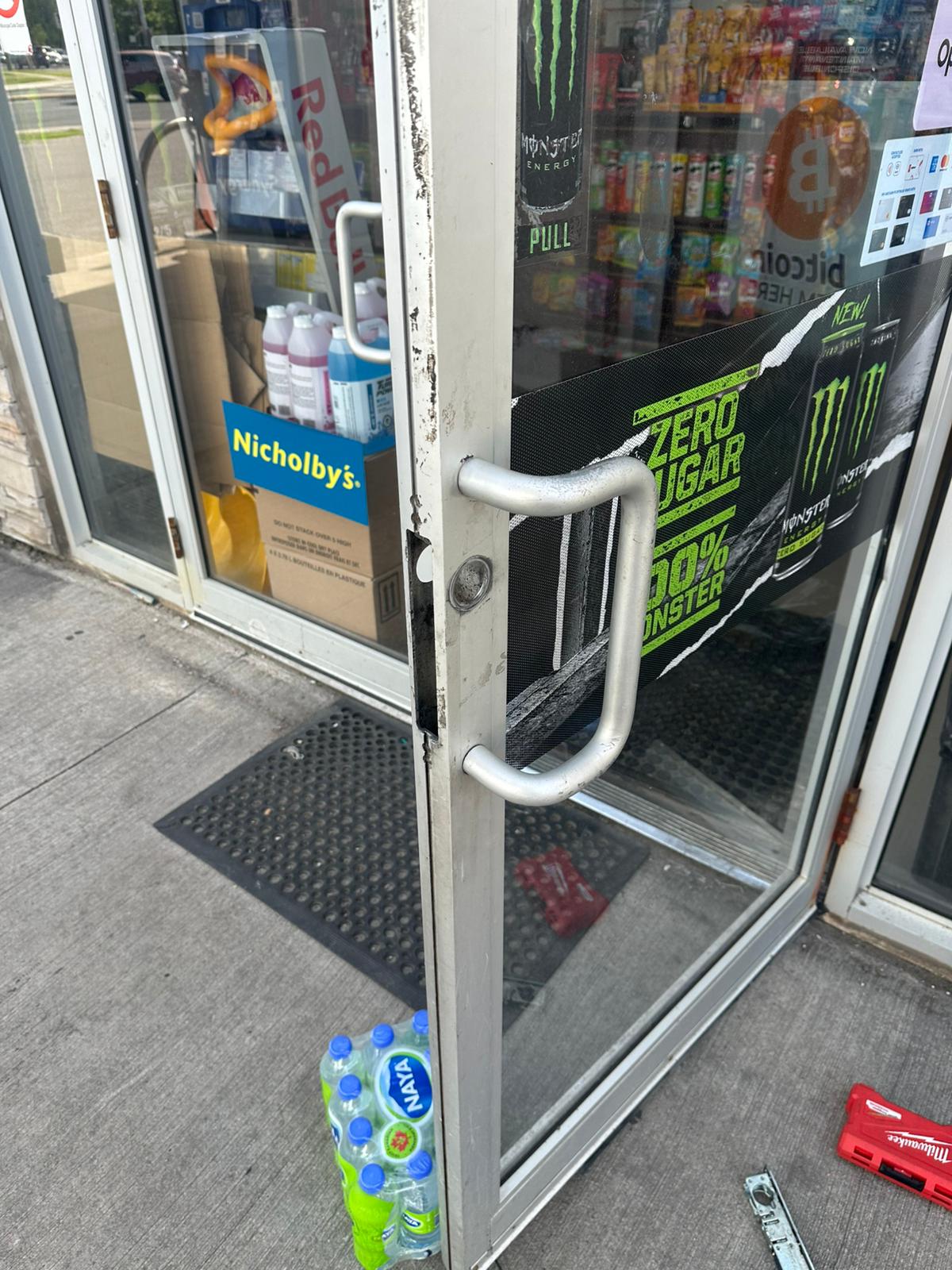
A fire door assembly is designed to hold back fire and smoke for a rated period. It is made up of the door leaf, the frame, the hinges, the closer, the latching hardware, the seals and the glazing if any, all certified to work together. Change one part for something unsuitable and the assembly may no longer perform as tested.
That is why hardware choices on fire doors are narrower than on ordinary doors. The lock or exit device has to be listed for fire door use, the closer has to close and latch the door reliably, and nothing may be added that prevents the door latching or prevents people leaving.
For business owners and property managers in the GTA, the practical questions are usually simple: does the door close and latch on its own, can people get out without a key or special knowledge, and is anything holding it open that should not be.
A fire door must latch. A door that closes but does not engage its latch can be pushed open by pressure from fire and smoke. This is the single most common fault we see, and it usually comes from a failing closer, a misaligned strike or a latch that has worn.
A door on an exit route must let people out. Exit hardware has to release with a single motion, without a key, tool or special knowledge. Adding a deadbolt, a padlock, a chain or a surface bolt to a fire exit is unsafe and may breach fire code, even if it is only used after hours while staff are inside.
Those two rules resolve most questions about what can and cannot be fitted.
The closer does the work that makes a fire door effective. It has to overcome the latch and seals and pull the door fully shut every time, not just most of the time. Closers lose adjustment, leak oil and get disconnected by staff who find the door heavy.
Where a door needs to stay open during the day, the correct approach is a listed hold-open device linked to the fire alarm, or a free-swing closer, which releases the door on alarm. A wedge, a hook or a disconnected arm is not an acceptable substitute, because the door will not close when it matters.
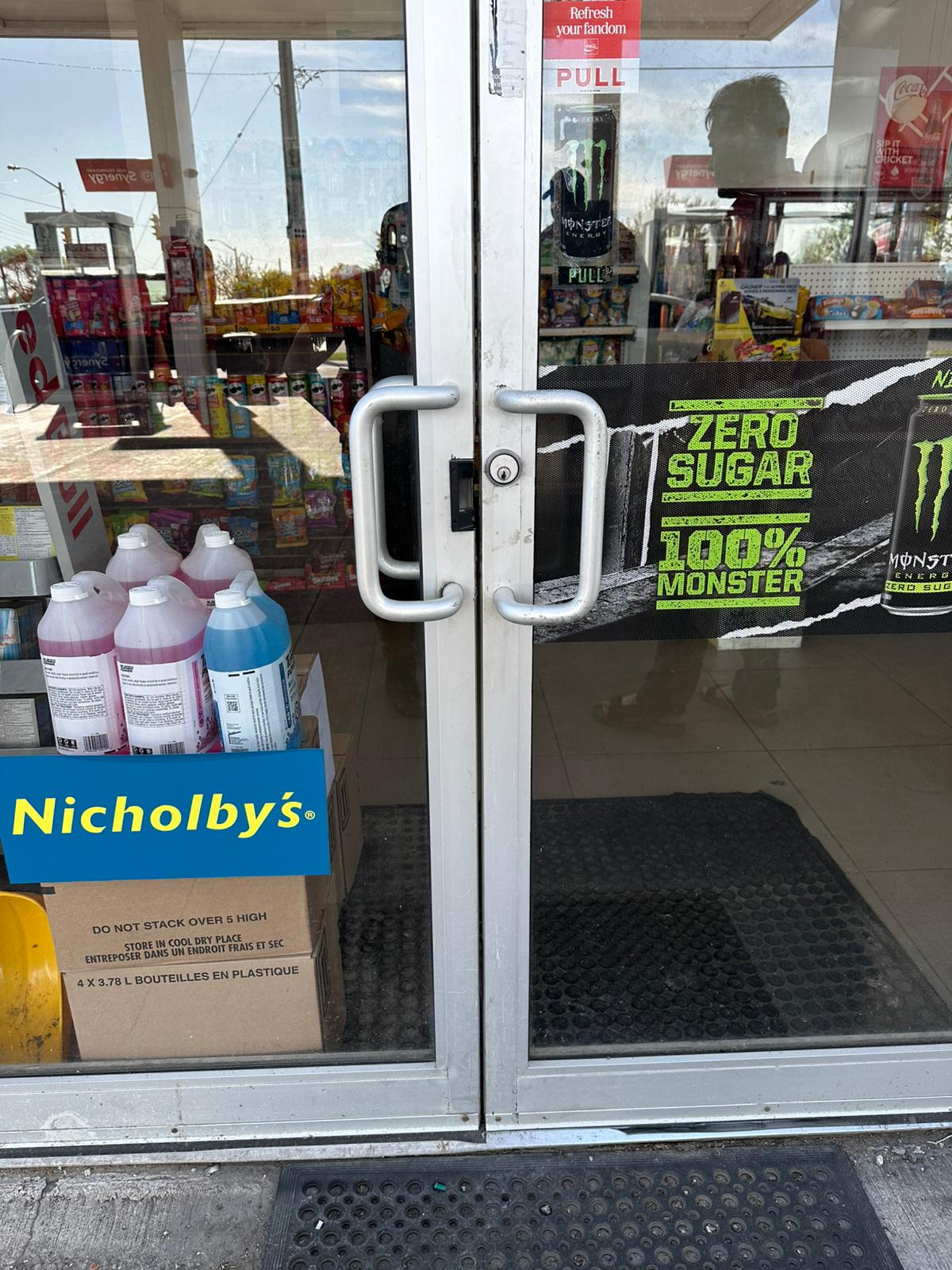
Deliveries, smoke breaks and bins are the everyday pressures that lead to propped doors, the same ones behind rear door security for shops and restaurants.
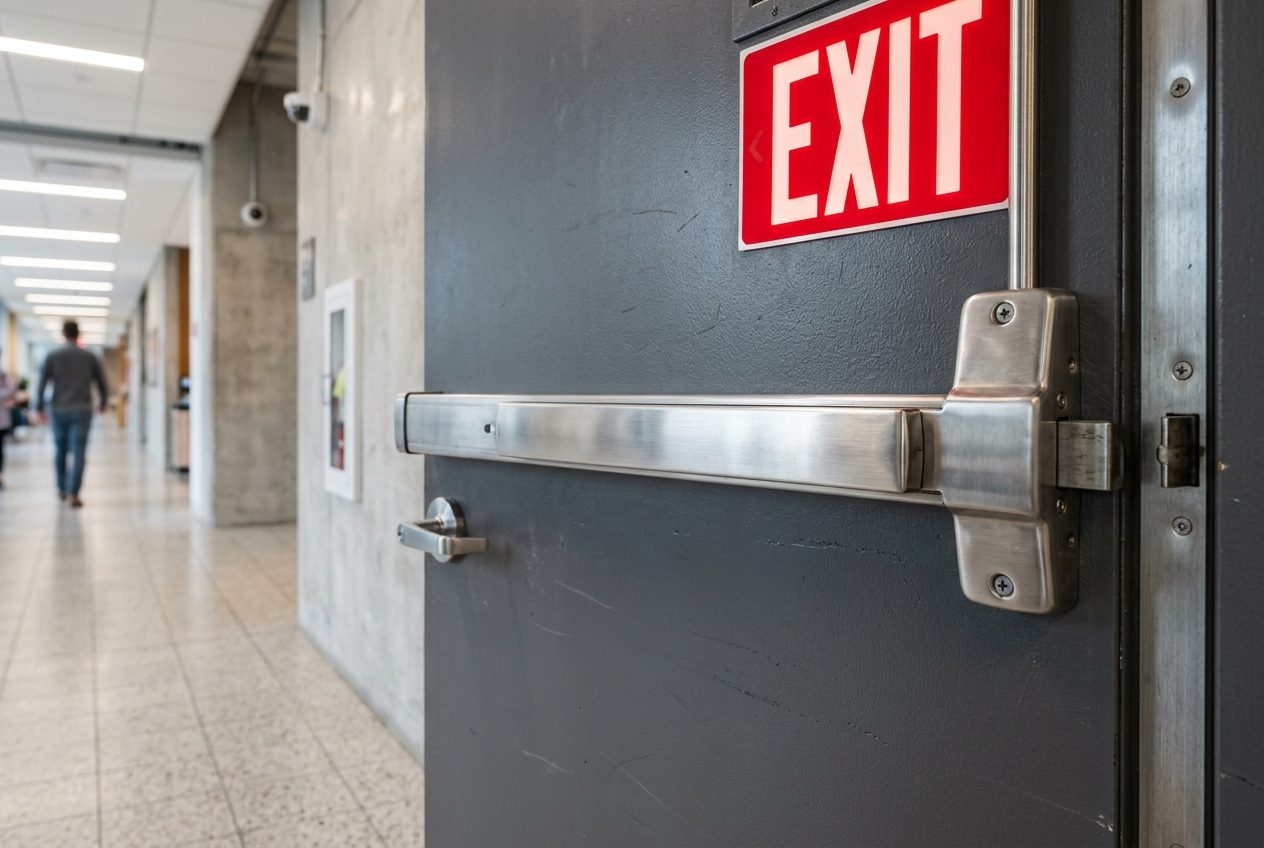
Fire-rated openings usually use latching hardware designed for the purpose: mortise locks, cylindrical locks or exit devices listed for fire doors. Exit devices for fire doors are not fitted with a dogging feature that holds the latch retracted, because the latch must be able to engage.
Electric strikes and electrified hardware can be used on fire doors when the products are listed for it and fail in a way that keeps the door latched and exit possible. That is a specification question, and it needs the manufacturer's documentation rather than assumptions.
Where an exit device will not latch, the repair should restore latching while keeping free egress. Adjusting rods, latch bolts and the strike often solves it.
Do not fit chains, padlocks, hasps, slide bolts or additional deadbolts to a fire exit door. Do not remove or disconnect closers. Do not fit signage, kick plates or vision panel covers that are not suitable for a fire door, and avoid drilling or cutting the leaf, which can void the assembly's rating.
Do not use a fire door as a ventilation door held open on a wedge. Do not block the swing with stock, bins or furniture. These are the issues an inspector notices first, and they are also the ones that cost lives.
Fire doors normally carry a label on the hinge edge of the leaf and often on the frame, identifying the manufacturer and rating. Painting over a label, or removing it, makes the assembly hard to verify later.
Many properties require periodic inspection of fire door assemblies, and building owners, landlords and property managers may have obligations under fire code, insurance requirements or a fire safety plan. We are not the authority on that: your local fire prevention office, a fire protection contractor or a qualified inspector confirms what applies to your building.
Keep records of hardware replacements, including model numbers and any listings, so an inspector can see what was fitted.
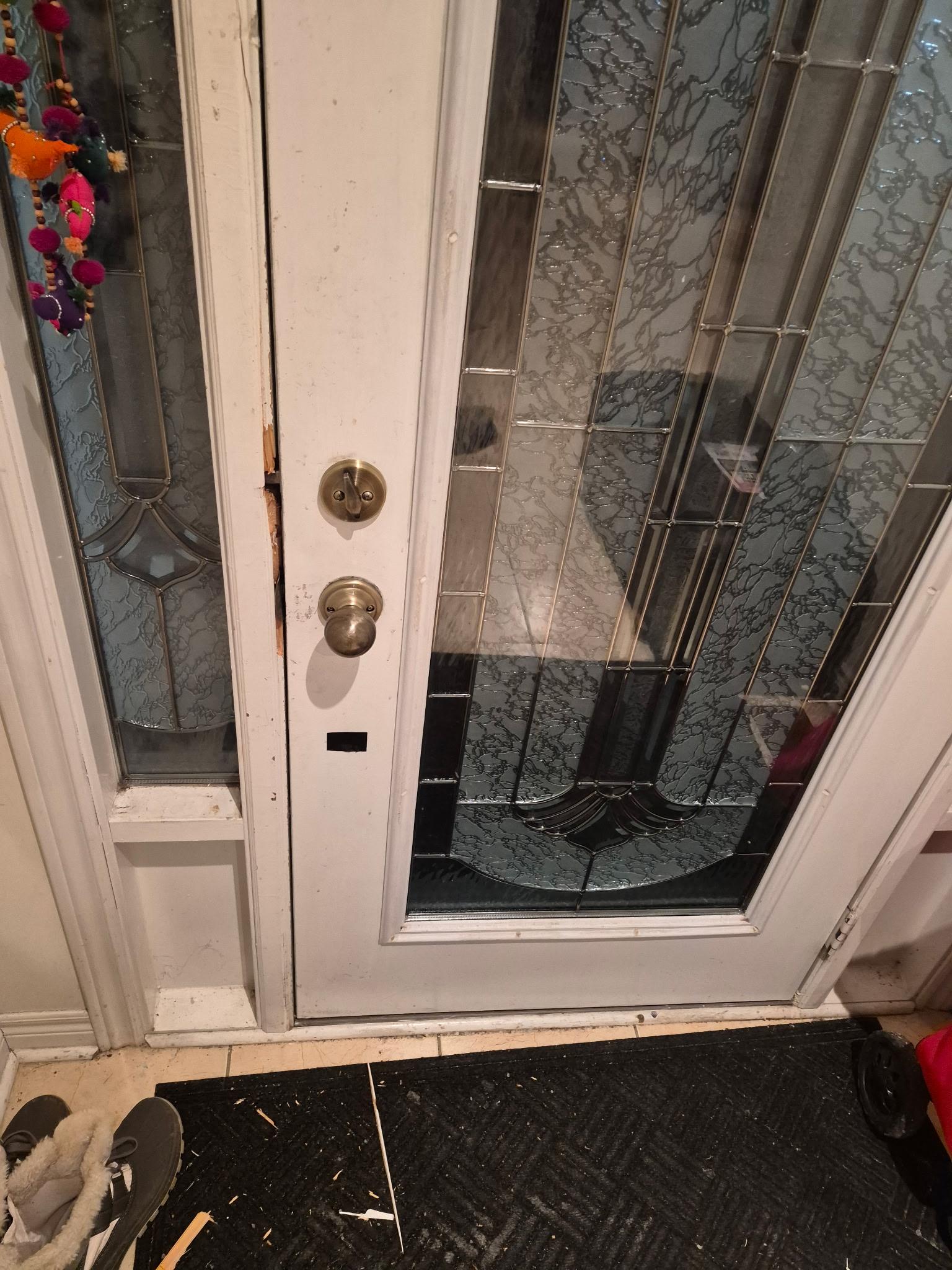
We can service, adjust and repair latching hardware, closers and exit devices, fit hardware that is listed for fire door use, correct alignment so a door latches reliably, and rekey cylinders on those doors. Key control on those doors matters most when staff change, which is when rekeying after an employee leaves comes in.
We do not certify fire door assemblies, issue compliance approvals or advise on code interpretation. Where a door has been modified, the leaf is damaged or the rating is in doubt, the work belongs with a fire door specialist or the authority having jurisdiction, and we will say so.
The faults we see most often are closers that no longer latch the door, exit devices that have been dogged or disabled, hold-opens that are just a wedge, missing or painted-over labels, and stairwell doors that stick and are therefore propped.
None of these are expensive to correct compared with the risk. Most are an adjustment, a replacement closer or a strike repair.
In multi-unit buildings and larger commercial premises, the doors that cause most trouble are the ones nobody owns day to day: stairwell doors, corridor cross doors and service corridor doors. They are used constantly, propped for deliveries and cleaning, and adjusted by whoever finds them inconvenient.
Check that each closes and latches on its own, that stairwell re-entry arrangements work as the building's fire safety plan describes, and that nothing has been added to hold a door open. Where a door sticks and is therefore propped, fixing the binding is what stops the propping.
Inspectors ask what was done and when. Keep a simple file with the date of each visit, which doors were serviced, what was adjusted or replaced, and the model numbers and listings of any hardware fitted. Photographs of labels on the hinge edge of each leaf are useful, especially before redecoration.
That record makes the next inspection reliable and shows a pattern if a particular door keeps failing. It also helps when hardware needs matching later, since fire door components have to be suitable for the assembly rather than simply similar in appearance to what was there.
When you call, describe the door, the hardware fitted, whether it is on an exit route and what it is doing now. Photographs of both faces, the closer and the latch edge help. Other business door work is handled through our commercial locksmith services.
Keep reading
No. A door on an exit route must release with a single motion, without a key, tool or special knowledge, so people can leave without delay. Adding a deadbolt, padlock, chain or surface bolt defeats that, even if staff only use it after hours while people are inside. If the concern is security at the rear of the premises, the answer is exit hardware with outside key control, a reinforced frame and a latch guard, not a second lock on the inside.
No. A door on an exit route must release with a single motion, without a key, tool or special knowledge, so people can leave without delay. Adding a deadbolt, padlock, chain or surface bolt defeats that, even if staff only use it after hours while people are inside. If the concern is security at the rear of the premises, the answer is exit hardware with outside key control, a reinforced frame and a latch guard, not a second lock on the inside.
Yes, it is one of the most important faults to correct. A fire door that is merely closed can be pushed open by pressure from fire and smoke; the latch is what holds it. The usual causes are a closer that has lost adjustment, a misaligned strike or a worn latch. All are normally repairable. Test it by letting the door close from fully open without touching it and confirming the latch engages every time.
Only with a device designed for it, such as a listed hold-open linked to the fire alarm or a free-swing closer that releases the door when the alarm sounds. A wedge, a hook or a disconnected closer arm is not acceptable, because the door will not close when it matters. If a door is propped daily, that is usually a sign the closer is too strong or the workflow needs a different solution, and both can be addressed.
Generally the building owner, and in leased premises the responsibility may be shared with the tenant depending on the lease. Requirements can come from fire code, your fire safety plan, insurance conditions and the authority having jurisdiction. We are not the authority on that: confirm with your local fire prevention office, a fire protection contractor or a qualified inspector. We can repair and fit suitable hardware, and document what was installed.
Yes. Rekeying changes which key operates the cylinder and does not alter the door's rating or its latching, provided the hardware itself is unchanged and remains suitable. This is common after staff changes. If the existing hardware is not listed for fire door use, or has been modified, we will point that out separately so it can be corrected rather than rekeyed and left in place.
Dogging holds an exit device's latch retracted so the door can be pushed open freely, which is convenient on a main entrance during business hours. On a fire door it defeats the purpose, because the latch must be able to engage. Exit devices intended for fire doors are supplied without mechanical dogging for that reason. If you need a door to stay open during the day, use a hold-open arrangement linked to the alarm instead.
It can be. The label on the hinge edge of the leaf, and often on the frame, identifies the manufacturer and the rating, and an inspector uses it to verify the assembly. Painting over or removing it makes verification difficult and may mean the door has to be assessed or replaced. Avoid painting labels during redecoration, and keep records of the hardware fitted so the assembly can be documented.
Yes, when the products are listed for fire door use and the arrangement keeps the door latched and allows free exit. That is a specification matter, and it needs the manufacturer's documentation rather than an assumption that a product will be suitable. Tell us what you want the door to do, and we will explain which options are compatible, or refer the specification work to a fire protection contractor where it goes beyond locksmith scope.
GTA Lockman Mobile Locksmith Services is a mobile locksmith working on homes, businesses and vehicles across Toronto and the GTA, with more than 14 years in the trade. Every review is written by a customer on Google, where you can read them in full.
Areas served: Toronto, North York, Scarborough, Etobicoke, Vaughan, Richmond Hill, Markham, Stouffville, Newmarket, Mississauga, Brampton, Oakville, Milton, Halton Hills, Pickering, Ajax, Whitby, Oshawa, Uxbridge.
Describe the door, hardware and service address. Contact GTA Lockman Mobile Locksmith Services to confirm the scope and scheduling for your location.