Locksmith services are always 10% off for seniors.
Open Mon–Thu 8:30 AM–9 PM, Fri 8:30 AM–4 PM, Sun 9:30 AM–9 PM
Locksmith services are always 10% off for seniors.
Open Mon–Thu 8:30 AM–9 PM, Fri 8:30 AM–4 PM, Sun 9:30 AM–9 PM
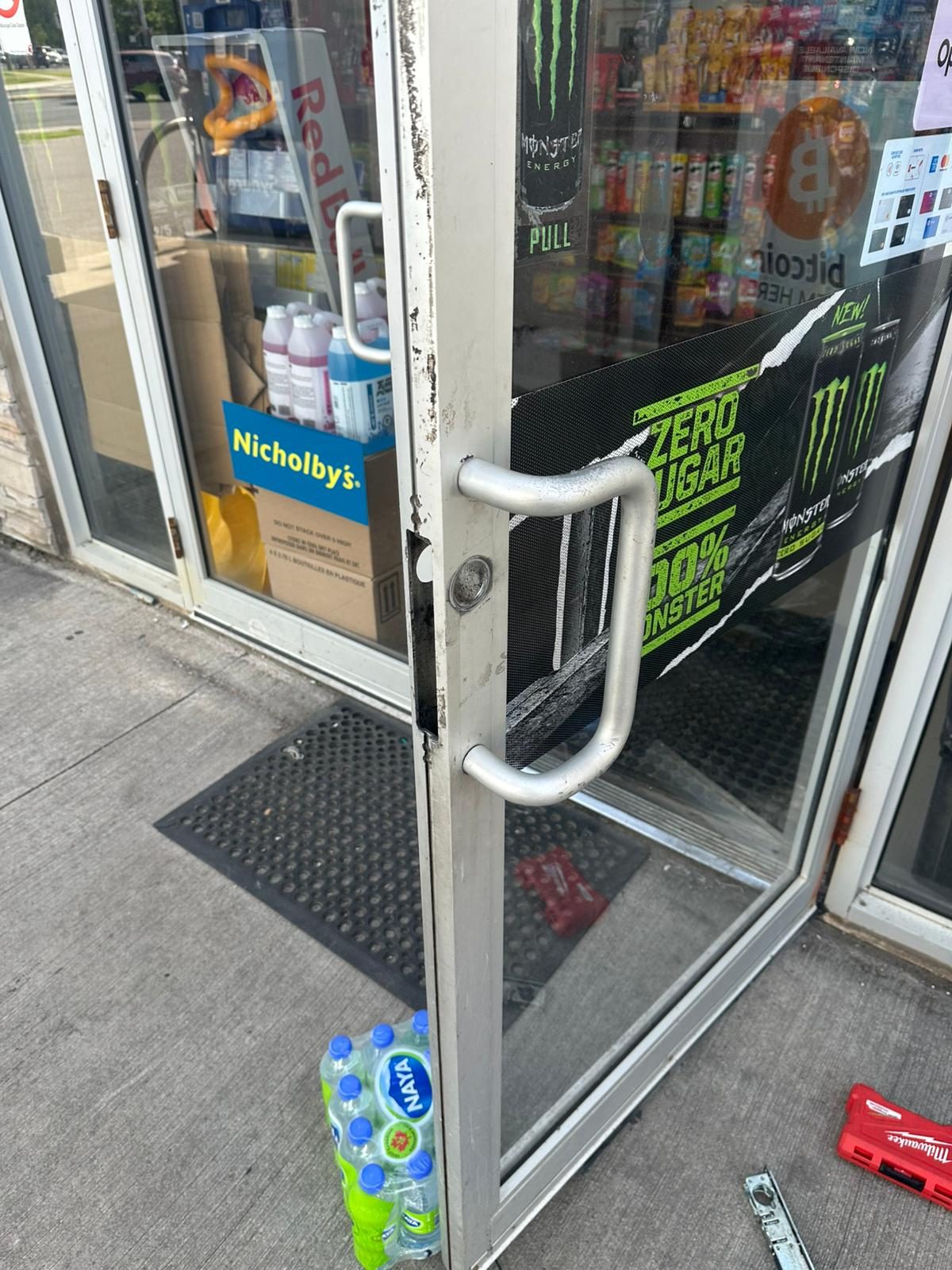
GTA Lockman Mobile Locksmith Services · Toronto & GTA
Authorized entry to shops, restaurants, clinics and offices, with attention to storefront hardware and key control.
Related services
Secure the premises at closing while keeping exit routes working, and fix the closer, alignment or lock fault behind it.
Learn moreArrange authorized access to offices and business premises, then address the key or hardware problem behind the lockout.
Learn moreLock and door service for offices, shops and managed properties. Plan access around the way your business operates.
Learn moreTrace the broken connection between the cylinder and the bolt or latch, then repair or replace the failed part.
Learn moreReplace worn or unsuitable hardware with a lock that fits the door, its function and your access needs.
Learn moreReview every opening affected by the missing keys and establish a documented, authorized change to mechanical access.
Learn more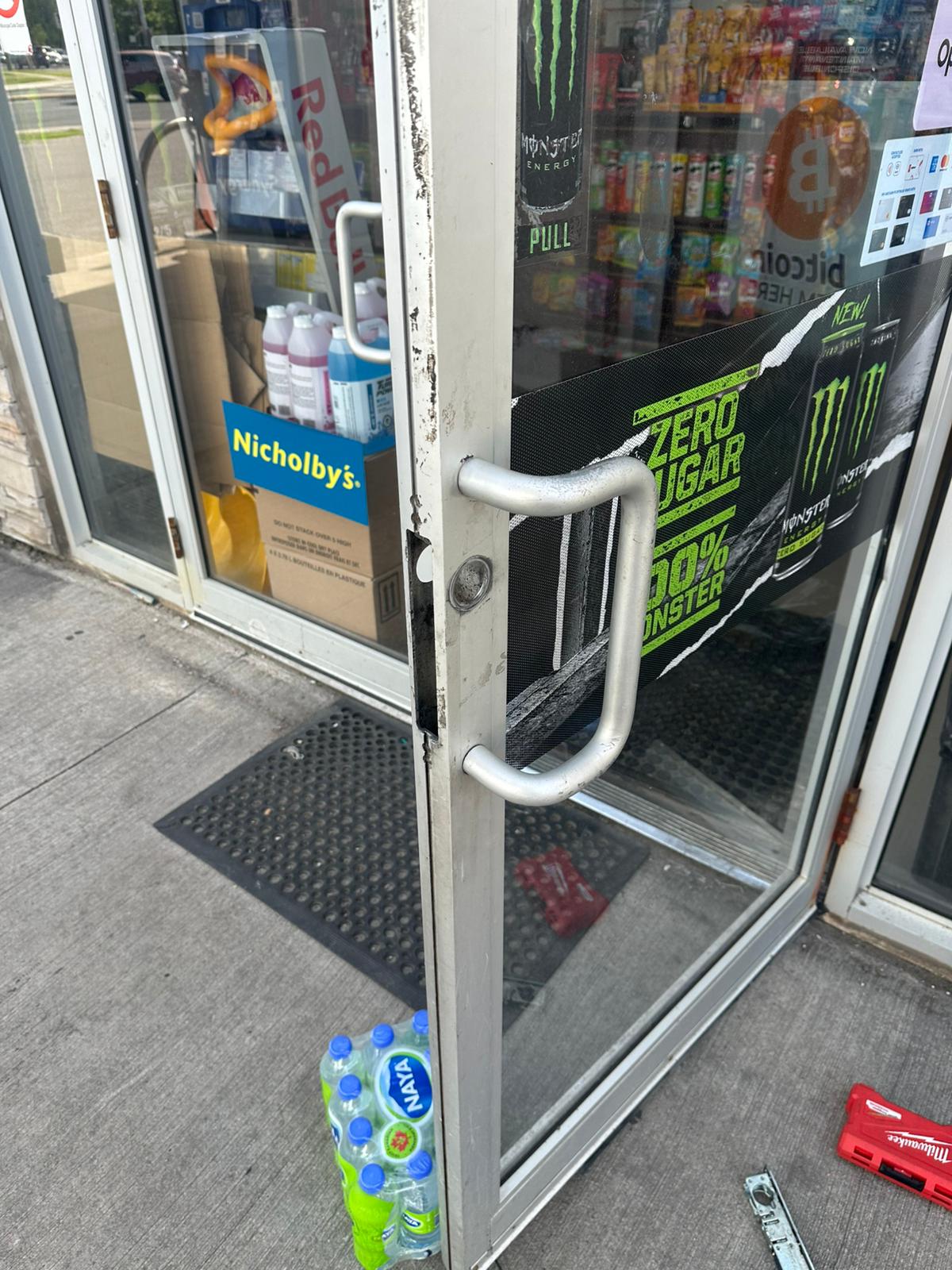
When a retail store, restaurant, clinic or office cannot be opened, staff are waiting, customers may be arriving and deliveries may be scheduled. Getting inside matters, but the steps that protect the business still apply: confirming authorization, identifying the hardware and choosing a method that leaves the premises secure afterward.
Start by confirming whether anyone with a key can be reached. A manager, owner, landlord or property manager may hold a spare. If no key is available, or the key no longer works, a locksmith visit can be arranged.
When you call, describe the business, the door, the lock and what happened. Say whether the lock was working the previous day, whether a key broke or turns without opening, and whether an alarm system is armed.
A locksmith should confirm that the person requesting entry is entitled to open the premises. For a business, that may mean identification together with a lease, business registration, a letter of authority or confirmation from the owner or landlord. The requirements are there to protect the business from someone else gaining entry by claiming to be staff.
If the person requesting entry is an employee rather than the owner or manager, expect the technician to confirm authority with someone responsible for the premises. Arrange for that person to be reachable before the visit.
Where the landlord controls the building, their consent may be needed before any lock is changed, even if entry is authorized.
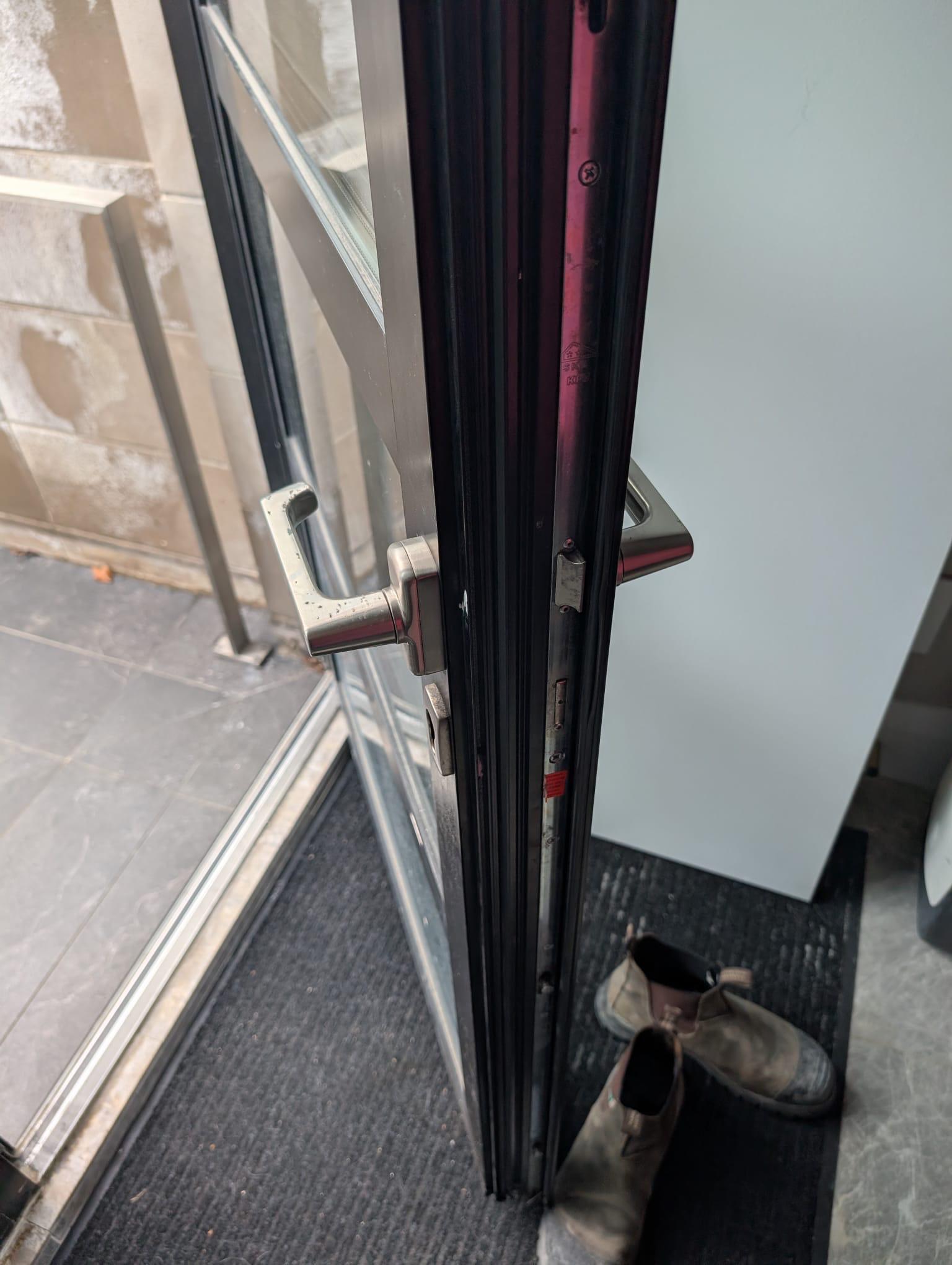
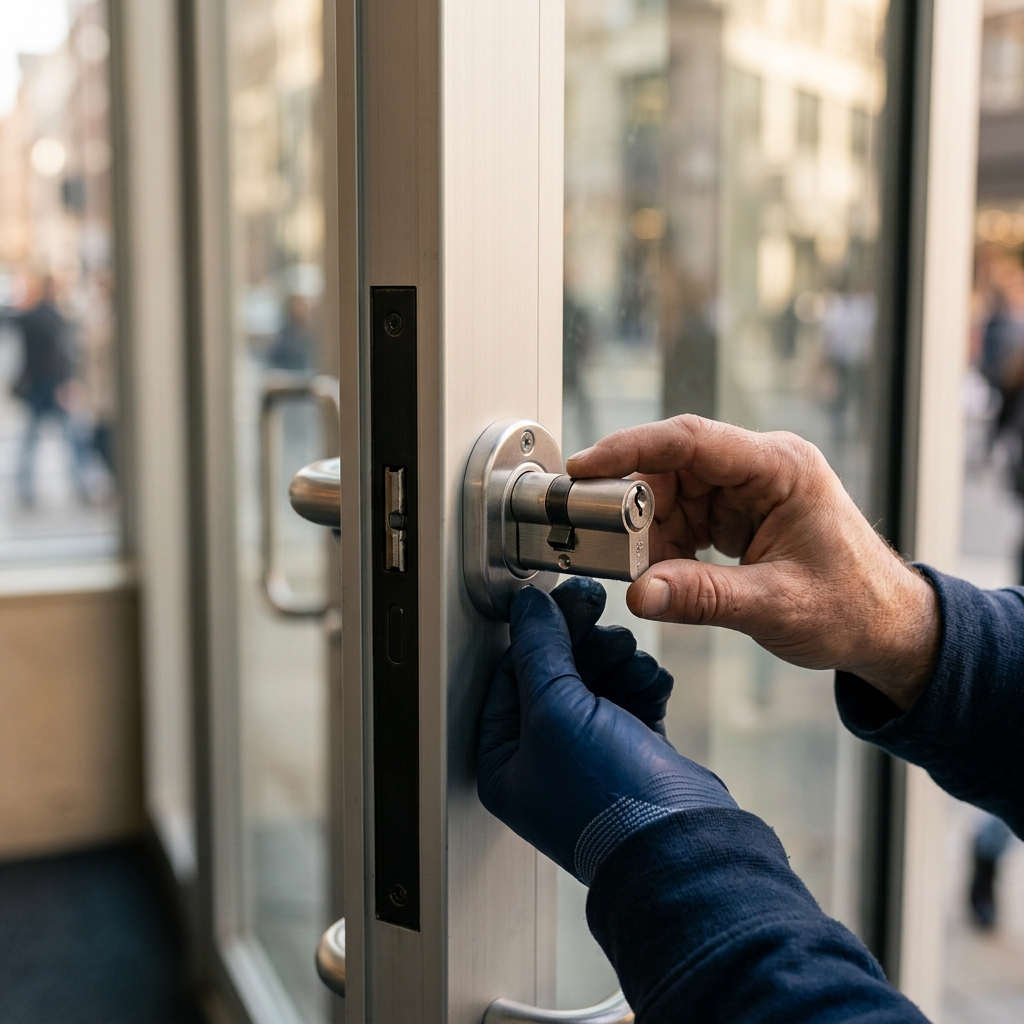
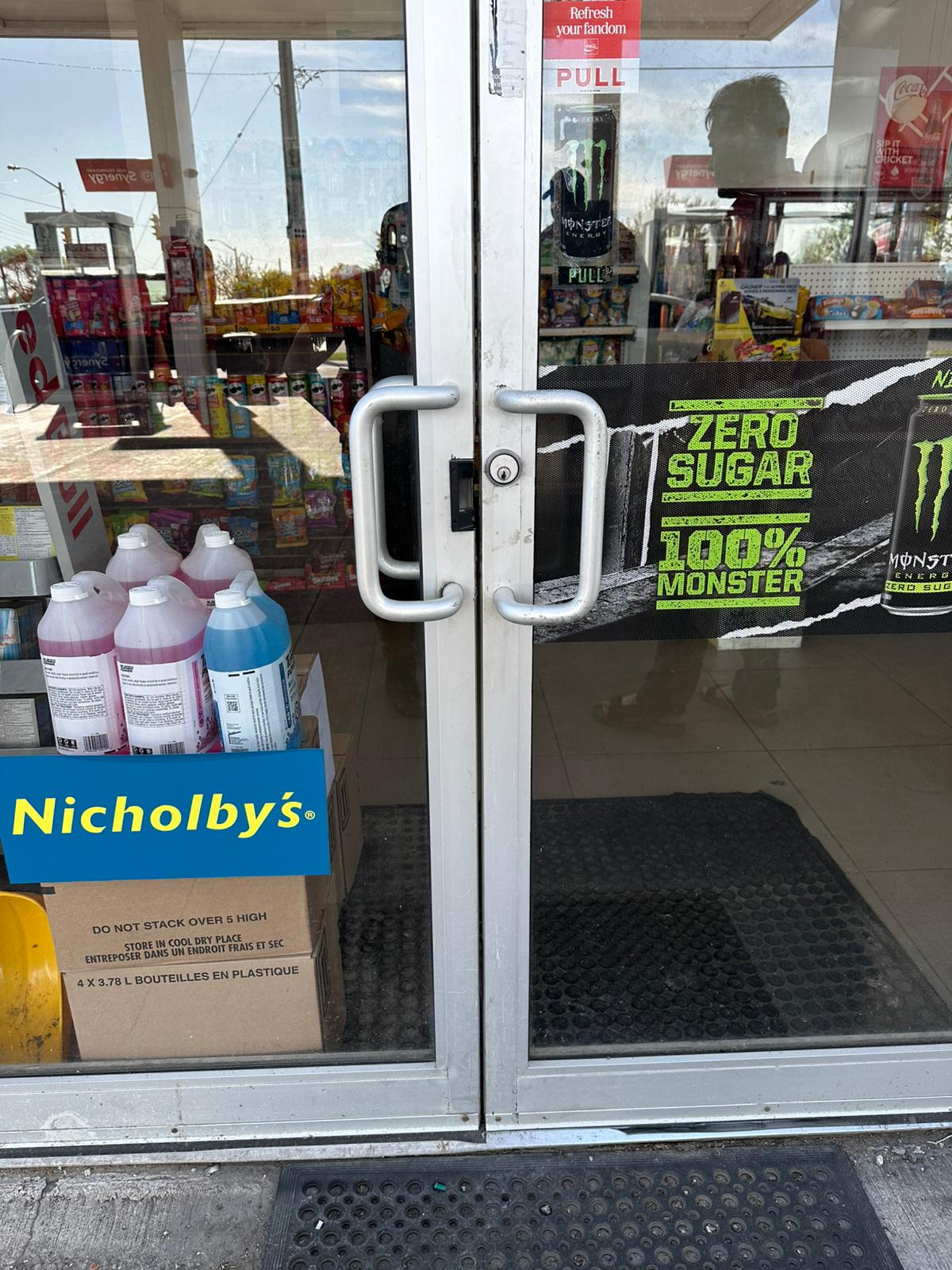
Storefronts commonly use aluminium frames with narrow-stile deadlocks, mortise cylinders, or floor and top locks on glass doors. Many are fitted with closers and exit devices. Some use restricted or master-keyed cylinders supplied by a particular system. The hardware determines the entry method and whether the lock can be left in service.
Photographs of the exterior cylinder and the door edge, if visible, help identify the hardware before arrival. Do not share photographs of keys or key cuts publicly.
Where the hardware allows, the technician will begin with a method that leaves the lock in service. Restricted cylinders, reinforced storefront locks and some high-security hardware limit the options, and a component may need to be removed or replaced to gain entry.
The technician should explain the approach before starting and tell you if it changes. If a cylinder must be replaced, it should be compatible with the door and, where applicable, the building's key system. The price of the entry work and any hardware should be explained separately.
Avoid breaking glass or prying the frame. Storefront glass and aluminium frames are costly to repair, and damage can leave the store unsecured once you are inside.
Once the store is open, find out what caused the lockout. A key that broke may point to a worn cylinder or a door that binds. A key that turns without opening points to a failed tailpiece or cam, covered on the key turns but door will not unlock page. A lock that would not operate may be linked to the closer or alignment problems described on the commercial door will not lock at closing page.
If keys were lost or taken, or a former employee still holds one, the locks may need rekeying or changing. Either a lock change or rekeying after stolen keys closes that gap, depending on the condition of the hardware.
Photos
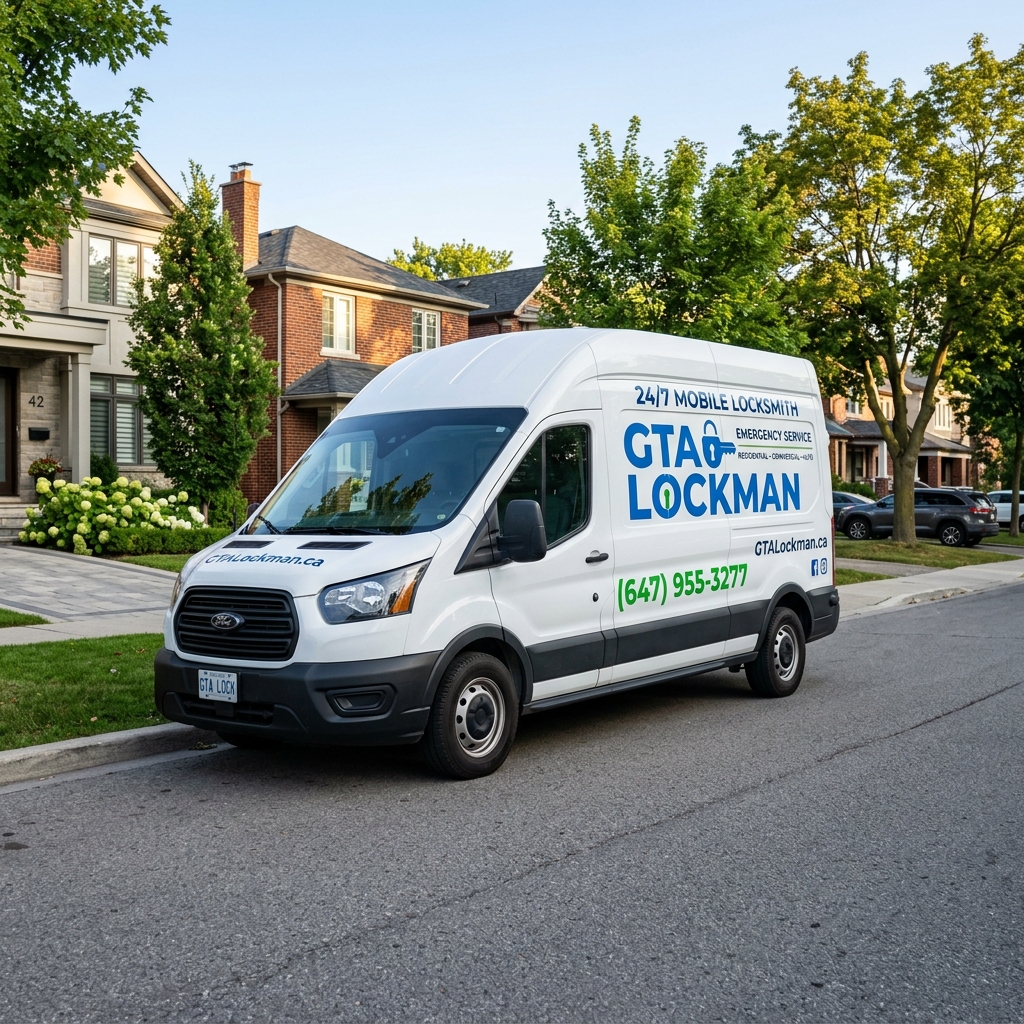
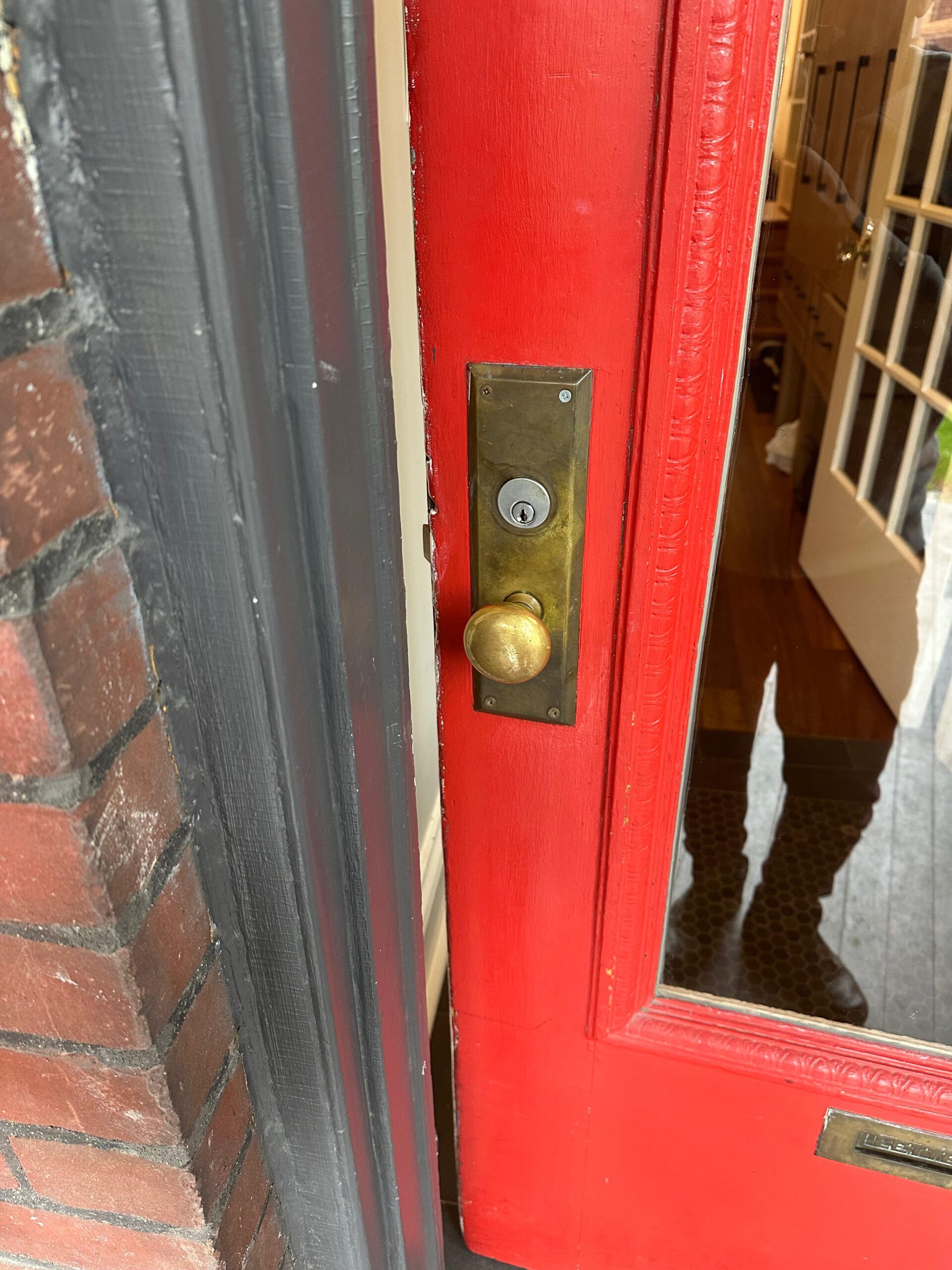
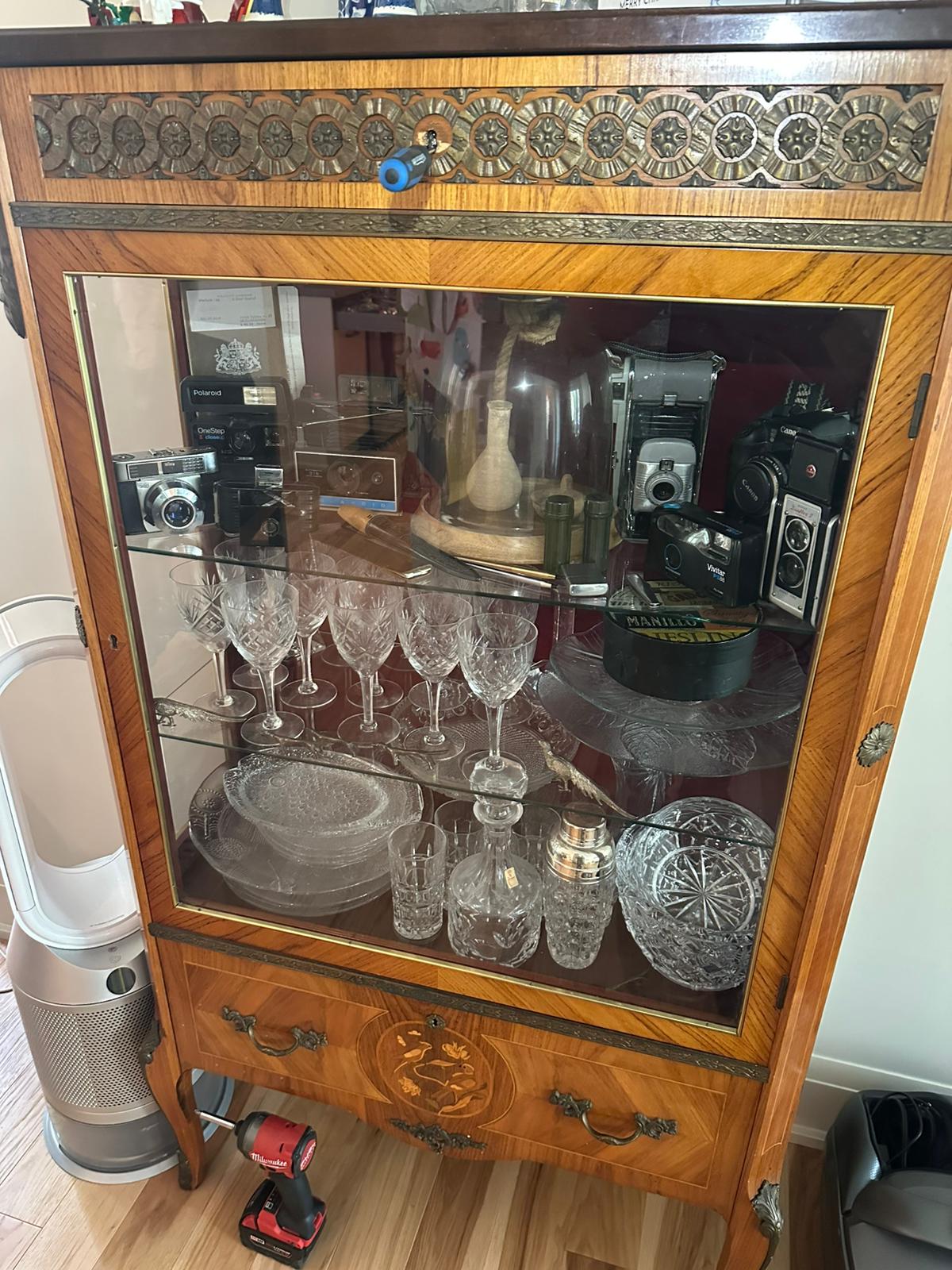
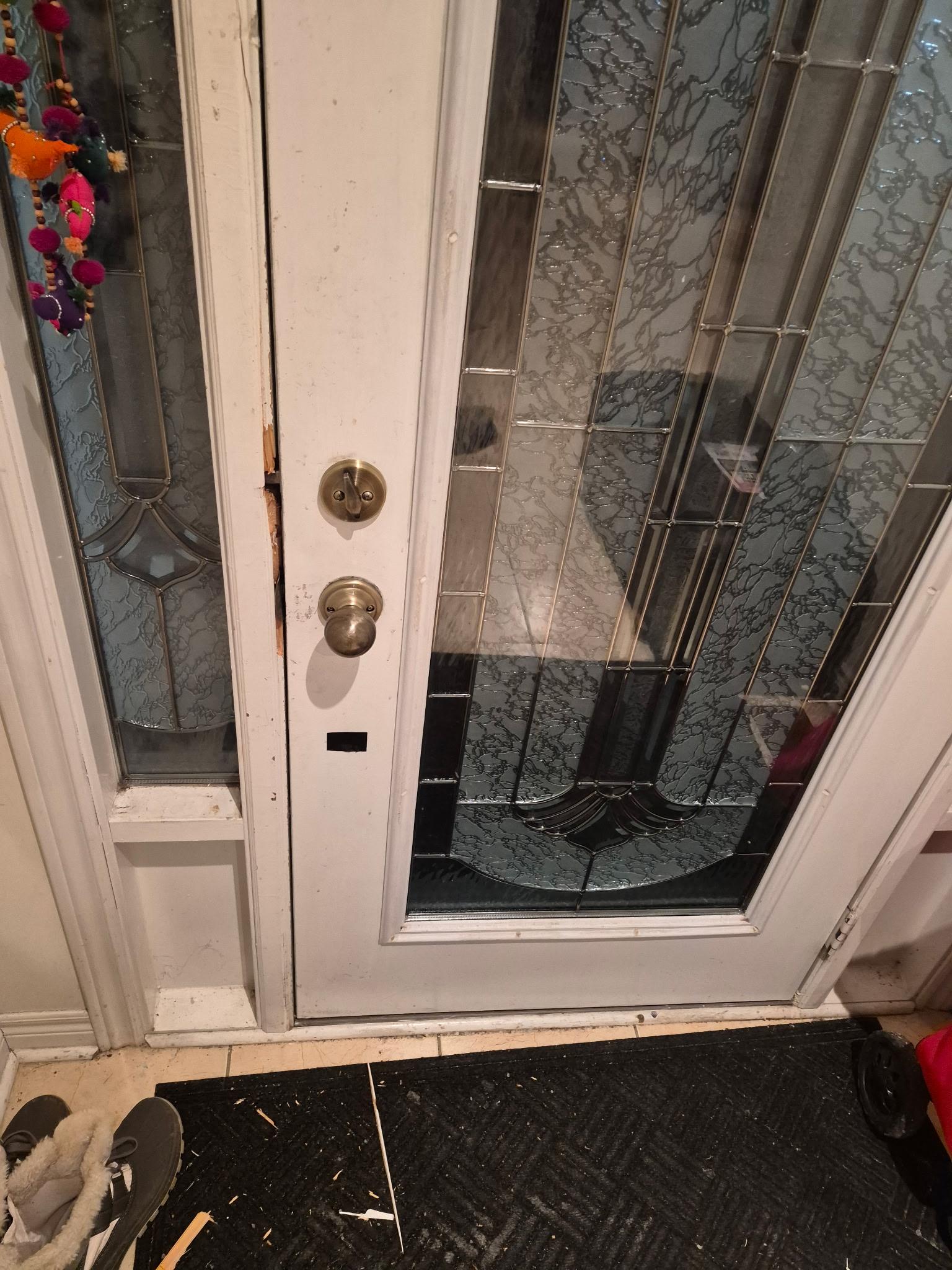
Photographs from GTA Lockman Mobile Locksmith Services work across Toronto and the GTA. Send a picture of your own door and we can tell you what the visit would involve.
An armed alarm system may trigger during entry, and the monitoring company may contact the account holder or send a response. Tell the monitoring company about the lockout if you can, and have the account holder's details available. The technician will not bypass alarm equipment.
For offices in shared buildings, the suite door may be controlled by the landlord's key system and the building may manage lobby access. Contact building management first; they may be able to open the suite. Suites in managed buildings are handled like other office and business lockouts, with management involved from the start.
Different businesses have different concerns during a lockout. Restaurants may have food deliveries arriving and refrigeration to check. Clinics may have patient records and controlled substances that require specific security arrangements. Retailers may have stock and cash handling procedures. Mention anything that affects how the technician should approach the premises or who needs to be present once the door is open.
Where the premises hold sensitive material, the owner or manager may prefer to be present at entry. Plan for that when arranging the visit, even if it means waiting for the responsible person to arrive.
Units in shopping centres and plazas are often subject to landlord or centre management rules. The centre may control keys for the unit, security staff may need to be informed, and changes to the storefront lock may require approval. In enclosed malls, the storefront may use a rolling grille or gate with its own lock.
Contact centre management or security before arranging a locksmith. They may be able to open the unit, or they may need to authorize the work. The technician will follow the centre's requirements for access, parking and working hours.
A lockout is a good moment to review who holds keys. Count the keys in circulation, confirm who holds each one, and decide whether any should be recovered. If keys have been lost or cannot be accounted for, consider rekeying the affected locks. For businesses with several doors and staff levels, a master-key system can give managers wider access while limiting what each employee's key opens.
Record the key arrangement and keep it with the business's other important documents. Knowing who can open the store makes the next lockout, staff change or lost key easier to handle, and it helps the locksmith focus on the right doors.
If the lock had to be removed or damaged to gain entry, the technician can fit a compatible replacement or an interim cylinder so the store can be secured at the end of the day. Ask what the interim arrangement provides and whether it fits the building's key system. Record it as temporary on the invoice, and arrange the permanent hardware once the compatible part is available.
Keep contact details for the owner, manager, landlord and alarm monitoring company somewhere staff can reach them outside the premises, such as a shared phone list. A lockout is much easier to resolve when the person who can authorize entry can be reached and the monitoring company knows what is happening. The same list helps when a lock fails at closing or keys go missing, because the right people can be contacted without searching for numbers stored inside the building.
After the visit, ask the technician to note on the invoice what caused the lockout and whether any follow-up work was recommended. That record helps the business plan repairs and budget for hardware replacement rather than responding to the next failure when it happens.
When you call, describe the premises, the hardware, who can authorize entry and any alarm system. Storefront calls are handled within our posted hours, and the arrival estimate we give reflects traffic and appointments already booked, not a fixed promise. Key control and hardware repair for the rest of the premises are part of our commercial locksmith services.
Keep reading
Expect to show identification together with something connecting you to the business, such as a lease, business registration or a letter of authority. If you are an employee rather than the owner or manager, the technician may need to confirm your authority with someone responsible for the premises. Arrange for that person to be reachable before the visit. These checks protect the business from someone else gaining entry by claiming to be staff, and they are applied to every commercial lockout request we receive.
Expect to show identification together with something connecting you to the business, such as a lease, business registration or a letter of authority. If you are an employee rather than the owner or manager, the technician may need to confirm your authority with someone responsible for the premises. Arrange for that person to be reachable before the visit. These checks protect the business from someone else gaining entry by claiming to be staff, and they are applied to every commercial lockout request we receive.
It depends on the hardware. Some storefront cylinders and deadlocks can be opened while leaving the lock in service. Restricted cylinders, reinforced locks and some high-security hardware limit the available methods, and a component may need to be removed or replaced. The technician should explain the approach before starting. If replacement is needed, the new cylinder should be compatible with the door and any building key system, and its price should be given separately from the entry work.
No. Storefront glass and aluminium frames are costly to replace, and a broken panel leaves the store exposed once you are inside. It can also cause injury. A locksmith visit is usually less disruptive and less expensive than glass replacement, and the door can be secured again afterward. If the glass was already broken during a break-in, contact the police first, then arrange for the door and lock to be repaired.
Change who can operate the locks. Rekeying compatible cylinders makes existing keys useless while keeping the hardware in place. If the store uses a master-key system, the change may need to be coordinated with the system's supplier or the building. List every door the key operated, including rear and storage doors, before arranging the work. Keep a record of new key holders so the next staff change is easier to manage.
It may be. Contact the monitoring company if you can and tell them about the lockout, or have the account holder's details available so they can be reached. The monitoring company may contact the account holder or send a response when the alarm triggers. The technician will not bypass alarm equipment. Once inside, disarm the system as you normally would, and check the system's settings if the lockout involved changes to staff or access.
If you lease the unit and can show that, entry may be possible, but the landlord may prefer to open it with their own key, and their consent may be needed before any lock is changed. Contact the landlord or property manager first. In shared buildings, management may also control lobby and suite access. We will follow the lease arrangement and the building's requirements rather than work around them.
Floor and top locks on glass doors are common on storefronts. Whether they can be opened without removing a component depends on the specific hardware and its condition. Describe the lock, or send a photograph of the cylinder and its position on the door, so the technician can prepare. If a replacement is required, compatible parts for glass-door hardware may need to be sourced, and the technician can explain what an interim arrangement would provide.
Common causes include lost or forgotten keys, keys broken in the cylinder, cylinders worn by heavy use, locks that fail after a door has shifted, and keys that no longer match after a lock change. Closers and pivots that let the door sag can also strain the lock until it fails. Once the store is open, ask the technician to explain the cause so the same problem does not recur at the next opening or closing.
GTA Lockman Mobile Locksmith Services is a mobile locksmith working on homes, businesses and vehicles across Toronto and the GTA, with more than 14 years in the trade. Every review is written by a customer on Google, where you can read them in full.
Areas served: Toronto, North York, Scarborough, Etobicoke, Vaughan, Richmond Hill, Markham, Stouffville, Newmarket, Mississauga, Brampton, Oakville, Milton, Halton Hills, Pickering, Ajax, Whitby, Oshawa, Uxbridge.
Describe the door, hardware and service address. Contact GTA Lockman Mobile Locksmith Services to confirm the scope and scheduling for your location.