Locksmith services are always 10% off for seniors.
Open Mon–Thu 8:30 AM–9 PM, Fri 8:30 AM–4 PM, Sun 9:30 AM–9 PM
Locksmith services are always 10% off for seniors.
Open Mon–Thu 8:30 AM–9 PM, Fri 8:30 AM–4 PM, Sun 9:30 AM–9 PM

GTA Lockman Mobile Locksmith Services · Toronto & GTA
Separate stock, cash and staff areas so that a key to one is not a key to everything.
Related services
Make the back door close, latch and lock every time while keeping it a safe exit for staff and customers.
Learn moreDecide which internal rooms need their own access, and how that is recorded and reviewed.
Learn moreReview what the departing employee could open, then rekey the affected cylinders and issue new keys with a record.
Learn moreAuthorized entry to shops, restaurants, clinics and offices, with attention to storefront hardware and key control.
Learn moreHow commercial lock and door work gets scoped, authorized and scheduled around a business that has to keep trading.
Learn moreLock and door service for offices, shops and managed properties. Plan access around the way your business operates.
Learn more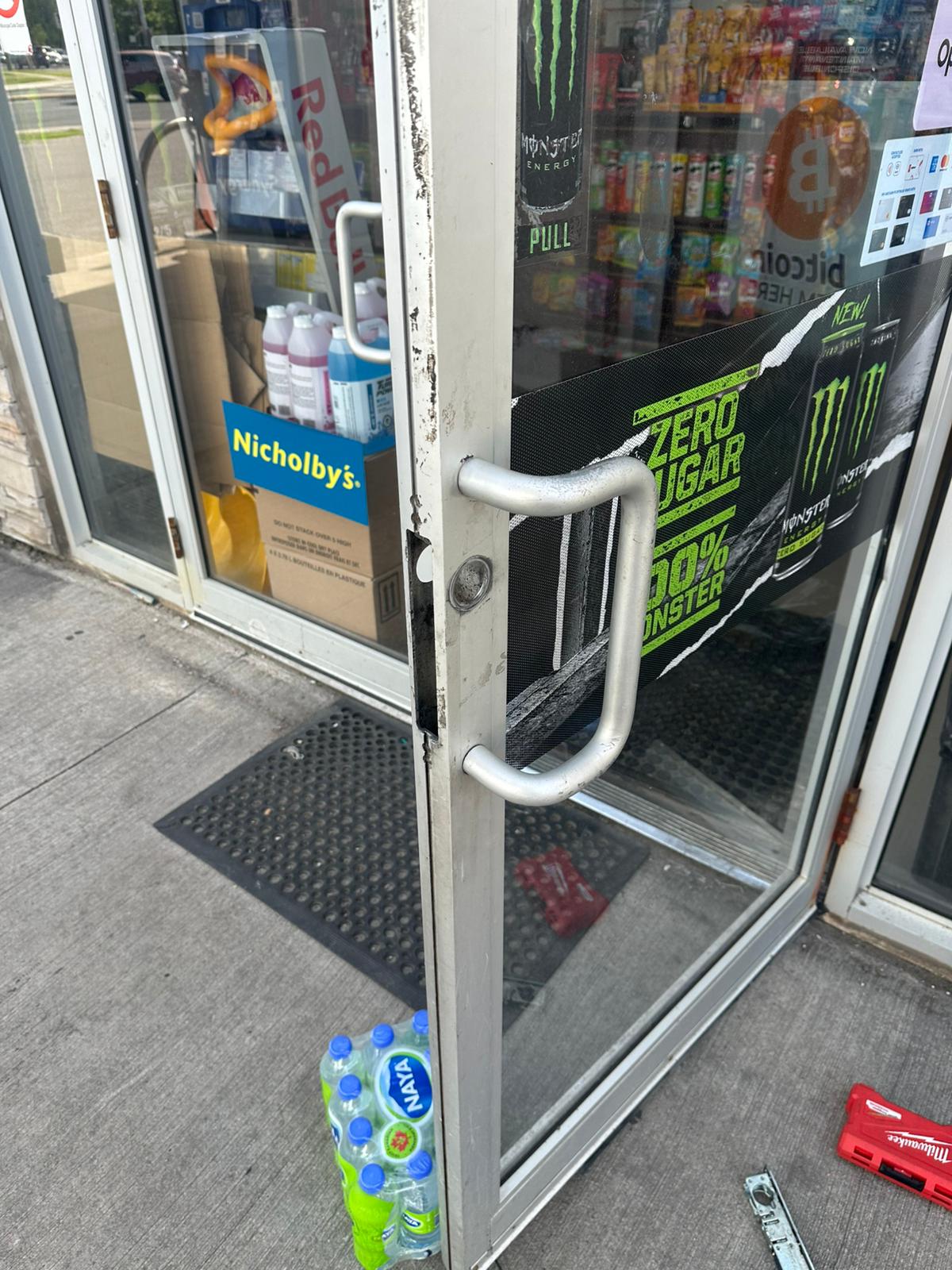
A retail unit usually has three distinct areas: the sales floor customers can walk into, the stockroom where goods are received and held, and the cash office or manager's office where takings, safes and paperwork are kept. Each has different people who need to go in, and a key to one should not be a key to all three.
In many shops, though, the stockroom door has no lock, the cash office shares a key with the back door, and every member of staff carries the same key. That arrangement works until a key goes missing, a staff member leaves on bad terms, or stock starts disappearing without anyone being able to say who had access.
The stockroom door is used constantly during the day and needs to stay usable without getting in the way of work.
A storeroom-function lock suits it well: the outside handle stays locked, the door relocks every time it closes, and staff open it with a key or code. The inside handle always opens freely, so nobody can be shut in. On doors that are opened dozens of times a day, the hardware needs to be a grade that will stand up to that use, and the door needs a closer that shuts and latches it reliably.
Where the stockroom connects to a rear loading door, that rear door is often the weakest point in the building. Rear door security for shops and restaurants applies here directly.
The cash office holds the most concentrated value in the shop, and its key should be held by as few people as possible: typically the owner and the managers who cash up.
A solid door, a lock with a deadbolt, a reinforced strike and a frame that will not split are the basics. Many cash offices also have a safe, which needs its own combination or key, held separately from the office key.
If staff other than managers sometimes need to get in, consider whether the task can be moved rather than widening access. The fewer keys to the cash office, the more meaningful the control.
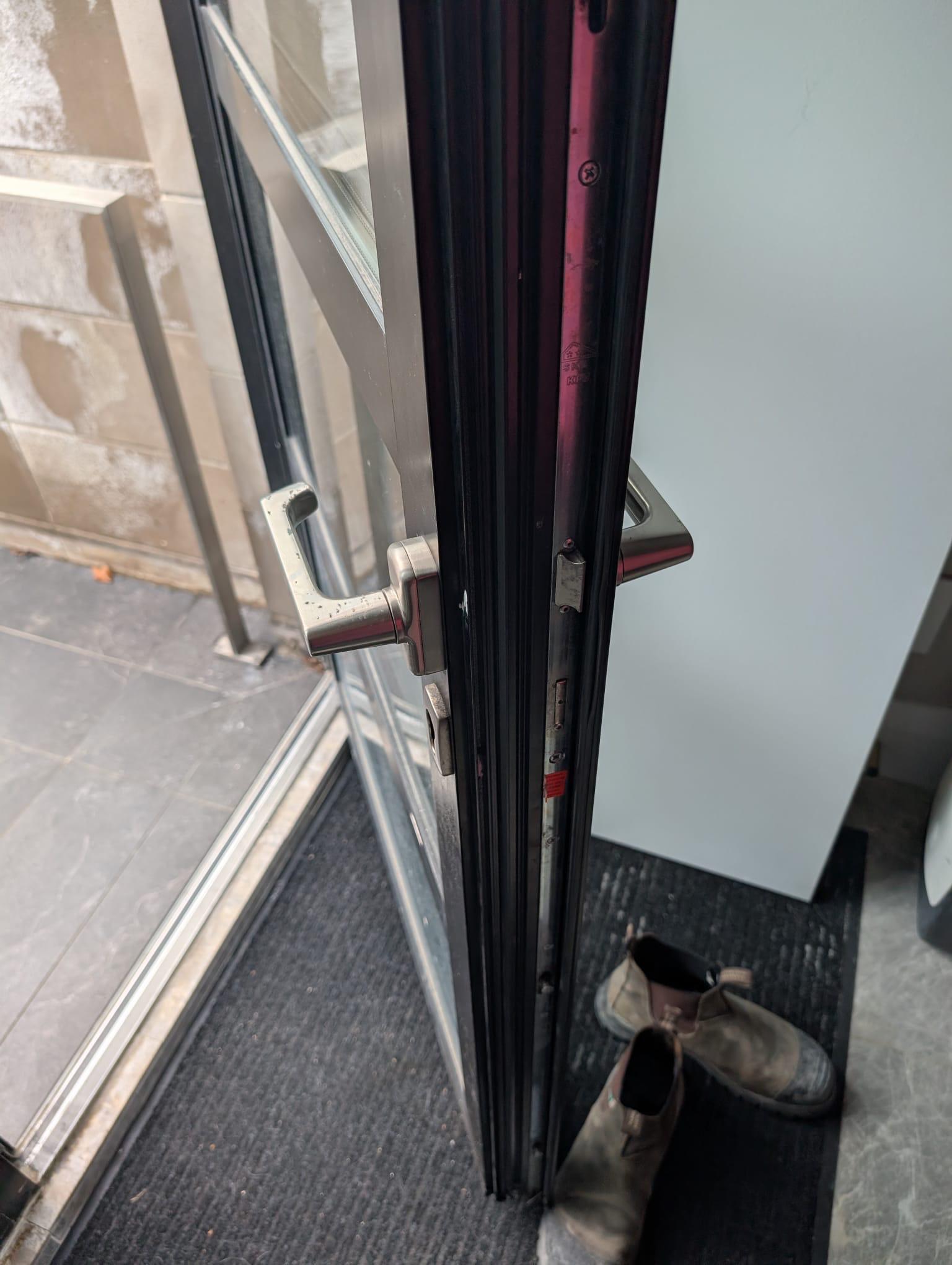
A master key system lets different keys open different groups of doors. In a shop, that usually means:
This keeps daily work easy while limiting who can reach the cash office. When a staff member leaves, only their level of key is affected.
Master key systems need planning and a good supplier, and they work most effectively with keys that cannot be copied freely. Rekeying after an employee leaves is simpler when the system is structured this way from the start.
Keypads and card readers suit retail doors where staff change often. Access can be granted on a new starter's first day and removed on their last day without collecting keys. Some systems also record who opened which door and when, which helps if stock or cash goes missing.
Electronic access needs power, backup and someone responsible for managing users. The mechanical override key still needs to be controlled.
Larger shops may have separate rooms for returns, high-value stock, staff lockers or IT equipment. The same thinking applies to each: what is inside, who needs access, and which lock function suits it. The approach for internal areas more generally is in server rooms and restricted internal areas.
Retail staff turnover is high, which makes key control a routine task rather than an occasional one.
Keep a key register showing who holds which key. Collect keys on a staff member's last day and check them against the register. If a key is missing, decide straight away whether to rekey, especially for any key that opens the cash office.
Most retail break-ins happen when the shop is closed. A closing checklist that includes the stockroom and cash office doors, not just the front door, catches doors left unlocked.
If a storefront lock is stiff or a staff member struggles to lock up at night, that is worth fixing before it leads to a door being left insecure. Getting locked out of the shop is its own problem; see storefront lockout service.
Retail lock work usually happens before opening or after closing, so the shop can keep trading. A walk-through of the stockroom, cash office and rear door lets us price the job before any lock is changed, following the usual steps for working with a commercial locksmith; storefront doors and grilles are part of our commercial locksmith services.
Deliveries usually come in through the rear door into the stockroom, and that moment is when the stockroom is most exposed. The door is open, staff are busy checking boxes, and goods sit in the corridor.
A simple routine helps: one person receives and checks the delivery while the door is open, the door is closed and locked as soon as the driver leaves, and the stock is moved into the stockroom before anyone gets distracted. A doorbell or intercom at the rear door means drivers do not have to knock or wait with the door propped.
Where deliveries arrive before opening or after closing, the arrangement needs more thought, and the options are the same ones businesses use for courier and delivery access.
Not all loss comes from outside. Stock and cash that go missing without a break-in are harder to deal with, and the lock arrangement can help or hinder.
When every staff member has a key to every door, it is impossible to narrow down who had access. When keys are limited by role, and the cash office in particular is restricted to a few people, the question becomes much simpler. Electronic access that records who opened a door adds another layer.
None of this is about suspecting staff. It is about an arrangement where the facts are clear if something does go wrong.
Shops selling jewellery, electronics, phones, cosmetics or other high-value items usually keep some stock in locked display cabinets on the sales floor. Those cabinet locks are small, often keyed alike across a whole run of cabinets, and the keys tend to multiply.
Keying cabinets in groups, so a key opens only the cabinets a staff member is responsible for, limits the damage if a key goes missing. Cabinet locks wear efficiently with constant use and are inexpensive to replace, so a stiff or loose cabinet lock is worth changing before it fails with stock inside.
Retail relies heavily on seasonal and temporary staff, particularly over the holidays. Issuing them the same keys as permanent staff means dozens of extra keys in circulation that may never all come back.
Give seasonal staff the minimum access they need, ideally codes that expire or are removed at the end of the season, rather than keys. Where keys are necessary, sign them out with a return date and collect them on the final shift. A seasonal rush is also the time when doors get propped and closing routines slip, so a efficient reminder of the closing checklist at the start of the season helps.
Many small shops open or close with a single member of staff, which is when they are most exposed. Opening the rear door alone before dawn, or cashing up alone after closing, puts both the staff member and the takings at risk.
Where possible, avoid opening the rear door when alone, keep the cash office locked while counting, and move takings to a safe rather than carrying them out of the building at night. A well-lit rear entrance and a door that locks efficiently and easily all make lone opening and closing safer.
Shops inside an enclosed mall or shopping centre have a different arrangement from standalone stores. The front may be a roll-down grille or glass shutter controlled by the tenant, while the rear door opens into a service corridor shared with other tenants and managed by the centre.
That service corridor is a common route for loss, because many people use it and few watch it. The rear door into your unit should close and lock on its own, the stockroom should have its own lock, and the centre's rules on hardware changes should be checked before anything is fitted, since some centres require their own master key on tenant rear doors.
Tell us how many doors are involved, what is kept behind each, how many staff hold keys, and whether any keys are currently unaccounted for. If you are thinking about a master key system, a list of doors and who needs access to each is the most useful thing to have ready.
We will look at each door, suggest a lock function and key arrangement that fits how the shop actually runs, and fit it at a time that does not interrupt trading.
Keep reading
Usually yes. Staff are not always in the back, and customers or delivery drivers can reach a stockroom door that has no lock. A storeroom-function lock relocks every time the door closes, so it stays secure without anyone having to remember.
Usually yes. Staff are not always in the back, and customers or delivery drivers can reach a stockroom door that has no lock. A storeroom-function lock relocks every time the door closes, so it stays secure without anyone having to remember.
As few people as possible: typically the owner and the managers who cash up. Every extra key reduces the control over the room where the most value is kept.
It is an arrangement where different keys open different groups of doors, for example staff keys for the front and stockroom, and manager keys that also open the cash office. Small shops with more than a few staff often find it makes key control far easier.
No. The safe should have its own combination or key, held separately from the office key, so that access to the room does not automatically mean access to the safe.
Where staff change often, they can be. Codes can be added and removed without collecting keys, and some systems record who opened a door. They need power, a backup plan and someone to manage the codes.
Check the register to see which doors that key opens. If it opens the cash office or the rear door, rekeying those locks is the prudent step. Do it straight away rather than waiting.
Often it is the closer, hinges or strike rather than the lock. A door that does not close and latch on its own is not secure, whatever lock is fitted, and the fix is usually an adjustment.
Yes. Retail lock work is normally scheduled before opening or after closing, so trading is not interrupted.
GTA Lockman Mobile Locksmith Services is a mobile locksmith working on homes, businesses and vehicles across Toronto and the GTA, in the trade since 2010. Every review is written by a customer on Google, where you can read them in full.
Areas served: Toronto, North York, Scarborough, Etobicoke, Vaughan, Richmond Hill, Markham, Stouffville, Newmarket, Mississauga, Brampton, Oakville, Milton, Halton Hills, Pickering, Ajax, Whitby, Oshawa, Uxbridge.
Describe the door, hardware and service address. Contact GTA Lockman Mobile Locksmith Services to confirm the scope and scheduling for your location.