Locksmith services are always 10% off for seniors.
Open Mon–Thu 8:30 AM–9 PM, Fri 8:30 AM–4 PM, Sun 9:30 AM–9 PM
Locksmith services are always 10% off for seniors.
Open Mon–Thu 8:30 AM–9 PM, Fri 8:30 AM–4 PM, Sun 9:30 AM–9 PM
GTA Lockman Mobile Locksmith Services · Toronto & GTA
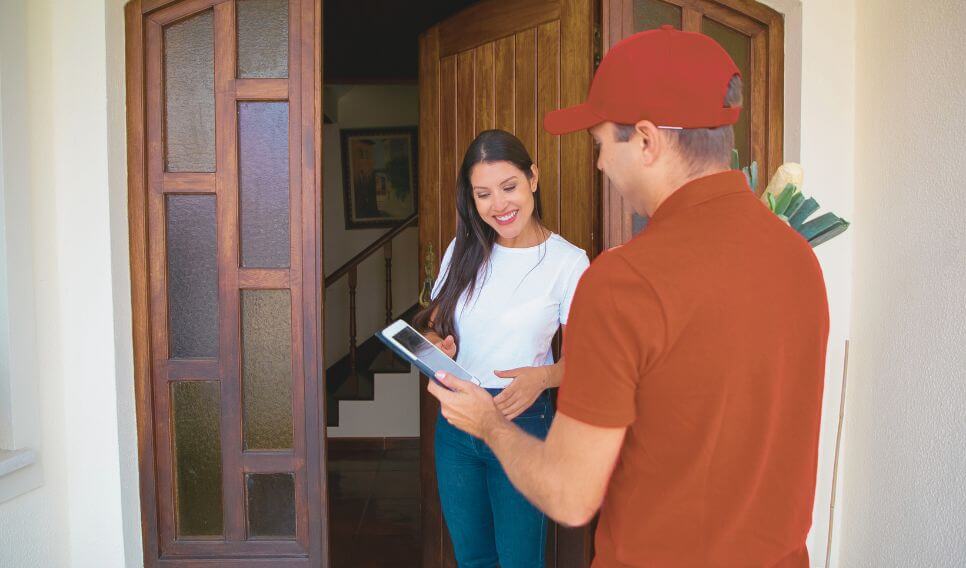
Receive deliveries without leaving a door unlocked or handing out keys to the building.
Related services
Handle deliveries without weakening the door, and strengthen the openings a parcel thief would try.
Learn moreMake the back door close, latch and lock every time while keeping it a safe exit for staff and customers.
Learn moreHow commercial lock and door work gets scoped, authorized and scheduled around a business that has to keep trading.
Learn moreKeep a shared entrance latching, releasing and letting people out, whichever release device is fitted.
Learn moreLock and door service for offices, shops and managed properties. Plan access around the way your business operates.
Learn moreSeparate stock, cash and staff areas so that a key to one is not a key to everything.
Learn more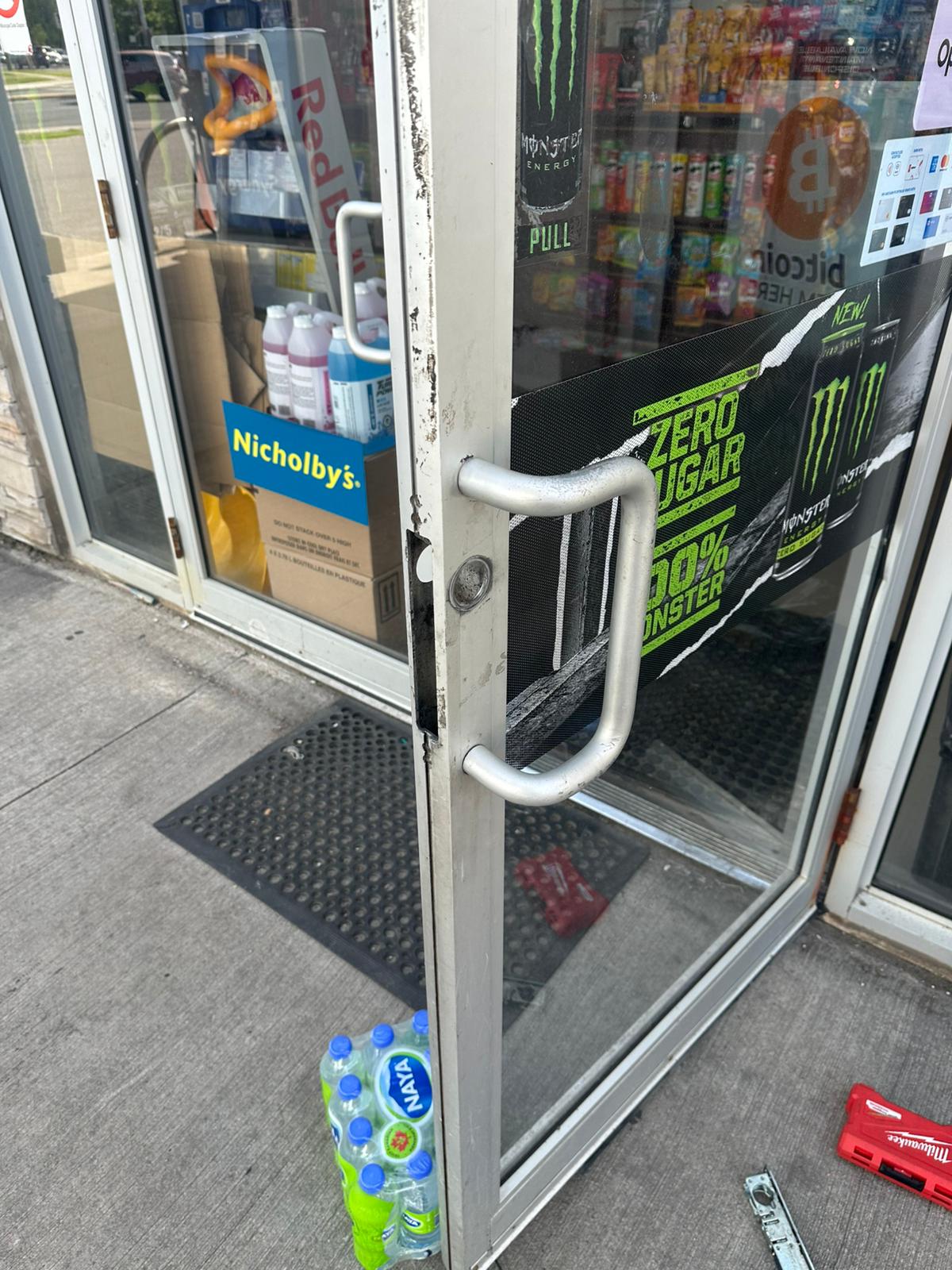
Most businesses receive deliveries every day: stock, supplies, parcels, food, equipment. The couriers do not keep business hours, and many arrive before opening, over lunch or after the last member of staff has gone home. The easy answers are the risky ones: a back door left unlocked "just for the morning", a key handed to a regular driver, a door propped with a wedge while someone goes to find a trolley.
Each of those works until the day it does not. The goal is a delivery arrangement that lets goods come in when they need to, without leaving the building open or losing track of who can get in.
Start by looking at where deliveries actually come in. For many small businesses that is the rear door or a side entrance, not the front. That door is often the least watched and the least maintained, and it is where most forced entries happen.
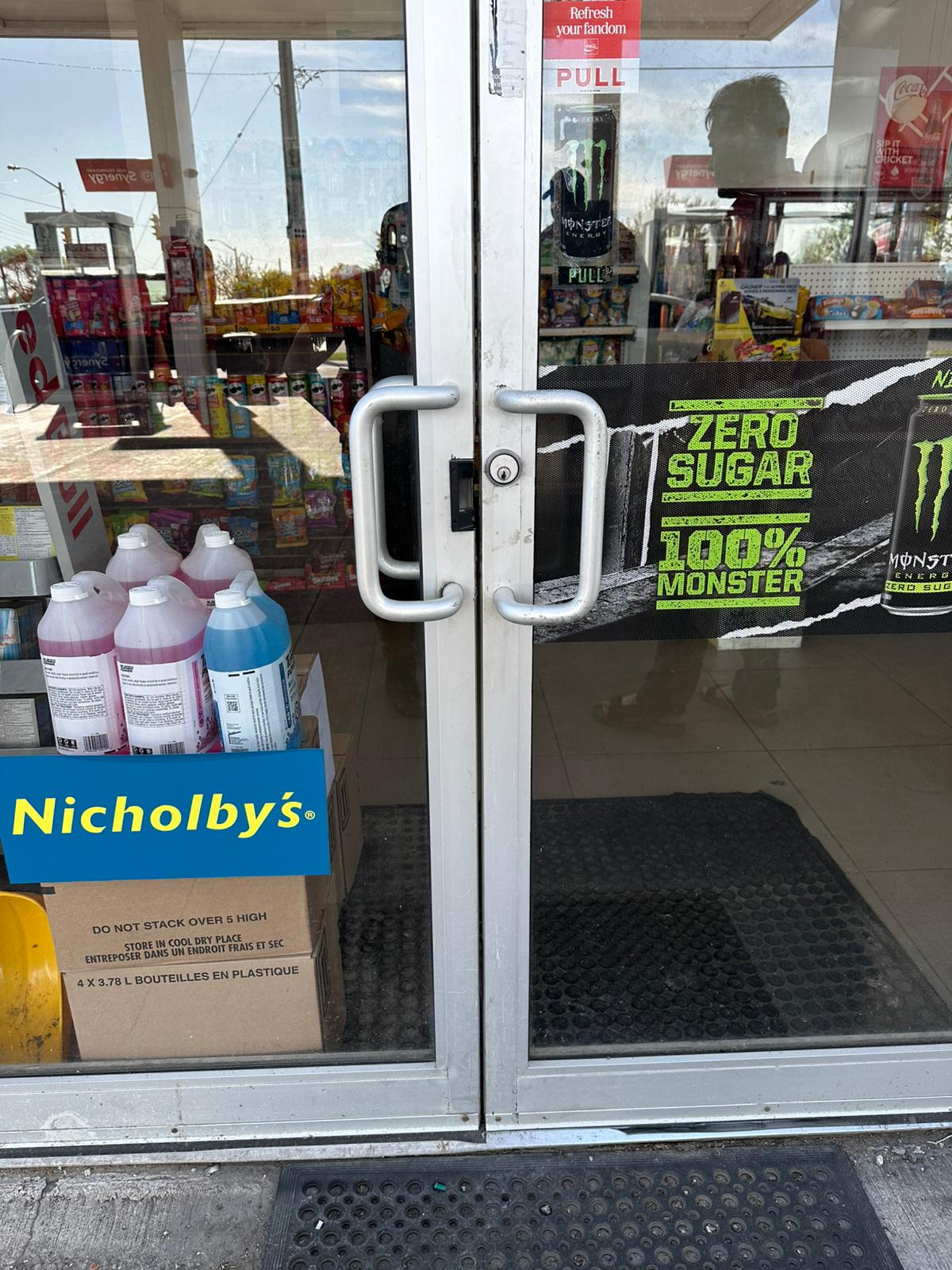
A rear delivery door should close and latch on its own, have a deadbolt or exit device suited to the door, a sound frame and a reinforced strike. If it is also a fire exit, it must always open from inside without a key. The same pressures that lead to propped and weakened doors behind shops apply here, and a closer, a sound frame and a reinforced strike are the core of rear door security for shops and restaurants.
The simplest arrangement is a staff member receiving every delivery. The door stays locked, a doorbell or intercom lets the driver announce themselves, and the staff member opens the door, checks the delivery and locks up again.
A doorbell or intercom at the delivery door, rather than drivers knocking or phoning, makes this workable. In multi-tenant buildings, the building's own entrance system may already handle this, since buzzer and intercom entry for small buildings lets a driver call a suite and be let into the lobby only.
When nobody is there, the options are more limited, and each has trade-offs.
A delivery locker or secure drop box accepts parcels without opening the building at all. It suits small parcels and removes the question of access entirely.
A delivery code on a keypad lock lets a regular courier into a specific area, such as a vestibule or receiving room, at set times. Each courier should have their own code so it can be changed when the driver or the company changes, and the area they can reach should not give access to the rest of the business.
A lockable receiving room or cage keeps unattended deliveries separate from stock and cash, even when the courier can get into the building.
Giving a courier a key to the main premises is the option to avoid. Keys get copied, passed between drivers and not returned when the contract ends.
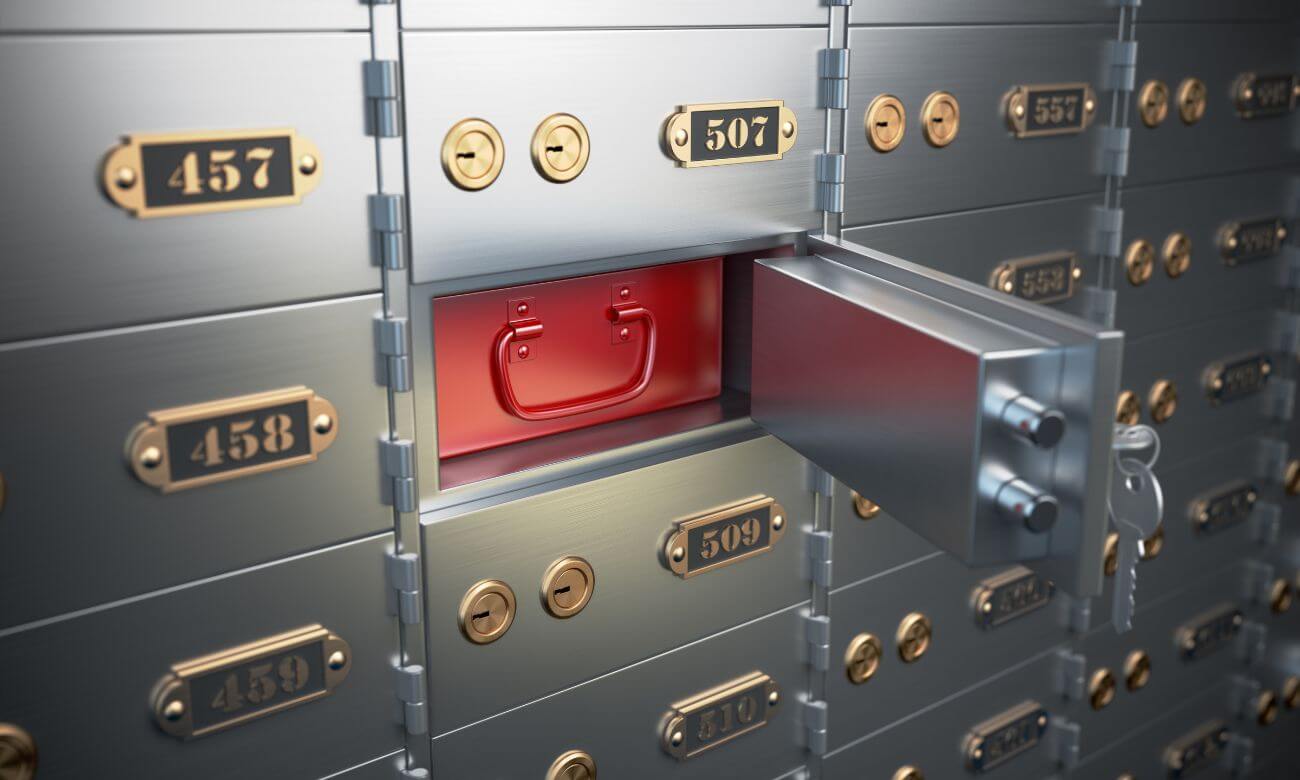
Wherever deliveries land, they should not open a route to the rest of the premises. If a driver can reach the stockroom, the cash office or the sales floor, the delivery arrangement has become a general access arrangement. Separating those areas with their own locks is the thinking behind retail stockrooms and cash office locks.
Deliveries are the most common reason doors get propped open. A wedge under a fire door, a bin against the back door, a door left on the latch while someone unloads a van.
A proper hold-open device, released automatically where the door is a fire door, lets staff keep the door open while they work without disabling it. An alarm on the door that sounds when it is left open too long reminds staff to close it. Closers that latch the door reliably, every time, remove the temptation to leave it.
If couriers have codes or fobs, keep a list of which courier holds which credential, and review it regularly. When a delivery company changes, remove the old codes that day. Codes that are never changed end up being shared between drivers and written down in vans.
Home-based businesses and very small premises face the same questions on a smaller scale: parcels on a step, a door left unlocked for a delivery, codes passed to drivers. At home, the same questions come up with deliveries, parcel theft and door security, and much of that thinking applies to a small business too.
Delivery doors are worked on outside receiving hours wherever possible. Receiving doors, lockers and codes are agreed on a site visit before anything is fitted, as with any commercial locksmith job, and storefront, rear-exit and keying work for the rest of the premises is part of our commercial locksmith services.
Restaurants and cafés take more deliveries than most businesses, often early in the morning before any staff arrive, and many of those deliveries are perishable. Suppliers of produce, meat and dairy sometimes expect to be able to put goods straight into a walk-in cooler.
Giving a supplier access to the kitchen and cooler without staff present is a significant decision. Where it is unavoidable, a separate receiving door with its own code, leading only to the cooler area and not to the rest of the kitchen, the bar or the office, limits what the access allows.
Walk-in coolers themselves should have a lock on the outside for security and a release on the inside so nobody can be trapped. Those two requirements sit together on every cooler door.
Businesses receiving pallets and large items need a loading door wide enough for a pallet jack and a receiving area with space to check goods before they are moved. Loading doors are often roll-up or overhead doors with their own locking arrangements, and a personnel door beside them for staff.
The personnel door is usually the one that gets propped. Fitting it with a closer that latches reliably and an exit device that releases from inside keeps it secure without slowing down the work. The loading door should be closed and locked whenever nobody is actively receiving, not left half open between deliveries.
Outgoing parcels and returns waiting for collection are just as exposed as incoming ones. A stack of labelled boxes by the back door tells anyone passing what is inside and when it is being collected.
Keep outgoing items inside a locked area until the driver arrives, and hand them over rather than leaving them outside. Where collections happen after hours, a secure drop box or locker for outgoing items works the same way as one for incoming deliveries.
Some businesses have couriers who deliver daily and genuinely need a reliable way in, such as medical supply deliveries to a clinic or parts deliveries to a workshop. For those, a documented arrangement agreed in writing works better than informal habits that drift over time.
Agree which door the courier uses, what area they can reach, what code or credential they hold, and what happens if the regular driver is replaced. Review the arrangement when the contract renews, and remove access when it ends.
Unattended deliveries raise the question of what actually arrived. Where goods are left in a receiving room or locker, check them against the delivery note as soon as staff arrive, and report shortfalls professionally.
Cameras covering the receiving area give a record of who came in and what they left, which settles most disputes with suppliers and couriers. Combined with individual courier codes, they make it clear exactly who accessed the receiving area and when.
Businesses in multi-tenant buildings often share a loading area, a receiving room or a mailroom with other tenants. Couriers deliver to the shared area, and each tenant collects their own goods.
That arrangement works when the shared area is locked and only tenants and the building's staff can reach it, and when each tenant collects professionally. Parcels left in an open lobby or unlocked mailroom are easy to take.
Talk to the property manager about how the shared area is secured, who holds keys or codes, and whether there is a log of what arrives. Where the arrangement is weak, a lockable locker or cage within the shared area for your own deliveries can help.
Delivery volumes rise sharply at certain times of year, particularly for retailers in the weeks before the holidays. More deliveries, more drivers and more temporary staff all put pressure on the usual arrangements.
Before a busy period, review who holds codes, make sure the receiving area has room for the extra volume, and remind staff of the routine for checking and securing deliveries. A few minutes of preparation avoids the propped doors and piled-up boxes that tend to appear when things get busy.
Tell us where deliveries arrive, when they come, whether staff are always there to receive them, how many regular couriers use the premises, and whether any keys or codes are currently held by delivery companies.
We will look at the delivery door itself, the route from it into the building, and the arrangement for couriers, and suggest changes that let deliveries in without leaving the premises open.
Keep reading
It is the option to avoid. Keys get copied, shared between drivers and not returned when a contract ends. A personal code on a keypad that opens only a receiving area, or a delivery locker, gives access without handing over a key to the premises.
It is the option to avoid. Keys get copied, shared between drivers and not returned when a contract ends. A personal code on a keypad that opens only a receiving area, or a delivery locker, gives access without handing over a key to the premises.
Yes, with the right arrangement. A delivery locker or drop box suits parcels. A keypad-controlled receiving room or cage suits larger deliveries, as long as it does not open a route into the rest of the building.
A proper hold-open device, released automatically where the door is a fire door, an alarm that sounds if the door stays open too long, and a closer that latches the door reliably. Fixing the reason the door is propped is more effective than telling staff not to do it.
Yes. Individual codes can be removed when a driver or delivery company changes, and some systems record when each code is used. A shared code soon becomes known to far more people than intended.
It must always open from inside without a key. It can be locked against entry from outside, with exit hardware that releases with a single push from inside. Deliveries in through that door need a controlled way to open it from outside.
By putting the receiving area and the stockroom on separate locks, so a code or key for one does not open the other. Deliveries land in the receiving area and staff move them into stock.
Remove their codes or credentials that day, and collect any keys. Keeping a list of which courier holds what makes this a short job.
Yes. A bell or intercom at the delivery door lets drivers announce themselves while the door stays locked, so staff open it only when someone is there to receive the delivery.
GTA Lockman Mobile Locksmith Services is a mobile locksmith working on homes, businesses and vehicles across Toronto and the GTA, in the trade since 2010. Every review is written by a customer on Google, where you can read them in full.
Areas served: Toronto, North York, Scarborough, Etobicoke, Vaughan, Richmond Hill, Markham, Stouffville, Newmarket, Mississauga, Brampton, Oakville, Milton, Halton Hills, Pickering, Ajax, Whitby, Oshawa, Uxbridge.
Describe the door, hardware and service address. Contact GTA Lockman Mobile Locksmith Services to confirm the scope and scheduling for your location.