
GTA Lockman Mobile Locksmith Services · Toronto & GTA
Commercial Locksmith Services
Lock and door service for offices, shops and managed properties. Plan access around the way your business operates.
Service overview
GTA Lockman Mobile Locksmith Services works with offices, retail stores, restaurants, clinics, warehouses, commercial landlords, and property managers across Toronto and the Greater Toronto Area. Call (647) 955-3277 for commercial lock repair, lock changes, rekeying, master-key planning, storefront cylinders, door closers, panic hardware, and doors that no longer latch or secure during our posted hours.
Commercial hardware receives heavier use than most household locks and must work with the door, frame, hinges, closer, latch, and exit requirements. Replacing one component without identifying the cause can leave the original problem in place. We inspect the full opening, explain the work required, and provide the price before authorized service begins.
Commercial lock change and rekeying
A business may need locks changed after keys are lost, access is compromised, a tenant leaves, or existing hardware fails. A physical lock change is often appropriate when the hardware is damaged or an upgrade is required. Rekeying may be the better option when the locks remain serviceable and the goal is simply to invalidate existing keys.
For offices and multi-door properties, keying decisions should be planned before cylinders are altered. Keyed-alike groups and master-key systems can reduce the number of keys while preserving controlled access. The authorized decision-maker should identify which roles need access to each opening.
Commercial lock repair
We diagnose mortise locks, storefront cylinders, deadlatches, lever sets, cabinet locks, and compatible commercial hardware. Symptoms such as a lever sagging, a cylinder turning loosely, or a door refusing to latch may come from worn parts, loose fasteners, door movement, or an incorrect previous installation.
A commercial door that must be pulled, lifted, or slammed to lock needs more than lubrication. The technician checks alignment and related door hardware so the repair addresses the cause rather than masking it.
Storefront and office door problems
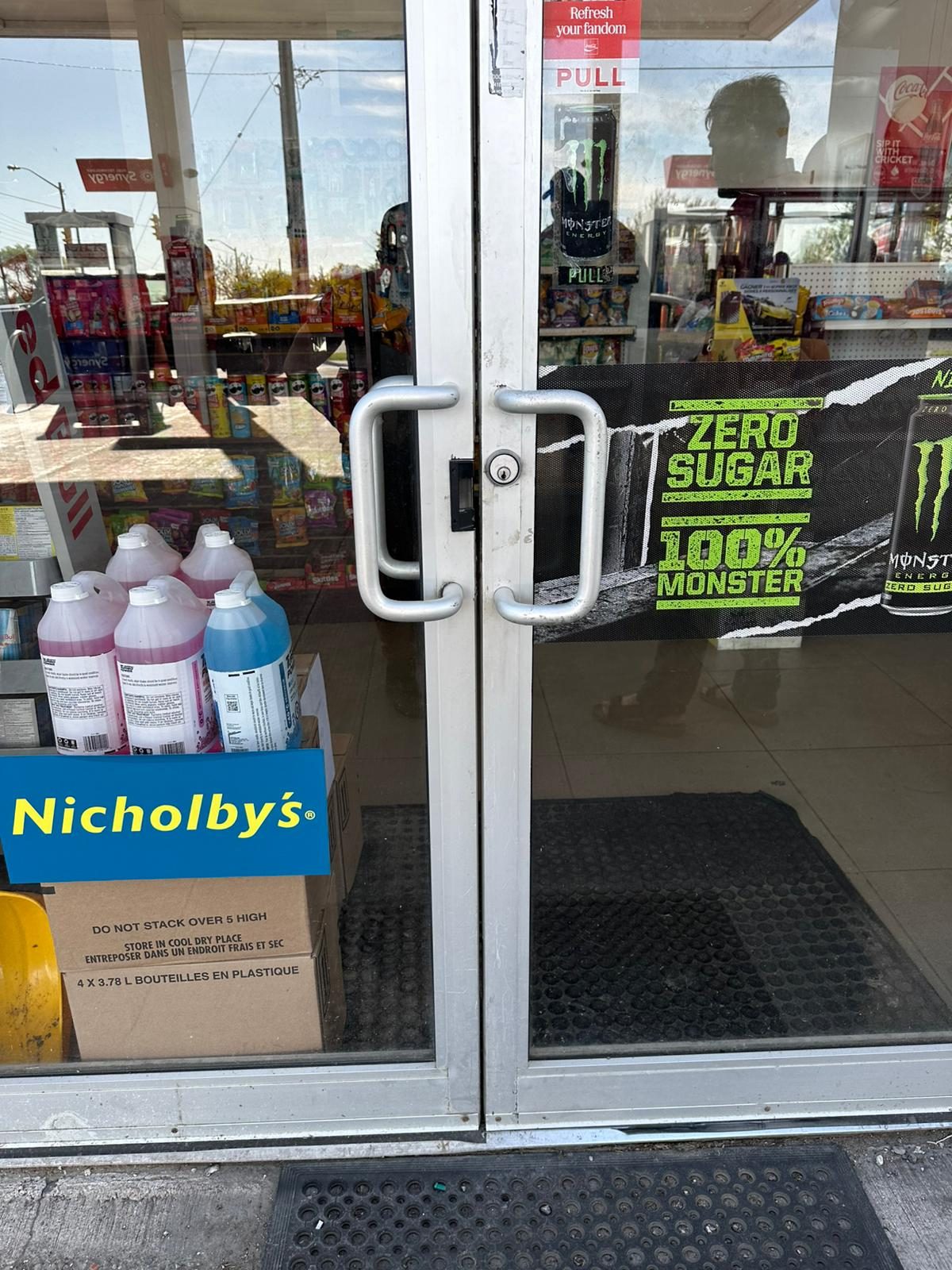
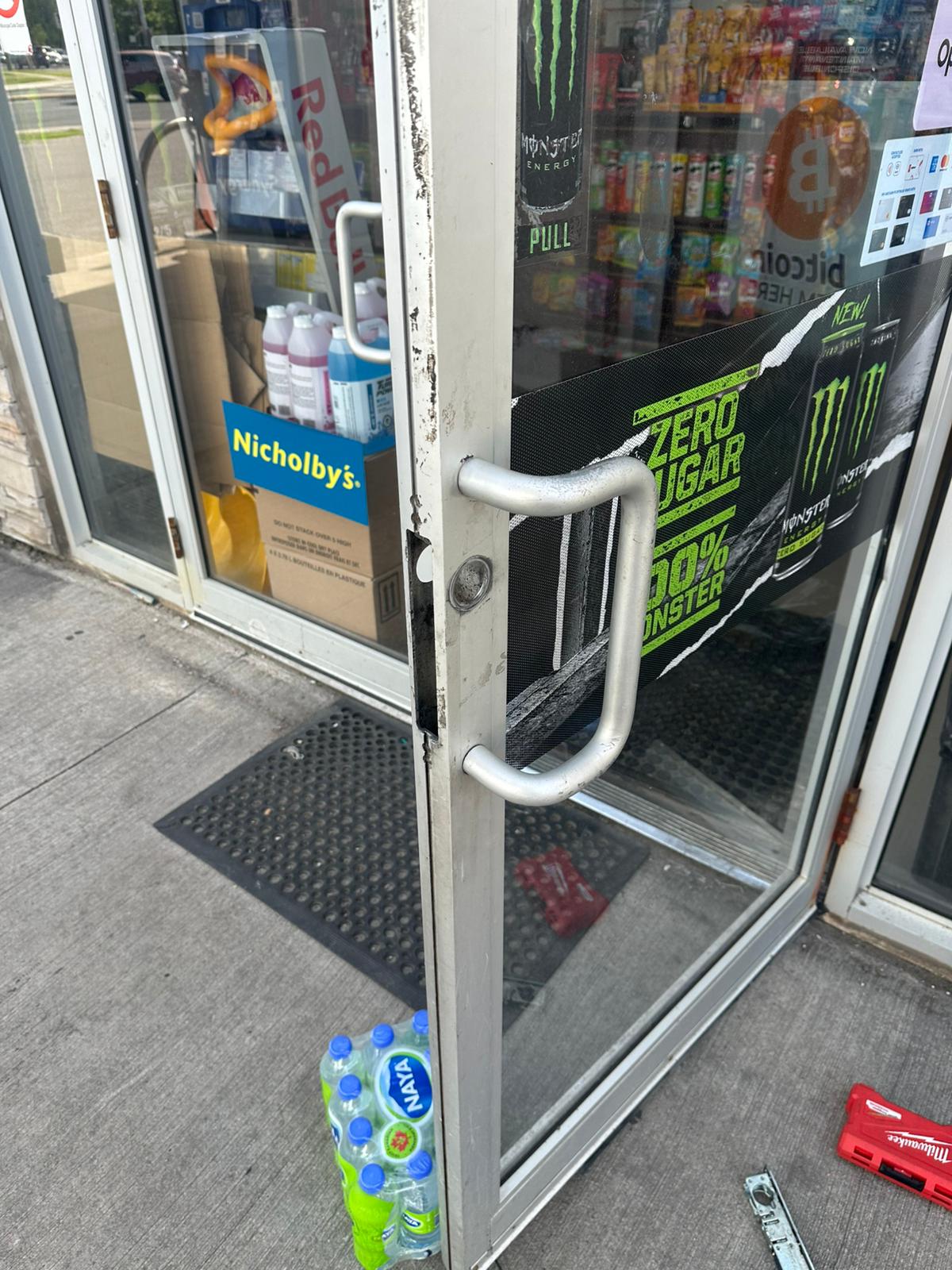
Aluminum storefront doors often combine a narrow-stile lock, cylinder, paddle or lever, closer, pivot, and strike. Wear in one part can affect the others. We service common lock-related failures and identify when a separate glazing, structural, fire-door, or access-control specialist may be required.
Office doors may use cylindrical levers, mortise hardware, keypad locks, restricted keyways, or master-keyed cylinders. We document the requested access changes and can provide invoices for management records.
Employee changes and property turnovers
When a keyholder leaves without returning every key, the business must decide which doors were accessible and which credentials need to be invalidated. Rekeying the affected cylinders may restore key control without replacing every lock. If the property has no usable key schedule, this is also an opportunity to document doors and access levels.
Landlords and property managers can arrange work for suite turnovers, shared areas, storage rooms, offices, and compatible mailbox or cabinet locks. Authorization and access arrangements should be confirmed before the appointment.
Plan around the function of the opening
Commercial lock work begins with what the door is intended to do. A public entrance, staff-only door, treatment room, stockroom and shared building entrance have different access arrangements. Identify the people who need entry, the person responsible for closing, and any property-management requirements. This information helps avoid selecting a lock simply because it resembles the worn component.
Document recurring problems in terms that can be tested. A latch may miss its strike only during busy periods, a door may drift open after deliveries, or a key may work for one employee but not another. Note the conditions and the exact opening. A site-wide statement that the locks are unreliable gives the technician less useful information than a record of where and when the symptom occurs.
For a multi-tenant property, establish whether the affected hardware belongs to a suite or a common area. An individual business may be able to authorize work on its own opening but not a shared entrance or building credential system. Confirm responsibility before scheduling changes. Keep tenant names and access details out of publicly shared photographs.
Office and business lockouts
A business lockout can involve a misplaced key, failed lever, damaged cylinder, electronic credential or internal mechanism. Restoring authorized entry is the first service decision. Rekeying, replacing hardware and restoring electronic access are separate decisions that may follow the inspection. One action does not automatically accomplish all four goals.
Getting back into an office or shop takes some preparation, such as confirming who can authorize entry, and an office and business lockout visit is planned around it. Arrange for an authorized representative to attend and identify whether the opening serves a shared suite, private room or exterior entrance. If a building manager controls a master-key system, involve that person before a cylinder is changed.
After access is restored, record the cause rather than treating the successful opening as the complete result. A worn key may need replacing; a failing mechanism may need repair; a missing credential may need deactivation. Where the opening has intermittent trouble, test it over several normal operating cycles and explain any additional investigation that remains necessary.
Key schedules that can be maintained
A key schedule links each opening to the people or roles permitted to use it. Even a small office benefits from a clear record of who receives keys and when they are returned. Distinguish a keyed-alike group from a master-key system: sharing a key among selected doors is different from providing several levels of access across a property.
Before modifying a master-keyed cylinder, review the authorized key hierarchy. A change made without that context can leave a manager's key unable to operate the door or preserve access that the business intended to remove. The physical keyway, available hardware and current system documentation affect the options. A locksmith cannot reconstruct an access policy from the door's finish.
For employee turnover, list the doors covered by the departing person's key and confirm which copies have been accounted for. Electronic cards, keypad users and alarm credentials require their own administration. Our stolen-key rekeying guide also explains why the scope should follow affected access points rather than the number of keys that went missing.
Storefront locks and the surrounding door
Aluminum storefronts commonly have relatively narrow sections that limit hardware choices. A replacement needs to suit the existing lock format and actuation components, not just fit the visible cylinder opening. Show the door edge, outside cylinder, inside control and frame when requesting an assessment. Describe whether the door swings freely and whether it catches without assistance.
Door movement can place load on the latch and make a cylinder feel defective. Pivots, hinges, closers and frame alignment may therefore be relevant to a lock complaint. Replacing a cylinder while leaving that pressure unchanged can produce another difficult key operation. The recommendation should identify which part failed and which surrounding conditions also need correction.
An opening with damaged glass, distorted metal or a structural frame issue may need another trade as well as lock work. Establish those limits before assuming that a replacement lock completes the repair. Temporary arrangements and permanent repairs should be described separately so the person responsible for the premises can organize the remaining work.
Exit hardware and managed building requirements
Interior release and exterior access must be considered together. A keyed entrance may also be an exit used by staff or customers. Do not add a lock, disable an exit device or alter a closer simply to stop an access inconvenience. The correct arrangement depends on the opening and the requirements that apply to the building.
Provide existing hardware specifications, maintenance records and management instructions where available. A fire-rated or otherwise controlled opening needs components and modifications appropriate to that assembly. The locksmith can identify hardware and explain the proposed work; questions that require a building professional or authority should be referred to the appropriate person rather than resolved through an unsupported compliance claim.
Testing should include normal closing, latching, interior release and exterior access for the affected opening. If the business has a documented closing procedure, use it during the handover. A door that only secures when a particular employee lifts it has not become dependable simply because that employee can demonstrate the technique.
Scheduling work around operations
Tell us about deliveries, controlled rooms, occupied treatment areas and the times when an authorized representative is present. These constraints affect how the appointment can be organized. A service window should be confirmed for the actual location and task; it is not a promise that every required part will already be available.
Where several doors need attention, identify priorities and separate mandatory repairs from optional upgrades. Record the opening number or description, current fault and requested result. This helps the business review a commercial lock change alongside repair options without losing track of why each item was proposed.
Before approving work, ask what is included, which components will remain and what might require further authorization after disassembly. At handover, retain the invoice, product information and updated key schedule. Identify who owns any electronic administration account. Keeping these records with the premises, rather than only with an individual employee, supports future maintenance and avoids repeating the same discovery work at the next visit. ## Cabinets, staff areas and secondary business access
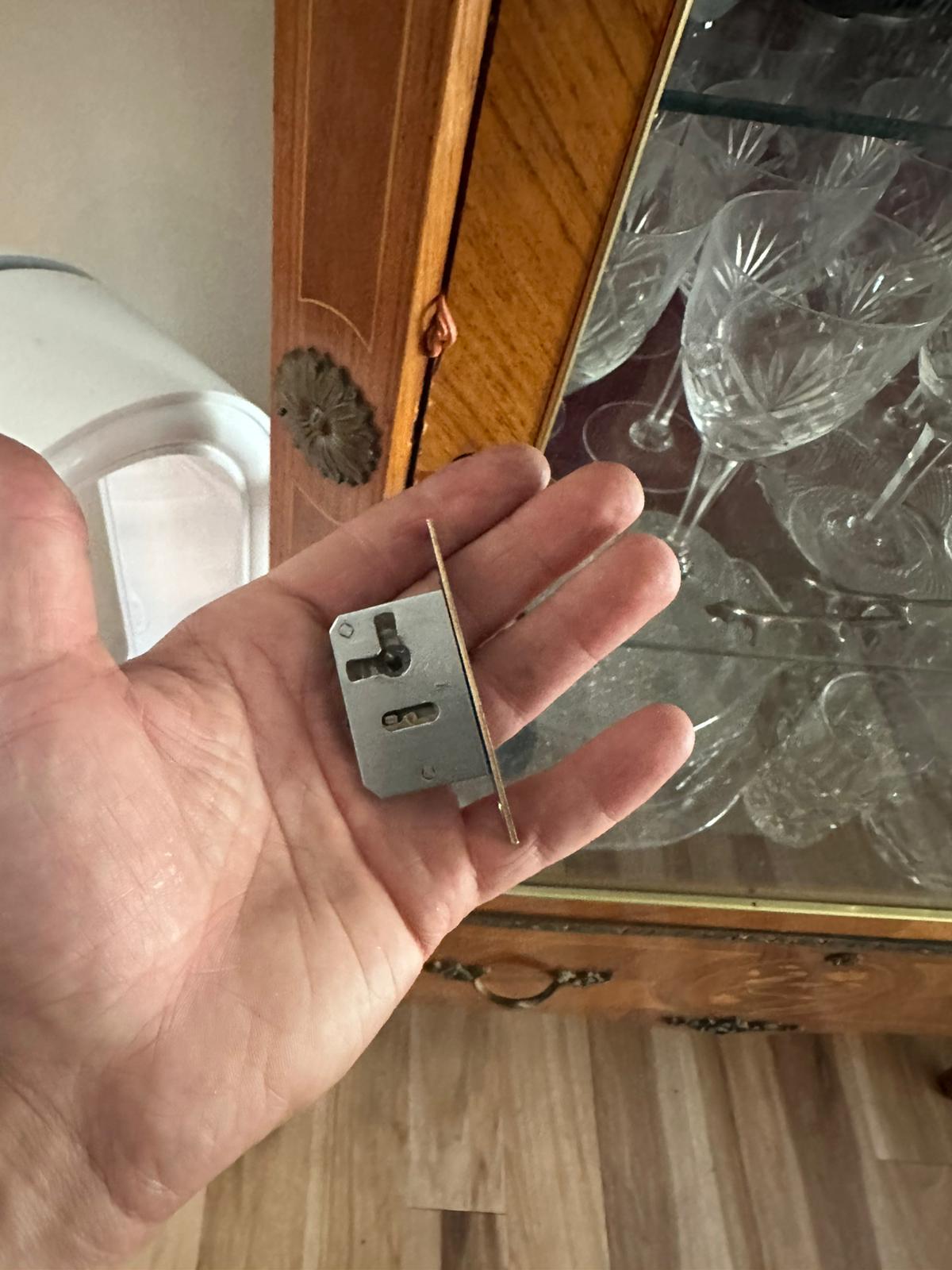
Business lock service can extend to a privately controlled cabinet, internal office or storage area. These openings often use different hardware from the storefront and may have different authorization requirements. A small cam lock, a room lever and an exterior mortise assembly should be identified separately. Explain the purpose of the space and which representative can approve access, especially where records or another occupant's belongings are involved.
If a cabinet key is missing, describe the lock and whether the enclosure is already accessible. A replacement needs to fit the panel and operate its intended locking component. A generic cylinder that fits the visible opening may not engage correctly behind it. Do not assume that a cabinet can join the building's key system without a compatibility assessment.
For stockrooms and storage areas, review how staff receive and return keys. A storage unit usually sits inside a facility with its own locking rules, so a storage lockout visit often needs coordinating with the site office before anyone attends. A business-owned storeroom and a rented storage unit can look similar in a booking description while requiring different permission and attendance arrangements.
Keep these smaller openings in the maintenance record alongside the main doors. Name the location, the actual fault and the completed action. This preserves useful information for future servicing without treating every item as a storefront lock change or overlooking access that remains on an old key.
Questions about commercial locksmith services
Can you rekey an office after an employee leaves?
Yes. After identifying the doors and cylinders the former keyholder could access, compatible locks can be rekeyed so old keys no longer work.
Do you repair aluminum storefront locks?
Yes. We service common storefront cylinders, deadlatches, and related lock problems, while also checking alignment and connected hardware.
Can you make one key work several business doors?
Often, yes. The locks must have compatible cylinders and the access plan should be documented before keying begins.
Why will my store door not latch at closing?
Common causes include alignment, closer adjustment, hinge or pivot wear, a damaged latch, or debris. The complete opening should be inspected.
Do you provide business invoices?
Yes. Service documentation and invoices can be provided for authorized commercial customers.
Can you work on panic bars?
We service compatible panic and exit hardware. Life-safety and fire-code requirements must be respected, and some openings may require additional specialists.
Reviews from GTA Lockman Mobile Locksmith Services customers
GTA Lockman Mobile Locksmith Services is a mobile locksmith working on homes, businesses and vehicles across Toronto and the GTA, with more than 14 years in the trade. Every review is written by a customer on Google, where you can read them in full.
Areas served: Toronto, North York, Scarborough, Etobicoke, Vaughan, Richmond Hill, Markham, Stouffville, Newmarket, Mississauga, Brampton, Oakville, Milton, Halton Hills, Pickering, Ajax, Whitby, Oshawa, Uxbridge.
Plan your locksmith visit
Describe the door, hardware and service address. Contact GTA Lockman Mobile Locksmith Services to confirm the scope and scheduling for your location.
Friday: 8:30 AM–4:00 PM
Sunday: 9:30 AM–9:00 PM
Saturday: closed