
GTA Lockman Mobile Locksmith Services · Toronto & GTA
Storage Unit Lockout Service
Identify the unit, lock format and facility requirements before arranging authorized access to stored belongings.
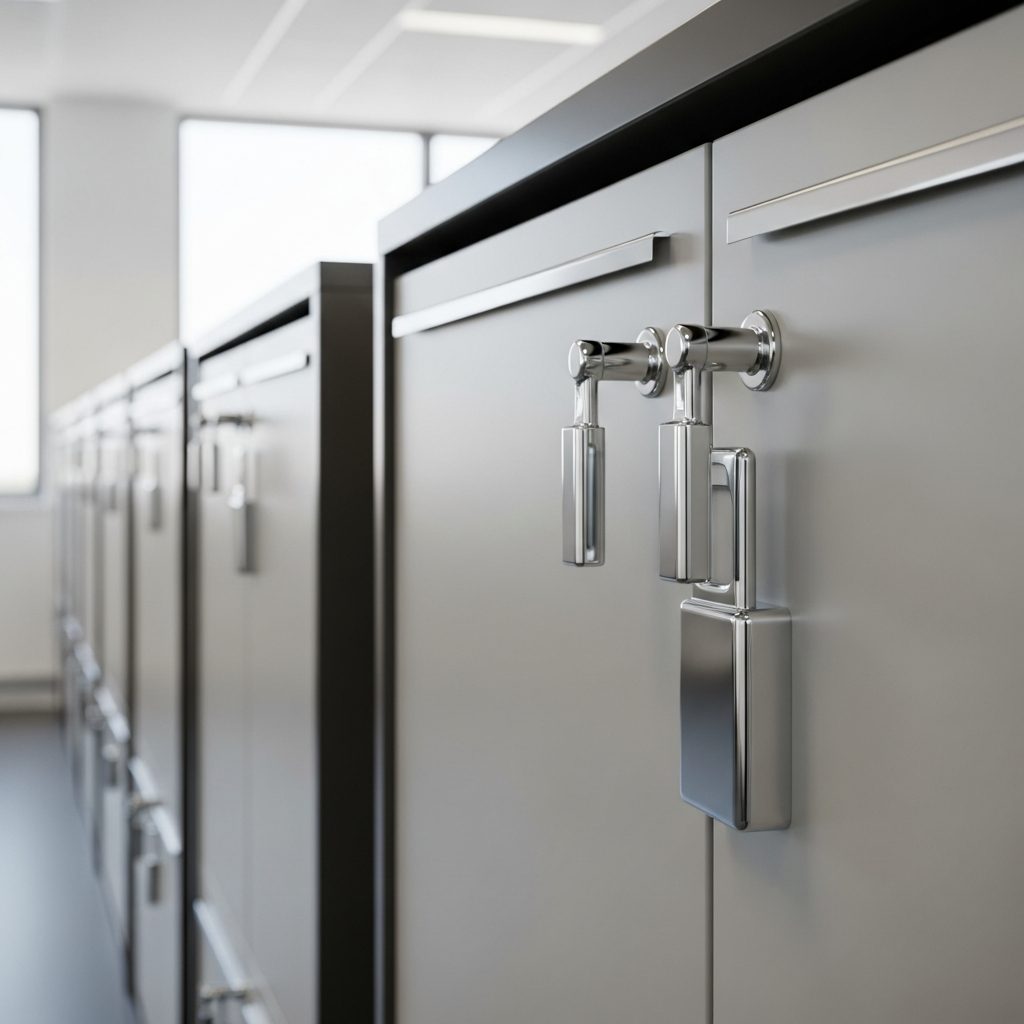
Confirm the facility's process before arranging an opening
A storage-unit lockout involves both the lock and the facility's access rules. Contact the operator to confirm who can authorize work, whether staff must attend and whether an approved service provider is required. Possession of a facility gate code does not establish permission to open every unit inside. The requested work must relate to the correct rented or owned space.
Provide GTA Lockman Mobile Locksmith Services with the facility address, unit type and the nature of the access problem. Explain whether the key is missing, the combination is unknown, the lock is damaged or the door itself is resisting movement. A roll-up door that will not travel properly can require a different service from a padlock that cannot be operated.
Keep account and unit information private. Do not post photographs showing rental documents, gate codes or identifying labels while seeking help. The technician needs enough information to establish the authorized scope, not public disclosure of the contents or access arrangements of the facility.
Separate the lock from the door problem
A storage opening may use a removable padlock, a disc-style lock, a cylinder integrated into the latch or another facility-specified arrangement. The type affects identification and replacement options. A photograph of the closed latch and surrounding hardware is more useful than a general description that the unit is locked.
If the lock operates but the door does not move, note that distinction. A latch may remain under pressure, the door may be distorted or its operating mechanism may require attention from the facility. Do not assume that removing the lock will make a loaded or damaged door safe to operate. Keep clear of moving components and follow the operator's instructions.
Likewise, a key that will not turn can be affected by pressure on the locking hardware rather than a failed cylinder alone. Describe any lifting, pulling or alignment issue that existed before the lockout. Avoid forcing the key or striking the lock in an attempt to free it, as added damage can complicate the assessment.
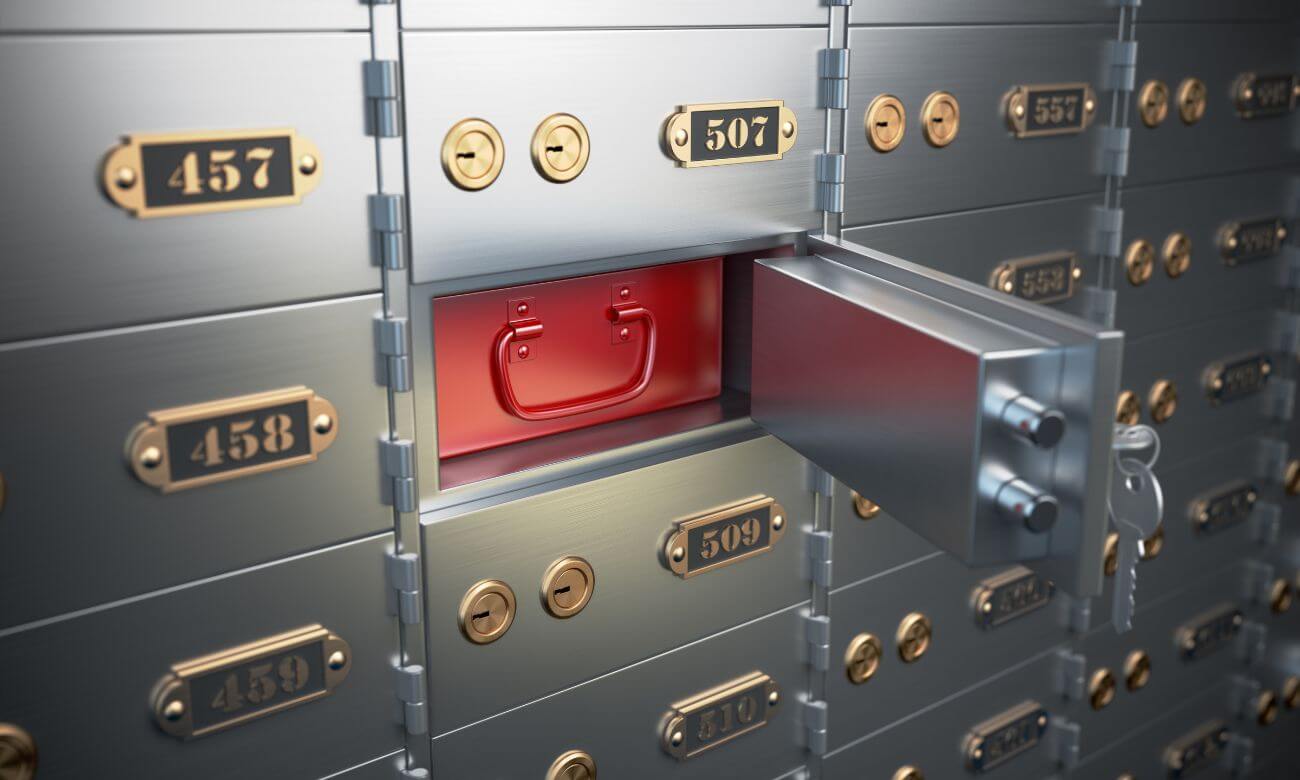
Authorization for private and commercial storage
The person arranging service should be able to demonstrate authority for the affected unit under the facility's process. If an employee is attending for a business, identify the manager who can approve the work. A contractor storing materials for a client may need that client's involvement as well as facility access.
Explain ownership or occupancy uncertainty before an appointment is booked. The locksmith does not resolve disputes over a unit, its account or the contents. Where access is restricted by the operator, obtain the appropriate authorization rather than treating lock service as a way around the restriction.
Commercial storage can also form part of a business's key hierarchy. If one key serves a storeroom and other business entrances, a lost-key incident may require a wider access review. Key schedules and approved changes across several openings are handled through our commercial locksmith service. Keep the professional unit access and any broader key-control work distinct.
Choose replacement hardware after identification
If a replacement is required, confirm the lock format accepted by the facility. The shackle or cylinder dimensions, latch clearance and protective enclosure can limit compatibility. A lock that appears heavier or more expensive may not fit the opening or comply with the operator's requirements.
Ask which components are affected by the proposed work. An authorized opening may leave the existing lock serviceable, or the condition and method may require replacement. That outcome should be explained for the specific hardware rather than promised in advance. Do not assume every lock can be retained without damage.
Where the original latch or hasp is bent, replacing only the lock may leave the opening unreliable. The facility may need to repair the surrounding hardware before a new lock can be assessed properly. Record that remaining responsibility and agree on the next step with the operator rather than treating the lock replacement as a complete door repair.
Indoor units, outdoor units and shared access
Indoor storage can involve common corridor doors, elevators or controlled access periods before the technician reaches the unit. Arrange those steps with the facility and identify the person who will meet the technician. An appointment at the street address does not by itself provide access to every internal area.
Outdoor units may expose locking hardware to weather and debris. Corrosion, contamination and physical impact can change how a key or latch operates. Product-specific maintenance guidance matters; do not apply an unknown lubricant or chemical without understanding the lock and facility requirements. Describe visible damage and the history of increasing resistance.
Shared units require a clear decision about replacement keys. Identify who remains authorized and how copies will be distributed. If one user lost a key, the group should understand whether the service only restores entry or also changes the operating key. These are different outcomes even when performed during one appointment.
Protect belongings and surrounding units
The technician's scope is the approved lock and opening. Remove loose items from the professional work area if access is available and doing so is safe. Tell the facility about a door that appears damaged or unstable. Do not attempt to hold a heavy door in place or force it past stored items while concentrating on the lock.
Photographs for identification should show hardware without unnecessarily revealing the unit's contents. Neighboring unit numbers, names and access arrangements should also remain outside the image where possible. A service photo can be useful without documenting everything stored at the property.
If the unit belongs to a business, designate a staff member to manage access and any movement of goods. A locksmith appointment is not an inventory inspection or authorization to enter adjacent units. Clearly defining those boundaries makes the job easier to supervise and record.
A practical service request
When calling, describe the lock format, door type, facility restrictions and any visible brand markings. State whether the operator has approved external locksmith work and whether staff need to be present. Include the location and a callback number for the authorized contact. This information allows availability and the likely next step to be discussed on a useful basis.
If the request concerns an internal business storeroom rather than a rented self-storage unit, our office and business lockout page may be the closer match. Both services require authorization, but the hardware and the people responsible for it can differ. Explain the actual setting instead of relying on the word storage alone.
For a lockout that also affects the ability to secure other premises, describe that broader concern separately. Authorized access and doors that will not secure are handled by our emergency locksmith service during posted hours. Coverage, scheduling and any replacement parts are confirmed for the specific situation rather than inferred from a general service description.
Test the finished arrangement
After work is completed, check that the locking hardware engages correctly and the door can be operated through its normal range under the facility's procedure. Test each supplied key and confirm that the lock is not binding against the latch or enclosure. A key turning successfully is only part of checking the complete opening.
Record the unit, work performed, replacement model and number of keys supplied. Keep the invoice with the rental or business records and notify the operator as required. Note any door or latch repairs that remain the facility's responsibility. The result should be a clear account of restored access, the condition of the lock and any remaining limitation.
Define a complete storage access appointment
A useful request identifies the lock, the renter, the facility contact and the intended result. For example, a misplaced key on an otherwise sound unit can call for a different scope from a jammed lock attached to a bent latch. The second situation may need the facility's maintenance provider as well as lock service.
Photographs help describe the visible hardware, but they do not replace on-site inspection or establish authorization. Avoid including personal account documents or stored belongings in a public enquiry. Once access is restored, confirm whether the unit can be secured with the accepted hardware and whether the door operates normally. Any unfinished facility work should be assigned to a named contact rather than left as an assumption. Keep the service record with your rental information so the next authorized user understands what was changed and which keys now operate the unit.
Questions about storage unit lockout service
What permission is needed to open a storage unit?
Arrange the work through the authorized renter or owner and establish the facility's requirements before booking. The operator may have rules for contractor access, identification, attendance and permitted replacement locks. A unit number alone does not establish permission to open it. Tell the locksmith whether the rental account is active and whether a facility representative must be present. If access is disputed or restricted by the operator, resolve that issue with the responsible party first. Hardware service should not be used to bypass a contractual or administrative access decision.
Can you work on a unit with a disc lock or cylinder lock?
Describe the actual lock format and send a photograph taken from the accessible side. Storage facilities can use different locking arrangements, and a product that suits one hasp may not fit another. The opening method, replacement requirements and operator rules depend on the installed hardware. Do not purchase a generic padlock before confirming what the facility accepts. The technician can explain the scope after the lock and authorization are identified. A storage-unit enquiry should also mention any door or latch damage because replacing the lock alone may not restore normal operation.
The padlock opens, but the storage door does not. Is it still a lock problem?
It may be a separate door, latch or track issue. A released padlock does not establish that the roll-up door and its other components are functioning. Describe whether the latch moves and whether the door is visibly distorted, without applying extra force or dismantling the assembly. Inform the facility operator, who may need to arrange door maintenance. Ask the locksmith which part of the problem can be addressed by the proposed service. Keeping the locking device and door mechanism separate avoids ordering a replacement lock for an opening that has a different fault.
Do lost keys always mean the storage lock must be destroyed?
The appropriate access method depends on the lock, condition, available authorization and surrounding hardware. It cannot be promised from a brief description. Tell the locksmith whether a spare exists and whether the operator has a supported access process. Ask about the proposed method and expected replacement before work is authorized. Do not assume that every lock can be opened without component damage, or that destructive removal is always necessary. If replacement will be required, confirm the facility's accepted format so the unit can be secured with suitable hardware afterward.
Can the facility's second lock be removed too?
Only the party controlling that lock can authorize work on it. A renter's permission to service a personal padlock does not automatically extend to an operator's lock or other access restriction. Identify every visible locking device before the appointment and ask the facility to clarify their purpose. If one reflects an account or access dispute, address that issue directly with management. The service scope should specify which device may be worked on. This protects the clarity of the appointment and prevents an authorized request for one lock from being mistaken for permission to alter another.
What should I tell you about access to the building?
Provide the facility address, indoor or outdoor location, unit level and any check-in procedure. Mention restricted vehicle access, controlled elevators, loading areas and the time when an authorized representative can attend. Keep gate codes and account credentials out of public messages; use the agreed private process for necessary access arrangements. The technician also needs to know whether a replacement lock can be obtained through the facility. These details help define the appointment, while availability and completion depend on the identified hardware and work rather than the unit's size alone.
Can the unit be left with the same locking arrangement afterward?
That depends on the condition of the original lock and the method used to restore access. A damaged or unusable device may need replacement, and the operator may require a particular type. Confirm the intended outcome before work begins: access only, replacement with compatible hardware, or an assessment of a separate door fault. Test the agreed arrangement with the authorized renter present. If another party must repair the hasp or door, record that remaining task. Do not describe the unit as fully restored if the new lock cannot engage the existing hardware correctly.
How should we test the replacement storage lock?
Operate it while it remains accessible, using each supplied key or the supported control. Then verify the fit on the actual latch or hasp and confirm that normal opening and closing remain possible. The lock should not obstruct the door's intended movement or require an improvised mounting arrangement. Ask the facility representative to confirm any product requirement when applicable. Record the model and keep a spare through an appropriate authorized arrangement. A working lock tested off the unit is only part of the check; its relationship to the storage door matters as well.
Reviews from GTA Lockman Mobile Locksmith Services customers
GTA Lockman Mobile Locksmith Services is a mobile locksmith working on homes, businesses and vehicles across Toronto and the GTA, with more than 14 years in the trade. Every review is written by a customer on Google, where you can read them in full.
Areas served: Toronto, North York, Scarborough, Etobicoke, Vaughan, Richmond Hill, Markham, Stouffville, Newmarket, Mississauga, Brampton, Oakville, Milton, Halton Hills, Pickering, Ajax, Whitby, Oshawa, Uxbridge.
Plan your locksmith visit
Describe the door, hardware and service address. Contact GTA Lockman Mobile Locksmith Services to confirm the scope and scheduling for your location.
Friday: 8:30 AM–4:00 PM
Sunday: 9:30 AM–9:00 PM
Saturday: closed