
GTA Lockman Mobile Locksmith Services · Toronto & GTA
Office & Business Lockout Service
Arrange authorized access to offices and business premises, then address the key or hardware problem behind the lockout.
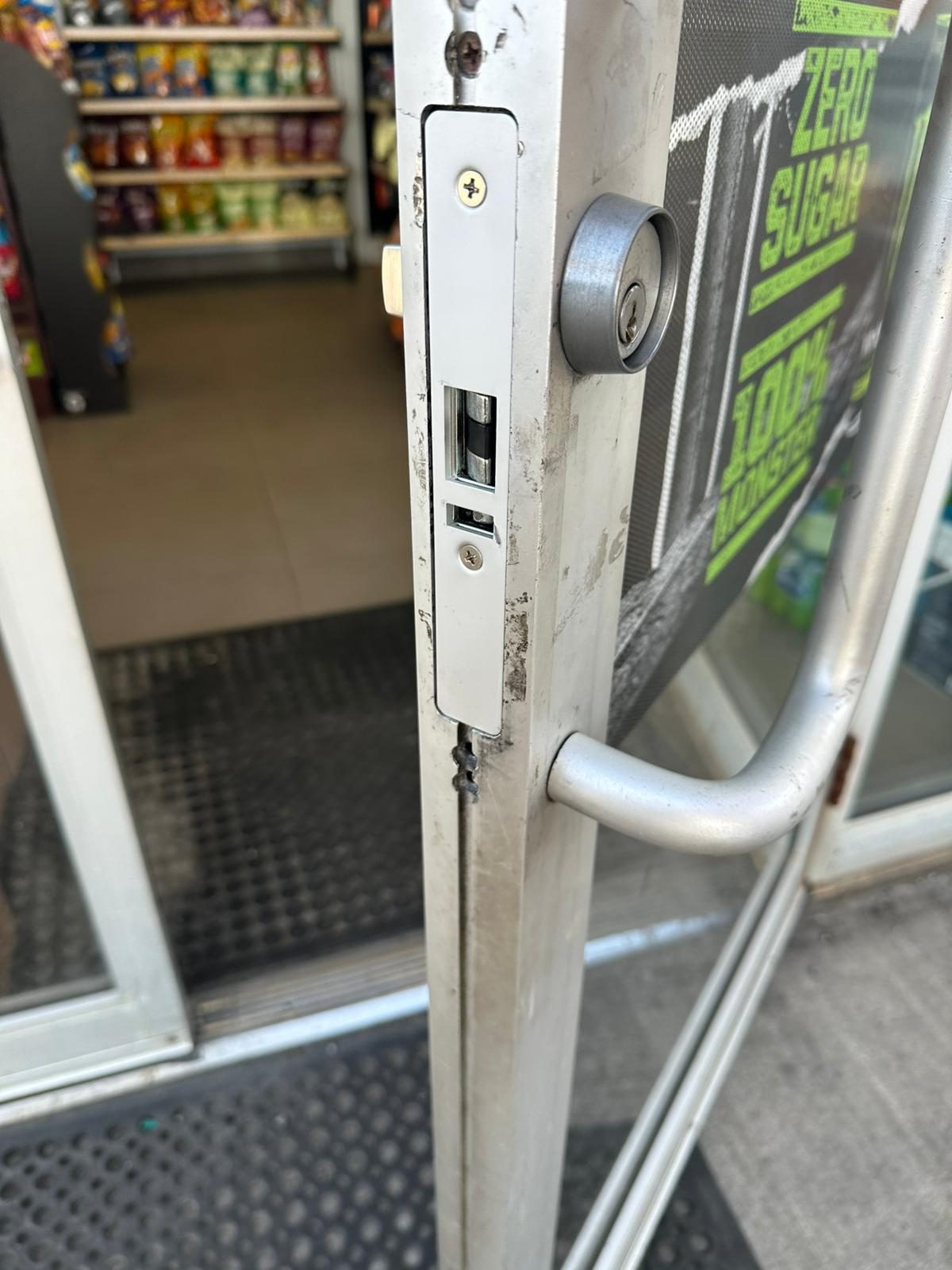
First identify which part of the business cannot be accessed
An office lockout may affect the entire premises or one room within a working building. A locked reception entrance, private office, stockroom and shared corridor can each involve a different person responsible for access. Tell GTA Lockman Mobile Locksmith Services which opening is affected, whether anyone is inside and whether another authorized entrance is available. These details help define the job before an opening method or replacement part is discussed.
Record what changed. The key may have been misplaced, a lever may have stopped retracting the latch, or a credential that worked yesterday may be rejected today. If the lock has been deteriorating for weeks, explain the earlier symptoms as well. A sudden access failure after routine maintenance may have a different cause from gradual wear in a heavily used cylinder.
Do not assume that every business lockout needs a new lock. Opening the door, correcting the mechanical fault and changing the access arrangement are separate decisions. The assessment should explain which of those tasks is necessary. If missing keys remain a concern after entry is restored, discuss rekeying after stolen keys or an authorized key change as a separate part of the work.
Establish a clear authorization chain
Arrange for an owner, manager or other authorized representative to approve the work. In a leased building, determine whether the lock belongs to the tenant's suite or to a common area controlled by management. A request from an employee should identify the person responsible for authorizing access, especially where the affected room contains records, equipment or another occupant's property.
If the relevant identification or documents are inside the locked room, mention that when calling. The technician can discuss what information is needed to establish authorization in the circumstances. Do not send confidential customer records or staff identity documents through a public comment or social-media post. Provide only the information needed through an appropriate private channel.
A building-wide master-key system adds another dependency. Management may need the existing hierarchy preserved, and replacing a cylinder without that context can disrupt authorized access. Have the system administrator or property manager available before work is approved. A locksmith can assess hardware but should not be asked to decide who has contractual rights to a disputed office.
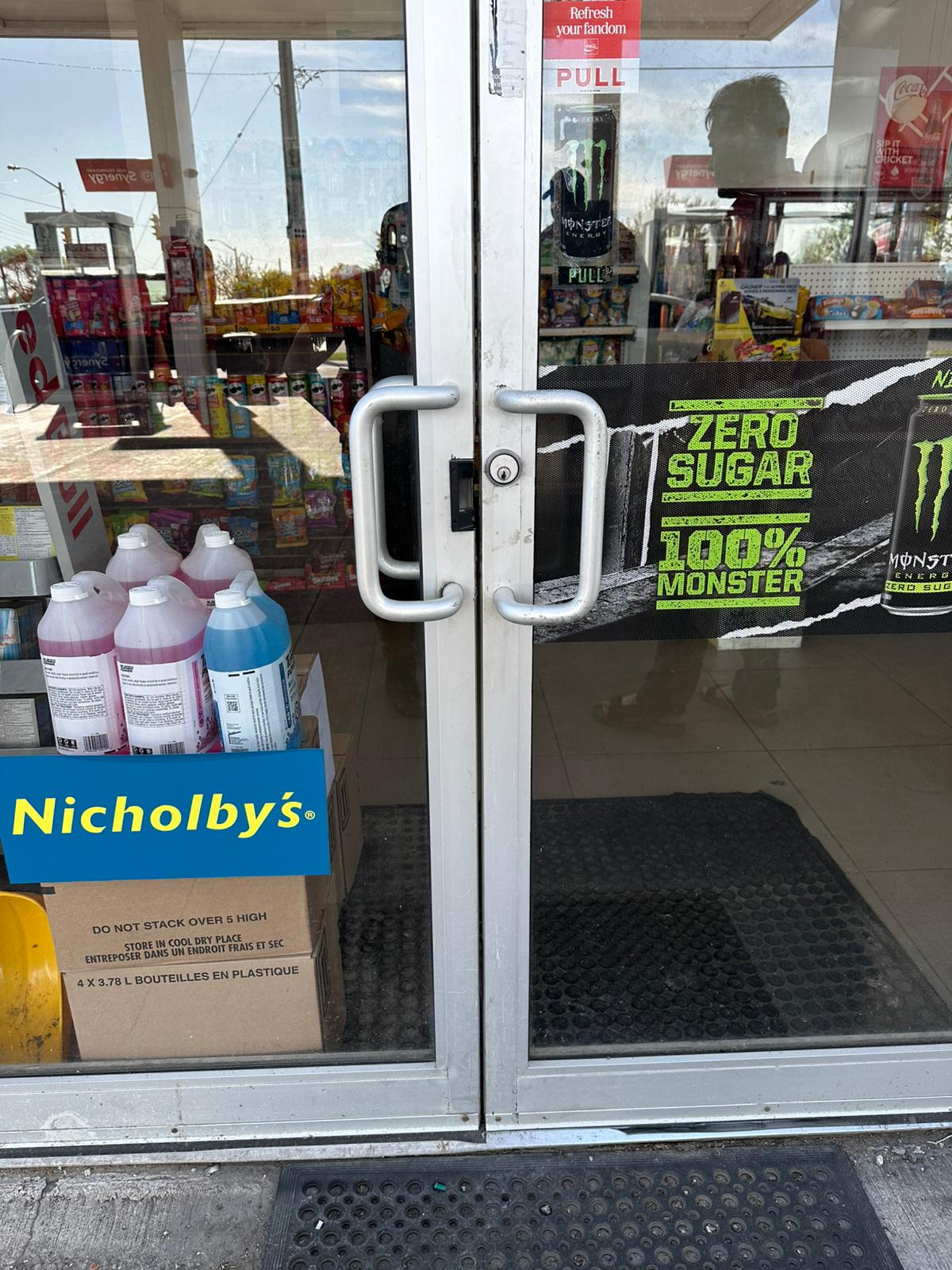
Keyed cylinders, levers and mortise hardware
Commercial openings can use several hardware formats. A cylindrical lever places much of the working assembly around the handle. A mortise arrangement places a lock body within a prepared pocket in the door. Storefront hardware may use a narrow lock stile with separate cylinders and inside controls. Similar external symptoms therefore do not establish which internal part has failed.
Send photographs of the door edge as well as both faces. Include the inside lever, paddle or other release control and any accessible manufacturer label. Say whether the key enters completely, turns without resistance, stops partway or rotates without releasing the door. If the lever moves but the latch does not retract, that observation is useful even when the product name is unknown.
Avoid repeated force on a key or handle that is already bending or slipping. A broken key or damaged connection may make the original problem harder to assess. Do not dismantle an exit device or alter a controlled opening simply to regain access. The appropriate method depends on the actual mechanism and the condition of the door.
Electronic access is a separate system
A card reader, keypad or connected lock may reject entry even when the mechanical door hardware is sound. A credential could have expired, an account setting could have changed, or the system may be reporting a power or communication fault. Identify who administers the device before asking for a physical lock replacement.
Record the displayed message and the time of the failure, without sharing a PIN or credential number publicly. If other authorized users can enter, that difference may help the administrator separate a user-specific issue from a fault affecting the whole opening. Do not reset the controller or erase access records before its owner has reviewed the situation.
On-site lock service may address the physical opening, alignment or compatible components, while software or account problems require the system provider. Clarify those boundaries during the appointment. If an electronic device also has a mechanical cylinder, explain whether an authorized override key is available; its presence does not eliminate the need to verify permission to enter.
What happens after the door is opened
The successful opening is an opportunity to understand the fault. A sticking key may reveal cylinder wear, while a latch held under pressure may point to door movement. Test the mechanism with the door open and closed where safe. The technician should explain whether the condition calls for lock repair, a compatible component or a lock change.
If the door was lifted or pulled to make the key work, ask that the surrounding hardware be assessed. Hinges, pivots, a closer or an incorrectly positioned strike can contribute to repeated access trouble. Replacing the cylinder alone may leave the same load on the new component. The recommendation should connect each proposed action to an observed condition.
For a missing-key incident, identify all other doors operated by that key. A storeroom, rear entrance or internal office can remain accessible with the old key even after the main entrance is changed. A documented key plan is part of broader commercial locksmith service, and should be discussed with the person responsible for the whole premises.
Organize the visit around your operation
Provide the business address, suite number, nearest intersection and access arrangements for the building. Mention controlled parking, loading areas or reception procedures that affect the appointment. If the named contact cannot remain on site, designate another authorized person and explain how additional work will be approved.
For occupied businesses, identify work areas that need privacy or must remain accessible. A clinic, workshop or office may have restrictions on entering particular rooms even after the main door is opened. Define the scope precisely. An access appointment for one room is not permission to inspect every locked space at the address.
Do not promise staff a completion time before the hardware is identified. Scheduling depends on location, bookings and the work required, while unusual or obsolete parts can introduce a separate supply issue. GTA Lockman Mobile Locksmith Services confirms availability during its posted hours. Where another trade or product provider is needed, the remaining responsibility should be recorded rather than implied to be complete.
A useful commercial handover
Test normal entry and interior release with the authorized representative present. Confirm how the door behaves when the closer shuts it, whether the latch catches and whether the locking function operates without assistance. If several keys were supplied, test each one. Explain any change to the key arrangement before distributing them to staff.
Keep a record of the affected opening, the observed fault, completed work and any unresolved condition. Where hardware changed, record the model and the person who authorized it. Update the key schedule and the closing procedure if necessary. An invoice that simply says door opened does not by itself document whether the underlying reliability or access-control issue was addressed.
The same preparation applies beyond conventional offices. Shops, clinics and managed workspaces may use similar hardware while maintaining different access rules. Describe the real use of the opening and involve the right decision-maker. The aim is a defined, authorized service with a clear account of what was restored and what still requires attention.
Example: entry restored, reliability still unresolved
Consider a suite entrance where the key has become progressively harder to turn and the staff now pull the handle firmly to release it. A service request framed only as a lost-entry problem omits the history that helps identify pressure on the mechanism. Tell the technician how long the behaviour has occurred and whether the door closes on its own.
After authorized entry, the assessment can compare operation with the door open and closed. If the cylinder operates freely while open but the bolt or latch binds against the frame, replacing only the keyed component may not address the cause. The recommended work should explain that difference and identify any door adjustment needed. The final check should reproduce the ordinary staff routine: allow the door to close, operate the authorized entry control, and confirm inside release. This example describes an assessment approach, not a diagnosis for every office lockout.
Questions about office & business lockout service
Can an employee arrange an office opening?
An employee can make the initial enquiry, but the work still needs appropriate authorization. Identify the manager, owner or property representative responsible for the affected door. Explain whether it is a private suite, shared entrance or room occupied by another organization. A staff badge or a key to a different room does not necessarily establish permission for this opening. If the decision-maker is elsewhere, discuss how authorization will be established before arranging work. This preparation is especially useful outside the business's normal staffed hours, when reception and building management may be unavailable.
The key turns, but the office door stays locked. What does that mean?
It is a symptom rather than a diagnosis. The cylinder may turn without transferring movement to the lock body, or another locking point may still be engaged. A latch held under pressure can also complicate release. Describe whether the key turns its usual amount and whether the inside control works, if someone can observe it safely. Do not keep rotating the key harder to compensate. The technician needs to inspect the particular hardware and determine which part is failing before deciding whether opening, repair or component replacement is appropriate.
Should we replace every business lock after losing one key?
First identify what the missing key operates and who controls those openings. A suite key may operate several rooms, while a building-managed key may belong to a wider hierarchy. Some suitable cylinders can be rekeyed; worn or incompatible components may need replacement. Changing unrelated hardware can add work without addressing the relevant access path. Conversely, changing only the front door can leave a rear entrance accessible with the missing key. Review the key schedule with the authorized administrator and record the scope that will actually invalidate the missing key.
Can you restore a card or phone credential?
That depends on the system and the nature of the fault. A physical lock service should not be assumed to include account administration, network troubleshooting or access to a provider's software. Have the system administrator check whether the user remains active and whether other credentials work. If the door hardware is binding, that mechanical problem may still need on-site attention. Ask which functions are included in the proposed visit. Record any outstanding provider action separately so that a working mechanical release is not confused with a restored electronic access system.
What happens if our office uses a master key?
Tell the locksmith before any cylinder is changed. The new arrangement may need to preserve access for a building manager while changing a tenant's individual key. That requires information and authorization from the person responsible for the system, and some products have controlled ordering procedures. Do not approve a standalone replacement solely because it fits the hole in the door. Confirm the required key relationships, available documentation and compatible hardware first. Any temporary arrangement should be clearly recorded so management can plan the appropriate permanent solution rather than lose track of the change.
Will opening the door also fix its closing problem?
Not necessarily. Access can be restored while a worn closer, moving hinge or misaligned strike remains. Tell the technician if the door has needed lifting, pulling or repeated attempts to close. A useful assessment includes normal closing and locking after entry is obtained, where the condition allows it. Ask whether the proposed work addresses the cause or only restores access. If another component or trade is needed, have that limitation recorded. This gives the person responsible for the premises a clear follow-up task instead of an apparently completed but unreliable opening.
What should our facilities team record after service?
Use the door's location or asset label, the reported symptom, the confirmed finding and the authorized work. Note any cylinder or hardware model changes and the number of keys delivered. Keep sensitive key-system information separate from documents circulated widely among staff. Update opening and closing instructions if operation has changed, and identify any person still needing a replacement key. Where a fault could not be reproduced or a component requires later attention, record that explicitly. These details make a subsequent appointment more useful than a general note saying that a locksmith attended.
Can service cover several locked rooms in one visit?
Describe every affected opening when booking, including different lock formats and authorization contacts. Multiple rooms can involve separate tenants or departments, so permission for the main entrance should not be treated as permission for all internal spaces. Photographs and a simple room list help define the proposed scope. Ask about scheduling once the work is understood; do not assume that adding more doors leaves the appointment unchanged. The representative should confirm each completed opening and any work deferred because the hardware, authority or required parts could not be established.
Reviews from GTA Lockman Mobile Locksmith Services customers
GTA Lockman Mobile Locksmith Services is a mobile locksmith working on homes, businesses and vehicles across Toronto and the GTA, with more than 14 years in the trade. Every review is written by a customer on Google, where you can read them in full.
Areas served: Toronto, North York, Scarborough, Etobicoke, Vaughan, Richmond Hill, Markham, Stouffville, Newmarket, Mississauga, Brampton, Oakville, Milton, Halton Hills, Pickering, Ajax, Whitby, Oshawa, Uxbridge.
Plan your locksmith visit
Describe the door, hardware and service address. Contact GTA Lockman Mobile Locksmith Services to confirm the scope and scheduling for your location.
Friday: 8:30 AM–4:00 PM
Sunday: 9:30 AM–9:00 PM
Saturday: closed