Locksmith services are always 10% off for seniors.
Open Mon–Thu 8:30 AM–9 PM, Fri 8:30 AM–4 PM, Sun 9:30 AM–9 PM
Locksmith services are always 10% off for seniors.
Open Mon–Thu 8:30 AM–9 PM, Fri 8:30 AM–4 PM, Sun 9:30 AM–9 PM
GTA Lockman Mobile Locksmith Services · Toronto & GTA
Review every opening affected by the missing keys and establish a documented, authorized change to mechanical access.
Related services
Help with authorized entry and doors that will not secure. Describe the opening so we can assess the appropriate service.
Learn moreKeep suitable hardware while changing which keys operate your new home’s locks.
Learn moreOrganize authorized hardware work and access records during a household change, with disputed rights resolved separately.
Learn moreReduce the keys you carry where cylinders and access requirements allow a suitable keyed-alike arrangement.
Learn moreHow a controlled keyway limits copying, what it costs in flexibility, and when an ordinary cylinder is enough.
Learn more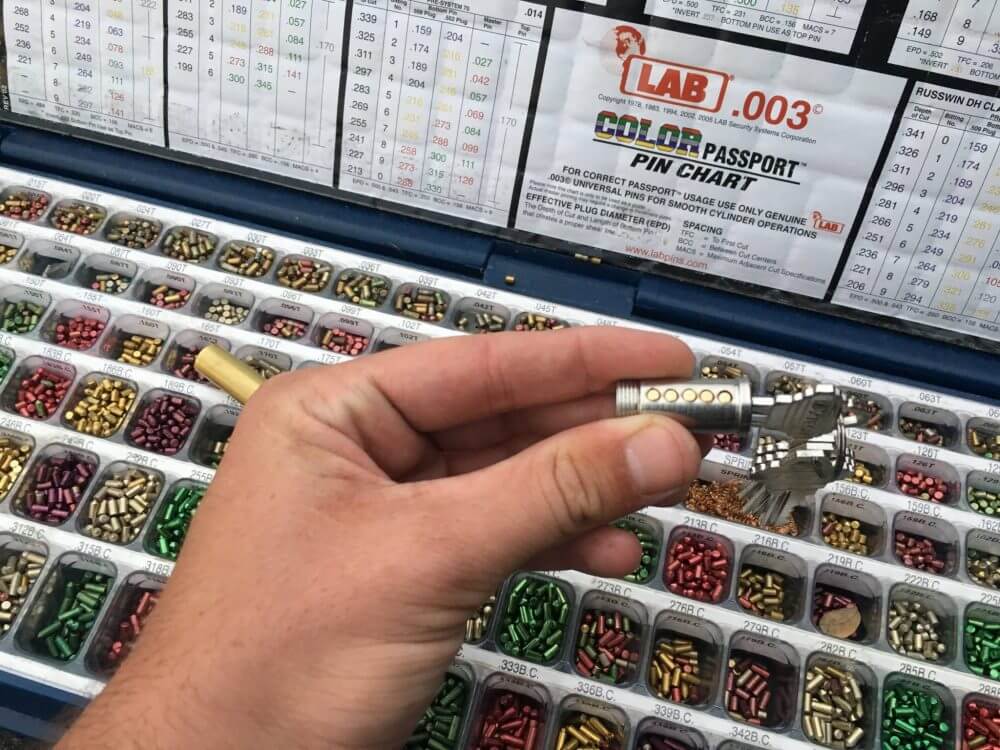
After keys are stolen, the first useful question is which openings they operate. One key may fit only a front deadbolt, or it may operate several entrances through a keyed-alike or master-key arrangement. List the doors before deciding how many locks need attention. Counting missing keys is not the same as identifying affected access points.
Include less visible entrances such as a side door, garage-to-house door or basement entrance where present. For a business, consider staff doors, storage rooms and any other openings covered by the key. A replacement at the front entrance does not change a cylinder elsewhere. The scope should follow the known access arrangement, with uncertainty recorded for the technician to investigate.
Avoid publishing photographs of the missing keys, their cuts or labels that reveal an address. If there is an professional threat to a person, contact the appropriate emergency service. The locksmith's task is authorized lock work; it is separate from reporting theft or responding to a threat. Explain any circumstances that affect safe access to the property when arranging the appointment.
Rekeying changes the operating combination inside a suitable cylinder so a different key is used. The visible lock hardware can remain when it is compatible and in serviceable condition. This can be appropriate when the reason for the visit is uncertainty over key possession rather than a physical defect in the lock.
Rekeying does not repair a cracked lock body, damaged mounting or a door that will not latch. Those conditions need their own assessment. A cylinder may also be unsuitable for the proposed key arrangement or require controlled components. The technician should explain whether the existing hardware can support the intended result before presenting rekeying as the solution.
Old keys should be tested against the affected locks where an authorized sample is available. The new keys must also work smoothly. Keep the record specific to the doors included in the job. It is inaccurate to describe all property access as changed when only one cylinder was serviced and other entrances remain on the previous key arrangement.
Damage, severe wear or incompatible hardware may make a lock change more suitable than retaining the cylinder. If a key was taken during an attempted entry, inspect the surrounding trim, strike and door as well. A cylinder that still turns is not proof that the opening was unaffected by force.
Replacement can also provide an opportunity to change the access method or key-control features. Treat that as a separate decision from making the stolen key unusable. An optional upgrade should not be presented as the only way to resolve a key-control problem where suitable existing hardware can be retained.
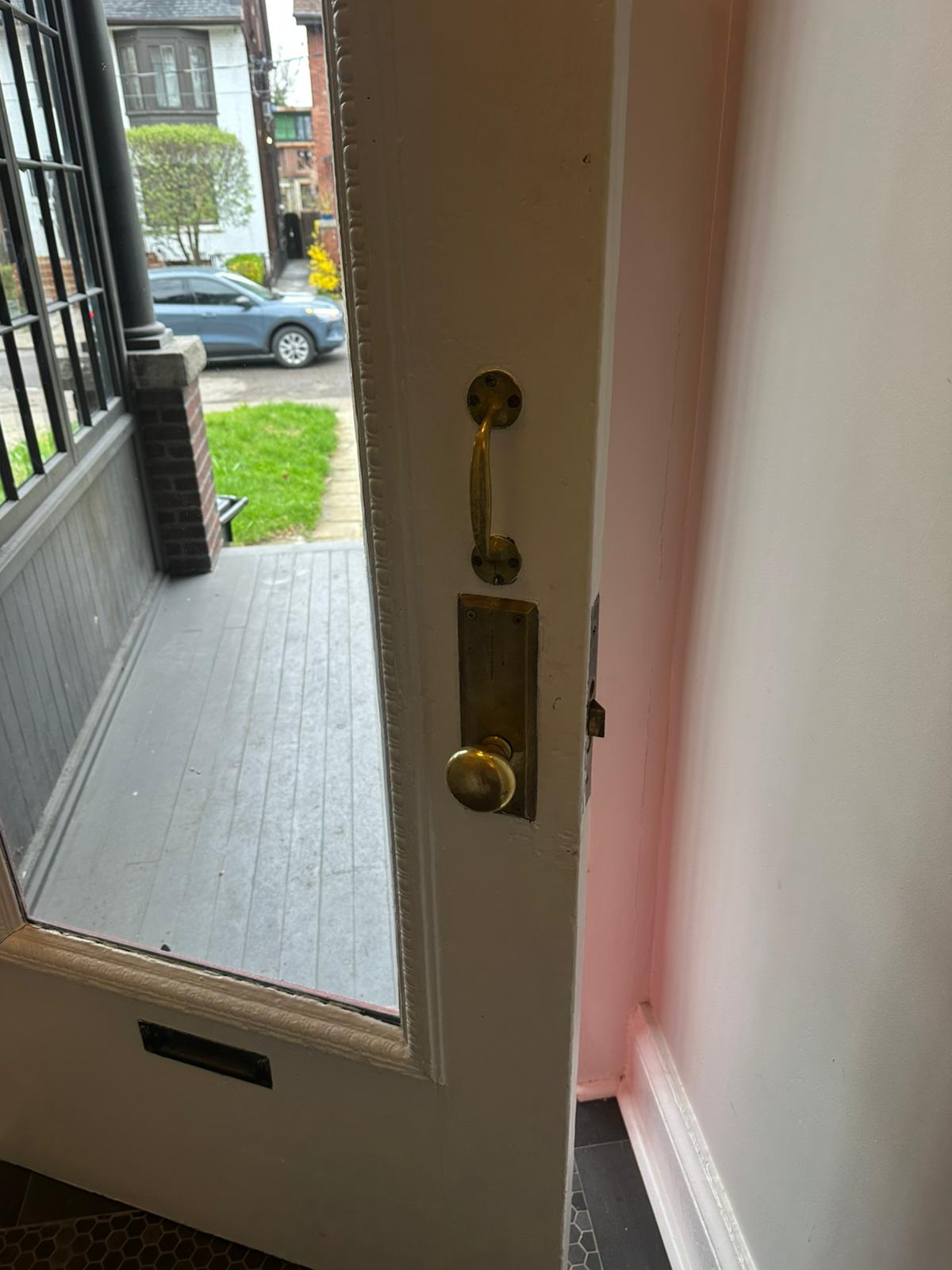
Ask which components the recommendation replaces and why. A cylinder-only replacement and a complete handleset change have different implications for appearance, fitting and keys. Where a particular finish or product is requested, compatibility and availability need to be checked for the actual door. Do not purchase a replacement solely because its outside dimensions look similar.
Identify who can authorize the work. A homeowner, tenant, landlord and building manager may have different responsibilities for a door. Rekeying should be organized within the applicable access arrangement rather than treated as a way to resolve an occupancy disagreement. Where authority is disputed, obtain appropriate advice before changing access.
For condominium units, ask whether management requires a particular cylinder, exterior appearance or building key arrangement. A missing suite key and a missing common-area fob may involve different administrators. The locksmith may address the authorized mechanical work while management handles the credential system.
If the loss coincides with a household change, lock changes after separation involve documenting approved openings and managing the handover. If keys were inherited with a recently purchased property, move-in rekeying resolves the separate problem of an unknown number of historic copies. Both situations benefit from a clear door inventory.
A commercial key can belong to a larger hierarchy. A manager's key may operate several doors that also accept individual user keys. Changing one cylinder without understanding that system may interrupt legitimate access or fail to remove the intended access. Have the responsible manager or key-system provider involved before changes are authorized.
Prepare the current key schedule if one exists. Record the affected openings, who needs access afterward and any keys that must remain compatible. If documentation is missing, say so rather than supplying an assumed hierarchy. The technician can explain the information needed to assess the system and the limits of an isolated cylinder change.
Also review how replacement keys will be issued. Record recipients and the number of copies supplied without attaching the full property address to individual keys. If controlled duplication is a priority, discuss compatible restricted-key arrangements and their actual administration requirements. A label saying do not duplicate is not a substitute for understanding the key system.
Photos
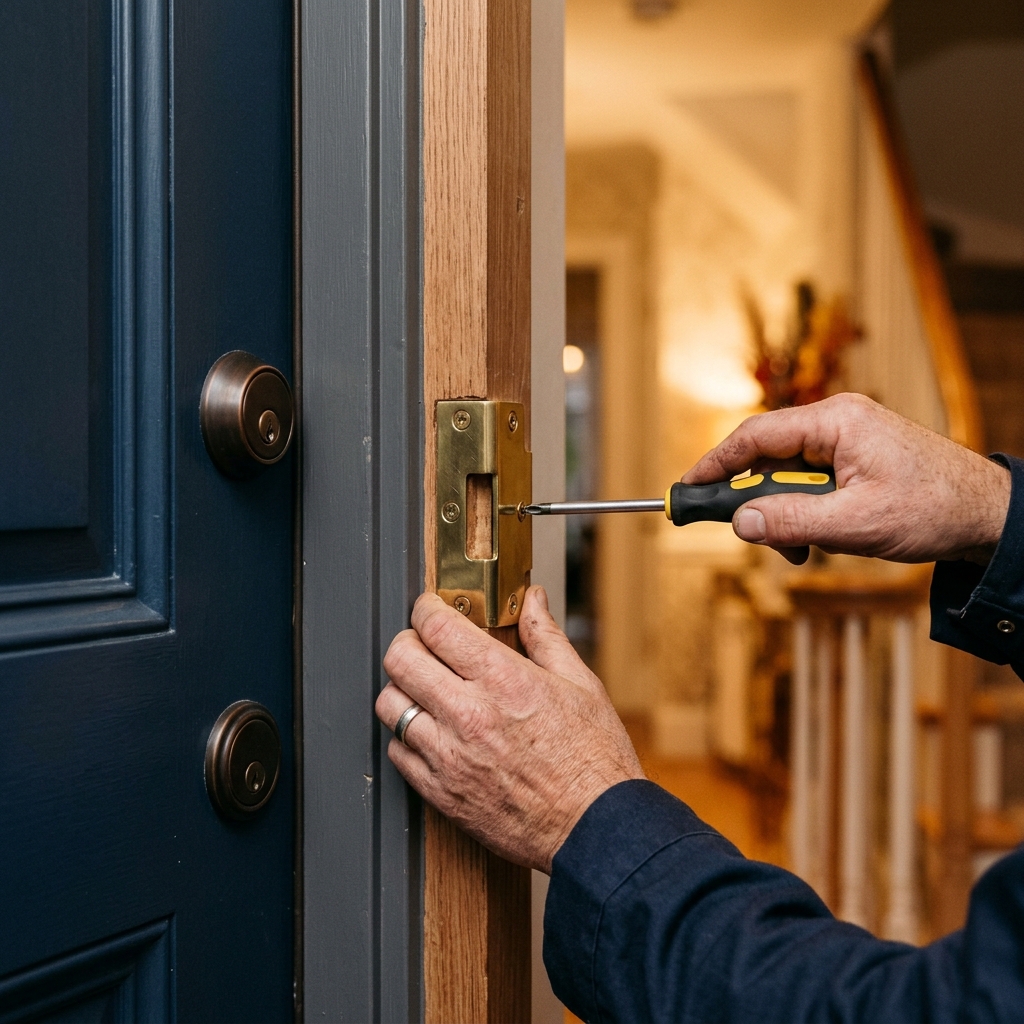
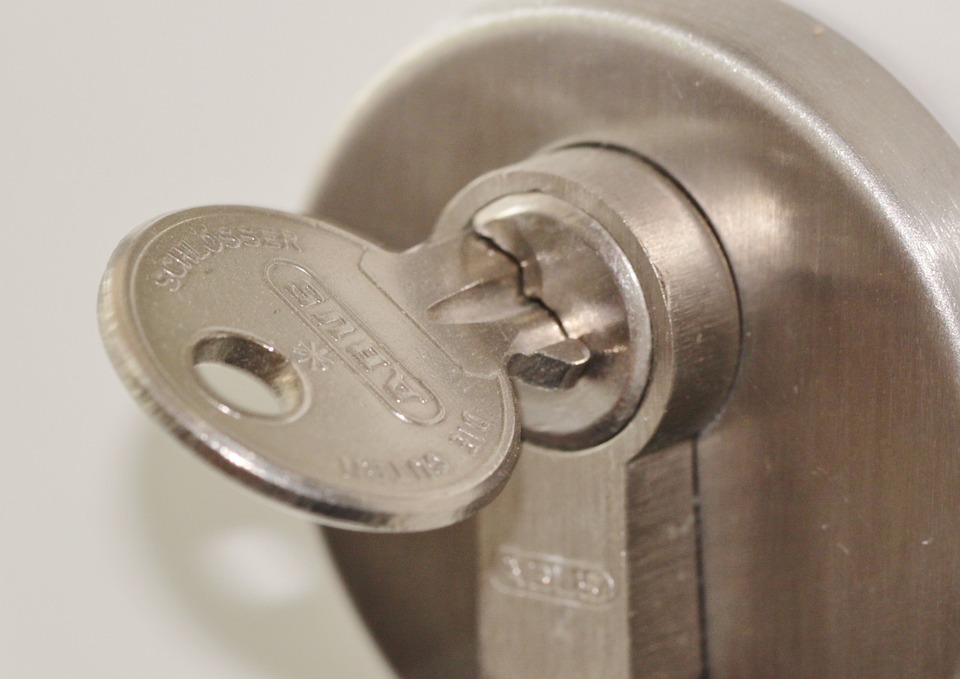
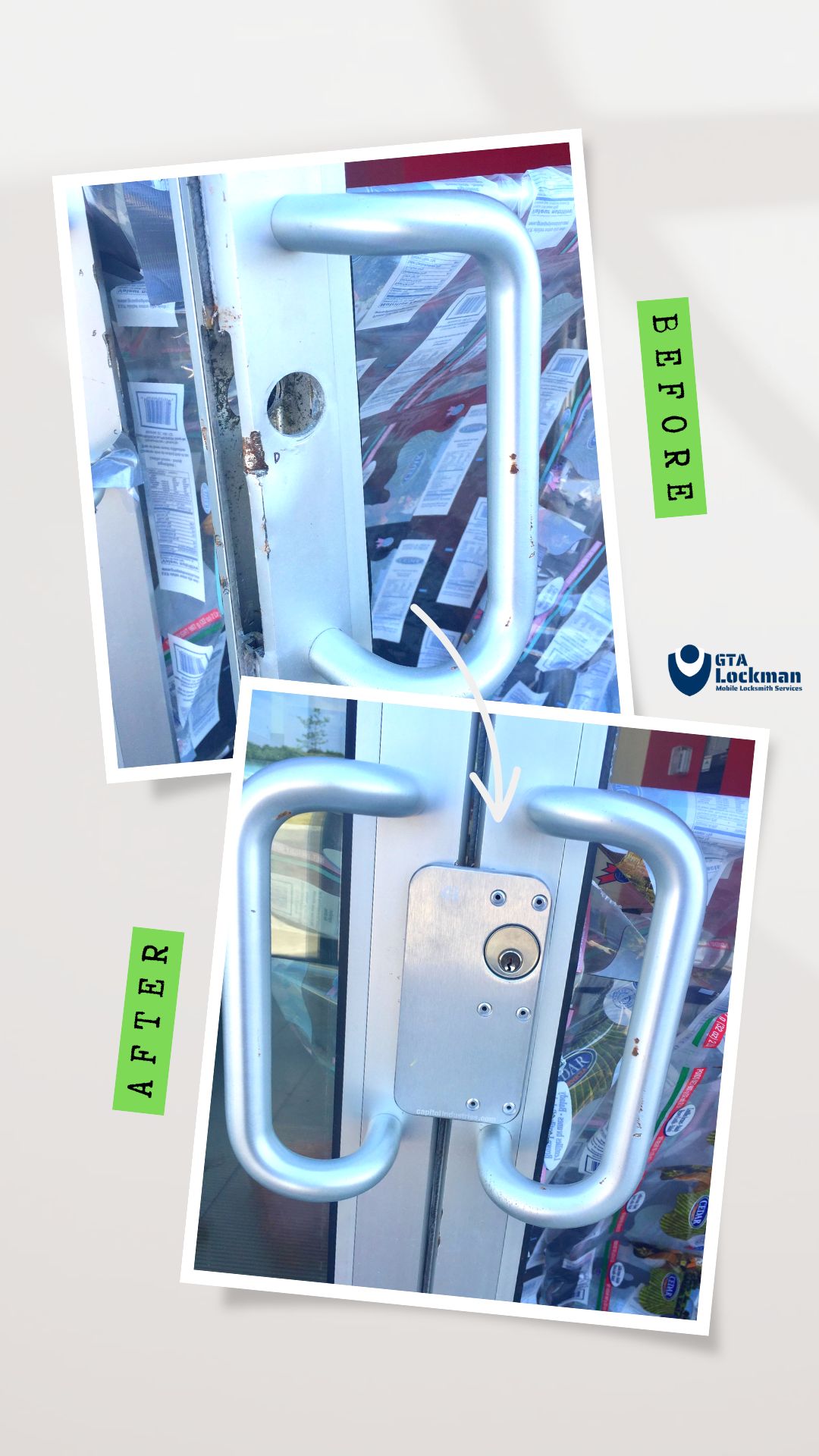
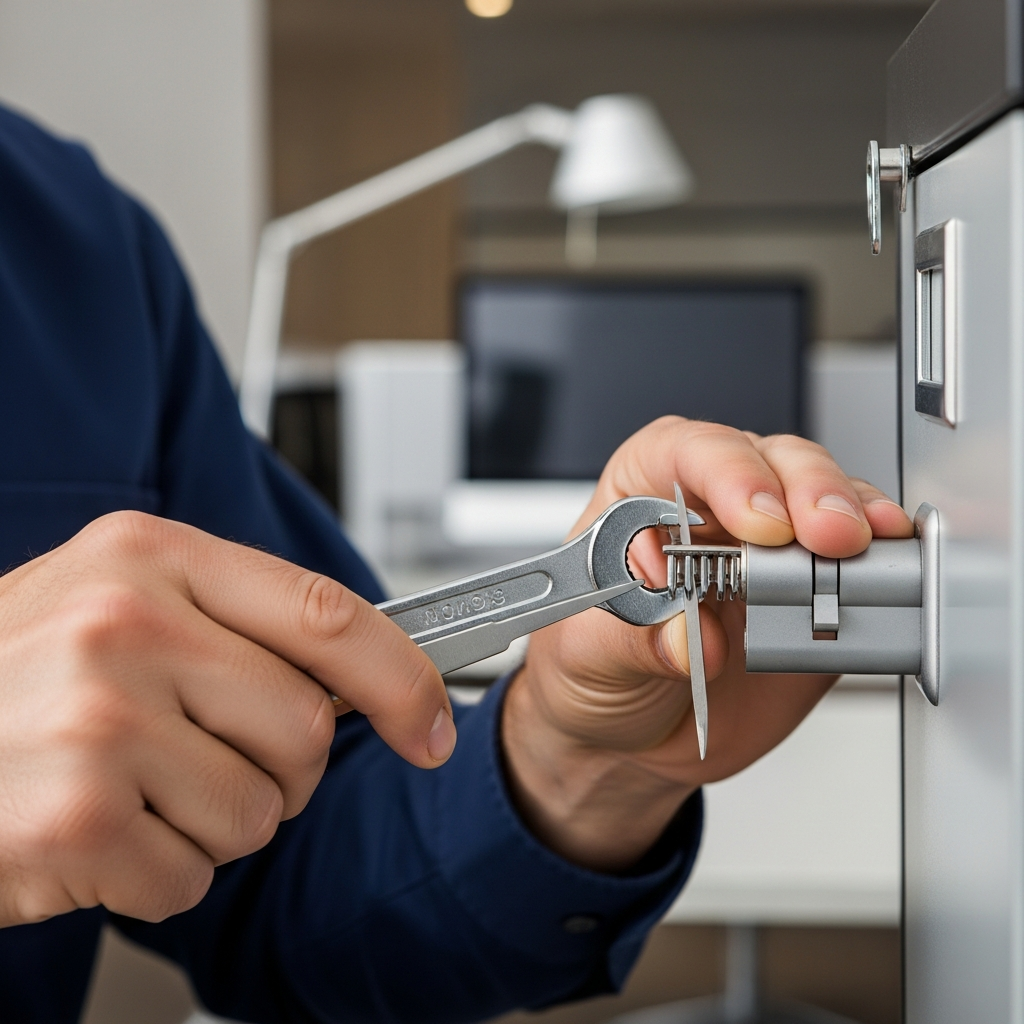
Photographs from GTA Lockman Mobile Locksmith Services work across Toronto and the GTA. Send a picture of your own door and we can tell you what the visit would involve.
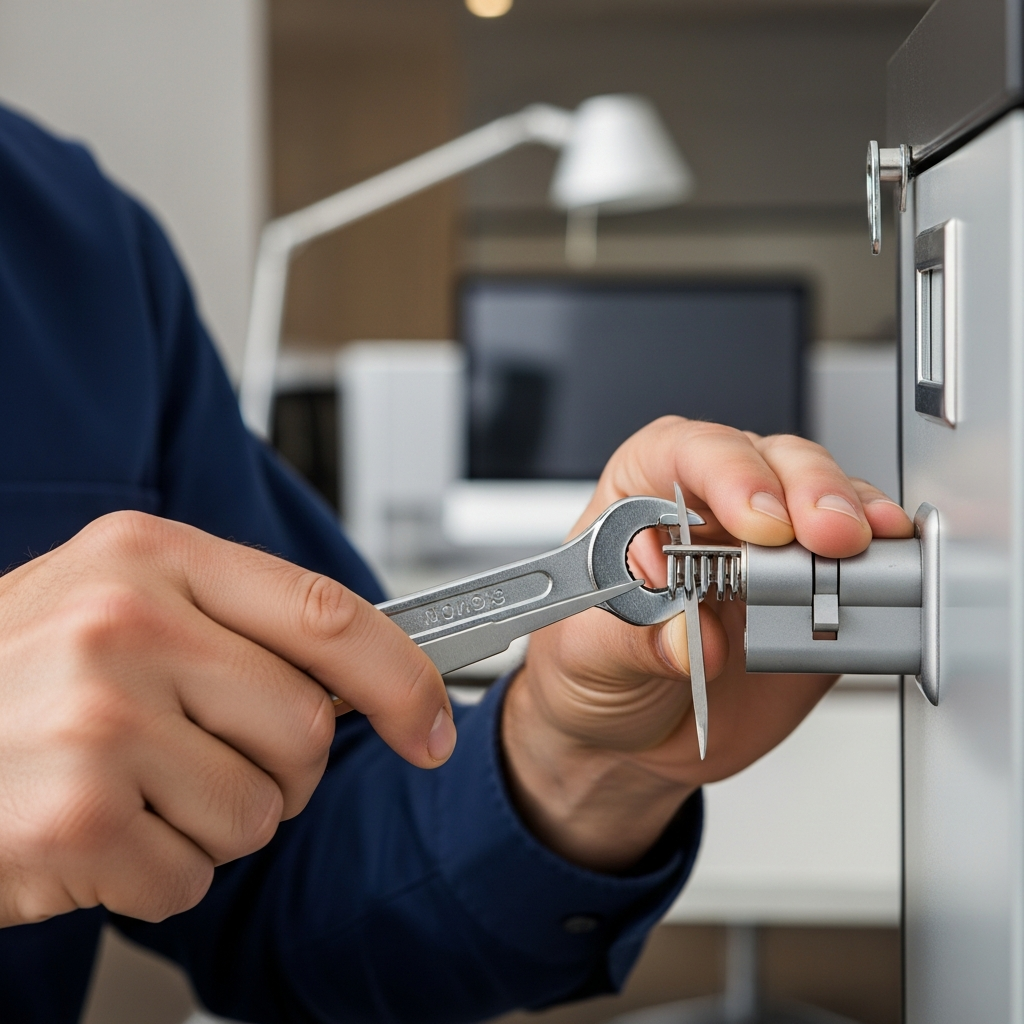
A stolen key ring may include a mechanical key, building fob, garage remote and identifying information. Rekeying a door affects its mechanical cylinder; it does not automatically disable the other items. List those credentials separately and contact the appropriate administrator for each supported change.
For electronic locks, review active users and follow the product's supported process for removing access. Changing a household Wi-Fi password may not remove a stored keypad code. A factory reset can also create further access or account problems if performed without a model-specific plan. Keep a usable authorized entry method while the device's ownership and settings are reviewed.
Document which changes were completed and by whom. The mechanical work may be finished while a building manager still needs to deactivate a fob. Mark that action as outstanding. This is more useful than treating a new front-door key as confirmation that every missing credential has been addressed.
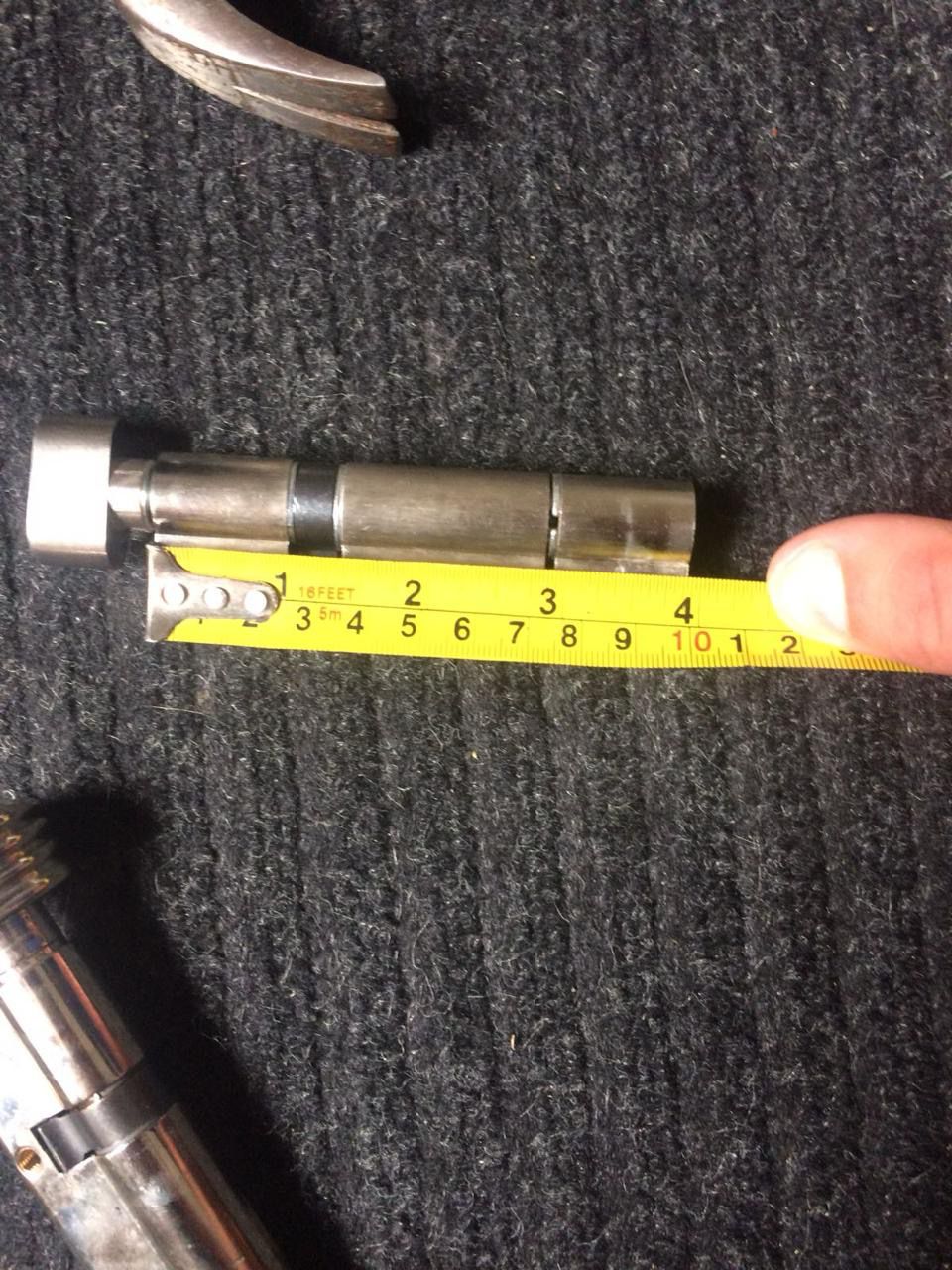
Give the service address or nearest intersection, property type and number of affected entrances. Photograph both sides of each lock and the door edge without showing key cuts or access codes. Mention a visible brand, a restricted key card, a master-key arrangement or a smart-lock component. These details help the technician prepare for the actual hardware.
If the property cannot currently be entered, explain that access must be restored before the cylinders can be assessed. Authorized entry and doors that will not secure are handled by our emergency locksmith service during posted service hours. Arrival and completion depend on the situation, availability and any parts required; a fixed service time should not be assumed.
At the visit, review the affected-door list before approving work. Confirm whether compatible locks can retain one shared key or require separate keys. Matching finishes do not mean compatible keyways, which matters when choosing one key for compatible house locks across several doors. Keep the chosen arrangement documented for future servicing.
Before the appointment concludes, test the new keys with each affected door open and closed. Check that ordinary latching and interior release still work as intended. Resistance after reassembly should be assessed, not accepted as a feature of a new key. Where an old authorized sample key exists, confirm its changed behaviour at the serviced cylinders.
Retain the invoice, hardware information and key-issue record privately. Note which openings were outside the job and which electronic credentials still require action. A clear handover distinguishes completed hardware work, changed mechanical access and separate follow-up. That record gives the household or business a dependable account of what the rekeying actually accomplished.
Stolen keys can create several tasks at once, but each task needs a defined owner. The property representative can establish authorization and the list of affected openings. Building management can address shared credentials. The product administrator can review supported electronic access. The locksmith can assess and change the authorized mechanical arrangement.
For example, a ring containing a house key, mailbox key and building fob does not represent one interchangeable access system. Rekeying the house does not alter the mailbox cam lock or revoke the fob. Recording these differences before the visit makes the work easier to review afterward. Where a component cannot be changed in the same appointment, identify the remaining action explicitly. Our work concerns access-related hardware; it does not establish who is entitled to exclude another occupant, and it does not decide disputed property rights.
Keep reading
It changes access only at the cylinders included in the work. If the stolen key operates a back door, garage access door or another property, those openings need their own review. An electronic fob carried on the same ring is a separate credential and may require action by building management. Write down what each missing item operates, including padlocks or common entrances. The service scope should state which keys will cease to work at which doors. A change to one cylinder should never be described as resolving every access item on the missing ring.
It changes access only at the cylinders included in the work. If the stolen key operates a back door, garage access door or another property, those openings need their own review. An electronic fob carried on the same ring is a separate credential and may require action by building management. Write down what each missing item operates, including padlocks or common entrances. The service scope should state which keys will cease to work at which doors. A change to one cylinder should never be described as resolving every access item on the missing ring.
Not always. A serviceable, compatible cylinder may accept a new key combination while the surrounding lock and trim remain. Replacement can be appropriate when the cylinder cannot be serviced, when parts are unavailable or when the existing hardware has damage that rekeying would not address. The assessment should consider both access control and mechanical condition. Ask the technician to explain which component is being retained and which is being changed. The important outcome is a defined new key arrangement at the affected opening, with the door operating properly after the work.
Mention that before the appointment. A missing working key can affect the assessment and the work needed to reach or service the cylinder. It does not remove the need to establish authorization for the property. Tell the locksmith whether the door is open, whether another authorized entry exists and whether any spare key is available elsewhere. Avoid attempting to dismantle a locked assembly using instructions for an open door. Once the actual lock and access situation are identified, the technician can explain the suitable service and any replacement requirements.
A mechanical key change does not automatically change electronic credentials. Review what information or devices were lost and which supported controls apply to the installed lock. If a stolen phone or written code could affect access, involve the authorized account administrator and follow the product's recovery procedures. Do not share passwords or recovery codes with a general booking enquiry. A locksmith may address the mechanical cylinder while account changes remain a separate task. Keep a short checklist of physical keys, codes, fobs and administrator access so these different actions are not mistaken for one operation.
Building requirements may govern the cylinder, key system and entrance hardware. Contact management to establish what applies to your unit before approving a change. A privately occupied door can still use a building-controlled arrangement that should be preserved. Explain whether the missing key also operates a common entrance or shared facility. Management may need to handle those credentials separately. Send photographs of the existing lock and any available product information, without distributing restricted key details publicly. The proposed service should respect the authorized key relationships as well as the physical fit of the cylinder.
Use the household's current, authorized access plan rather than copying the previous distribution automatically. Identify who needs regular access, whether a spare is required and who will hold it. Where rights of access are disputed, resolve that question through the appropriate property or legal process before instructing hardware work. Keep a record of the number of keys supplied, but avoid labels that disclose the complete property address if a key is lost. A new key arrangement is easier to maintain when somebody is responsible for its distribution from the outset.
Sometimes, if the cylinders and access requirements are compatible. Different keyways, controlled systems or specialized locks can prevent a simple keyed-alike arrangement. The desire to carry fewer keys should not erase a useful access boundary, such as a rented area or business storeroom. Provide a list of the doors and who should use each one. The locksmith can distinguish straightforward rekeying from a broader hardware change. Any opening left on a separate key should be documented, especially if the original missing key still operates it and further work is pending.
Ask for a door-by-door handover. Test the new keys with the door open first, then confirm normal closed-door locking and release where safe. The completed record should identify the affected cylinders and any old-key access that was intentionally retained elsewhere. If an old authorized sample key is available, the technician can include it in the relevant verification. Do not assume the appearance of an unchanged exterior cylinder means nothing was changed; rekeying usually concerns internal components. Keep the invoice and key-distribution record together so the new arrangement is clear later.
GTA Lockman Mobile Locksmith Services is a mobile locksmith working on homes, businesses and vehicles across Toronto and the GTA, with more than 14 years in the trade. Every review is written by a customer on Google, where you can read them in full.
Areas served: Toronto, North York, Scarborough, Etobicoke, Vaughan, Richmond Hill, Markham, Stouffville, Newmarket, Mississauga, Brampton, Oakville, Milton, Halton Hills, Pickering, Ajax, Whitby, Oshawa, Uxbridge.
Describe the door, hardware and service address. Contact GTA Lockman Mobile Locksmith Services to confirm the scope and scheduling for your location.