Locksmith services are always 10% off for seniors.
Open Mon–Thu 8:30 AM–9 PM, Fri 8:30 AM–4 PM, Sun 9:30 AM–9 PM
Locksmith services are always 10% off for seniors.
Open Mon–Thu 8:30 AM–9 PM, Fri 8:30 AM–4 PM, Sun 9:30 AM–9 PM
GTA Lockman Mobile Locksmith Services · Toronto & GTA
Review every door the missing keys operated, then rekey or replace the locks that no longer control access.
Related services
Review every opening affected by the missing keys and establish a documented, authorized change to mechanical access.
Learn moreKeep suitable hardware while changing which keys operate your new home’s locks.
Learn moreReplace worn or unsuitable hardware with a lock that fits the door, its function and your access needs.
Learn moreReduce the keys you carry where cylinders and access requirements allow a suitable keyed-alike arrangement.
Learn moreSecure a forced door, repair damaged locks and frames, and document the work for your police report and insurer.
Learn moreLock and door service for offices, shops and managed properties. Plan access around the way your business operates.
Learn more
When keys are lost, the locks usually still work. The issue is that you no longer know who can operate them. A lock change after lost keys is about restoring control over access, and the scope depends on which doors the missing keys fit, whether anything identifying the address was attached, and what hardware is installed.
Start by listing what was on the ring. Include the front door, side or back entrances, the garage-to-house door, a mailbox, padlocks, and any keys for a workplace, rental unit or family member's home. Separate the mechanical keys from fobs, garage remotes and access cards, because those need different actions.
Then consider the risk. Keys lost in a park with nothing identifying the address present a different situation from keys taken with a wallet that shows your home address. The second case gives the finder both the key and the location, and it justifies addressing every affected door rather than only the main entrance.
Two approaches change who can operate a lock. Rekeying changes the pins inside a suitable cylinder so the old key no longer works and a new key does. The lock body, trim and deadbolt stay in place. Replacement installs new hardware, and is the appropriate choice when the existing lock is worn, damaged, unsupported or unsuitable for the door.
For hardware in good condition, rekeying is often the simpler option. It avoids changing trim, finishes and door preparation. Where the locks are already failing, or you want a different function or security level, a lock change resolves the access question and the condition of the hardware in one visit.
The technician should explain which approach suits each door and why. There is no reason to replace serviceable hardware only because keys were lost.
A partial change is a common mistake. If the front deadbolt is rekeyed but the back door still accepts the old key, the lost key still opens the house. Check every exterior door, the attached garage entrance, and any interior door the key is known to operate.
Where several locks previously used one key, the new arrangement can keep that convenience. Compatible cylinders can be rekeyed to a single new key, as described under one key for every door. Cylinders from different manufacturers or keyways may not share a key without replacement, so the technician should confirm compatibility first.
Test each lock with the new key and, where possible, confirm the old key no longer operates it.
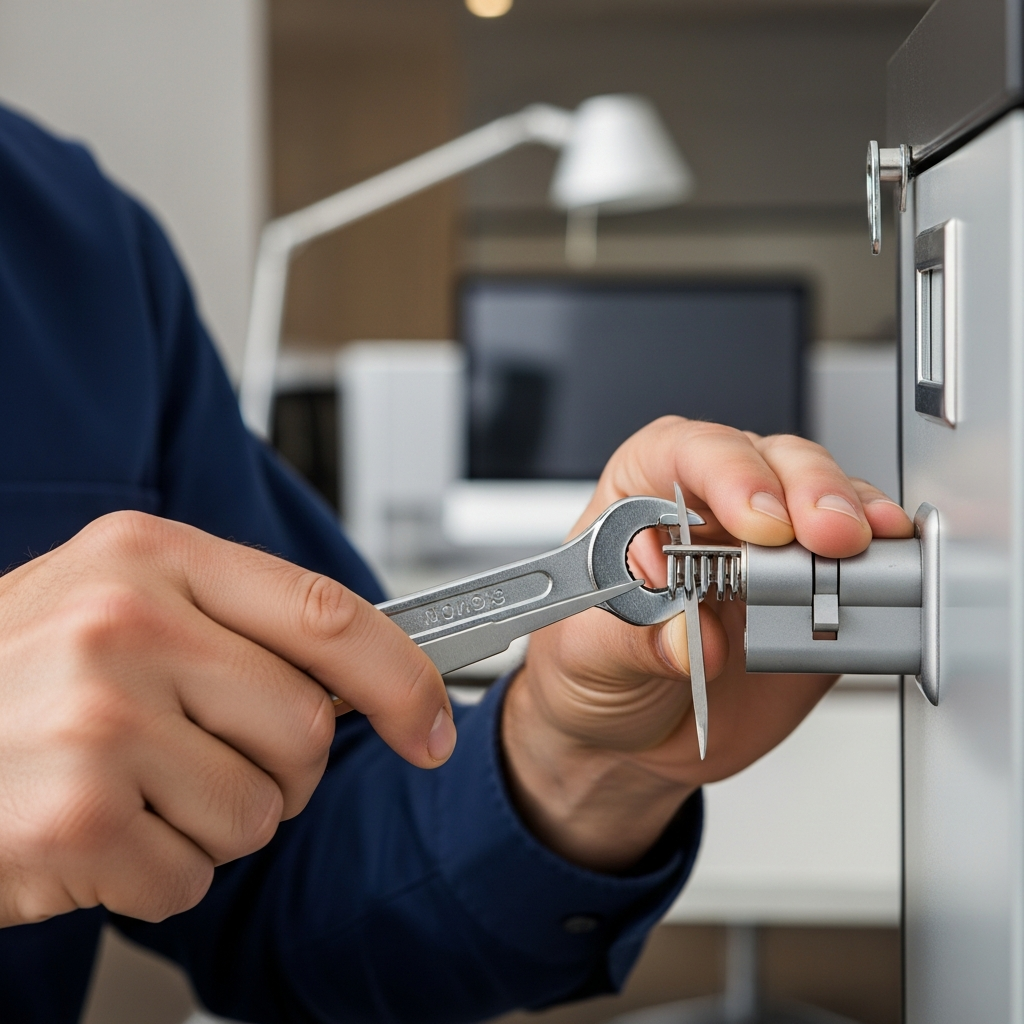
For a business, a lost key may belong to one person but open doors used by many. List every opening the key operated, including storage rooms, staff entrances and cabinets. If the business uses a master-key system, the lost key's level in the hierarchy decides how much of the system is affected. A lost master key has a much wider reach than a single change key.
Record who holds the new keys and how they are issued. Businesses face the same question across more doors and more people, handled through our commercial locksmith services, and where keys are known to be stolen, rekeying after stolen keys follows a similar review of every affected door.
Tenants should check their lease and the applicable tenancy rules before changing locks, because the landlord may need to be informed or given a key. Landlords handling lost keys between tenancies should treat every copy that left their control as a reason to review the lock.
In condominiums, suite cylinders may belong to a building master-key system. Rekeying outside that system can prevent building staff from reaching the suite for maintenance or safety purposes. Ask management what is permitted first.
Photos
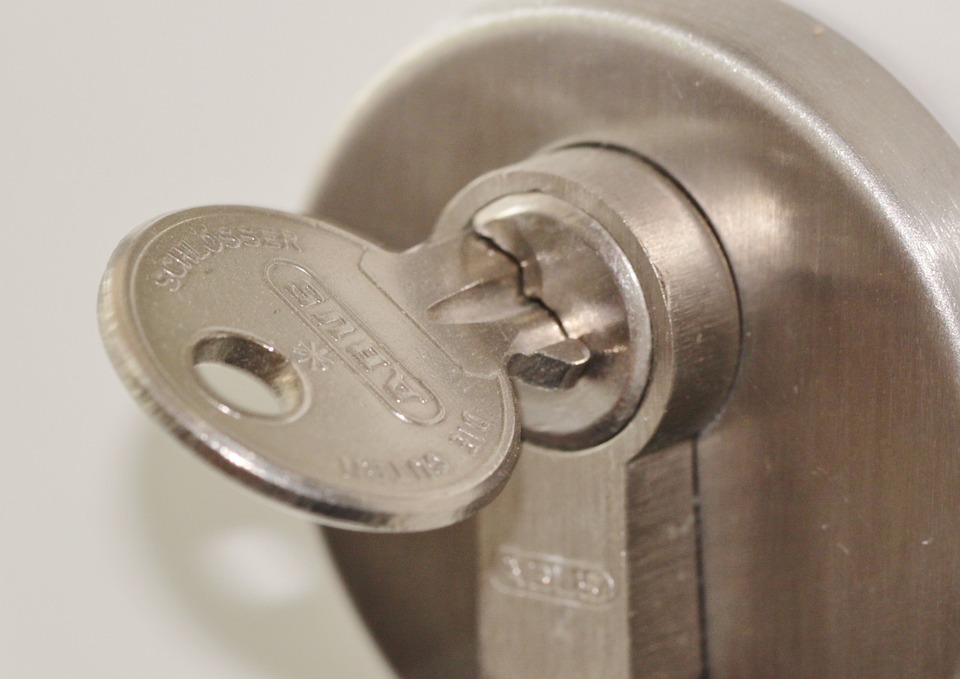
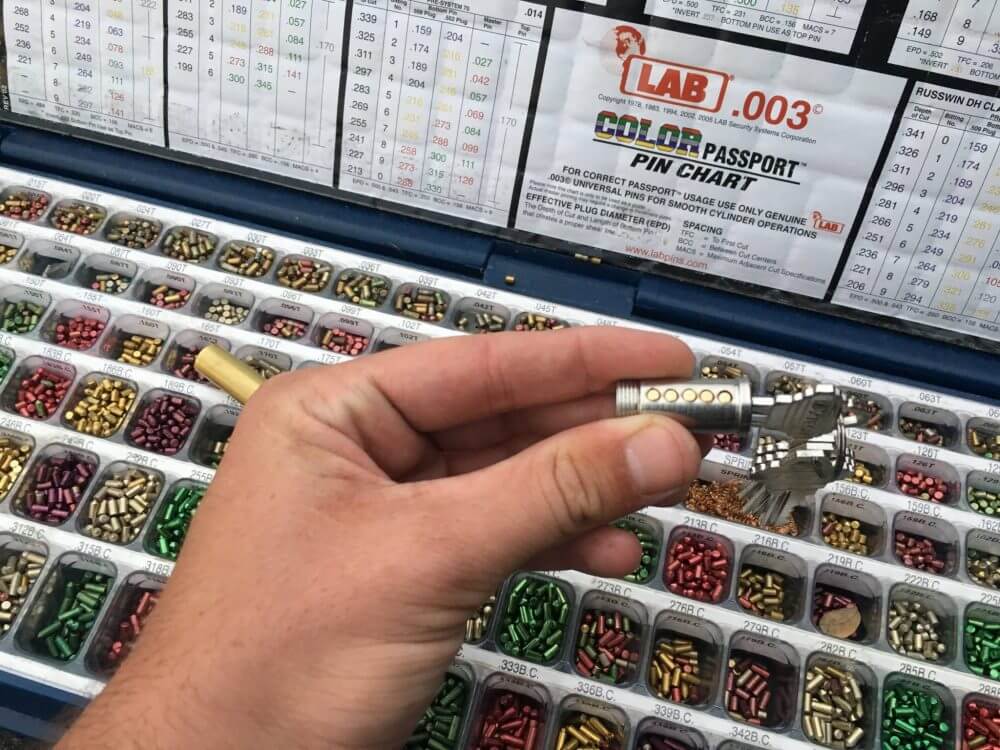
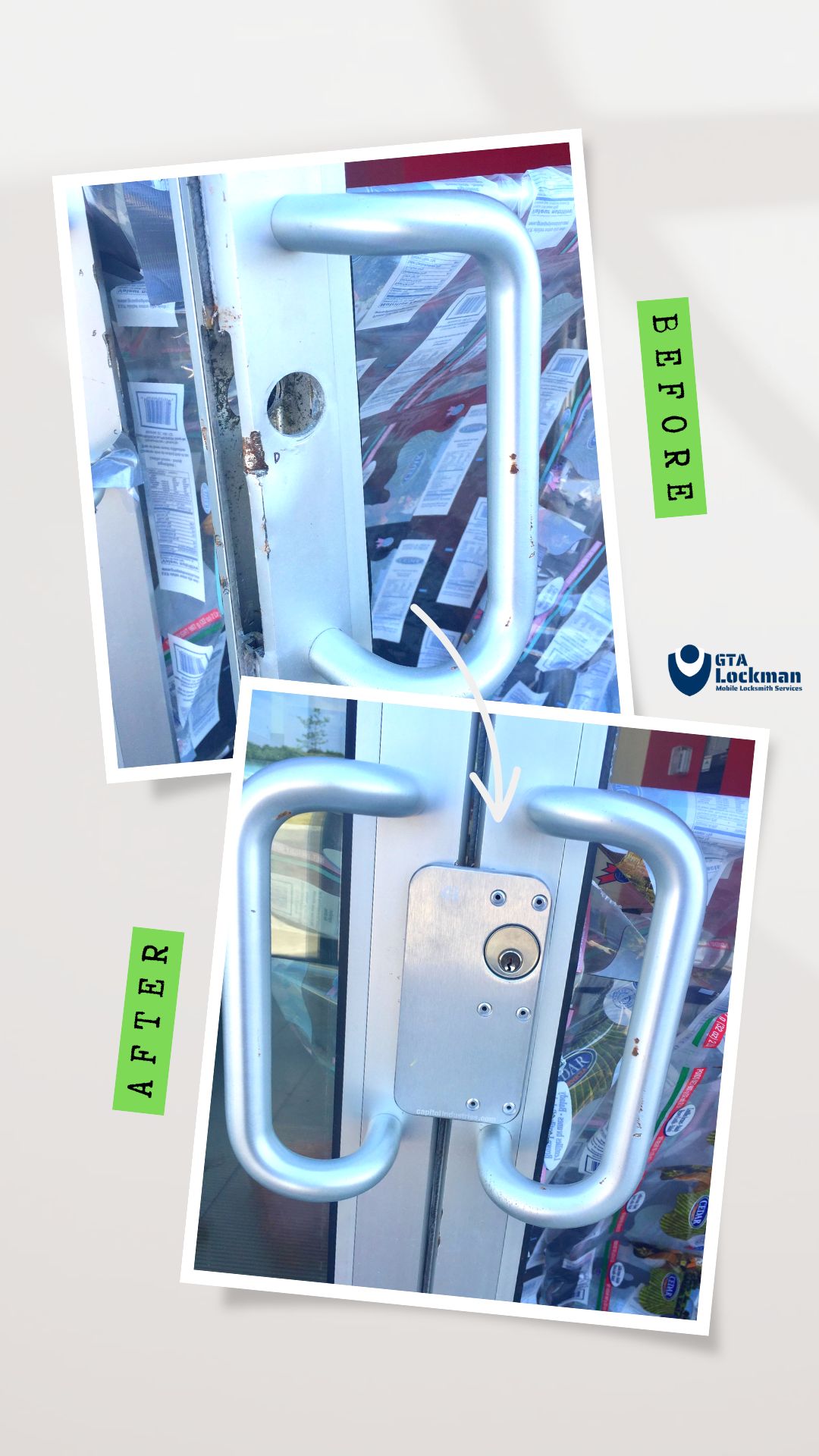
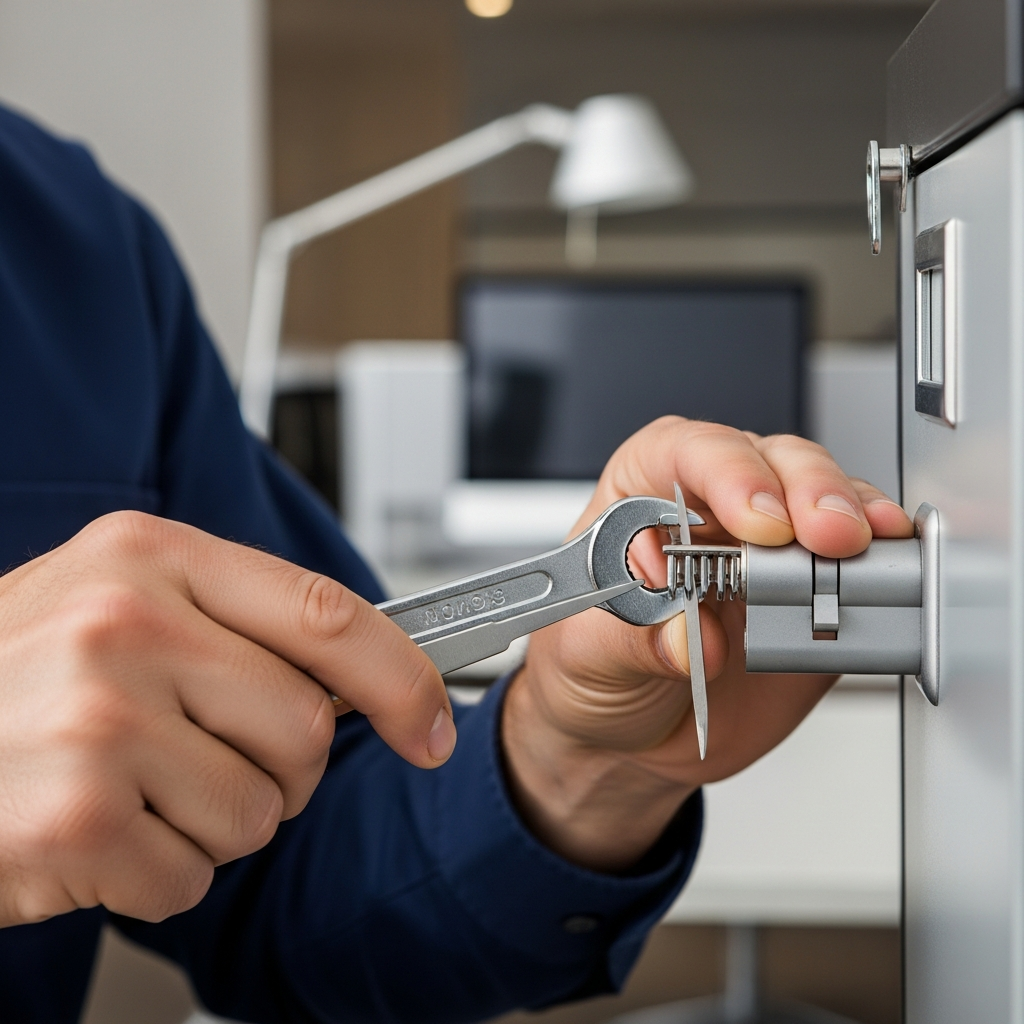
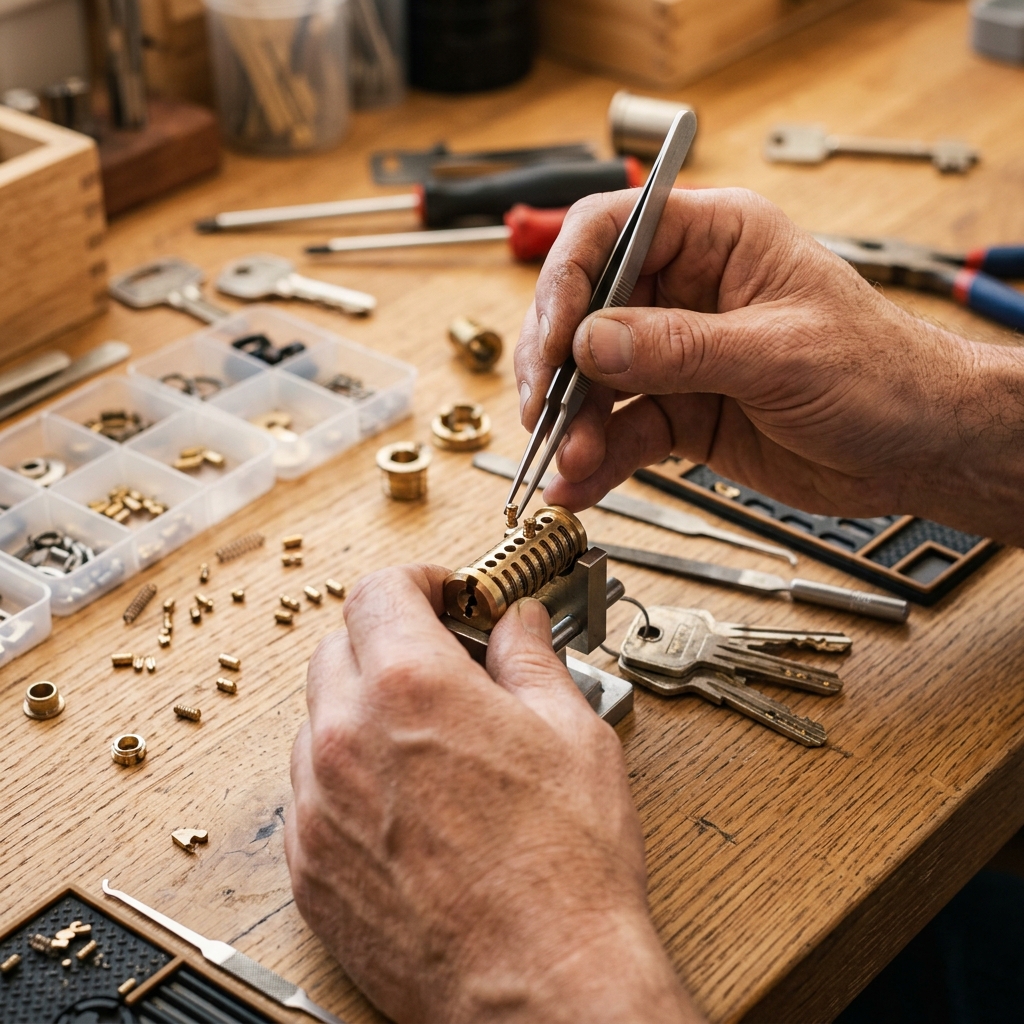
Photographs from GTA Lockman Mobile Locksmith Services work across Toronto and the GTA. Send a picture of your own door and we can tell you what the visit would involve.
Avoid posting photographs of your keys or key cuts online. Do not leave a note on the door saying the locks are being changed. If you still have one working key, keep it with you rather than hidden outside.
If you believe the keys were taken as part of a theft or break-in, report it to the police. The lock work is separate from that report, and hardware damaged by forced entry is assessed as part of lock repair after a break-in.
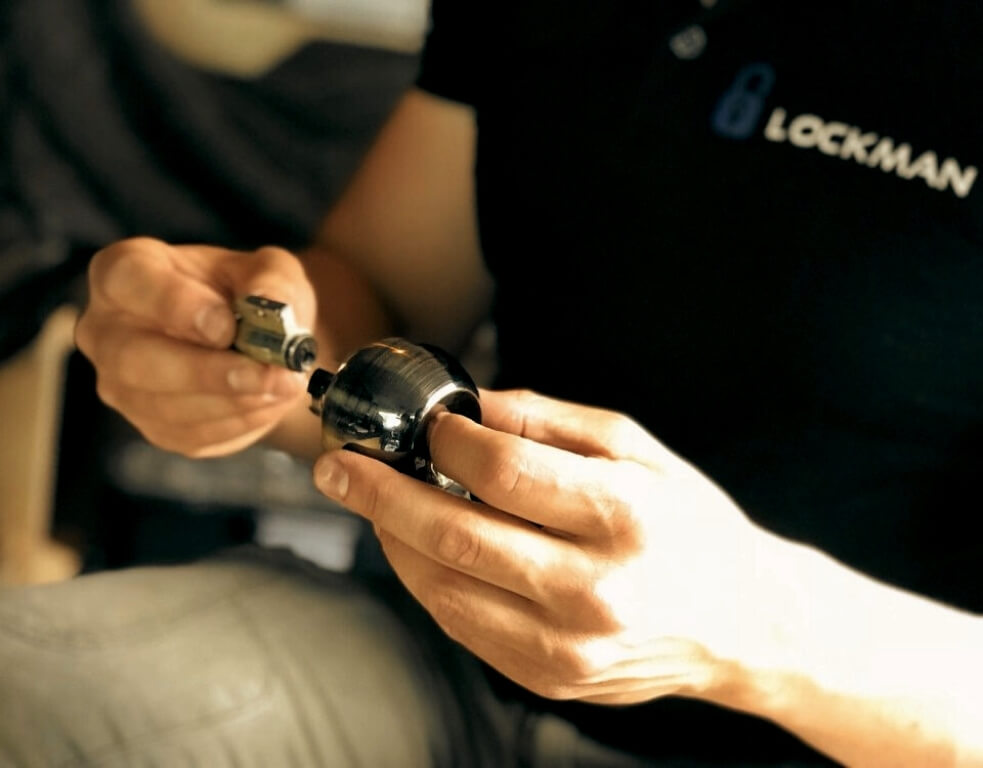
Tell us the number of doors, the lock brands if known, whether all locks currently use one key, and whether you want to keep that arrangement. Photographs of the exterior trim of each lock help identify the hardware before arrival. Mention any keypad or smart lock, because codes and user accounts need to be reviewed separately from mechanical keys.
We confirm authorization for the address before working on any lock. We work within our posted hours and give an honest arrival estimate when you call, rather than a fixed time.
For most households, rekeying the existing locks to a new key is enough. Some owners take the opportunity to reconsider the whole arrangement. Options include a single key for all exterior doors, separate keys for the house and a rental suite, or a restricted keyway where duplicates can be made only with authorization. Each option has trade-offs in cost, convenience and control.
A restricted keyway limits who can copy keys, which can be useful where many copies have circulated in the past. It usually requires replacing cylinders rather than rekeying them, and additional keys must come through the authorized supplier. Controlled keyways, stronger cylinders and reinforced strikes are the usual residential high-security lock upgrades, and each suits a different concern.
Keep the decision proportionate. If the only concern is a single lost set with no address attached, a straightforward rekey is often a reasonable response. If the property has a long history of unknown copies, a wider change may be justified.
Lost keys often come to light at an inconvenient moment. If every lock cannot be changed in one visit, prioritize the doors that give direct access to the living space: the front and back entrances and the door from an attached garage. Interior doors and outbuildings can follow.
While the work is pending, use the deadbolt on each exterior door rather than relying on a knob latch, and keep the garage door closed. These steps do not replace the lock change, but they reduce the doors a found key could open until the work is complete.
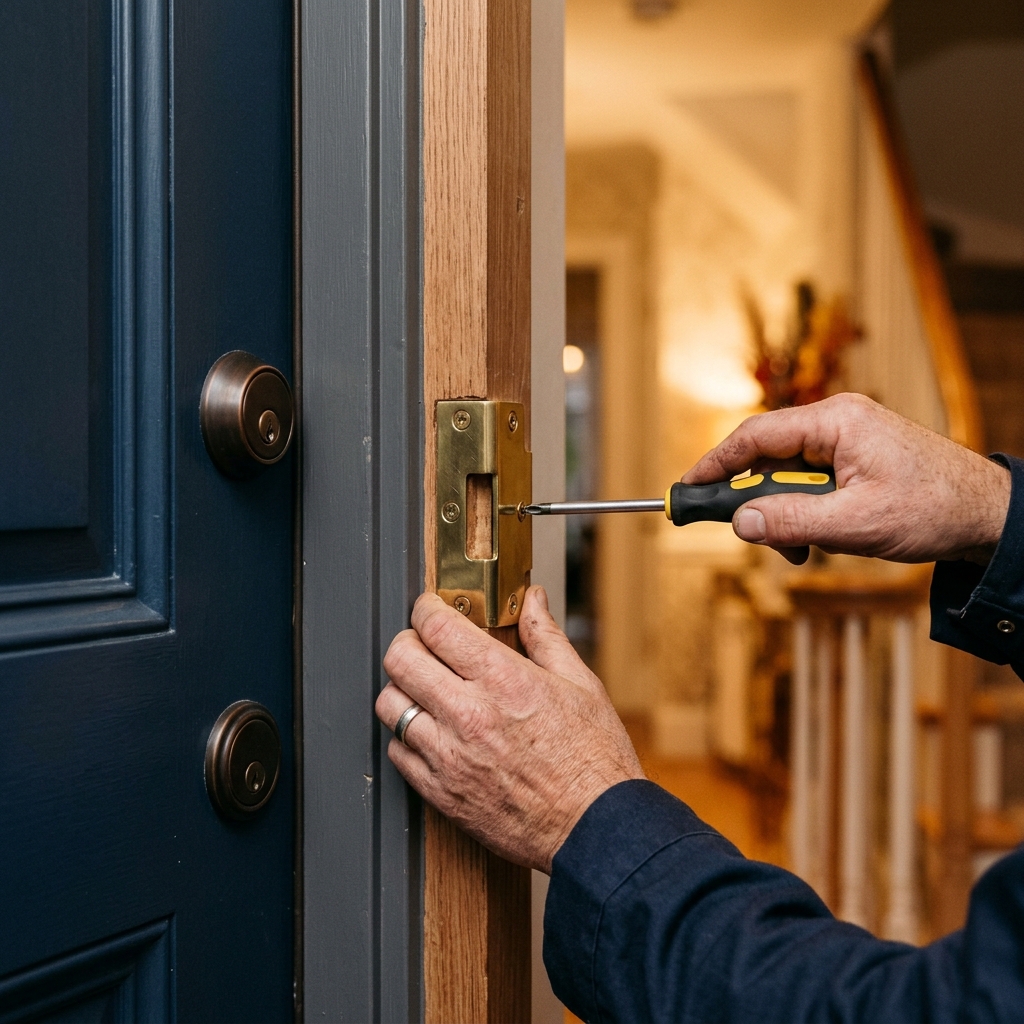
After the work, keep a note of which doors were rekeyed or replaced, how many new keys were cut, and who holds them. If any door was left unchanged, record why. That record helps if more keys are lost later and removes uncertainty about what the lost set could still open.
Consider how the household will manage keys from here: fewer copies, one reliable person holding a spare, and a clear list of who has access. Lost keys cannot always be prevented, but the next lock change will be easier to scope.
Keep reading
If the existing locks are in good condition and accept rekeying, changing the pin combination is usually enough to make the lost keys useless. The lock body and trim stay on the door. Replacement becomes the better option when a lock is worn, damaged, unsupported, or unsuitable for the door, or when you want a different function or security level. The technician should assess each door separately and explain which approach suits it. There is no need to replace serviceable hardware just because keys were lost, and no reason to keep hardware that is already failing.
If the existing locks are in good condition and accept rekeying, changing the pin combination is usually enough to make the lost keys useless. The lock body and trim stay on the door. Replacement becomes the better option when a lock is worn, damaged, unsupported, or unsuitable for the door, or when you want a different function or security level. The technician should assess each door separately and explain which approach suits it. There is no need to replace serviceable hardware just because keys were lost, and no reason to keep hardware that is already failing.
The risk is lower when nothing links the keys to your home, but it is not zero. Consider where the keys were lost, what else went missing, and whether anyone could connect them to you. If a wallet, phone, vehicle registration or parcel with your address was lost at the same time, the finder may have both the key and the location. Many households rekey so they know exactly who holds a working key, while others decide the risk is small enough to accept. The decision is yours; the technician can explain the scope and price so you can weigh it.
Every door the lost keys operated. That usually means all exterior doors and the garage entrance to the house, and it can include interior doors, a mailbox or a shed. Changing the front door alone leaves the old key working elsewhere. List the doors before the visit and check whether they all used one key. If they did, compatible cylinders can be rekeyed to a single new key. Cylinders of different brands or keyways may not share a key without replacement, which the technician will confirm on site.
Often, if the cylinders share a compatible keyway or can be converted. Rekeying several compatible locks to one key keeps the convenience many households are used to. Where one door uses a different brand, a replacement cylinder may be needed to bring it into the same arrangement. High-security or restricted keyways have their own rules and may require the original supplier. Ask the technician to confirm which locks can join the new arrangement before the work begins, so the result matches what you expected.
Those are separate from mechanical keys. A lost garage remote should be removed from the opener's memory following the manufacturer's instructions. An alarm code that may have been exposed should be changed through the system or your monitoring provider. If a keypad or smart lock is involved, review the user codes and account access through the device's supported controls. A lock change covers the mechanical keys; the electronic items need their own actions to complete the job.
Check your lease and the residential tenancy rules that apply. Landlords commonly need to be informed and may be entitled to a key. Some leases require the landlord to arrange the work. Report the lost keys to your landlord either way, because the loss may affect other doors they control, such as a shared entrance. If you arrange the work, keep the invoice and provide a key as required. Following the process avoids a later dispute about access to the unit.
It depends on the number of locks, their condition, whether they are compatible with one another, and whether any need replacement. A few compatible cylinders take less time than a mixed set with seized or damaged hardware. The technician will look at each lock before giving a scope and price. We do not quote a fixed duration without seeing the hardware, and we do not promise a fixed arrival time, but we can explain what the visit involves when you describe the doors.
A master key operates many cylinders, so the review is wider than a single door. Identify which level of key was lost and which openings it controls. Depending on the system, the affected cylinders may be rekeyed within the existing arrangement, or the system may need to be reorganized. Restricted keyways may require the original supplier. Keep a record of the new key holders. For a business, the lost key is a chance to review who holds which keys, and the technician can look at the existing system before recommending how much to change.
GTA Lockman Mobile Locksmith Services is a mobile locksmith working on homes, businesses and vehicles across Toronto and the GTA, with more than 14 years in the trade. Every review is written by a customer on Google, where you can read them in full.
Areas served: Toronto, North York, Scarborough, Etobicoke, Vaughan, Richmond Hill, Markham, Stouffville, Newmarket, Mississauga, Brampton, Oakville, Milton, Halton Hills, Pickering, Ajax, Whitby, Oshawa, Uxbridge.
Describe the door, hardware and service address. Contact GTA Lockman Mobile Locksmith Services to confirm the scope and scheduling for your location.