Locksmith services are always 10% off for seniors.
Open Mon–Thu 8:30 AM–9 PM, Fri 8:30 AM–4 PM, Sun 9:30 AM–9 PM
Locksmith services are always 10% off for seniors.
Open Mon–Thu 8:30 AM–9 PM, Fri 8:30 AM–4 PM, Sun 9:30 AM–9 PM
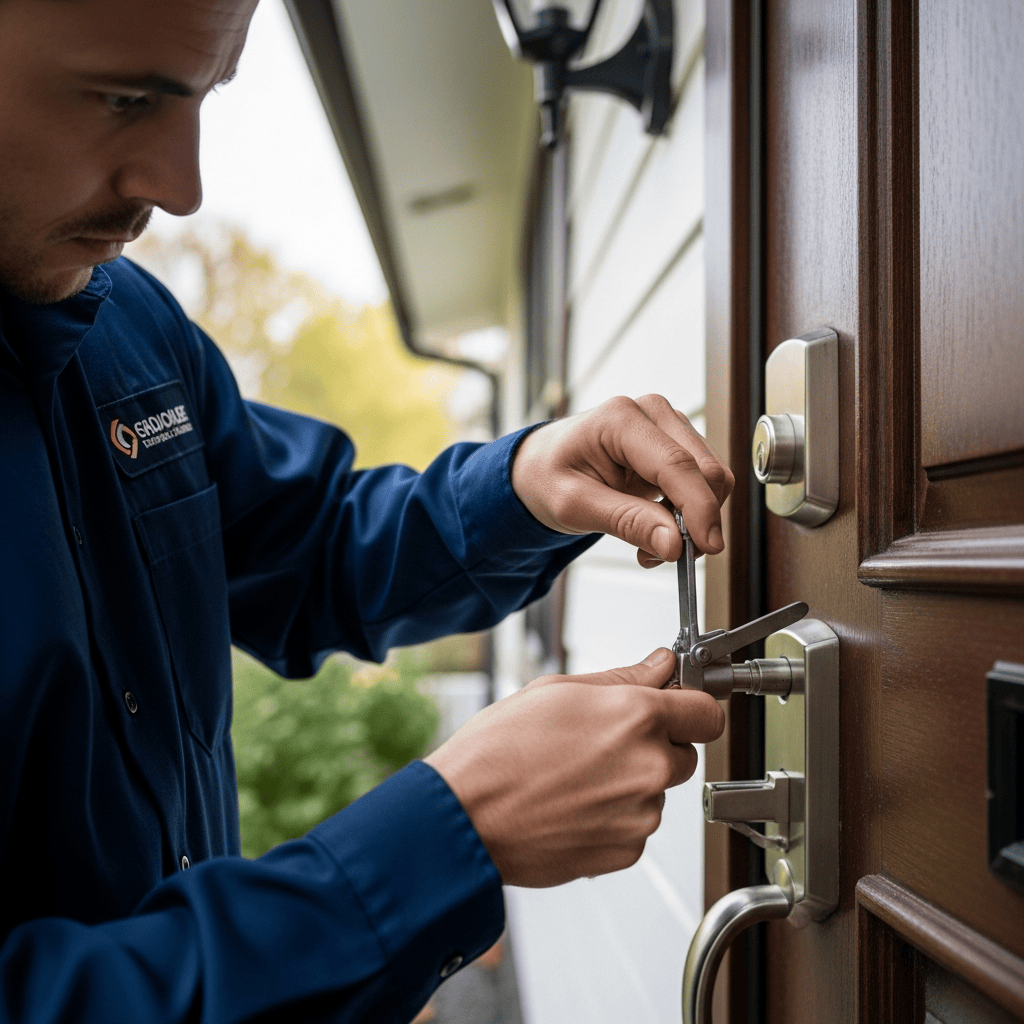
GTA Lockman Mobile Locksmith Services · Toronto & GTA
What a locksmith has to establish before opening a door, and what to have ready so the visit is not wasted.
Related services
Review every door the missing keys operated, then rekey or replace the locks that no longer control access.
Learn moreWho can authorize lock work on an estate property, and what to do with keys, key safes and an empty home.
Learn moreKeep an empty property secure and accessible to the people entitled to enter it, through a quiet period.
Learn moreHand back every key that exists, record what changed, and settle the lock question before the deposit is.
Learn moreAuthorized entry to your home, followed by a look at why the lockout happened and whether the lock needs attention.
Learn moreHelp with authorized entry and doors that will not secure. Describe the opening so we can assess the appropriate service.
Learn more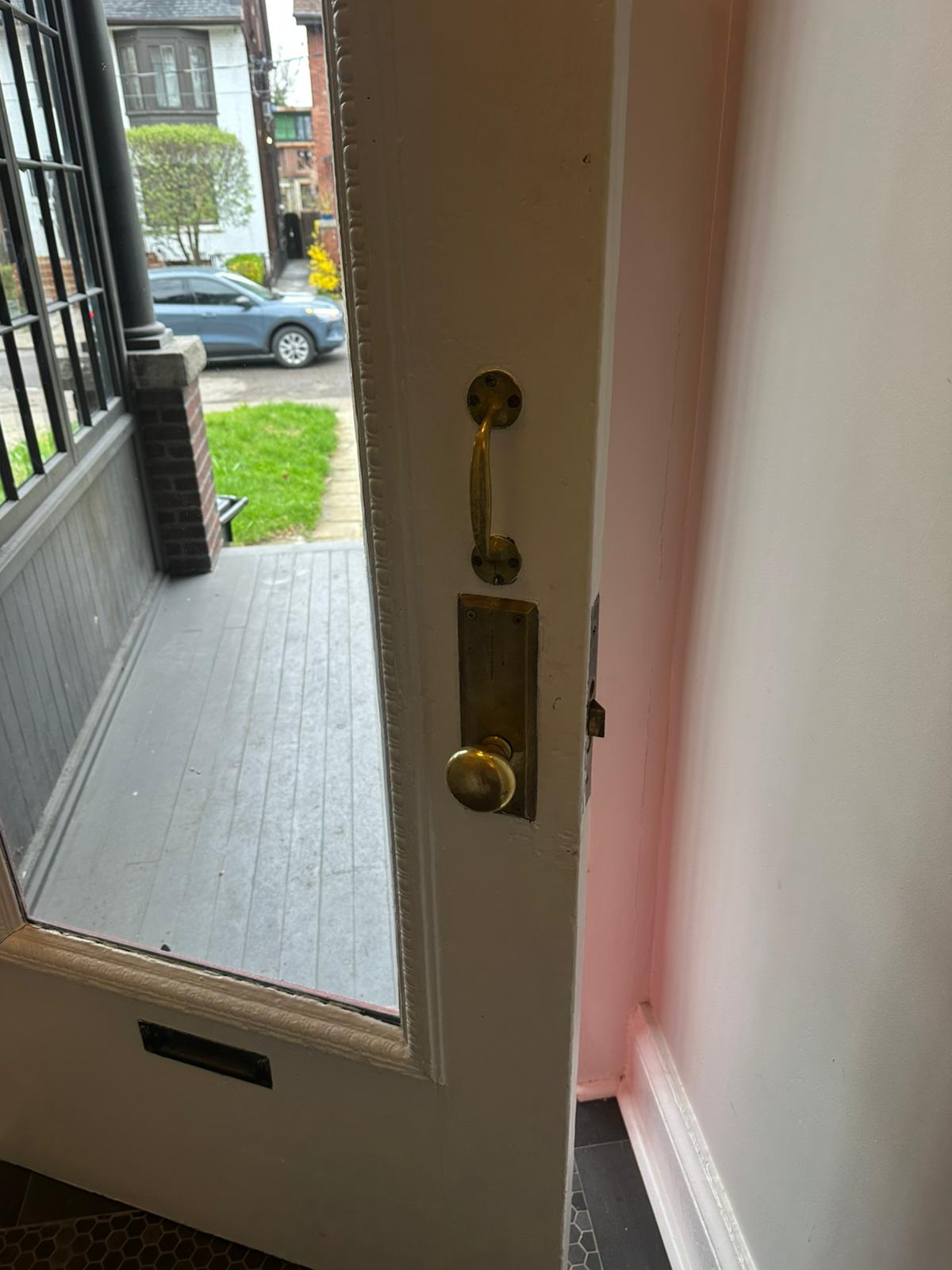
Opening a lock is a skill that works on any door, whoever is standing in front of it. That is exactly why a locksmith has to establish that the person arranging the work is entitled to be inside before the lock is touched.
It is not a formality and it is not distrust. It is the one thing that separates a locksmith from someone breaking in, and it protects you as much as anyone: the same checks that slow you down on a bad afternoon are the reason nobody can arrange entry to your home by telling a convincing story about it.
Before any door is opened, a few questions usually get asked, certain documents make the check easier, and some situations are more complicated than one person showing one piece of identification.
For most calls the check is short. The person asking for the door to be opened shows identification with the address on it, or produces something that connects them to the property: a lease with their name on it, a utility bill, a driver's licence that matches.
If the identification does not show the address, other things can close the gap. Mail addressed to you inside the door, a photograph of yourself in the home, a neighbour who knows you, a landlord or building manager who confirms your tenancy by phone. None of these is a legal test. They are ways of building a reasonable picture that this is your home.
What helps most is having something ready before the visit rather than searching for it afterwards. If everything you own is behind the door, say so at the start of the call so the question can be worked through then rather than on the doorstep; see house lockout service.
The awkward version of a lockout is the one where the wallet, the phone and the keys are all inside. It happens, and it is solvable, but it takes longer.
This is one of the strongest arguments for a considered spare-key arrangement, because a spare that a trusted person holds removes the whole question; see spare keys: how many and where to keep them and after a lockout, preventing the next one.
A digital copy of your identification stored somewhere you can reach from a borrowed phone also helps. So does knowing the name and number of your landlord, building manager or a family member who can confirm who you are.
A tenant in occupation generally has the right to arrange entry to their own unit, and identification plus a lease usually settles it. What a tenant cannot generally do is have the locks changed in a way that shuts out a landlord's lawful access, and what a landlord cannot generally do is arrange entry that ignores a tenant's rights while they are still in possession.
Those are tenancy law questions, not locksmith questions, and they are decided by the Residential Tenancies Act and the Landlord and Tenant Board rather than at the door. We will open a door for the person entitled to be there and we will not take a side in a dispute between two people who both claim that position.
Where the tenancy has ended and possession has changed, the picture is different again; see lock repair after tenant move-out and returning keys at the end of a tenancy.
When two people have lived in a home together, both may have rights to it, and a lock change requested by one is not automatically a change the other is bound by. A name on the title or the lease matters. A court order matters more.
We will not decide who is allowed to live somewhere. We will carry out hardware work for a person who can show their own entitlement, keep a record of what was done, and tell you plainly where the question needs a lawyer rather than a locksmith. The same approach applies to lock changes after separation.
When the owner has died, authority usually rests with the estate trustee or executor, and the document that proves it is the will or the certificate of appointment. When the owner is alive but cannot act, a power of attorney for property is the usual instrument.
Family relationship on its own is not authority, however obvious it feels. A son with a key and good intentions is in a different position from a son who is the named executor. This is worth sorting out before a visit, because arriving with the wrong paperwork means the visit cannot proceed; see locks after a death in the family and vacant homes and properties between owners.
Property managers, realtors and contractors often arrange lock work on premises they do not own. That is normal, and the check is simply a step removed: we need the owner's or manager's authority rather than the individual's.
A management company instruction, a signed work order, an email from the owner, or a listing agreement is usually enough. What does not work is a person on site saying they have been told to get it done, with nobody named who can confirm it.
If you manage properties and arrange this work regularly, giving us a standing point of contact who can authorize jobs saves that conversation every time.
On a commercial door, authority follows the business rather than whoever happens to have the keys. A director, owner or manager with authority to bind the business can arrange work. A departing employee cannot, and neither can a tenant of a unit change base-building hardware that belongs to the landlord.
Where a business is changing hands or a shareholder is leaving, arrange the key-control change deliberately and record it. The practical steps are the same as rekeying after an employee leaves.
For work that changes access, we keep a note of what was done, on which openings, when, and who authorized it. This is ordinary practice and it exists because these questions sometimes matter months later, in an insurance claim or a dispute.
You can ask for that record. If the job is one where you may need to show what changed and when, say so and we will make sure the paperwork is written with that use in mind.
Photo identification. Something connecting you to the address, if the identification does not. For a rental, the lease or your landlord's number. For an estate, the appointing document. For a business or managed property, the name and contact of the person who can authorize the work.
If you cannot produce any of it right now, say that at the start of the call rather than at the end. There is usually a route through, but it needs to be worked out before anyone is standing at a door with a toolbox.
There are situations where a locksmith should decline, and we would rather be clear about them now than argue about them later. A dispute between two people who both claim the right to be inside. A request to open a door for someone who cannot show any connection to it. A request to remove access from someone whose rights are the subject of a legal process.
Declining in those cases is not obstruction. It is the reason the trade is allowed the skill at all, and it is the same standard we would want applied to a stranger asking about your door; see emergency locksmith services.
Tell us the address, the type of property, your relationship to it, and what you can show. If it is a rental or a property you manage, name the person who can confirm authority. If it is an estate, say which document exists.
That short conversation at the start is what makes the rest of the visit straightforward.
Keep reading
Usually photo identification showing the address, or photo identification plus something else that connects you to the property: a lease, a utility bill, mail inside the door. The aim is a reasonable picture that this is your home, not a legal test. Tell us at the start of the call what you have, because that is when the question is easiest to work through.
Usually photo identification showing the address, or photo identification plus something else that connects you to the property: a lease, a utility bill, mail inside the door. The aim is a reasonable picture that this is your home, not a legal test. Tell us at the start of the call what you have, because that is when the question is easiest to work through.
Say so when you call. Options include a landlord, building manager or family member who can confirm your tenancy by phone, mail addressed to you inside the door, a neighbour who knows you, or a digital copy of your identification you can reach from a borrowed phone. It takes longer than the ordinary case, but it is a common situation and there is usually a route through it.
A tenant in occupation can generally arrange entry to their own unit, and changing a cylinder is often possible, but it cannot be done in a way that defeats a landlord's lawful access, and the tenancy agreement may cover it. Those are questions under the Residential Tenancies Act rather than locksmith questions. Where a landlord and tenant disagree, the Landlord and Tenant Board decides, not the locksmith at the door.
Authority usually rests with the estate trustee or executor, evidenced by the will or the certificate of appointment. Being a family member, or holding a key, is not authority on its own. Sorting out which document exists before the visit matters, because without it the work cannot proceed.
We need authority from someone entitled to give it, which for a managed property is normally the management company rather than the owner personally. A work order, an instruction on company letterhead or an email from a named contact covers it. If you arrange this work regularly, a standing authorized contact saves the conversation on every job.
Both of you may have rights to the home, so a change arranged by one is not automatically binding on the other. We will carry out hardware work for a person who can show their own entitlement and record what was done, but we will not decide who is allowed to live there. Where it is contested, that is decided by a court or the Landlord and Tenant Board.
Yes, in some situations: a dispute where two people both claim the right to be inside, a request from someone who cannot show any connection to the property, or a request to remove access from a person whose rights are part of a legal process. Declining in those cases is the reason the trade is allowed the skill.
Yes. For work that changes access we note the openings, the date, what was done and who authorized it. You can ask for a copy. If you expect to need it for an insurance claim or a dispute, say so and we will write it with that use in mind.
GTA Lockman Mobile Locksmith Services is a mobile locksmith working on homes, businesses and vehicles across Toronto and the GTA, with more than 14 years in the trade. Every review is written by a customer on Google, where you can read them in full.
Areas served: Toronto, North York, Scarborough, Etobicoke, Vaughan, Richmond Hill, Markham, Stouffville, Newmarket, Mississauga, Brampton, Oakville, Milton, Halton Hills, Pickering, Ajax, Whitby, Oshawa, Uxbridge.
Describe the door, hardware and service address. Contact GTA Lockman Mobile Locksmith Services to confirm the scope and scheduling for your location.