Locksmith services are always 10% off for seniors.
Open Mon–Thu 8:30 AM–9 PM, Fri 8:30 AM–4 PM, Sun 9:30 AM–9 PM
Locksmith services are always 10% off for seniors.
Open Mon–Thu 8:30 AM–9 PM, Fri 8:30 AM–4 PM, Sun 9:30 AM–9 PM

GTA Lockman Mobile Locksmith Services · Toronto & GTA
Hand back every key that exists, record what changed, and settle the lock question before the deposit is.
Related services
Separate mechanical repairs from key-control changes and document the condition of each affected opening.
Learn moreReview inherited hardware and establish a known access arrangement when taking possession of a home.
Learn moreKeep suitable hardware while changing which keys operate your new home’s locks.
Learn moreKeep an empty property secure and accessible to the people entitled to enter it, through a quiet period.
Learn moreDecide who can enter your home, use codes or keys that can be withdrawn, and keep a record you can check.
Learn moreReplace worn or unsuitable hardware with a lock that fits the door, its function and your access needs.
Learn more
At the end of a tenancy, attention goes to cleaning, damage, the final inspection and the deposit. Keys are treated as an afterthought, handed over in a bundle on the last day with nobody quite sure how many there should be.
That is how a tenancy ends with a landlord unsure whether all the keys came back, and a tenant with no way to prove they did. It is avoidable with ten minutes of record keeping, and it matters to both sides.
At the end of a tenancy, tenants and landlords each have things to do, and there is a clear line between good practice and a legal question.
The number that matters is not how many keys were handed over at the start. It is how many exist now.
Over a tenancy, keys get copied. A partner moves in. A family member is given one. A key is cut because a roommate needed their own. None of that is unusual, and none of it is recorded anywhere.
At the end, the honest number is what the outgoing tenant can account for, and the honest answer is sometimes "I do not know". Saying so is more useful than producing a confident number that turns out to be wrong; see spare keys: how many and where to keep them.
Everything that opens anything. Suite or house keys, building entrance keys, mailbox keys, garage remotes and fobs, laundry or locker keys, gate keys, parking passes and any key safe or lockbox that was fitted.
Fobs and remotes are the ones most often forgotten, and often the most expensive to replace, because building fobs usually come from a management office at a set fee rather than from a hardware shop; see lost condo fob or building key.
A short written list, signed or emailed, describing what was returned and when. Item, quantity, date. A photograph of the keys laid out is a useful addition.
That single document prevents most end-of-tenancy key disputes, because the disagreement is almost never about the keys themselves. It is about what was handed over and whether anyone can show it.
If keys are returned by mail or left in a lockbox, say so in writing at the time rather than after a question is raised.
If keys cannot be accounted for, the practical question is what it costs to restore key control, and the legal question is who bears it.
The cost side depends on the building. A single cylinder rekeyed is one figure. A suite plus a building entrance on a master system is another, because changing a cylinder on a master system affects the system. Fobs are usually a per-fob charge from the management office.
The legal side, in Ontario, is governed by the Residential Tenancies Act and decided by the Landlord and Tenant Board, not by whoever is holding the deposit. Deductions from a rent deposit are restricted, and the deposit is generally not a fund for deducting costs from. If there is a dispute, that is where it belongs rather than in an argument at the door.
Photos
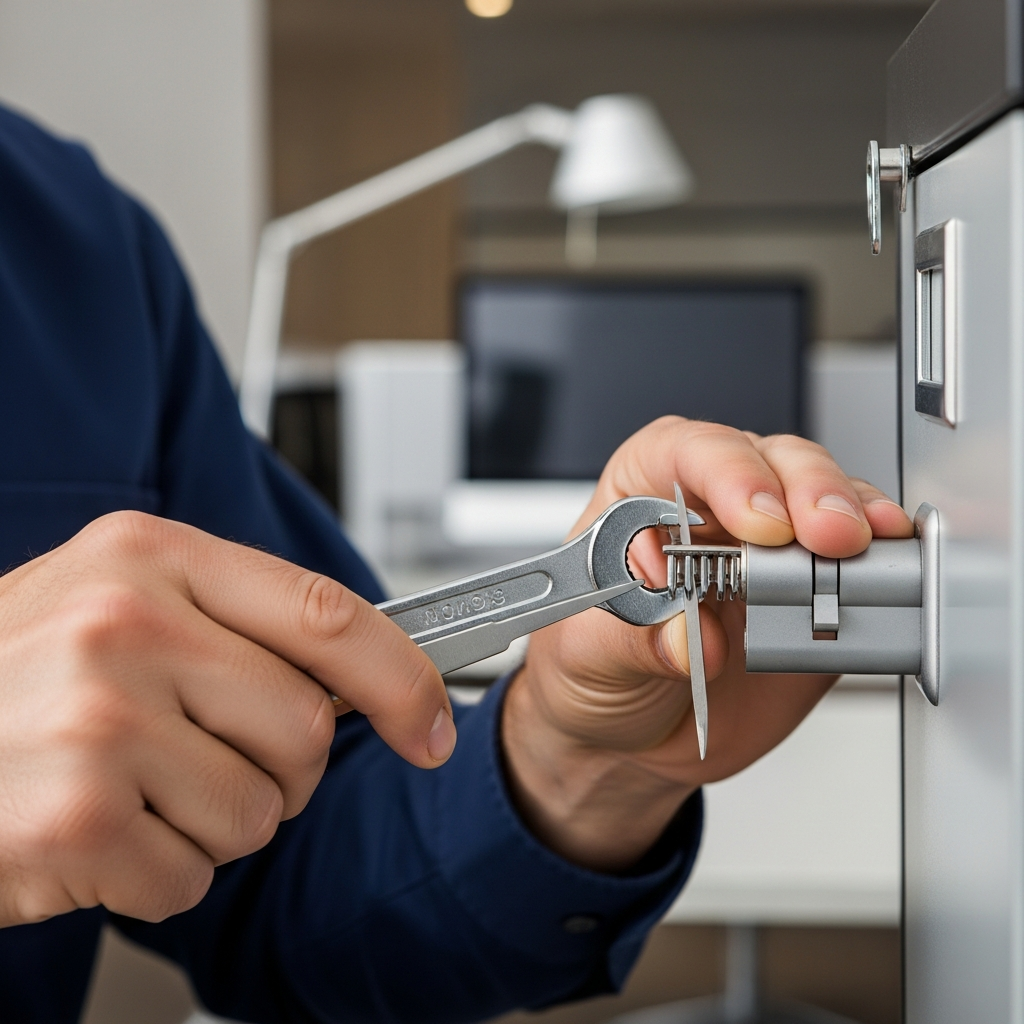
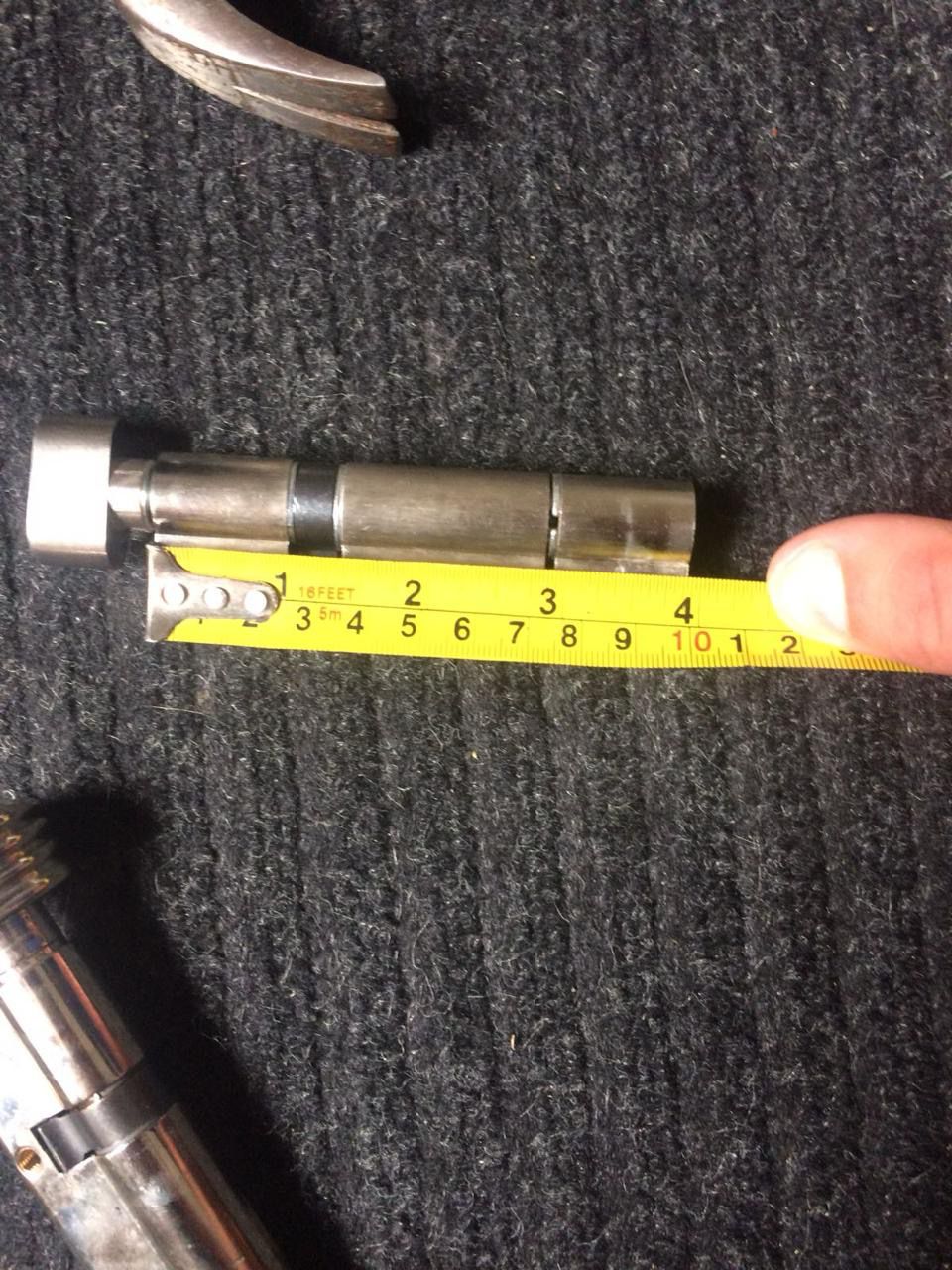
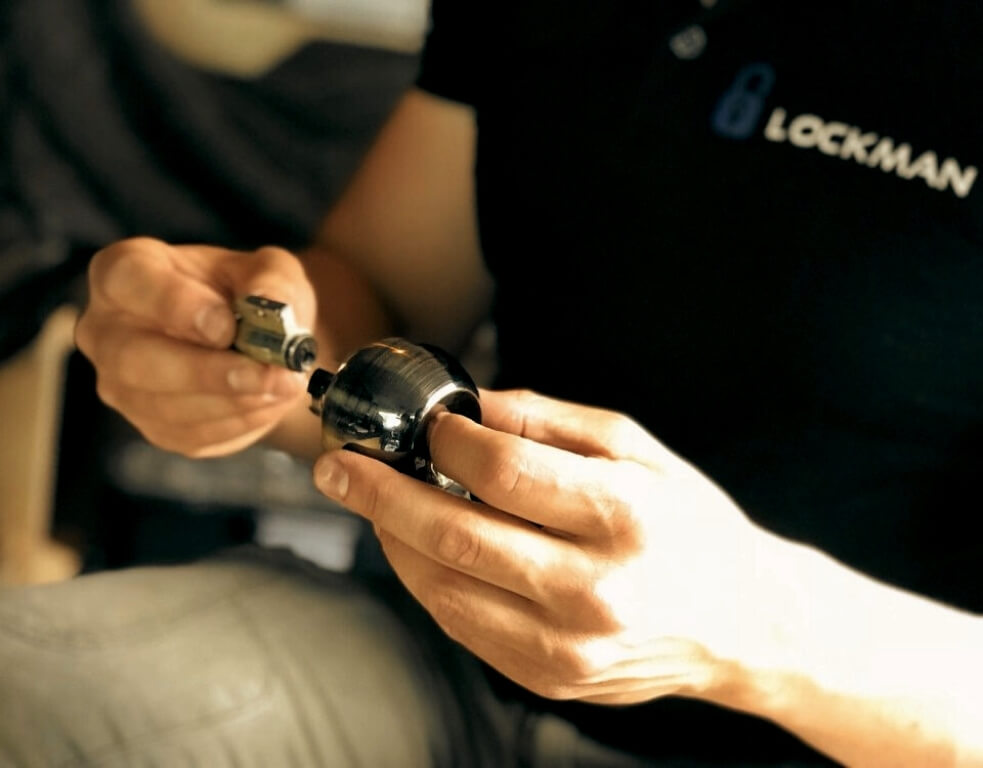
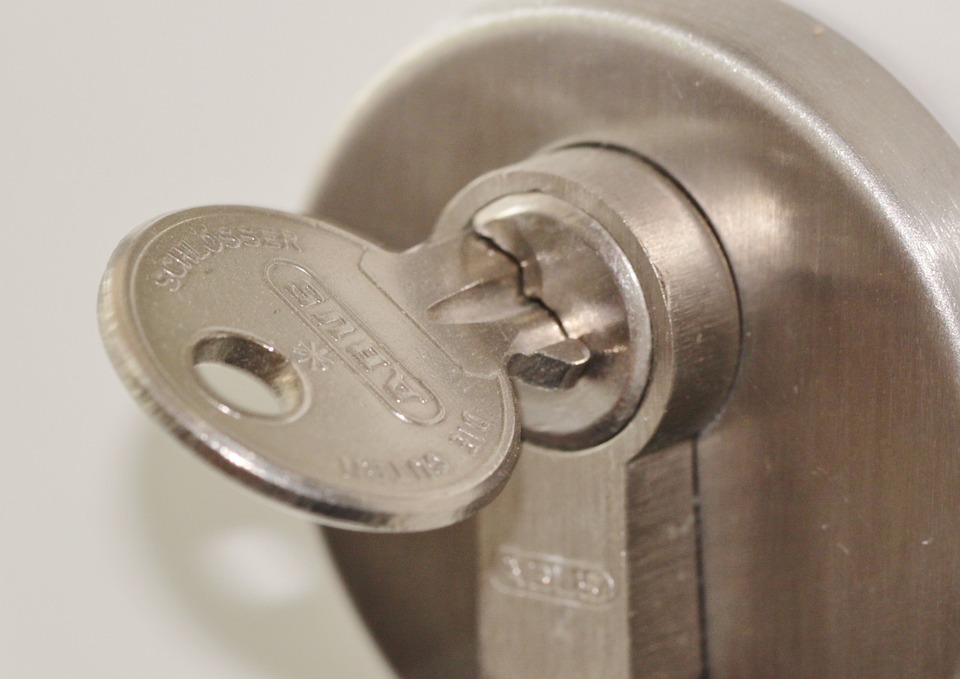
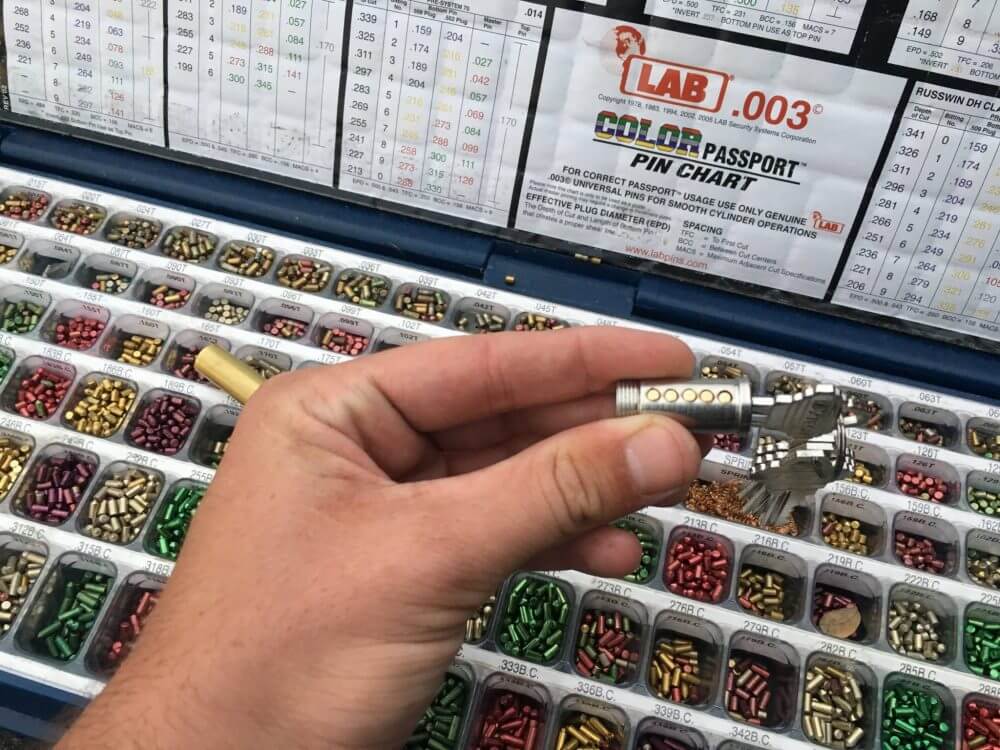
Photographs from GTA Lockman Mobile Locksmith Services work across Toronto and the GTA. Send a picture of your own door and we can tell you what the visit would involve.
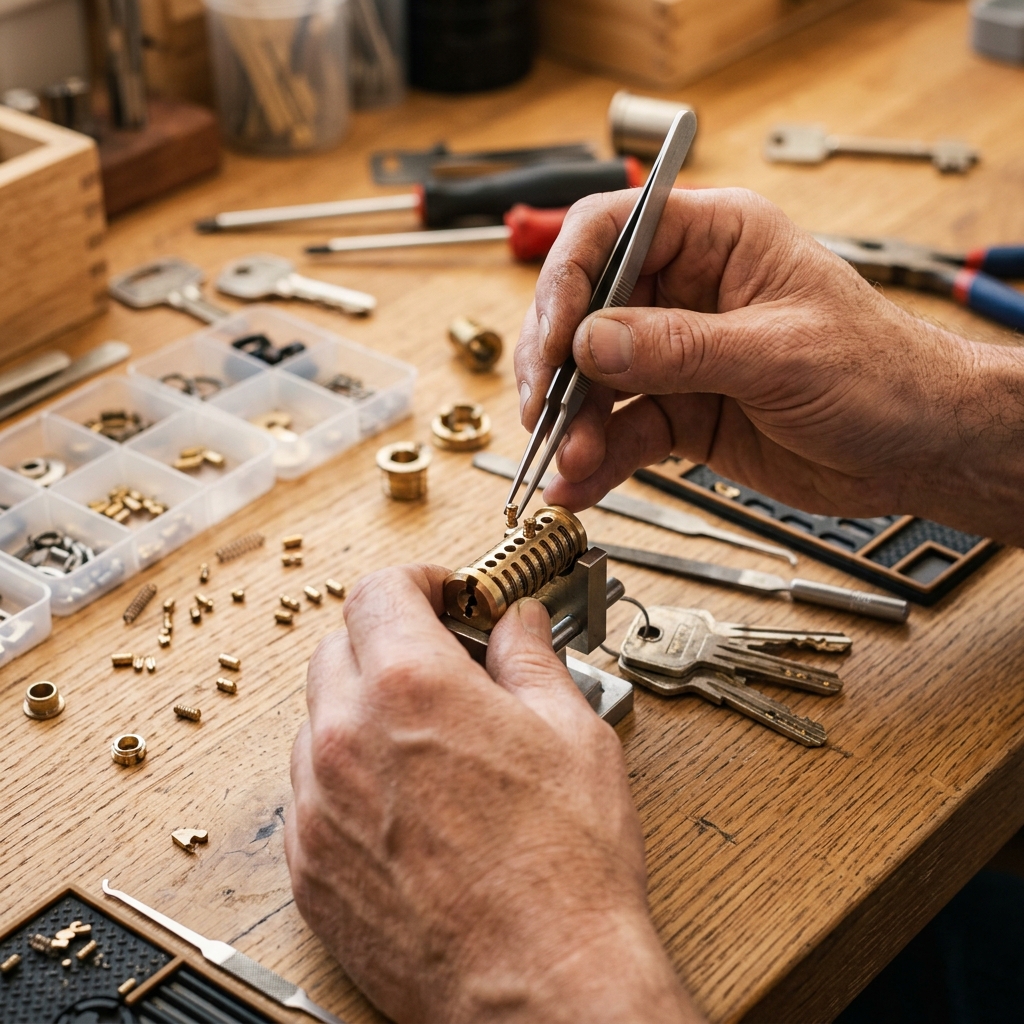
Whether or not keys came back, there is a reasonable argument for rekeying exterior cylinders between tenancies. You cannot know what was copied over several years, and the incoming tenant is entitled to a home nobody else can walk into.
Rekeying is usually cheaper and quicker than replacing hardware, and keeps the doors as they are, although worn hardware can change the answer, which is the point of rekey or replace: how to decide. If several units are involved, doing them together is more efficient than one at a time; see lock repair after tenant move-out.
A note in the file of when each unit was last rekeyed is worth keeping. It answers a question that comes up again every time a tenancy ends.
Return everything, get a receipt, and keep it with the rest of your tenancy paperwork for at least a year.
If you changed a cylinder during the tenancy, put the original back if you kept it, and say clearly what was changed. Leaving a lock the landlord has no key for creates a problem that will find its way back to you.
If you are moving into a new place, the same reasoning applies in reverse: you do not know who holds keys to your new home either; see rekey house locks after moving and lock changes after moving home.
Where one person leaves and others stay, the tenancy continues and the key question is narrower: that person's keys come back, and the household decides whether to rekey.
Rekeying after one roommate leaves is a judgement call about how the parting went and how many keys they had. If the departing person cut keys for a partner during the tenancy, the number of keys in circulation is larger than the handover suggests; see student rentals and shared houses.
Between tenancies, a unit sits empty with trades, cleaners and viewings coming through. That is a different access problem from a lived-in home and it deserves its own arrangement, usually a lockbox with a code that changes when the period ends; see vacant homes and properties between owners and contractor access during a renovation.
Do not leave the old tenant's key in that lockbox. Use a key that is retired when the new tenancy starts.
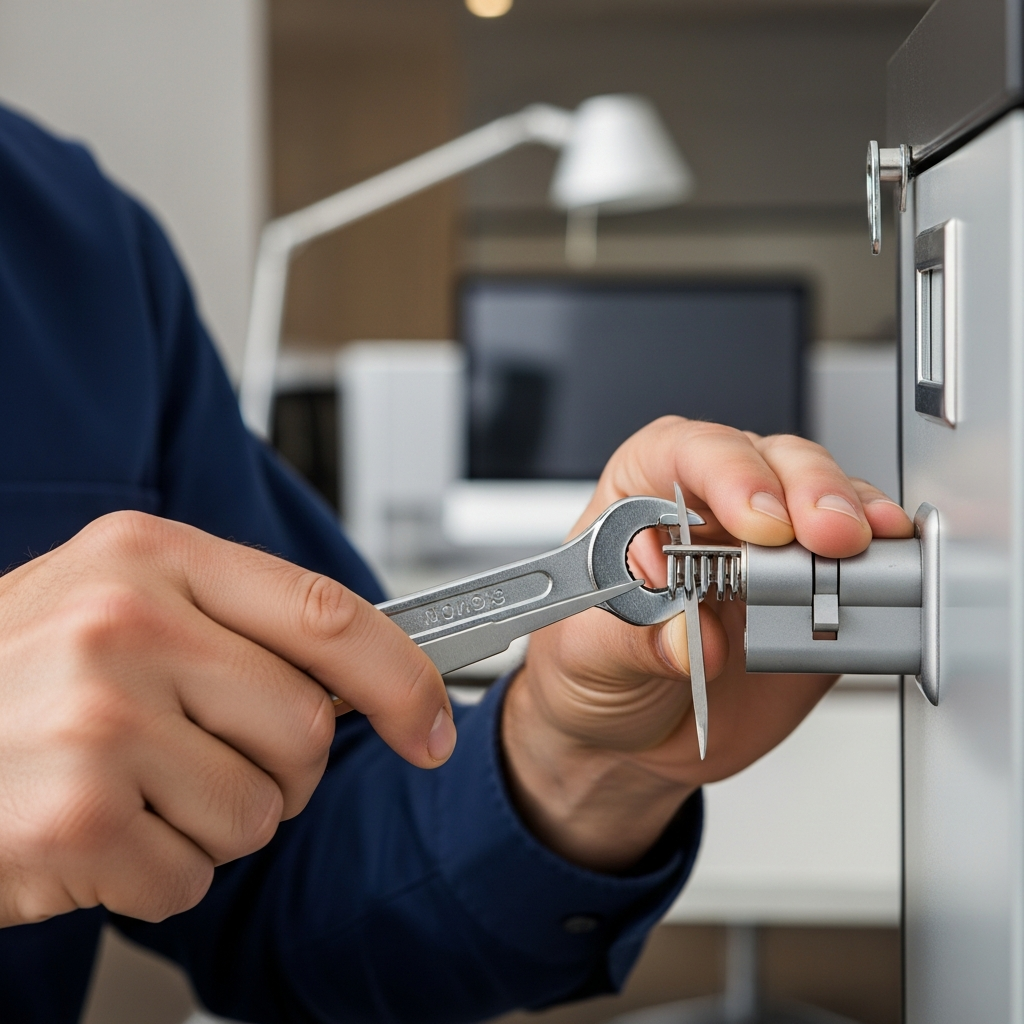
Rekey exterior cylinders between tenancies, usually keeping the existing hardware. Key several units so one master arrangement works for the landlord while each tenant's key opens only their own door. Replace hardware that has reached the end of its life rather than rekeying it. Provide a written record of what was changed and when, which is the document that settles questions later.
If a lock was changed during a tenancy and the original is gone, we can usually return the door to a standard arrangement; see lock changes in Toronto and the GTA.
Mechanical keys can be collected. Programmed credentials have to be deactivated, and that is a different task with a different owner.
A building fob is usually managed by the property manager, who can disable a specific fob without affecting anyone else. A garage remote may have no such control: many older openers simply respond to any remote that has been paired, so the only way to remove one is to clear the opener's memory and re-pair the remotes you still hold.
Ask at the end of every tenancy which credentials existed and whether each was returned or deactivated. A fob handed back and never disabled is still a working credential if it was copied, and cloning building fobs is straightforward with commonly available equipment.
Keep the deactivation date in the file alongside the key list. It is the part that gets forgotten, and it is the part that is not solved by a bundle of keys on the counter.
Where a tenancy ends badly, keep the key question separate from everything else in dispute. Returning keys professionally and getting a receipt costs a tenant nothing and removes one argument from a situation that may already have several. The same applies in reverse: a landlord who documents what came back has one fewer thing to reconstruct later.
Tell us how many units are involved, whether there is a master or building system, and when the new tenancy starts. If keys are missing, say how many and which doors they open.
If you also need to be sure who is entitled to arrange the work, the same checks apply as for proving you are entitled to enter.
Keep reading
Anything that opens anything: suite or house keys, building entrance keys, mailbox keys, garage remotes, fobs, laundry or locker keys, gate keys, parking passes, and any lockbox that was fitted. Fobs and remotes are the most commonly forgotten and often the most expensive to replace, because they come from a management office at a set fee.
Anything that opens anything: suite or house keys, building entrance keys, mailbox keys, garage remotes, fobs, laundry or locker keys, gate keys, parking passes, and any lockbox that was fitted. Fobs and remotes are the most commonly forgotten and often the most expensive to replace, because they come from a management office at a set fee.
Make a short written record at the time: item, quantity, date, signed or emailed, with a photograph of the keys laid out. End-of-tenancy key disputes are almost never about the keys themselves; they are about what was handed over and whether anyone can show it. One email prevents most of them.
Say so, and give the honest number even if it is uncertain. Keys get copied over a tenancy for ordinary reasons, and a landlord would rather hear "I think there were four" than a confident number that turns out to be wrong. The number that matters at the end is how many exist now, not how many were issued at the start.
In Ontario, deductions from a rent deposit are restricted, and the deposit is generally not a fund for costs to be taken from. Whether a tenant owes anything for missing keys is decided under the Residential Tenancies Act by the Landlord and Tenant Board, not by whoever is holding the money. That is where a genuine dispute belongs.
There is a good argument for it on exterior doors. You cannot know what was copied over several years, and an incoming tenant is entitled to a home nobody else can enter. Rekeying usually keeps the existing hardware and costs less than replacement. Keeping a note of when each unit was last rekeyed answers the same question every time a tenancy ends.
Their keys come back, and the rest is a judgement call about how the parting went and how many keys existed. If the person leaving cut a key for a partner during the tenancy, more keys are in circulation than the handover suggests. Rekeying one cylinder is a small job compared with the uncertainty.
Put the original back if you kept it, and tell the landlord plainly what was changed. Leaving a lock they have no key for creates a problem that comes back to you. If the original is gone, the door can usually be returned to a standard arrangement, and it is better to sort that out before the final inspection.
A lockbox with a code that is changed when the period ends, holding a key that is retired before the new tenancy starts. Do not leave the outgoing tenant's key in it. An empty unit with trades, cleaners and viewings coming through is a different access problem from a lived-in home and deserves its own arrangement.
GTA Lockman Mobile Locksmith Services is a mobile locksmith working on homes, businesses and vehicles across Toronto and the GTA, with more than 14 years in the trade. Every review is written by a customer on Google, where you can read them in full.
Areas served: Toronto, North York, Scarborough, Etobicoke, Vaughan, Richmond Hill, Markham, Stouffville, Newmarket, Mississauga, Brampton, Oakville, Milton, Halton Hills, Pickering, Ajax, Whitby, Oshawa, Uxbridge.
Describe the door, hardware and service address. Contact GTA Lockman Mobile Locksmith Services to confirm the scope and scheduling for your location.