Locksmith services are always 10% off for seniors.
Open Mon–Thu 8:30 AM–9 PM, Fri 8:30 AM–4 PM, Sun 9:30 AM–9 PM
Locksmith services are always 10% off for seniors.
Open Mon–Thu 8:30 AM–9 PM, Fri 8:30 AM–4 PM, Sun 9:30 AM–9 PM
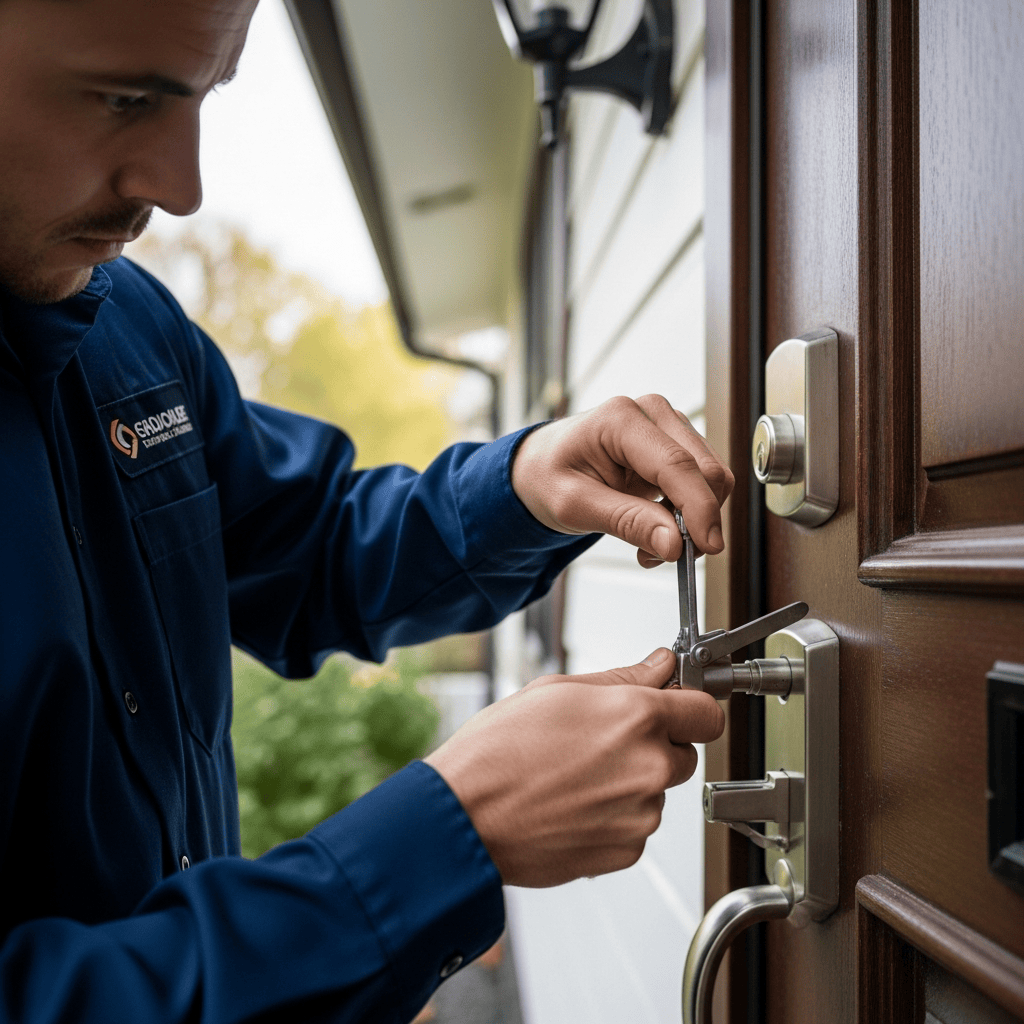
GTA Lockman Mobile Locksmith Services · Toronto & GTA
What Ontario tenancy rules say about changing locks, and how tenants and landlords usually handle it.
Related services
What a locksmith has to establish before opening a door, and what to have ready so the visit is not wasted.
Learn moreOrganize authorized hardware work and access records during a household change, with disputed rights resolved separately.
Learn moreReview every door the missing keys operated, then rekey or replace the locks that no longer control access.
Learn moreWhat a chain, bar or secondary lock adds, what it does not add, and where it must not stop an exit.
Learn moreSet up suite, shared and interior door locks that respect both households, safe exit and the tenancy rules.
Learn moreHand back every key that exists, record what changed, and settle the lock question before the deposit is.
Learn more
It is one of the most common questions from people renting in Ontario, and the short answer is: not without the landlord's agreement. Ontario's Residential Tenancies Act says a tenant must not alter the locking system on a door giving entry to the rental unit, or the residential complex, without the landlord's consent. It also says the landlord must not alter those locks during a tenancy without giving the tenant replacement keys.
Those two rules shape almost every lock question in a rental. This is general information, not legal advice. For a specific dispute, the Landlord and Tenant Board, a legal clinic or a paralegal can advise.
Tenants usually ask about changing locks for good reasons:
Each is a real security concern, and each can usually be solved with the landlord's cooperation.
The practical route is to ask the landlord in writing, explaining why. Many landlords agree readily, especially after a break-in or lost keys, and some prefer to arrange the work themselves so they can keep a key.
A written request, and a written answer, protects both sides. If the landlord agrees, confirm who pays, who arranges the locksmith, and that the landlord will receive a copy of the new key if they are entitled to one.
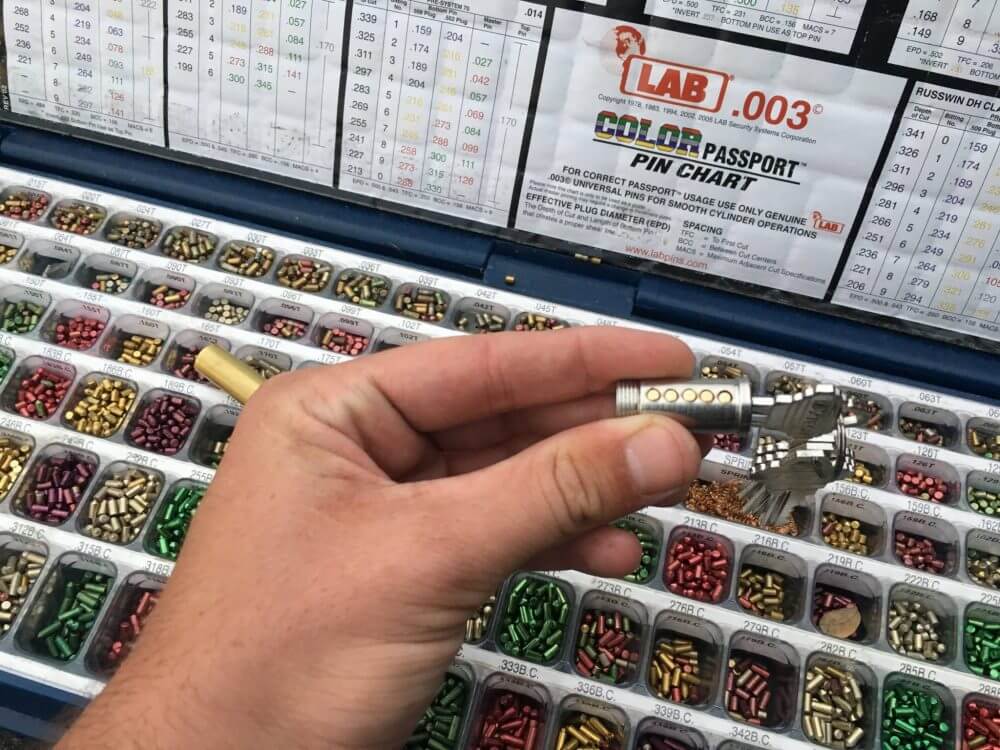
The work itself is usually simple. Rekeying the existing cylinder, so old keys stop working while the lock stays in place, is often the least costly option and keeps the door looking the same. Replacing the lock makes sense if it is worn or broken.
A locksmith will ask for proof that the person requesting the work lives at the address and, where it matters, confirmation of the landlord's consent. The reasons for those checks are the same as those behind proving you are entitled to enter.
When a former partner who is not on the lease still has a key, or when one tenant has left a shared unit, the situation is more pressing for the person remaining. The landlord's consent is still needed to change the locking system, but many landlords respond professionally in these situations. Where there are safety concerns, the police and victim support services can help, and in some circumstances a tenant can end a tenancy early under the Act for reasons of domestic or sexual violence. The steps for the lock itself are the same as those for lock changes after separation.
Photos
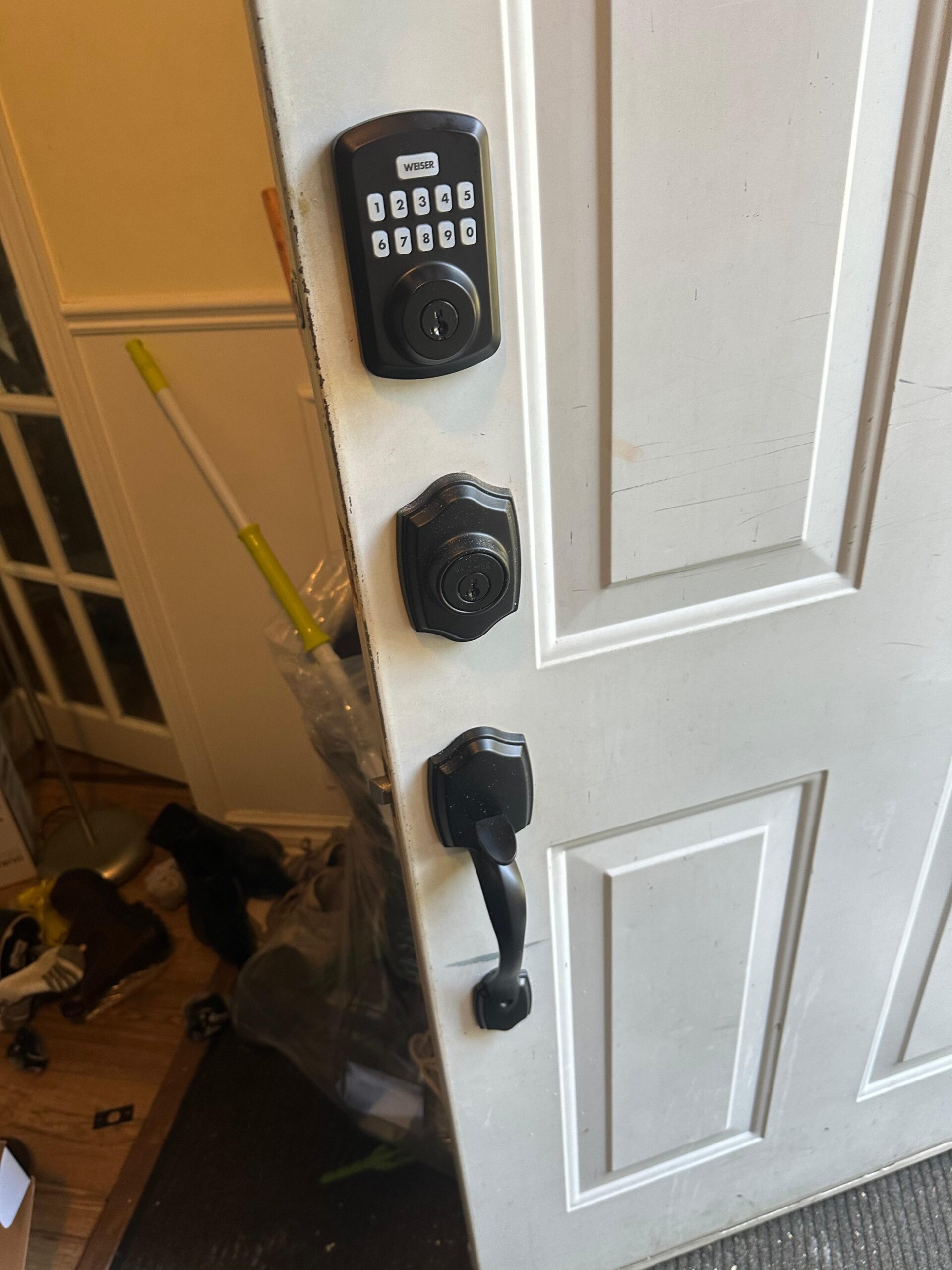
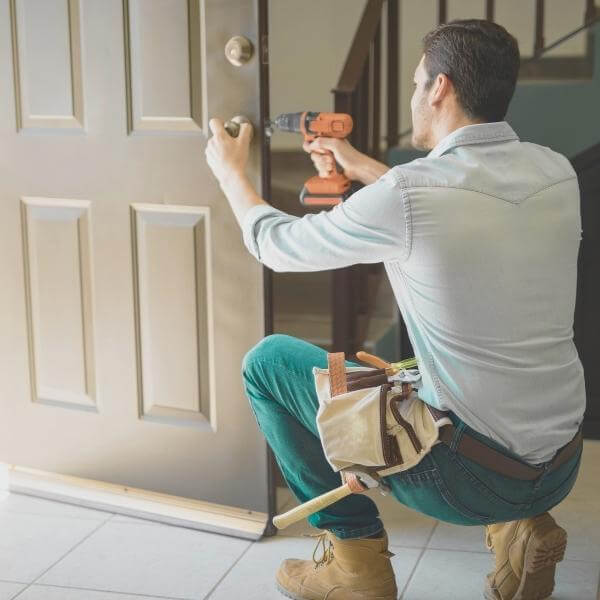
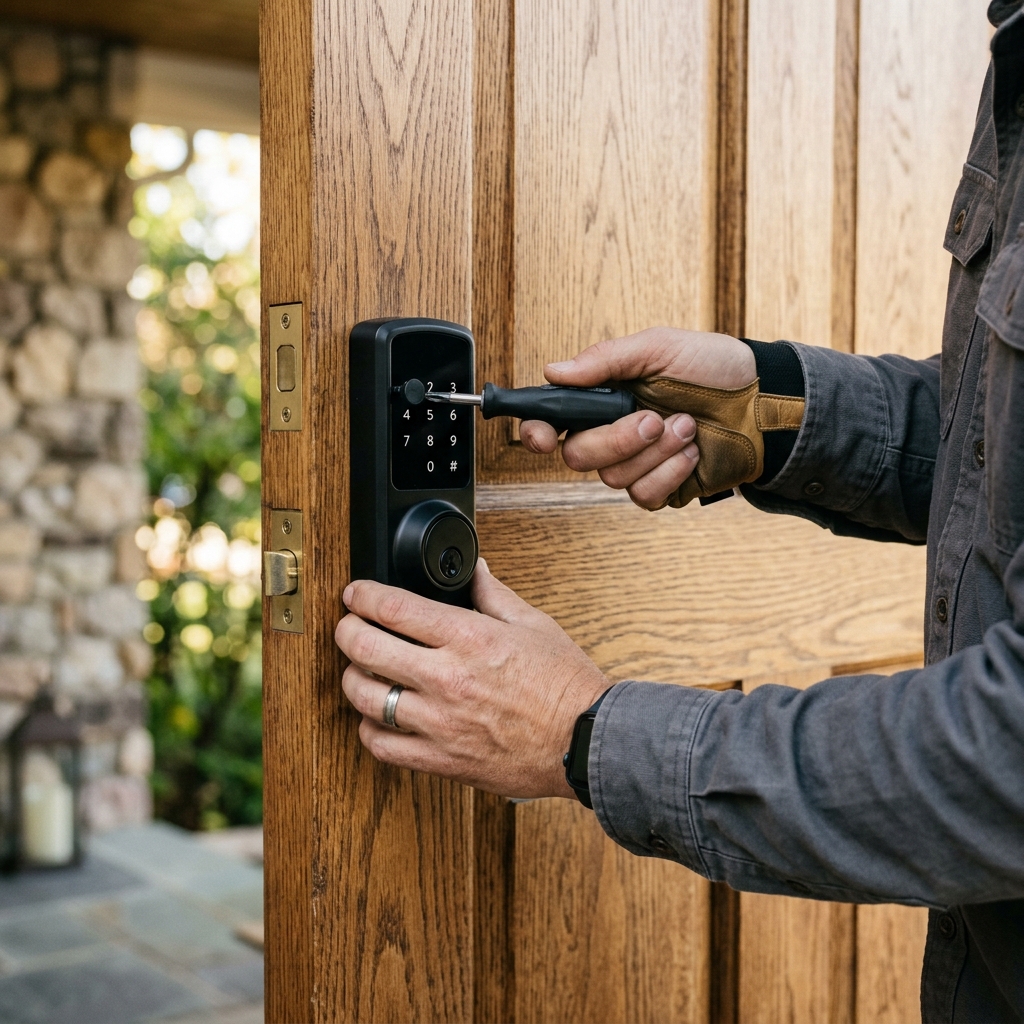
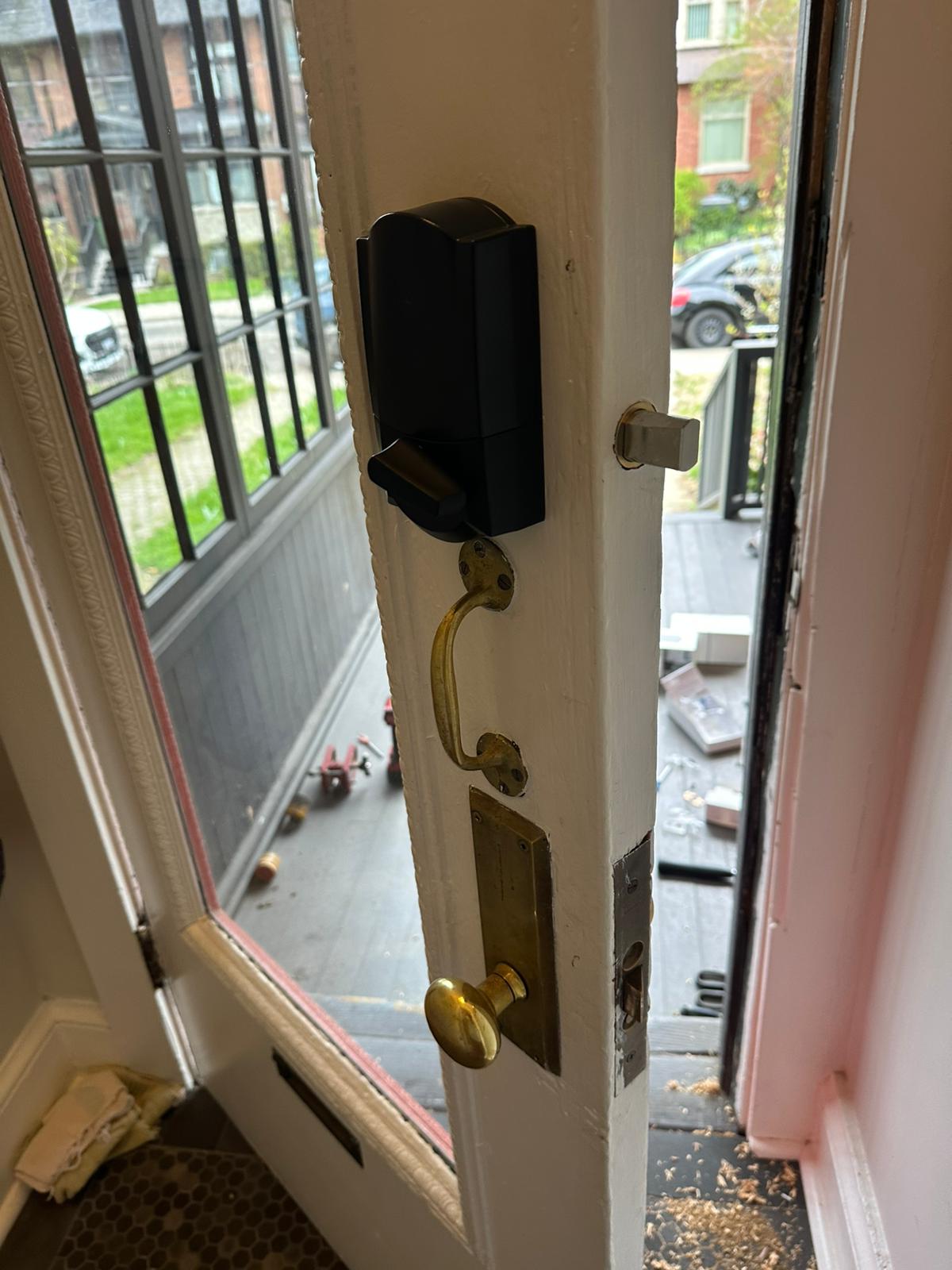
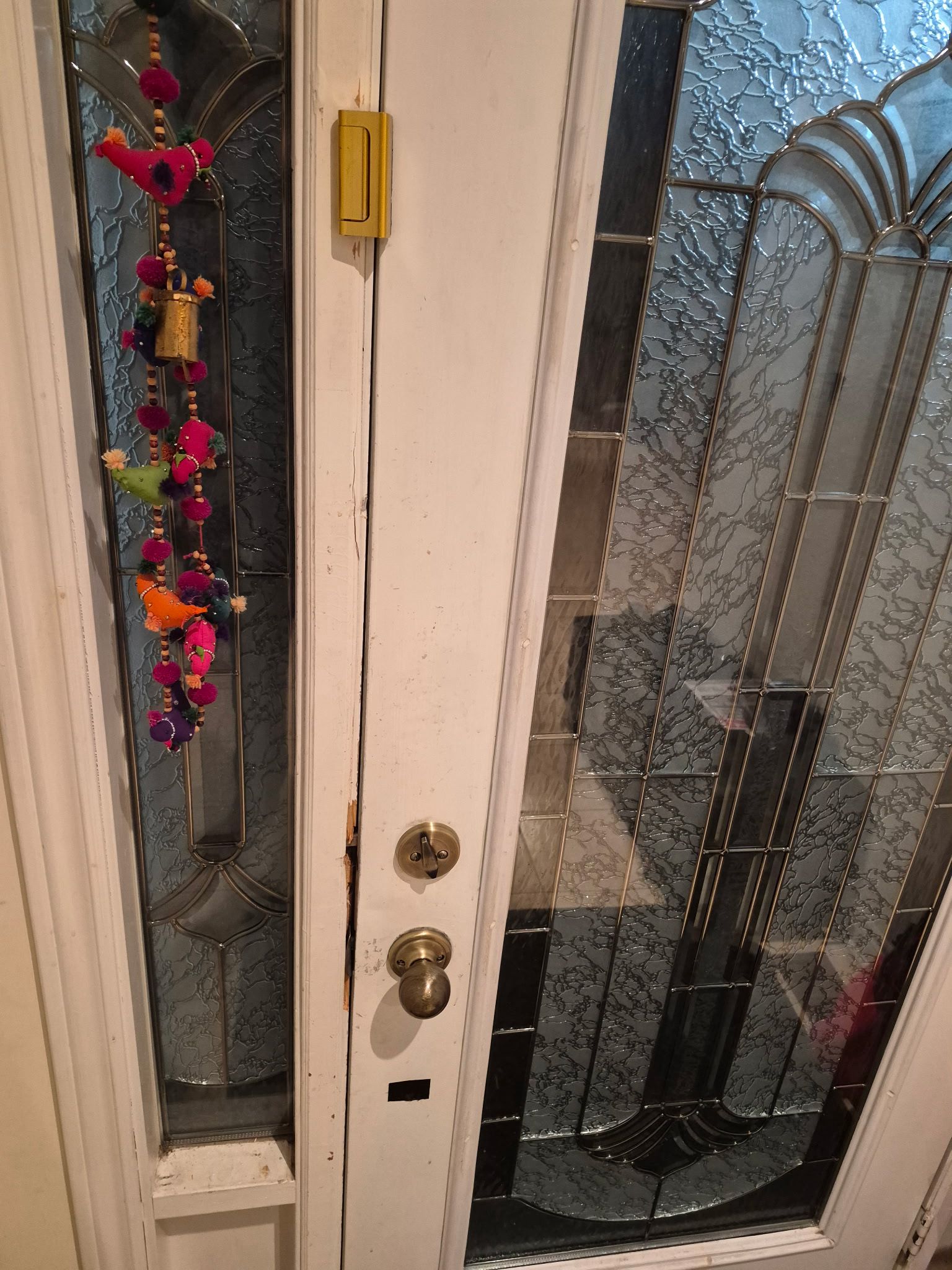
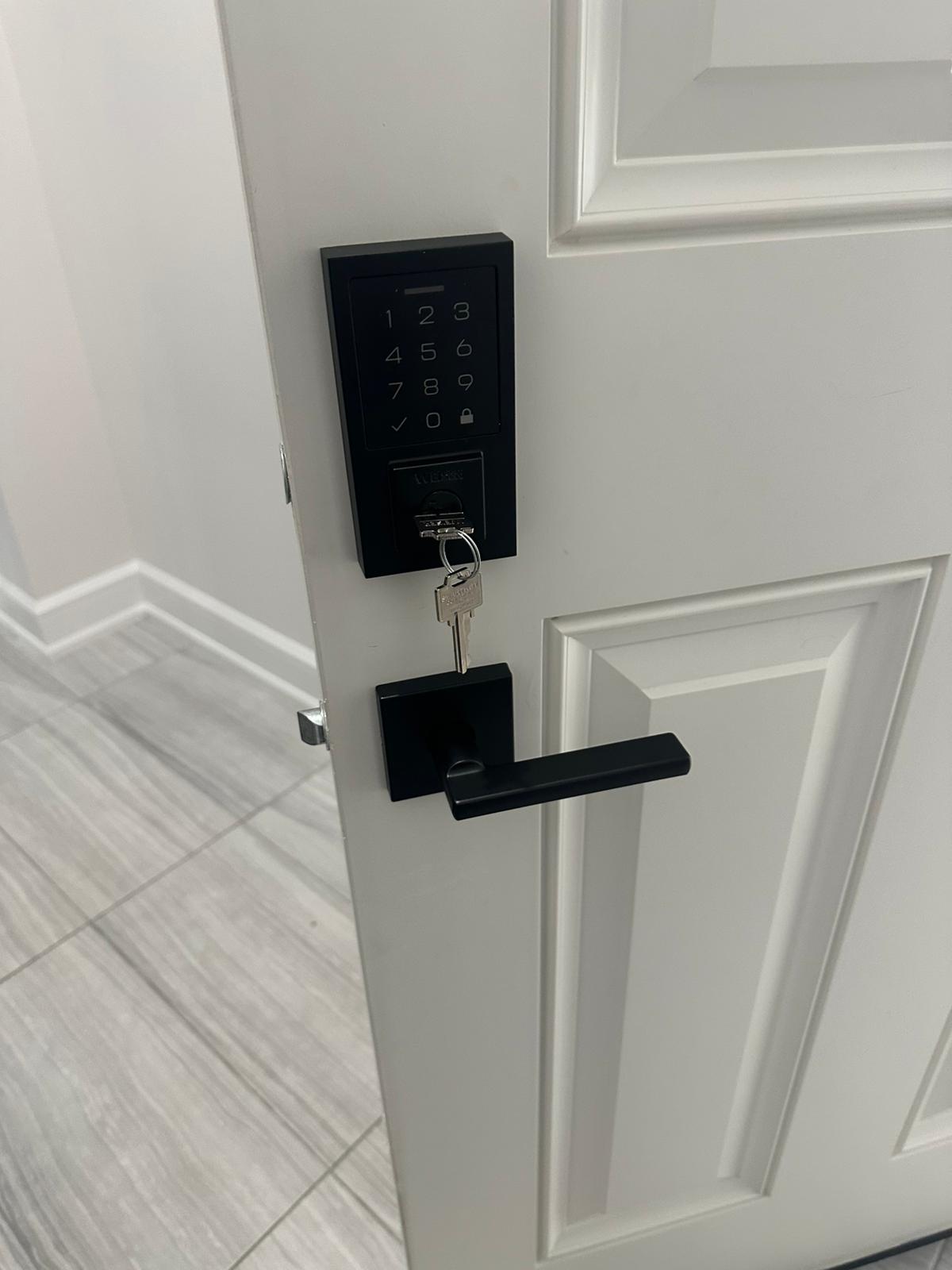
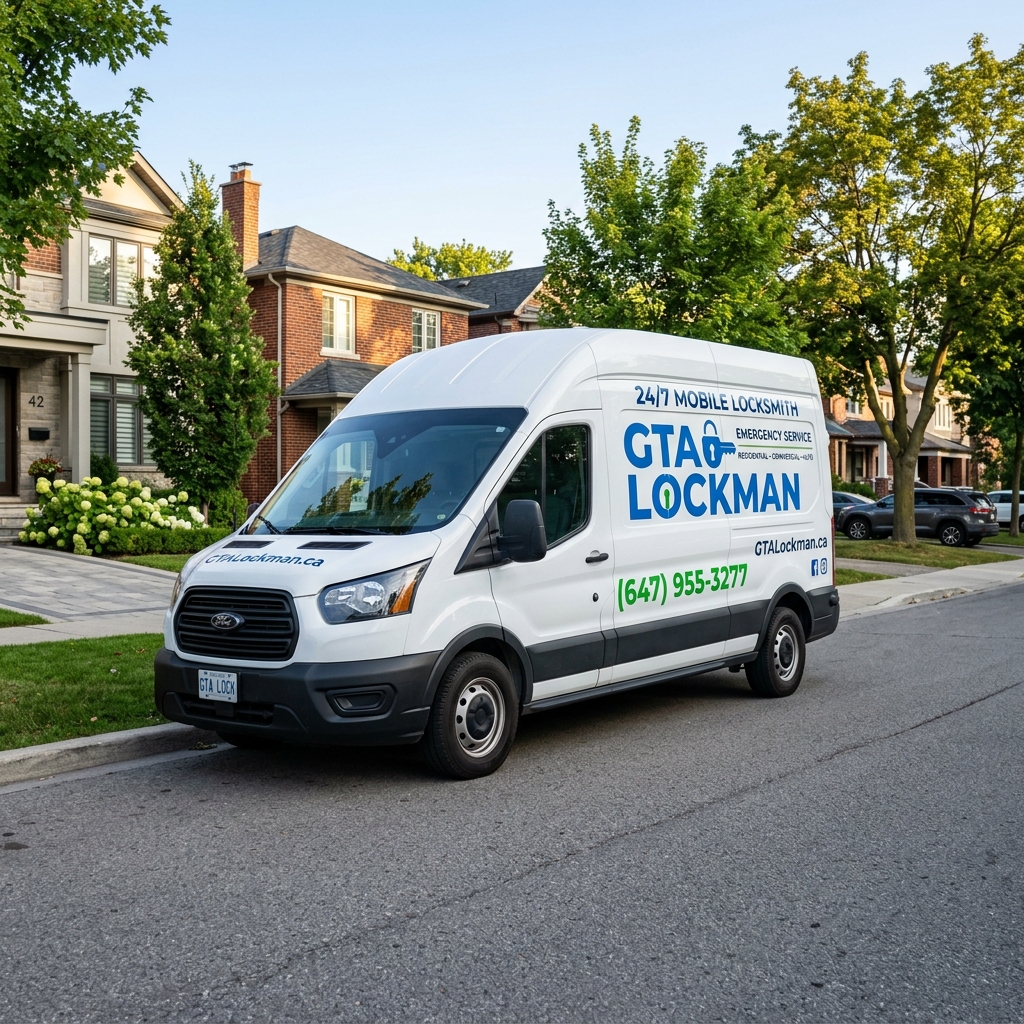
Photographs from GTA Lockman Mobile Locksmith Services work across Toronto and the GTA. Send a picture of your own door and we can tell you what the visit would involve.
If keys to the unit are lost or stolen, tell the landlord professionally. A stolen key with the address attached is a real risk, and most landlords will agree to rekeying. Who pays often depends on the lease and on how the key was lost. The practical steps once a key is gone mirror those for a lock change after lost keys.
A lock that does not work is a maintenance issue, and in Ontario landlords are generally responsible for keeping rental units in a good state of repair, which includes locks. Report the problem in writing. If the landlord does not respond, the Landlord and Tenant Board is the route for maintenance disputes.
Tenants sometimes want a chain, a door bar or a secondary lock on the inside. Anything that alters the locking system on the entry door still needs the landlord's consent, and a device that cannot be released easily from inside is a fire hazard. Inside-only devices that do not change the lock may be treated differently, but it is worth asking the landlord before drilling into the door. The safety considerations are the same as those for door chains and secondary locks.
In a basement apartment, the entrance to the unit and the door between the unit and the main house both matter. Tenants in a basement unit should have their own lockable entrance, and the connecting door to the main house, if there is one, should be lockable from the tenant's side. The details differ from building to building, and the options for those doors are part of basement apartment entrance locks and connecting doors between units.
In shared houses and student rentals where each tenant rents a room, bedroom door locks raise the same consent questions, as noted for student rentals and shared houses.
When a tenancy ends, the tenant returns every key. If a tenant changed the locks with the landlord's permission, the landlord should receive the working keys. Landlords usually rekey between tenancies so the next tenant starts with locks only they and the landlord can open, which is the other half of returning keys at the end of a tenancy.
In a rented condo suite, the unit owner is the landlord, but the condo corporation may control the suite door hardware and building access. Changes may need both the owner's consent and compliance with the corporation's rules, and fobs are managed by the building.
The landlord usually holds a key to the unit. Under Ontario's rules, the landlord must generally give the tenant written notice before entering, with limited exceptions set out in the Act, such as where the tenant consents. Holding a key does not give a landlord the right to enter at will.
When a landlord changes the locks during a tenancy, for example after a break-in or at the tenant's request, the tenant must be given replacement keys. Locking a tenant out without a lawful eviction process is not permitted. Evictions are carried out by the Sheriff under an order from the Landlord and Tenant Board, and a locksmith attending an eviction does so at the Sheriff's direction.
A short written message is usually enough: "The deadbolt on the unit door is worn and does not lock reliably. May I have it rekeyed, and I will give you a copy of the new key?" Or: "My keys were stolen with my bag, which had my address in it. Can the lock be rekeyed?" Most landlords agree, and many will arrange the work themselves.
If the landlord refuses and the issue is maintenance, the tenant can apply to the Landlord and Tenant Board. If the issue is safety after a relationship ends, the tenant should explain the circumstances and, where appropriate, involve the police.
Smart locks and keypad locks are increasingly common in rental units, and the same consent rules apply to installing one. They also raise new questions: who holds the master code, whether the landlord can see an access log, and how the code is changed between tenants. Agreeing these points in writing when a smart lock is installed avoids disagreements later.
A new tenant can reasonably ask the landlord a few questions at the start of a tenancy: when were the locks last rekeyed, how many keys to the unit exist, who holds them, and whether the landlord will rekey between tenancies. Many landlords rekey as a matter of course. Where they do not, a tenant can ask for it in writing, explaining that they want to be sure previous tenants no longer have working keys.
In an apartment building, the tenant may also have a mailbox key, a building entrance key or fob, and keys for storage or laundry rooms. These are usually controlled by the landlord or building management, and changing them follows the building's own process. Community mailboxes are handled by Canada Post rather than the landlord or a locksmith.
For a tenant or landlord, rekeying is usually the practical choice. The cylinder is changed so old keys no longer work, but the lock itself stays in place, which keeps costs down and leaves the door unchanged. Replacement makes sense when the lock is worn, broken or too light for an entrance door. Either way, the landlord should end up with a working key, and the tenant with the agreed number of keys.
Tenants sometimes want to give a key to a caregiver, a dog walker or a family member. Copying a key to the unit is generally a matter for the lease; some leases restrict it, and some locks use restricted keyways that cannot be copied without authorisation. Asking the landlord, and keeping a note of who holds copies, avoids problems when the tenancy ends and every key has to come back.
Landlords benefit from rekeying between tenancies, keeping a record of how many keys exist for each unit, and responding professionally to reasonable requests after lost or stolen keys. A tenant who feels safe in the unit is more likely to stay, and a clear key record makes the next turnover easier.
Tell us the address, confirm that you live there, and let us know whether the landlord has agreed. If the landlord is arranging the work, they can contact us directly.
We can rekey or replace the lock, supply the agreed number of keys to the tenant and the landlord, and fit secondary locks where the landlord approves. Landlords managing several units can arrange the work through our residential locksmith services.
Keep reading
No. Under Ontario's Residential Tenancies Act, a tenant must not alter the locking system on a door giving entry to the rental unit or complex without the landlord's consent. Ask in writing and keep the reply.
No. Under Ontario's Residential Tenancies Act, a tenant must not alter the locking system on a door giving entry to the rental unit or complex without the landlord's consent. Ask in writing and keep the reply.
During a tenancy, the landlord must not alter the locking system without giving the tenant replacement keys. If this happens, the Landlord and Tenant Board is the place to raise it.
It often depends on the lease and how the key was lost. Many landlords ask the tenant to pay where keys were lost through the tenant's own carelessness. Agree it in writing before the work is done.
Landlords in Ontario are generally responsible for keeping rental units in good repair, which includes locks. Report the problem in writing.
Anything that alters the locking system on the entry door needs the landlord's consent. Any inside device must release easily without a key, so it does not trap anyone in a fire.
Ask the landlord to change or rekey the lock, explaining the situation. Many landlords act professionally. Where there are safety concerns, contact the police and victim support services.
Yes. Expect to show that you live at the address and, where needed, that the landlord has consented. Those checks protect tenants as much as anyone.
No. It is general information about how lock changes usually work in Ontario rentals. For a specific situation, contact the Landlord and Tenant Board, a legal clinic or a paralegal.
GTA Lockman Mobile Locksmith Services is a mobile locksmith working on homes, businesses and vehicles across Toronto and the GTA, in the trade since 2010. Every review is written by a customer on Google, where you can read them in full.
Areas served: Toronto, North York, Scarborough, Etobicoke, Vaughan, Richmond Hill, Markham, Stouffville, Newmarket, Mississauga, Brampton, Oakville, Milton, Halton Hills, Pickering, Ajax, Whitby, Oshawa, Uxbridge.
Describe the door, hardware and service address. Contact GTA Lockman Mobile Locksmith Services to confirm the scope and scheduling for your location.