Locksmith services are always 10% off for seniors.
Open Mon–Thu 8:30 AM–9 PM, Fri 8:30 AM–4 PM, Sun 9:30 AM–9 PM
Locksmith services are always 10% off for seniors.
Open Mon–Thu 8:30 AM–9 PM, Fri 8:30 AM–4 PM, Sun 9:30 AM–9 PM
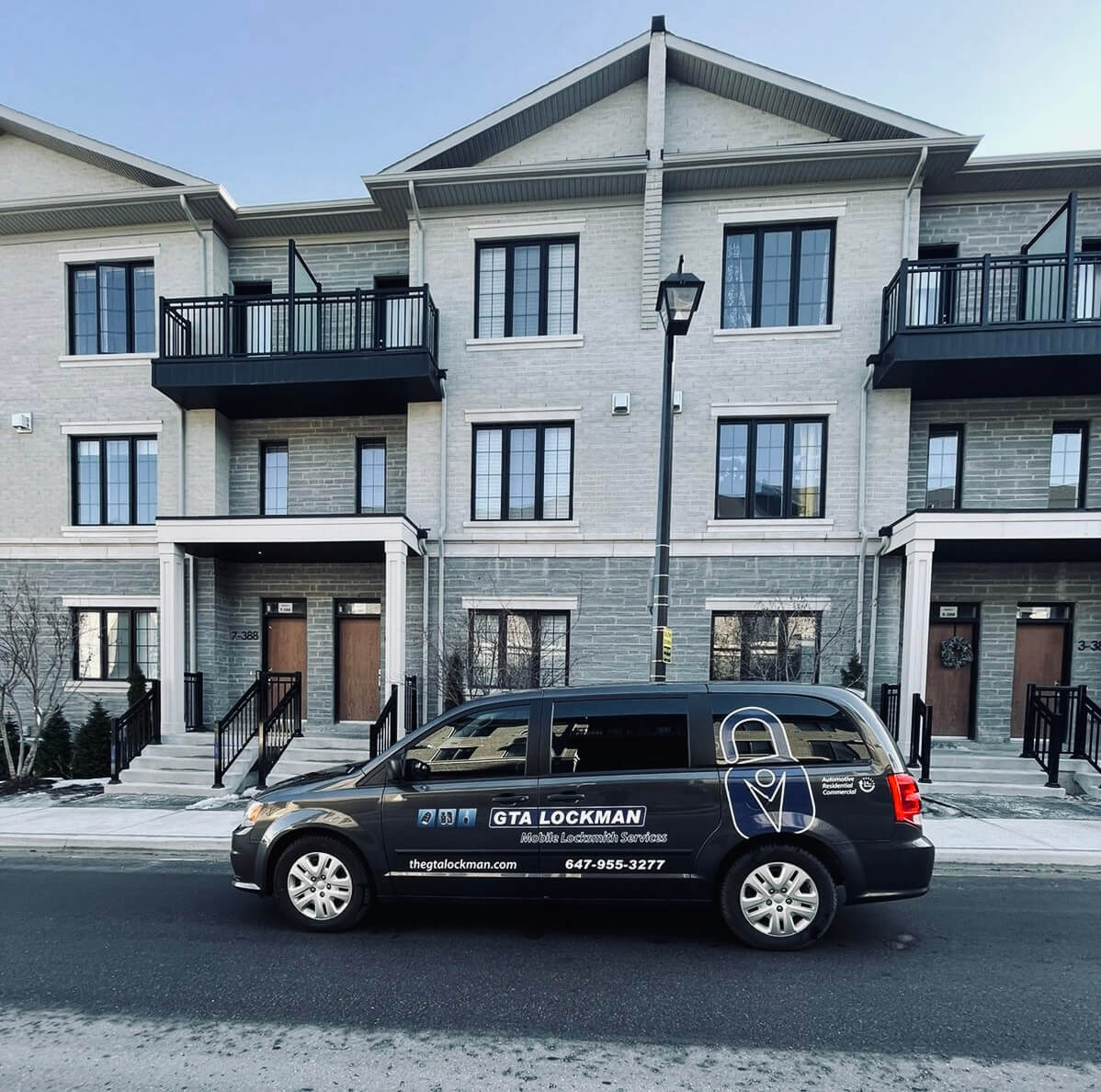
GTA Lockman Mobile Locksmith Services · Toronto & GTA
Keep track of who holds keys in a shared house, and handle bedroom doors and move-outs properly.
Related services
Set up suite, shared and interior door locks that respect both households, safe exit and the tenancy rules.
Learn moreSeparate mechanical repairs from key-control changes and document the condition of each affected opening.
Learn moreDecide who can enter your home, use codes or keys that can be withdrawn, and keep a record you can check.
Learn moreReview every door the missing keys operated, then rekey or replace the locks that no longer control access.
Learn moreKeep suitable hardware while changing which keys operate your new home’s locks.
Learn moreRegain entry to a suite while respecting building rules, fire-rated doors and the access arrangements of the property.
Learn more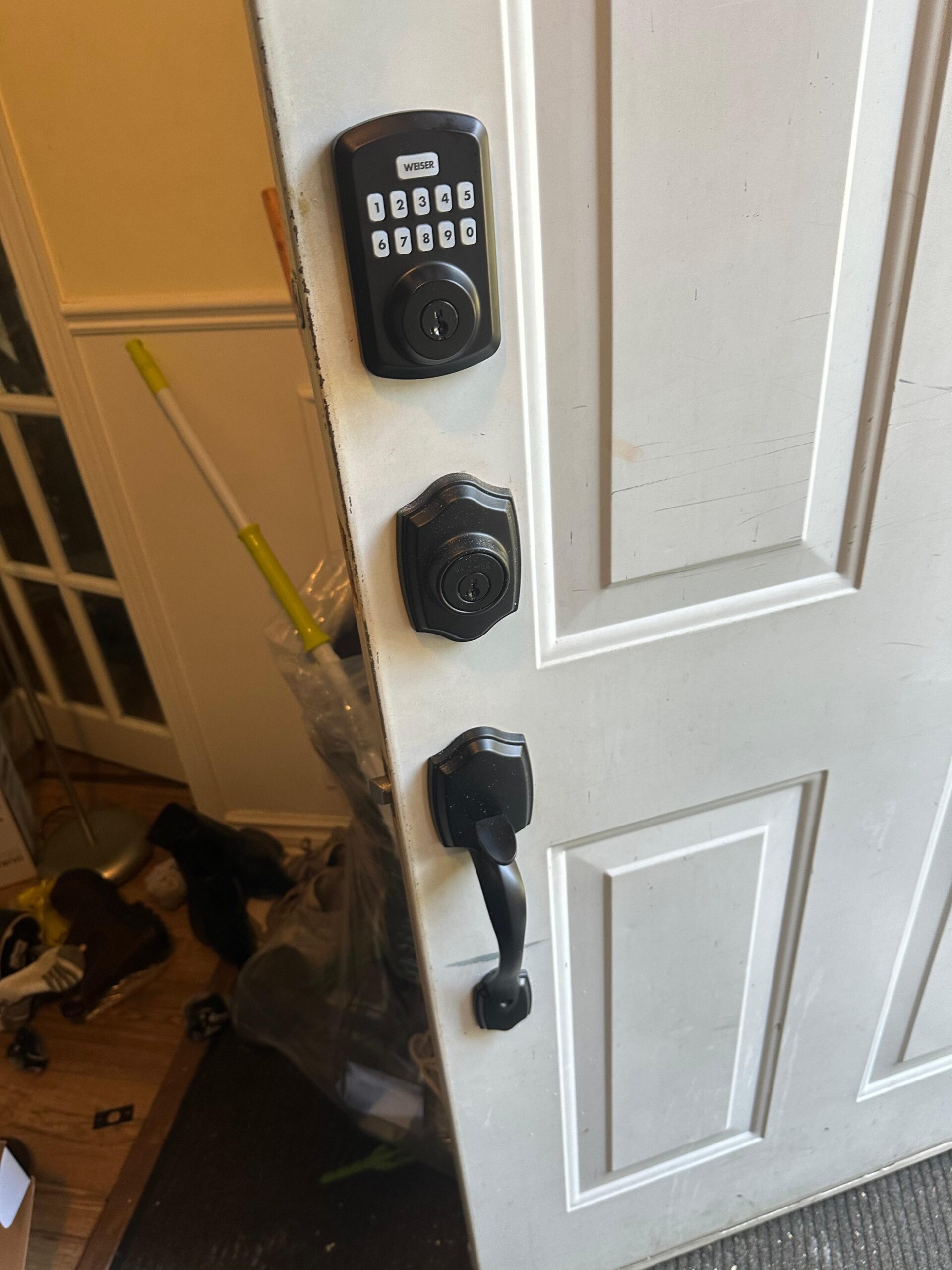
Student rentals and shared houses concentrate every awkward key situation into one property. Several people hold keys to the same front door. Tenants change at the end of each academic year, often one room at a time. Keys get copied for partners and friends. Bedroom doors may or may not lock, and nobody is sure who is responsible for what.
None of that is unusual or anyone's fault. It is what happens when a house has five separate households living in it under one lease or several. The answer is not stricter rules but a clear arrangement that everyone understands: who holds which key, what happens when someone leaves, and which doors are whose responsibility.
The same questions come up for tenants, for parents helping a student move in, and for landlords running shared properties across the GTA.
Start with a count. How many keys exist for the front door, and who has each one? Include past tenants, a landlord, a property manager, a cleaner if one comes, and anyone who was given a key for a weekend and never gave it back.
In most shared houses, that count cannot be completed, which is the useful finding. Where keys are unaccounted for, rekeying the front door cylinder makes the old keys stop working while keeping the hardware; see rekey or replace and lock changes after lost keys.
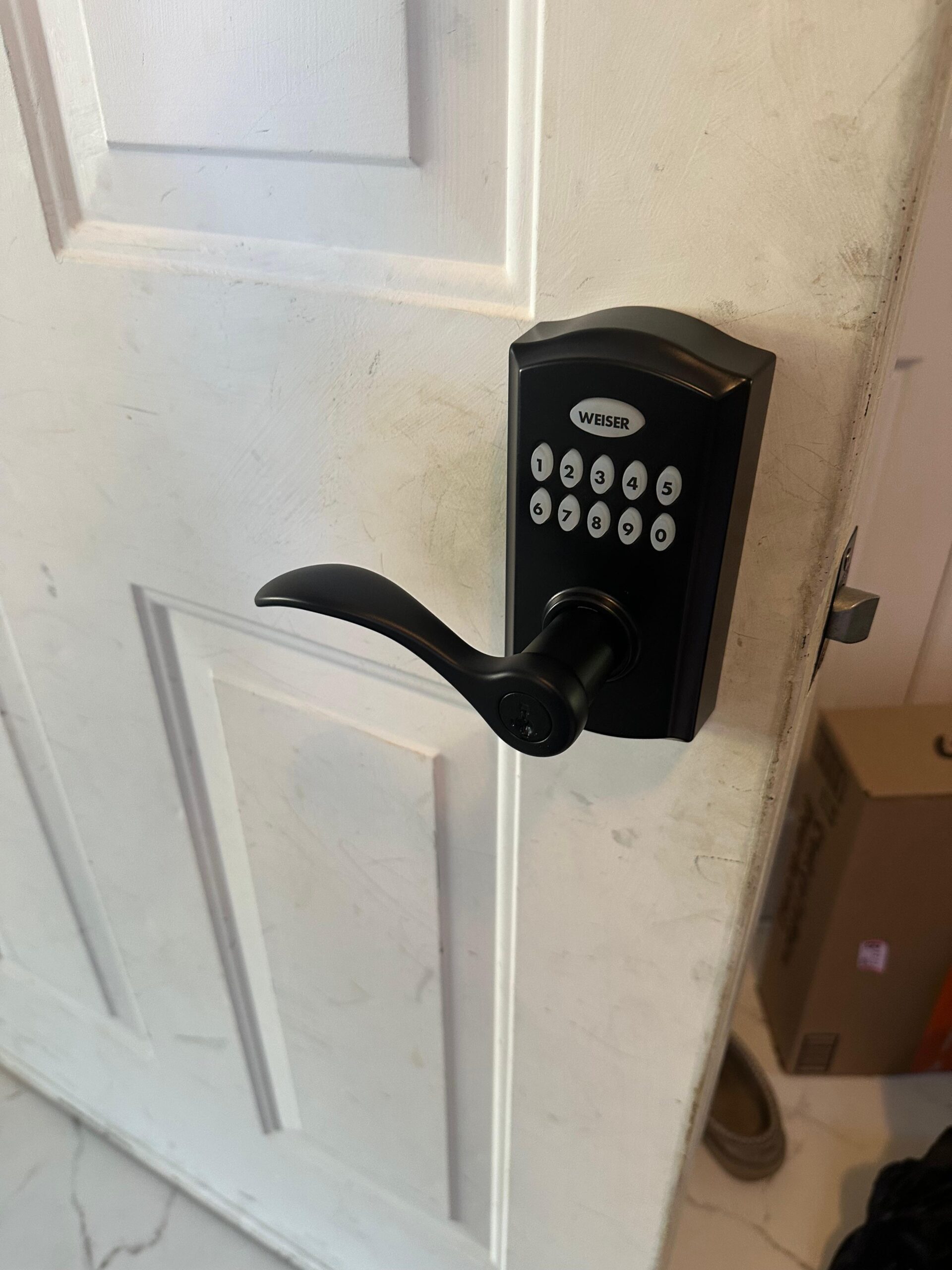
A keypad deadbolt suits shared houses well, because each person can have a code and a code can be removed when someone moves out without cutting new keys for everyone else. Codes are simple to manage on a keypad lock, and the backup key still matters.
In many shared houses, each tenant wants a lock on their own room. Whether that is allowed depends on the lease and on the residential tenancy rules that apply, and it is worth agreeing in writing rather than fitting something and hoping.
Practical points: a bedroom lock should never prevent the occupant leaving the room, the landlord may need access under the notice rules, and a privacy set is not a security lock. The difference between a privacy set and a keyed lever is worth understanding before fitting interior privacy locks to a bedroom.
Do not change or add a lock to a bedroom door without the landlord's agreement. Equally, a landlord should not remove a tenant's agreed lock without following the proper process.
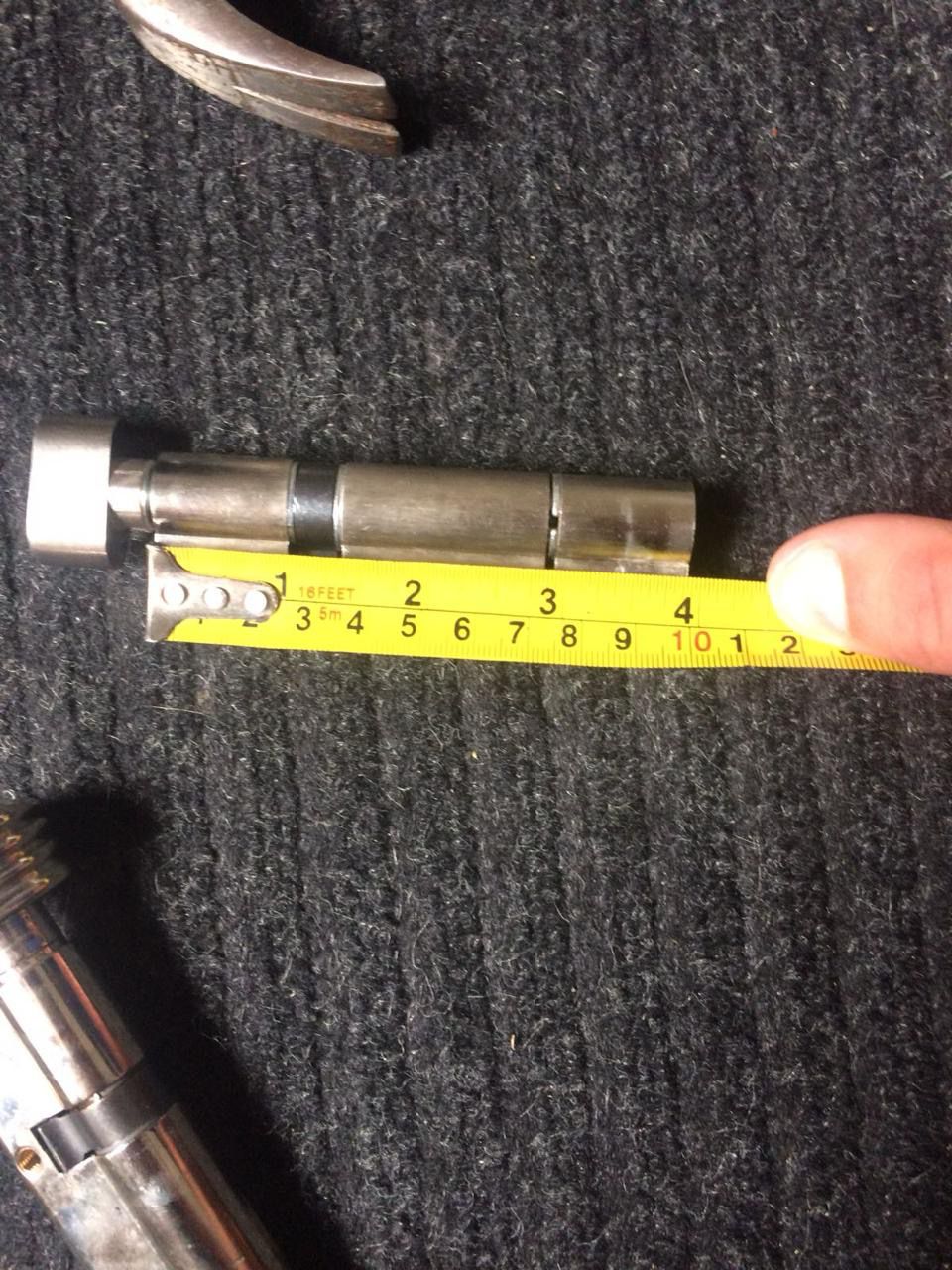
The mid-year room change is the moment shared houses lose track of access. The person leaving may hold a front door key, a bedroom key, a mailbox key and possibly a garage or shed key.
Collect them against a list, and if any cannot be returned, rekey the affected doors. Where several people share the lease, agree who pays for that before it happens, so the cost is not a source of conflict later. The landlord's side of the same handover is lock repair after a tenant moves out.
Remove keypad codes and app access on the day they leave. A code that still works is easy to overlook because nothing physical needs to be collected.
Shared houses usually have a back or side door, a basement entrance, a garage and sometimes a separate basement suite. These are used less, checked less and are often where the lock has been failing for months.
Test each exterior door closed: the latch should catch on its own, and the deadbolt should throw fully without the door being pushed or lifted. If either fails, the fault is usually alignment, fixed through side and back door lock repair or the same work that cures a front door that will not lock. Report anything that will not lock to the landlord in writing.
If the property has a basement apartment or a separate suite, the arrangement between households needs its own thought; see basement apartment entrance locks.
Photos
Photographs from GTA Lockman Mobile Locksmith Services work across Toronto and the GTA. Send a picture of your own door and we can tell you what the visit would involve.
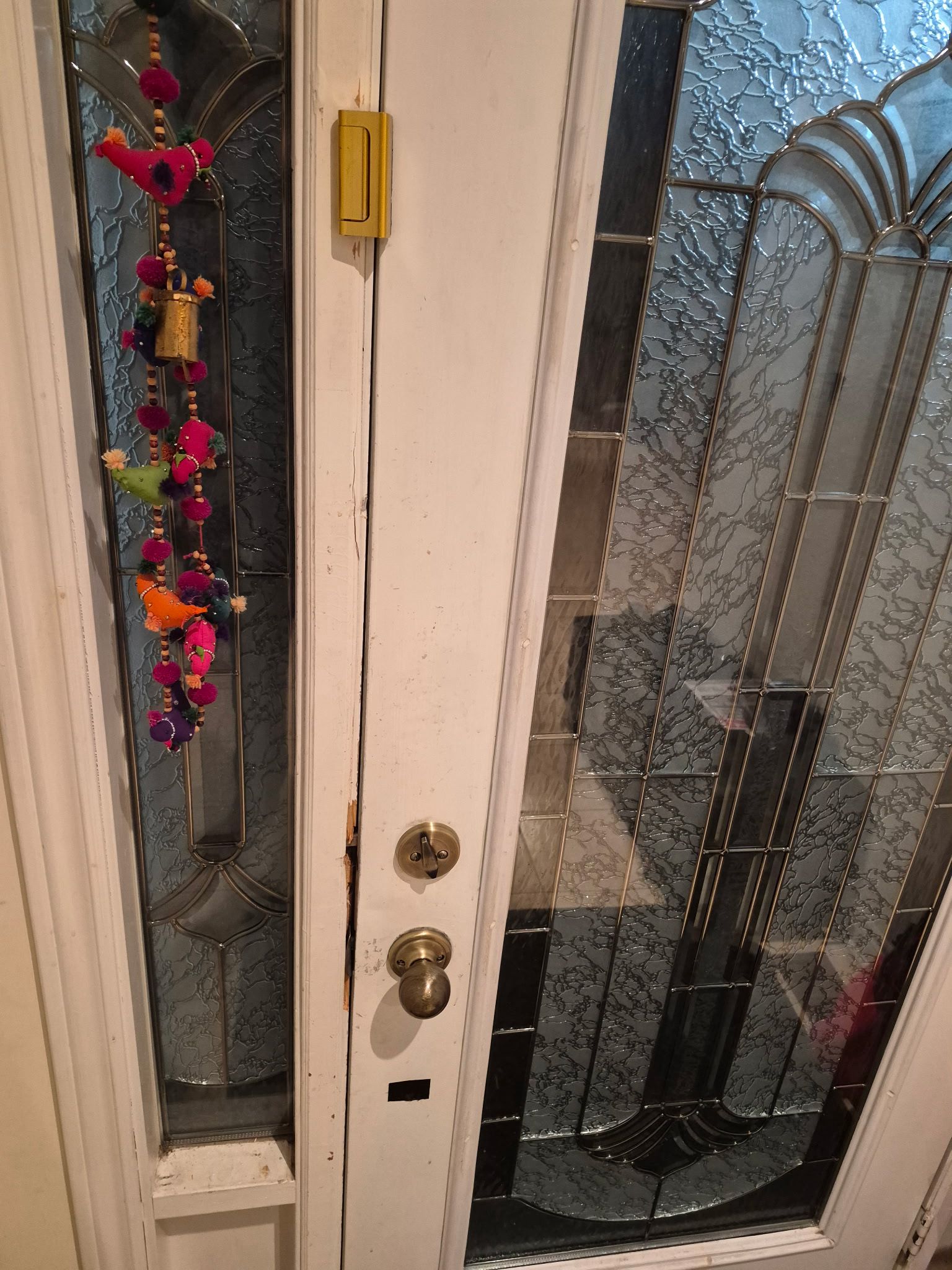
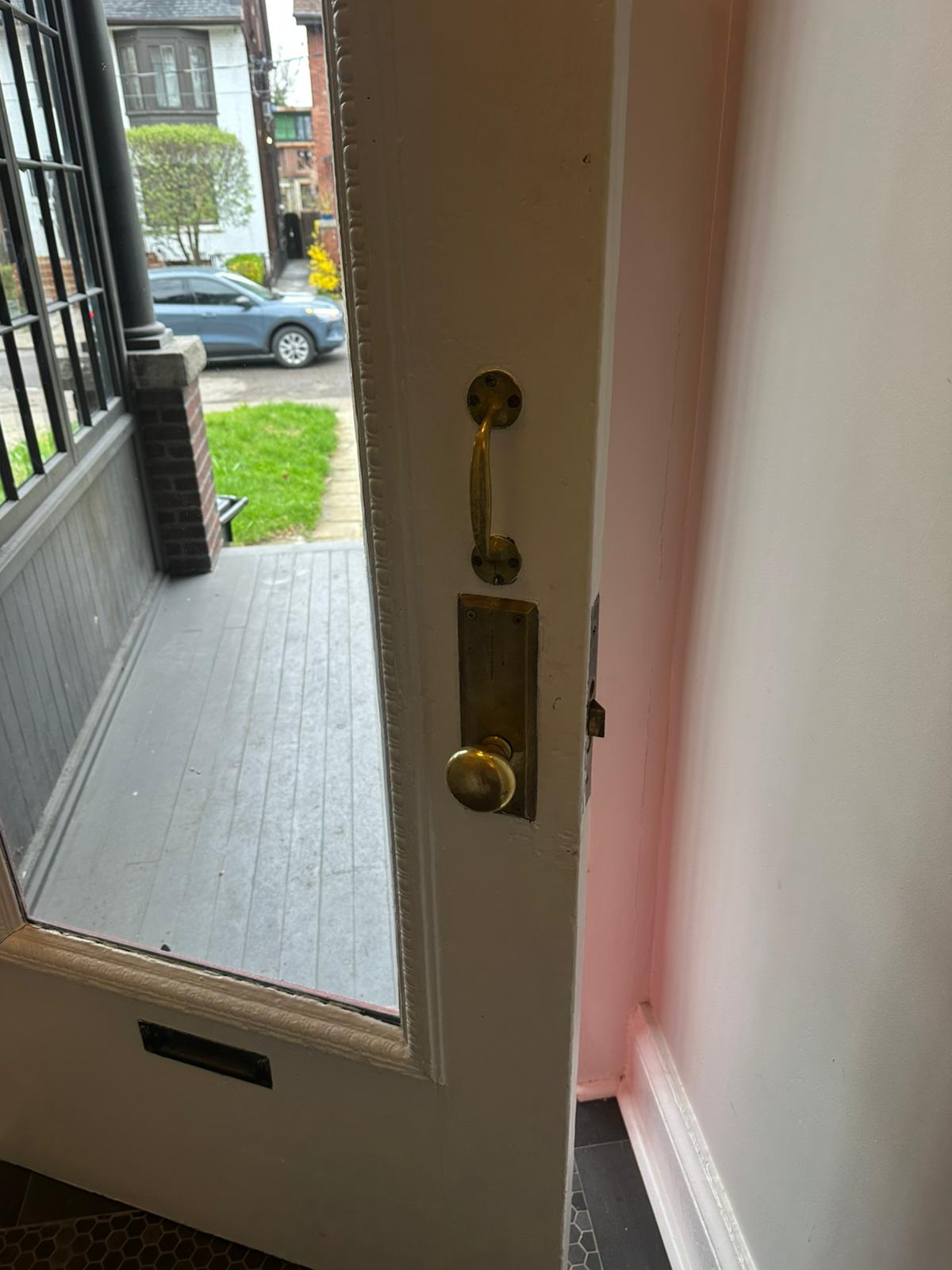
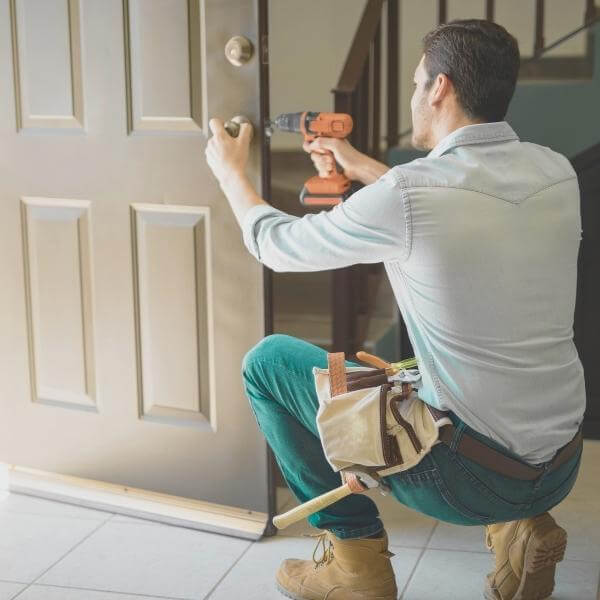
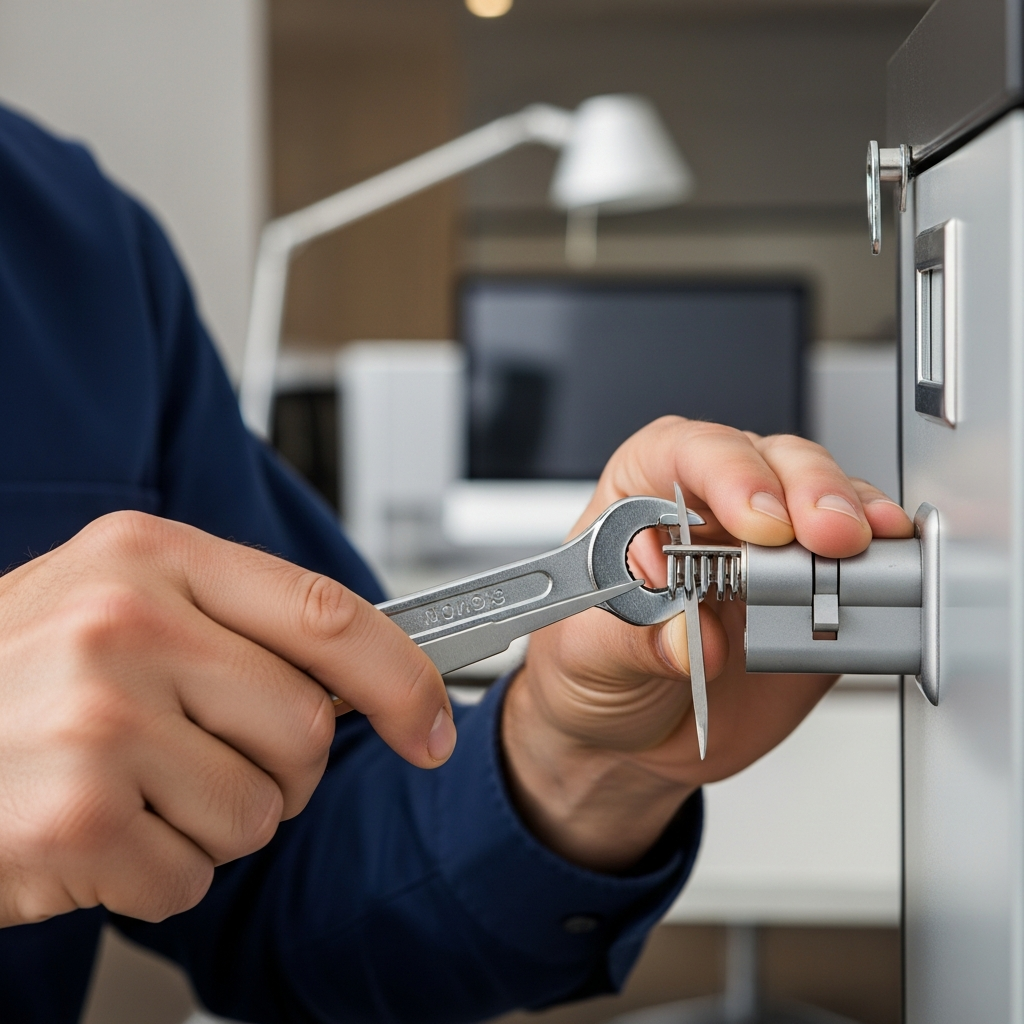
Shared houses receive a lot of mail for a lot of people, including documents that matter: bank letters, government correspondence, replacement cards. A mailbox that does not lock, or a mailbox key held by a former tenant, is a real risk for identity theft rather than a minor annoyance.
Confirm who is responsible for the mailbox lock, how many keys exist, and whether the box actually locks. For community mailboxes, the arrangement is different again; see mailbox lockouts and broken keys.
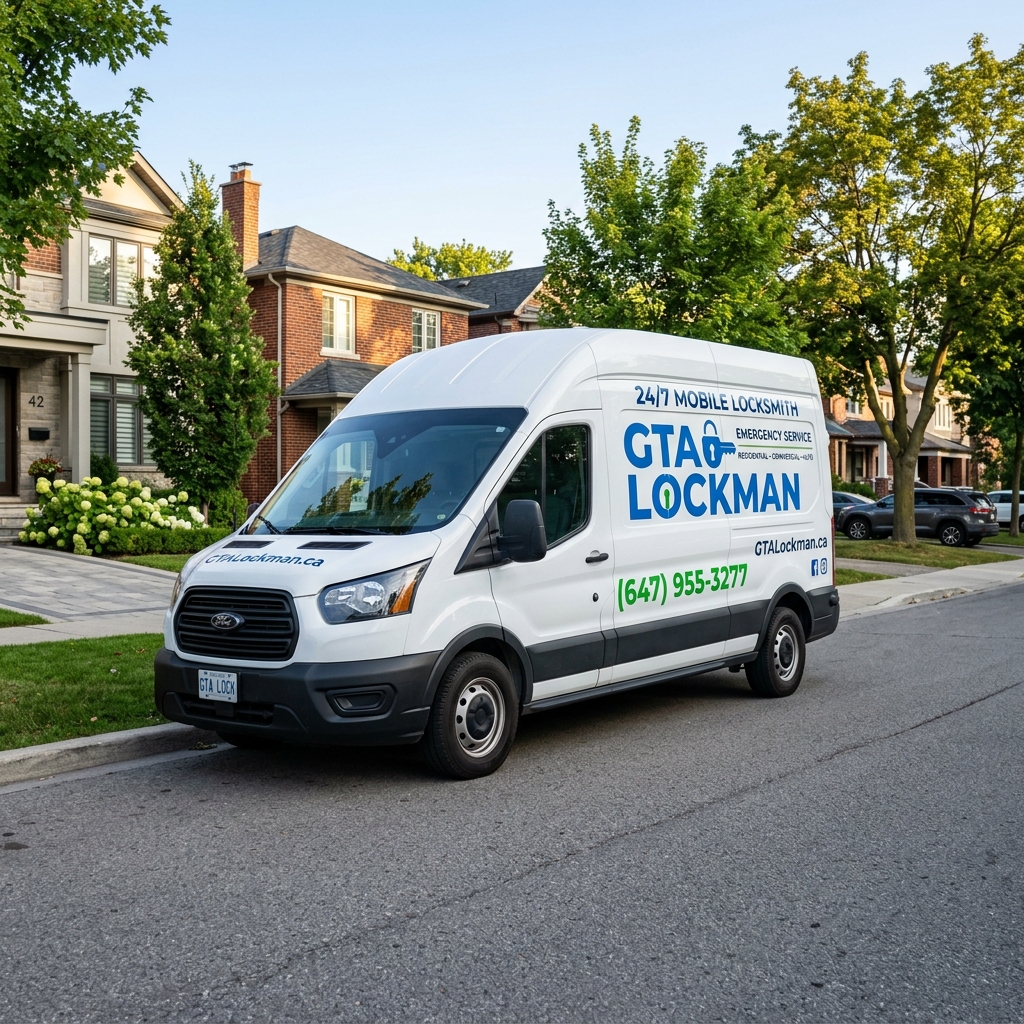
Lockouts are common where several people come and go at all hours. Before calling anyone, check whether a housemate is home or nearby, since that solves most cases. If not, entry follows the normal process: the technician confirms that you are entitled to enter, usually with identification showing the address or a lease, then works on the lock.
Agree in advance who pays for a lockout call in a shared house, because the question in the moment is rarely comfortable. Entry during a house lockout starts with confirming who is authorized to be inside.
Walk the property on move-in day and test every exterior door closed. Ask how many keys exist and whether the locks were rekeyed between tenants. Check that the bedroom door arrangement is what was agreed, and that any lock on it can be opened from inside without a key.
Look at the basics that matter more than hardware: does the front door latch on its own, is there a working deadbolt, does the mailbox lock, and is the back door secure. If something does not lock, ask the landlord in writing to repair it.
Keep a key register per property: which key opens what, who holds it, when it was issued and returned. Rekey the front door between tenancies rather than relying on returned keys, and consider a keypad for the main door so mid-year changes do not require new keys for everyone.
Make sure every exterior door locks properly at each turnover, and record the condition of the hardware with photographs. The same key-control thinking used when rekeying after an employee leaves applies just as well to a property with many occupants.
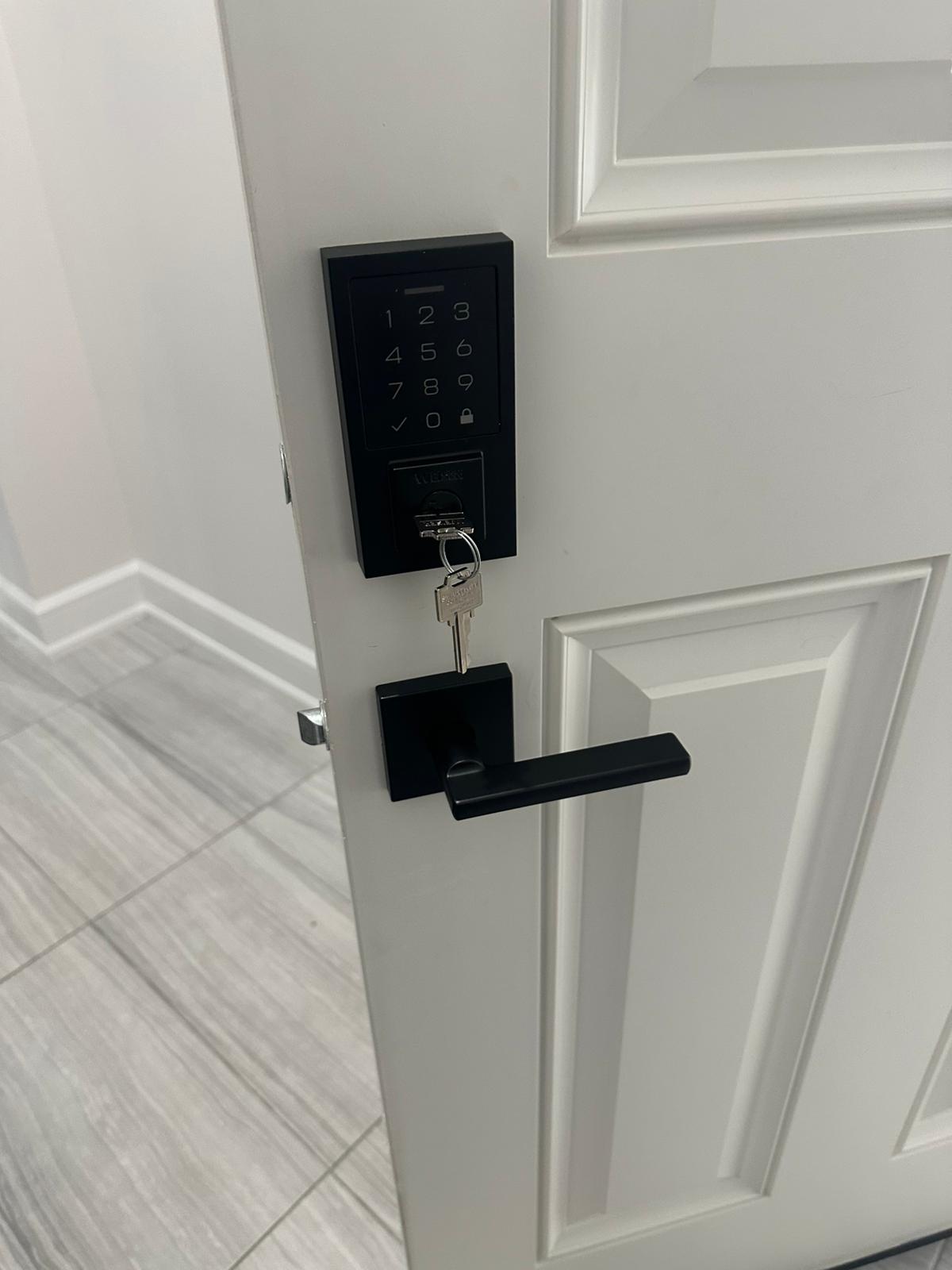
Most shared houses across the GTA change hands within the same few weeks each year, which is also when locksmiths, landlords and cleaners are busiest. Planning the lock work before that window makes the turnover far less stressful.
For landlords, that means booking rekeying and repairs in advance rather than on the day a new tenant arrives. For tenants, it means checking the doors during the viewing rather than after signing, and asking whether the locks are changed between tenancies. For parents helping with a move, it means testing every door on the first visit, while there is still time to ask for repairs before term starts.
When you call, tell us whether you are the tenant, the landlord or acting for one, how many doors are involved, and what you want to change. We confirm authorization before working on any lock, and we will explain what the lease or tenancy rules usually require before altering a rented property's doors.
Keep reading
That depends on your lease and the residential tenancy rules that apply, so agree it with the landlord in writing first. If it is permitted, the lock must never prevent you leaving the room, and the landlord may still need access under the notice rules. A privacy set is not a security lock; a keyed lever is a different product with different implications. Do not fit or change a lock on a rented door without agreement, and keep any hardware you remove.
That depends on your lease and the residential tenancy rules that apply, so agree it with the landlord in writing first. If it is permitted, the lock must never prevent you leaving the room, and the landlord may still need access under the notice rules. A privacy set is not a security lock; a keyed lever is a different product with different implications. Do not fit or change a lock on a rented door without agreement, and keep any hardware you remove.
If they returned every key and no copies were made, you may only need to update your record. If a key cannot be accounted for, or copies were cut for a partner or friend, rekeying the front door makes those keys useless while keeping the existing hardware. Agree who pays before the situation arises, since shared-lease households often disagree about that afterwards. Remove keypad codes and app access on the day they leave.
In most tenancies the landlord is responsible for keeping doors and locks in working order. Report the problem in writing and keep a copy, especially if a door cannot be secured. If it is left unrepaired, check your lease and the applicable tenancy rules before arranging work yourself, and keep the invoice. Do not change a lock in a way that prevents the landlord's permitted access where the lease requires them to hold a key.
Often, yes. Each person can have their own code, and a code can be removed when someone moves out without recutting keys for everyone else. It also avoids the mid-year handover problem where nobody is sure how many keys exist. Keep a mechanical backup key for battery failures, check the battery type the manufacturer specifies, and make sure the landlord agrees to the device before it is fitted.
The technician confirms that you are entitled to enter, usually with identification showing the address or a copy of the lease, then works on the lock. Before calling, check whether a housemate is nearby, since that resolves most lockouts. Agree in advance how a lockout call is paid for in your house. If entry requires replacing a component, you should be told the cost before the work starts.
It is worth checking. Shared houses receive mail for many people, including bank and government documents, so a mailbox that does not lock or whose key is held by a former tenant is a genuine risk rather than an inconvenience. Confirm who is responsible for the mailbox, how many keys exist and whether the box actually locks. Community mailboxes have their own process, run by Canada Post rather than the landlord or a locksmith.
Close each outside door and lock it: if you have to push, pull or lift the door to get the bolt across, the door needs adjusting. Ask whether the locks were rekeyed between tenancies and how many keys exist. Check the back, side and basement doors, which are the ones usually neglected. Confirm the mailbox locks. Report anything that does not lock to the landlord in writing.
Keep a key register for each property showing which key opens what, who holds it, and when it was issued and returned. Rekey the main door between tenancies rather than relying on keys being returned, and consider a keypad on the front door so mid-year room changes do not mean recutting keys. Photograph the hardware at each turnover so the condition of every door is documented.
GTA Lockman Mobile Locksmith Services is a mobile locksmith working on homes, businesses and vehicles across Toronto and the GTA, with more than 14 years in the trade. Every review is written by a customer on Google, where you can read them in full.
Areas served: Toronto, North York, Scarborough, Etobicoke, Vaughan, Richmond Hill, Markham, Stouffville, Newmarket, Mississauga, Brampton, Oakville, Milton, Halton Hills, Pickering, Ajax, Whitby, Oshawa, Uxbridge.
Describe the door, hardware and service address. Contact GTA Lockman Mobile Locksmith Services to confirm the scope and scheduling for your location.