Locksmith services are always 10% off for seniors.
Open Mon–Thu 8:30 AM–9 PM, Fri 8:30 AM–4 PM, Sun 9:30 AM–9 PM
Locksmith services are always 10% off for seniors.
Open Mon–Thu 8:30 AM–9 PM, Fri 8:30 AM–4 PM, Sun 9:30 AM–9 PM
GTA Lockman Mobile Locksmith Services · Toronto & GTA
Restore reliable locking on the doors people use most, and strengthen the frames that are easiest to force.
Related services
Find out whether the strike, the door or the lock is stopping the bolt, and correct the cause rather than the symptom.
Learn moreRelease a deadbolt that will not retract, then correct the alignment or lock fault that caused it to bind.
Learn moreInvestigate why the door will not catch or release cleanly, including latch wear and frame alignment.
Learn moreUnderstand what a double-cylinder deadbolt does, the fire-safety concern, and alternatives for doors with glass.
Learn moreFree a frozen lock without damaging it, and find out whether ice, alignment or batteries caused the problem.
Learn moreReduce the keys you carry where cylinders and access requirements allow a suitable keyed-alike arrangement.
Learn more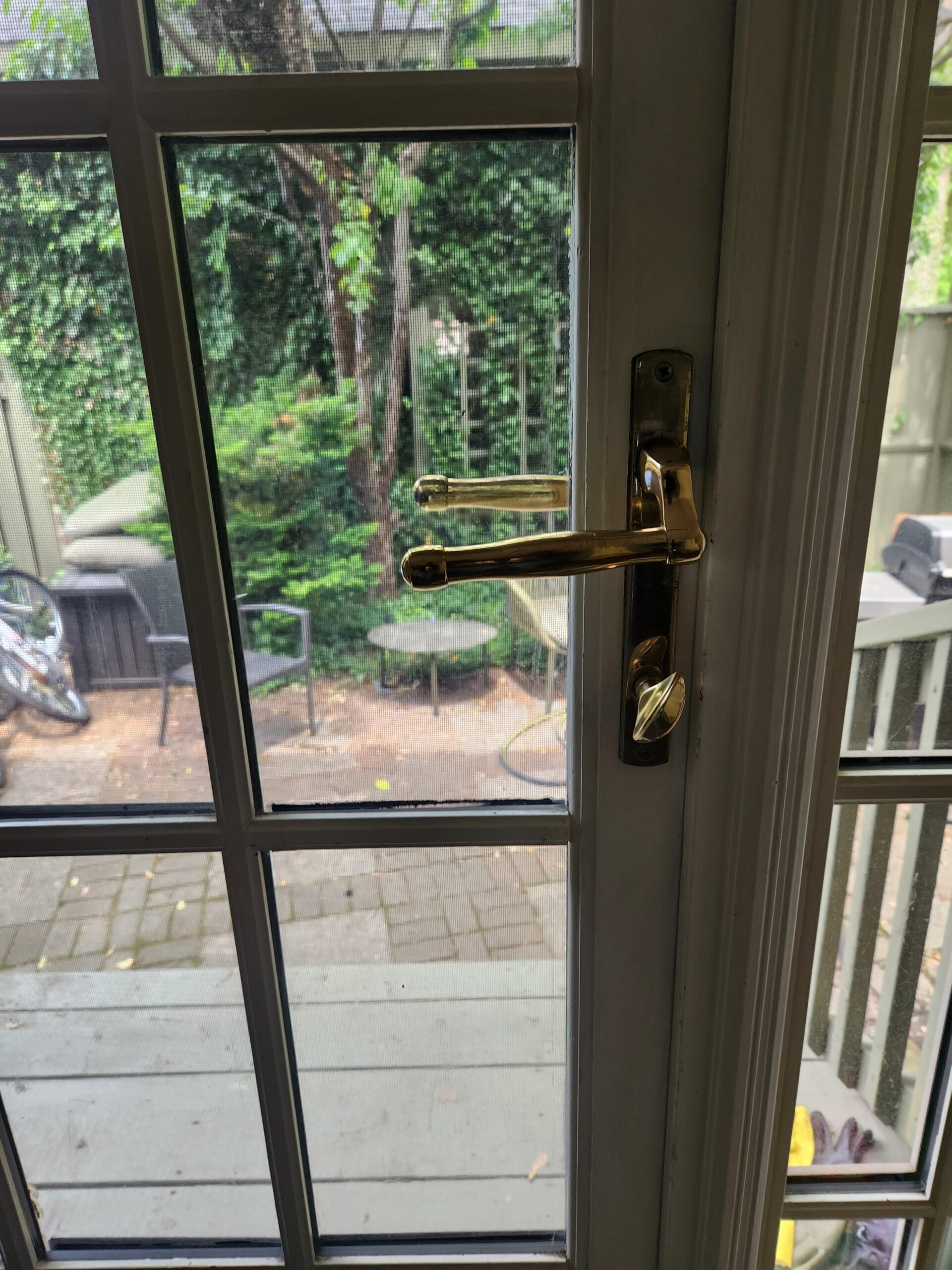
Most households pay attention to the front door. The side door by the driveway and the back door to the yard get less notice, even though many families use them more. They are often older, fitted with whatever hardware came with the house, and hidden from the street. When they stop locking properly, the problem can go unnoticed for weeks.
Side and back doors face the same mechanical issues as front doors: hinges loosen, frames shift, cylinders wear and strikes move out of line. They also face some of their own: exposure to weather on an unprotected side of the house, heavy use from children and pets, and doors that swell against the frame.
Because these doors are out of sight, they are also a common target for forced entry. A door that does not latch, or a deadbolt that no longer reaches its strike, deserves repair even if the front door is secure.
Start by testing the door. Close it without pushing and see whether the latch catches. Turn the deadbolt with the door closed and check that it throws fully without lifting or pulling the door. Look at the frame around the strike for splits, loose screws or old damage.
Many side and back doors have only a knob lock, or a deadbolt that was added later with a short strike fixed into thin trim. Those arrangements are easy to defeat. If the door has glass beside or in it, check whether someone could reach an inside thumbturn after breaking the glass.
When the latch or deadbolt misses the strike, the usual causes are loose hinges, a shifted frame or a door that has swollen. Tightening or replacing hinge screws, adjusting the strike and enlarging the bolt hole often restore reliable locking without new hardware. Those adjustments are the usual fix for a stuck deadbolt and a routine part of door latch and strike plate repair.
If the lock itself is worn, a cylinder can be serviced or replaced. If the knob or lever is loose or droops, the cause is usually a worn spindle or return spring, put right through loose door handle and lock repair. Where the hardware is damaged, unsupported or unsuitable, replacement with a lock that suits the door is the practical choice.
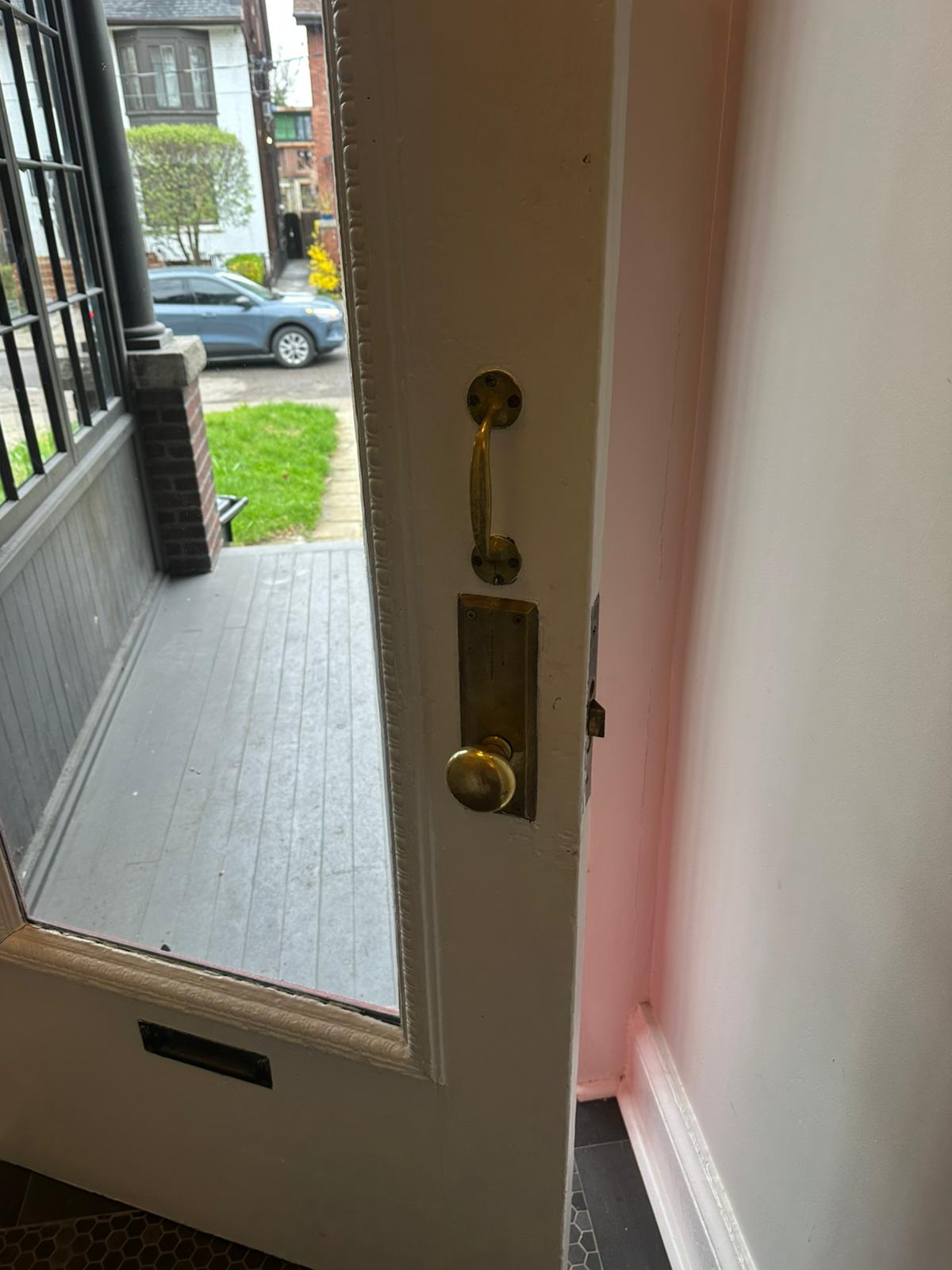
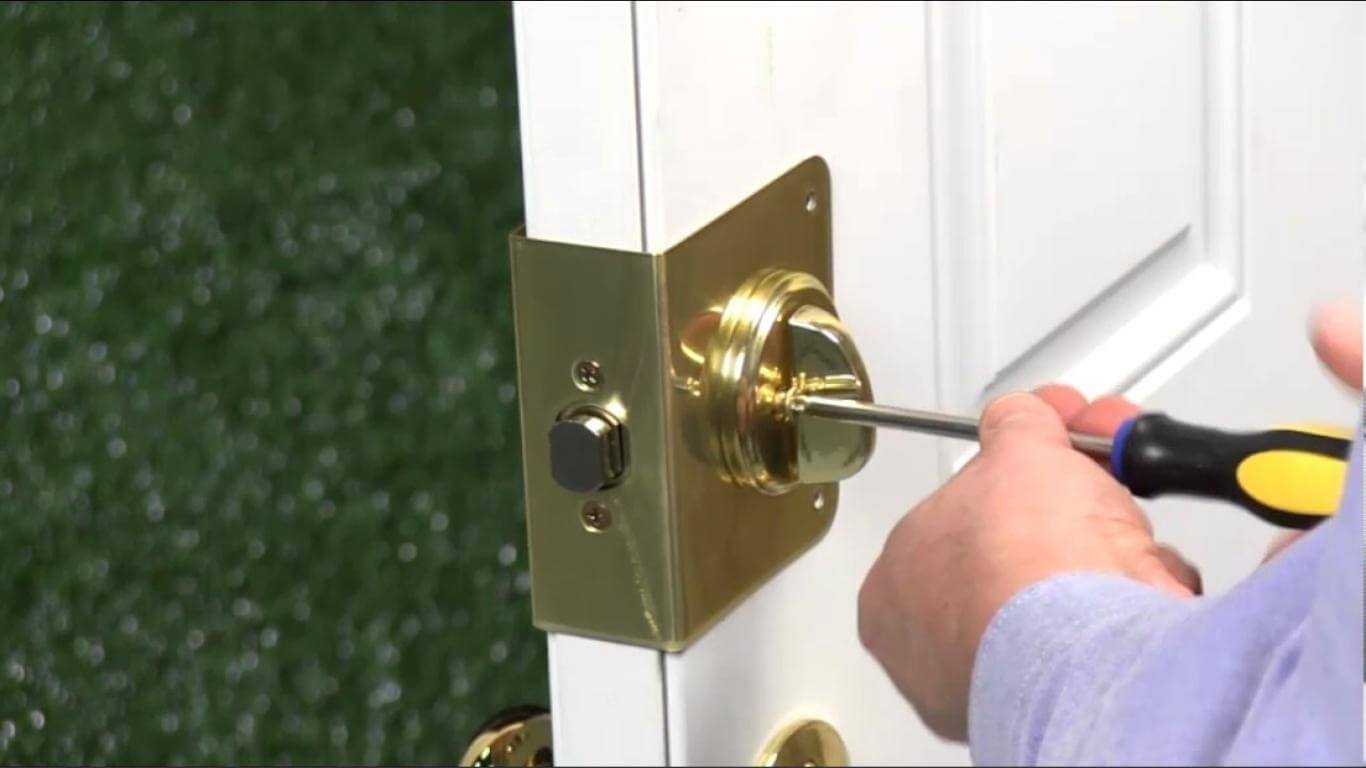
Many forced entries on side and back doors succeed at the frame. A strike plate held by short screws into the trim can split away with a single kick. Replacing it with a reinforced strike fixed by long screws into the wall framing makes a significant difference. The same applies to the hinge side: longer screws into the framing strengthen the door against forcing.
These improvements are modest and keep the existing lock. The technician should check the condition of the frame before recommending them. If the frame is already split, it may need repair before a new strike will hold.
Back doors often have glass panels to let in light. If a panel is within reach of the inside thumbturn, breaking it can give access to the lock. Options include glass with better impact resistance, security film, or a different lock arrangement. A double-cylinder deadbolt, which needs a key on both sides, is sometimes used, but it can slow exit in a fire if the key is not nearby. The trade-off between security and a efficient exit is the central question with double-cylinder deadbolts.
Photos
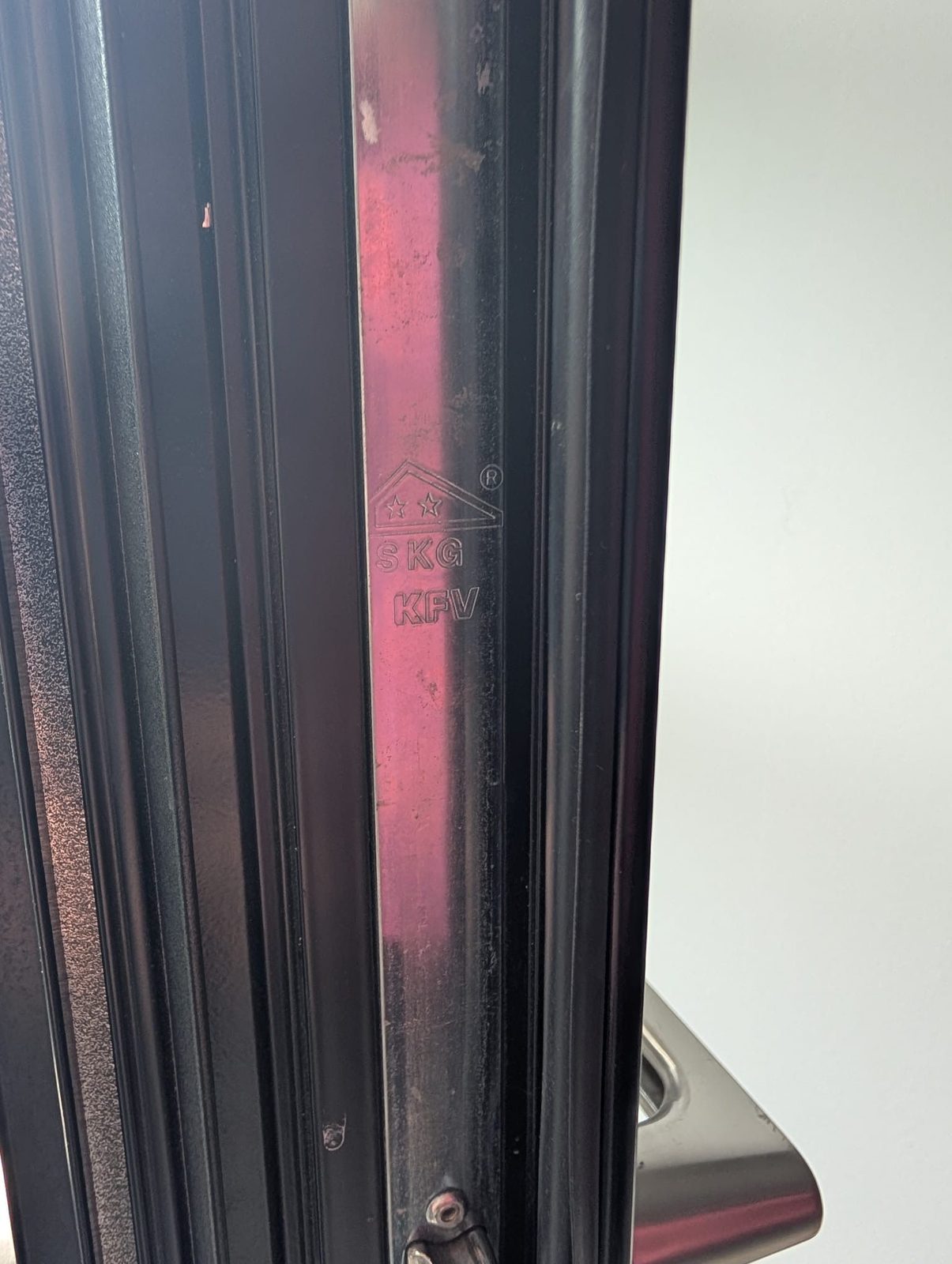
Photographs from GTA Lockman Mobile Locksmith Services work across Toronto and the GTA. Send a picture of your own door and we can tell you what the visit would involve.

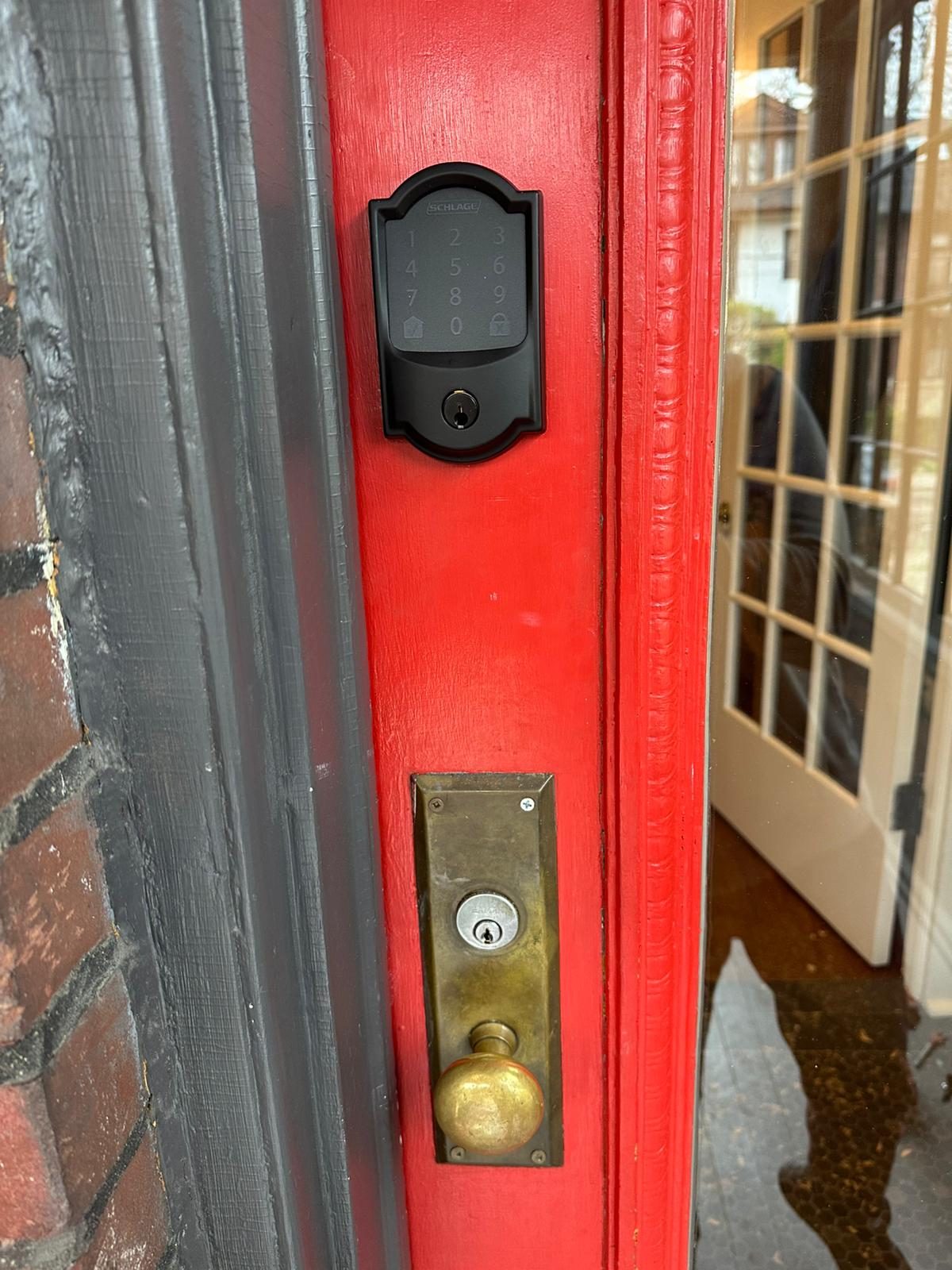
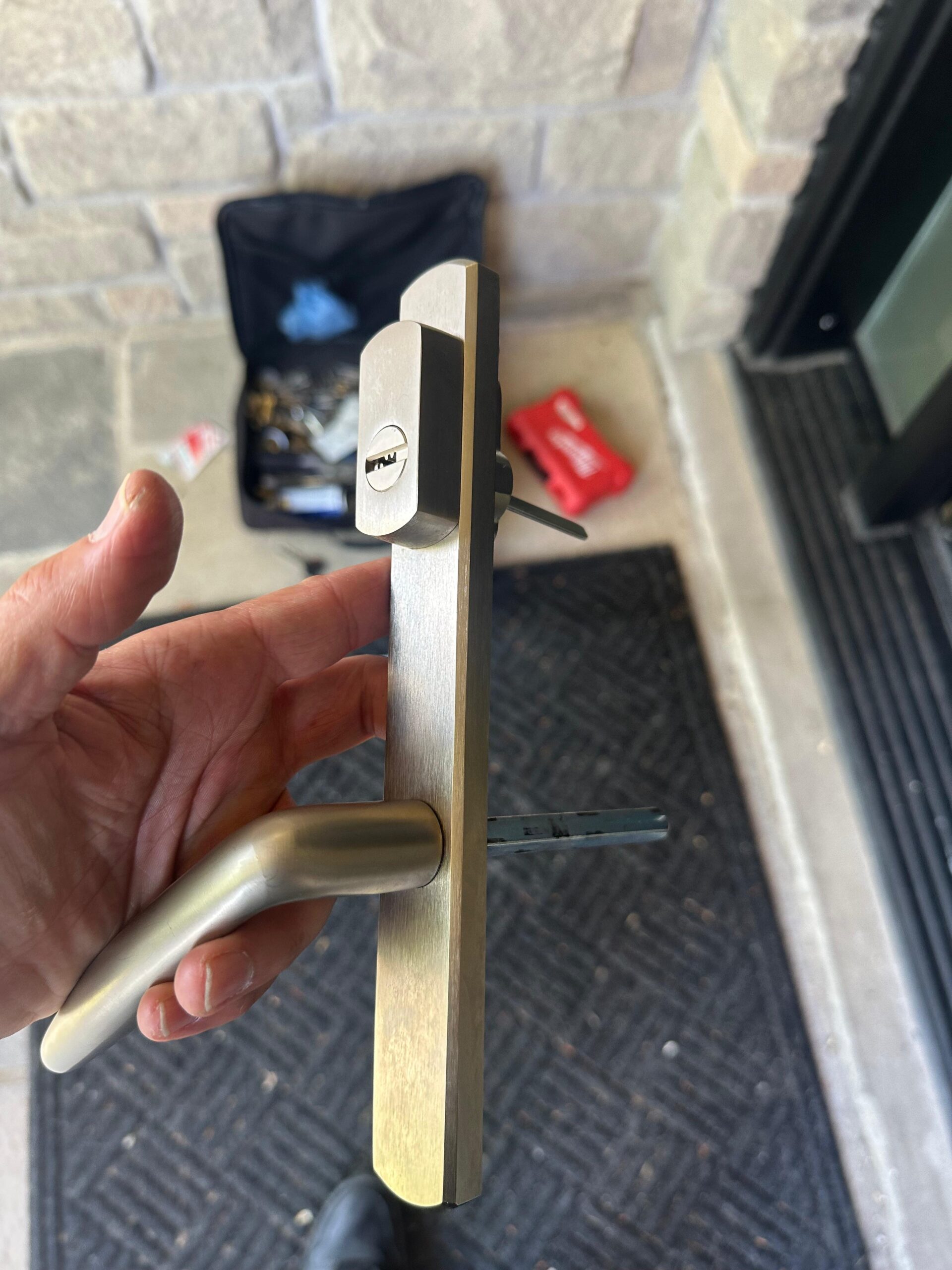
Doors on the exposed sides of a house take the brunt of rain, sun and wind. Wood doors swell in summer and shrink in winter, and the lock may work in one season and not the other. Water can freeze in the lock or around the bolt. Cold-weather problems of this kind are common with frozen or stiff locks in winter.
If the door has been painted several times, the paint can build up at the edge and frame and make the door bind. Mention recent painting or weatherstripping when you describe the problem.
When rekeying after a move or lost keys, include the side and back doors. They are easy to forget, especially if the household rarely uses them. If each door uses a different key, compatible cylinders can often be rekeyed to one key, as described on the one key for every door page.
If the side or back door lock needs replacing, choose hardware that suits how the door is used. A keyed deadbolt paired with a lever or knob is common. A keypad deadbolt can suit a door the family uses daily. A handleset can match the front door's appearance. The technician should confirm the door's thickness, backset and existing holes before recommending hardware, so the new lock fits without unnecessary modification.
Many side and back doors have a screen or storm door in front of them. A storm door with a strong closer or a misadjusted latch can press against the main door and stop its latch from catching, or hold it slightly open. If the main door locks properly only when the storm door is open, adjust the storm door first.
Storm doors have their own light-duty locks, which are useful for keeping the door closed but offer limited security. Treat the main door's lock as the one that secures the house.
Back doors that open onto a deck or yard are often used when carrying things, which leads to doors being pushed shut with a hip or foot rather than closed properly. Over time, that impact loosens hinges and moves the strike. A door that is frequently slammed benefits from a check of the hinge screws and strike each spring. Keep the area in front of the door clear of ice in winter so it can be closed fully.
Before arranging a visit, photograph each door from outside, from inside and along its edge where the latch and deadbolt sit. Include the frame around the strike and any damage. Photographs help the technician identify the hardware, see whether the frame needs reinforcement and bring suitable parts. Avoid sending close-up images of keys or key cuts, which can allow keys to be copied, and do not post door photographs publicly with your address visible.
Keep in mind that the side or back door is often the one visitors, contractors and dog walkers are told to use. If keys have been given out over the years, count them and consider whether rekeying would give the household a clearer picture of who can still get in. A single new key for all exterior doors is often a convenient result of that review. Record who receives the new keys so the next review is simpler.
When you call, describe each door, its current hardware and what it is doing. Photographs of both sides and the edge of the door help. Related work on house locks is handled through lock repair.
Keep reading
It is advisable. A knob or lever latch alone is spring-loaded and relatively easy to force or slip, especially on older doors. A deadbolt that throws fully into a solidly fixed strike adds much more resistance. Many side and back doors were fitted only with knob locks when the house was built. Adding a deadbolt is a common improvement, and it can be keyed to match the other exterior doors so the household still carries one key.
It is advisable. A knob or lever latch alone is spring-loaded and relatively easy to force or slip, especially on older doors. A deadbolt that throws fully into a solidly fixed strike adds much more resistance. Many side and back doors were fitted only with knob locks when the house was built. Adding a deadbolt is a common improvement, and it can be keyed to match the other exterior doors so the household still carries one key.
The door is probably out of line with the frame. Loose hinges, a shifted frame, swelling or old paint can move the door so the deadbolt meets the edge of the strike instead of the opening. Pulling the door brings them back into line. Tightening or replacing hinge screws, adjusting the strike or enlarging the bolt hole usually solves it without a new lock. Forcing the lock repeatedly can wear the bolt and break the tailpiece, so arrange a repair.
Most kicked-in doors fail at the frame, where a short strike plate is held by screws into thin trim. Replacing it with a reinforced strike fixed by long screws into the wall framing is one of the most effective improvements. Longer screws in the hinges help too. These changes keep the existing lock. If the frame is already split, it may need repair first. The technician can assess the frame and recommend what suits the door.
It can be. If breaking the glass lets someone reach the inside thumbturn, the lock can be opened without attacking it directly. Options include impact-resistant glass, security film, or a different lock arrangement. A double-cylinder deadbolt needs a key on both sides but can slow an exit in a fire if the key is not kept nearby, so it needs careful thought. The trade-off is between keeping a reach-through intruder out and letting everyone in the house leave without hunting for a key.
Wood doors and frames swell with humidity in warm months, which can tighten the fit and push the bolt out of line with the strike. In winter the wood shrinks and the lock works again. A lasting fix usually involves adjusting the strike or enlarging the bolt hole slightly so the bolt can engage in all seasons, while still extending fully into the frame. Mention the seasonal pattern when you call.
Often, if the cylinders are compatible. Rekeying compatible locks to one key means the household carries a single key for front, side and back doors. If one door uses a lock from a different manufacturer or keyway, a replacement cylinder may be needed. The technician will confirm which locks can share a key before starting. This is also a good opportunity to make sure every exterior door has a working deadbolt.
That depends on why it fails. If the lock works perfectly with the door open, the problem is alignment and replacing the lock will not fix it. If a component is worn or broken, a compatible part or cylinder may restore it. Replacement makes sense when the lock is damaged, unsupported or unsuitable, or when you want a different style or function. The technician should explain the cause before recommending new hardware.
Yes. A rarely used door that does not lock properly is still a way into the house, and because it is out of sight, a problem may go unnoticed. Even if the household uses the door only occasionally, it should close, latch and lock reliably. If the door is never used, it still needs a working lock. Leaving it unsecured creates an easy route for someone looking for a way in.
GTA Lockman Mobile Locksmith Services is a mobile locksmith working on homes, businesses and vehicles across Toronto and the GTA, with more than 14 years in the trade. Every review is written by a customer on Google, where you can read them in full.
Areas served: Toronto, North York, Scarborough, Etobicoke, Vaughan, Richmond Hill, Markham, Stouffville, Newmarket, Mississauga, Brampton, Oakville, Milton, Halton Hills, Pickering, Ajax, Whitby, Oshawa, Uxbridge.
Describe the door, hardware and service address. Contact GTA Lockman Mobile Locksmith Services to confirm the scope and scheduling for your location.