Locksmith services are always 10% off for seniors.
Open Mon–Thu 8:30 AM–9 PM, Fri 8:30 AM–4 PM, Sun 9:30 AM–9 PM
Locksmith services are always 10% off for seniors.
Open Mon–Thu 8:30 AM–9 PM, Fri 8:30 AM–4 PM, Sun 9:30 AM–9 PM
GTA Lockman Mobile Locksmith Services · Toronto & GTA
Treat the door from an attached garage as an exterior entrance, with a lock that suits daily use and fire separation.
Related services
Plan keyless entry around door compatibility, code management and a practical backup entry method.
Learn moreReduce the keys you carry where cylinders and access requirements allow a suitable keyed-alike arrangement.
Learn moreKeep suitable hardware while changing which keys operate your new home’s locks.
Learn moreReview every door the missing keys operated, then rekey or replace the locks that no longer control access.
Learn moreFind out whether the strike, the door or the lock is stopping the bolt, and correct the cause rather than the symptom.
Learn moreRelease a deadbolt that will not retract, then correct the alignment or lock fault that caused it to bind.
Learn more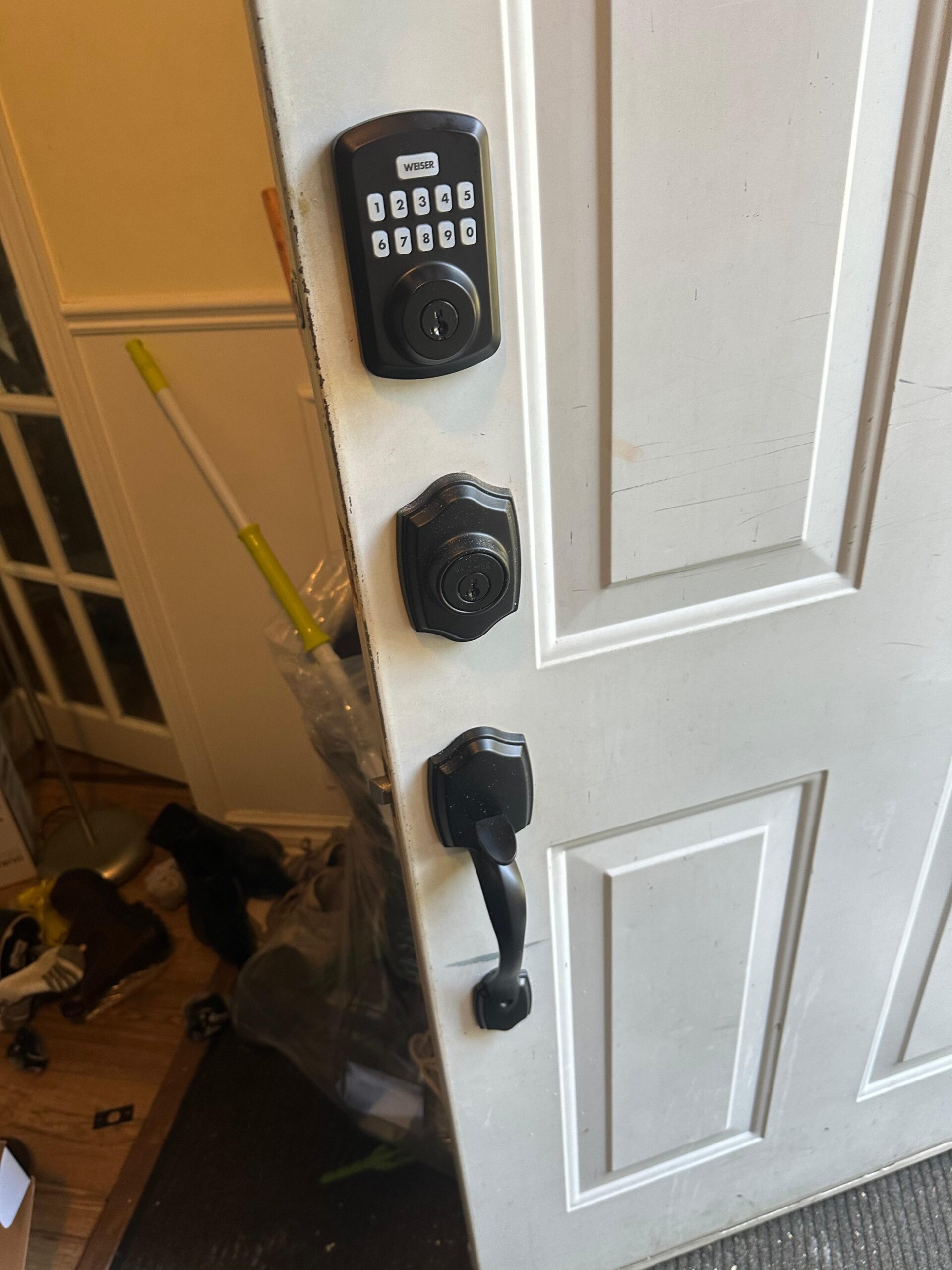
Many homes in the GTA have an attached garage with a door leading directly into the house. It is used every day, often more than the front entrance, and it is easy to treat it as an interior door. It is not. If the garage is opened, whether by a remote, a keypad, an unlocked side door or force, the door into the house is the only barrier left.
A garage-to-house door deserves the same attention as an exterior entrance: a lock that works reliably, a door and frame that fit properly, and a clear sense of who can open it. The door is also a fire separation between the garage and the living space, which affects what hardware and changes are appropriate.
Households often leave this door unlocked because the garage feels private. Garage remotes are left in vehicles parked outside, keypads use old codes, and side doors to the garage may have weak locks. Each of these gives someone a route into the garage, and from there to an unlocked house door.
Lock the garage-to-house door as you would the front door, especially at night and when the house is empty. A keyed deadbolt or a keypad deadbolt makes this practical for daily use.
Many garage entry doors have only a knob or lever lock. Adding a deadbolt, or replacing the set with a matching handleset and deadbolt, gives stronger protection. The deadbolt should throw fully into a strike that is fixed firmly to the frame.
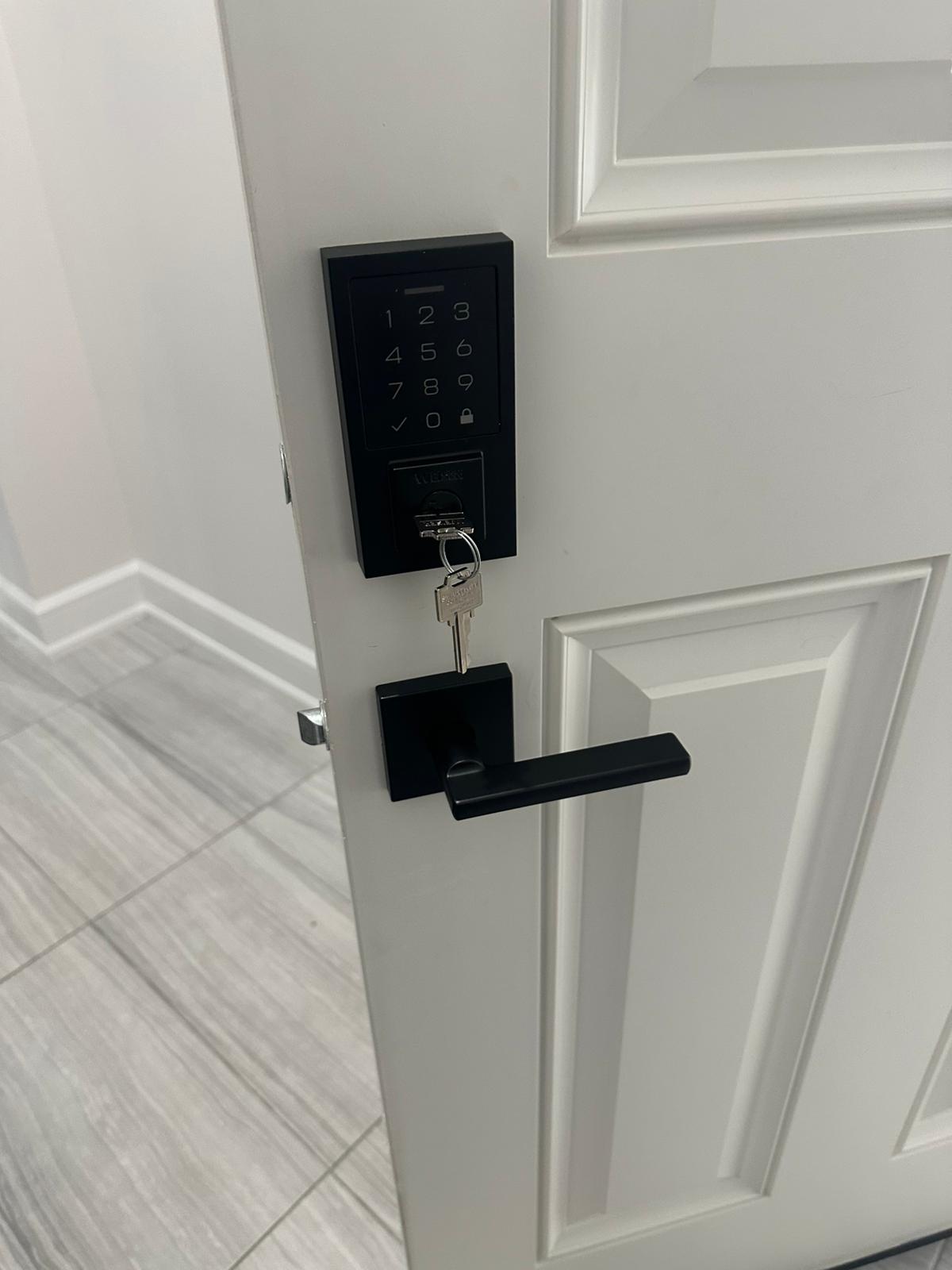
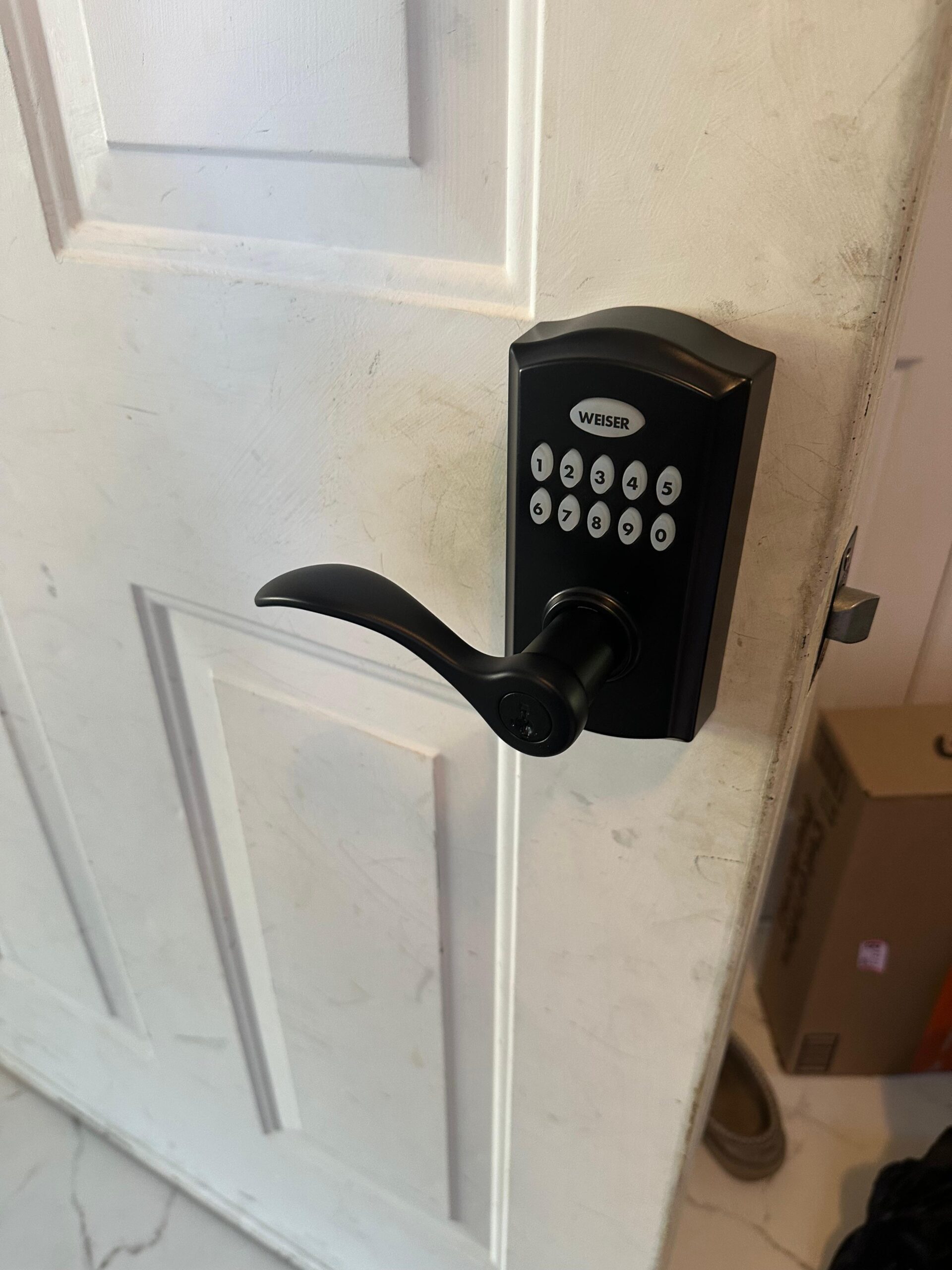
A keypad deadbolt is popular for this door because family members can enter without keys when arriving by car. If you choose one, manage the codes carefully and keep a mechanical key or other backup. Code management and a backup way in are both planned during keypad lock installation.
If the house uses one key for all exterior doors, include this door. Keying it alike with the others is how one key for every door works in practice.
The door between an attached garage and a house forms part of the fire separation that slows the spread of fire and fumes from the garage. Building requirements in Ontario commonly call for this door to be solid or otherwise rated for the purpose, and in many cases to be self-closing and tightly fitted. Requirements depend on when the house was built and any renovations, so check with your municipality if you are unsure.
For lock work, this means the door's construction and any closer should not be compromised. Drilling or modifying the door should be done in a way that keeps its integrity. Weatherstripping that seals the gap also helps limit fumes. The technician should flag any condition that appears to affect the fire separation, such as a hollow door or a missing closer.
Garage doors experience temperature swings and humidity differences between the heated house and the unheated garage. That can cause the door or frame to warp, so the latch or deadbolt no longer lines up with the strike. A self-closer can also pull the door hard against the frame and load the latch.
If the door will not lock or the key is hard to turn, the causes are similar to those on the front door will not lock page and the stuck deadbolt page. Adjusting hinges or strikes often solves the problem without new hardware.
Photos
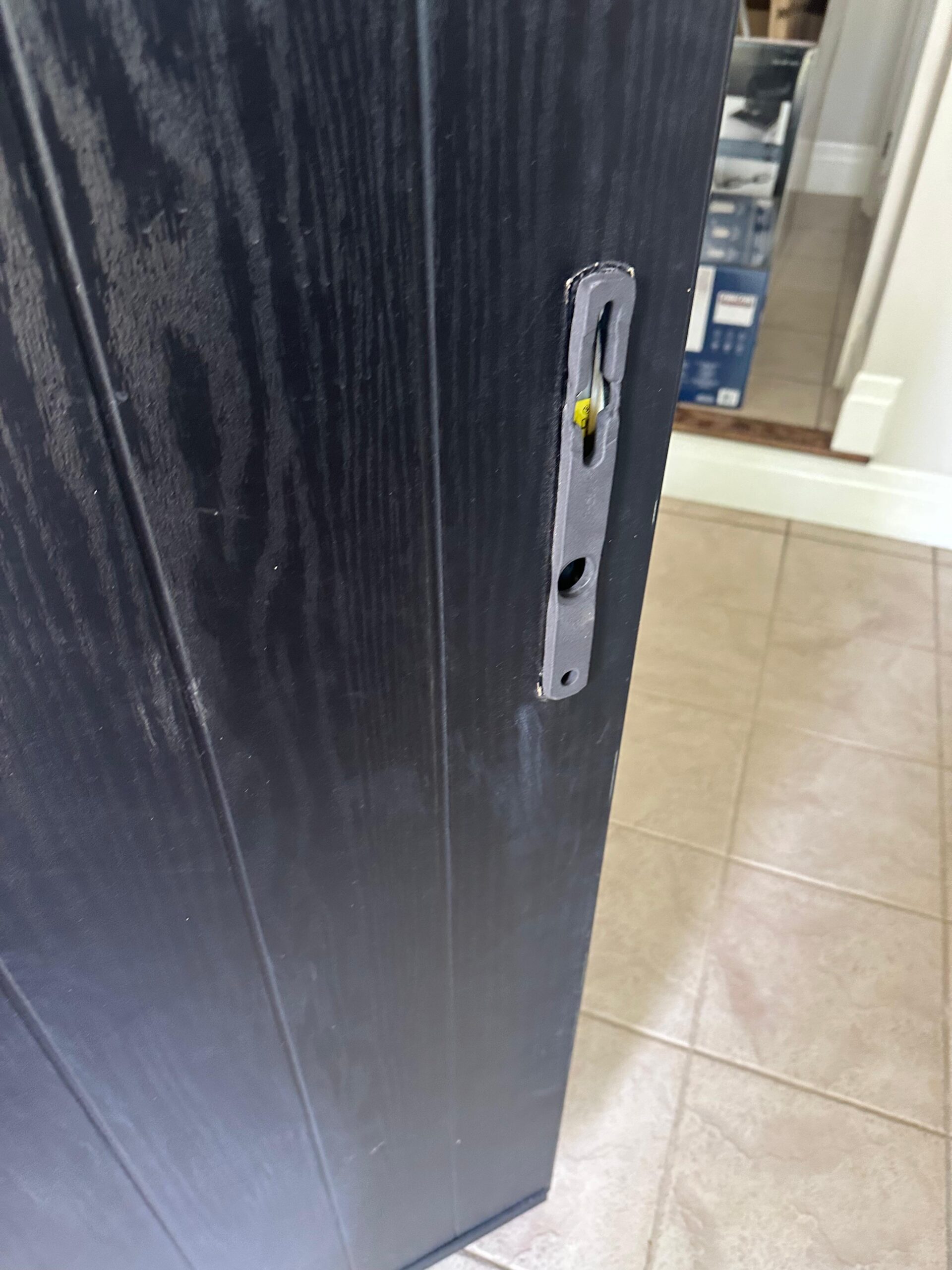
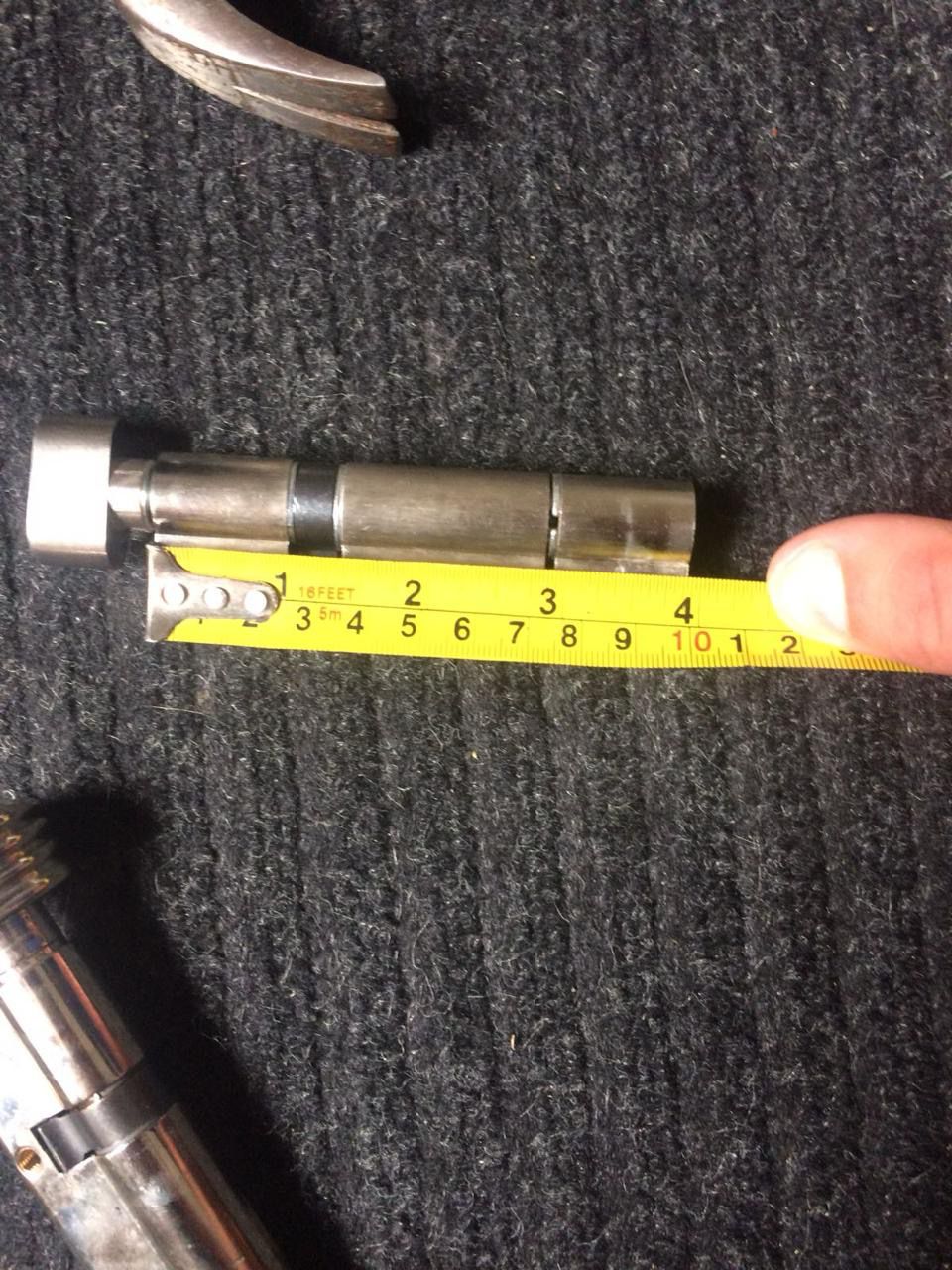
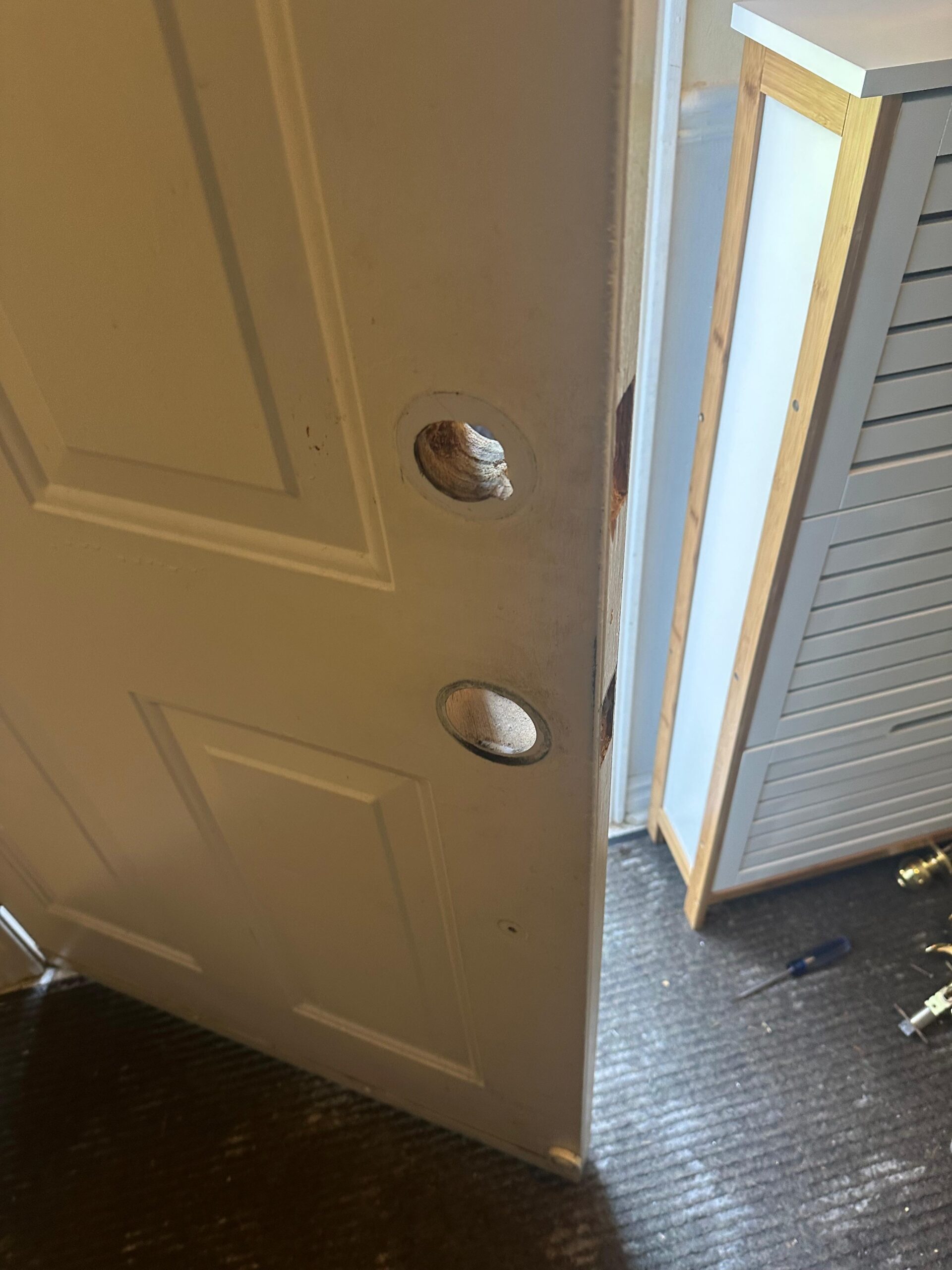
Photographs from GTA Lockman Mobile Locksmith Services work across Toronto and the GTA. Send a picture of your own door and we can tell you what the visit would involve.
Review the rest of the garage too. The overhead door should close fully and its opener should be secure. Remove remotes from vehicles parked outside, and change keypad codes if they may be known to others. A side door into the garage should have a proper deadbolt. The overhead door itself and its hardware are handled through our garage door locksmith services.
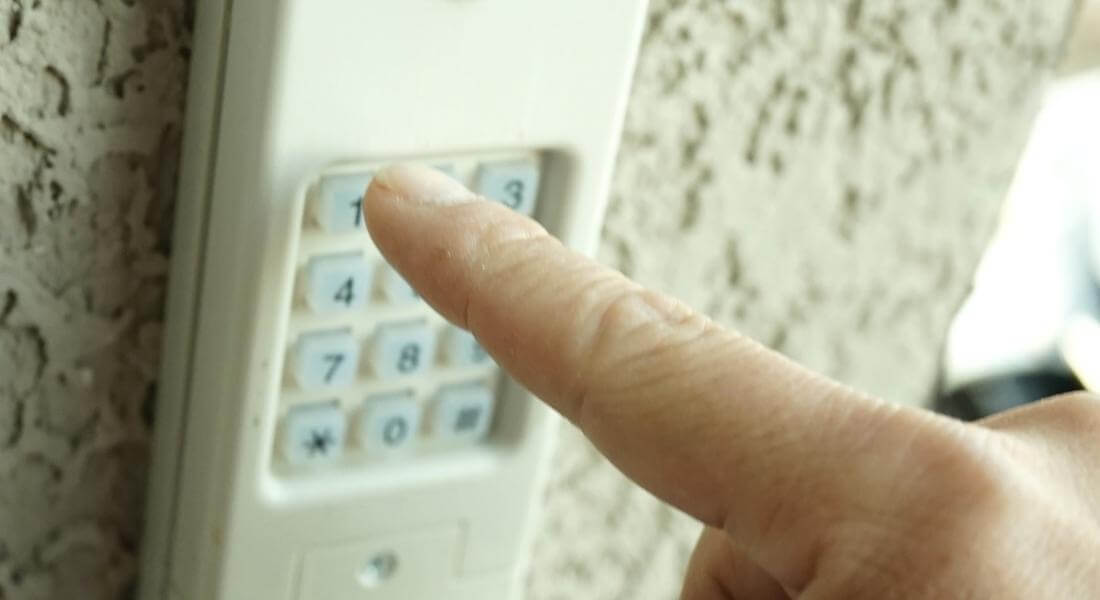
If you have moved into a new home or lost keys, include the garage-to-house door when rekeying. It is easy to forget because it feels internal. Every exterior door, including this one, should be reviewed during rekeying after moving or lock changes after lost keys.
Garage entry doors are often used by children coming home from school and by pets let out to the yard through the garage. A self-closing door can be heavy for young children, and a door left ajar for a pet leaves the house open to the garage. If the closer makes the door hard for family members to use, it can usually be adjusted to reduce the force while still closing and latching the door.
For children who need to let themselves in, a keypad deadbolt with a code that can be changed later is often easier than a key. Teach them to lock the door behind them and to keep the overhead door closed.
When selling or renting the house, include the garage entry door in the handover. Reset keypad codes, remove garage remotes from the opener's memory and rekey the door along with the other exterior locks. Buyers and tenants often overlook this door, and previous owners' codes or remotes may continue to work if they are not cleared.
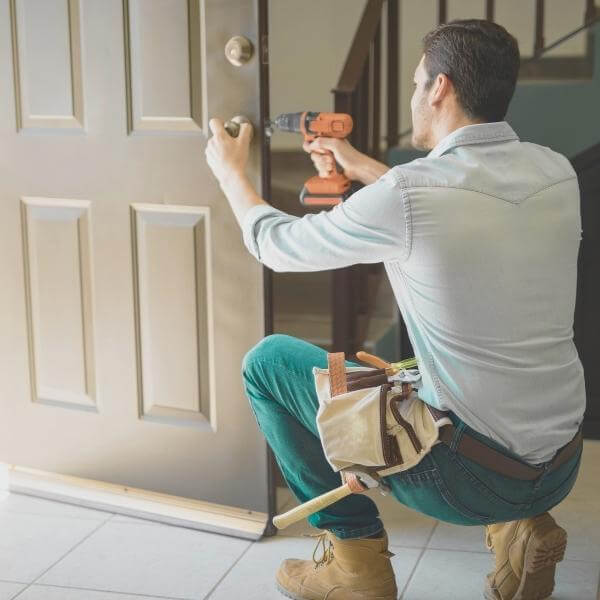
Many owners want the garage entry hardware to match the front door or the interior hardware. Handlesets, levers and deadbolts are available in matching finishes, and a keypad deadbolt can be chosen to complement existing hardware. The technician can suggest options that suit the door preparation while keeping the lock function and fire separation intact.
Before choosing new hardware, look at the door itself. A garage entry door that has been damaged by a vehicle bumping it, or that has swollen at the bottom from salt and water on the garage floor, may not hold a new lock securely. Check the frame around the strike for splits and the hinges for loose screws. Where the door or frame is damaged, repairing or replacing it may need to come before, or alongside, the lock work. The technician will point out any condition that affects how well the new lock will perform, and a door specialist can advise where the door itself needs replacement.
Finally, consider how the household actually uses the door day to day. If family members routinely come in through the garage with groceries, a lever handle and a keypad deadbolt may make the door easier to operate while carrying things. If the door is used mainly as an occasional route to the garage, a keyed deadbolt matching the other exterior doors may be all that is needed. The right arrangement is the one the household will use consistently, including locking the door at night and when the house is empty. Mention these habits when you call so the technician can suggest hardware that suits them.
When you call, describe the door, its current lock, whether it has a closer and what you want to change. Photographs of both sides of the door help identify the hardware and preparation.
Keep reading
It is strongly advisable. If someone gains access to the garage through an open overhead door, a remote left in a car or a weak side door, the garage-to-house door is the only remaining barrier. A knob lock alone offers limited resistance. A deadbolt that throws fully into a solidly fixed strike provides much better protection. A keypad deadbolt is a practical option for daily use because family members can enter without searching for keys.
It is strongly advisable. If someone gains access to the garage through an open overhead door, a remote left in a car or a weak side door, the garage-to-house door is the only remaining barrier. A knob lock alone offers limited resistance. A deadbolt that throws fully into a solidly fixed strike provides much better protection. A keypad deadbolt is a practical option for daily use because family members can enter without searching for keys.
Yes, keypad deadbolts are commonly fitted to garage entry doors. Choose a model that suits the door thickness and preparation, manage the codes carefully and remove codes that are no longer needed. Keep a backup method of entry, such as a mechanical key override, in case the batteries fail. Temperature swings in an unheated garage can affect battery life and electronics, so follow the manufacturer's guidance for the operating environment. Check battery access, the mechanical override and how codes are added and removed before choosing a model.
In many homes, yes. The door between an attached garage and the house is part of the fire separation, and building requirements commonly call for it to be self-closing and tightly fitted. Exact requirements depend on the age of the house and any renovation, so check with your municipality if you are unsure. Do not remove an existing closer to make the door easier to use. If the closer slams the door or prevents the lock from engaging, it can usually be adjusted.
This door faces temperature and humidity differences between the heated house and the cold garage, which can make the door and frame move. The latch or deadbolt may then miss the strike, particularly in winter or summer. A closer pulling the door against the frame can add pressure on the latch. Adjusting the hinges or strike usually solves the problem without new hardware. Mention the seasonal pattern when you describe it, because it helps the technician choose the right adjustment.
It is often convenient. If the cylinders are compatible, they can be rekeyed to share one key, so family members carry a single key for all exterior doors. Where the locks are from different manufacturers, a replacement cylinder may be needed. Some households prefer a keypad on the garage door and keys elsewhere. Choose the arrangement that suits how the household uses the doors and who needs access.
Usually, but the work should keep the door's integrity as part of the fire separation. New holes should match the hardware being installed, and unused holes should be filled or covered appropriately rather than left open. If the door is hollow or damaged, replacement of the door itself may be more appropriate than adding hardware. The technician will assess the door and explain any concerns before drilling.
Check that the overhead door closes fully and that the opener remote is not left in a vehicle parked outside. Change keypad codes if they may be known to people who no longer need access. Make sure any side door into the garage has a proper deadbolt and a solid frame. Windows in the garage door or side walls may also allow someone to see or reach the release. Treat the garage as part of the home's perimeter rather than as a secure space.
Yes, include it. Previous owners, contractors and neighbours may hold keys to this door as well as to the front and back doors. Garage keypads and remotes should also be reset. Many new homeowners rekey the front door and forget the garage entry because it feels like an interior door. Listing every exterior and garage-connected door before the visit helps make sure none is missed.
GTA Lockman Mobile Locksmith Services is a mobile locksmith working on homes, businesses and vehicles across Toronto and the GTA, with more than 14 years in the trade. Every review is written by a customer on Google, where you can read them in full.
Areas served: Toronto, North York, Scarborough, Etobicoke, Vaughan, Richmond Hill, Markham, Stouffville, Newmarket, Mississauga, Brampton, Oakville, Milton, Halton Hills, Pickering, Ajax, Whitby, Oshawa, Uxbridge.
Describe the door, hardware and service address. Contact GTA Lockman Mobile Locksmith Services to confirm the scope and scheduling for your location.