Locksmith services are always 10% off for seniors.
Open Mon–Thu 8:30 AM–9 PM, Fri 8:30 AM–4 PM, Sun 9:30 AM–9 PM
Locksmith services are always 10% off for seniors.
Open Mon–Thu 8:30 AM–9 PM, Fri 8:30 AM–4 PM, Sun 9:30 AM–9 PM
GTA Lockman Mobile Locksmith Services · Toronto & GTA
Choose levers, deadbolts and keys that an older person can operate reliably while keeping the home secure.
Related services
Find why the handle moves, droops or fails to retract the latch, then address the responsible component.
Learn morePlan keyless entry around door compatibility, code management and a practical backup entry method.
Learn moreRelease a deadbolt that will not retract, then correct the alignment or lock fault that caused it to bind.
Learn moreReduce the keys you carry where cylinders and access requirements allow a suitable keyed-alike arrangement.
Learn moreRepairs, rekeying and replacement hardware for homes, condos and apartments, with attention to the whole door.
Learn moreAssess household lock problems in the context of the door, building requirements and the people using it.
Learn more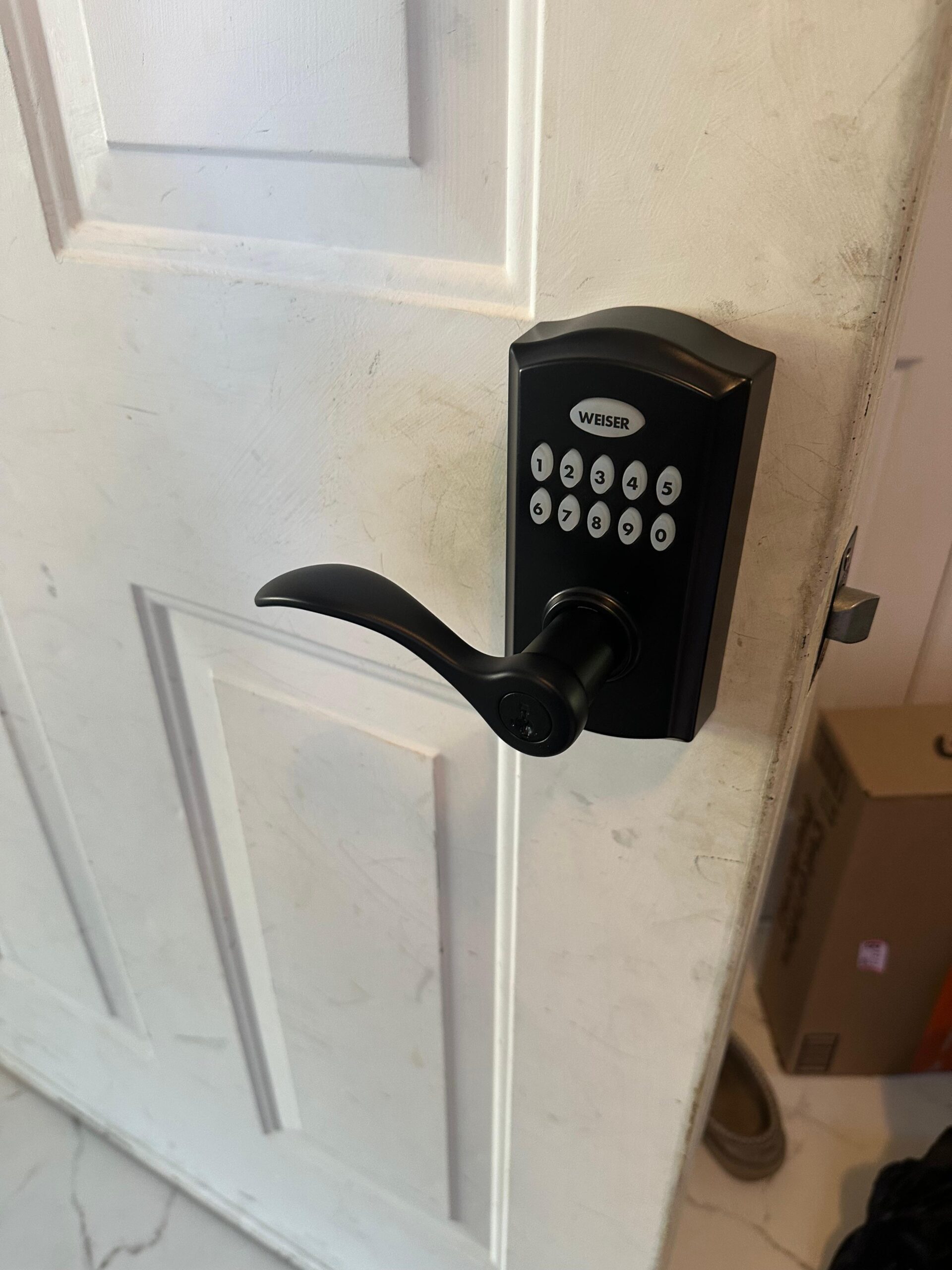
As people age, some everyday actions become harder. Gripping and twisting a round doorknob, turning a small deadbolt thumbturn, finding a keyhole in poor light or holding a key steady can all become difficult, particularly with arthritis, reduced grip strength or limited vision. Door hardware that was fine for years can become a daily obstacle and, in some cases, a safety concern.
Adjusting the hardware can make a real difference to independence at home. The aim is not to install the newest technology, but to choose locks and handles that the person can operate reliably, that still secure the home, and that allow family, caregivers, firefighters and paramedics appropriate access.
Round knobs require grip and a twisting motion. Lever handles can be operated with a push of the hand, forearm or elbow, which is much easier for people with arthritis or reduced grip. Replacing knobs with levers is one of the most useful changes for interior and exterior doors.
Levers are available in many finishes and styles to match existing hardware. The technician should check the door's preparation, backset and thickness so the new lever fits without unnecessary modification. On exterior doors, a lever set can be paired with a deadbolt. Lever problems such as a drooping handle are put right through loose door handle and lock repair.
A small thumbturn can be hard to grip and turn. Larger or extended thumbturns are available for many deadbolts and are easier to operate. Make sure the deadbolt moves freely: a bolt that binds because the door is out of alignment needs much more effort to turn. Correcting the alignment often helps more than changing the lock. Alignment problems of this kind are the usual cause of a stuck deadbolt.
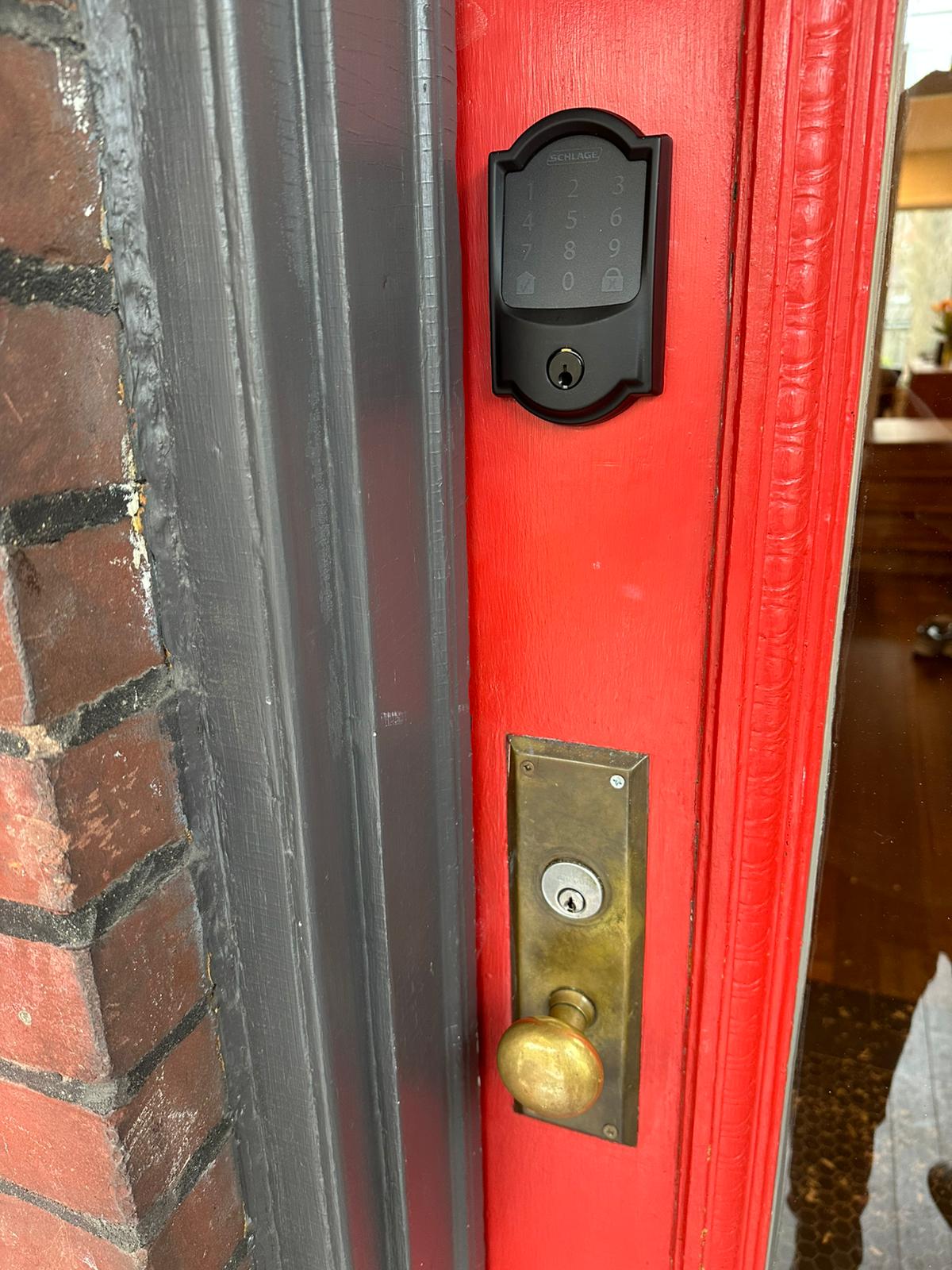
A keypad deadbolt removes the need to find and turn a key outside. Codes should be easy for the resident to remember but not obvious to others. Large, backlit keypads suit people with limited vision. Keep a backup entry method, and follow the manufacturer's guidance on batteries. Codes for family and caregivers are set up during keypad lock installation.
If a key is hard to hold, a key with a larger head or a key turner that clips onto the key can give better leverage. Coloured key caps help identify the right key. Good lighting at the entrance makes the keyhole easier to find.
Reducing the number of keys helps too. If the front and back doors use different keys, compatible cylinders can be rekeyed to one key. That arrangement is known as one key for every door.
Many older people rely on family members, home care workers or neighbours. Decide who needs access and how. Giving each person their own keypad code allows access to be tracked and removed when no longer needed. A lockbox holding a key, installed in a discreet location, is another option, but the code must be protected.
Consider how firefighters or paramedics would enter if the resident could not open the door. Some families leave a key with a neighbour; some keypad locks allow a separate code for named contacts. Discuss the arrangement with the household and choose what suits their situation.
Photos
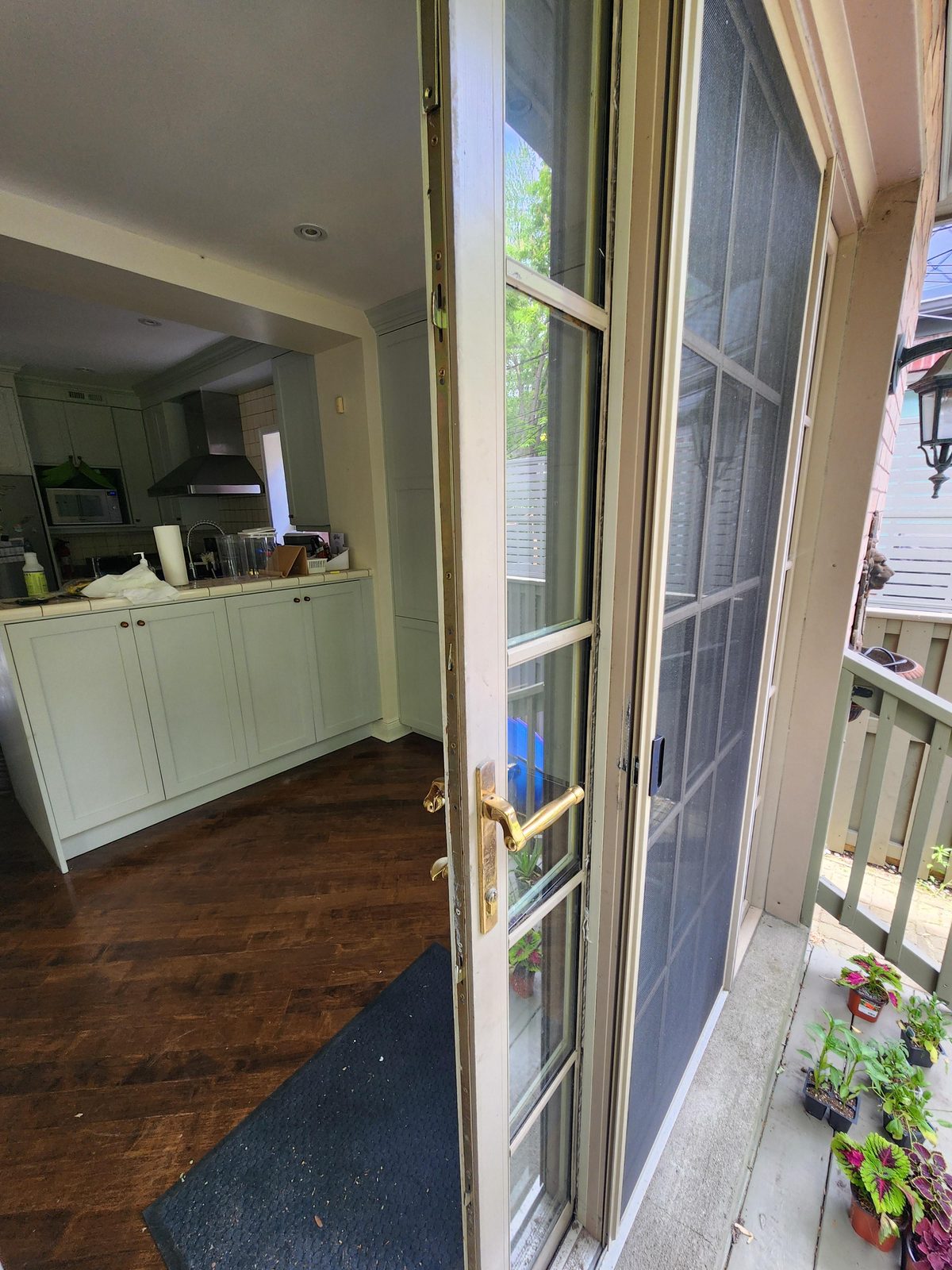
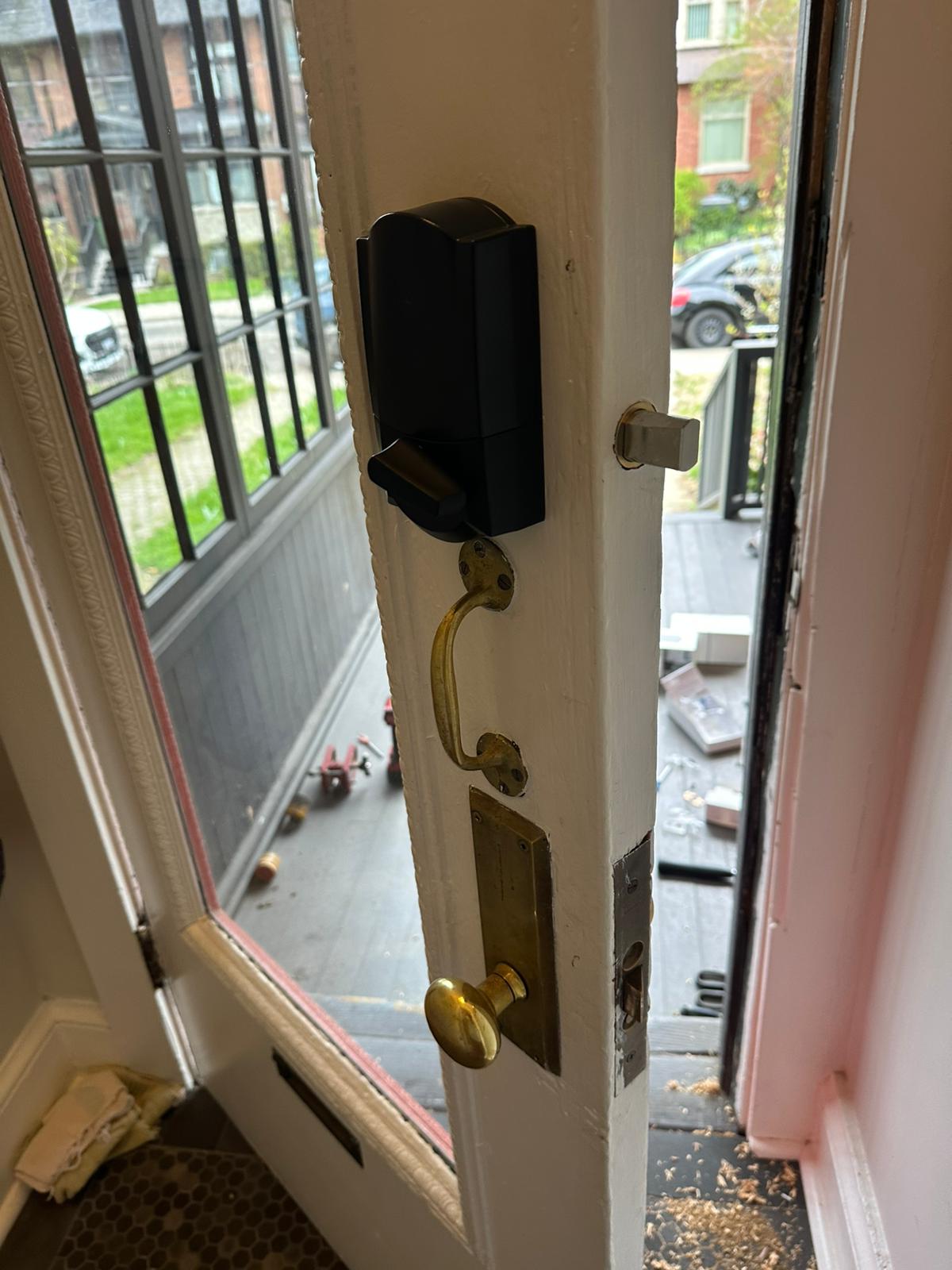
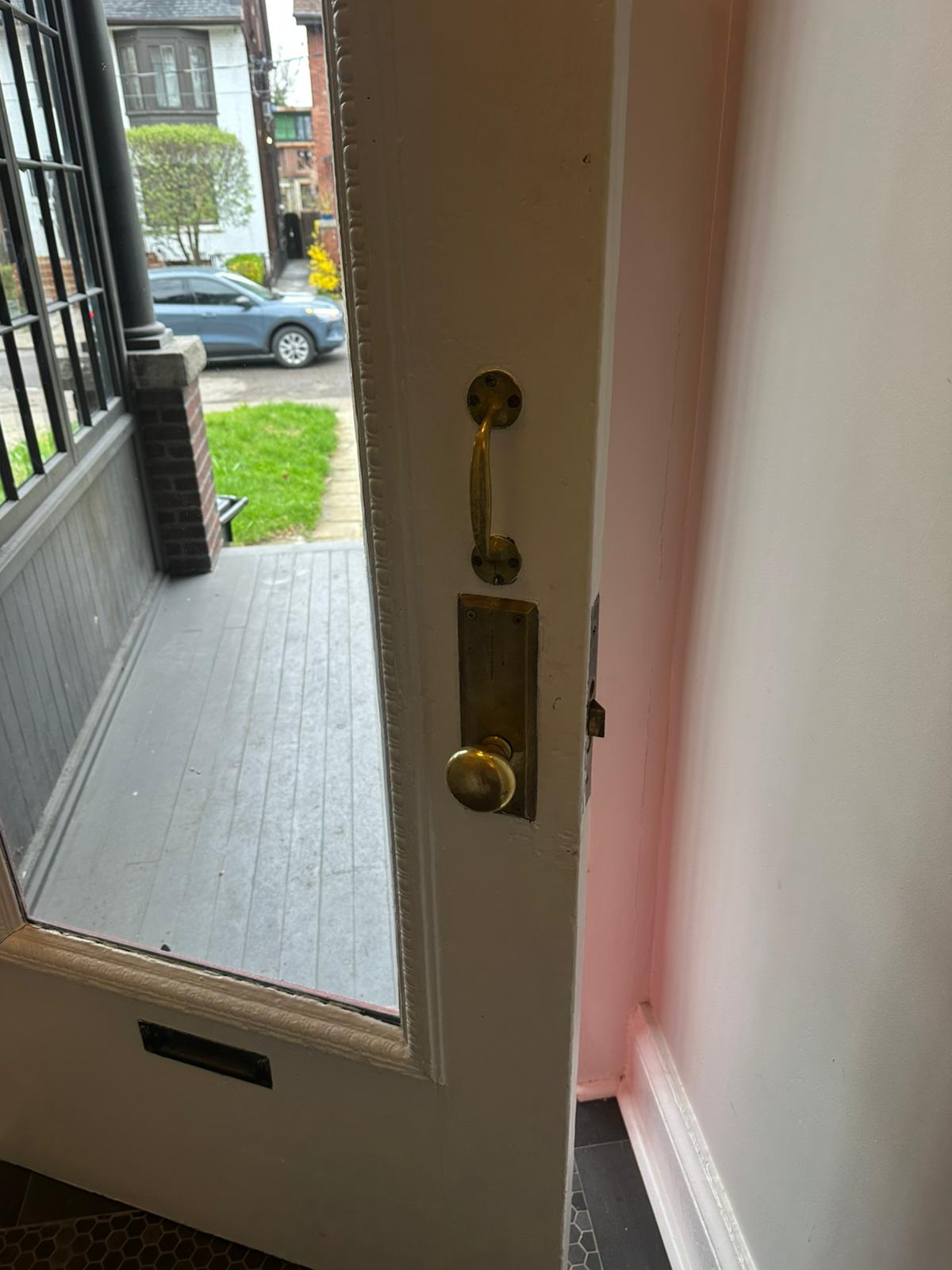
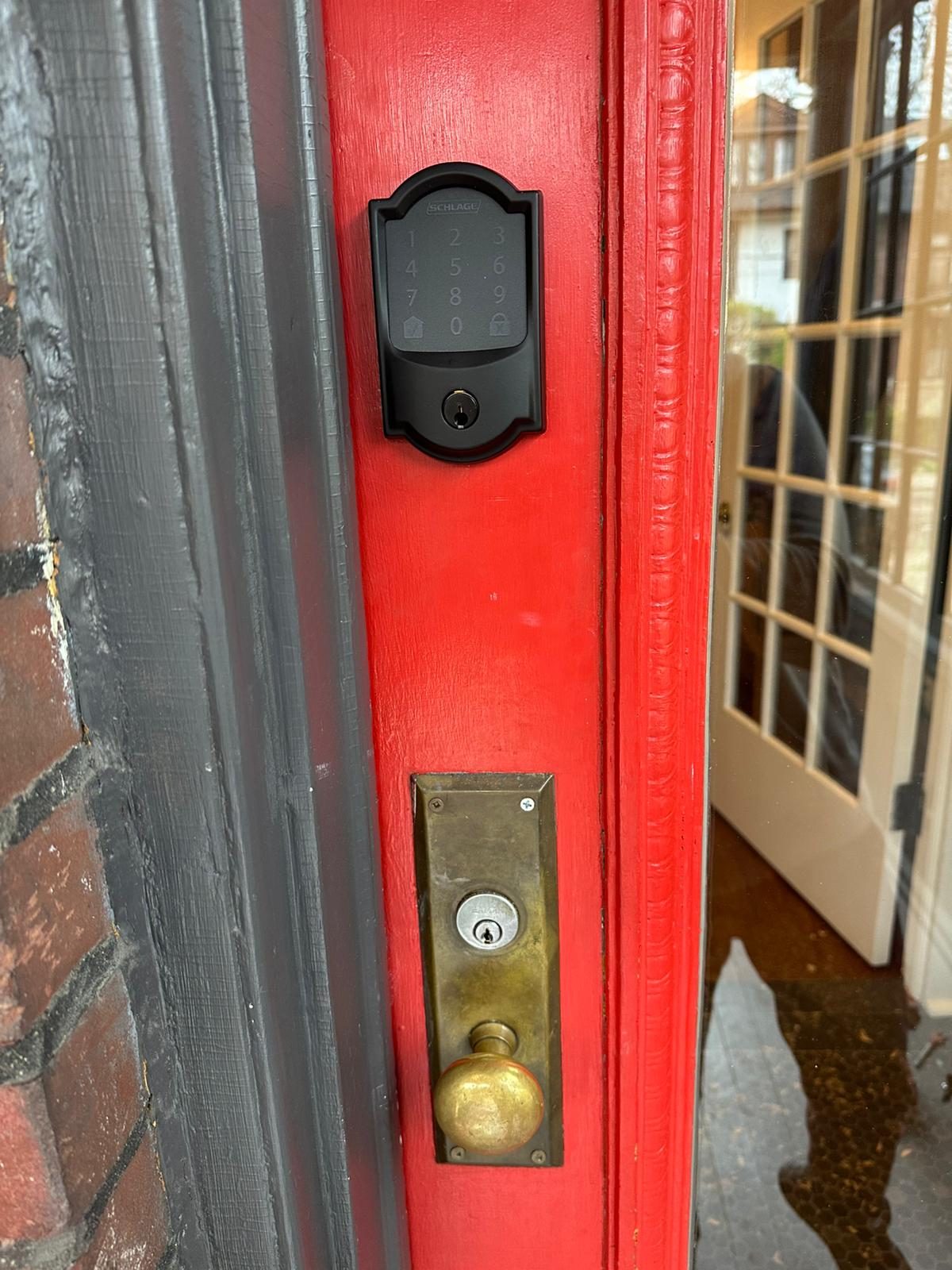
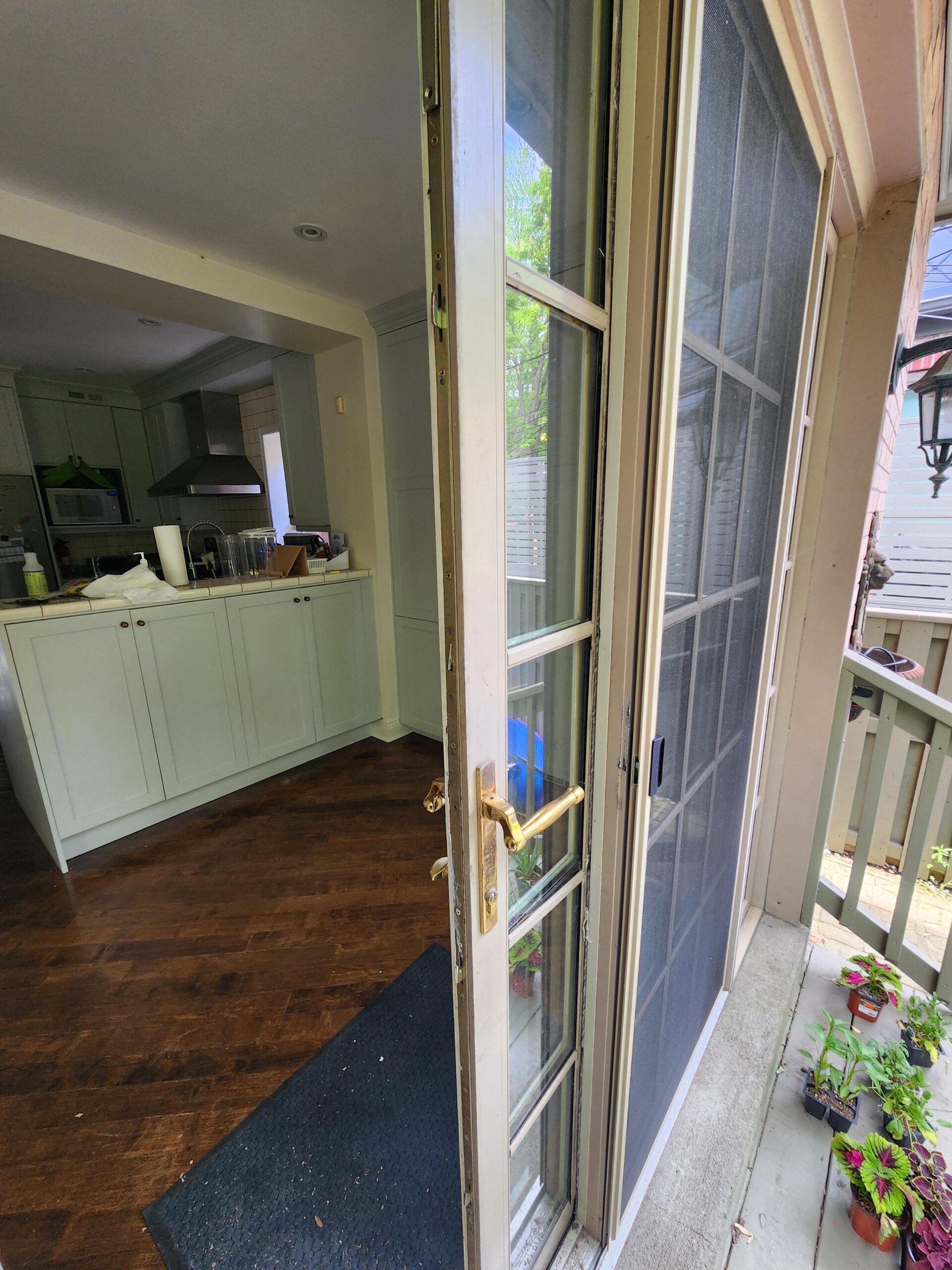
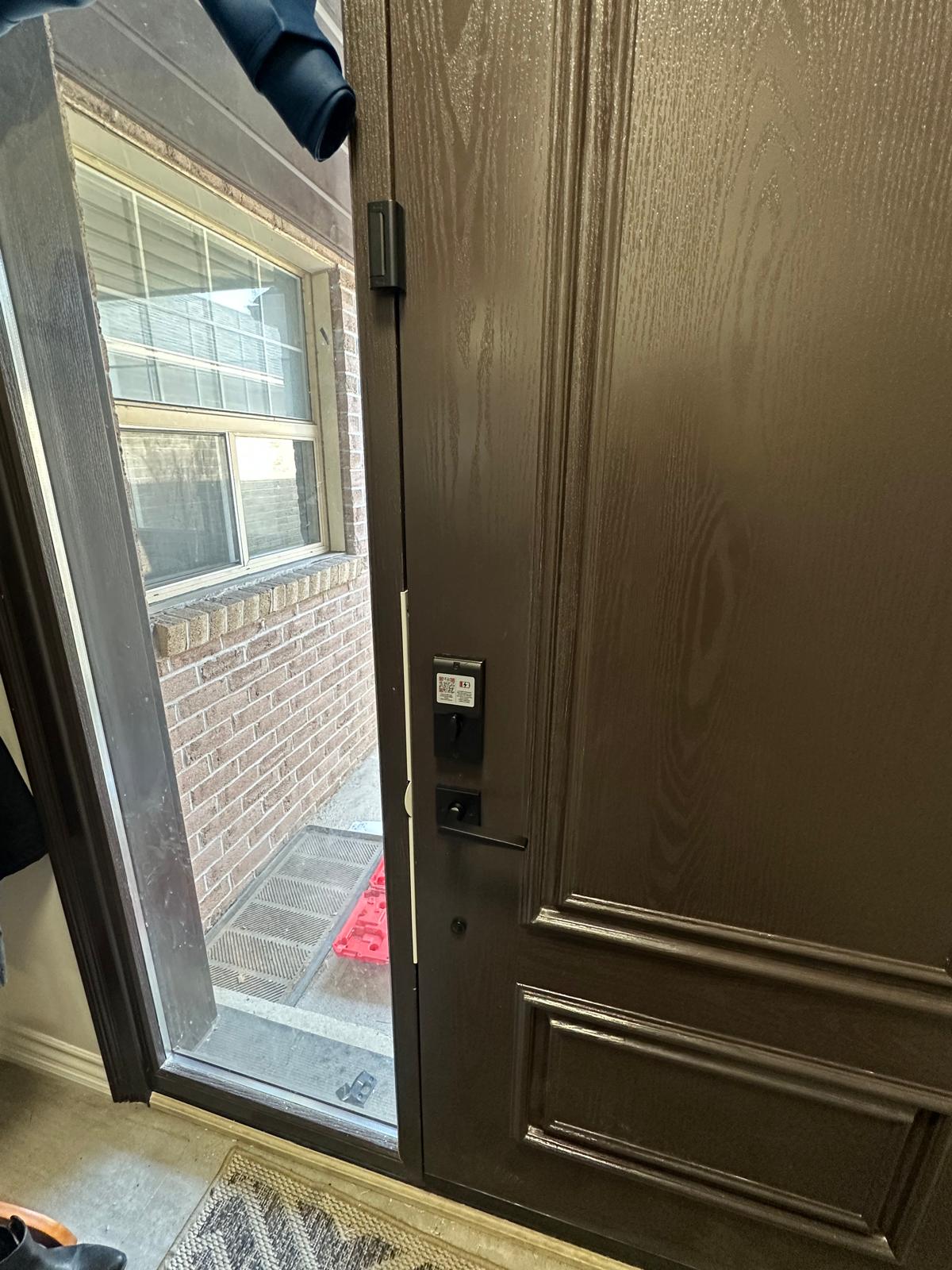
Photographs from GTA Lockman Mobile Locksmith Services work across Toronto and the GTA. Send a picture of your own door and we can tell you what the visit would involve.
Interior doors matter too. Bathroom and bedroom privacy locks should be easy to open from outside if someone needs help, usually with a simple release tool. Lever handles on interior doors make them easier to open when carrying something or using a walker. Doors that stick or require force should be adjusted so they open smoothly.
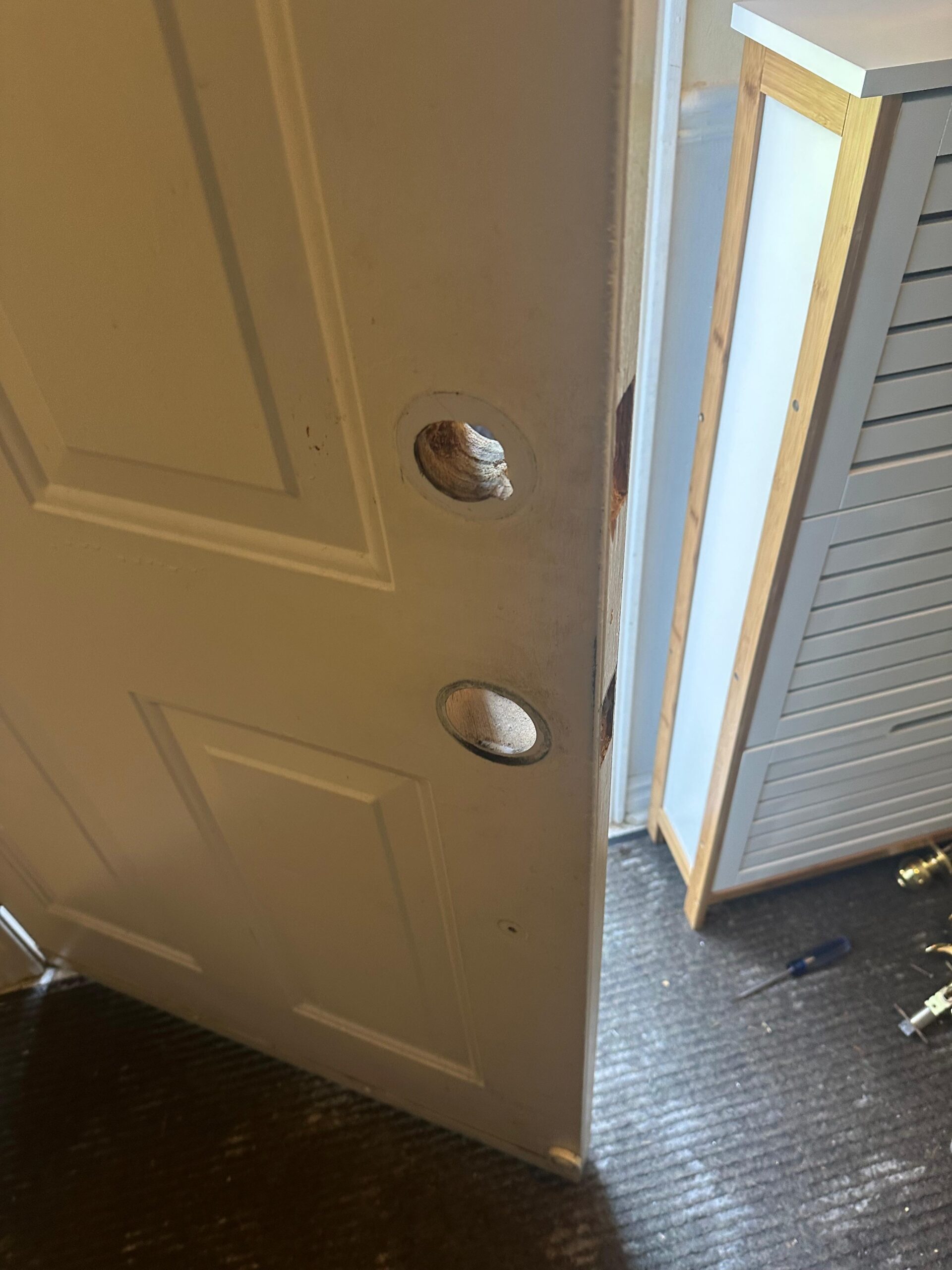
A door closer that is adjusted too strongly can make a door hard to push open and can close it too hard on someone using a walker or cane. Adjusting the closer to reduce force and slow the closing speed makes the door easier and safer to use, while still allowing it to close and latch. The same principle applies to condo suite doors, though building rules may apply; check with management before adjusting a suite door closer.
Start with the doors the person uses most: the main entrance, the bathroom and the bedroom. Ask what they find difficult. Sometimes a simple adjustment, such as freeing a binding bolt or replacing a worn key, solves the problem without new hardware. The technician should explain options and let the household decide.
For people with limited vision, contrast helps. Hardware in a finish that stands out from the door, a keyhole ring that is easier to see, and good lighting at the entrance make locks easier to find and use. Tactile markers on keys, such as a notch or cap, help tell keys apart by touch.
Keypads with large, raised buttons and audible feedback suit people who have difficulty seeing small displays. For people with hearing loss, a visual indicator that the door has locked can be reassuring. Choose features that match the person's needs rather than the most complex option available.
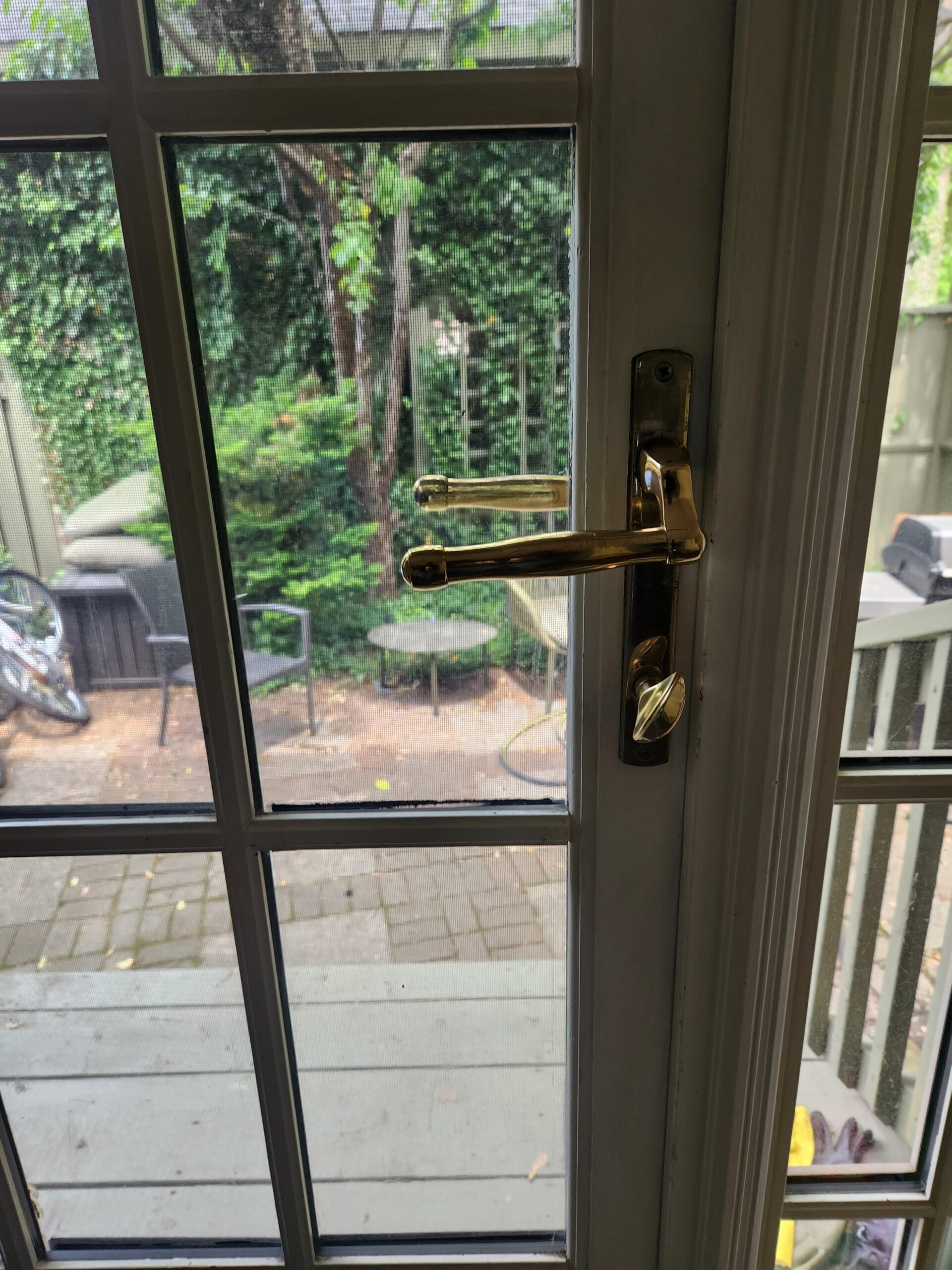
Easier hardware should still secure the home. A lever set should be paired with a deadbolt on exterior doors. A keypad should use a code that is not obvious, such as a birth year. A lockbox should be discreet and use a code shared only with people who need it. Review access arrangements when caregivers change, and remove codes that are no longer needed.
The goal is a home where the resident can come and go independently, family and caregivers can help when needed, and the doors still protect the household.
Occupational therapists and home care workers often notice when door hardware has become a barrier. Their observations about grip, reach and vision can help choose the right changes. If an occupational therapist has made recommendations, share them when you call so the hardware options match. Family members arranging the work should involve the resident in the decision, test the new hardware with them, and make sure they are comfortable using it before the technician leaves. A short demonstration of a keypad or new lock is often worth more than any feature list.
Changes can also be made gradually. Some families begin with lever handles on the most-used doors and a larger key for the front door, then add a keypad deadbolt later if it would help. Review the arrangement from time to time, particularly after a change in health or mobility, so the hardware continues to suit the person using it. An arrangement that worked well a few years ago may need adjusting as needs change, and small adjustments made early are usually easier for the resident to adapt to than a large change made in one step after a fall or illness. Ask the resident regularly how the doors are working for them, because small difficulties are easier to solve before they become reasons to avoid going out.
Businesses face the same grip and strength problems at their own doors, and lever handles, lighter closers and low thresholds are the basis of accessible entrances.
When you call, describe the doors, the difficulties the person has and any access arrangements for family or caregivers. Rekeying, deadbolts and other changes around the house are part of our residential locksmith services.
Keep reading
For most people with reduced grip or arthritis, yes. A lever can be pushed down with the hand, wrist or elbow, while a round knob requires gripping and twisting. Replacing knobs with levers on frequently used doors is one of the simplest changes to improve independence at home. Levers come in many styles and finishes. The technician will check that the new hardware suits the door's preparation so it fits without unnecessary modification.
For most people with reduced grip or arthritis, yes. A lever can be pushed down with the hand, wrist or elbow, while a round knob requires gripping and twisting. Replacing knobs with levers on frequently used doors is one of the simplest changes to improve independence at home. Levers come in many styles and finishes. The technician will check that the new hardware suits the door's preparation so it fits without unnecessary modification.
It can be, if the person is comfortable using it. A keypad removes the need to find and turn a key, which helps with limited grip or vision. Choose a model with large, clearly marked buttons and a backlit display. The code should be memorable to the resident but not obvious to others. Keep a backup entry method, check the batteries regularly and consider whether the person can manage low-battery warnings. For some, a larger key or a key turner is simpler.
Options include giving family members their own keypad codes, keeping a key with a neighbour you know well, or using a secure lockbox with a code shared only with those who need it. Individual codes can be removed when no longer needed, which is useful when caregivers change. Discuss the arrangement with the resident, respect their preferences and privacy, and keep a record of who has access.
First, check whether the bolt is binding because the door has shifted. A misaligned bolt takes much more force to turn, and adjusting the strike or hinges often makes it easy again. If the bolt moves freely and the thumbturn is still hard to grip, an extended or larger thumbturn may help. A keypad deadbolt with motorized operation is another option. The technician can assess which change makes the most difference for the person.
Most interior privacy locks can be released from outside with a simple tool or a coin, which allows access if someone falls or becomes unwell. Check that the release works and that the tool is kept nearby. If a bathroom door has a lock that cannot be released from outside, consider replacing it with a privacy lever that can. Some households choose not to lock bathroom doors at all when an older person lives alone.
If the door has a closer, it can usually be adjusted to reduce the force needed to open it and slow its closing speed. That makes it easier and safer for someone using a walker or cane. The door should still close and latch reliably. If the door is heavy because it binds on the frame or floor, adjusting the hinges may help. In a condo, check building rules before adjusting a suite door closer.
Fewer keys are easier to manage. If the front, back and garage doors use different keys, compatible cylinders can often be rekeyed to one key. A key with a larger head or a coloured cap helps identify it. Removing unused keys from the ring reduces confusion. The technician can confirm which locks can share a key and whether any need a replacement cylinder.
Start with the door the person uses most, usually the main entrance, and ask what they find difficult. Often the most useful change is simple: a binding bolt adjusted, a worn key replaced, a knob changed for a lever or a closer adjusted. Larger changes, such as a keypad deadbolt, can follow if needed. Changes should be made with the person, not for them, so the hardware suits how they actually live.
GTA Lockman Mobile Locksmith Services is a mobile locksmith working on homes, businesses and vehicles across Toronto and the GTA, with more than 14 years in the trade. Every review is written by a customer on Google, where you can read them in full.
Areas served: Toronto, North York, Scarborough, Etobicoke, Vaughan, Richmond Hill, Markham, Stouffville, Newmarket, Mississauga, Brampton, Oakville, Milton, Halton Hills, Pickering, Ajax, Whitby, Oshawa, Uxbridge.
Describe the door, hardware and service address. Contact GTA Lockman Mobile Locksmith Services to confirm the scope and scheduling for your location.