Locksmith services are always 10% off for seniors.
Open Mon–Thu 8:30 AM–9 PM, Fri 8:30 AM–4 PM, Sun 9:30 AM–9 PM
Locksmith services are always 10% off for seniors.
Open Mon–Thu 8:30 AM–9 PM, Fri 8:30 AM–4 PM, Sun 9:30 AM–9 PM
GTA Lockman Mobile Locksmith Services · Toronto & GTA
Assess household lock problems in the context of the door, building requirements and the people using it.
Related services
Repairs, rekeying and replacement hardware for homes, condos and apartments, with attention to the whole door.
Learn moreFind the reason a key sticks, a bolt binds or a latch fails before deciding what needs replacement.
Learn moreSeparate mechanical repairs from key-control changes and document the condition of each affected opening.
Learn moreFind why the handle moves, droops or fails to retract the latch, then address the responsible component.
Learn moreInvestigate why the door will not catch or release cleanly, including latch wear and frame alignment.
Learn moreUnderstand what a privacy lock does, how to release one from outside, and when a room needs a keyed lock.
Learn more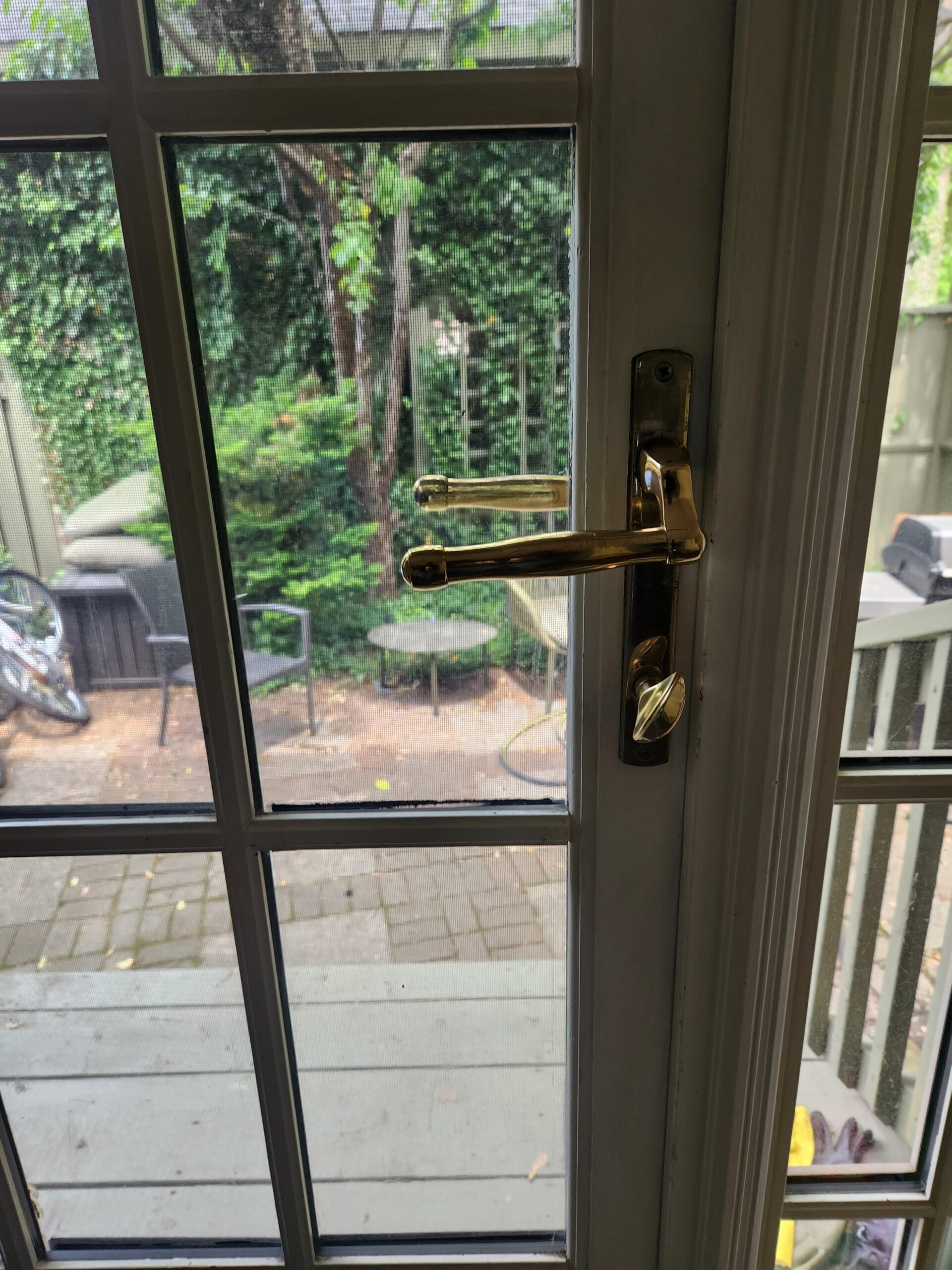
A house or condo lock complaint can involve the key, cylinder, latch, deadbolt, handle or the fit of the door. The same description, such as the lock sticks, can refer to several different conditions. Start by explaining which action fails and whether it happens from the inside, outside or both. The assessment can then focus on the relationship between the parts.
Observe how the door closes during ordinary use. Does the latch catch without assistance? Does the deadbolt move freely after closing? Does the handle return to its usual position? Avoid repeated force or dismantling simply to produce an answer. The technician can assess the mechanism while preserving the opening's intended operation.
GTA Lockman Mobile Locksmith Services provides residential lock service across its established service area. Repairing household openings often means working within the additional requirements that can apply to condominium units. A broader lock repair assessment may also address commercial hardware, but a home visit should remain specific to the affected entrance and authorized work.
A detached or semi-detached home may have different products at the front, rear, side and garage-entry doors. A fault at one entrance does not establish that every cylinder needs replacing. List the affected openings and note which keys operate them. That helps distinguish a mechanical problem from a separate wish to simplify or change access.
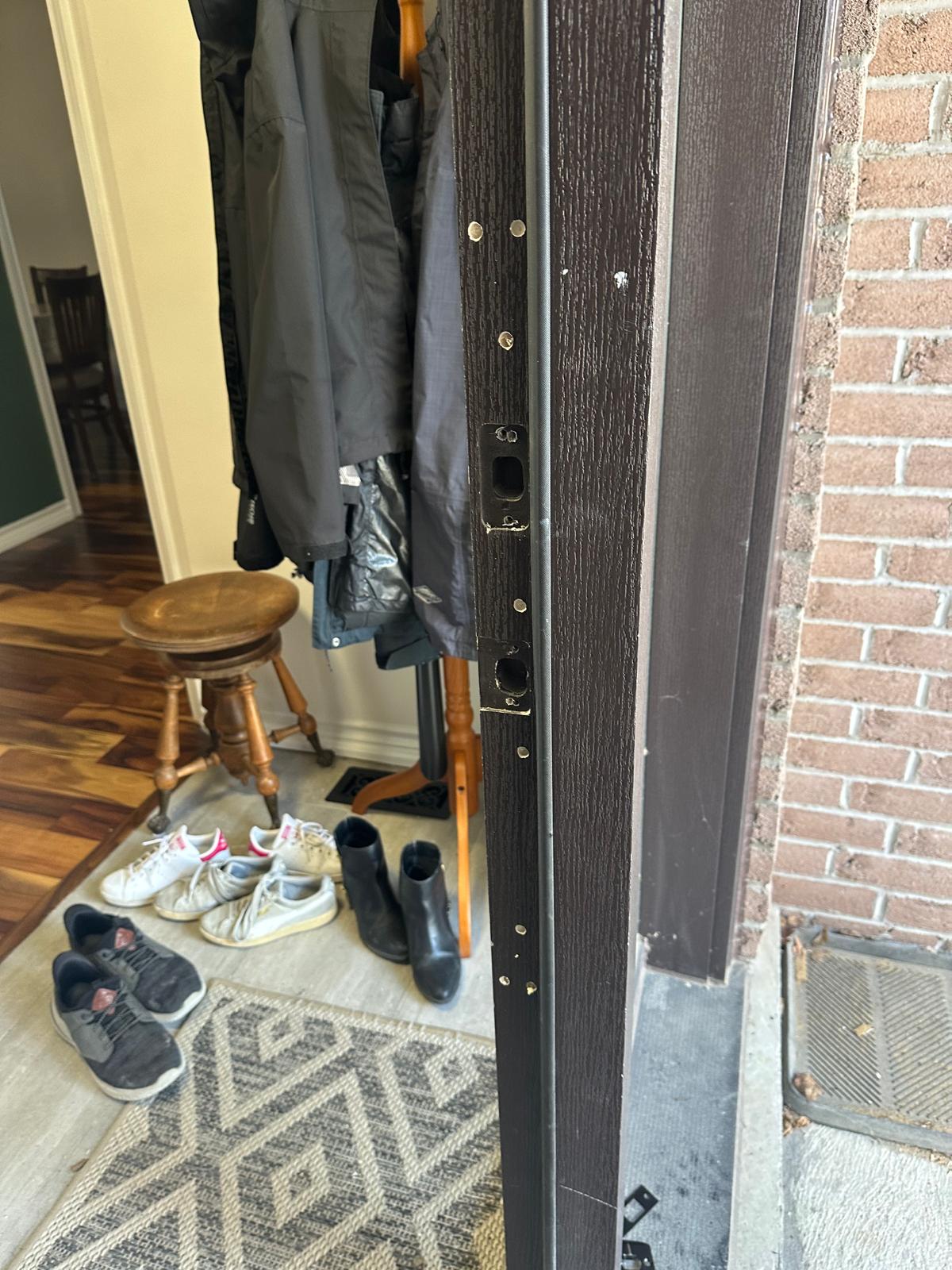
Renovations can introduce mismatches between old preparation and newer trim. A door may also have marks or holes from previous hardware. If the current lock was recently removed, painted around or reinstalled, mention that history. It can affect fitting and the choice of compatible components.
Seasonal resistance deserves assessment rather than routine forcing. Changes in door fit may load the bolt or latch, but the actual cause must be inspected. Do not assume every stiff lock is simply a weather problem or that an oversized strike opening is the appropriate solution. The door and frame need to be evaluated together.
A suite entrance may be part of a controlled assembly with specified hardware, appearance or key arrangements. Contact management for the requirements before buying replacement components or altering the trim. A product that fits the visible holes can still be unsuitable for the opening.
Explain whether the fault affects the suite door, a common entrance or a building fob. These are separate access systems with different administrators. A locksmith's repair to a private cylinder does not deactivate a common-area credential. Management may need to handle that part of the request independently.
Where approval is needed, keep the approved scope available for the appointment. Identify the person who can authorize additional work if internal damage is found. Clear permission prevents a mechanical repair from becoming an unplanned change to a building key system or a dispute about a resident's access.
A loose handle can be caused by mounting, a worn connection or an internal component. A lever that droops is not necessarily repaired by replacing the cylinder. Describe whether the handle moves without retracting the latch and whether the same behaviour occurs on both sides of the door.
Those connections are where loose handle repair begins. Avoid overtightening accessible screws in an attempt to remove all movement. Excess pressure can affect operation, and some assemblies require model-specific fitting. The technician should identify the failed part before the whole lockset is assumed to be unusable.
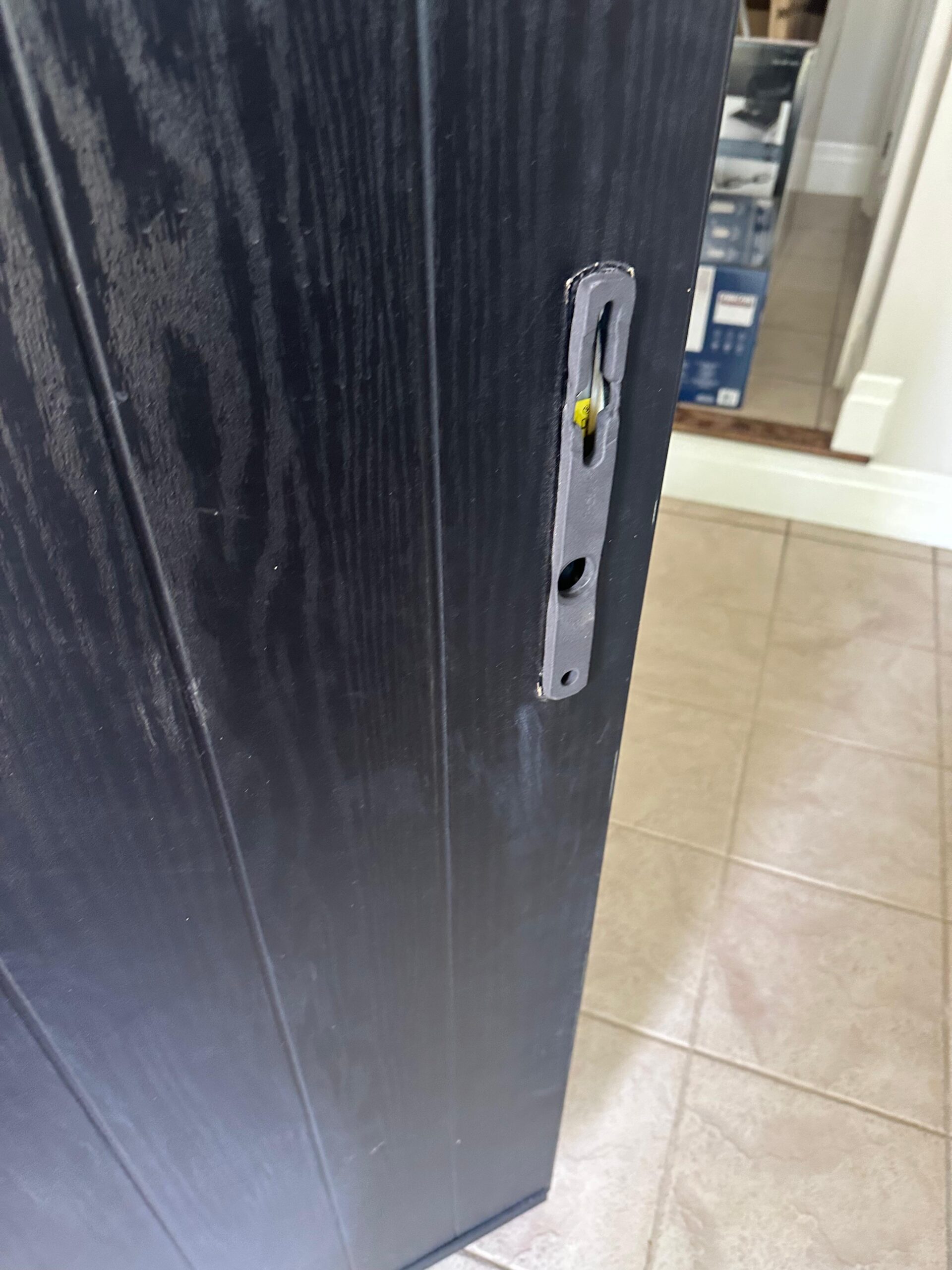
If the latch retracts but the door still will not release, the surrounding fit or another component may be involved. If it fails to catch when closing, the relationship to the strike needs checking. Keep the description precise so the repair is tested against the actual symptom rather than a general statement that the handle feels wrong.
The latch and deadbolt must meet their intended frame openings. Hinge movement, door position and fitting can affect that relationship. A lock that operates smoothly with the door open but binds when closed provides useful evidence about where the assessment should concentrate.
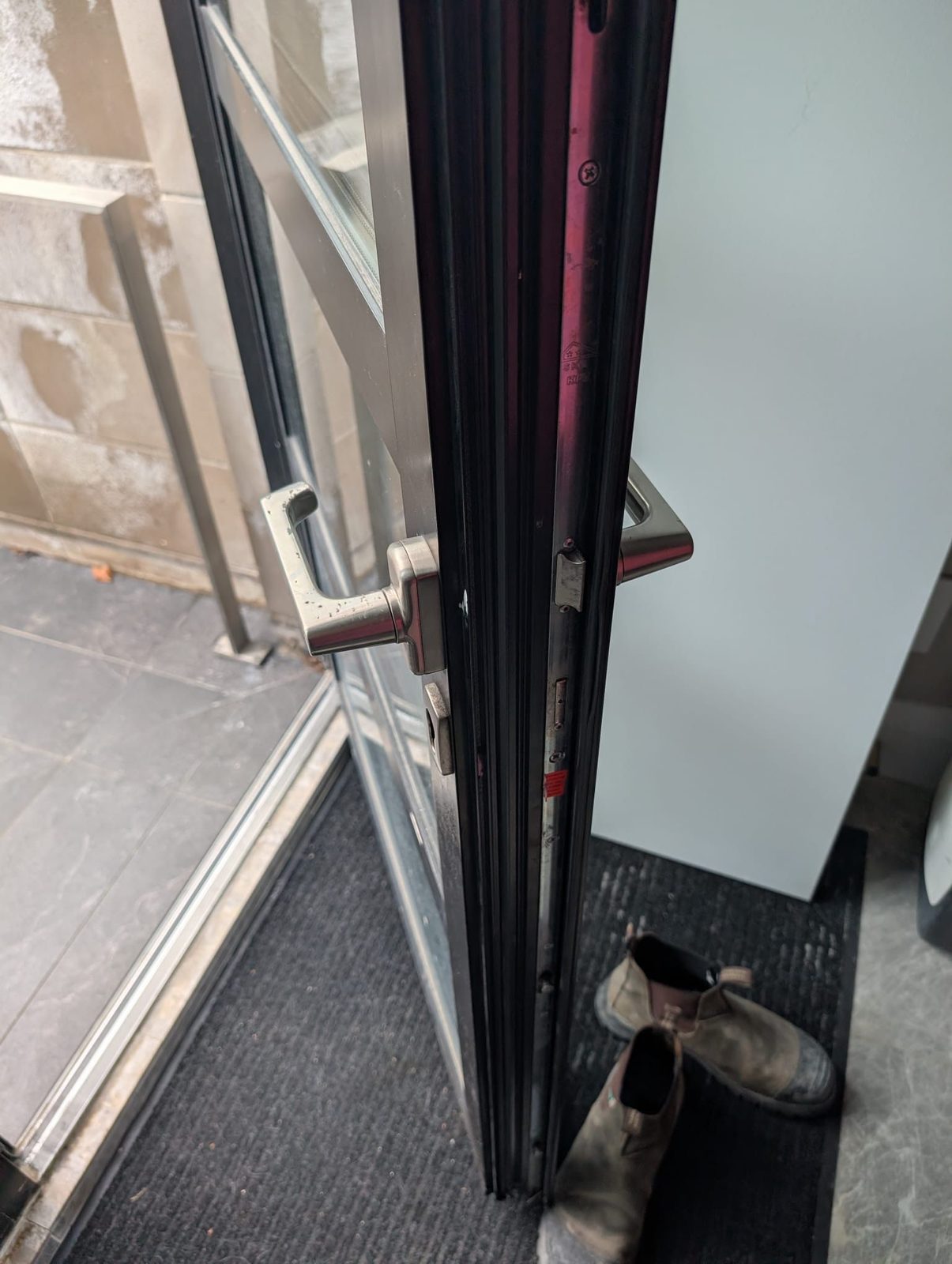
The latch and strike repair service considers wear in the latch separately from alignment at the frame. Filing or moving a strike without establishing why the door shifted can leave an unreliable result. Likewise, a replacement cylinder does not move the bolt into alignment.
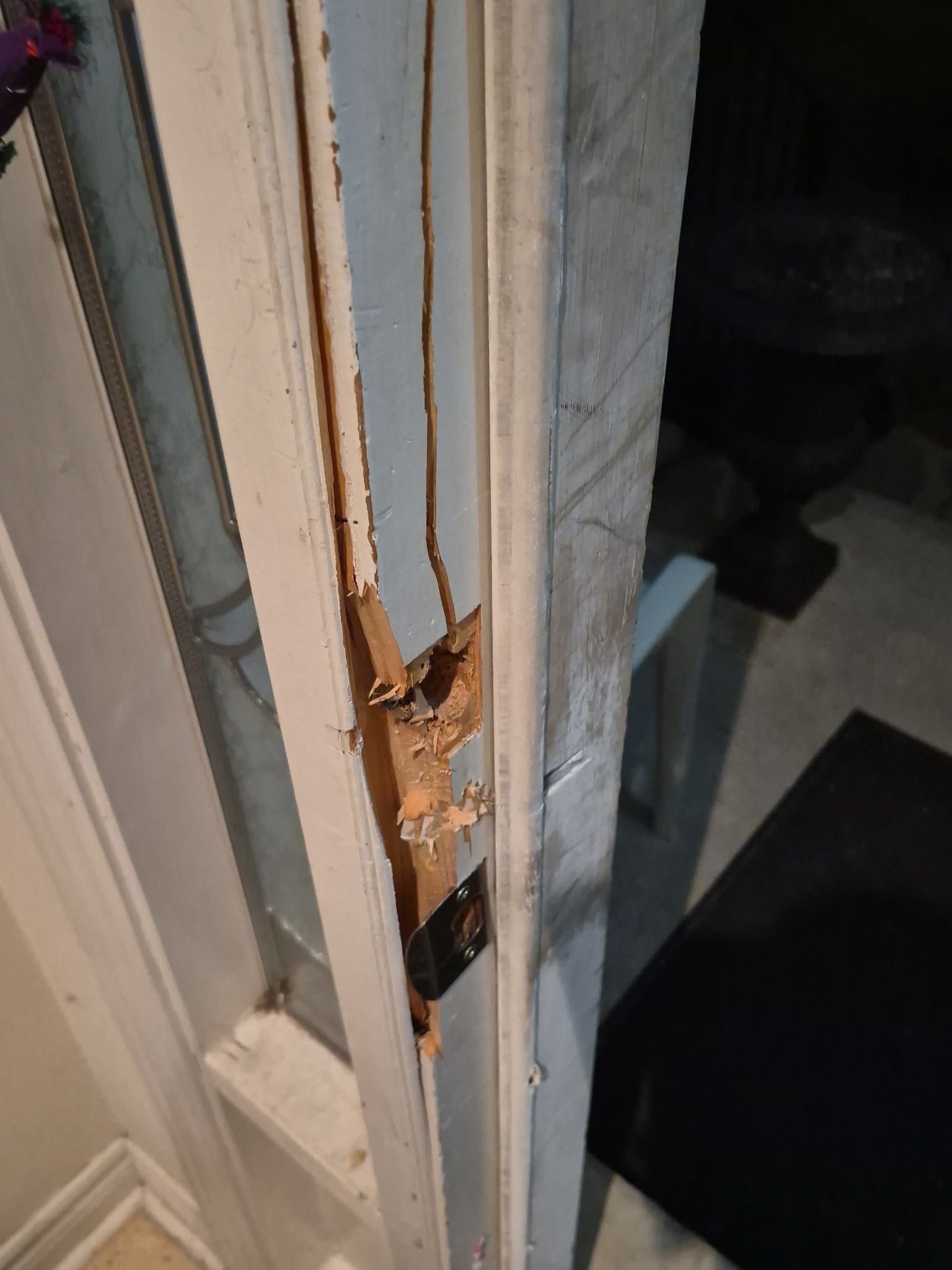
Visible frame damage needs to be recorded. Lock work may be completed while a separate door or structural repair remains necessary. Ask for that limit to be stated clearly. The fact that a key turns after service should not be represented as proof that every part of a previously damaged opening has been restored.
Photos
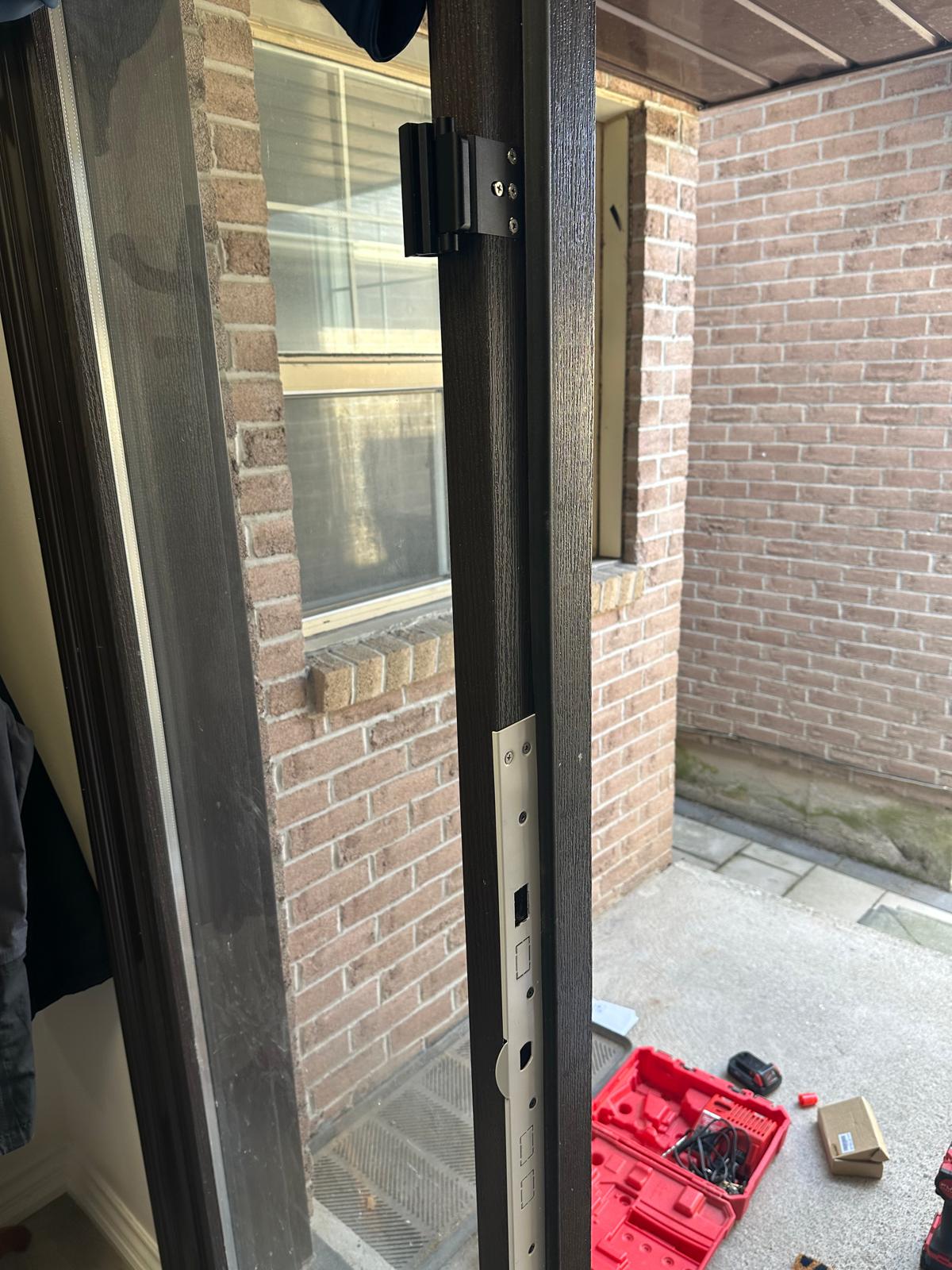
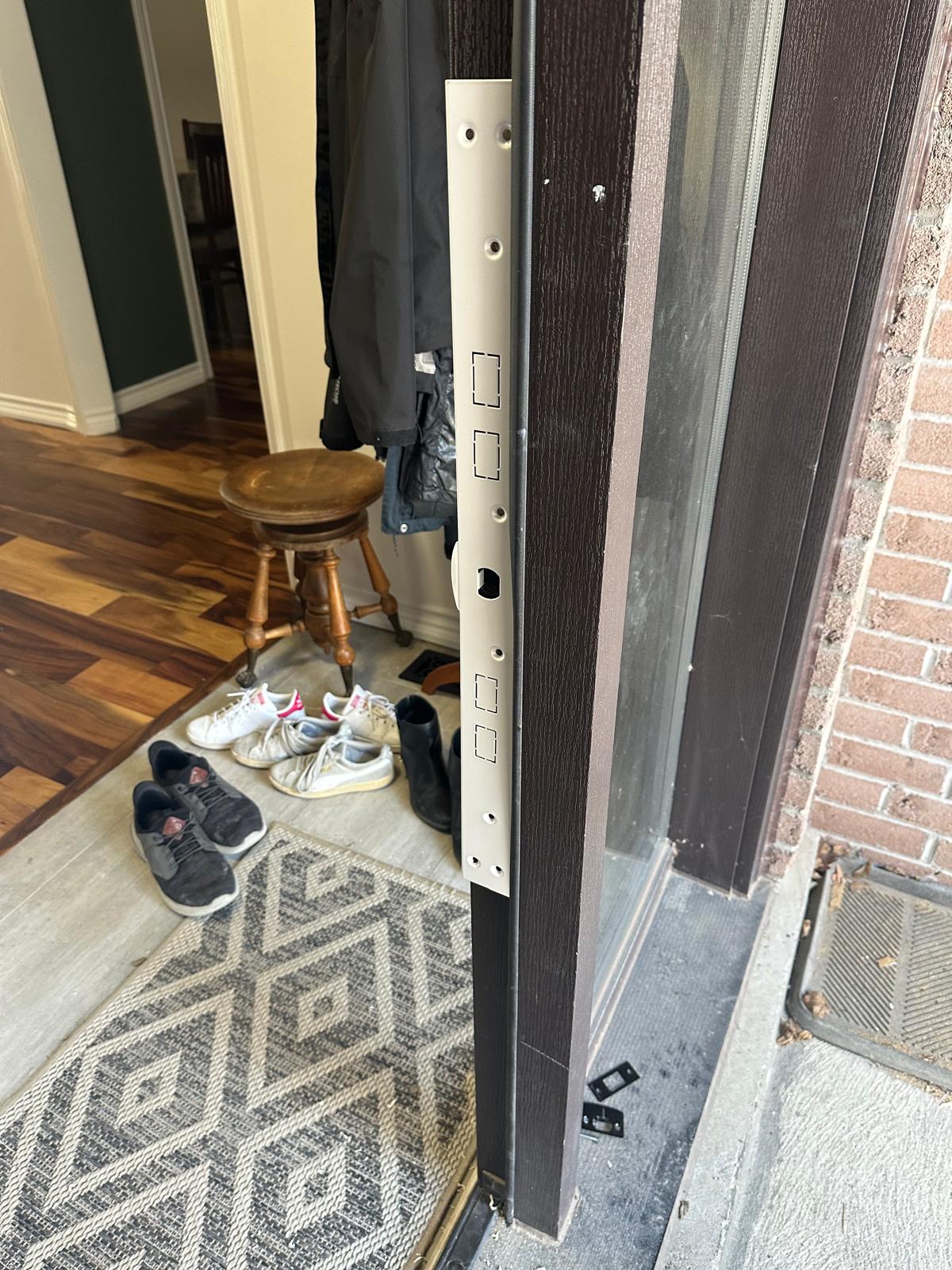
Photographs from GTA Lockman Mobile Locksmith Services work across Toronto and the GTA. Send a picture of your own door and we can tell you what the visit would involve.
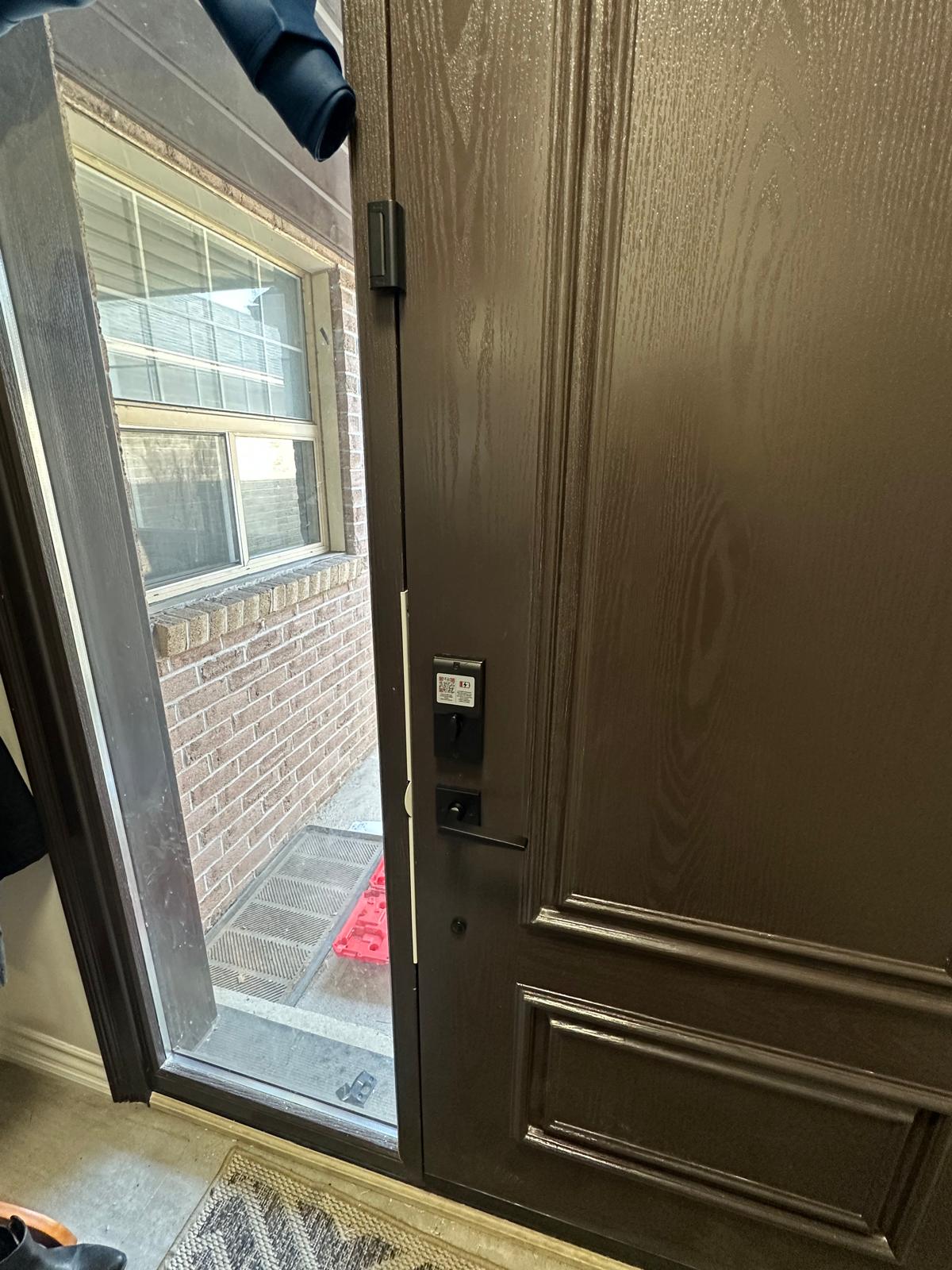
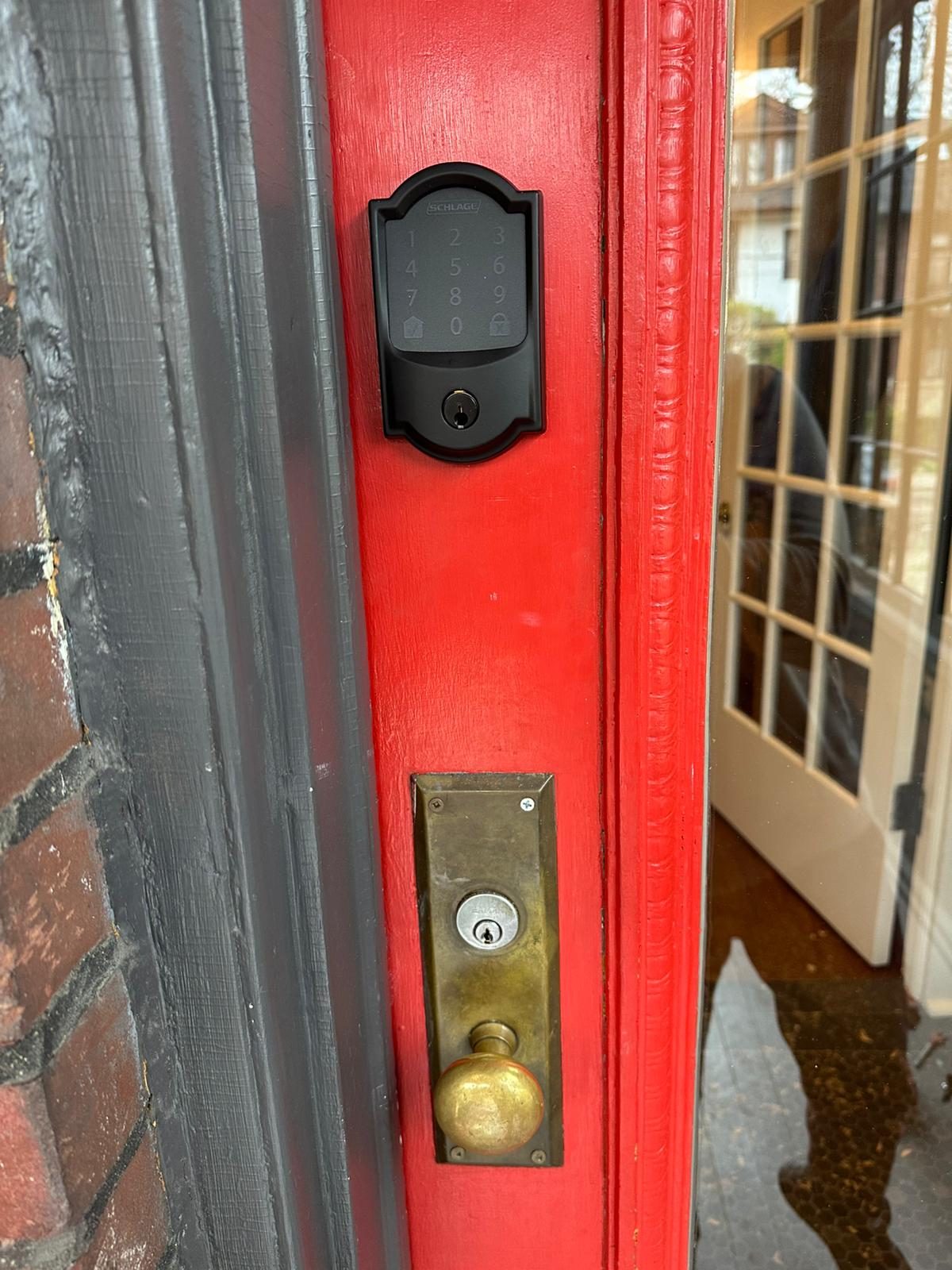
A keypad or connected lock can report a fault because of mechanical resistance as well as power or controls. Note lights, sounds and messages, but do not repeatedly operate a struggling motor. The model determines its supported batteries, backup entry and setup procedure.
If access remains available, the technician can assess physical fit and compatible hardware while the administrator reviews account settings. Software or cloud-service issues may require manufacturer support. Avoid resetting the device without understanding its ownership, model and access consequences.
In a condo, electronic replacement still needs to meet the building's requirements. Adding features does not remove the need to preserve the intended operation of the door. Establish the permitted product and the person responsible for managing codes before the installation or repair is approved.
When a tenant moves out, record mechanical condition separately from key possession. A latch may need repair even when every key has been returned. Conversely, a sound lock may need an authorized access change despite showing no mechanical fault. Keeping those as separate work items is standard practice in lock repair after a tenant moves out.
Take condition photographs that show hardware without exposing tenant information or private belongings. Identify the owner or manager who can approve the scope. If possession or access rights are disputed, resolve those issues through the appropriate process before changing the locks. The service appointment should not be used to determine the dispute.
The next occupant benefits from a documented handover. Record which keys operate which doors, whether any electronic users were removed and which components were repaired. That information is more useful than assuming a single statement that the locks were checked covers every access and maintenance question.
Before work begins, ask what caused the symptom, what will be repaired and what will remain. Where replacement is proposed, understand why a compatible repair is unsuitable or unavailable. Cosmetic changes and optional upgrades should be identified separately from the work needed to restore ordinary operation.
At completion, test normal closing, latching and locking with the door open and closed. Check each supplied key and the inside controls without a special push or lift. If another trade or product provider still needs to address part of the problem, record that responsibility with the invoice.
Keep hardware details for future service, especially where building requirements limit replacements. Follow the manufacturer's maintenance guidance and arrange an assessment if looseness or repeated resistance returns. A useful repair preserves the opening's intended function and leaves the household with a clear account of what changed.
A house may have several locks with different symptoms, while a condominium may have one entrance shared by all occupants. Prioritize the service request by describing which door cannot perform its normal function and what other authorized access remains available. Then identify secondary concerns, such as a loose interior handle or a mailbox lock.
This avoids combining unrelated symptoms into one vague request for a new lock. A sticking front-door cylinder, a rear latch that misses its strike and an electronic account issue can require different work. The technician can assess the physical opening and explain which tasks belong together. Where management, a product provider or another trade must act, keep those responsibilities separate in the record. The completed repair should be checked under ordinary use by the people who rely on the opening, not only by a brief demonstration with the door held in a favourable position.
Keep reading
A managed building can have requirements for entrance appearance, hardware, key systems and door function. Ask the responsible management representative what applies before authorizing a product change. A repair that retains existing compatible components may have a different scope from replacing the complete assembly, but that should be established rather than assumed. Tell the locksmith whether the entrance is part of a controlled system and provide accessible product information. The appointment should identify both the mechanical problem and the person authorized to approve the proposed work on that particular opening.
A managed building can have requirements for entrance appearance, hardware, key systems and door function. Ask the responsible management representative what applies before authorizing a product change. A repair that retains existing compatible components may have a different scope from replacing the complete assembly, but that should be established rather than assumed. Tell the locksmith whether the entrance is part of a controlled system and provide accessible product information. The appointment should identify both the mechanical problem and the person authorized to approve the proposed work on that particular opening.
Sometimes. Work on a latch, mounting connection, strike or door alignment may leave a serviceable keyed cylinder unchanged. A failed cylinder or a separate key-control concern can require a different arrangement. Explain whether keeping the existing key is a preference and whether it operates other locks. The technician should distinguish mechanical repair from rekeying in the proposal. After the work, test all relevant retained keys and confirm any limitations. Do not assume that a repair invoice automatically means the old keys were invalidated or that a replacement component necessarily changes every household key.
Different users may apply pressure or move the handle differently, temporarily compensating for a mechanical problem. One person may lift the door or pull it toward the frame without noticing. Describe the ordinary sequence and any extra movement required, rather than dismissing the symptom because someone else can operate the lock. The assessment should look for consistent normal operation. A door used by several occupants should not depend on a particular person's strength or an undocumented technique. If the product's intended function is unclear, ask for a demonstration during the handover.
No. A loose handle can involve mounting, spindle or return components, while a cylinder problem concerns the keyed mechanism. Both can occur in one assembly and produce confusing symptoms. Tell the technician which part moves and whether the key, handle and inside control each work. A photograph of the door edge can help identify the product family. The proposed repair should name the affected component rather than treating all movement as a reason to replace the complete lock. Correct identification also helps determine which retained parts should be tested after reassembly.
Identify the door and building requirements before work is planned. Hardware changes on a specialized entrance should be assessed for compatibility with its intended function, and management may need to approve the product or method. Do not drill additional openings or substitute an unrelated latch based only on appearance. The locksmith can inspect the existing arrangement and explain the suitable scope, while questions about the building's requirements may need its responsible professional. Record the components used and any outstanding approval or door work rather than assuming that a functioning key settles every requirement for the opening.
Seasonal changes can coincide with door movement or changes in pressure, but the timing alone does not prove the cause. Record when the symptom occurs and whether the lock operates differently with the door open. Mention any swelling, scraping, seal changes or movement at the hinges that you have observed. Avoid repeatedly forcing a stiff key during the affected period. An assessment can compare the mechanism and its alignment. If another door or frame condition needs attention, that work should be identified rather than relying on a lock replacement to compensate indefinitely.
Authorization and access arrangements must be established through the appropriate property process. Tell the service provider who occupies the unit and who is responsible for approving the work. Do not treat a repair request as a way to resolve disputed access rights. The locksmith needs a defined scope and an appropriate representative, while any notice, consent or legal question should be settled separately with the relevant parties or adviser. Once the work is authorized, specify whether keys will change and how the affected occupants will receive the intended access afterward.
The explanation should connect the original symptom to the finding and the completed action. Test normal closing, locking and inside release, including each supplied key when the arrangement changed. Show any supported operating sequence that differs from the old hardware. Identify remaining conditions, such as frame damage or building-managed work, in writing. Keep the product details and invoice with household maintenance records. A clear handover lets the next occupant or property representative understand what was actually repaired, instead of relying on a general statement that the door has been looked at.
GTA Lockman Mobile Locksmith Services is a mobile locksmith working on homes, businesses and vehicles across Toronto and the GTA, with more than 14 years in the trade. Every review is written by a customer on Google, where you can read them in full.
Areas served: Toronto, North York, Scarborough, Etobicoke, Vaughan, Richmond Hill, Markham, Stouffville, Newmarket, Mississauga, Brampton, Oakville, Milton, Halton Hills, Pickering, Ajax, Whitby, Oshawa, Uxbridge.
Describe the door, hardware and service address. Contact GTA Lockman Mobile Locksmith Services to confirm the scope and scheduling for your location.