Locksmith services are always 10% off for seniors.
Open Mon–Thu 8:30 AM–9 PM, Fri 8:30 AM–4 PM, Sun 9:30 AM–9 PM
Locksmith services are always 10% off for seniors.
Open Mon–Thu 8:30 AM–9 PM, Fri 8:30 AM–4 PM, Sun 9:30 AM–9 PM
GTA Lockman Mobile Locksmith Services · Toronto & GTA
Set up suite, shared and interior door locks that respect both households, safe exit and the tenancy rules.
Related services
Separate mechanical repairs from key-control changes and document the condition of each affected opening.
Learn moreUnderstand what a double-cylinder deadbolt does, the fire-safety concern, and alternatives for doors with glass.
Learn morePlan keyless entry around door compatibility, code management and a practical backup entry method.
Learn moreFree a frozen lock without damaging it, and find out whether ice, alignment or batteries caused the problem.
Learn moreRelease a deadbolt that will not retract, then correct the alignment or lock fault that caused it to bind.
Learn moreRepairs, rekeying and replacement hardware for homes, condos and apartments, with attention to the whole door.
Learn more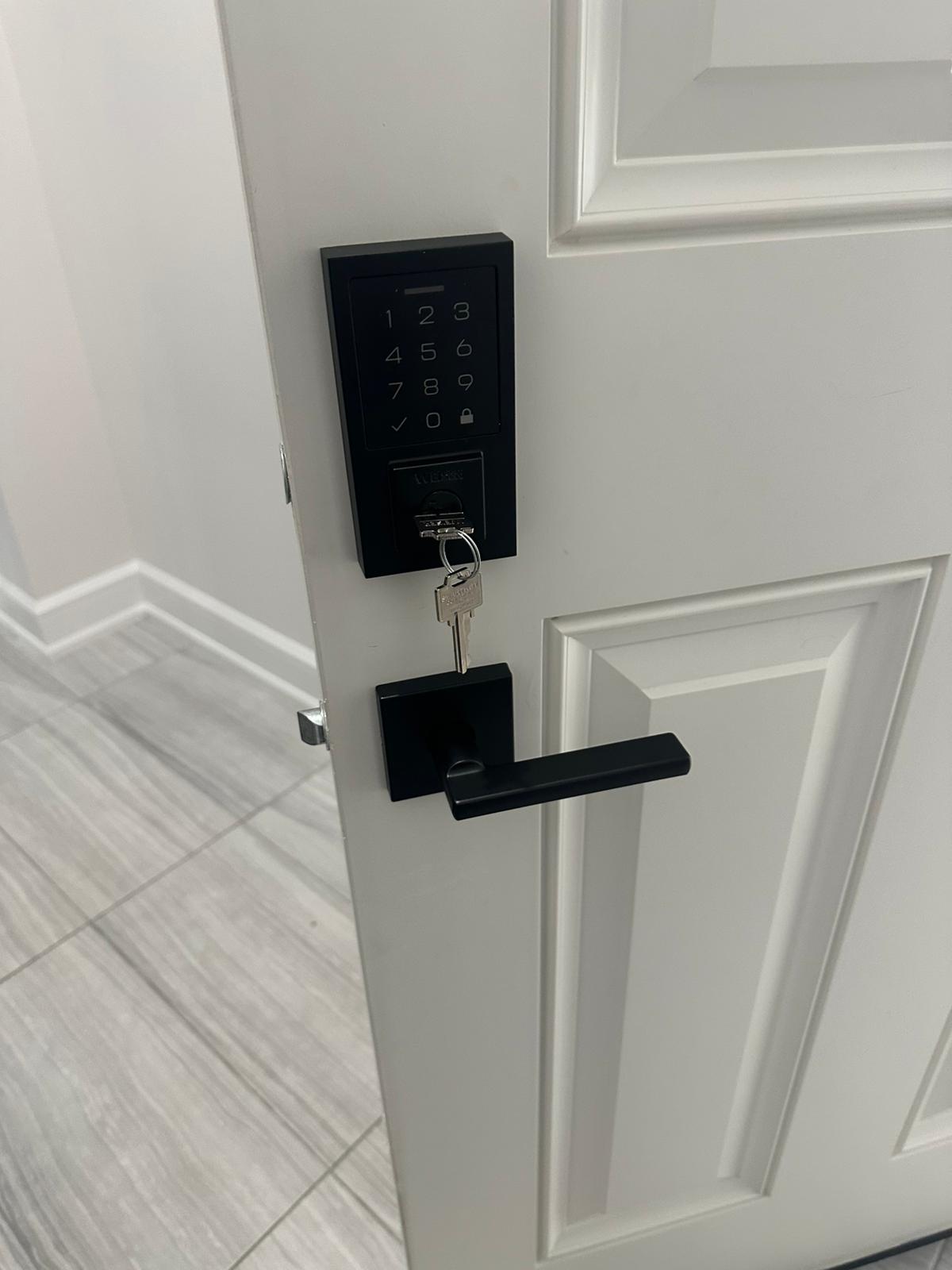
Basement apartments and secondary suites are common across Toronto and the surrounding region. They create a particular lock arrangement: a separate entrance for the suite, sometimes a shared door or hallway, and often an interior door between the suite and the main house. Each of these doors affects the privacy and security of both households.
Getting the locks right from the start avoids many disputes later. The owner needs appropriate access for maintenance and safety checks, the tenant needs a private and secure home, and both households need to be able to leave safely in a fire.
Start by listing every door that affects the suite. The separate suite entrance, whether at the side or rear of the house or down an exterior stairwell. Any shared entrance or vestibule used by both households. The interior door, if one exists, between the suite and the main house. Doors to shared laundry, furnace or storage rooms.
Note who should be able to open each door and from which side. The answers usually differ from door to door. The suite entrance belongs to the tenant; a shared door may need keys for both households; the interior door between units needs careful thought.
The suite entrance should have a reliable deadbolt and latch, like any exterior door. Basement entrances often face particular challenges: stairwells collect water and snow, doors can be exposed to damp, and frames may shift. A lock that sticks or freezes can leave the tenant locked out or unable to secure the door.
Check that the door closes and latches properly and that the deadbolt throws fully into a sound strike. The most common problems at these doors are a stuck deadbolt and frozen or stiff locks in winter. If the lock is worn or unsuitable, replacement with appropriate hardware restores reliable use.
Where an interior door connects the suite to the main house, it affects privacy for both households. Typically, each side needs to be able to secure the door from their own side. Hardware arrangements vary, and some doors use a lock on each side or a deadbolt operated by key from one side and thumbturn from the other.
This door may also form part of the fire separation between the units. Building and fire requirements for secondary suites in Ontario can address the construction of this door, whether it must be self-closing, and how the separation is maintained. Requirements depend on the municipality and the suite's approval, so check with your local building department or a fire-safety professional before changing the door or its hardware.
Every occupant must be able to get out safely in a fire. Locks on the suite entrance and on any exit route should open from inside without a key or special knowledge. A double-cylinder deadbolt, which requires a key inside, can prevent a safe exit and is generally unsuitable for a door that serves as a required exit. That exit concern is the main drawback of double-cylinder deadbolts.
Windows used as secondary exits should not be blocked by bars or locks that cannot be opened from inside without tools.
Photos
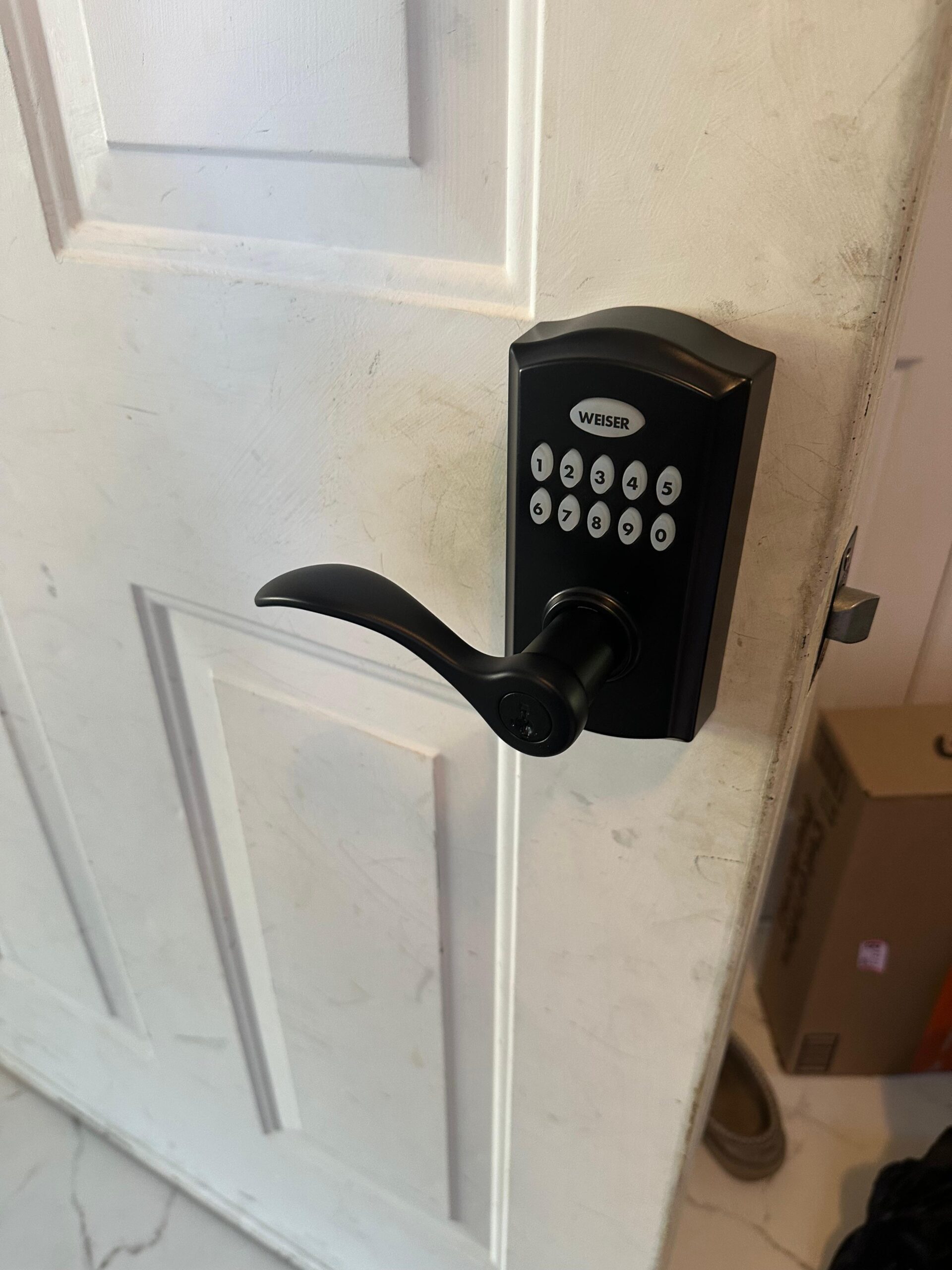
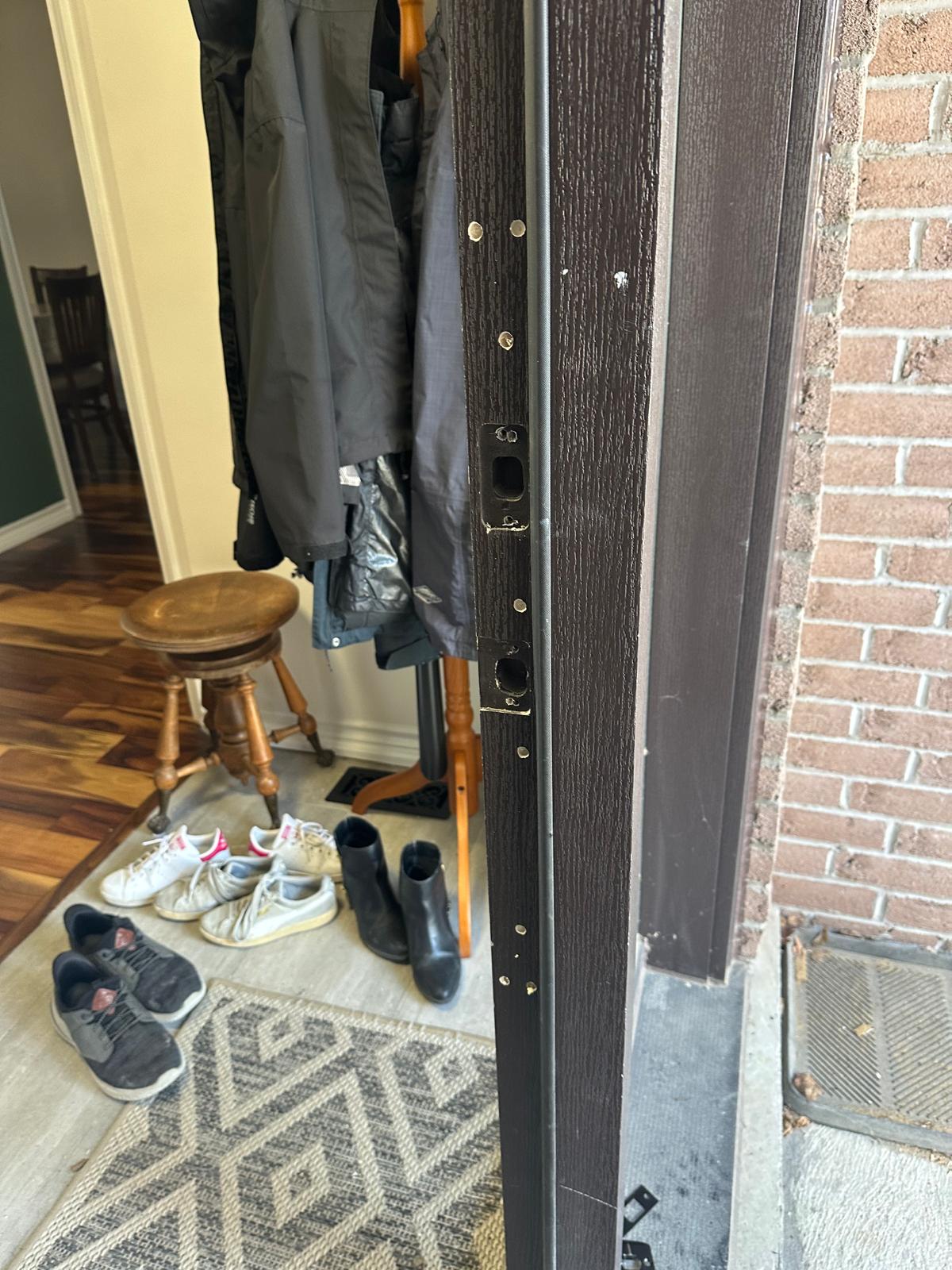
Photographs from GTA Lockman Mobile Locksmith Services work across Toronto and the GTA. Send a picture of your own door and we can tell you what the visit would involve.
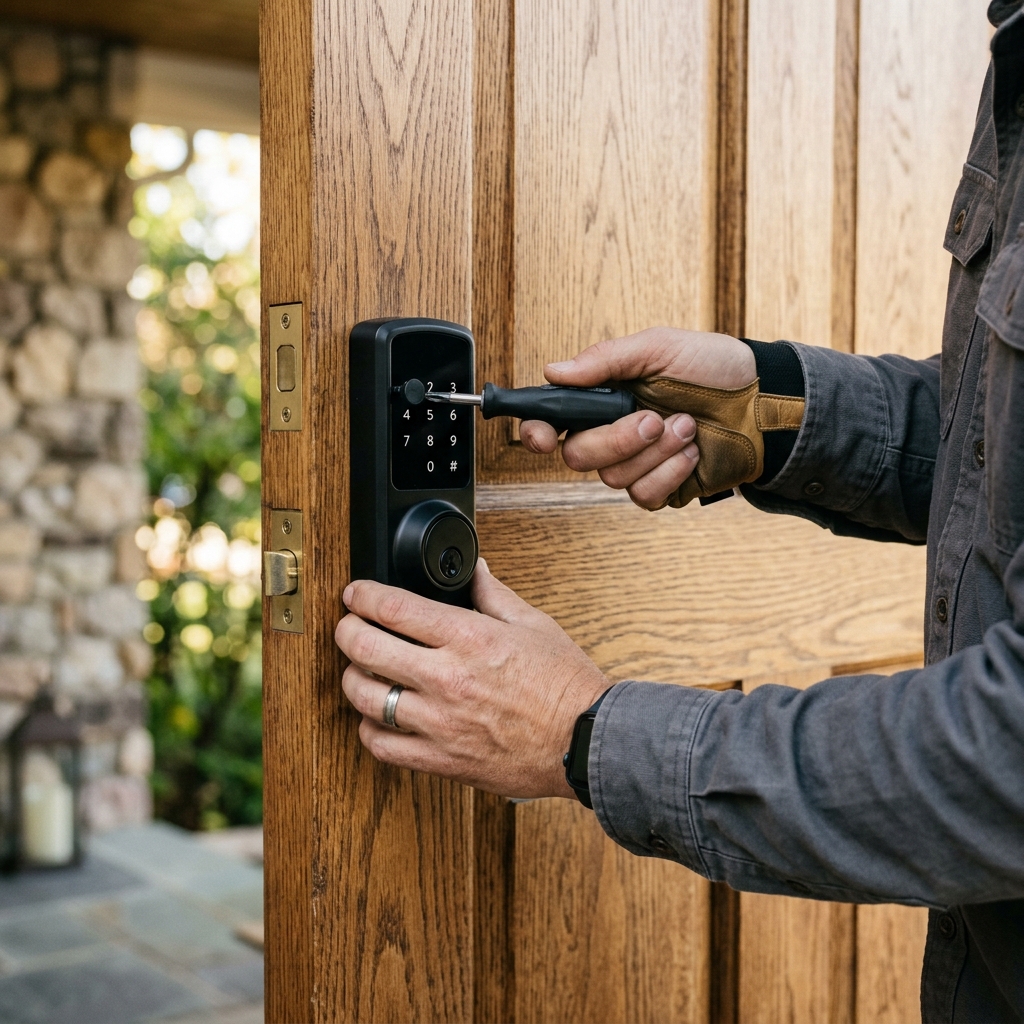
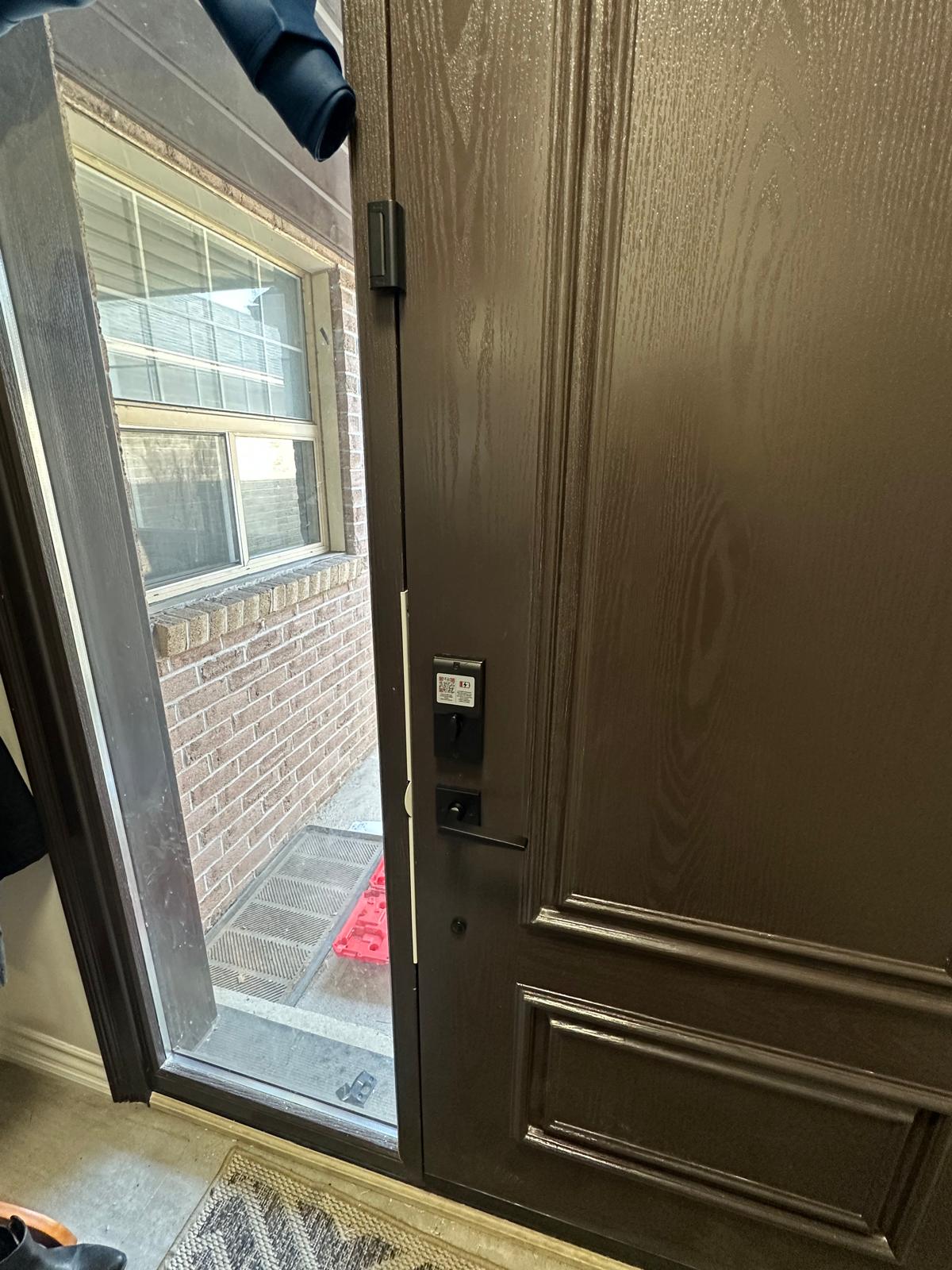
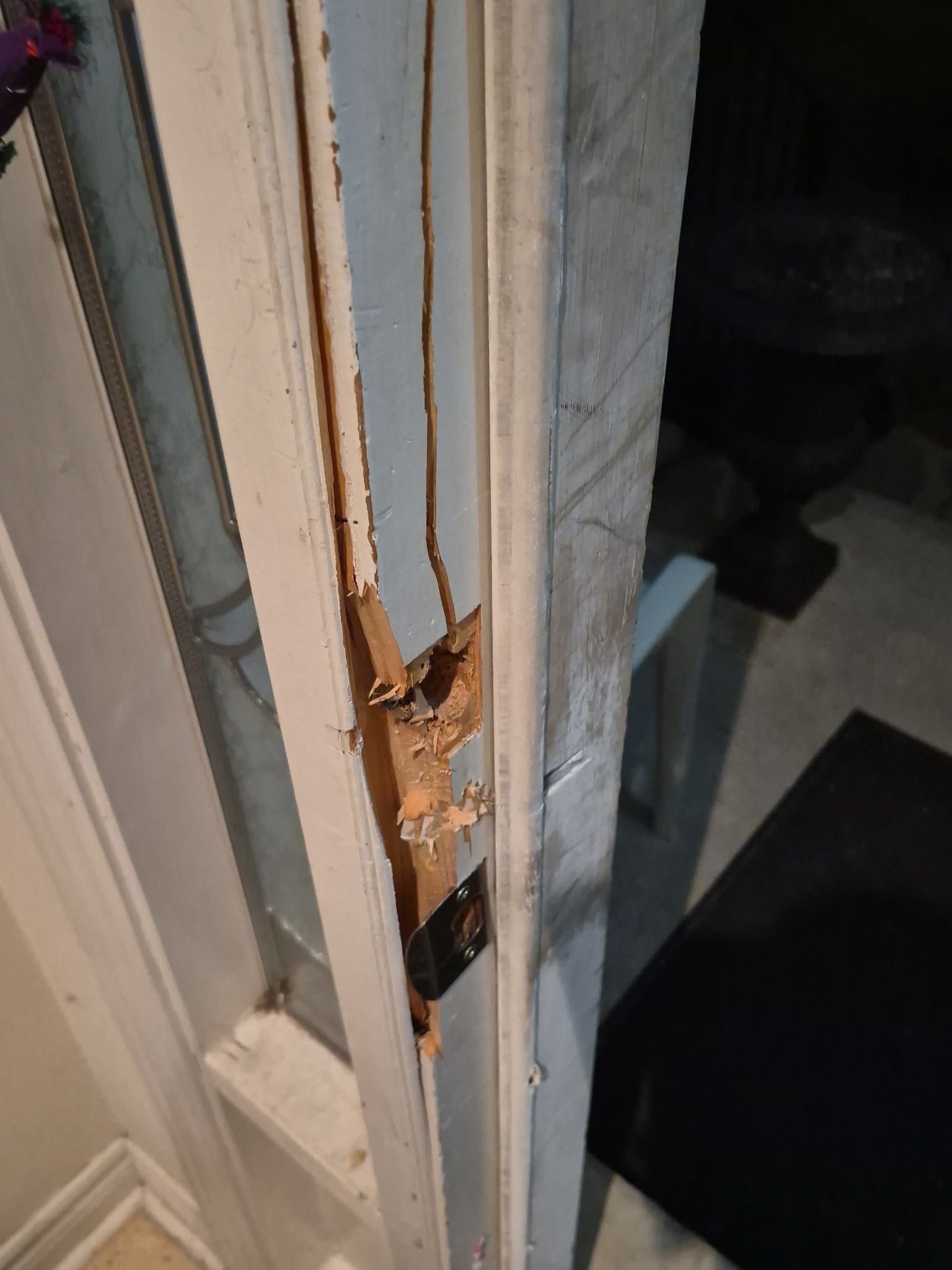
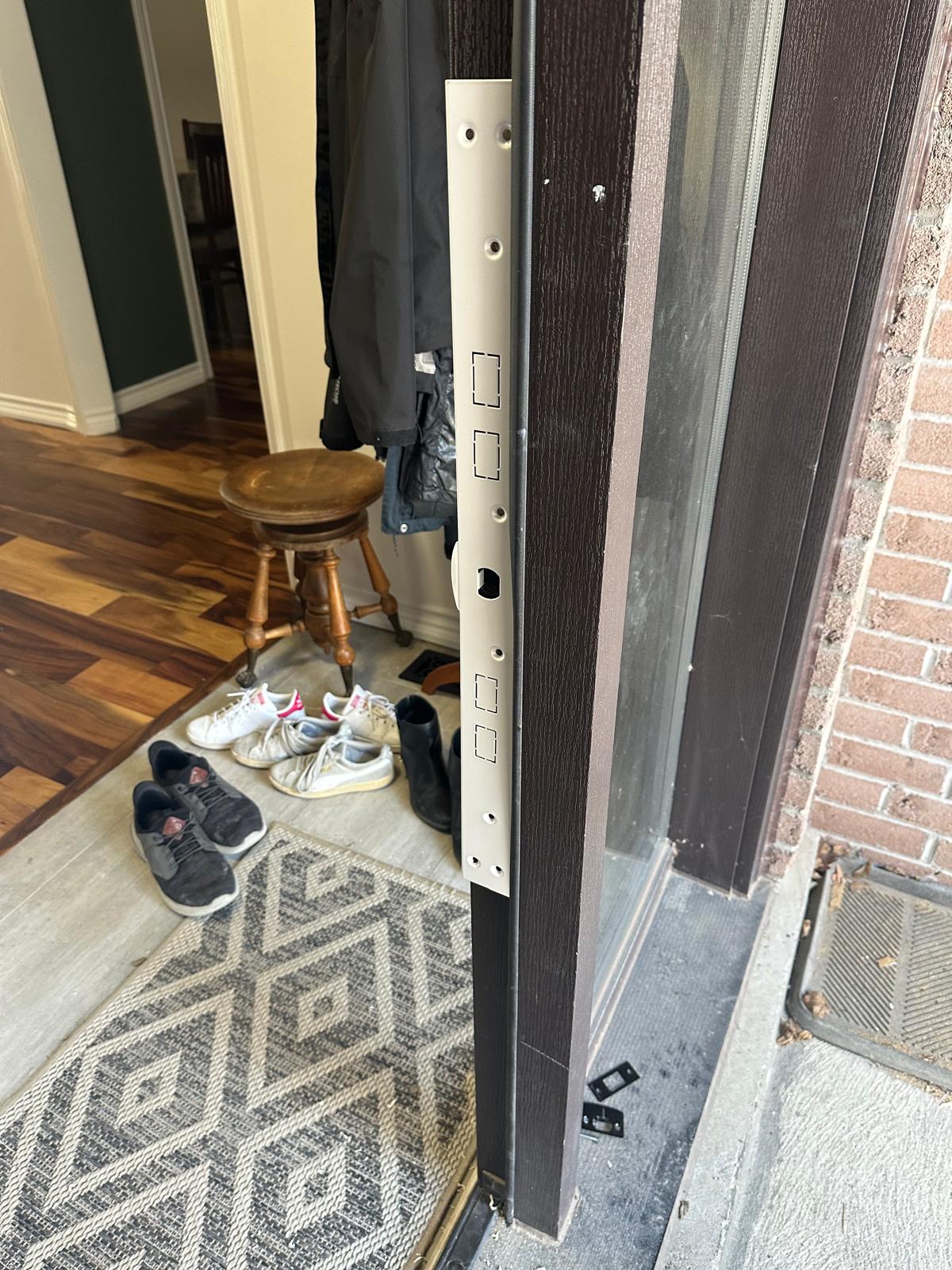
When a tenant moves out, rekey the suite entrance and any door the previous tenant had keys for. Former tenants, their guests and contractors may have copies. Separating repairs from key changes and documenting the condition of each door is standard in lock repair after a tenant moves out.
Check your obligations under the lease and applicable residential tenancy rules. A landlord generally should not change the locks on an occupied unit without following the proper process, and tenants may need permission to change locks themselves.
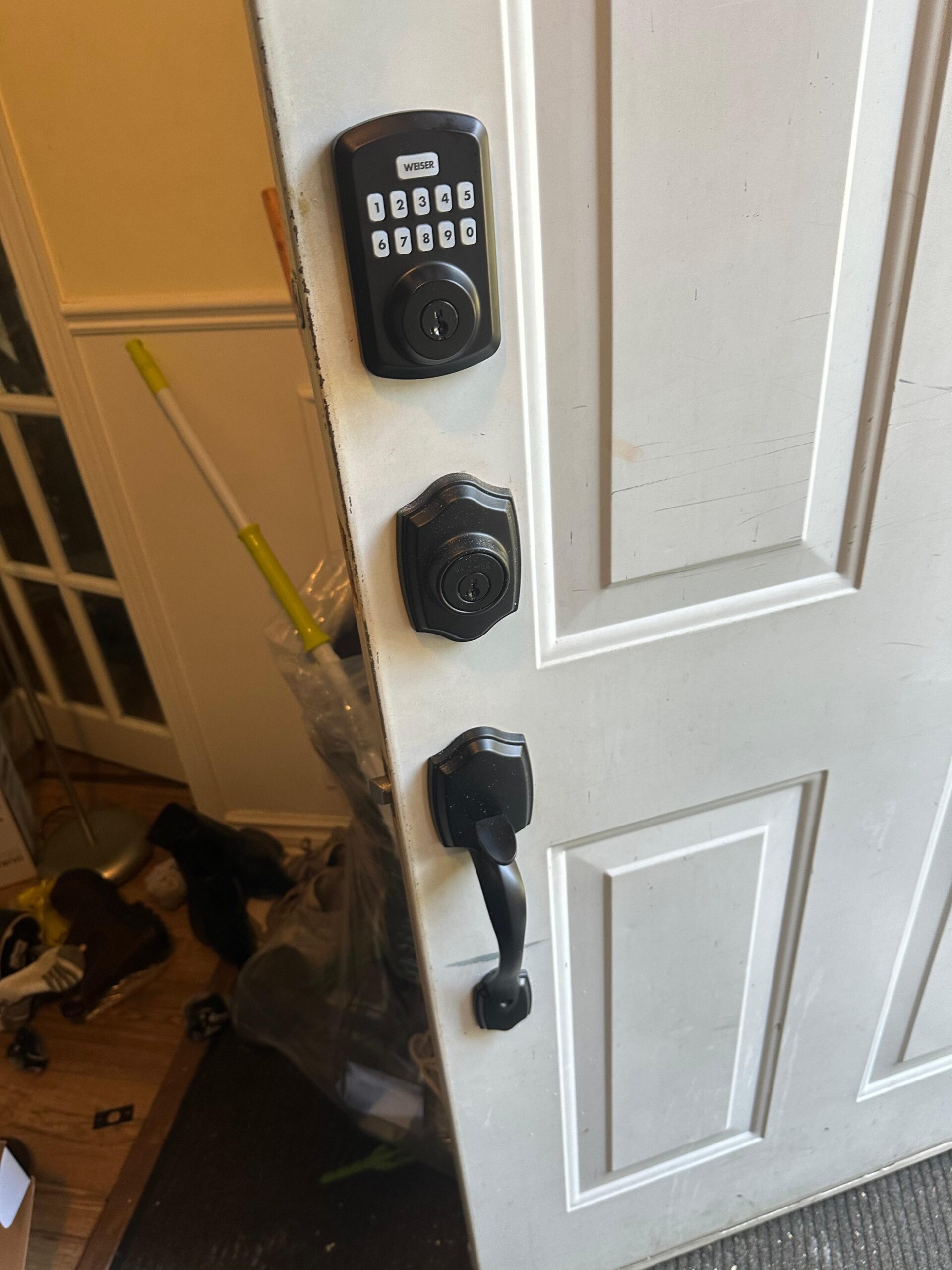
Decide who holds which keys and record the arrangement. The owner may keep a key to the suite for maintenance with appropriate notice, as permitted by the lease and tenancy rules. Shared doors may use a key both households hold, or a keypad with separate codes that can be changed when tenants change. Code management is planned at the time of keypad lock installation.
Owners often ask whether the suite and main house can share one key. It is possible but rarely advisable, because it removes privacy between households. Tenants often ask whether they can add a lock. That depends on the lease, the tenancy rules and whether the change affects safe exit or the owner's permitted access. When in doubt, agree changes in writing before work begins.
Suites with frequent tenant changes often benefit from a keypad deadbolt on the suite entrance. The owner can remove the previous tenant's code and set a new one without rekeying, provided the tenant's privacy is respected and the owner's access follows the lease and tenancy rules. The tenant should be able to set a personal code that the owner does not use for routine entry.
Keypads need maintenance. Batteries should be replaced on schedule, and the keypad should suit the location. Exterior stairwell entrances are exposed to snow and moisture, so choose a model rated for the conditions.
Shared service rooms are a common source of disagreement. The owner may need access to the furnace or water shut-off at any time, while tenants need access to laundry. Decide which doors lock, who holds keys, and how access is arranged. Where a service room is also a route between the suite and the main house, its locks affect privacy and fire separation, so plan them with the same care as the interior door.
Record the arrangement in the lease or a written agreement, and make sure every household knows how to reach the water and gas shut-offs.
Write down which doors lock, who holds which keys or codes, and how access for maintenance is arranged. Include the arrangement in the lease or a signed addendum, and give each household a copy. When tenants change, update the record and confirm that the previous tenant's keys have been returned or the locks rekeyed. A clear written arrangement prevents most disagreements about access, and it makes it easier for a locksmith to understand what is needed when work is booked. Keep photographs of each door's hardware with the record so replacement parts can be identified later.
Where the suite has its own mailbox, include the mailbox key in the handover and the key record. For Canada Post community mailboxes, the tenant may need to arrange a key through Canada Post; for building or house-mounted mailboxes, the owner usually controls the lock. Clarifying this at move-in avoids a common source of confusion when mail goes missing or a tenant leaves. Record the mailbox arrangement alongside the door keys so both are handed over together, and confirm at each tenant change that the mailbox key has been returned or the lock changed by whoever is responsible for it. A short handover checklist that lists every key, code and fob makes this routine and easy to follow.
When you call, describe each door, who uses it and what you want to achieve. Tell us whether the suite is occupied and who is authorizing the work. Related work on the house locks is part of our residential locksmith services.
Keep reading
It is possible but usually not advisable. Sharing a key removes privacy and security between the two households, and a key lost by one household affects both. Most owners give the suite its own key for its entrance and use separate keys for the main house. Shared doors, such as a common laundry room entrance, can use a key both households hold. The arrangement should be recorded and explained to the tenant when they move in.
It is possible but usually not advisable. Sharing a key removes privacy and security between the two households, and a key lost by one household affects both. Most owners give the suite its own key for its entrance and use separate keys for the main house. Shared doors, such as a common laundry room entrance, can use a key both households hold. The arrangement should be recorded and explained to the tenant when they move in.
It depends on your lease, the tenancy rules and the fire-safety requirements for the suite. In many cases each household is expected to be able to secure the interior door from their own side. Before adding or changing a lock, check with the owner or tenant and confirm the change does not affect safe exit or the fire separation between the units. Agree the change in writing. The technician can suggest hardware that suits the door once the arrangement is agreed.
A double-cylinder deadbolt needs a key on both sides. On a door that serves as a required exit, it can prevent occupants from getting out safely in a fire, which is why it is generally unsuitable for that use. Fire and building requirements depend on the suite and municipality, so check locally if you are considering one. A single-cylinder deadbolt with a thumbturn inside is the usual choice for a suite entrance.
It is strongly recommended. Former tenants, their guests and anyone they gave a key to may still have access. Rekeying the suite entrance, and any shared door the tenant used, restores control before the next tenant moves in. Document the condition of each lock and door at the same time. Between tenants, keep key changes and repairs as separate items on the invoice, so the record shows what was rekeyed and what was fixed.
The lease and applicable residential tenancy rules decide this. Landlords commonly keep a key for maintenance and safety access, but entry into an occupied unit is generally subject to notice requirements and permitted reasons. Tenants should not change the suite lock in a way that prevents the landlord's permitted access unless the lease allows it. Both parties benefit from a written agreement about keys and access.
Stairwell entrances collect water, snow and ice, and moisture can freeze inside the lock or around the bolt. Keep the stairwell drain clear and the area as dry as possible. Use a de-icer made for locks rather than hot water, which refreezes. If the lock freezes regularly, water may be entering from above; a small cover or better drainage can help. In winter, a below-grade entrance also collects meltwater, which can freeze in the cylinder and needs a de-icer rather than force.
Yes. A keypad deadbolt can be convenient, especially when tenants change, because codes can be changed without cutting keys. Choose a model suited to outdoor or semi-exposed use, keep a mechanical key or other backup entry method, and make sure the tenant can change their own code where appropriate. The owner should not retain a code that allows entry beyond what the lease and tenancy rules permit.
That depends on the lease and applicable tenancy rules. Owners are usually responsible for maintaining the doors and locks in working order, while tenants may be responsible for damage they cause or for lost keys. Report problems in writing and keep records. If a lock fails and the suite cannot be secured, the tenant should notify the owner so the repair can be arranged.
GTA Lockman Mobile Locksmith Services is a mobile locksmith working on homes, businesses and vehicles across Toronto and the GTA, with more than 14 years in the trade. Every review is written by a customer on Google, where you can read them in full.
Areas served: Toronto, North York, Scarborough, Etobicoke, Vaughan, Richmond Hill, Markham, Stouffville, Newmarket, Mississauga, Brampton, Oakville, Milton, Halton Hills, Pickering, Ajax, Whitby, Oshawa, Uxbridge.
Describe the door, hardware and service address. Contact GTA Lockman Mobile Locksmith Services to confirm the scope and scheduling for your location.