Locksmith services are always 10% off for seniors.
Open Mon–Thu 8:30 AM–9 PM, Fri 8:30 AM–4 PM, Sun 9:30 AM–9 PM
Locksmith services are always 10% off for seniors.
Open Mon–Thu 8:30 AM–9 PM, Fri 8:30 AM–4 PM, Sun 9:30 AM–9 PM
GTA Lockman Mobile Locksmith Services · Toronto & GTA
Locks, closers and keying for the door between two households in a divided house.
Related services
Set up suite, shared and interior door locks that respect both households, safe exit and the tenancy rules.
Learn moreWhat Ontario tenancy rules say about changing locks, and how tenants and landlords usually handle it.
Learn moreNew floors, paint, thresholds and weatherstripping move doors. Find the cause and restore reliable locking.
Learn moreRepairs, rekeying and replacement hardware for homes, condos and apartments, with attention to the whole door.
Learn moreHand back every key that exists, record what changed, and settle the lock question before the deposit is.
Learn moreReduce the keys you carry where cylinders and access requirements allow a suitable keyed-alike arrangement.
Learn more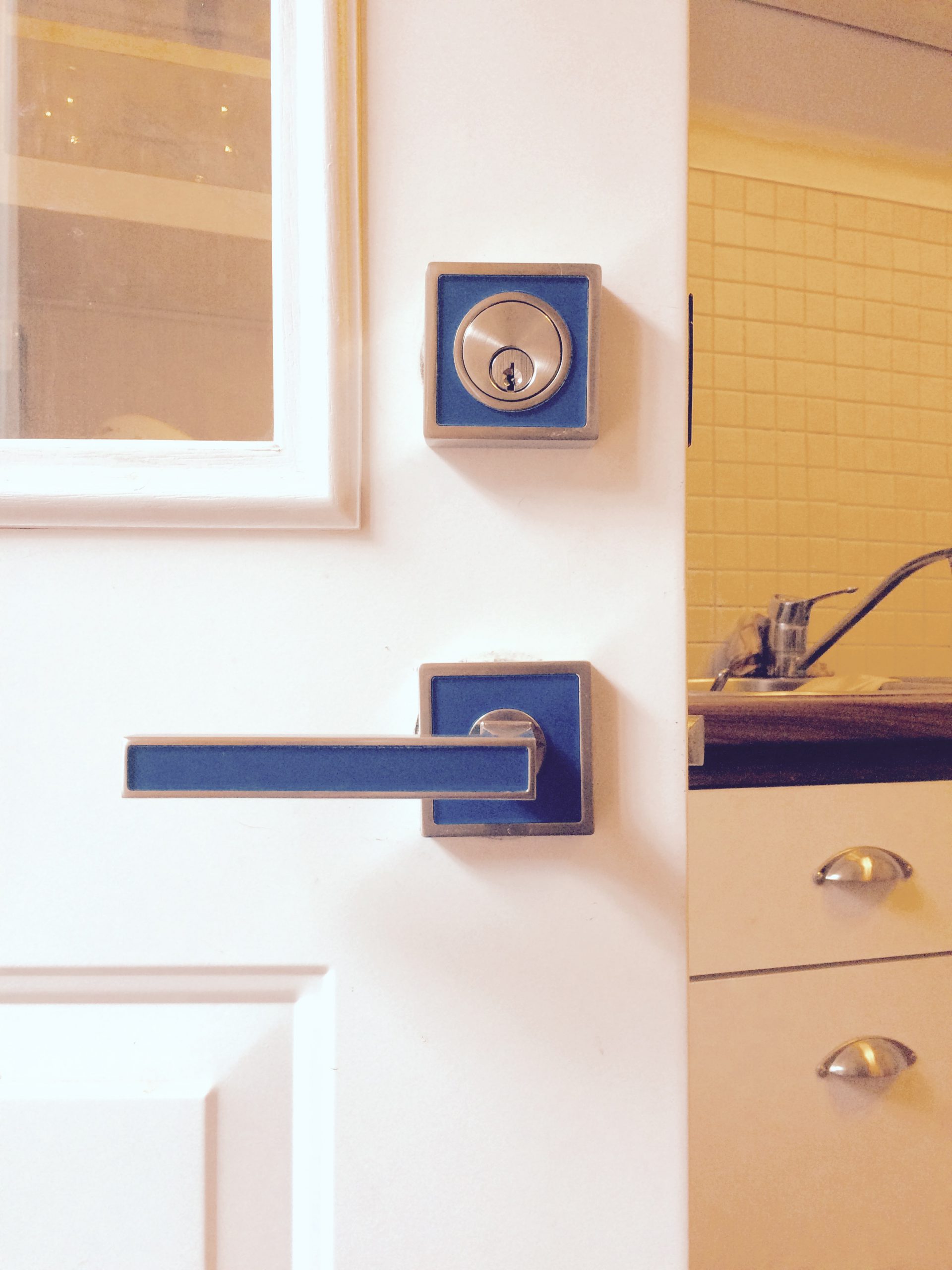
Many houses in Toronto and across the GTA now hold more than one household: a basement apartment, a second-floor unit in a converted house, an in-law suite, a garden suite joined to the main house, or a duplex where the two halves once formed a single home. Where the units were carved out of one house, there is often a door between them: at the top of the basement stairs, in a shared hallway, or between a kitchen and what is now someone else's living room.
That connecting door has to do something unusual. It must keep two households separate and private, it may need to let one side reach shared areas, and it often plays a part in fire separation between the units. The lock arrangement on it is worth getting right.
The first question is who should be able to open the connecting door, and from which side.
Fully separate units. Where the units are rented or occupied independently, the door is normally kept locked, with a lock that each side controls, or with the door secured permanently. Neither household should be able to walk into the other's space.
Family arrangements. In an in-law suite or where grown children live downstairs, the door may be used daily. It still helps to have a lock that each side can use for privacy.
Shared access. Sometimes one unit needs to reach a shared laundry, furnace room or storage area through the connecting door. The lock arrangement then has to allow that access without opening the rest of the other unit.
Deadbolts on both sides. Two single-cylinder deadbolts, one on each side, each with its own thumbturn facing its own unit, let each household lock the door against the other. Both must be unlocked for the door to open.
A single lock with keyed and thumbturn sides. One side has a key and the other a thumbturn. This suits situations where one household, usually the owner, needs access and the other only needs privacy.
Communicating door locks. Hotels use locks designed for connecting rooms, with independent control from each side. Similar hardware can be used between residential units.
A permanently secured door. Where no access is needed at all, the door can be fixed closed, with the fire separation maintained, and removed from use.
Whatever lock is used, it must release from each unit's side without a key if the door is part of an exit route, and it must never be the only way out of a unit.
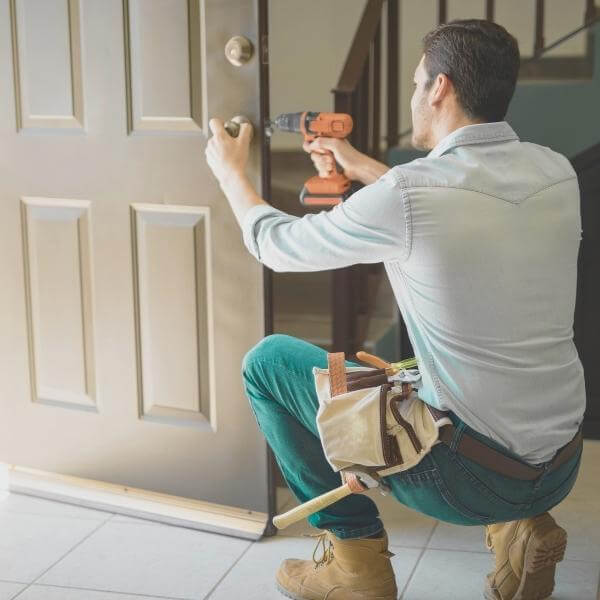
A connecting door between two dwelling units is often required to act as a fire separation. In practice that usually means a solid-core or fire-rated door, a self-closing device so the door does not stand open, and a latch that holds the door shut. Gaps around the door and holes left by old hardware can compromise the separation.
The specific requirements depend on the building, when it was converted and whether the second unit is registered. The local municipality's building department and fire service set those requirements. From the hardware side, the key points are that the door closes and latches on its own every time, and that the lock does not interfere with the closer.
In a house split into units, it is common for old keys to open doors they should not. The front door key of the main house may still open the connecting door, or the basement unit's entrance may use the same key as the garage. Keying each unit separately, with the owner holding a key for maintenance if that is agreed, avoids that. The approach is the same one used for basement apartment entrance locks.
Where the owner lives in one unit and rents the other, they may want a key that opens both. Keying the doors so the owner's key works throughout while each tenant's key opens only their own unit is a simple form of master keying.
Where the other unit is rented, the tenant's right to privacy applies to the connecting door too. The landlord needs proper notice to enter the tenant's unit, except in the situations the law allows, and a connecting door is not a way around that. Lock changes on doors that give entry to a rental unit also require consent under the Residential Tenancies Act, a point that applies to all tenant lock changes in Ontario.
A connecting door is also a path for sound and smell. A solid-core door, weather-stripping around the frame and a door bottom seal help. A lock that holds the door firmly against its stops, rather than rattling on a loose latch, makes a surprising difference to how private each unit feels.
When a house is being converted into two units, the connecting doors and exterior entrances should be planned together:
Planning the keying and hardware before the doors go in costs less than changing them afterwards, and avoids the lock problems after a renovation that appear when doors are hung first and hardware chosen later.
Some families later reunite the units: a parent moves in, a rental ends, or the house is sold as a single home. Then the connecting door can go back to an ordinary interior door, and the separate keys can be brought back onto one key for the whole house.
In many converted houses the connecting door is at the top or bottom of an internal staircase. That position matters: a door at the top of basement stairs that opens over the stairs is a fall risk, and a door that one household keeps locked may block a route the other household expects to use. Deciding which household controls the stairs, and fitting the lock on the right side of the door, avoids confusion.
Where two units share a laundry or furnace room, the simplest arrangement is often to give that room its own door and lock, keyed so both households can reach it, rather than routing one household through the other's space. Where that is not possible, the connecting door lock can be arranged so one side reaches only the shared area. Utility rooms holding the furnace, electrical panel and water shut-off also need to be reachable by the owner for maintenance and by the fire service.
Each unit needs its own way out that does not depend on the connecting door. A lock on the connecting door must never be the only exit for either household. Smoke alarms in each unit, and interconnected alarms where required, matter more than the lock itself. Check with the municipality's building or fire department about the requirements for a second unit before changing the connecting door.
In a house with two or more units, keys multiply: each unit's entrance, the connecting door, the shared areas, the mailbox, the garage. A simple list of which keys open which doors, and who holds them, saves trouble when tenants change or when the owner needs to reach a shared area. Rekeying between tenancies is easier when that list exists.
When a tenant leaves one unit of a divided house, the doors that tenant could open should be rekeyed before the next tenant moves in. That usually means the unit's own entrance and its side of the connecting door, plus any shared areas the tenant had a key to. If the house uses one owner's key across both units, the new cylinders are keyed so the owner's key still works while the previous tenant's key does not.
The owner of a divided house often needs to reach the furnace, water heater or electrical panel, which may sit inside one of the units or behind the connecting door. Agree in advance how that access works: proper notice to the tenant, a shared utility room with its own key, or the tenant letting the owner in. Where the utilities are in the tenant's unit, putting them behind a separate lockable door keyed to the owner can simplify maintenance while keeping the rest of the unit private.
Garden suites and laneway houses are separate buildings on the same lot, so there is no connecting door, but the same keying questions arise: a separate key for the suite, an owner's key if agreed, and gates and side passages that both households use. Keying the shared gate so both households can open it, while each building has its own key, keeps things simple.
Tell us how the house is divided, who lives in each unit, which way the connecting door swings, and what is currently fitted. Photographs of both sides of the door help.
We can fit deadbolts or communicating locks controlled from each side, check that the door closes and latches with its closer, key each unit separately with an owner's key where needed, and rekey or restore the house to one key when the units are joined again. Other household lock work comes under our residential locksmith services.
Keep reading
Usually with a lock that each side controls, such as a single-cylinder deadbolt on each side facing its own unit. Both must be unlocked for the door to open, so neither household can walk into the other's space.
Usually with a lock that each side controls, such as a single-cylinder deadbolt on each side facing its own unit. Both must be unlocked for the door to open, so neither household can walk into the other's space.
Where the door is a fire separation between dwelling units, a self-closing device is commonly required so the door does not stand open. Your municipality sets the specific requirements.
Yes. Each unit can be keyed separately while the owner holds a key that opens both, a simple form of master keying. Where the other unit is rented, the landlord still needs to give proper notice before entering.
Yes, where no access is needed. The door can be fixed closed, provided the fire separation is maintained and neither unit relies on it as a way out.
The locks were probably never rekeyed when the house was divided. Rekeying each unit's doors separately fixes it.
A lock on a door giving entry to a rental unit needs the landlord's consent to change under Ontario's Residential Tenancies Act.
A solid-core door, weather-stripping around the frame, a door bottom seal and a lock that holds the door firmly closed all help.
The connecting door can go back to an ordinary interior door, and the separate keys can be brought back onto one key for the whole house.
GTA Lockman Mobile Locksmith Services is a mobile locksmith working on homes, businesses and vehicles across Toronto and the GTA, in the trade since 2010. Every review is written by a customer on Google, where you can read them in full.
Areas served: Toronto, North York, Scarborough, Etobicoke, Vaughan, Richmond Hill, Markham, Stouffville, Newmarket, Mississauga, Brampton, Oakville, Milton, Halton Hills, Pickering, Ajax, Whitby, Oshawa, Uxbridge.
Describe the door, hardware and service address. Contact GTA Lockman Mobile Locksmith Services to confirm the scope and scheduling for your location.