GTA Lockman Mobile Locksmith Services · Toronto & GTA
Solid doors, keyed or keypad deadbolts and damp-proof hardware for cellars, workshops and storage rooms.
Related services
Separate the working part of the home from the living part, for clients, stock, records and deliveries.
Learn morePlan keyless entry around door compatibility, code management and a practical backup entry method.
Learn moreKeep young children in, out, and never locked in, without making any door hard for adults to open.
Learn moreMatch the padlock to the hasp, door and hinges, and keep shed, gate and garage keys under control.
Learn moreLocks, closers and keying for the door between two households in a divided house.
Learn moreWhat insurers usually ask about locks, what the answers mean, and how to make the doors match the form.
Learn more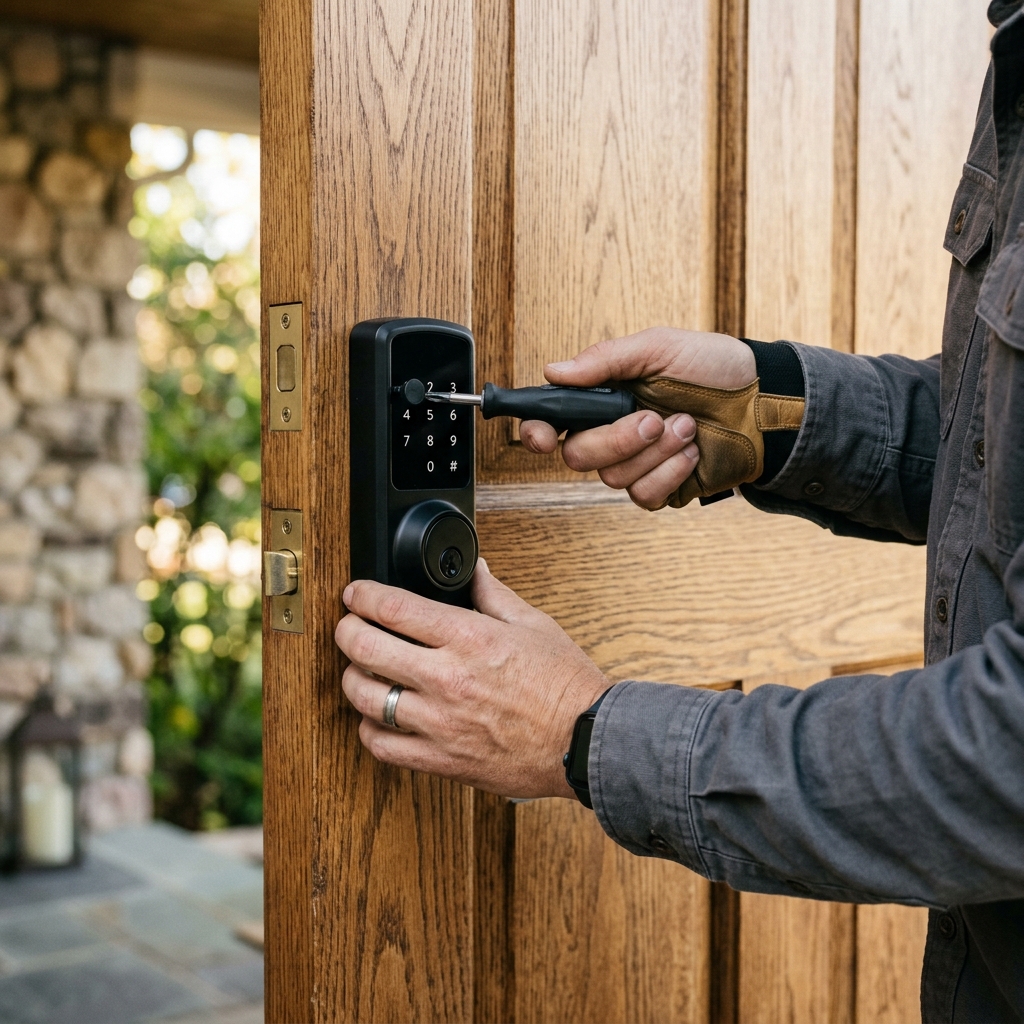
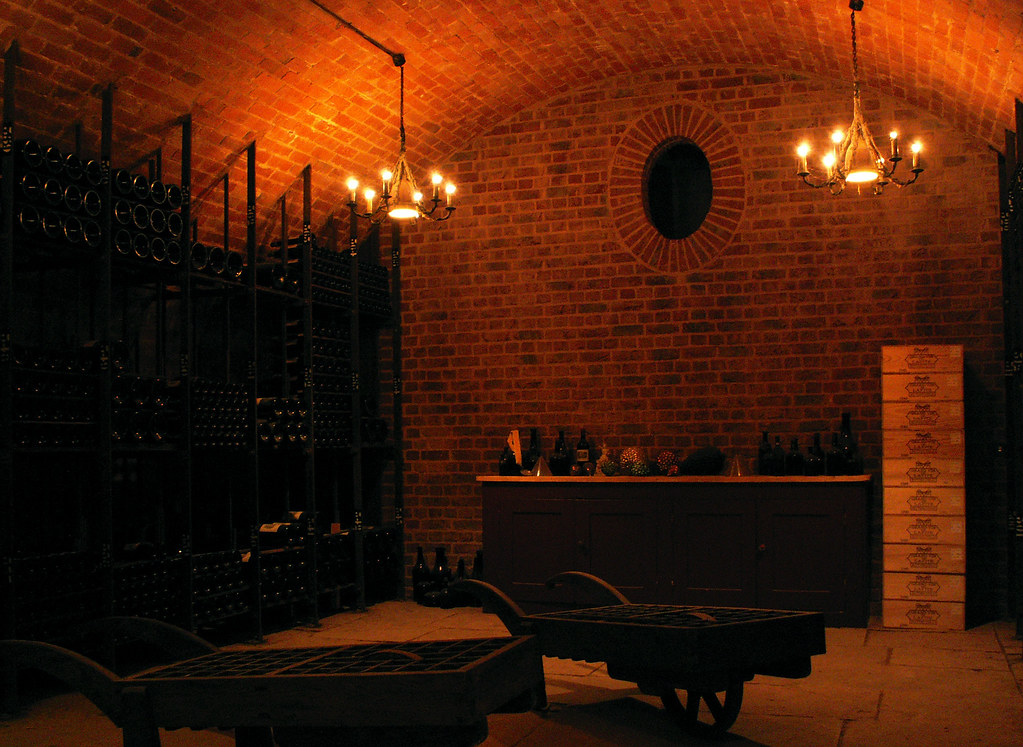
Most homes have a room or two that holds things worth protecting from casual access: a wine cellar in the basement, a storage room with tools and equipment, a room holding collections, sports gear, a home gym, or simply a cold room full of expensive supplies. These rooms are inside the house, behind the front door, but they are still visited by people who are not family: cleaners, contractors, visiting children, tenants in a basement suite, guests at a party.
A lock on an interior storage room is less about burglars and more about control: who can go in, when, and without asking.
Interior doors are usually hollow-core, hung on light hinges, with a passage or privacy latch. None of that holds up to a determined push, and a privacy lock can be opened from outside with a pin. To make a storage room genuinely lockable, the door, the frame and the lock all need to be up to the job.
The door. A solid-core door resists being pushed in far better than a hollow-core one. For a wine cellar, an insulated exterior-grade door is common anyway, to hold temperature and humidity, and it also takes a deadbolt well.
The frame. The strike must be fixed into solid framing with long screws, just as on an exterior door.
The lock. A keyed deadbolt, a keyed lever set, or a keypad deadbolt, rather than a privacy set.
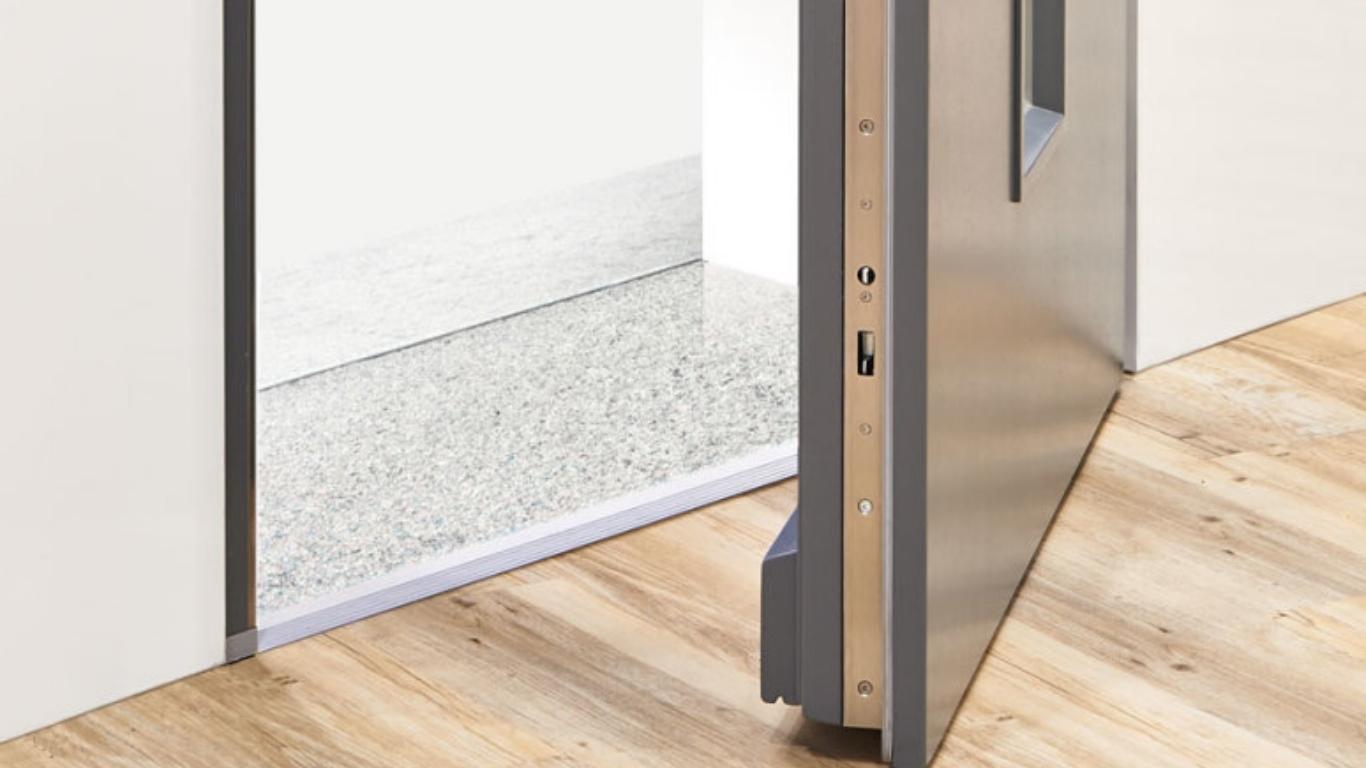
Wine cellars have particular requirements. The door is usually an exterior-type door with weather-stripping and a sweep, to keep the cool, humid air in. It may be glazed, so the collection can be seen. The lock must work reliably in a cool, damp environment and should not create gaps that let the conditioned air escape.
Common choices are:
Humidity affects hardware. Choose finishes and locks rated for damp conditions, and check the lock every year for corrosion or stiffness. The effects of damp on locks are similar to those after flood or water damage, only slower.
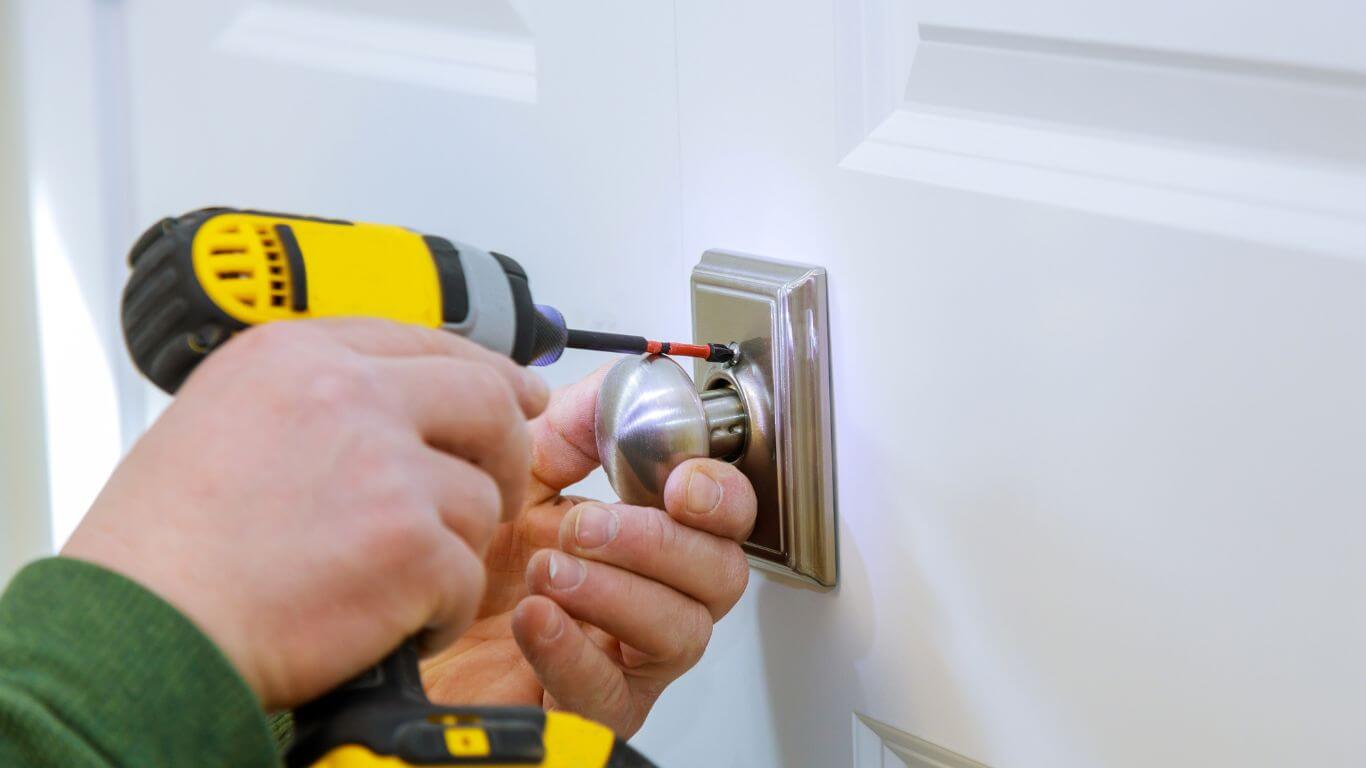
Rooms holding tools, sports equipment, exercise machines or valuable collections benefit from the same approach: a solid door, a reinforced strike and a keyed or keypad lock. Where children are in the house, a locked workshop or gym keeps them away from power tools and heavy equipment, which fits the wider planning for childproofing doors and locks.
For rooms that others may need to reach, such as a room containing the furnace or electrical panel, make sure every adult in the house can open it and that the key or code is kept where they can find it.
A home office holding client files or business records may need a lock for professional reasons as well as personal ones. The approach is the same, with the addition of a record of who holds keys or codes. Client confidentiality is one of the main reasons for locks in home offices and businesses run from home.
Keyed locks are simple, reliable in damp conditions and need no batteries. They work well where only one or two people need access. They can be keyed to the house key, or kept on a separate key if the room should stay closed to people who hold a house key.
Keypad locks let several people in with individual codes, avoid keys being copied, and can be changed when a cleaner or contractor no longer needs access. Batteries must be replaced, and in a cold cellar they may run down faster. Keypad options and their trade-offs are the same as for other keypad locks.
Many households key every exterior door alike and then give the storage room or wine cellar a different key. That way, anyone given a house key, such as a dog walker or cleaner, cannot open the storage room. Alternatively, a simple master arrangement lets the owner's key open everything while other keys open only the exterior doors.
Where a basement is rented or shared, storage rooms in the basement may be used by more than one household. Each household's storage should have its own lock and key, and shared utility rooms should be reachable by the owner and the fire service. Keying each household separately follows the same logic as for connecting doors between units.
A hasp and padlock is a simple way to lock a storage room, particularly a cold room or unfinished basement space. Use a hasp that is bolted through the door rather than screwed to its face, and a padlock with a shrouded shackle. Padlocks can be keyed to match the house key or kept separate. The same padlock considerations apply to outbuildings, as with shed and outbuilding padlocks.
A locked interior room must never trap someone inside. Any storage room lock should open from inside without a key, using a thumbturn or lever. Rooms where someone may work, such as a workshop or gym, need a clear way out, and smoke alarms should cover the basement as a whole.
Many modern wine cellars have a glass wall or a fully glazed door so the collection can be seen from the living space. The glass is usually tempered or laminated, and the door is often a frameless glass door with a patch lock at the bottom or a lock integrated into the pull handle. These locks are specific to glass doors and are fitted by clamping to the glass rather than boring a hole. Replacement parts depend on the door system, so identifying the manufacturer comes first.
Owners of valuable wine, art or collections often keep an inventory for insurance. It is worth noting the lock on the room in the same record: what type it is, who holds keys or codes, and when codes were last changed. Insurers may ask how a collection is secured, and a locked room with a record of access helps answer that question. The general approach to documentation is similar to meeting home insurance lock requirements.
When contractors or cleaners work in the house, a locked storage room means they do not need to go in. Where they do need access, such as a contractor working on the furnace in a locked mechanical room, a temporary keypad code or a key signed out for the day keeps control with the owner. The same principle is used for contractor access during a renovation.
If the storage room currently has a hollow-core door with a passage latch, the usual upgrade is to replace the slab with a solid-core door of the same size, fitted to the existing hinges and frame, then add a keyed or keypad deadbolt and a reinforced strike. The frame may need a solid block behind the strike if it was built for a light interior door. That work is usually straightforward and does not disturb the surrounding walls.
Many older GTA houses have a cold room under the front porch, originally used for preserves and now often for wine or storage. These rooms are damp and cool, and their doors are often old and swollen. A new exterior-grade door with weather-stripping, a keyed lock suited to damp conditions and good ventilation keeps the room usable and secure. Watch for condensation on metal hardware, which is the first sign of corrosion.
Electronic locks in a cellar kept at around 12 to 14 degrees Celsius generally work, but battery capacity drops in the cold and humidity can affect contacts over time. Choose a model with a clear low-battery warning and a mechanical key backup, replace batteries on a schedule rather than waiting for the warning, and wipe any condensation from the outside housing. If the lock starts behaving erratically, replace it before it fails with the door locked.
For rooms holding valuable collections, a door contact on the house alarm or a camera covering the door adds a record of who went in and when. Many smart locks can also log each opening. Together with a solid door and a good lock, those records mean an owner can see exactly how the room is being used, which matters most when several people have access.
When someone is looking after the house while you are away, decide whether they need the storage room at all. If not, keep it locked and do not include its key with the house keys you hand over. If they do, a temporary keypad code or a single key that you collect on your return keeps the arrangement clear.
Tell us what the room is used for, what the door is like, whether it is glazed, and who needs access. Photographs of the door and frame help.
We can fit solid-core or insulated doors' hardware, keyed or keypad deadbolts, reinforced strikes and hasps, key the room separately from the house or into a simple master arrangement, and advise on hardware for damp cellar conditions. Other household lock work is part of our residential locksmith services.
Keep reading
Yes, but it works well only on a solid-core door with the strike fixed into solid framing. A deadbolt on a hollow-core door adds little, because the door itself can be pushed in.
Yes, but it works well only on a solid-core door with the strike fixed into solid framing. A deadbolt on a hollow-core door adds little, because the door itself can be pushed in.
A keyed or keypad deadbolt rated for damp conditions, on an insulated door with weather-stripping. On a glazed door, position the lock so it cannot be reached through the glass, or use laminated glass.
Often not. Keeping it on a separate key means cleaners or dog walkers with a house key cannot open it. A simple master arrangement can let the owner's key open everything.
It lets several people in with their own codes and avoids copied keys. Replace batteries regularly, since cold cellars can shorten battery life.
Yes. Use a hasp bolted through the door and a padlock with a shrouded shackle. Padlocks can be keyed to match the house or kept separate.
Yes. Damp air can corrode springs and pins over time. Choose hardware suited to damp conditions and check it yearly for stiffness or corrosion.
They should not. Any storage room lock should open from inside without a key, using a thumbturn or lever.
They should be lockable if needed, but every adult in the house must be able to open them, and the fire service must be able to reach them.
GTA Lockman Mobile Locksmith Services is a mobile locksmith working on homes, businesses and vehicles across Toronto and the GTA, with more than 14 years in the trade. Every review is written by a customer on Google, where you can read them in full.
Areas served: Toronto, North York, Scarborough, Etobicoke, Vaughan, Richmond Hill, Markham, Stouffville, Newmarket, Mississauga, Brampton, Oakville, Milton, Halton Hills, Pickering, Ajax, Whitby, Oshawa, Uxbridge.
Describe the door, hardware and service address. Contact GTA Lockman Mobile Locksmith Services to confirm the scope and scheduling for your location.