GTA Lockman Mobile Locksmith Services · Toronto & GTA
Getting doors lockable and locks working again after water, smoke or firefighter entry.
Related services
Secure a forced door, repair damaged locks and frames, and document the work for your police report and insurer.
Learn moreWhat insurers usually ask about locks, what the answers mean, and how to make the doors match the form.
Learn moreGive trades the access they need for the work, and take it back cleanly when the job finishes.
Learn moreHow commercial lock and door work gets scoped, authorized and scheduled around a business that has to keep trading.
Learn moreWhy a door that worked in March binds in July, and which adjustments actually hold.
Learn moreRepairs, rekeying and replacement hardware for homes, condos and apartments, with attention to the whole door.
Learn more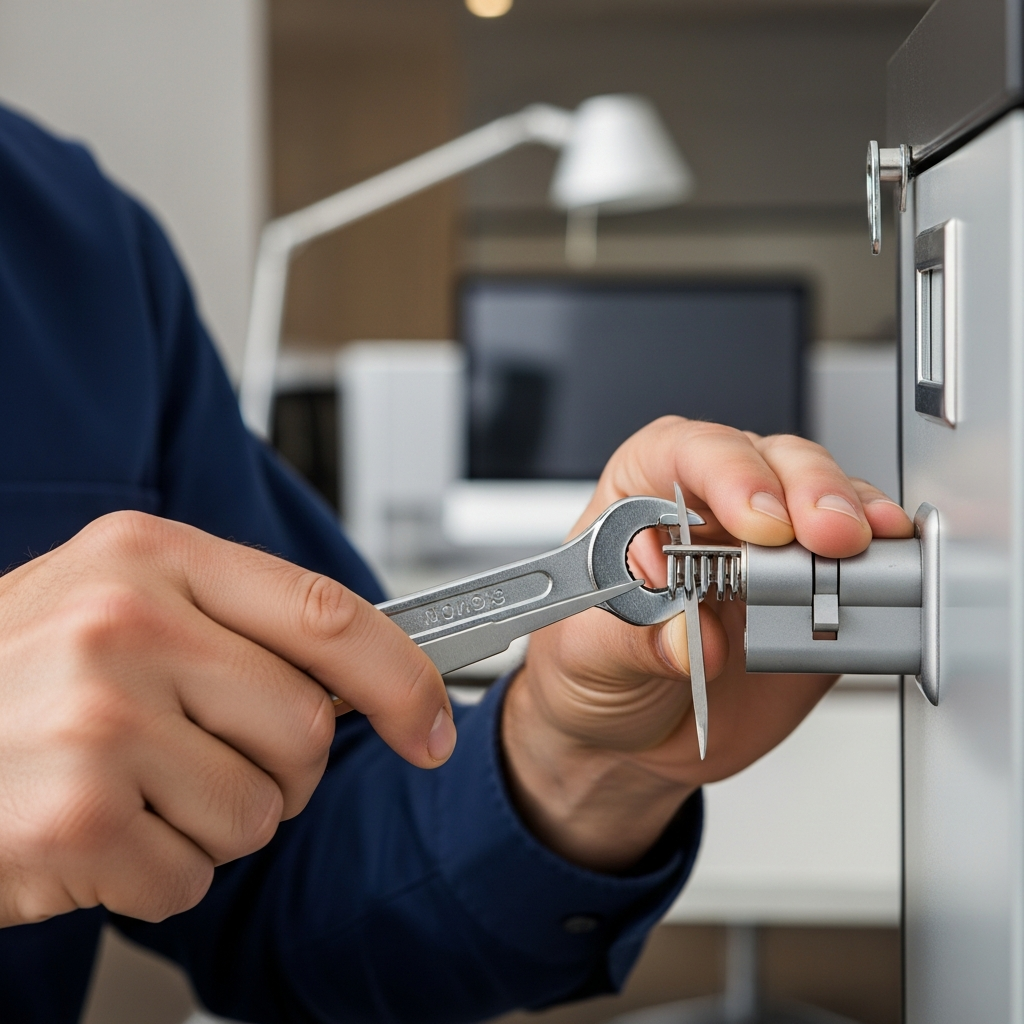
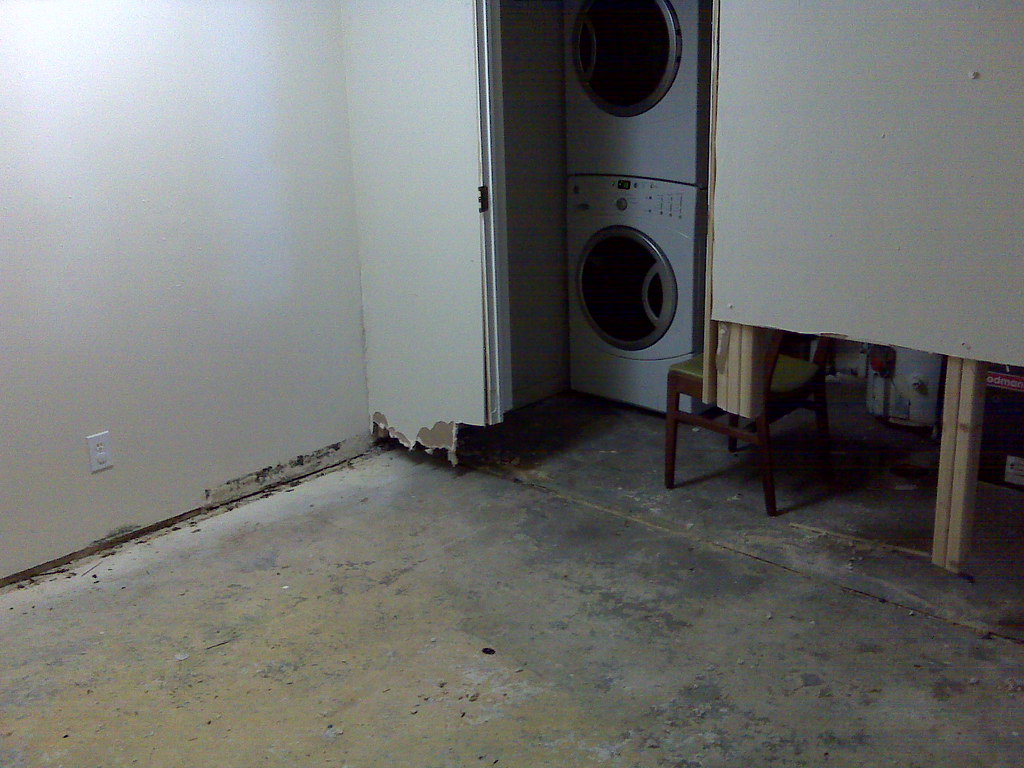
A flooded basement, a burst pipe, a kitchen fire or smoke damage from next door leaves a long list of things to deal with. Doors and locks are rarely near the top of it, but they matter more than people expect: a damaged door may not lock, a swollen door may not open, and during restoration the house is often empty, full of contractors, or both.
Getting the doors working and the house secure is one of the early steps in recovery, and it is usually straightforward once the safety issues are handled.
Before anyone works on doors or locks:
Lock work comes after those checks, not before.
Swelling. Wood and wood-composite doors absorb water and swell. A door that has sat in water may no longer fit its frame, and it may take weeks to dry back, if it ever does. Frames swell too, especially at the bottom.
Rust and corrosion. Steel parts inside locks rust after flooding, particularly springs, cams and the small parts inside cylinders. A lock that works right after the water goes down may seize a week or two later as corrosion sets in.
Silt and debris. Flood water carries fine silt that gets into cylinders and latch mechanisms. Silt left inside a lock wears the pins and makes the key stiff.
Delamination. Fibreglass and steel doors with foam or composite cores can delaminate after prolonged soaking, leaving the skin loose from the core.
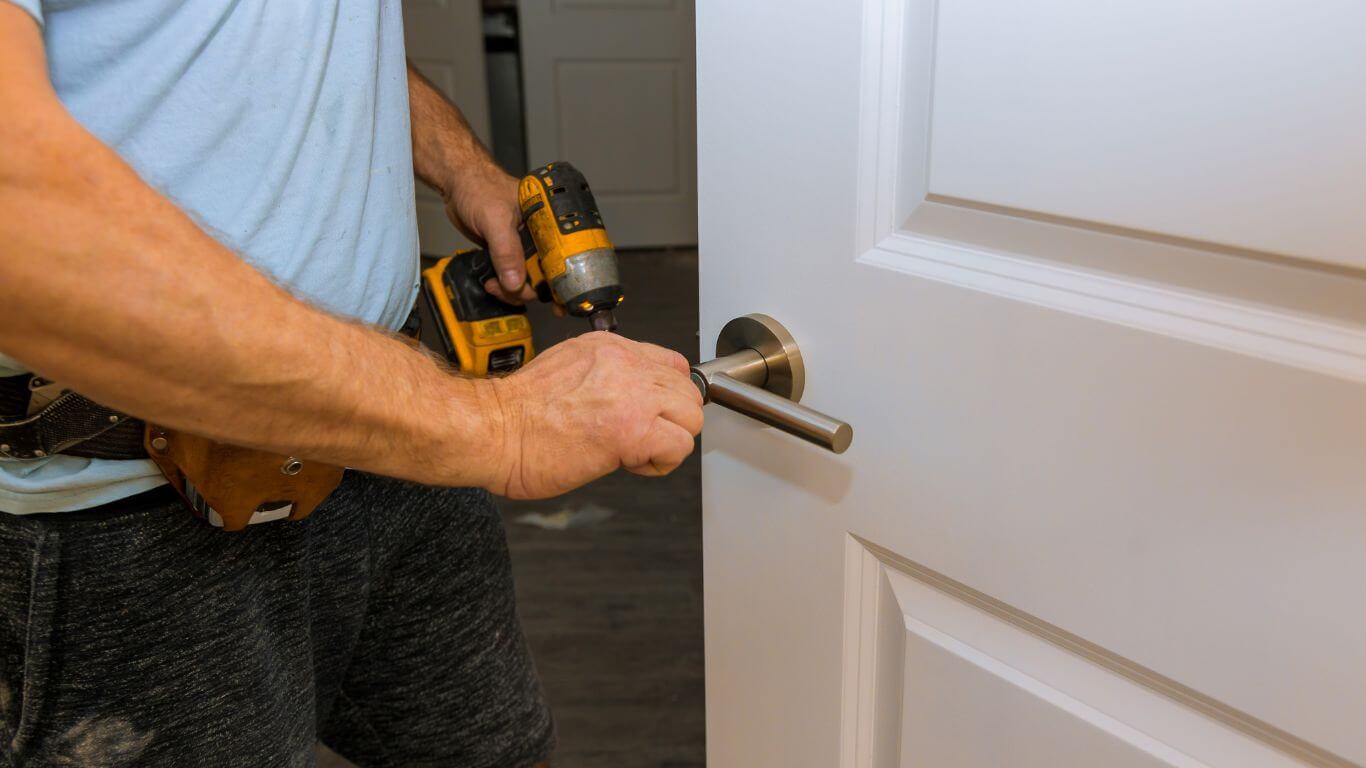
Heat damage. Locks and hardware close to a fire can warp, and springs and plastic parts inside may fail. Electronic locks and keypads near a fire are often ruined.
Smoke and soot. Soot gets into cylinders and mechanisms, and the residue is often corrosive. Hardware may look fine but become stiff over the following weeks.
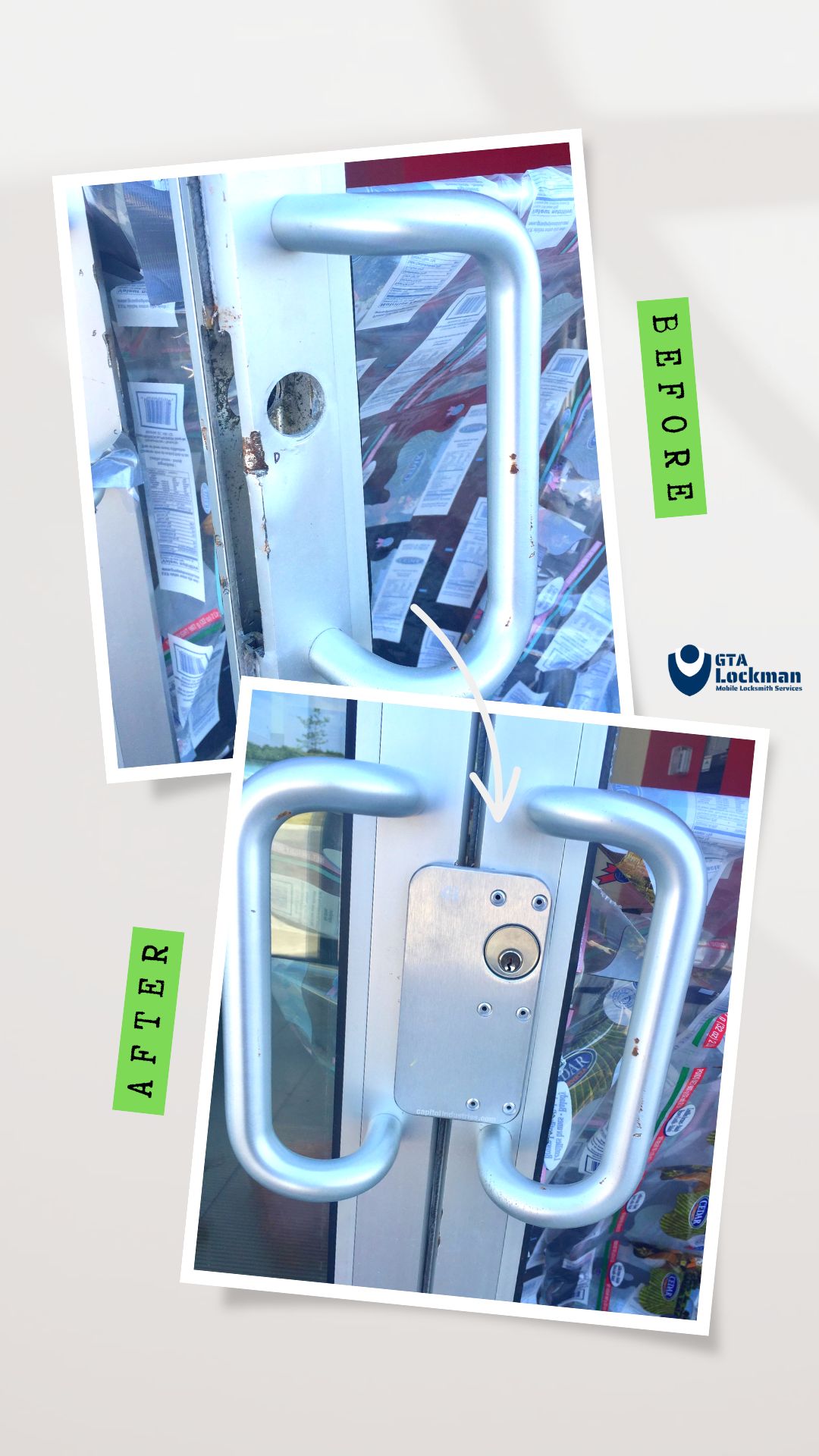
Forced entry by firefighters. Firefighters often need to force doors to reach a fire. Broken frames, damaged strikes and destroyed locks are common, and they need repair before the house can be secured again.
Fire doors. A fire-rated door, such as the door between an attached garage and the house or a suite door in an apartment building, must still close and latch fully after a fire. A damaged fire door needs to be restored to its rated condition, not simply patched.
After a fire or flood, the house may be empty for weeks. Doors that do not lock, broken frames and boarded windows attract attention. The first priorities are:
Restoration contractors often need access for weeks. A lockbox or temporary keypad for the contractor, rather than a stack of copied keys, keeps control with the owner, the same approach used for contractor access during a renovation.
If the damage followed a break-in rather than a fire or flood, the steps are those for lock repair after a break-in.
Locks. A lock that was submerged or exposed to heavy smoke is usually replaced, particularly the cylinder, because corrosion inside continues after it has been cleaned. Some high-quality mortise locks can be stripped, cleaned and rebuilt. Electronic locks that got wet or hot are usually replaced.
Doors. A wood door that swelled may return to size as it dries, or may warp for good. Waiting until the door has dried before deciding avoids replacing a door that would have recovered. A delaminated fibreglass or steel door usually needs replacing.
Frames. Swollen or split frames, especially at the bottom, often need sections replaced so the strike and hinges have sound material.
Keep photographs of damaged doors and locks before anything is removed, and keep invoices for every repair. Insurers usually cover lock replacement where the lock was damaged, and rekeying where keys were lost in the event. A clear list of what was damaged, what was replaced and why makes claims easier. Some of the same documentation habits apply to meeting home insurance lock requirements.
Once the house has dried and the restoration work is largely done:
Doors often move for months after flooding as the house dries. A follow-up adjustment a few months later is common, and it is the same work as for doors that stick in summer.
Businesses hit by flood or fire have the same issues on a larger scale, plus exit devices, fire doors and access control. Fire doors and exit hardware must work correctly before staff and customers return. Reopening after damage usually starts with a full check of every door, scheduled like any other job when working with a commercial locksmith.
Flooded basements often develop mould if they are not dried properly, and mould around door frames is a sign that the frame is still wet. A frame that stays damp continues to swell and shrink, so the door will not settle until the moisture is dealt with. Restoration contractors usually use dehumidifiers and moisture meters; it makes sense to leave final door adjustments until they confirm the area is dry.
Electronic locks are the most vulnerable to both water and heat. A keypad or smart lock that got wet may work for a while and then fail, and the batteries can leak and corrode the contacts. After a flood or fire, replace electronic locks that were exposed rather than trusting them, and keep the mechanical key for any electronic lock that remains.
Access control systems in commercial buildings, including card readers, electric strikes and magnetic locks, need checking by a technician before they are relied on again. A failed electric strike or maglock can leave a door either locked or open in ways nobody expects.
In semi-detached houses, townhouses and apartment buildings, a fire or flood next door can affect your doors without touching your unit directly. Smoke gets into shared hallways, firefighters may force doors along a corridor to check for spread, and water travels between floors. If your door was forced while responding next door, the repair is still needed, and the building's management or insurer may be involved in who pays.
Not all water damage comes from flooding. A burst pipe on an upper floor, a failed roof or an ice dam can send water down through ceilings and walls, soaking door frames from the top. Doors on lower floors may start to stick weeks later as the frames swell. Locks and hinges on those doors may rust even though the floor never flooded. It is worth checking every door on the affected floors once the source of the water is fixed.
When doors cannot be repaired straight away, a temporary solution keeps the house secure: a hasp and padlock on a damaged door, plywood over a broken opening, or a temporary lock fitted to a replacement door until the final hardware arrives. These measures should still let people inside get out in a fire.
Fires and floods often destroy the key lists, spare keys and paperwork a household or business relied on. Once the first repairs are done, rebuild the record: which locks are on which doors, how many keys exist, who holds them, and any codes for keypads or alarms. For businesses, this is also the moment to confirm master key records, since a master key lost in a fire affects every lock in the system.
Smoke residue can linger inside locks and door hardware long after the rest of the house has been cleaned. It is not usually a safety concern, but residue that has settled inside a cylinder can make the key stiff over the following months. Cleaning the cylinder, or replacing it where the key has started to drag, is a small job once the restoration is complete.
Restoration projects can involve many trades over several months: drying specialists, drywallers, electricians, flooring installers and painters. A single lockbox or keypad code, changed when the project ends, keeps control of the house with the owner. Keep a simple log of who was given access and when.
Tell us what happened, which doors were affected, whether the building has been cleared as safe, and whether keys were lost. Photographs of the damaged doors and locks help us plan.
We can make doors lockable in the short term, replace or rebuild damaged locks, repair strikes and frames, rekey the house once restoration is complete, and return to adjust doors as they settle. Other residential work is part of our residential locksmith services.
Keep reading
Corrosion and silt. Steel parts inside the lock rust after being submerged, and fine silt wears the pins. A lock often seizes a week or two after the water goes down. Replacing the cylinder is usually the practical fix.
Corrosion and silt. Steel parts inside the lock rust after being submerged, and fine silt wears the pins. A lock often seizes a week or two after the water goes down. Replacing the cylinder is usually the practical fix.
Usually replaced, especially the cylinder, because corrosion continues after cleaning. Some high-quality mortise locks can be stripped and rebuilt.
Sometimes. Wood doors often shrink back as they dry, though some warp permanently. Waiting until the door has dried before deciding avoids replacing a door that would have recovered.
Typically the frame at the strike, the strike itself and often the lock. The frame must be repaired or replaced so the new strike is fixed into sound material.
If keys were lost in the damage, or handed to contractors and others during restoration, rekeying at the end means only current household members hold working keys.
A lockbox or temporary keypad code gives them access without copying house keys, and the access can be withdrawn when the work is done.
Insurers usually cover locks damaged by the event and often rekeying where keys were lost. Photographs before removal and invoices for each repair make the claim easier. Check your own policy.
The house is still drying and the frames are moving. A follow-up adjustment a few months after the repair is common.
GTA Lockman Mobile Locksmith Services is a mobile locksmith working on homes, businesses and vehicles across Toronto and the GTA, with more than 14 years in the trade. Every review is written by a customer on Google, where you can read them in full.
Areas served: Toronto, North York, Scarborough, Etobicoke, Vaughan, Richmond Hill, Markham, Stouffville, Newmarket, Mississauga, Brampton, Oakville, Milton, Halton Hills, Pickering, Ajax, Whitby, Oshawa, Uxbridge.
Describe the door, hardware and service address. Contact GTA Lockman Mobile Locksmith Services to confirm the scope and scheduling for your location.