Locksmith services are always 10% off for seniors.
Open Mon–Thu 8:30 AM–9 PM, Fri 8:30 AM–4 PM, Sun 9:30 AM–9 PM
Locksmith services are always 10% off for seniors.
Open Mon–Thu 8:30 AM–9 PM, Fri 8:30 AM–4 PM, Sun 9:30 AM–9 PM
GTA Lockman Mobile Locksmith Services · Toronto & GTA
Organize authorized hardware work and access records during a household change, with disputed rights resolved separately.
Related services
Review every opening affected by the missing keys and establish a documented, authorized change to mechanical access.
Learn moreReplace worn or unsuitable hardware with a lock that fits the door, its function and your access needs.
Learn moreKeep suitable hardware while changing which keys operate your new home’s locks.
Learn moreRepairs, rekeying and replacement hardware for homes, condos and apartments, with attention to the whole door.
Learn moreWhat Ontario tenancy rules say about changing locks, and how tenants and landlords usually handle it.
Learn more
A separation or relationship change can make household access complicated. The locksmith's role is to perform authorized work on the specified openings, not to decide who has a right to occupy the property. Before arranging a change, establish the relevant ownership, tenancy or other access position through appropriate advice where necessary.
Possessing a key or paying for an appointment does not by itself settle another person's rights. If access is disputed, do not treat a lock change as a way to resolve the disagreement. Obtain clear instructions from the responsible professional or authority before asking a technician to exclude someone from a home.
If a person is in professional danger, contact the appropriate emergency service. Hardware work can be part of a later practical plan, but it is not a substitute for assistance with an active threat. Explain circumstances that affect safe attendance without sharing unnecessary personal details publicly.
Once authority is clear, prepare a list of doors included in the request. A front key may also operate a side, rear or garage-entry lock. Changing one cylinder does not change the others. Conversely, a private room or a separate unit may be outside the approved scope even when it is at the same address.
State the desired result for each opening. The aim may be to change the operating key, replace damaged hardware or repair a door that no longer secures. These are different tasks. A technician needs an explicit scope rather than a broad request to make the property inaccessible to a named person.
Keep written approvals and any relevant instructions available privately. If another person will meet the technician, identify who can authorize changes and approve additional work. Avoid conflicting directions from several contacts during the appointment.
If compatible hardware is in sound condition, rekeying may change the mechanical access arrangement while retaining the visible lock. Replacement may be appropriate for damaged, worn or unsuitable components. The recommendation should connect the proposed work to the condition found and the authorized objective.
A change can be cylinder-only or cover the complete hardware, and the choice is made during the lock change assessment. Do not assume a more extensive replacement is necessary solely because the household circumstances changed. Equally, rekeying does not repair a failed latch or restore damaged door material.
If keys were stolen or remain unaccounted for, identify every opening they operate. That access review follows the same steps as stolen-key rekeying. Keep the mechanical work separate from actions involving alarm credentials, garage remotes or building fobs, which may have different administrators.
A physical lock change does not remove users from a separate electronic access system. Review each device and identify the person entitled to administer it. Follow the manufacturer's supported account and user-management process rather than attempting to take over an account controlled by someone else.
Changing a network password may not invalidate stored keypad codes. Replacing a mechanical override cylinder may also leave electronic users unchanged. Record those distinctions when planning the work. Do not describe the entire household access arrangement as changed until the relevant authorized actions are accounted for.
Avoid sharing PINs, recovery information or personal messages in job photographs. The technician generally needs model information and symptoms, not the contents of a relationship dispute. Keep account administration with the authorized person and refer ownership-recovery issues to the product provider.
Rental properties have access requirements that cannot be resolved by a locksmith's product recommendation. Obtain advice appropriate to the tenancy and establish permission before changing keys or codes. An approved repair can be different from an approved restriction of access, and those instructions should not be conflated.
For condominiums, building requirements may govern the suite-door hardware and common-area credentials. Contact management about the permitted mechanical change and the separate process for any fobs. A replacement that fits the door is not automatically suitable for the building's system.
If the access position remains uncertain, defer the access-changing portion of the work until it is resolved. A hardware assessment can identify mechanical conditions, but it should not be presented as a ruling on possession. Keep the scope accurate and avoid promises about legal outcomes.
Photos
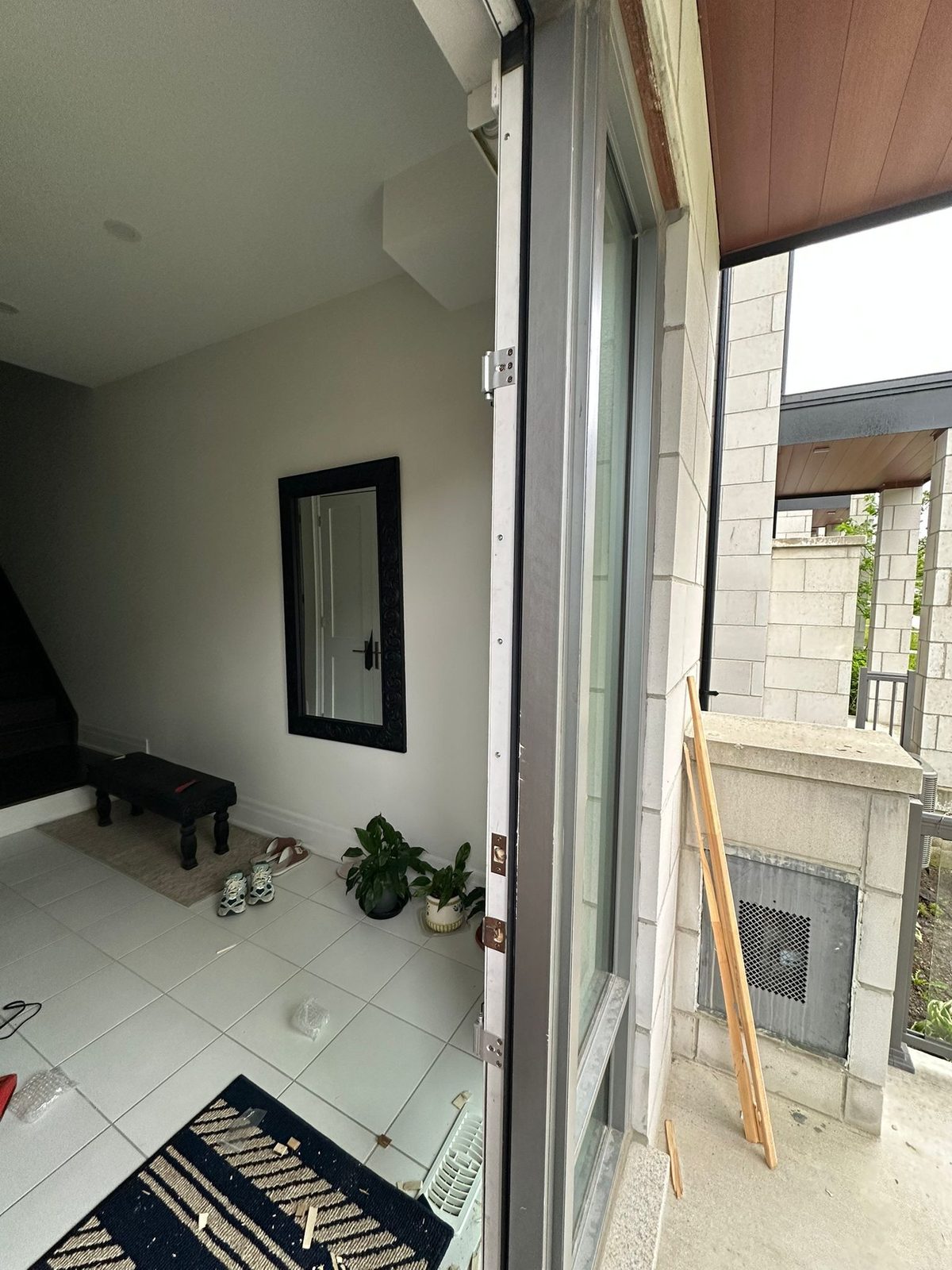
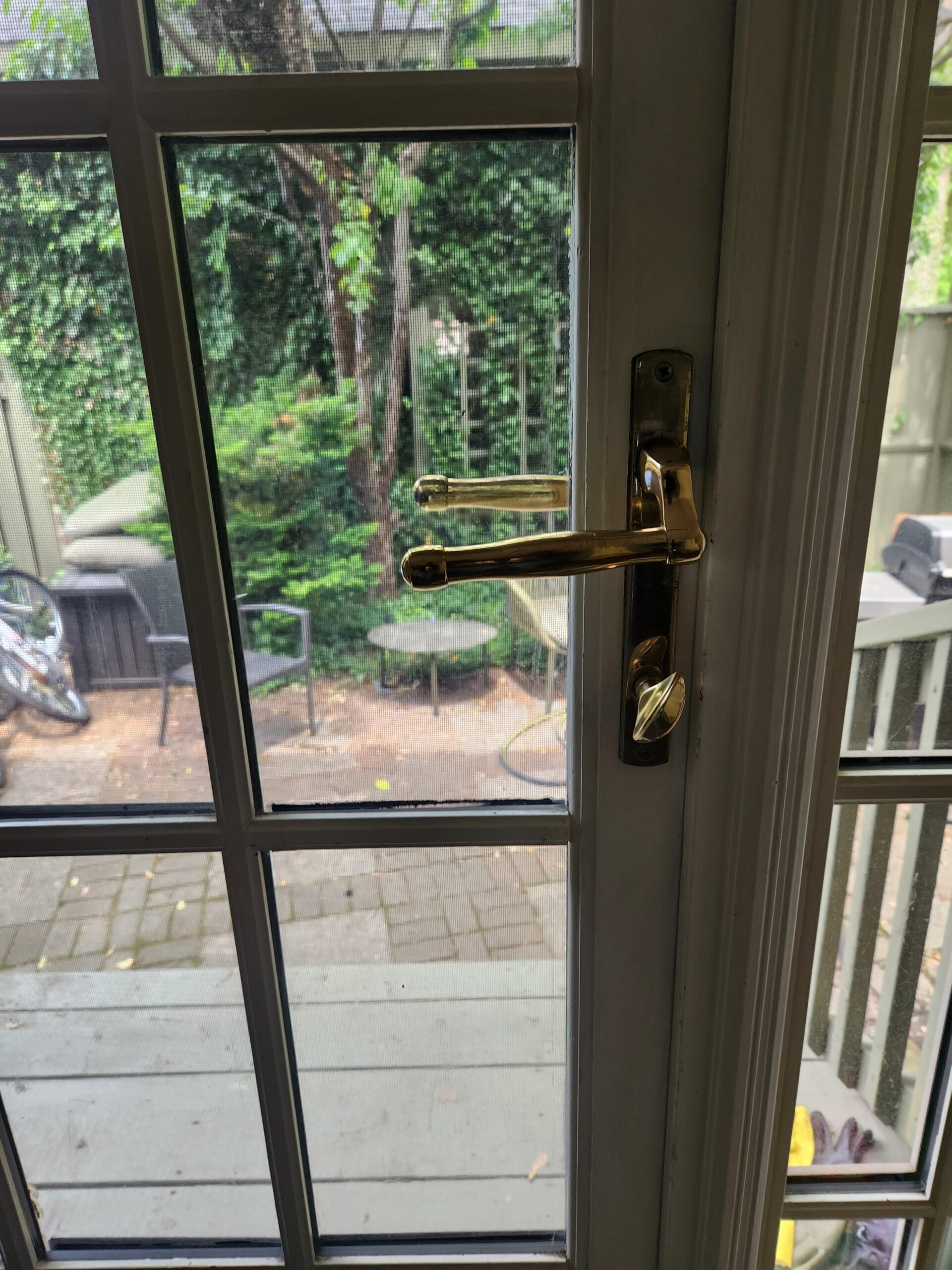
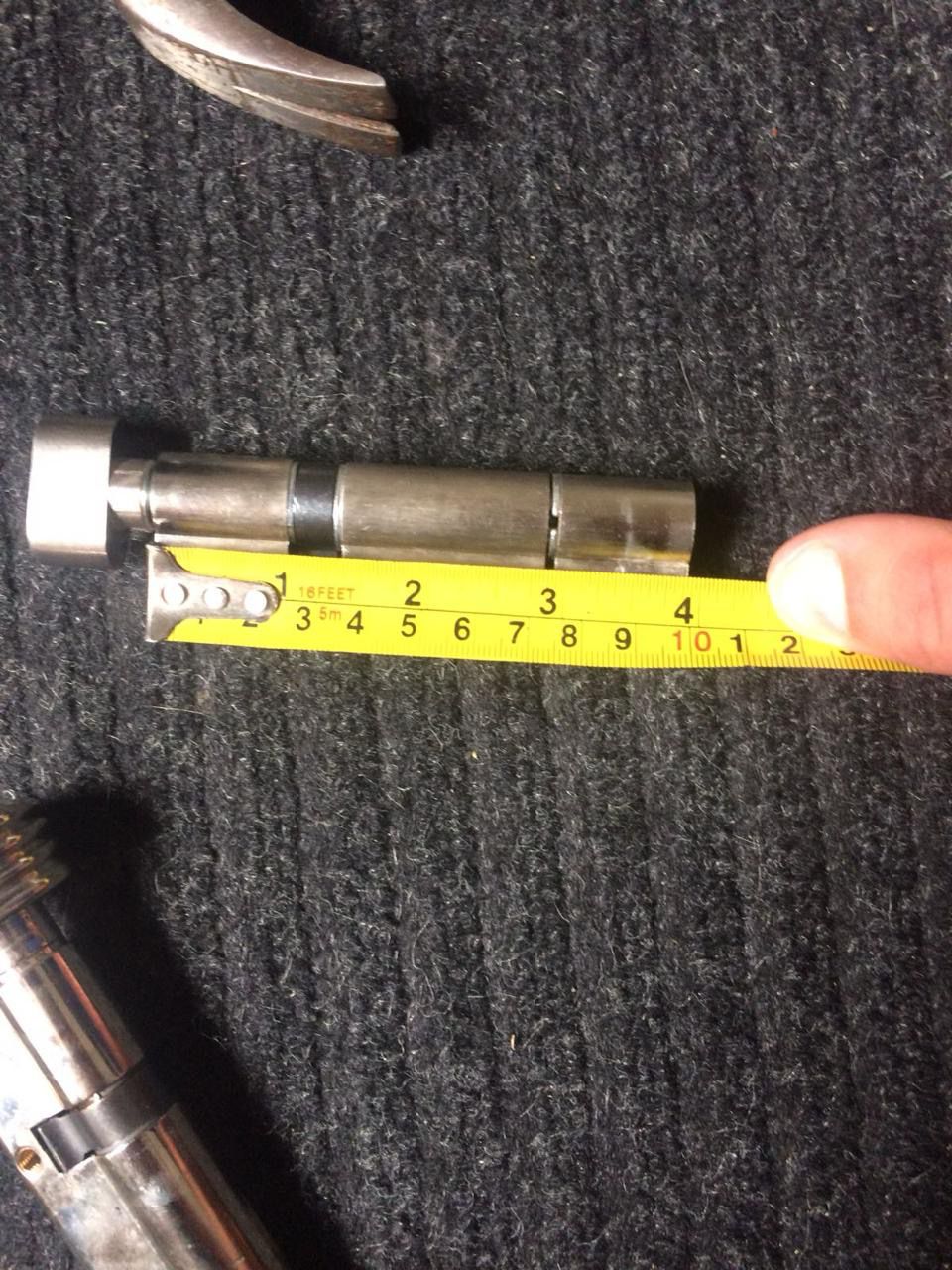
Photographs from GTA Lockman Mobile Locksmith Services work across Toronto and the GTA. Send a picture of your own door and we can tell you what the visit would involve.


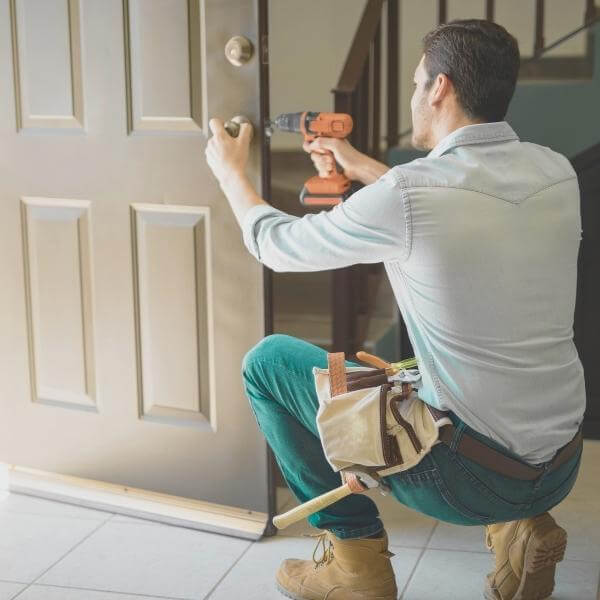
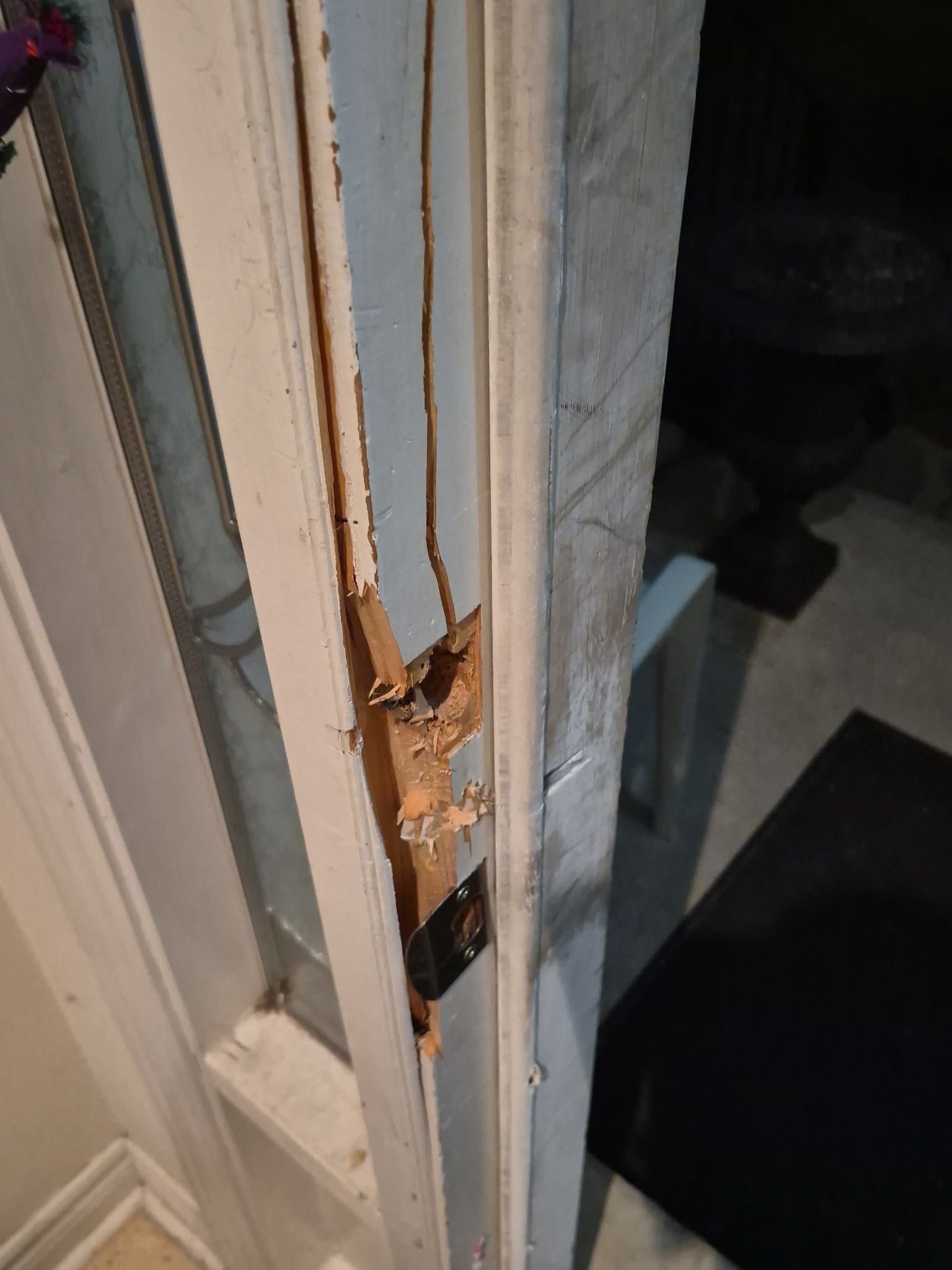
After the permitted arrangement is established, identify who must receive new keys or supported codes. This may include household members, an owner, management or other authorized people under the applicable arrangement. The access plan should account for them deliberately rather than distributing keys informally after the technician leaves.
Consider everyday use of separate entrances. A new front-door key may be inconvenient if an authorized occupant normally enters through another door that was omitted from the job. Record which openings share a key and which intentionally remain separate. For a household moving into a different property, move-in rekeying resolves an unknown historic key arrangement.
Store spare keys privately and avoid labels with the full address. Keep a record of the number supplied and the openings they operate without creating an openly accessible directory of access information. Good records support future changes without exposing the property unnecessarily.
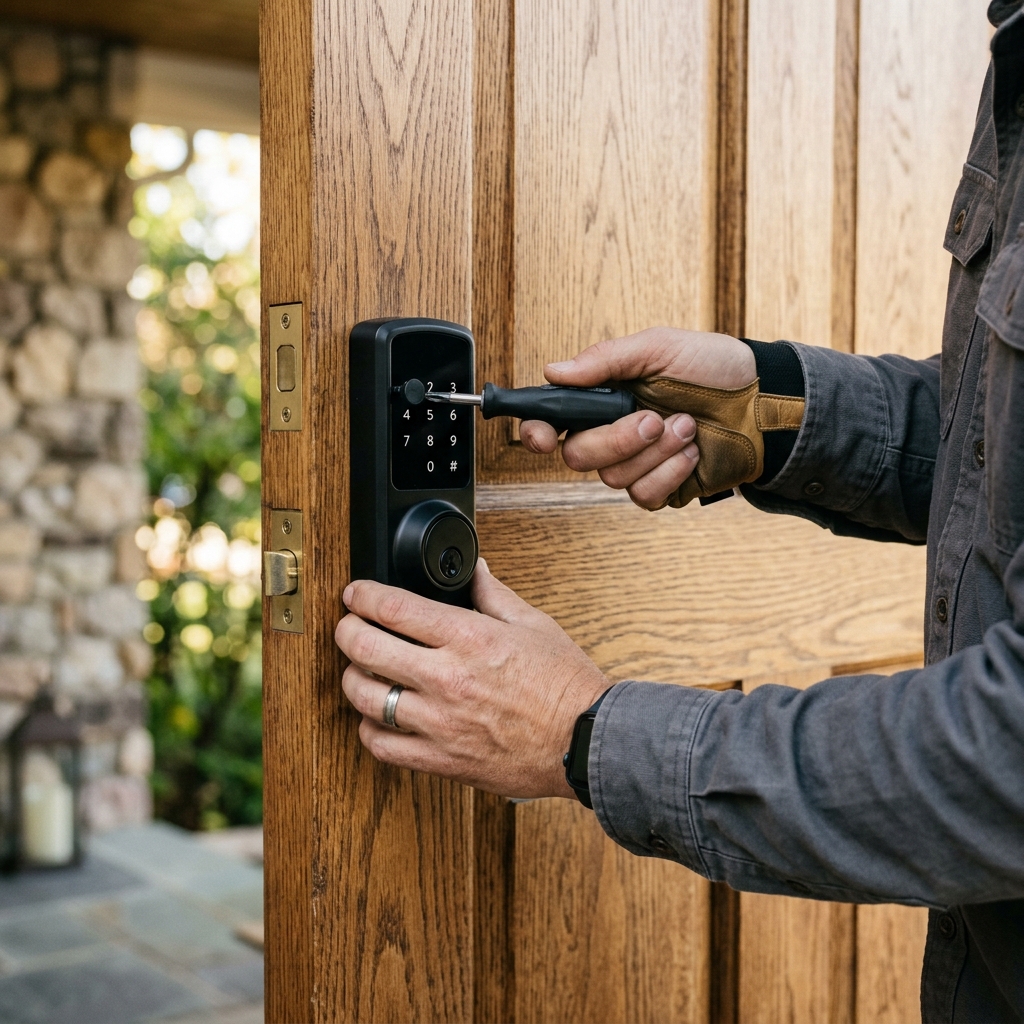
Provide the service location, approved openings and a suitable contact number through the normal private booking process. Crop job photographs to show hardware and relevant damage rather than personal correspondence, faces, identity documents or access codes. Share only the information necessary for authorization and the technical assessment.
If communication between occupants is difficult, designate one authorized point of contact for the approved work. Confirm how scope changes will be handled. The technician should receive practical instructions about the door and permission to work, rather than being placed in the role of mediator.
Any service record should describe the hardware, completed actions and authorizing party factually. Avoid speculative descriptions of another person's intentions. The purpose of the record is to document the work performed and its boundaries.
At handover, test each new key and the normal operation of every serviced door. Confirm that inside release, latching and deadbolt travel function as intended. Where an old authorized sample key is available, check the intended change at the affected cylinders without assuming it applies to unserviced openings.
Document which mechanical changes are complete and which separate credentials or building actions remain outstanding. Keep product details and approvals with the invoice. Other repair needs identified at the home can be handled through our residential locksmith service, but those should remain distinct from the authorized access change.
The service should leave a clear, limited result: identified openings, approved hardware work and a documented handover. Questions about continuing access rights belong with the appropriate adviser or authority, not with the fact that a lock has been fitted.
A household change can involve sensitive information that a service provider does not need in full. The booking request can focus on the property, authorized representative, affected openings and requested hardware assessment. Provide any necessary verification through an appropriate private process rather than a public message.
Separate three questions: who can authorize the work, what access arrangement has been established, and what the installed hardware can support. The first two may require decisions outside the locksmith appointment. The third can be assessed once the scope is clear. If the request changes during attendance or a dispute emerges, clarify authority before additional work proceeds. A documented, limited service is more useful than an ambiguous instruction to change everything. The final handover should describe what was done at each door without suggesting that the locksmith determined broader occupancy or ownership questions.
Keep reading
No. A locksmith assesses and works on hardware within an appropriately authorized scope. Questions about ownership, tenancy, occupancy, court directions or disputed access need to be resolved through the relevant property or legal process. Explain the circumstances honestly when requesting service and identify the person authorized to approve the work. Do not treat possession of a key or attendance at the property as the only information needed. Once authority is established, the hardware assessment can determine what is compatible and which access items are included in the proposed change.
No. A locksmith assesses and works on hardware within an appropriately authorized scope. Questions about ownership, tenancy, occupancy, court directions or disputed access need to be resolved through the relevant property or legal process. Explain the circumstances honestly when requesting service and identify the person authorized to approve the work. Do not treat possession of a key or attendance at the property as the only information needed. Once authority is established, the hardware assessment can determine what is compatible and which access items are included in the proposed change.
That is a mechanical decision separate from the access-rights question. Serviceable compatible cylinders may be suitable for a new key combination, while worn or damaged hardware may need replacement. Explain whether the door has an operating fault as well as a requested access change. The technician should identify which components remain and what the work will achieve at each opening. Changing the key arrangement is not the same as repairing a binding latch or replacing a failed handle. A clear proposal keeps the authorized access objective and the mechanical condition visible together.
No automatic connection should be assumed. A keypad code, smart-lock user, building fob or account permission can remain separate from the mechanical cylinder. Identify each authorized system and its administrator. Use supported procedures for changes, and resolve any disputed account or occupancy issue through the appropriate process. Do not share passwords or recovery codes in a general booking message. The service record should say which physical locks were changed and which electronic actions require another party. This prevents a completed front-door rekey from being mistaken for a complete review of every access method.
List the affected openings, the existing hardware and the intended authorized arrangement. Provide photographs without exposing personal documents, access codes or information about other occupants. Identify any management requirements and the representative who can approve work on site. If relevant authority is not yet clear, settle that before instructing a change. Also describe mechanical faults, such as a loose handle or bolt that requires pressure to turn. This lets the locksmith distinguish the requested access work from repairs and explain a defined scope instead of making assumptions about the household situation.
The permitted access arrangement must be established by the appropriate parties before hardware is planned. Once that is clear, compatible locks and key groups can be assessed against the agreed boundaries. A shared mechanical key may operate more openings than expected, so identify every door it currently opens. Do not assume rekeying a single room changes access through another entrance. Where a controlled building system is involved, management may need to participate. The locksmith's role is to assess a suitable authorized hardware arrangement, not to negotiate or determine disputed rights between occupants.
Involve the responsible property representative and establish applicable requirements before altering the entrance. A tenancy or managed-building arrangement can affect authorization, key provision and compatible hardware. Obtain advice from the relevant authority or qualified adviser when rights are uncertain. For Ontario tenancy information, the Landlord and Tenant Board's tenant-rights guidance is an official starting point. A service appointment should proceed from an established authorized scope. It should not be used to settle an unresolved tenancy question or assume that a hardware change determines who may occupy the property.
Follow the established authorized access arrangement and keep a private record of the number supplied and their recipients. If different areas must remain separate, confirm which key operates each group before distribution. Avoid labeling keys with a full property address. Where another representative is responsible for management access, agree the handover through that process. A locksmith can demonstrate the resulting mechanical operation, but distribution decisions should follow the resolved rights and responsibilities of the parties. Document any remaining access task so it does not disappear behind the fact that new keys have been issued.
It should identify the doors, work authorized, components changed and key arrangement delivered. Note any opening intentionally excluded and any electronic or management task that remains separate. Include the observed mechanical condition and repairs completed, rather than recording only a general lock change. Keep personal circumstances out of documents that do not need them. The useful record is a factual account of hardware work and handover, not a statement about a person's legal rights. Test normal locking and inside release with the authorized representative before considering the mechanical scope complete.
GTA Lockman Mobile Locksmith Services is a mobile locksmith working on homes, businesses and vehicles across Toronto and the GTA, with more than 14 years in the trade. Every review is written by a customer on Google, where you can read them in full.
Areas served: Toronto, North York, Scarborough, Etobicoke, Vaughan, Richmond Hill, Markham, Stouffville, Newmarket, Mississauga, Brampton, Oakville, Milton, Halton Hills, Pickering, Ajax, Whitby, Oshawa, Uxbridge.
Describe the door, hardware and service address. Contact GTA Lockman Mobile Locksmith Services to confirm the scope and scheduling for your location.