Locksmith services are always 10% off for seniors.
Open Mon–Thu 8:30 AM–9 PM, Fri 8:30 AM–4 PM, Sun 9:30 AM–9 PM
Locksmith services are always 10% off for seniors.
Open Mon–Thu 8:30 AM–9 PM, Fri 8:30 AM–4 PM, Sun 9:30 AM–9 PM

GTA Lockman Mobile Locksmith Services · Toronto & GTA
Return the premises with every key and credential accounted for, and the condition recorded.
Related services
Replace the previous tenant's key arrangement with one your business controls, following the lease and building rules.
Learn moreHow commercial lock and door work gets scoped, authorized and scheduled around a business that has to keep trading.
Learn moreReview what the departing employee could open, then rekey the affected cylinders and issue new keys with a record.
Learn moreHand back every key that exists, record what changed, and settle the lock question before the deposit is.
Learn moreStore, label and log keys so the set still makes sense after three staff changes.
Learn moreLock and door service for offices, shops and managed properties. Plan access around the way your business operates.
Learn more
When a business moves out of leased premises, the keys are part of the handover, and so are the locks. Most commercial leases say something about the condition the unit must be returned in, who owns the hardware, and whether any changes made during the tenancy have to be undone. Getting that part right avoids disputes over the deposit, charges from the landlord for work you thought was finished, and uncertainty about who can still get in after you have gone.
Before anyone touches a lock, read what the lease says about:
Many leases require the tenant to leave the landlord's original cylinders or master-keyed hardware in place, or to restore them if they were changed. Others let the tenant take its own hardware but require the doors to be left secure and working.
Over a tenancy, keys multiply. Staff were given keys, keys were cut for contractors, a manager kept a spare at home, a cleaner has one. The number of keys that exist at the end is rarely the number that was handed over at the start.
A key register kept during the tenancy makes this a simple count. If there is no register, collect every key you can find, list which doors each opens, and be honest in the handover about any that are unaccounted for. The same approach used when rekeying after an employee leaves applies here: count, compare, then decide.
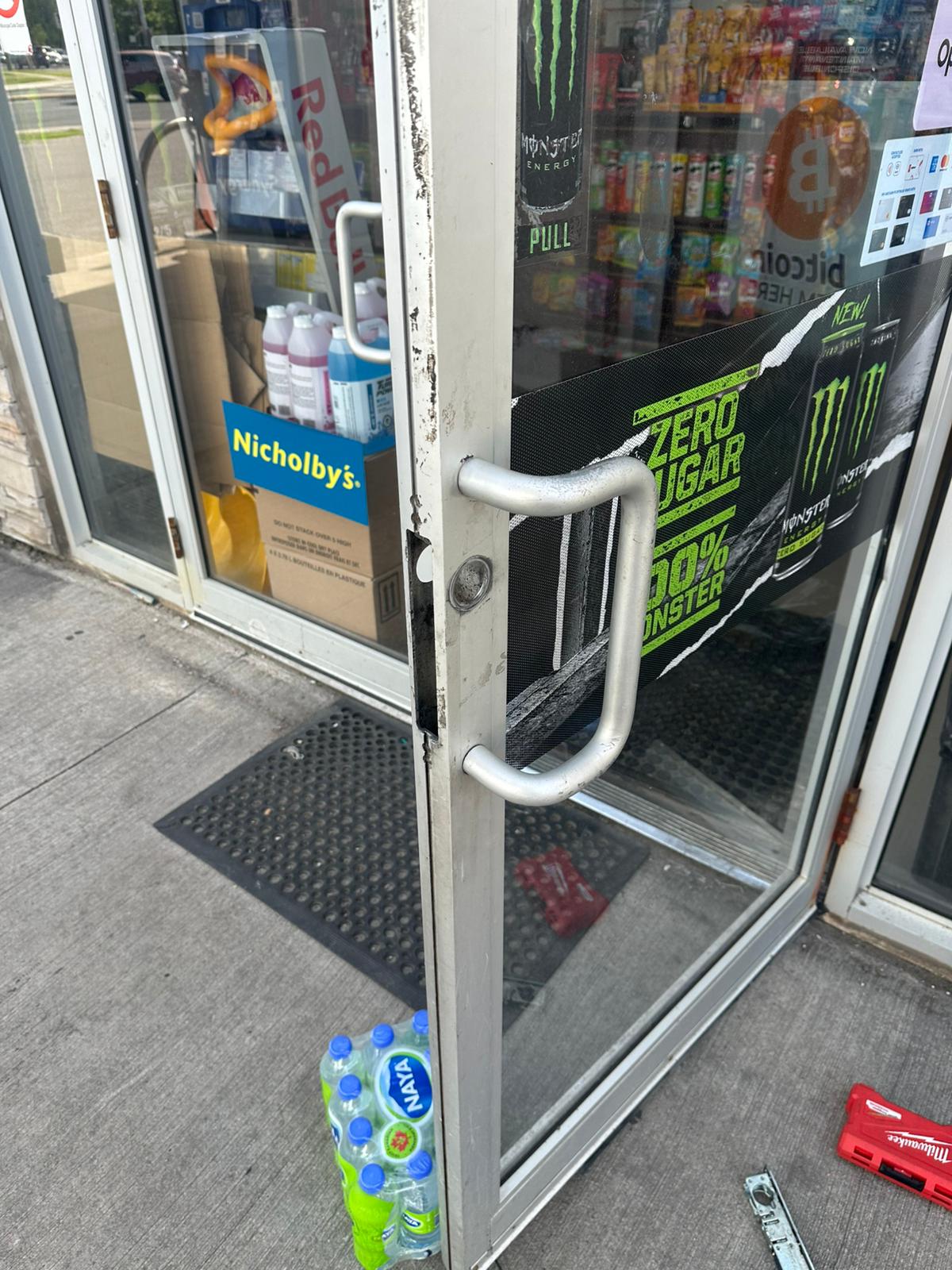
Keys are the easy part. Fobs, cards, keypad codes and access control accounts also need to be dealt with.
Fobs and cards issued by the building should be returned to the building management, who can deactivate them. Codes on keypads you installed should be removed or reset. If your business ran its own access control system on the unit's doors, decide with the landlord whether it stays, goes, or is handed over, and make sure the administrator account is transferred or closed.
A credential that is handed back but never deactivated still works, which is a risk for the landlord and the next tenant alike.
If the lease requires original hardware to be put back, the work may include refitting the landlord's cylinders, rekeying to the building's master system, removing hardware you added, and filling or covering holes left in the door.
Where the original cylinders were kept, this is straightforward. Where they were thrown away, compatible cylinders keyed to the landlord's system will need to be ordered through the supplier that holds that system, which can take time. Allow for it in the moving schedule rather than discovering it in the last week.
Photos
Photographs from GTA Lockman Mobile Locksmith Services work across Toronto and the GTA. Send a picture of your own door and we can tell you what the visit would involve.
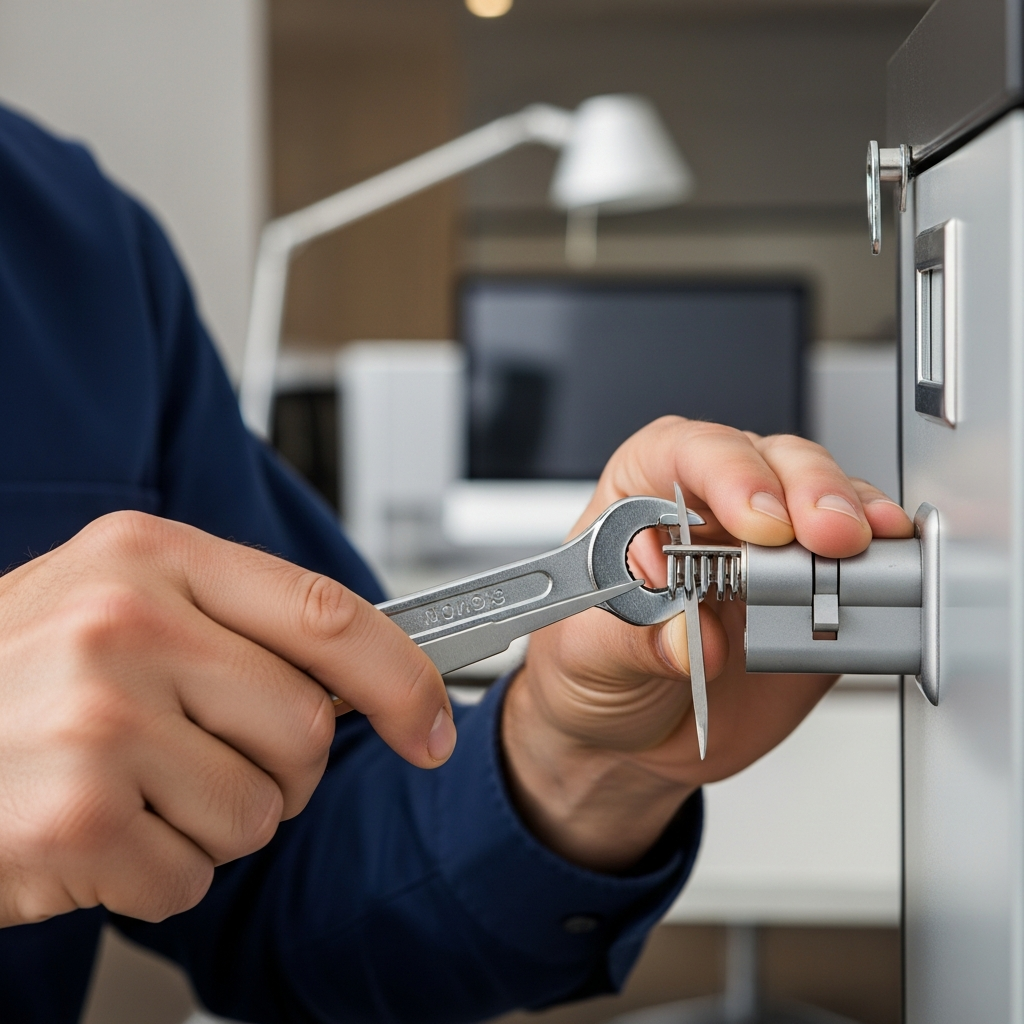
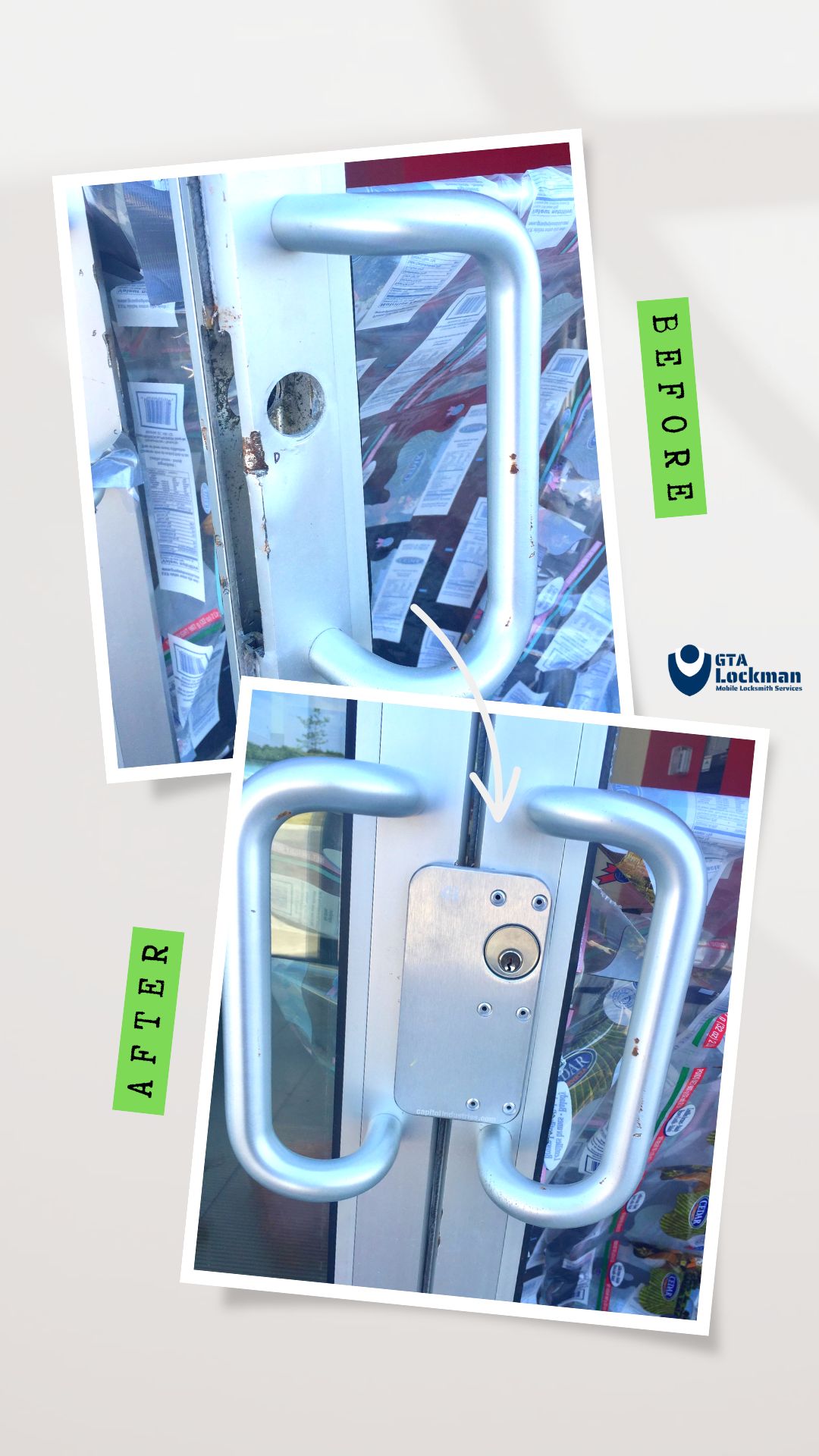
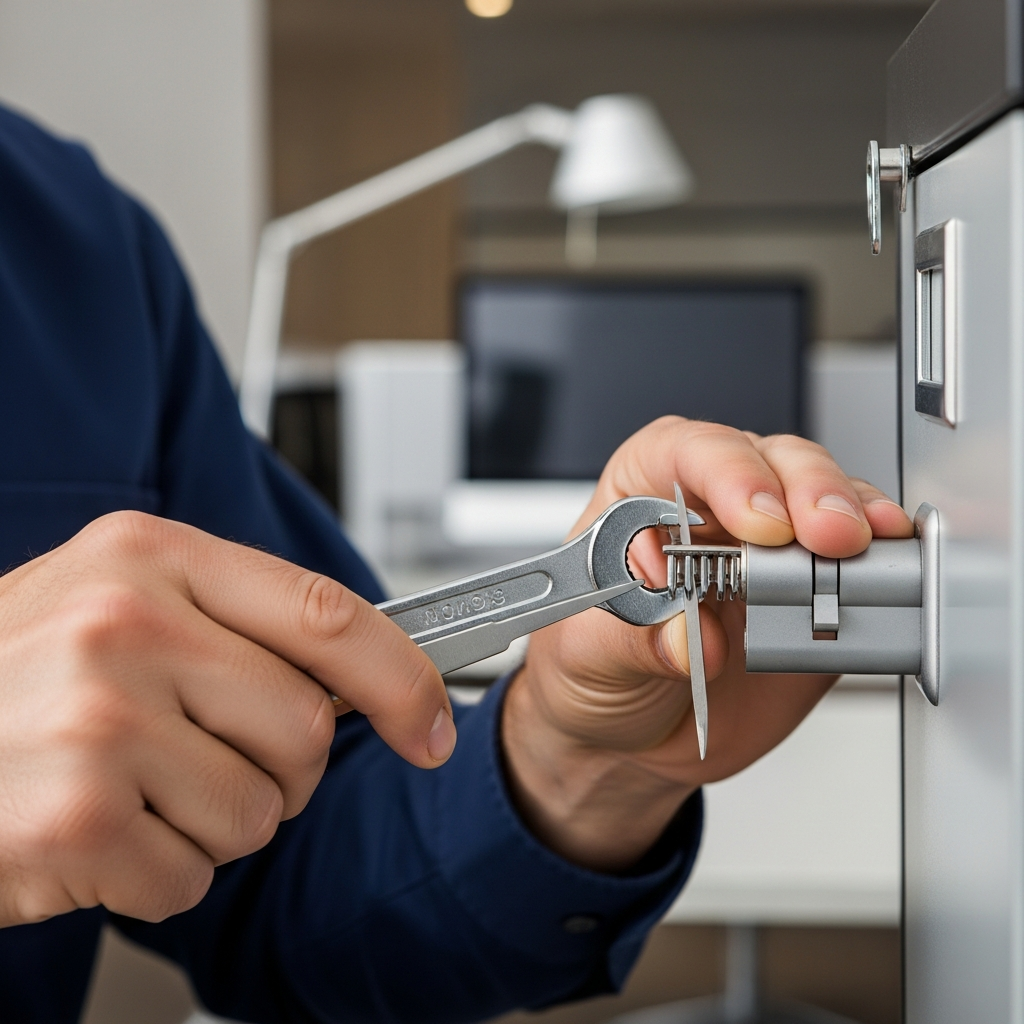
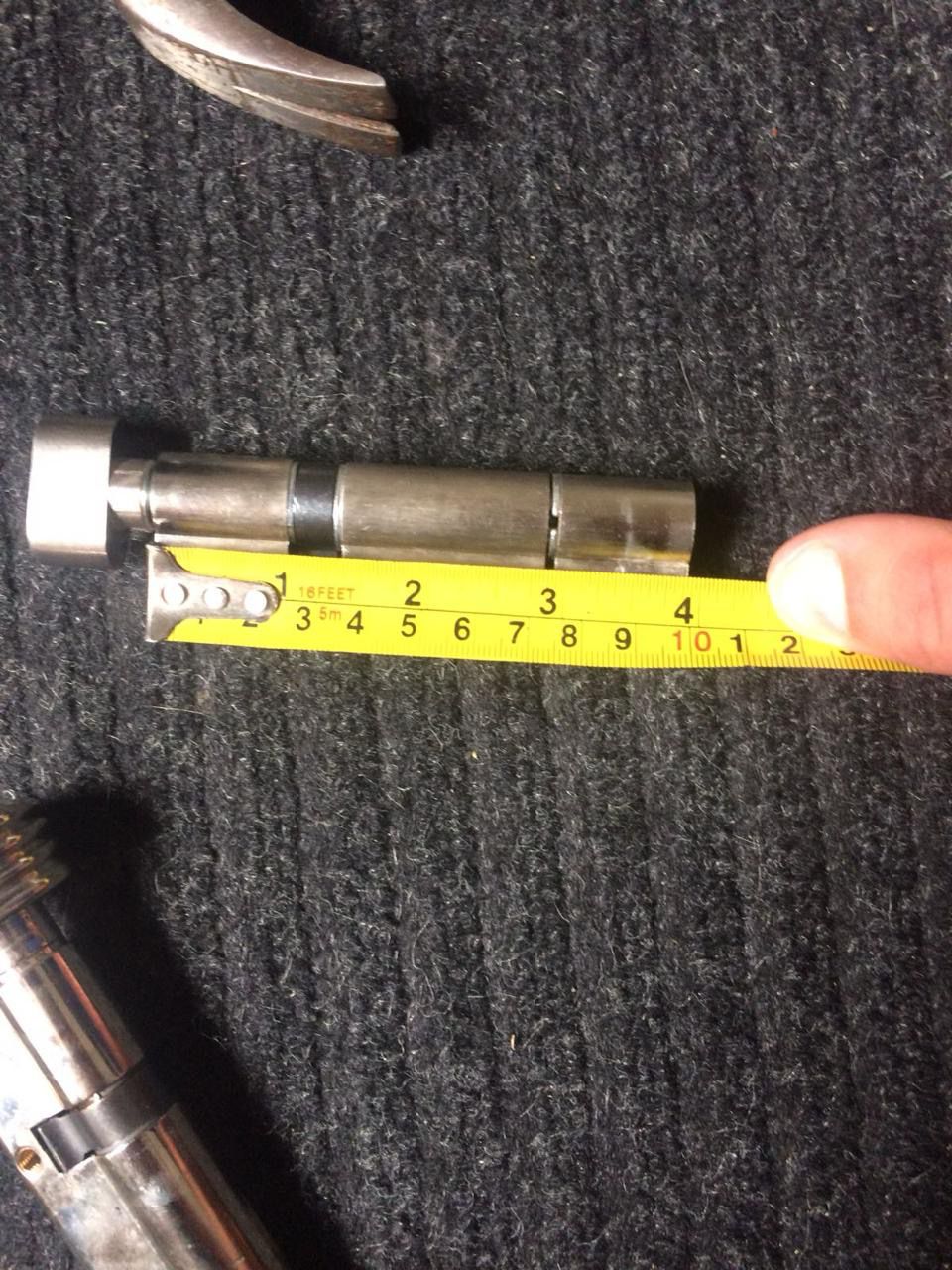
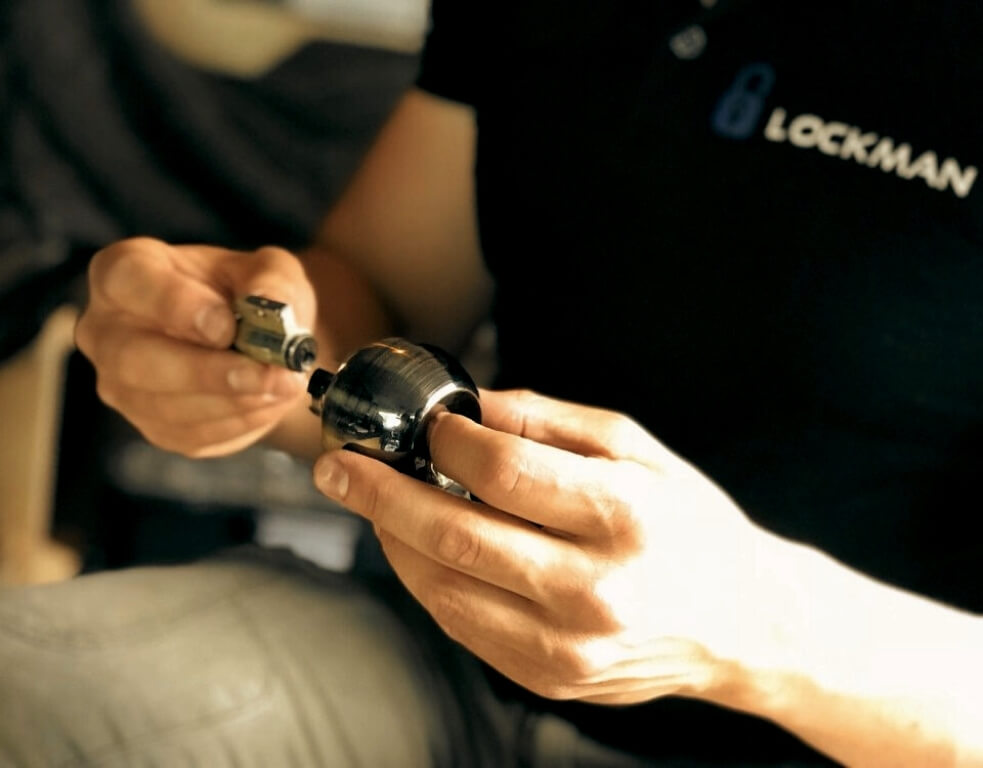
Doors take a beating over a long tenancy. Closers get adjusted until they no longer latch, strikes get moved, hinges wear, and frames get damaged by deliveries.
A walk-round before the handover, testing every door with the key and checking that each one closes and latches on its own, shows what needs attention. Small adjustments are far cheaper than the landlord's contractor charging for the same work after you have left. A commercial door that will not lock at closing at handover is one of the most common items on a landlord's deficiency list.
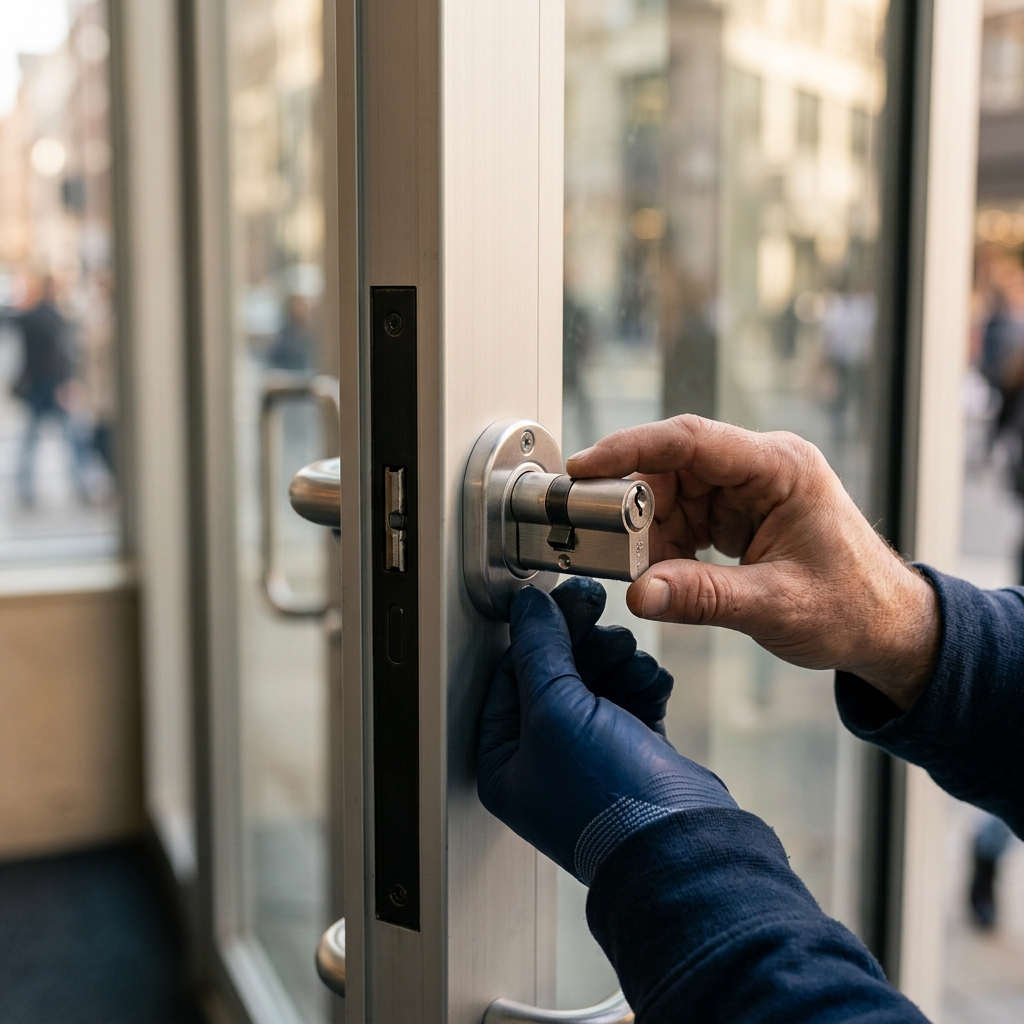
A short written record protects both sides. List every key and credential returned, the doors they open, the date and who received them. Note the condition of each door and lock, with photographs.
If any keys cannot be accounted for, say so in writing. The landlord may choose to rekey, and knowing that before the next tenant moves in is better than finding out afterwards. The reasoning is the same as when returning keys at the end of a tenancy on a residential property, only with more doors and more people involved.
The outgoing move is often paired with an incoming one. The same care at the new unit, rekeying or changing locks, setting up a key register from day one and checking every door, is part of a lock change when moving into a new office. Doing both with the same approach means the new premises start with the control the old ones ended without.
Handover work fits most easily into the final week, after the last business day but before the keys are returned, when the doors can be taken out of service briefly. Tell us the date the keys are due back, what the lease requires, and whether the landlord's hardware needs to be restored. For premises with many keys, a proper storage arrangement during the tenancy makes the final count much simpler; see key cabinets and managing many keys.
Arranging the handover visit works like any other commercial locksmith job: we look at the doors, agree the list and fix a date, and any hardware the landlord wants restored is part of our commercial locksmith services.
Keys are only one part of what gets handed back. If the business had an alarm system, the monitoring contract needs to be cancelled or transferred, the user codes removed, and the panel either left for the landlord or removed as the lease requires. An alarm that stays armed with codes nobody knows, or that keeps calling a former tenant's phone, causes problems for everyone.
Security cameras raise the same questions. Decide whether they stay or go, remove any recorded footage you are responsible for, and close any remote viewing accounts so a former tenant's staff can no longer see into the premises.
These are usually handled by the alarm or camera provider rather than a locksmith, but they belong on the same handover checklist as the keys.
Mail and deliveries keep arriving after a business moves. Arrange forwarding, update the address with suppliers and couriers, and let regular delivery companies know the new location. If any courier had a code or key for the old premises, collect it or have the code removed.
Signage, including door vinyl showing the business name and hours, is often a lease requirement to remove. Where signs are bolted through a door or frame, the holes may need filling as part of making good.
A simple schedule avoids a scramble in the final week:
Keeping to that order means parts have time to arrive and nothing is left for the last afternoon.
Outside companies often hold keys the business has forgotten about: the cleaning company, the alarm response service, a maintenance contractor, the IT provider, a courier with a code. Each one needs to be contacted before the handover, their keys collected and their codes removed.
A efficient way to find them is to go through the list of regular suppliers and contractors and ask a single question of each: do you hold a key, fob or code for our premises? The answers usually turn up at least one arrangement nobody on staff remembered.
Record each returned key or removed code in the same handover record as the staff keys, so the landlord has the full picture.
Some landlords rekey or change the locks after every tenancy regardless of how many keys come back. That is their decision, and a complete handover record still matters: it shows the premises were returned in the condition the lease required, and it answers any question about whether the outgoing tenant is responsible for the cost.
Tell us the address, the number of doors, what the lease says about hardware, whether any keys or credentials are missing, and the date the premises must be handed back.
We will restore or rekey what needs it, check each door, and leave you with a record of what was done that you can hand to the landlord.
Keep reading
It depends on the lease. Many commercial leases require the tenant to leave or restore the landlord's cylinders and any master-keyed hardware. Others let the tenant remove its own hardware but require the doors to be left secure and working. Check the clauses on alterations, fixtures and end-of-term condition before any work is done.
It depends on the lease. Many commercial leases require the tenant to leave or restore the landlord's cylinders and any master-keyed hardware. Others let the tenant remove its own hardware but require the doors to be left secure and working. Check the clauses on alterations, fixtures and end-of-term condition before any work is done.
Compatible cylinders keyed to the landlord's system will need to be ordered, usually through the supplier that manages that key system. It can take some time, so allow for it in the moving schedule rather than leaving it to the final week.
That depends on the lease and on what the landlord decides. Being honest in the handover record about which keys cannot be accounted for is the sensible approach, because it lets the landlord decide whether to rekey before the next tenant moves in. Any dispute over cost is a matter for the lease, not the locksmith.
Building fobs and cards go back to the property manager, who can deactivate them. Codes on keypads you installed should be removed or reset. If your business ran its own access control, agree with the landlord whether it stays or goes, and transfer or close the administrator account.
With a written record: each key and credential, the doors it opens, the date and who received it, plus photographs of each door and lock. A signed or emailed copy protects both sides if questions come up later.
If the lease requires the premises to be returned in working condition, usually yes. Closers, strikes and hinges that have drifted over a tenancy are often simple adjustments, and it is cheaper to have them done before the handover than to be charged for the landlord's contractor afterwards.
In the last week, after the final business day but before the keys are returned, when doors can briefly be out of service. That leaves time for any parts that need ordering.
Often, yes. Handover work at the old unit and a lock change or rekey at the new one are frequently scheduled together, so the new premises start with a known key arrangement and a register from day one.
GTA Lockman Mobile Locksmith Services is a mobile locksmith working on homes, businesses and vehicles across Toronto and the GTA, with more than 14 years in the trade. Every review is written by a customer on Google, where you can read them in full.
Areas served: Toronto, North York, Scarborough, Etobicoke, Vaughan, Richmond Hill, Markham, Stouffville, Newmarket, Mississauga, Brampton, Oakville, Milton, Halton Hills, Pickering, Ajax, Whitby, Oshawa, Uxbridge.
Describe the door, hardware and service address. Contact GTA Lockman Mobile Locksmith Services to confirm the scope and scheduling for your location.