Locksmith services are always 10% off for seniors.
Open Mon–Thu 8:30 AM–9 PM, Fri 8:30 AM–4 PM, Sun 9:30 AM–9 PM
Locksmith services are always 10% off for seniors.
Open Mon–Thu 8:30 AM–9 PM, Fri 8:30 AM–4 PM, Sun 9:30 AM–9 PM
GTA Lockman Mobile Locksmith Services · Toronto & GTA
How a controlled keyway limits copying, what it costs in flexibility, and when an ordinary cylinder is enough.
Related services
Reduce the keys you carry where cylinders and access requirements allow a suitable keyed-alike arrangement.
Learn moreReview every opening affected by the missing keys and establish a documented, authorized change to mechanical access.
Learn moreReview what the departing employee could open, then rekey the affected cylinders and issue new keys with a record.
Learn moreStore, label and log keys so the set still makes sense after three staff changes.
Learn moreWhy a key that worked for years starts to stick, and when the key rather than the lock is the problem.
Learn moreCompare key-control features and compatible hardware upgrades while keeping the surrounding door in the assessment.
Learn more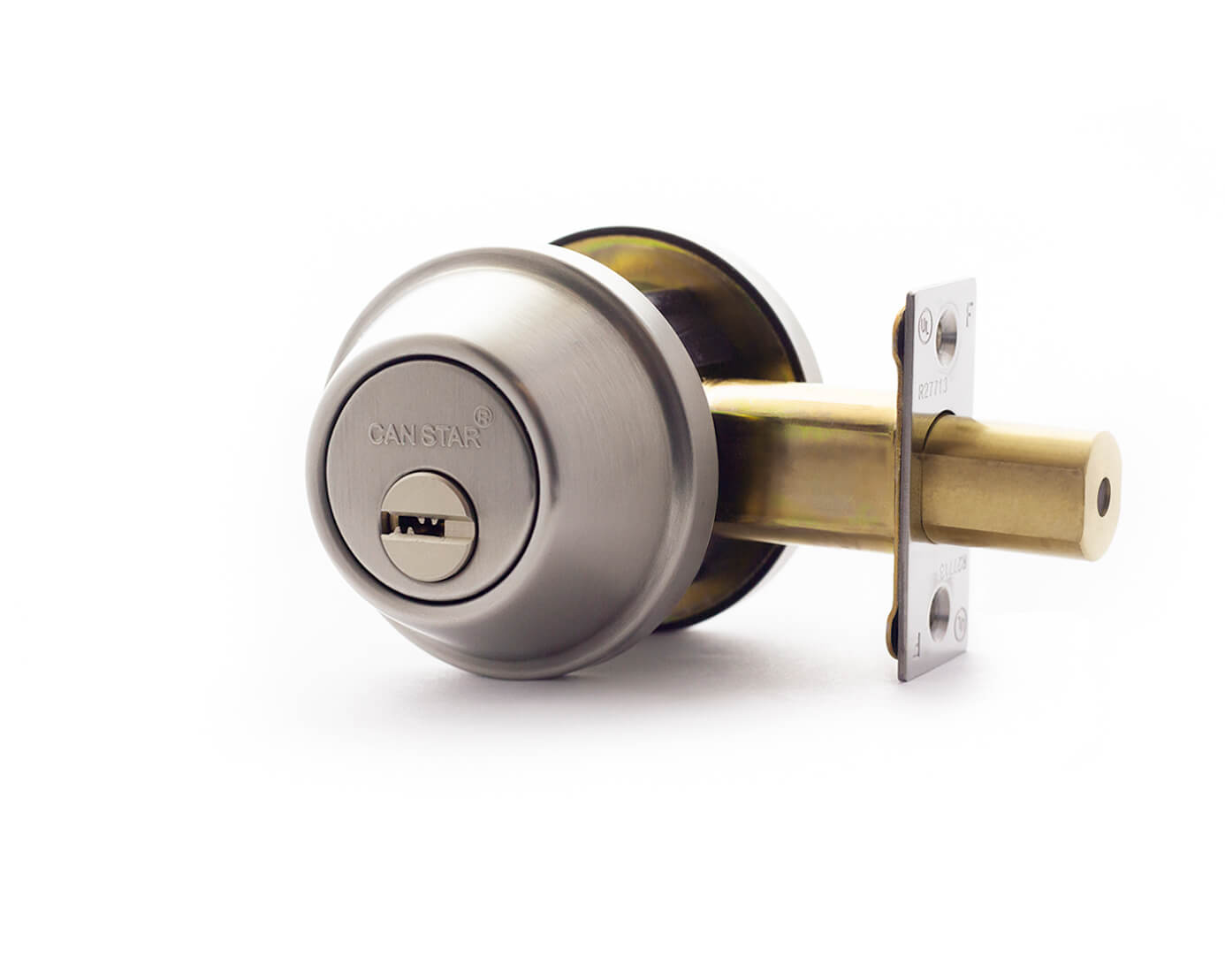
An ordinary house key can be copied at almost any hardware counter or key kiosk in a few minutes. For most homes that is a convenience. For a business with staff turnover, a landlord with tenants changing every year, or a household that has had a key go missing, it is the weak point: every copy that leaves your control is a way in that you cannot count.
A restricted key system closes that gap. The key blank itself is controlled, so duplicates can only be cut through an authorized supplier, and usually only when the registered owner or a named contact approves the request.
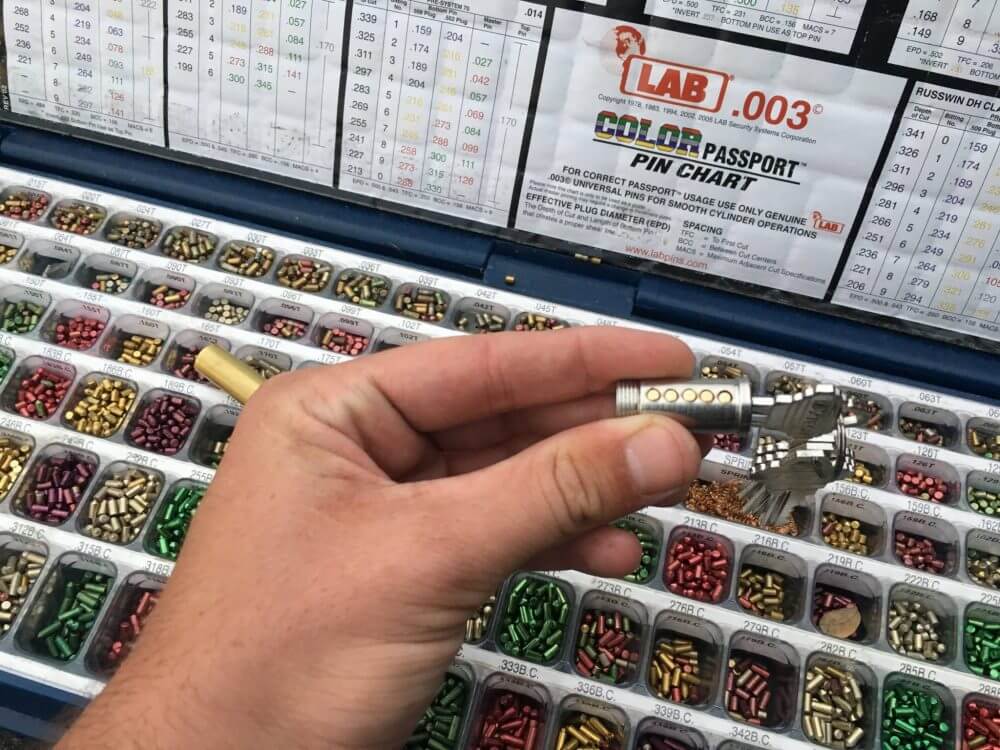
Every key is cut from a blank shaped to slide into a particular keyway. Common keyways use blanks that are sold everywhere. A restricted keyway uses a blank profile that is not available on the open market; the manufacturer supplies it only to dealers who have agreed to its rules.
Some systems go further. The blank may be protected by a utility patent for a period, which gives the manufacturer legal grounds to stop unauthorized blanks being made. Others add a second locking element, such as a sidebar or a moving element in the key itself, that ordinary copying machines cannot reproduce even with the right blank.
The result is the same in practice: the key in your hand cannot simply be copied at the counter down the road.
Most restricted systems come with some form of registration. That might be a card with a number, a signature on file, or a list of people authorized to order keys.
When someone asks for a new key, the supplier checks the request against that record. If it does not match, the key is not cut.
That record is only as good as the way it is kept. Decide at the start who is authorized to order keys, write it down, and update it when that person leaves. For a business, it is sensible to name two people so that one absence does not stop you getting a key when you need one.
A restricted keyway controls copying. It does not make a weak door strong.
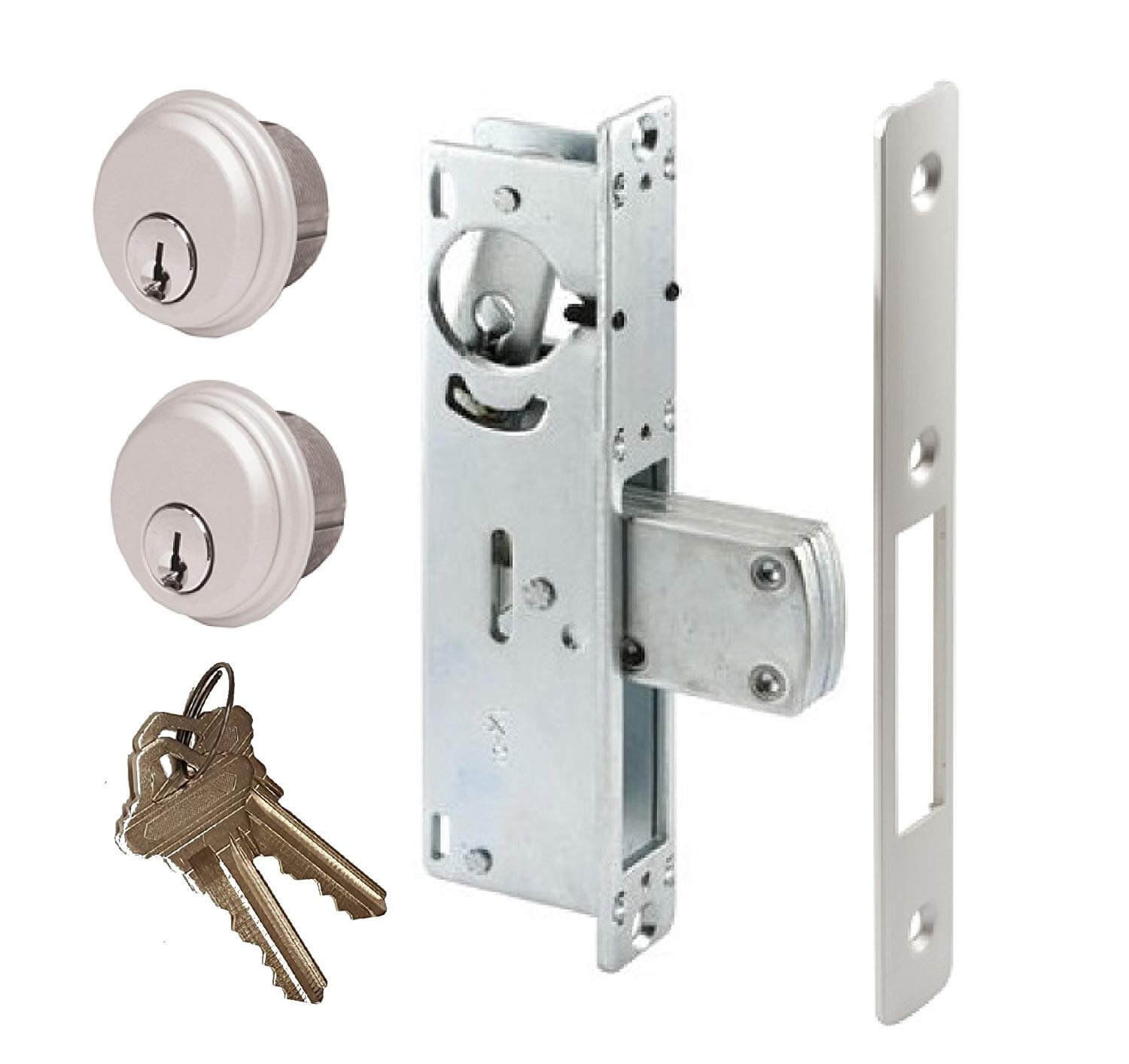
If the strike is screwed into soft trim, if the frame is split, or if the lock body is a light residential grade on a heavy commercial door, the key control is a lock on a door that can be forced. Controlled keys and sound hardware work together; one does not replace the other. Stronger cylinders, reinforced strikes and properly fixed frames are the other half, and they are part of residential high-security lock upgrades.
It also does not help with keys that already exist. If keys to your current cylinders are unaccounted for, fitting restricted cylinders is the moment to retire every old key at once, which is the same thinking behind rekeying after stolen keys.
For most houses, an ordinary cylinder that is rekeyed when needed is enough. Restricted keys earn their place in particular situations: a household that has had repeated trouble with keys going missing, a home with a basement suite or long-term renters, or a property where a former partner or relative is known to have made copies in the past.
If several doors are involved, compatible restricted cylinders can usually be keyed alike, so one controlled key still opens every exterior door. That keeps the convenience of one key for compatible house locks while removing the ability to copy it freely.
On commercial premises, restricted keys are often the single most useful step a business can take on key control.
Every time an employee leaves with a copy of an ordinary key, the business is left guessing. With a controlled system, the question becomes simpler: how many keys were issued, and how many have come back. If the numbers match, the change of staff does not require new cylinders. If they do not, the missing keys can be dealt with through rekeying after an employee leaves, with confidence that no further copies have been made in the meantime.
Restricted systems also pair well with a key register and a proper storage arrangement, so the record of who holds what is kept in one place; see key cabinets and managing many keys.
Landlords with several units benefit in a similar way. Tenants cannot hand out copies to friends or leave with extras, and each turnover becomes a count rather than a guess.
The practical question is how many keys each tenant receives and how replacements are handled. Setting a clear policy at the start of each tenancy, including a fee or deposit for additional keys, keeps the system working as intended.
Restricted systems differ in how long their protection lasts, how the authorization works, whether they can be combined with a master key arrangement, and what cylinders and hardware are available in the range.
Worth asking before choosing:
Controlled keys wear like any other key. When a key starts to stick, the answer is a new key cut to the original code through the authorized supplier, not a copy of the worn one. A copy of a worn key inherits the wear, the same problem found with worn keys and poor key copies.
Keeping one original key unused, stored away as a reference, makes future replacements more accurate.
Restricted cylinders and keys cost more than ordinary ones, and replacement keys usually take longer because they come through the authorized channel. That delay is part of the control, not a flaw in it.
For a household, that is normally a one-time decision. For a business, it helps to budget for keys as staff change, and to hold a small number of spare keys in secure storage so that a new hire does not have to wait.
Restricted keyways and master keying work well together. A business can have a master key that opens every door, sub-master keys for managers of particular areas, and individual keys for staff, all on a controlled blank that cannot be copied outside the authorized channel.
That combination matters because a master key is the most valuable key in any building. If an ordinary master key is copied, every lock on the system is compromised, and the only fix is rekeying the whole building. With a restricted blank, the master cannot be duplicated at a counter, and the register shows exactly how many exist and who holds them.
Master systems need careful planning. The number of levels, the doors in each group and the room for future expansion all have to be decided before the first cylinder is pinned, because changing the structure later is expensive. Keep the master keys to as few people as possible, and store any spares in a locked cabinet rather than a desk drawer.
A restricted system does not have to be installed everywhere at once. Many businesses start with the doors that matter most, such as the main entrance, the rear door and the cash office, and add internal doors as budgets allow.
The key point is to choose the system at the start with growth in mind, so later cylinders can join the same keyway and the same master structure. Starting with one system and switching to another a year later means two sets of keys and two registers, which defeats much of the purpose.
For homes, a staged approach might mean restricted cylinders on the exterior doors now, with any garage or outbuilding added later on the same key.
When you sell a home fitted with restricted cylinders, the key control passes to the buyer only if the registration passes with it. Hand over the ownership card or registration details with the keys, and tell the buyer how many keys exist. Without that, the new owner has controlled cylinders but no way to order more keys, and no certainty that the key count is complete.
Tell us how many doors are involved, whether the property is a home, a rental or a business, how many people currently hold keys, and whether any keys are unaccounted for. If you already have a restricted system and need more keys or cylinders, have the ownership card or registration details ready.
We will look at the doors themselves as well as the keys, so that the controlled key is fitted to hardware worth protecting.
Keep reading
Not reliably. A stamp is a request, not a control, and many key counters will copy the key anyway if the blank is common. A genuinely restricted system uses a blank that is not sold on the open market, so the key cannot be copied without going through an authorized supplier who checks the request against a registration record.
Not reliably. A stamp is a request, not a control, and many key counters will copy the key anyway if the blank is common. A genuinely restricted system uses a blank that is not sold on the open market, so the key cannot be copied without going through an authorized supplier who checks the request against a registration record.
Through the authorized supplier, using the ownership card, registration number or named contact on file. The supplier confirms the request matches the record before cutting the key. It takes longer than an ordinary copy, and that delay is part of what keeps the system under control.
Often yes. Many restricted systems offer cylinders that fit common residential and commercial lock bodies, so the rest of the hardware can stay. Where the existing locks are worn or the wrong grade for the door, it can make sense to replace the lock bodies at the same time rather than fitting a controlled cylinder to hardware that is already failing.
Yes. Compatible restricted cylinders can be keyed alike, so one controlled key opens every exterior door, or arranged in a master key system for a business, where different keys open different groups of doors. Both keep the copying restriction in place.
For most homes, an ordinary cylinder that is rekeyed when keys go missing is enough. A restricted system earns its place where keys have gone missing more than once, where there are tenants or a basement suite, or where someone is known to have made copies in the past.
The registration record needs updating, which usually means the owner of the property or business confirming a new authorized contact with the supplier. Naming two people from the start avoids being stuck when one of them is unavailable.
No. It controls copying, not strength. A sound frame, a reinforced strike fixed into the framing and hardware of a suitable grade are what resist force. The two work together, and controlled keys on a weak door leave the weakness in place.
A new key should be cut to the original code through the authorized supplier. Copying a worn key reproduces the wear. Keeping one original key unused and stored safely makes future replacements more accurate.
GTA Lockman Mobile Locksmith Services is a mobile locksmith working on homes, businesses and vehicles across Toronto and the GTA, with more than 14 years in the trade. Every review is written by a customer on Google, where you can read them in full.
Areas served: Toronto, North York, Scarborough, Etobicoke, Vaughan, Richmond Hill, Markham, Stouffville, Newmarket, Mississauga, Brampton, Oakville, Milton, Halton Hills, Pickering, Ajax, Whitby, Oshawa, Uxbridge.
Describe the door, hardware and service address. Contact GTA Lockman Mobile Locksmith Services to confirm the scope and scheduling for your location.