Locksmith services are always 10% off for seniors.
Open Mon–Thu 8:30 AM–9 PM, Fri 8:30 AM–4 PM, Sun 9:30 AM–9 PM
Locksmith services are always 10% off for seniors.
Open Mon–Thu 8:30 AM–9 PM, Fri 8:30 AM–4 PM, Sun 9:30 AM–9 PM
GTA Lockman Mobile Locksmith Services · Toronto & GTA
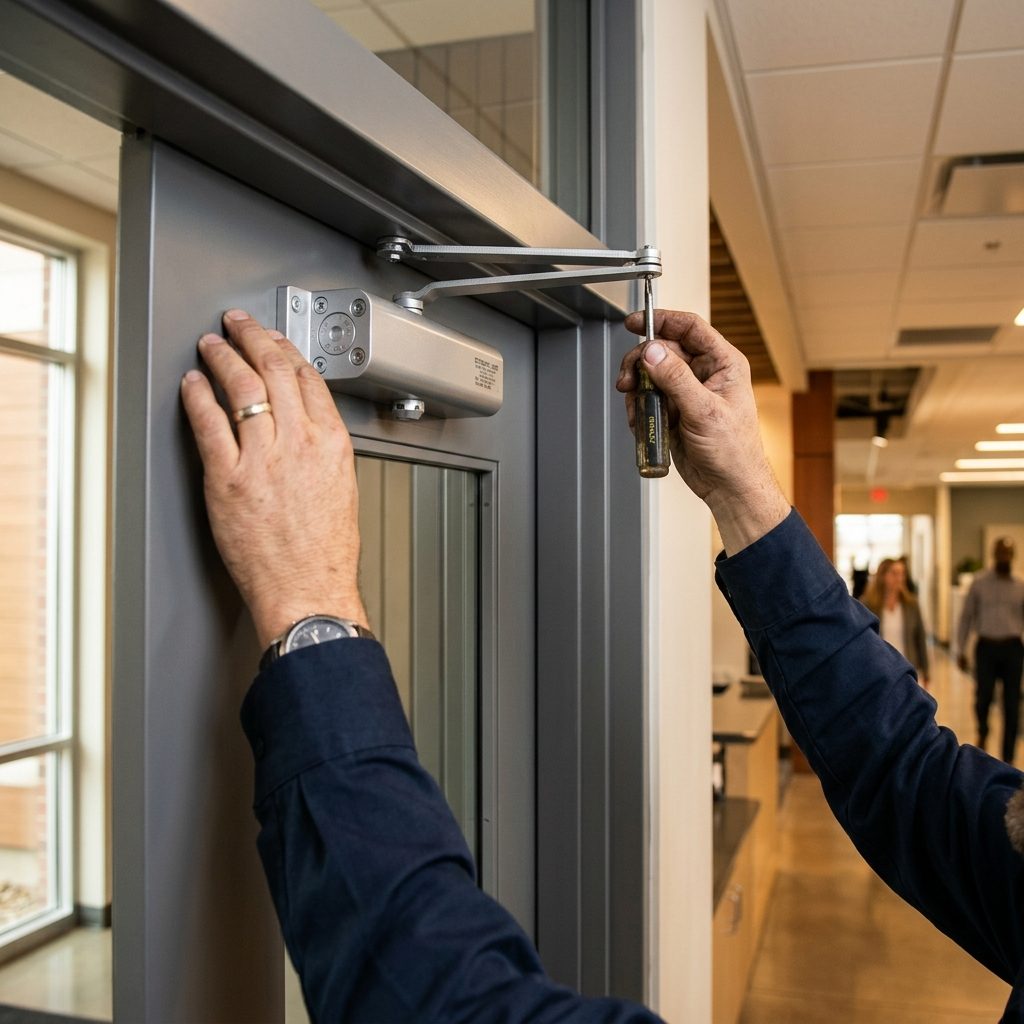
Keep children in and unauthorized adults out while every exit still releases with a single motion.
Related services
Keep fire doors latching and exits releasing, with hardware suited to the assembly and no added bolts.
Learn moreMake the back door close, latch and lock every time while keeping it a safe exit for staff and customers.
Learn moreReview what the departing employee could open, then rekey the affected cylinders and issue new keys with a record.
Learn moreWhat Grade 1, 2 and 3 measure, what they leave out, and why the strike and frame often matter more.
Learn moreA yearly check of doors, locks, keys and closers that catches small faults before they become failures.
Learn moreLock and door service for offices, shops and managed properties. Plan access around the way your business operates.
Learn more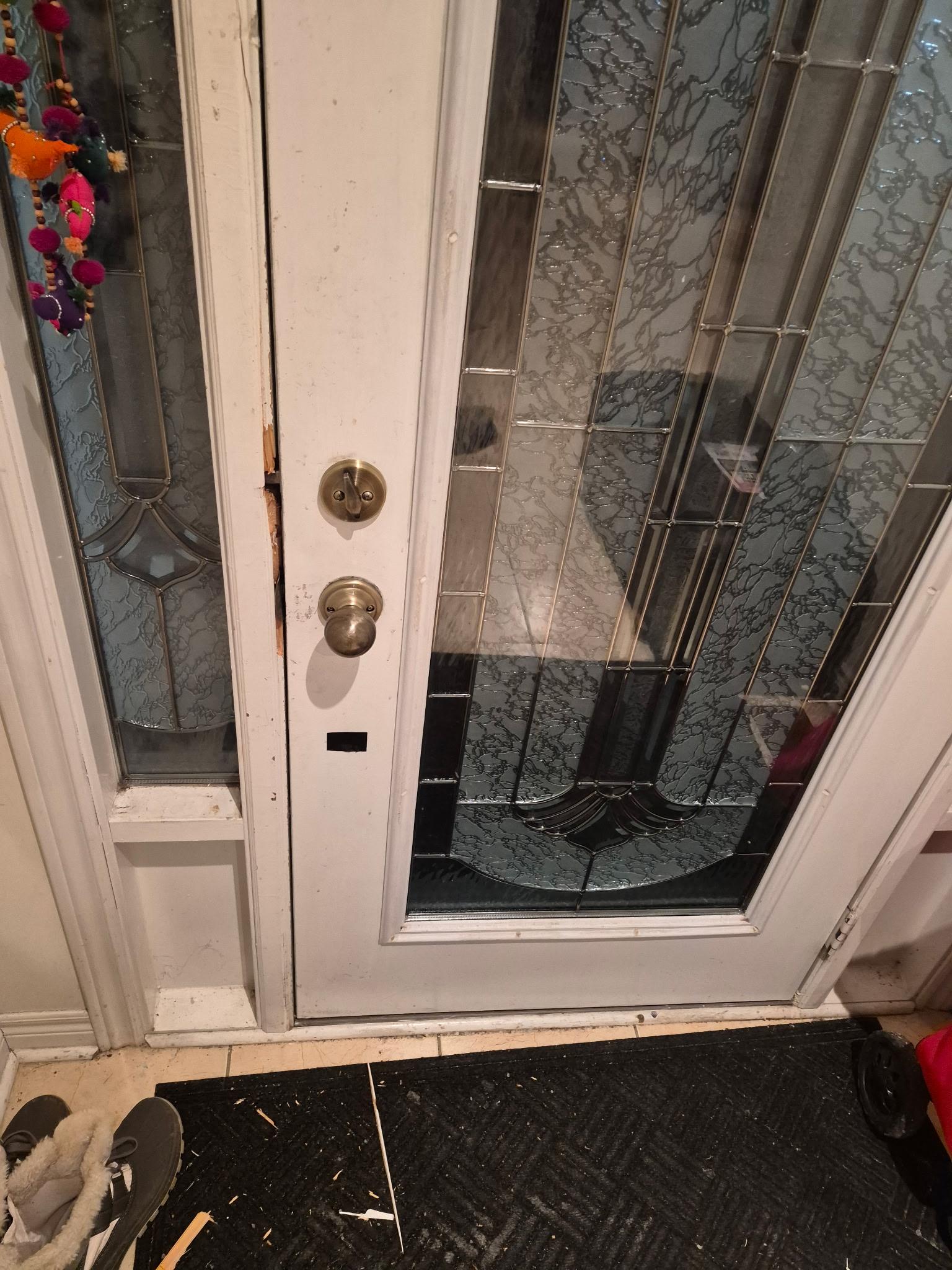
Doors in daycares, preschools and schools have to do two things at once. They must stop a child leaving unsupervised and stop an unauthorized adult walking in. They must also let everyone out efficiently in a fire, and let staff move through the building without fighting the hardware.
Those requirements can conflict, which is why the hardware on these buildings is more prescribed than in a house or an office. Getting it wrong tends to mean either a door that a two-year-old can open or a door that slows an evacuation.
The two goals can usually be reconciled with the right hardware, though some decisions belong with the fire authority, the licensing body or the board rather than with a locksmith.
A door on an exit route must release with a single motion, without a key, a tool or special knowledge. That principle governs everything else. Chains, padlocks, slide bolts and keyed deadbolts on exit doors are unsafe and may breach fire code, whatever the reason for adding them.
That does not mean a door cannot be controlled. It means the control happens on the outside face, or through hardware designed for the purpose, while the inside always releases. The same latching and exit device principles apply here as with fire door hardware for businesses, with a few additions for younger occupants.
The usual approach is height and a second action rather than a lock. Hardware mounted high on the door, out of a child's reach, is common in daycares, as is a latch that needs a deliberate movement an adult finds easy and a toddler does not.
Requirements vary by jurisdiction and by the licensing rules that apply to the facility, including the mounting height permitted on an exit door. Confirm what applies to your centre with your licensing body and the local fire prevention office before changing anything. We fit what is permitted; we do not decide what is permitted.
Gates at the top and bottom of stairs, self-closing hinges on internal doors and door alarms that sound when a door is opened are also used, each with its own considerations.
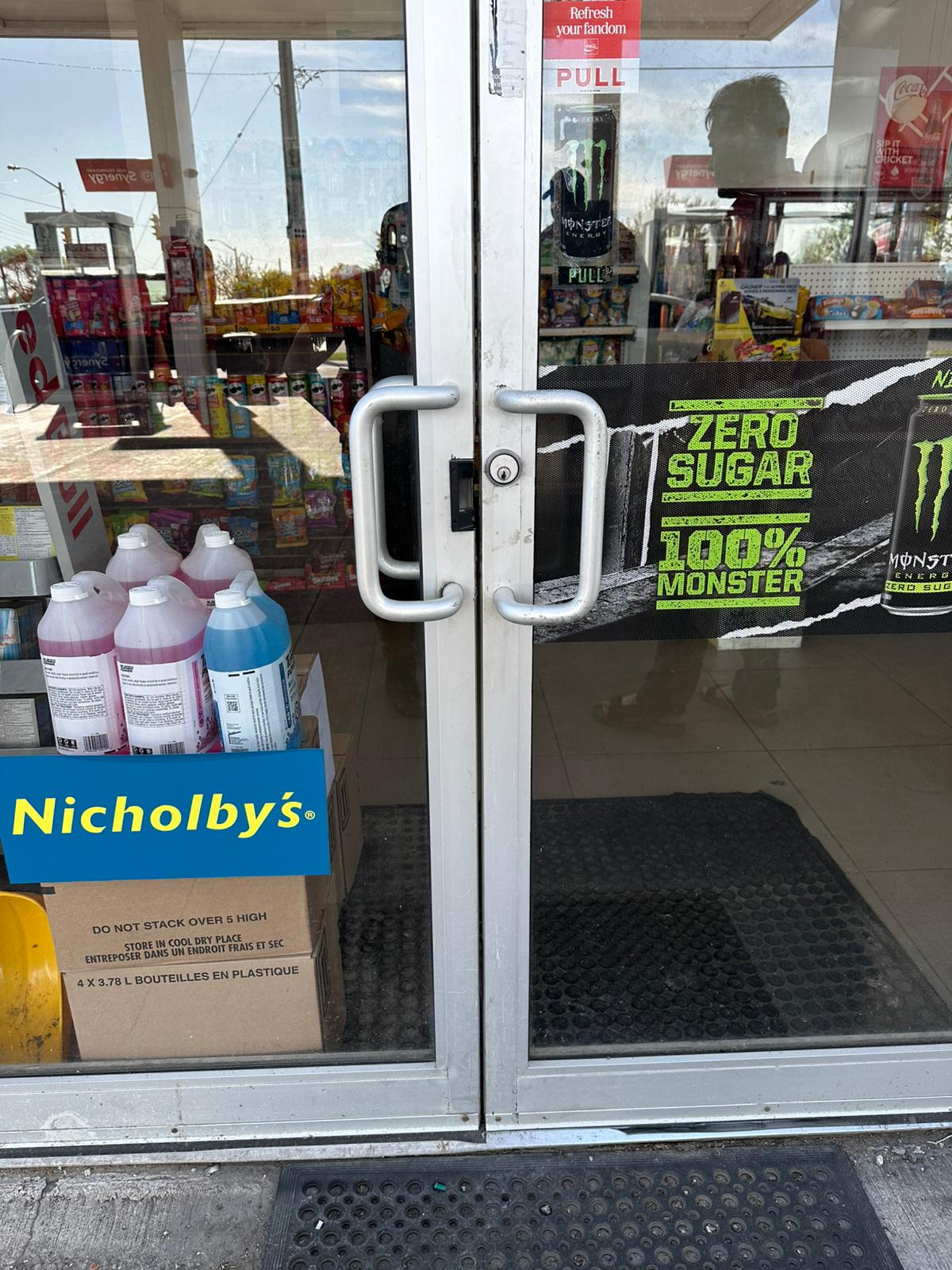
Most centres control the entrance rather than lock the interior. That usually means a locked main door with a buzzer or intercom, a camera or window so staff can see who is there, and a routine for admitting parents and visitors.
Electric strikes and maglocks are common, and they have to fail in a way that still allows exit. On a fire door, the hardware and its release must be listed for that use. This is specification work, and the manufacturer's documentation matters as much as it does for fire door hardware for businesses.
A sign-in process and a staff routine do more than any lock. Hardware that staff work around, such as a door propped for deliveries, provides no protection at all.
Classroom doors are a specific topic, and practice differs between boards and jurisdictions. The common requirements are that teachers can secure a classroom without stepping into the corridor, that the door still opens from inside with one motion, and that the hardware does not rely on an added device that could jam.
Classroom security functions built into a mortise or cylindrical lock are designed for exactly that. Aftermarket barricade devices are a different matter: many conflict with fire code and accessibility requirements, and some prevent staff or first responders entering. Decisions about them belong with the board, the fire authority and the authority having jurisdiction.
Hardware must also be usable by people with limited strength or grip, including staff, parents and students. Lever handles rather than knobs, closers adjusted so a door is not too heavy, and controls at a reachable height all form part of that.
Adjusting a closer so a door is easier to open, while still closing and latching, is routine work and often the most useful thing we do in a school. The same closer and lever considerations apply at home with easier-to-use door hardware for seniors.
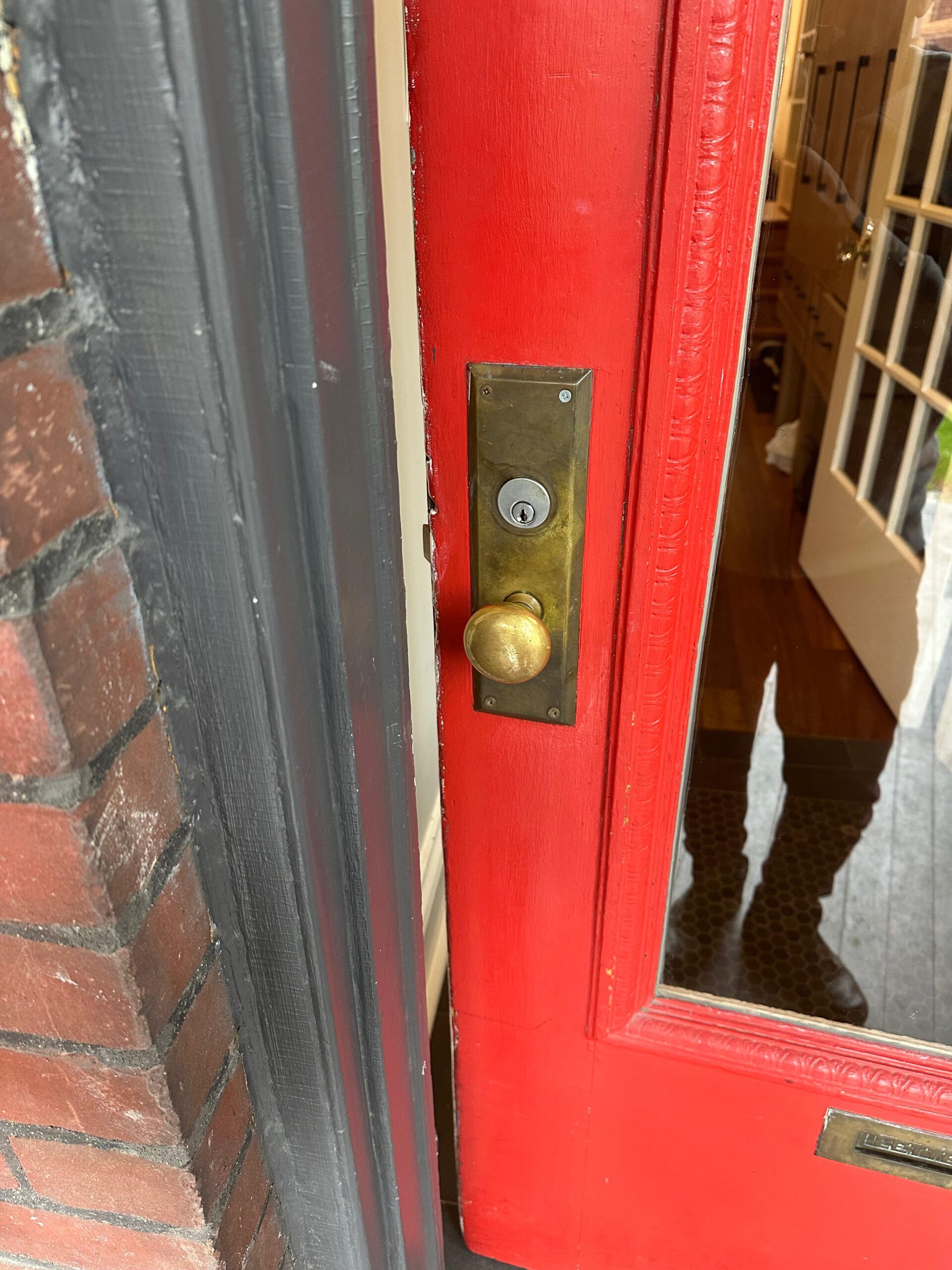
Schools and daycares have high staff turnover, casual staff, contractors and cleaners. That makes key control more important than in most businesses. A master-key system lets each person open only the doors they need, and a key register records who holds what.
When a staff member leaves, collect the keys and remove codes and cards the same week. Where keys are missing, rekeying after an employee leaves closes the gap, and restricted keyways limit unauthorized copies, a point worth knowing alongside lock grades.
The faults we see most in these buildings are closers that no longer latch a door, exit devices that have been dogged or tied back, worn cylinders on doors used hundreds of times a day, and propped doors that were awkward to use. Each is an adjustment or a part rather than a project.
A scheduled check of every door, once or twice a year, catches them; see annual door and lock maintenance check.
We service, adjust and repair closers, latches and exit devices; fit hardware that is listed and permitted for the opening; correct alignment so doors latch reliably; set up and maintain master-key systems; and rekey after staff changes.
We do not certify fire door assemblies, interpret licensing requirements or approve classroom security devices. Where a decision belongs with the fire authority, the licensing body or the board, we say so and work to what they confirm.
Most centres and schools have periodic fire inspections, and the findings often touch door hardware: a door that does not latch, an exit device that has been tied back, a hold-open that is really a wedge, or a lock added to an exit door with good intentions.
If an inspection has raised something, send us the wording. It is usually far more efficient to work from what the inspector actually wrote than from a description of it, and it avoids fitting something that satisfies one requirement while breaching another.
Keep a record of what was corrected and when, with hardware models and any listings. That record shortens the next inspection and shows a pattern if one particular door keeps failing.
Finally, involve the people who use the doors every day. Staff notice a latch that sometimes misses or a closer that has become heavy long before it appears on an inspection report, and they are usually the ones who invent the workaround. Asking them what is awkward often identifies the door to fix first, and it makes the eventual change something they will actually use rather than work around.
When you call, describe the building, the doors involved, whether any are on exit routes, and what you are trying to achieve. Tell us if a licensing inspection or fire inspection has raised something specific. Related work on the rest of the building is handled through our commercial locksmith services.
Keep reading
High-mounted hardware is common in daycares, but what is permitted depends on the door and on the licensing and fire requirements that apply to your facility, including mounting heights on exit doors. Confirm with your licensing body and the local fire prevention office before changing anything. We fit what they permit. The governing principle is that a door on an exit route must still release with a single motion, without a key or special knowledge.
High-mounted hardware is common in daycares, but what is permitted depends on the door and on the licensing and fire requirements that apply to your facility, including mounting heights on exit doors. Confirm with your licensing body and the local fire prevention office before changing anything. We fit what they permit. The governing principle is that a door on an exit route must still release with a single motion, without a key or special knowledge.
Not on a door people exit through while the building is occupied. A keyed deadbolt, chain or slide bolt means someone has to find and operate a second device to get out, which is exactly what fire requirements are written to prevent. Control the entrance on the outside face instead, with a locked main door, a buzzer or intercom, and a routine for admitting visitors. The hardware still has to let people leave freely from inside.
They are contentious, and the decision is not a locksmith's to make. Many aftermarket barricade devices conflict with fire code and accessibility requirements, and some can prevent staff or first responders from entering a room. Locks with a built-in classroom security function, which let a teacher secure the door without stepping into the corridor while keeping single-motion egress, are the usual alternative. Any decision should involve your board, the fire authority and the authority having jurisdiction.
Yes, because a propped door provides no control at all and often means the hardware is awkward to use. Look at why it happens: a closer that is too strong, a latch that sticks, or a delivery routine with nowhere to put things down. Fixing the cause usually stops the propping. If a door genuinely needs to stay open at certain times, a hold-open device linked to the fire alarm is the correct way to do it.
Use a master-key system so each person's key opens only the doors they need, and keep a register recording who holds which key and when it was issued and returned. Collect keys when staff leave and remove codes and cards the same week. Where copies are a concern, a restricted keyway limits who can cut a key. Rekeying after a departure keeps your hardware while changing which key works.
We can fit and service the door hardware involved, including electric strikes and the locks they work with, provided the products are suitable for the door and, on a fire door, listed for that use. The intercom, camera and wiring side may involve another trade depending on the system. Tell us what you want the door to do, and we will explain which parts we handle and which need a specialist.
It matters a great deal. A door that closes but does not latch can be pushed open, and on a fire door the latch is what holds it against smoke and fire pressure. The cause is usually a closer that has lost adjustment, a misaligned strike or a worn latch, all of which are repairable. On doors used hundreds of times a day, this is the single most common fault we find.
Once or twice a year for most facilities, and more often for doors in constant use. A check covers closers, latches, exit devices, cylinders, hinges and alignment, and it catches the faults that lead to propped or unlatched doors. Keeping a record of what was serviced and when also helps at inspection time, alongside the hardware models and any listings for fire-rated openings.
GTA Lockman Mobile Locksmith Services is a mobile locksmith working on homes, businesses and vehicles across Toronto and the GTA, with more than 14 years in the trade. Every review is written by a customer on Google, where you can read them in full.
Areas served: Toronto, North York, Scarborough, Etobicoke, Vaughan, Richmond Hill, Markham, Stouffville, Newmarket, Mississauga, Brampton, Oakville, Milton, Halton Hills, Pickering, Ajax, Whitby, Oshawa, Uxbridge.
Describe the door, hardware and service address. Contact GTA Lockman Mobile Locksmith Services to confirm the scope and scheduling for your location.